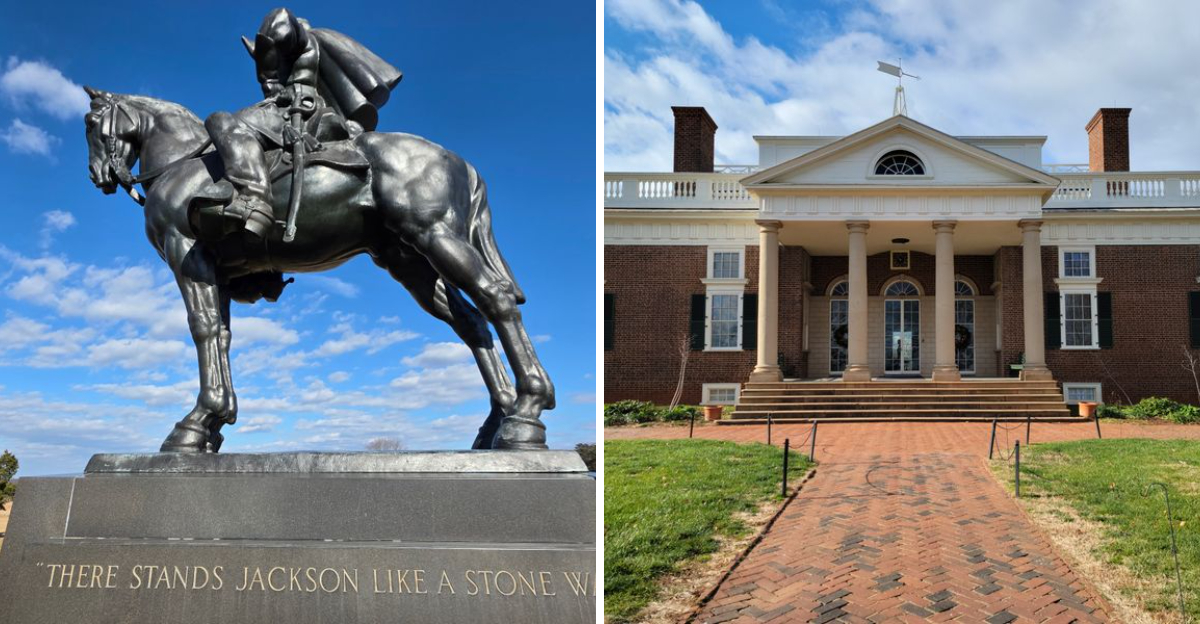
Think history is boring? Virginia’s museums are here to prove you wrong.
From battlefields to colonial streets, these spots make the past jump off the pages and straight into your imagination. You’ll walk through recreated towns, touch real artifacts, and hear stories that’ll stick with you long after you leave.
Get ready to time travel without leaving the Old Dominion.
Colonial Williamsburg
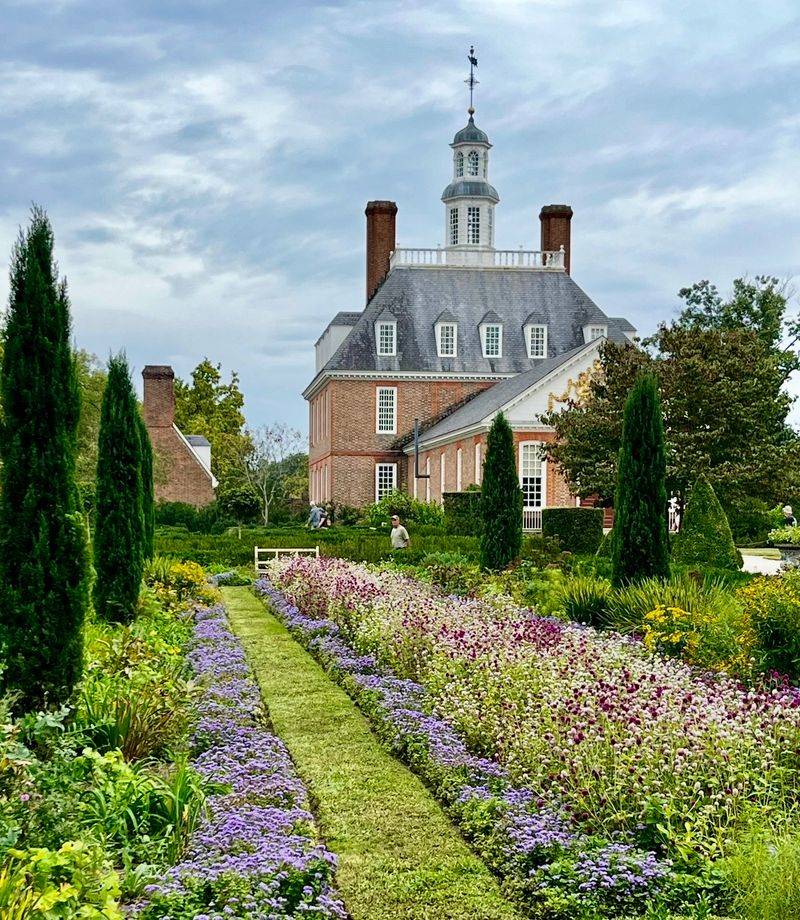
Step into the largest living history museum in America and watch the 18th century come alive around you. Colonial Williamsburg spans over 300 acres of restored buildings where costumed interpreters don’t just recite facts, they live them.
Blacksmiths hammer hot iron into tools while bakers pull fresh bread from wood-fired ovens. The smell of woodsmoke mixes with horses clip-clopping down Duke of Gloucester Street.
Every person you meet stays in character, so asking about their iPhone gets you some seriously confused looks.
Kids go nuts for the interactive experiences here. They can join militia drills, help in colonial gardens, or learn games children played before video games existed.
The Governor’s Palace gardens alone could keep you wandering for an hour.
Evening programs add extra magic when lanterns light the streets and ghost stories echo through darkened taverns. Revolutionary debates happen in real time at the Capitol building where Patrick Henry once spoke.
Don’t miss the archaeological sites where researchers actively dig up artifacts. You might watch someone uncover a 250-year-old button or pottery shard.
The museum never stops discovering new pieces of the puzzle.
Plan a full day minimum because rushing through feels criminal. Comfortable shoes are non-negotiable since you’ll rack up serious steps exploring every corner of this remarkable place.
301 First Street, Williamsburg, VA 23185
Jamestown Settlement
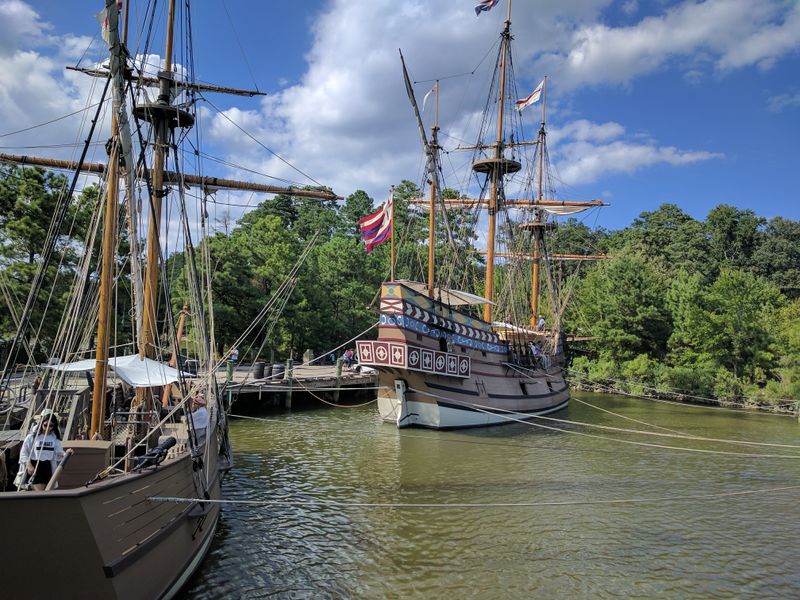
America’s first permanent English colony gets the full treatment at this waterfront museum. Three massive ship replicas bob in the James River, ready for you to climb aboard and imagine crossing the Atlantic in 1607.
The ships look tiny until you’re standing on deck. Cramped quarters below show how over 100 people survived months at sea eating hardtack and dried meat.
Interpreters explain navigation using only stars and primitive instruments.
Walk off the ships into a recreated Powhatan village where you’ll see how indigenous people lived before European contact. Bark-covered houses called yehakins stand among garden plots of corn, beans, and squash.
Demonstrations show hide tanning, pottery making, and tool crafting using traditional methods.
The colonial fort reconstruction puts you inside wooden walls where settlers struggled through brutal early years. Wattle and daub houses, a church, and storehouse recreate their desperate living conditions.
Costumed historians cook period meals over open fires and practice musket drills.
Indoor galleries fill gaps with artifacts, documents, and interactive displays. Touch screens let you explore ship manifests and passenger lists.
A theater presentation sets the stage before you head outside.
Combination tickets with Historic Jamestowne (the actual archaeological site) give you both sides of the story. Seeing real excavation sites after experiencing the recreations creates powerful connections.
2110 Jamestown Road, Williamsburg, VA 23185
American Civil War Museum
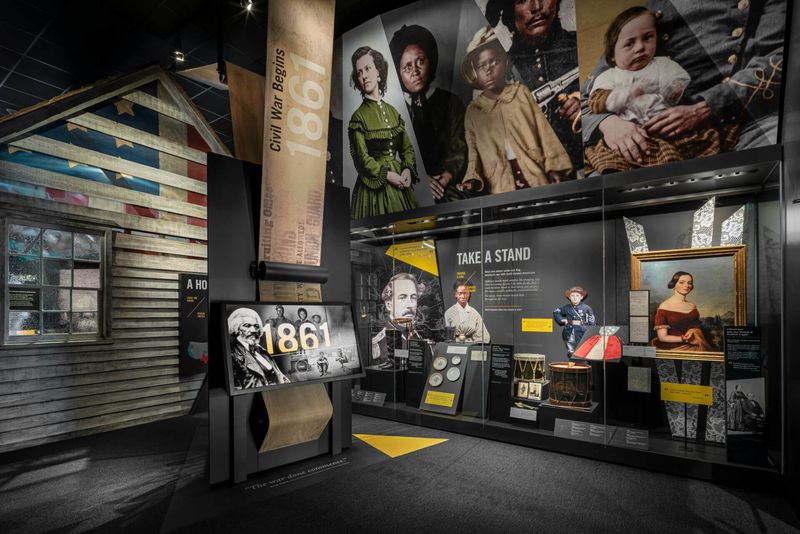
Richmond served as the Confederate capital, making this museum’s location incredibly significant. Three sites tell the complete Civil War story from multiple perspectives, something most museums skip.
The Historic Tredegar site sits on the James River where ironworks once produced Confederate weapons. Massive factory buildings now house exhibits exploring causes of the war, battlefield experiences, and how different groups remembered the conflict afterward.
Personal stories from soldiers, enslaved people, and civilians make abstract history deeply human.
Interactive displays let you handle replica equipment and understand the weight soldiers carried. Video testimonials from descendants of people on all sides add emotional depth.
The museum refuses to glorify anyone, instead presenting complicated truths about America’s bloodiest conflict.
Appomattox location marks where Lee surrendered to Grant, ending major fighting. Walking those grounds while understanding what happened there gives you chills.
The White House of the Confederacy in Richmond shows where Jefferson Davis lived and made decisions affecting millions.
Rotating exhibits ensure return visits reveal new angles. Recent shows explored Civil War medicine, photography’s role in documenting carnage, and how the war transformed American society forever.
Historians lead special tours diving deeper into specific topics. Their expertise answers questions textbooks never addressed.
School groups fill weekdays, but weekends offer quieter exploration time.
Programs for all ages include living history demonstrations and lecture series featuring prominent scholars.
500 Tredegar Street, Richmond, VA 23219
Virginia Museum of History and Culture
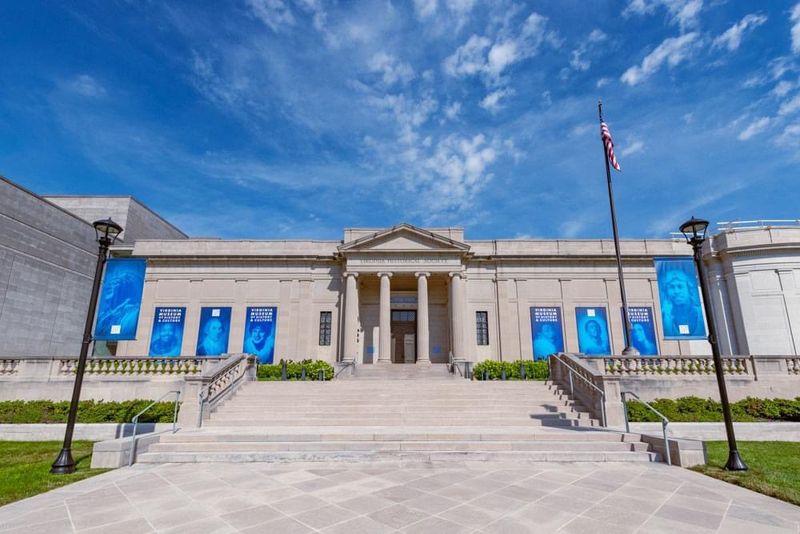
Formerly the Virginia Historical Society, this Richmond institution houses 9 million manuscripts and 230,000 books. Numbers don’t capture how cool it actually is to see George Washington’s actual letters or Pocahontas’s portrait.
The Story of Virginia core exhibit walks you through 16,000 years of history in one massive gallery. You start with indigenous peoples and end at modern times, seeing how Virginia shaped America at every turn.
Touchable artifacts and multimedia presentations keep things moving.
Special exhibits rotate regularly, covering everything from Virginia cuisine to civil rights struggles. Recent shows explored how Virginia inventors changed daily life and the state’s role in space exploration.
Each temporary exhibit brings fresh reasons to visit.
Kids love the hands-on history room where they can try on reproduction clothing, play historical games, and handle replica tools. Learning happens without anyone realizing they’re in a museum.
The research library upstairs attracts genealogists hunting family connections. Staff help visitors trace ancestors through military records, census data, and personal papers.
Discovering your great-great-grandfather fought at Gettysburg hits different when you’re holding his service record.
Beautiful building architecture deserves attention too. The 1913 structure features classical design with modern additions blending seamlessly.
Outdoor spaces include gardens perfect for picnic lunches between exhibit halls.
Free admission days happen monthly, making history accessible to everyone regardless of budget.
428 North Arthur Ashe Boulevard, Richmond, VA 23220
Frontier Culture Museum
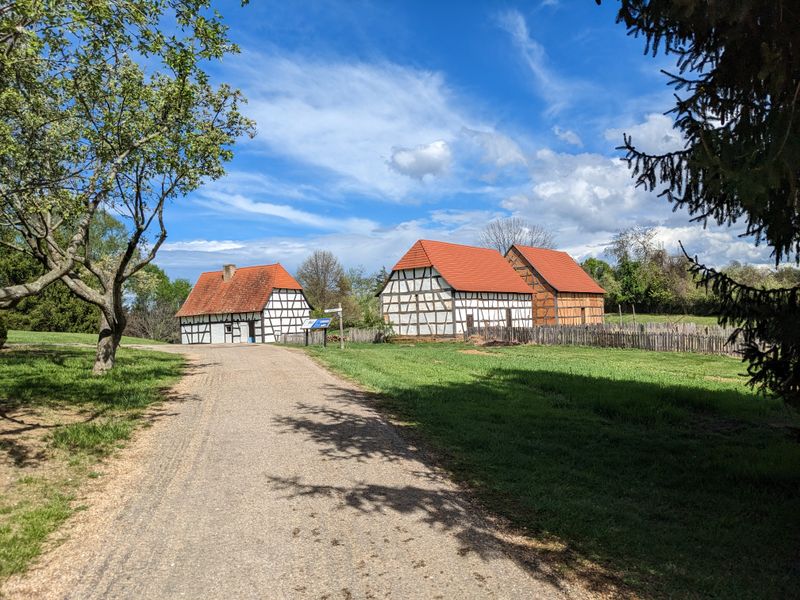
Ever wonder where Appalachian culture came from? This Staunton museum answers that question by showing actual farms from Germany, Ireland, England, and West Africa, then demonstrating how those traditions merged in Virginia’s backcountry.
Authentic buildings were disassembled overseas, shipped to Virginia, and rebuilt exactly as they stood centuries ago. Walking through a 1700s German house feels like teleporting.
The furniture, tools, and layout match historical records perfectly.
Heritage breed animals roam the farmyards just like their ancestors did. Sheep, cattle, chickens, and pigs represent breeds colonists actually raised.
Watching interpreters shear sheep or churn butter shows how labor-intensive pre-industrial life was.
The West African exhibit addresses slavery’s role in shaping Southern agriculture and foodways honestly. Interpreters discuss how enslaved people maintained cultural practices while being forced to work tobacco and grain fields.
It’s heavy but essential history.
American farmsteads from different eras show how immigrant traditions blended over generations. The 1740s farm looks different from the 1820s version, revealing how technology and prosperity changed daily life.
Comparing cooking methods across time periods makes you grateful for modern conveniences.
Seasonal events bring extra activities like sheep shearing festivals, harvest celebrations, and traditional craft demonstrations. Blacksmiths, weavers, and potters show skills that kept communities functioning before mass production.
The museum sits in the beautiful Shenandoah Valley with mountain views enhancing the rural atmosphere.
1290 Richmond Road, Staunton, VA 24401
Monticello
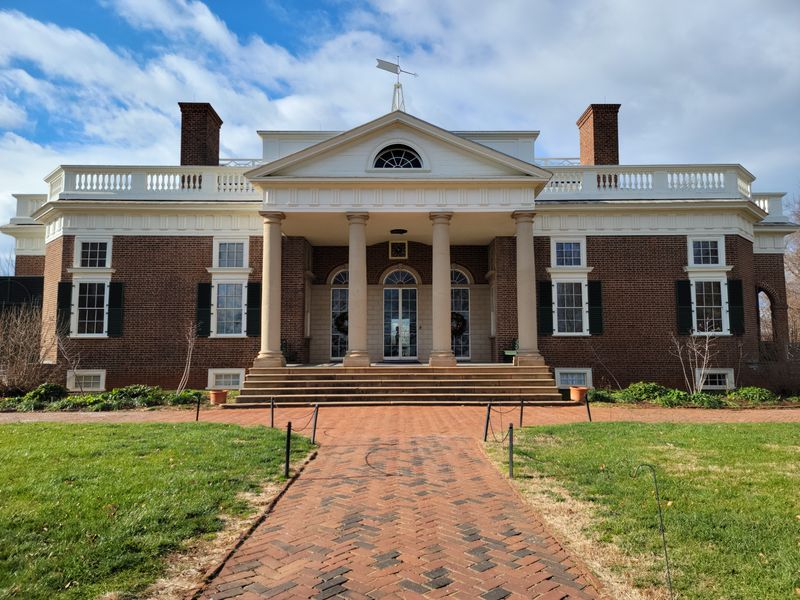
Thomas Jefferson designed every detail of this mountaintop plantation, from the architecture to the gardens. His genius shows everywhere, but so do the contradictions of a man who wrote about freedom while enslaving over 600 people.
House tours reveal Jefferson’s innovations like the Great Clock, hidden beds, and polygraph machine that copied letters as he wrote them. Guides don’t shy away from discussing Sally Hemings and the enslaved community who made Jefferson’s lifestyle possible.
Modern tours focus equally on mansion and slave quarters.
Mulberry Row preserves foundations where enslaved families lived and worked. Archaeological discoveries continue revealing their stories.
The contrast between Jefferson’s elegant rooms and the sparse slave dwellings drives home uncomfortable truths about American history.
Jefferson’s gardens still grow according to his detailed planting notes. Walking paths wind through vegetable terraces where he experimented with hundreds of plant varieties.
The man obsessed over gardening almost as much as politics.
The museum shop and visitor center provide context before you head up the mountain. Films and exhibits prepare you for what you’ll see, making the experience more meaningful than just gawking at a fancy house.
Special tours explore specific topics like Jefferson’s wine cellar, his library, or the enslaved community in depth. Behind-the-scenes tours show restoration work and storage areas normally off-limits.
Book tickets weeks ahead during peak season because this place sells out fast.
931 Thomas Jefferson Parkway, Charlottesville, VA 22902
Mount Vernon
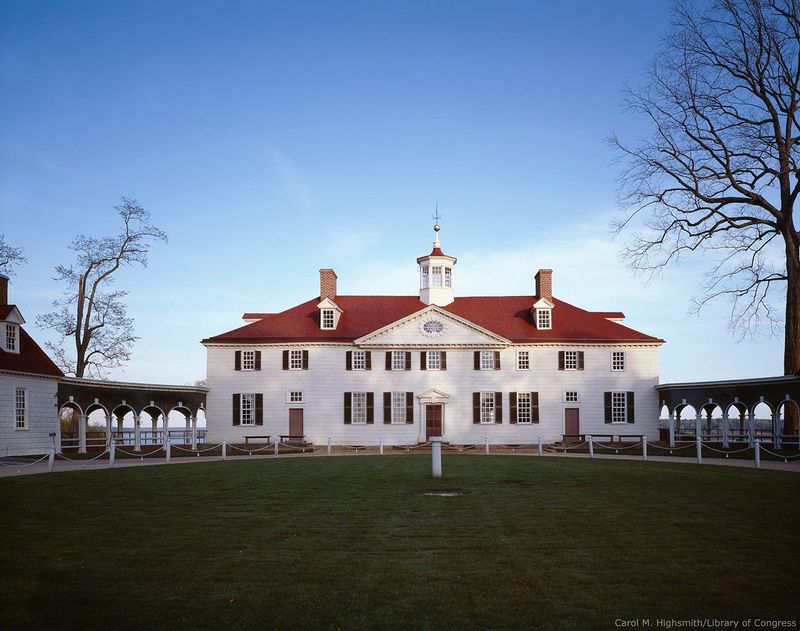
George Washington’s estate spreads across 500 acres overlooking the Potomac River. The first president spent decades developing this working plantation into a showcase property that still impresses visitors today.
Mansion tours take you through rooms where Washington entertained foreign dignitaries and made decisions shaping the new nation. His bedroom, where he died, feels surprisingly intimate.
Original furnishings and paint colors recreate the 1799 appearance.
Outside, the piazza offers stunning river views Washington enjoyed daily. Outbuildings include a kitchen, smokehouse, laundry, and slave quarters telling the complete story of plantation operations.
Costumed interpreters demonstrate cooking, blacksmithing, and other essential tasks.
The museum and education center houses Washington’s actual dentures (not wooden), his military tent from the Revolutionary War, and personal items bringing the legend down to human scale. Interactive exhibits let kids try on military uniforms and explore a scale model of the estate.
Washington’s tomb sits in a quiet grove where visitors pay respects to the man who refused to become king. Nearby, a slave memorial honors the 317 enslaved people who lived and died at Mount Vernon.
Gardens and grounds require serious walking, so pace yourself. The four-acre ornamental garden alone could occupy an hour.
Pioneer farm demonstrates 18th-century agricultural techniques using heritage breeds.
Seasonal events include Revolutionary War reenactments and holiday celebrations decorated exactly as Washington would have known them.
3200 Mount Vernon Memorial Highway, Mount Vernon, VA 22121
Manassas National Battlefield Park
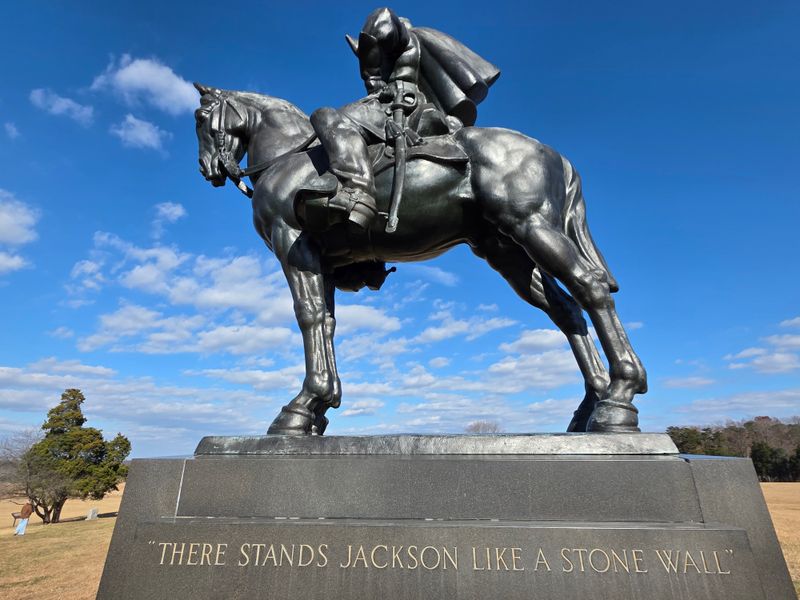
Two major Civil War battles happened on these fields where over 26,000 men became casualties. Walking the same ground where soldiers fought and died creates powerful emotional connections to events that shaped America.
The visitor center sets the stage with a film explaining both First and Second Manassas battles. Maps show troop movements while artifacts recovered from the battlefield make abstract strategy personal.
Seeing a soldier’s personal effects brings home the human cost.
Henry Hill formed the center of First Manassas where Stonewall Jackson earned his nickname. Monuments dot the hillside marking where different units fought.
The reconstructed Henry House shows battle damage and tells the story of Judith Henry, the only civilian killed during the fighting.
Second Manassas battlefield spreads across different terrain where Robert E. Lee won his greatest victory.
The Deep Cut trail follows where Confederates held a railroad grade against repeated Union assaults. Standing in that cut, imagining the noise and terror, makes history visceral.
Self-guided driving tours with audio stops let you explore at your own pace. Ranger-led walks happen weekends, providing expert insights into tactics, leadership decisions, and soldier experiences.
Their knowledge transforms fields into three-dimensional battlefields.
Hiking trails crisscross the park, totaling over 40 miles. Some follow historic roads armies used while others explore quieter corners where nature has reclaimed former farmland.
Sunrise and sunset cast magical light across the fields, perfect for photography and contemplation.
6511 Sudley Road, Manassas, VA 20109
Virginia Museum of Fine Arts
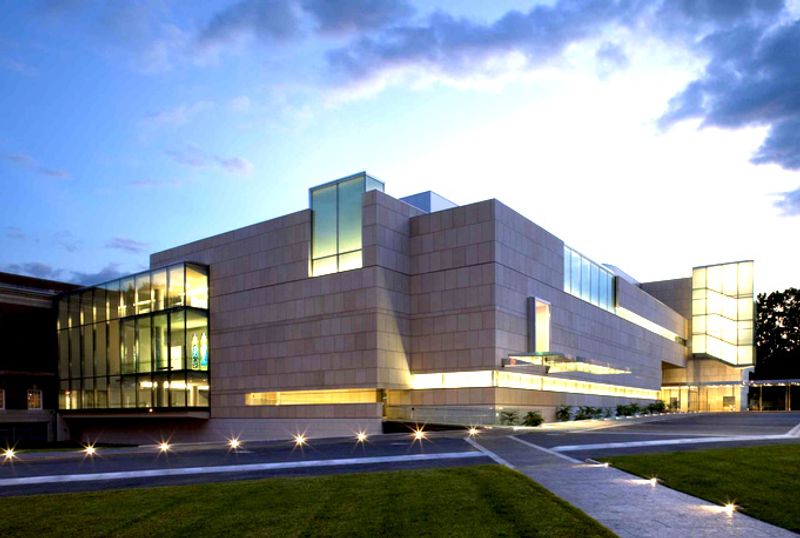
Free admission to a world-class art museum sounds too good to be true, but VMFA delivers. The collection spans 5,000 years from ancient Egypt to contemporary installations, making it one of America’s top comprehensive art museums.
The Fabergé egg collection alone draws visitors from around the globe. Five imperial eggs plus hundreds of other objects show the jeweler’s incredible craftsmanship.
Seeing these treasures created for Russian royalty feels surreal, especially knowing their tumultuous history.
Art Nouveau and Art Deco galleries showcase furniture, jewelry, and decorative arts from the early 20th century. The flowing lines and innovative designs still look fresh and modern.
Tiffany glass pieces glow with otherworldly colors.
American art galleries trace the nation’s artistic development from colonial portraits to abstract expressionism. Works by Georgia O’Keeffe, Edward Hopper, and Jackson Pollock represent different movements and styles.
Seeing original masterpieces beats textbook reproductions every time.
Contemporary wing features rotating installations by living artists pushing boundaries. Some pieces confuse, others inspire, all make you think.
Interactive elements invite participation rather than passive viewing.
The sculpture garden provides outdoor space for massive works and quiet reflection. Fountains and landscaping create an oasis in the middle of Richmond.
Perfect spot for lunch breaks between galleries.
Special exhibitions require tickets but bring blockbuster shows to Virginia. Past exhibits featured Van Gogh, ancient Chinese terra cotta warriors, and Picasso.
Educational programs include studio classes, lectures, and family activities making art accessible to everyone.
200 North Arthur Ashe Boulevard, Richmond, VA 23220
Yorktown Victory Center
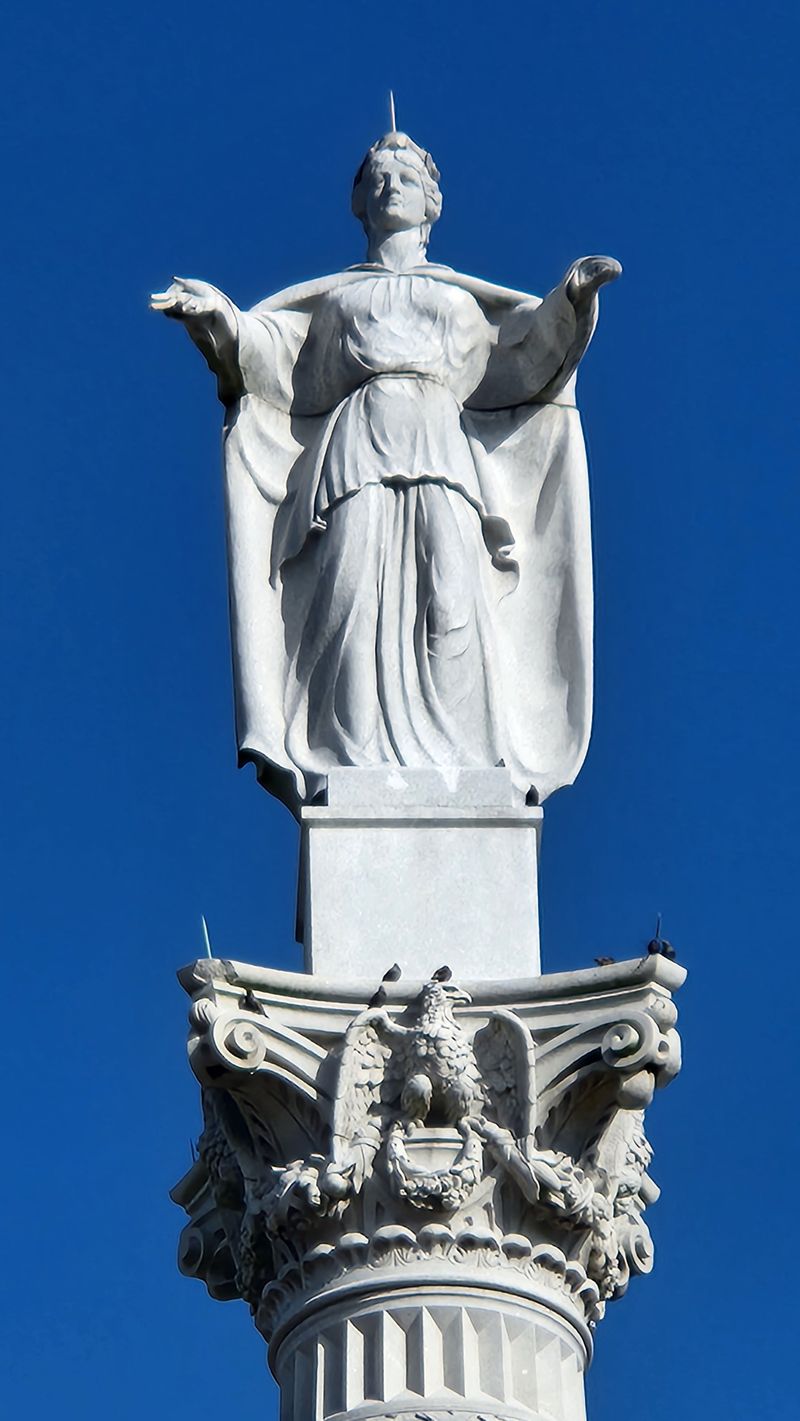
The American Revolution ended at Yorktown when Cornwallis surrendered to Washington. This museum brings that pivotal moment to life while exploring the entire Revolutionary period from multiple perspectives.
Outdoor living history areas recreate a Continental Army encampment where soldiers demonstrate military drills, musket firing, and camp life. The smell of woodsmoke and sound of fife and drum transport you back to 1781.
Interpreters explain how the ragtag Continental Army evolved into a professional fighting force.
A recreated 1780s farm shows how the war affected everyday colonists. Crops grow in fields, chickens scratch in the yard, and interpreters in period clothing perform daily tasks.
They discuss how families dealt with soldiers passing through, food shortages, and divided loyalties.
Indoor galleries trace the road to revolution and beyond. Personal stories from soldiers, enslaved people, women, and Native Americans show how the war touched everyone differently.
Artifacts include weapons, uniforms, documents, and personal items recovered from the battlefield.
The Siege of Yorktown exhibit uses a massive diorama showing troop positions during the final battle. Watching the presentation with lights and sound effects makes complex military strategy understandable.
You grasp why this location proved so decisive.
Combination tickets include Historic Jamestowne, bookending Virginia’s role in American history from beginning to revolutionary end. Seeing both sites in one trip shows the complete arc.
200 Water Street, Yorktown, VA 23690
Dear Reader: This page may contain affiliate links which may earn a commission if you click through and make a purchase. Our independent journalism is not influenced by any advertiser or commercial initiative unless it is clearly marked as sponsored content. As travel products change, please be sure to reconfirm all details and stay up to date with current events to ensure a safe and successful trip.
