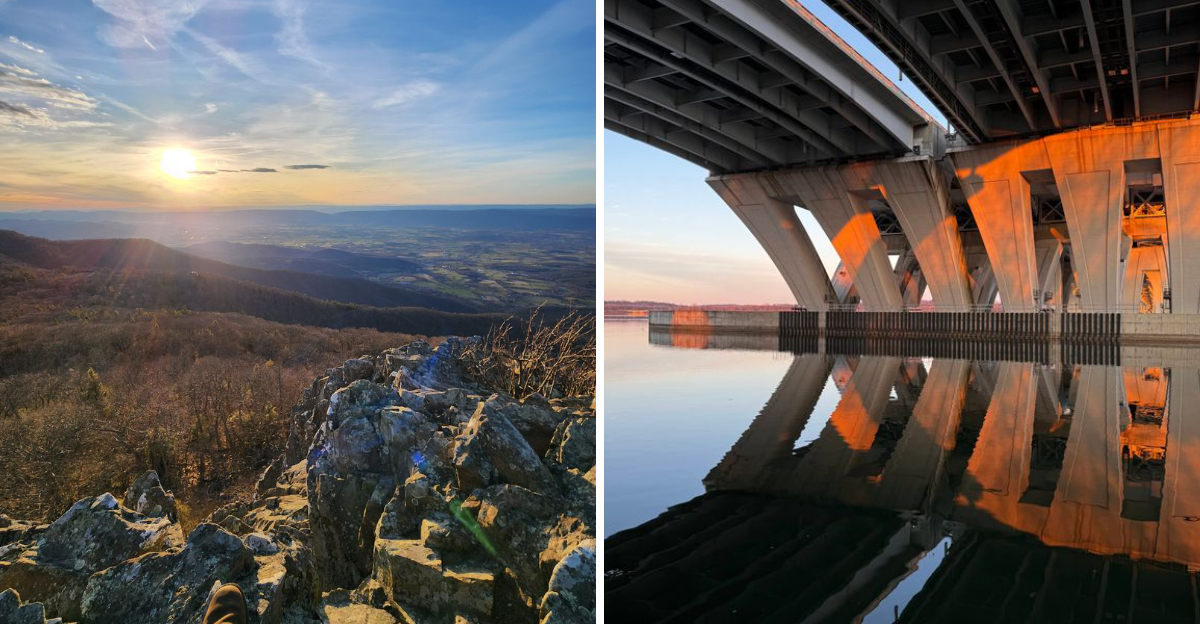
Virginia’s winding roads tell stories that stretch back centuries, weaving through mountains, valleys, and coastal plains that change with every season. February brings a special kind of magic to these routes, when winter’s chill softens the landscape and crowds thin out, leaving you with uninterrupted views and peaceful stops.
Road trippers who venture out during this quieter month discover a side of the Old Dominion that summer tourists never see. The state’s official scenic byways offer everything from Revolutionary War history to jaw-dropping mountain vistas, and February’s cooler temperatures make hiking and exploring surprisingly comfortable.
Pack your warmest jacket, load up your favorite playlist, and get ready to see Virginia in a whole new light. These ten routes promise adventure, beauty, and memories that’ll last long after you’ve returned home.
Whether you’re chasing waterfalls, historic battlefields, or simply a change of scenery, Virginia’s byways deliver experiences that feel both timeless and refreshingly new.
1. Skyline Drive Through Shenandoah National Park, Virginia
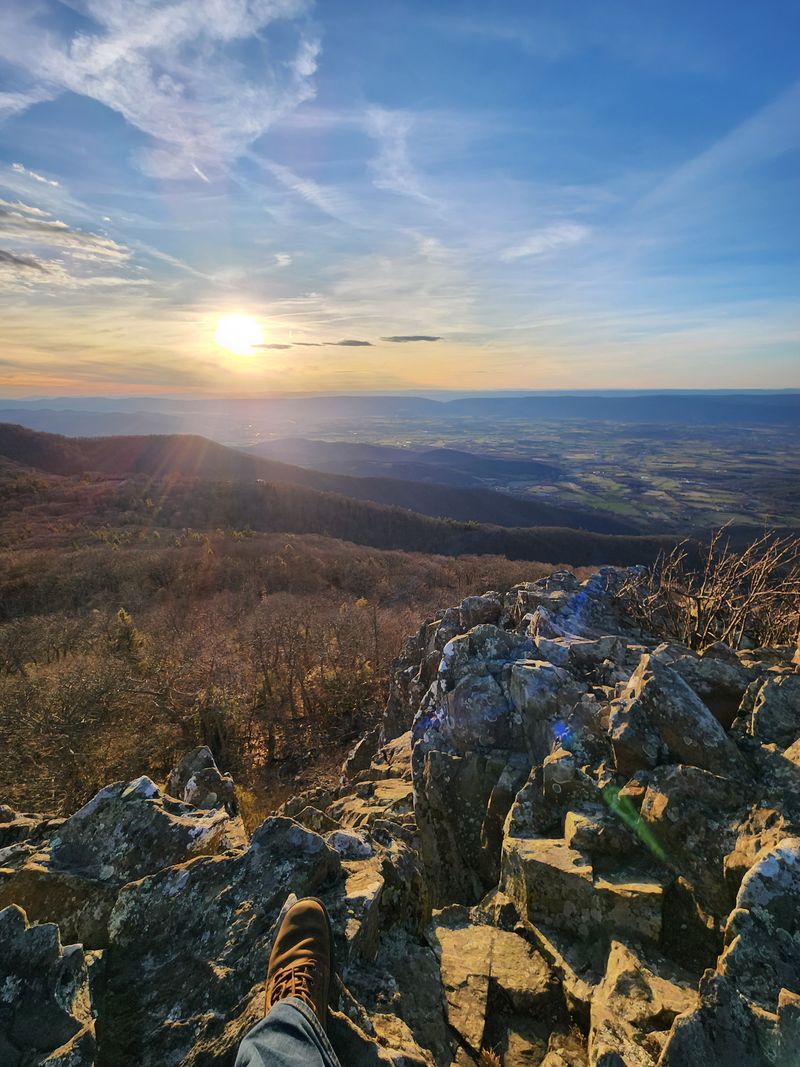
Shenandoah National Park transforms into a serene wonderland come February, when Skyline Drive sheds its summer crowds and reveals a quieter, more contemplative side. This iconic route stretches along the crest of the Blue Ridge Mountains, offering overlooks that’ll make you pull over every few miles just to soak in the views.
Winter’s bare trees actually work in your favor here, opening up sightlines that foliage normally blocks during warmer months. You’ll spot distant ridgelines and valleys that remain hidden when leaves are full.
The crisp air makes everything sharper, clearer, and somehow more vivid than you’d expect.
Wildlife sightings increase during this season too, as deer and other creatures become easier to spot against the muted landscape. Black bears are hibernating, so you can hike without that particular concern weighing on your mind.
February temperatures hover cool but manageable, perfect for bundling up and exploring the park’s many trails.
Waterfalls run fuller thanks to winter precipitation, creating photo opportunities that summer visitors miss entirely. Dark Hollow Falls and Rose River Falls become particularly photogenic when ice clings to surrounding rocks.
Pack layers and prepare for changing conditions as elevation shifts along the drive.
The park’s visitor centers offer warm respites and fascinating exhibits about the region’s natural and cultural history. Rangers provide current road conditions and trail recommendations based on recent weather.
Stop at Big Meadows for stunning panoramic views that stretch for miles in every direction.
3655 US Highway 211 East, Luray, VA 22835
2. Colonial Parkway Connecting Historic Triangle Sites, Virginia
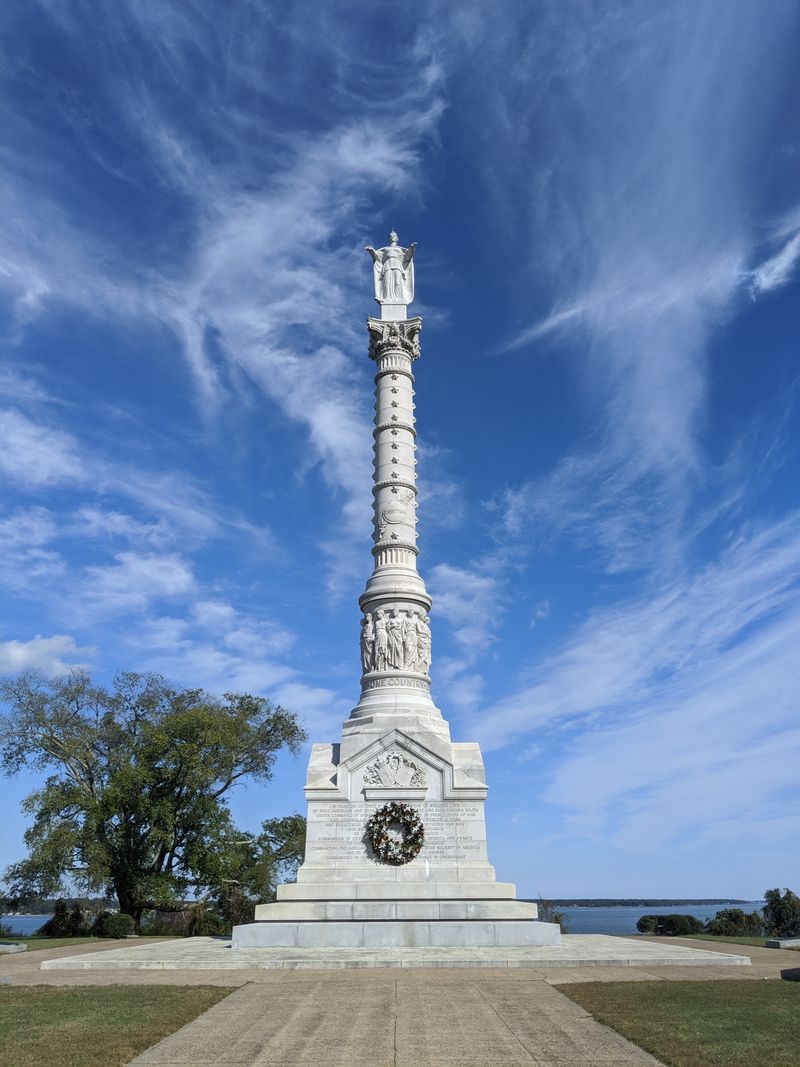
History buffs find themselves in absolute heaven along this stunning connector between Jamestown, Williamsburg, and Yorktown. Colonial Parkway doesn’t just get you from point A to point B; it transports you through centuries of American history while treating your eyes to some seriously beautiful waterfront scenery.
February’s cooler weather makes exploring the historic sites at either end far more pleasant than battling summer heat and humidity. You’ll actually enjoy walking through colonial settlements and Revolutionary War battlefields without breaking a sweat.
The parkway itself remains beautifully maintained year-round, with trees arching overhead to create natural tunnels in some sections.
York River views appear and disappear as you cruise this 23-mile route, offering glimpses of water that sparkle even on overcast winter days. Pull-offs provide perfect spots for stretching your legs and snapping photos of the tidal wetlands that border much of the drive.
Birdwatchers bring binoculars to spot waterfowl that winter in these protected marshes.
Traffic thins considerably during February, meaning you can actually drive at a leisurely pace without feeling rushed by impatient tourists behind you. The parkway prohibits commercial vehicles, maintaining a peaceful atmosphere that lets you focus on the scenery rather than dodging trucks.
Speed limits stay low, encouraging a relaxed approach to sightseeing.
Plan stops at all three historic sites for a full day of exploration that covers four centuries of Virginia history. Each location offers unique perspectives on colonial life, revolutionary struggle, and early American development.
Bring a picnic to enjoy at one of the designated areas along the route.
Colonial Parkway, Williamsburg, VA 23185
3. Blue Ridge Parkway Southern Section, Virginia
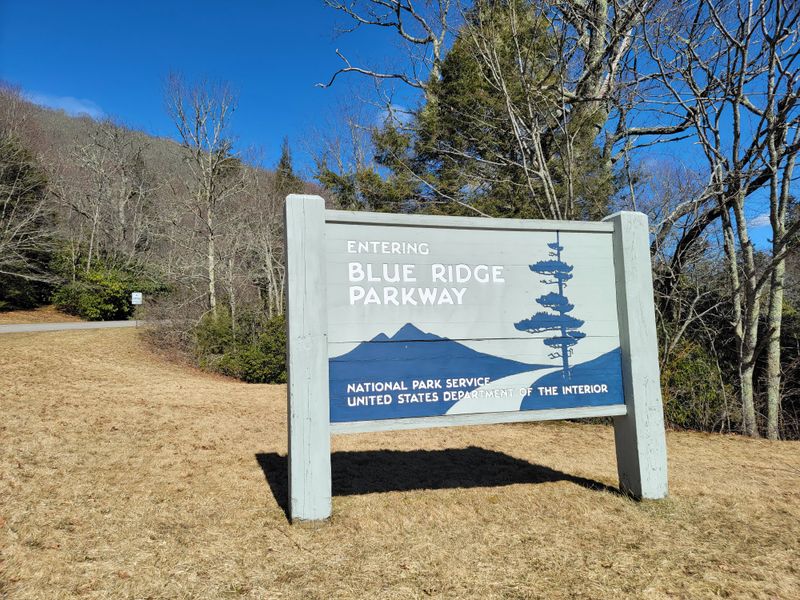
Virginia’s portion of the Blue Ridge Parkway delivers knockout mountain scenery that rivals anything you’ll find further south in North Carolina. February brings a raw, honest beauty to these highlands, stripping away the softness of summer greenery to reveal the bones of ancient mountains.
Overlooks become even more dramatic when winter light casts long shadows across the valleys below.
Mabry Mill stands as one of the parkway’s most photographed spots, and February snow occasionally dusts this picturesque grist mill in a way that makes it look like a postcard from another era. The mill remains closed during winter months, but the exterior views alone justify the stop.
Nearby trails offer short walks through hardwood forests that crunch satisfyingly underfoot.
Smart Peak and Groundhog Mountain provide panoramic vistas that stretch across multiple ridgelines, each one fading to a lighter shade of blue in the distance. These elevated viewpoints let you see weather systems moving through the valleys, creating ever-changing cloudscapes that photographers dream about.
Bring your camera and plan to spend time at each overlook rather than rushing past.
Road conditions vary throughout February, so check ahead before committing to the entire route. Some sections may close temporarily after winter storms, though crews work quickly to reopen access.
Lower elevation portions typically remain passable even when higher sections face challenges.
Rocky Knob area offers visitor facilities and information about the parkway’s construction history and natural features. Rangers can suggest the best currently accessible sections based on recent weather patterns.
Pack emergency supplies including blankets, water, and snacks in case unexpected delays occur.
Blue Ridge Parkway, Virginia
4. George Washington Memorial Parkway Along The Potomac, Virginia

Following the Potomac River’s Virginia shoreline, this parkway offers something special: a scenic route that feels worlds away from nearby Washington DC’s urban intensity. February’s bare trees actually enhance river views, letting you see the water’s movement and the Maryland shore beyond.
The route connects multiple historic sites while providing a driving experience that never feels rushed or crowded.
Great Falls Park marks a must-stop destination along this route, where the Potomac crashes over ancient rock formations in a display of raw natural power. Winter flow rates often run higher than summer levels, making the falls even more impressive.
Observation platforms let you get close enough to feel the mist without getting dangerously near the turbulent water.
Mount Vernon, George Washington’s estate, sits just off the parkway and welcomes visitors year-round with special February events honoring the first president’s birthday. Touring the mansion and grounds in cooler weather beats summer’s sweltering temperatures hands down.
The estate’s riverside location provides beautiful views across the Potomac that Washington himself would have enjoyed.
Theodore Roosevelt Island offers a peaceful natural retreat accessible via footbridge, with trails winding through swampy woodland that hosts surprising wildlife diversity. February brings migrating birds through the area, making it prime time for spotting species you won’t see during other seasons.
The island’s memorial to the conservation-minded president features inspiring quotes carved in stone.
Arlington National Cemetery provides a sobering but important stop, where rows of white headstones stretch across rolling hills in a powerful tribute to American service members. February’s smaller crowds allow for more reflective visits to this hallowed ground.
George Washington Memorial Parkway, McLean, VA 22101
5. Journey Through Hallowed Ground Byway, Virginia
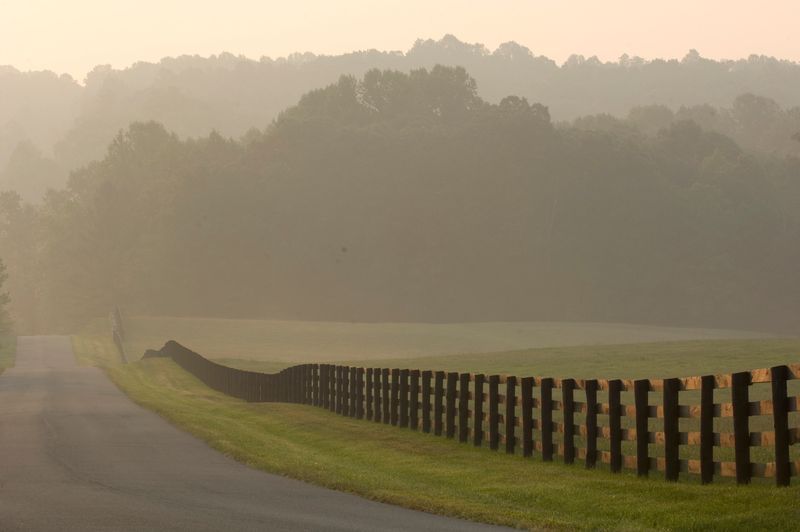
Stretching through Virginia’s Piedmont region, this byway carries you through landscapes where American history unfolded in dramatic fashion. Civil War battles, presidential homes, and centuries-old farms line this route that feels frozen in time despite modern traffic passing through.
February’s muted colors let architectural details and historical markers stand out more clearly than they do against summer’s green backdrop.
Montpelier, James Madison’s estate, opens its doors to visitors seeking insight into the father of the Constitution’s life and legacy. Recent restoration work has returned the mansion to its Madison-era appearance, offering authentic glimpses into early American political life.
The surrounding grounds feature gardens and walking trails that remain accessible throughout winter months.
Numerous Civil War battlefields dot this route, each telling part of the larger story of America’s most devastating conflict. Interpretive signs and preserved earthworks help you understand the strategic importance of this corridor.
February’s cooler temperatures make battlefield walks far more comfortable than summer hikes across open fields.
Small towns along the way offer charming downtown districts where local shops and cafes provide warm welcomes to road-trippers. Warrenton, Culpeper, and Middleburg each maintain distinct personalities while sharing a commitment to preserving their historic character.
Stop for lunch at locally-owned restaurants serving comfort food that warms you from the inside out.
Vineyards have become increasingly common throughout this region, with many offering winter tastings in cozy tasting rooms. February visits mean smaller crowds and more personal attention from winery staff.
Rolling hills covered in dormant grapevines create surprisingly beautiful landscapes that change character as light shifts throughout the day.
Journey Through Hallowed Ground Byway, Virginia
6. Crooked Road Heritage Music Trail, Virginia
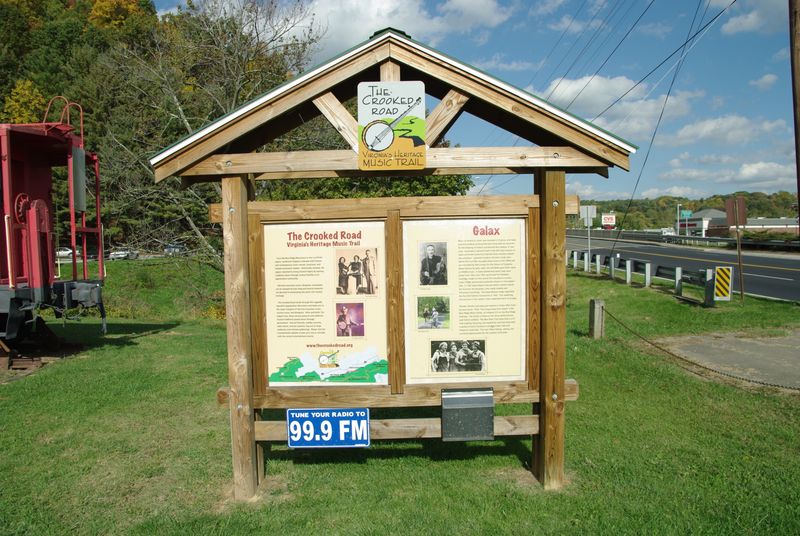
Southwest Virginia’s musical heritage comes alive along this route celebrating the region’s contributions to American roots music. The Crooked Road winds through mountain communities where bluegrass, old-time, and country music traditions run deep in local culture.
February brings special indoor music events that let you escape the cold while experiencing authentic Appalachian sounds.
Carter Family Fold in Hiltons hosts weekly acoustic concerts that draw musicians and music lovers from across the region. This historic venue honors the legacy of the Carter Family, whose recordings helped define country music’s early years.
Wooden benches and simple surroundings create an intimate atmosphere where music takes center stage without fancy production values.
Floyd Country Store maintains its reputation as a gathering place where locals and visitors alike come together for Friday night jamborees. Musicians of all skill levels join impromptu sessions that can last for hours.
The store itself sells everything from locally-made crafts to musical instruments, creating a community hub that serves multiple purposes.
Mountain scenery along this route rivals anything you’ll find on more famous Virginia byways, with fewer crowds to contend with during February. Winding roads climb through hollows and over ridges where small farms cling to hillsides.
Bare winter trees reveal mountain layers that summer foliage conceals.
Historic theaters in towns like Abingdon and Bristol showcase both traditional and contemporary mountain music throughout the year. These venues provide heated comfort while delivering world-class performances.
Check schedules ahead of your visit to catch special February shows featuring regional talent.
Galax sits at the heart of this musical region, hosting the famous Old Fiddlers Convention each summer but offering year-round opportunities to hear live mountain music.
The Crooked Road, Southwest Virginia
7. Virginia Birding And Wildlife Trail Coastal Route, Virginia
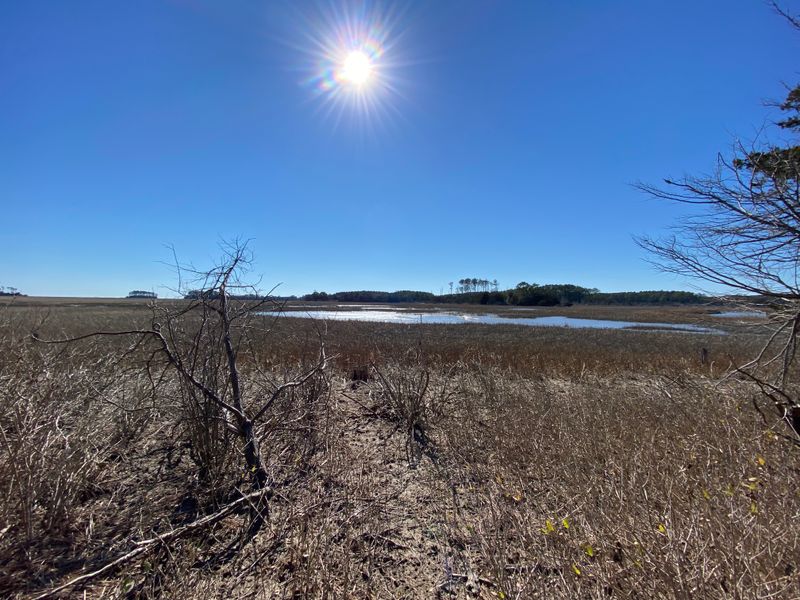
Chesapeake Bay’s western shore provides exceptional birding opportunities throughout February, when migrating waterfowl gather in massive numbers. This designated wildlife trail guides you to prime viewing spots where binoculars become essential equipment.
Tundra swans, snow geese, and numerous duck species create living clouds above marshlands and open water.
Eastern Shore of Virginia National Wildlife Refuge serves as a crucial stopover for birds traveling the Atlantic Flyway. February brings peak populations of certain species that you won’t see during other months.
Observation platforms and well-maintained trails make wildlife viewing accessible even for those with limited mobility. Visitor centers offer educational displays and helpful staff who can point you toward recent sightings.
Chincoteague National Wildlife Refuge extends your birding adventure onto barrier islands where beach and marsh habitats attract different species. Wild ponies roam these protected lands, adding an unexpected element to your wildlife watching.
February’s smaller tourist crowds mean you can explore beaches and trails without competing for space or views.
Back Bay National Wildlife Refuge near Virginia Beach provides yet another ecosystem to explore, with freshwater marshes hosting species you won’t find in saltwater environments. Trails wind through diverse habitats where careful observers spot everything from river otters to bald eagles.
Winter’s clear air and lower humidity create ideal conditions for long-distance viewing.
Kiptopeke State Park offers beach access and a hawk observation platform that attracts serious birders tracking raptor migrations. The park’s location on the Delmarva Peninsula creates a natural funnel for birds heading north or south.
Heated visitor facilities provide welcome breaks from February winds coming off the bay.
Eastern Shore of Virginia National Wildlife Refuge, 32205 Seaside Road, Cape Charles, VA 23310
8. Lee Highway Scenic Route Through Shenandoah Valley, Virginia
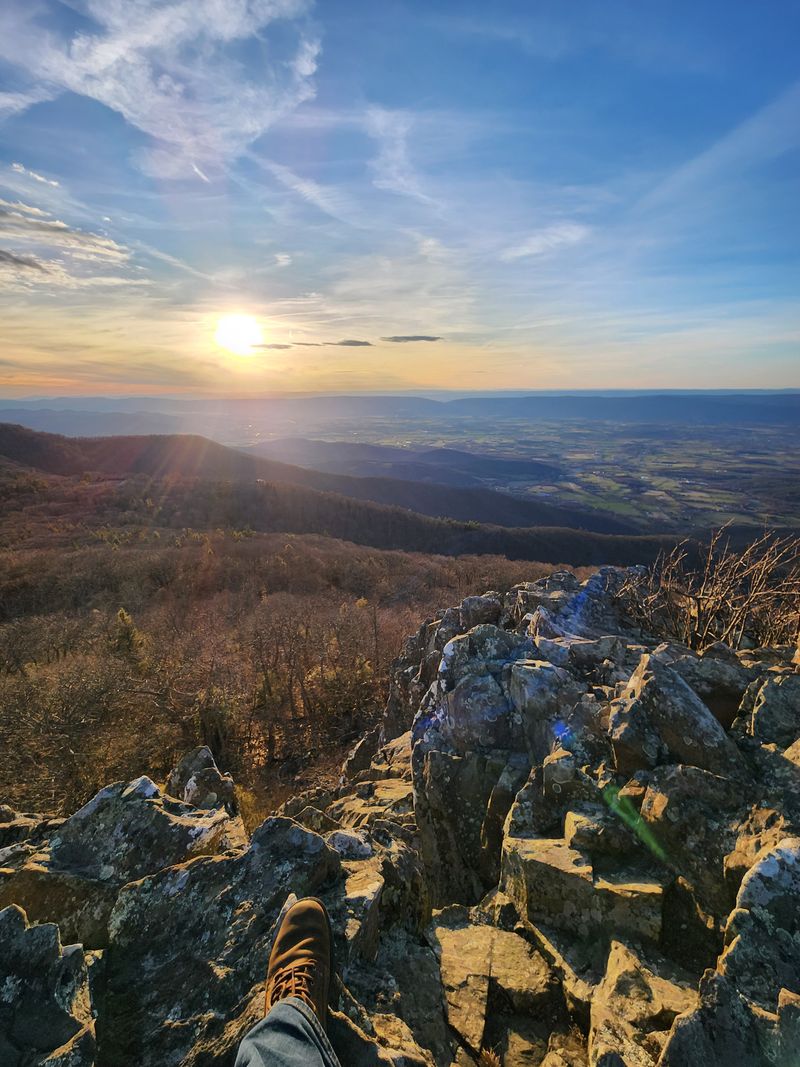
Following roughly the same path as ancient Native American trails and later colonial roads, Lee Highway carries travelers through the Shenandoah Valley’s agricultural heartland. February reveals the valley’s bones, with mountain ranges rising dramatically on either side of flat farmland.
Winter wheat creates patches of green against otherwise dormant fields, adding subtle color to the landscape.
Natural Bridge stands as one of Virginia’s most impressive geological features, a limestone arch that towers overhead with surprising grace. Thomas Jefferson once owned this natural wonder, and you can still walk the paths he likely explored.
February visits mean practically having the site to yourself, without summer’s tour bus crowds.
Staunton’s historic downtown district preserves beautifully restored Victorian architecture and hosts the American Shakespeare Center’s Blackfriars Playhouse. Catching a performance here adds cultural depth to your road trip while providing a warm indoor activity for chilly February evenings.
The theater’s intimate setting and authentic staging techniques create memorable theatrical experiences.
Numerous caverns punctuate the valley’s limestone bedrock, offering underground adventures when surface weather turns uncooperative. Luray Caverns, Endless Caverns, and Shenandoah Caverns all maintain constant temperatures year-round.
Stalactites and stalagmites create otherworldly formations that took millennia to develop.
Apple orchards that produce abundant fruit in autumn stand dormant now, their bare branches creating geometric patterns against winter skies. Many orchards operate farm stores year-round, selling preserved products and baked goods made from previous harvests.
Stop to sample local ciders and jams that capture the valley’s agricultural bounty.
Small valley towns like Lexington and Harrisonburg offer historic downtowns where local businesses thrive despite big-box competition.
Lee Highway, Shenandoah Valley, Virginia
9. Spearhead Trails Scenic Byway Through Coal Country, Virginia
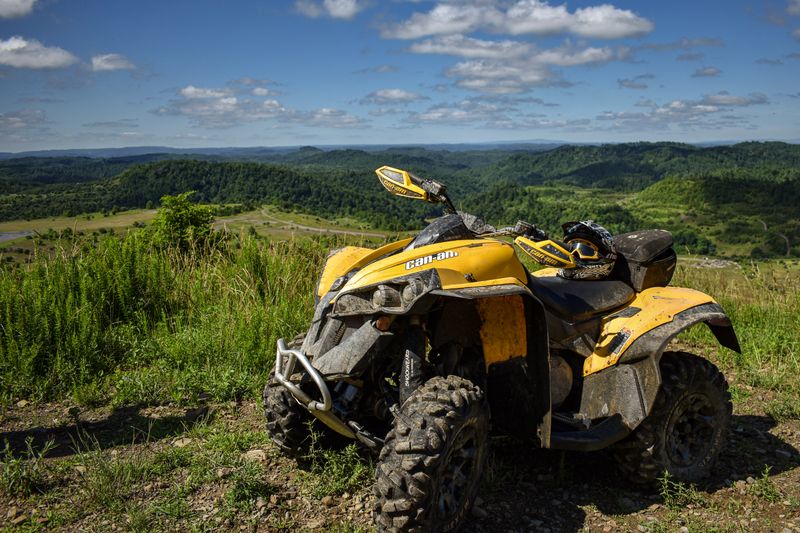
Coal mining heritage defines this corner of Southwest Virginia, where mountains hold stories of hard work and tight-knit communities. Spearhead Trails Scenic Byway winds through landscapes shaped by both natural forces and human industry.
February’s stark beauty reveals the region’s rugged character without softening its edges.
ATV and off-road vehicle trails crisscross these mountains, though February weather may limit access to some routes. The trail system represents a successful effort to repurpose former mining lands for recreation, creating economic opportunities in communities adjusting to coal industry changes.
Even if you’re not riding, the scenic byway provides stunning views of the surrounding terrain.
Portal 31 Exhibition Mine in Lynch offers underground tours that take you into an actual coal mine, providing visceral understanding of the work that built this region. Former miners often serve as guides, sharing personal stories that bring history to life.
The experience proves both educational and humbling, highlighting the dangerous conditions miners faced daily.
High Knob Recreation Area sits atop one of Virginia’s highest peaks, with an observation tower providing 360-degree views that stretch across multiple states on clear days. February’s crisp air creates exceptional visibility for long-distance viewing.
Snow occasionally dusts the summit, adding alpine character to this Southern Appalachian landscape.
Small towns along the route maintain fascinating museums documenting coal mining history and mountain culture. Wise, Big Stone Gap, and Appalachia each preserve important pieces of the region’s story.
Local residents take pride in their heritage and welcome visitors interested in learning about mountain life.
Mountain scenery here differs from the more famous Blue Ridge, with sharper ridges and deeper valleys creating dramatic topography.
Spearhead Trails Scenic Byway, Southwest Virginia
10. Historic Route 11 Through The Valley Of Virginia, Virginia
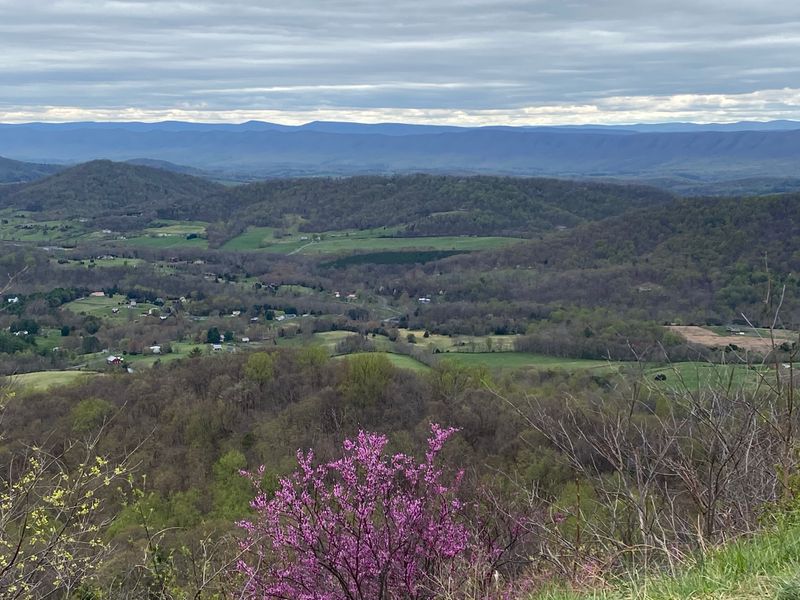
Paralleling Interstate 81 but offering infinitely more character, Historic Route 11 takes you through the Valley of Virginia at a pace that actually lets you see things. Small towns appear every few miles, each maintaining historic downtowns that interstate travelers miss completely.
February’s quiet season means local shop owners have time to chat, sharing insider knowledge about their communities.
Roanoke anchors the southern end of this route with a revitalized downtown that balances preservation with progress. The city’s farmers market, one of the oldest continuously operating markets in Virginia, stays active throughout winter with vendors selling preserved goods, baked items, and craft products.
The iconic star atop Mill Mountain glows above the city, visible for miles around.
Natural Bridge Caverns extend beneath the famous natural arch, offering yet another perspective on the valley’s limestone geology. Guided tours wind through chambers decorated with flowstone formations and delicate soda straws.
The constant underground temperature provides welcome relief from February’s variable surface weather.
Lexington combines college-town energy with deep Civil War history, as both Stonewall Jackson and Robert E. Lee made their homes here after the war.
Virginia Military Institute and Washington and Lee University create a youthful atmosphere in this otherwise historic town. Downtown shops and restaurants cater to diverse tastes while maintaining local character.
Covered bridges survive at several points along or near Route 11, representing engineering solutions from an earlier era. These photogenic structures span small streams, their weathered wood and stone abutments telling stories of rural transportation before modern highways.
Most remain open to foot traffic even when closed to vehicles, allowing up-close exploration.
Historic Route 11, Valley of Virginia
Dear Reader: This page may contain affiliate links which may earn a commission if you click through and make a purchase. Our independent journalism is not influenced by any advertiser or commercial initiative unless it is clearly marked as sponsored content. As travel products change, please be sure to reconfirm all details and stay up to date with current events to ensure a safe and successful trip.
