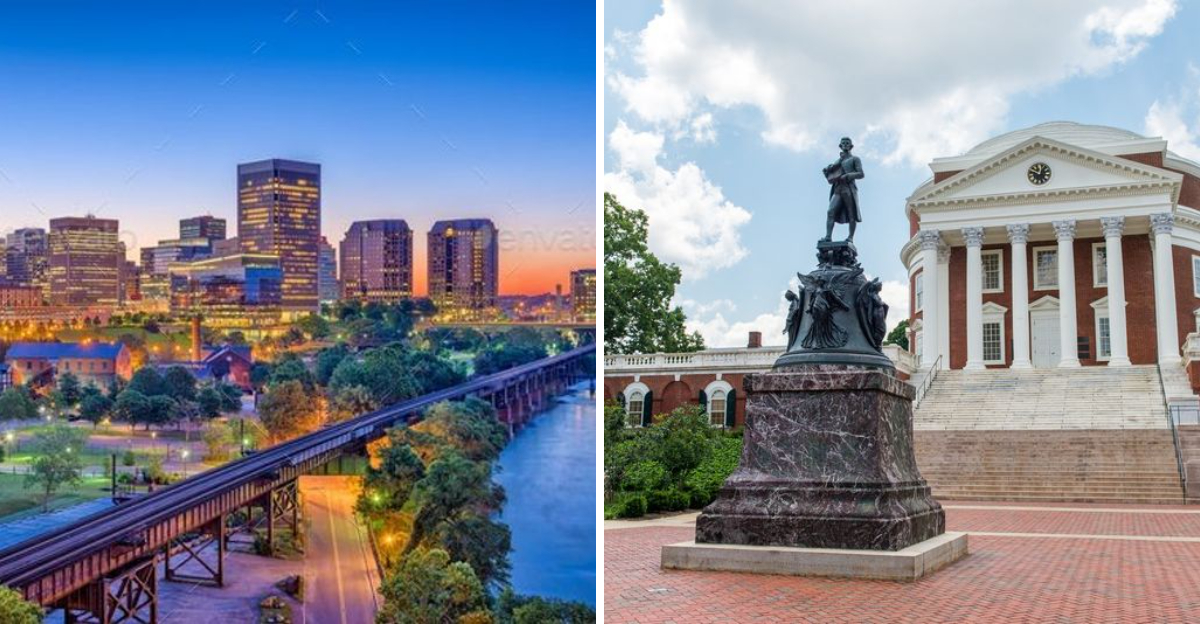
What makes a Virginia town historically significant? Ask ten history lovers and you’ll get twelve different answers.
Some swear by Revolutionary War connections, while others champion Civil War battlegrounds or colonial settlements that shaped America’s foundation. Virginia’s landscape is dotted with places where pivotal moments unfolded, yet debates rage on about which deserve the spotlight and which get too much credit.
Arguments erupt over authenticity versus tourism, preservation versus modernization, and whether certain towns overshadow equally important neighbors. These ten Virginia destinations spark the fiercest discussions among those who live and breathe American history.
Pack your opinions because you’ll definitely need them.
1. Williamsburg
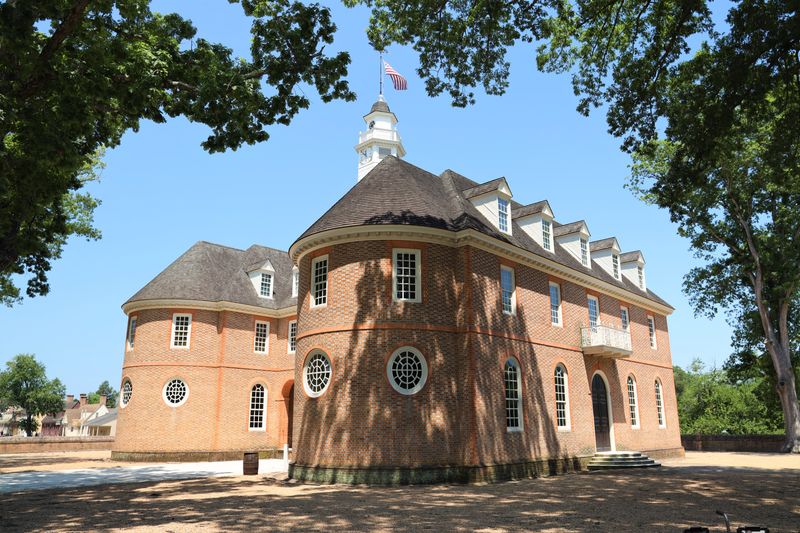
Colonial Williamsburg gets praised and criticized in equal measure by history enthusiasts nationwide. Supporters celebrate its meticulous restoration efforts and living history demonstrations that transport visitors back three centuries.
Critics argue the commercialization dilutes authentic historical experience, turning education into entertainment.
The reconstructed colonial capital showcases Revolutionary era architecture and daily life with costumed interpreters populating streets and workshops. Authenticity debates intensify when discussing which buildings are original versus reconstructed.
Some historians appreciate the educational mission while others question whether theme park elements compromise scholarly integrity.
Walking through Duke of Gloucester Street reveals the complexity of historical interpretation. Blacksmiths hammer iron, politicians debate in taverns, and militia members drill on the green.
Yet modern amenities and ticket booths remind you this is carefully curated heritage tourism. The town played undeniable roles in American independence, hosting Patrick Henry’s fiery speeches and serving as Virginia’s capital during crucial years.
Detractors point to nearby Jamestown and Yorktown as more authentic sites with less commercial overlay. Supporters counter that Williamsburg’s interpretive programs reach millions who might never engage with history otherwise.
The restoration project itself represents a fascinating chapter in American preservation movements.
Whether you view it as living museum or historical theater depends largely on your expectations. No one disputes Williamsburg’s historical importance, but how we present that history remains hotly contested.
The debates themselves reflect larger questions about heritage preservation in modern America.
Address: 101 Visitor Center Drive, Williamsburg, VA 23185
2. Lexington
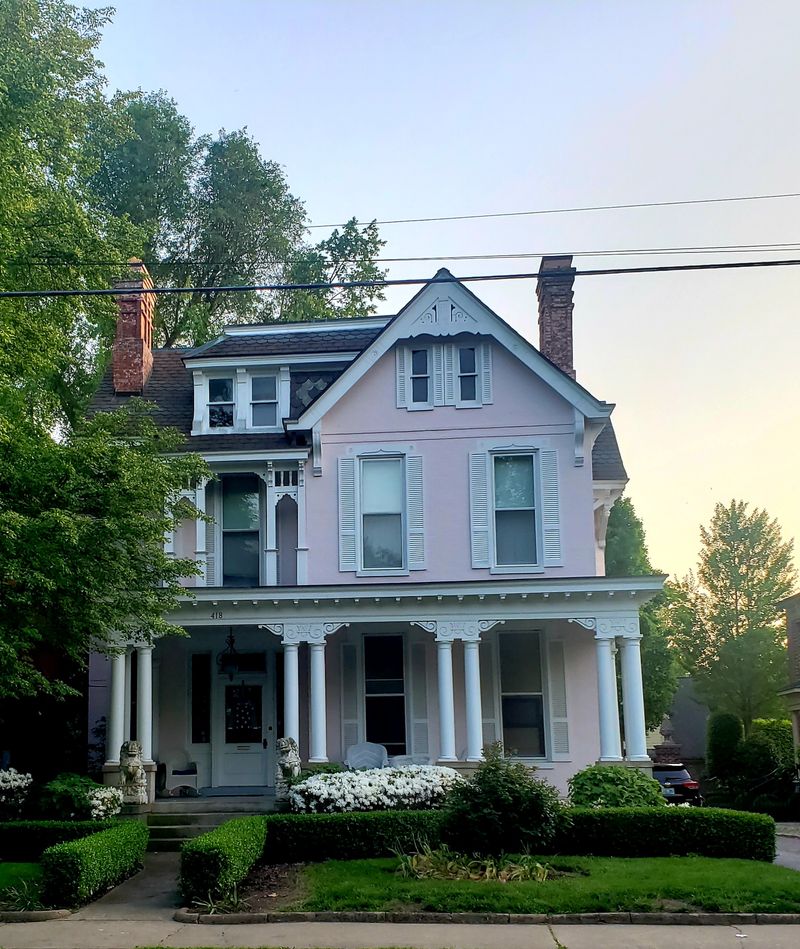
Two legendary Confederate generals rest in this Shenandoah Valley town, making Lexington a lightning rod for Civil War memory debates. Robert E.
Lee and Stonewall Jackson both taught at local institutions and are memorialized throughout the community. Discussions about their legacies and appropriate commemoration grow more heated annually.
Washington and Lee University bears the name of its post-war president, while Virginia Military Institute claims Jackson as its most famous faculty member. The town’s identity intertwines deeply with these figures, creating ongoing tensions about historical narrative.
Some visitors come specifically to honor Confederate heritage, while others focus on the institutions’ broader contributions to education.
Beyond Civil War controversies, Lexington offers significant Revolutionary War connections that often get overshadowed. Natural Bridge nearby attracted Thomas Jefferson’s attention and early American tourists.
The town’s architecture spans multiple centuries, showcasing evolution from frontier settlement to college community.
Recent years brought increased scrutiny to Confederate monuments and institutional names. History buffs argue whether context and education can coexist with commemoration, or if certain figures should be de-emphasized.
The debates reflect national conversations about whose history deserves prominence in public spaces.
Proponents of preservation cite educational value in confronting uncomfortable history directly. Critics maintain that celebration differs from education, questioning what messages monuments send.
Lexington finds itself navigating these waters while maintaining tourism revenue and community identity.
The town’s museums and historic sites attempt balanced interpretation, though perfection remains elusive. Every label and exhibit choice becomes potential controversy among passionate historians.
Address: 106 E Washington St, Lexington, VA 24450
3. Petersburg
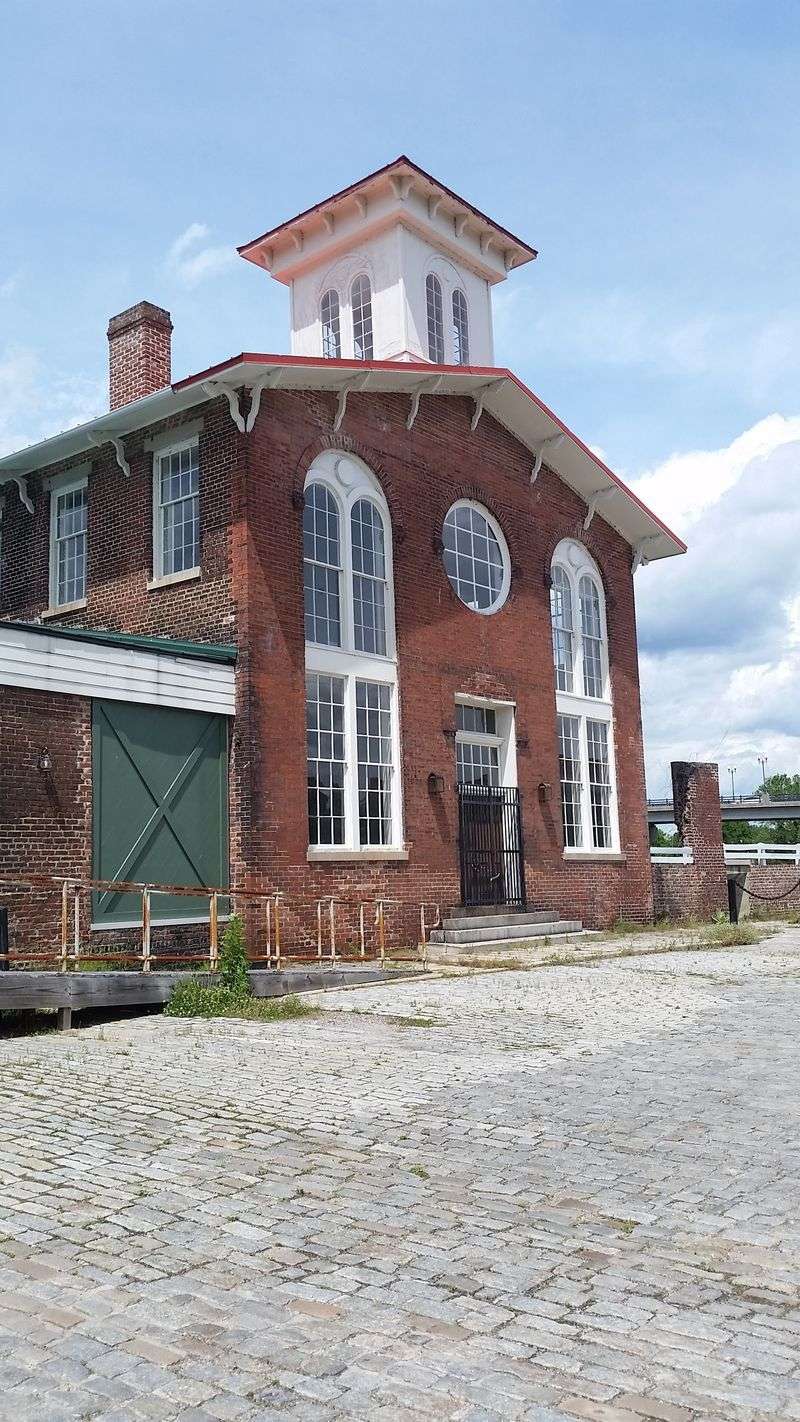
Petersburg’s ten-month siege represented one of the Civil War’s longest and most brutal campaigns, yet the town receives less attention than Gettysburg or Antietam. History enthusiasts debate whether this reflects geographic bias, preservation challenges, or simply the grinding nature of siege warfare versus dramatic single-day battles.
The campaign’s strategic importance cannot be overstated. Grant’s forces slowly strangled Confederate supply lines, ultimately forcing Richmond’s evacuation and Lee’s surrender weeks later.
Military historians consider it a masterclass in logistics and attrition warfare. Yet public imagination gravitates toward flashier engagements with clearer narratives.
Petersburg National Battlefield preserves extensive earthworks and battle sites, offering tangible connections to the conflict. Crater battlefield marks a disastrous Union mining attempt that cost thousands of lives.
The preserved trenches show warfare’s evolution toward World War One-style combat.
Modern Petersburg struggles economically, complicating preservation efforts and heritage tourism development. Some argue the town deserves more recognition and resources given its historical significance.
Others counter that numerous Virginia sites compete for limited attention and funding.
The United States Colored Troops played crucial roles in Petersburg’s siege, adding layers to discussions about whose stories get told. Recent scholarship highlights African American soldiers’ contributions, previously marginalized in traditional narratives.
These revelations spark debates about historical completeness and whose perspectives matter.
Accessibility also factors into arguments. Petersburg sits closer to Richmond than many battlefield parks, yet visitation numbers lag.
Marketing, interpretation quality, and community engagement all influence whether historical sites resonate with contemporary audiences.
Address: 1539 Hickory Hill Rd, Petersburg, VA 23803
4. Jamestown
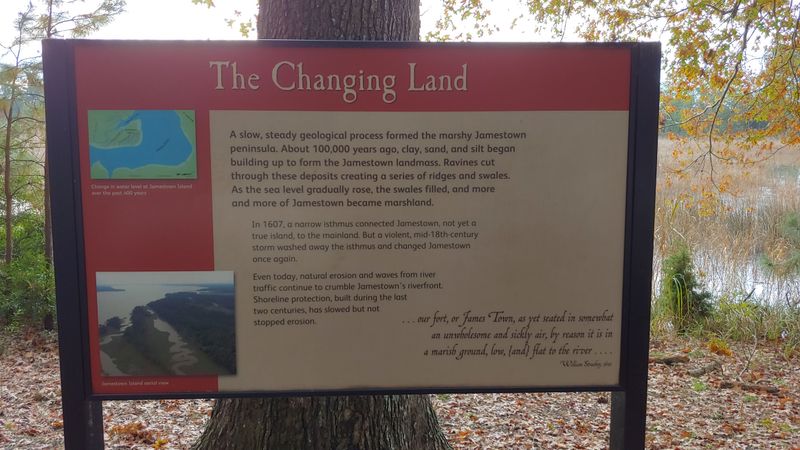
America’s first permanent English settlement sparks arguments before you even arrive. Was this truly the beginning of American history, or does that narrative erase indigenous peoples who lived here for millennia?
Historians grapple with framing Jamestown’s significance without perpetuating colonial mythology.
Archaeological discoveries continually reshape our understanding of the settlement’s early years. The original fort’s location remained unknown until recent decades, and excavations reveal harsh realities that romantic versions glossed over.
Starvation, disease, and conflict marked those first years more than triumph and prosperity.
Pocahontas and John Smith’s relationship gets debated endlessly, with popular culture versions bearing little resemblance to documented history. The real story involves complex political maneuvering, cultural misunderstanding, and ultimately tragedy.
Separating fact from legend proves challenging when myths embed themselves in national consciousness.
Jamestown’s relationship with nearby Williamsburg creates its own controversies. Some visitors skip the actual settlement site for the more polished colonial capital experience.
Preservationists argue this misses the point entirely, prioritizing comfort over authenticity. The archaeological focus at Jamestown offers different educational value than Williamsburg’s living history approach.
Tobacco’s role in the colony’s survival and expansion raises uncomfortable questions about economic foundations built on addictive crops and enslaved labor. The first documented Africans arrived in Jamestown, beginning American slavery’s tragic history.
How we interpret and present these connections remains contentious.
Recent interpretation efforts attempt more inclusive narratives incorporating indigenous perspectives and African experiences. Not everyone agrees with these shifts, preferring traditional emphasis on English colonization achievements.
The debates reflect broader cultural conversations about whose history matters.
Address: 1368 Colonial Pkwy, Jamestown, VA 23081
5. Appomattox
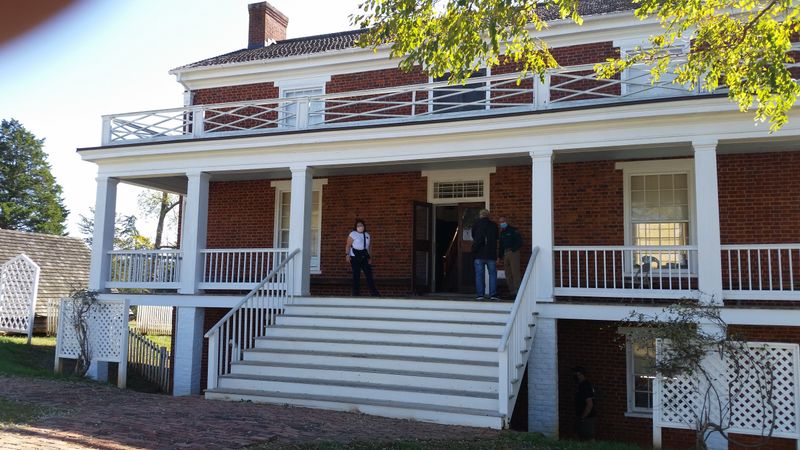
Lee’s surrender to Grant here effectively ended the Civil War, yet arguments persist about what the moment truly represented. Was it honorable conclusion to a tragic conflict, or should we view it differently given the war’s causes?
How we interpret Appomattox reveals much about contemporary attitudes toward Civil War memory.
The surrender terms Grant offered sparked immediate debate that continues today. His generous conditions allowed Confederate soldiers to return home with horses and sidearms, avoiding treason trials.
Some historians praise this magnanimity as essential for reunion, while others argue it enabled Lost Cause mythology to flourish unchecked.
Appomattox Court House National Historical Park reconstructs the village as it appeared during surrender, with McLean House where the ceremony occurred as centerpiece. Authenticity discussions arise because the original house was dismantled and scattered before reconstruction efforts.
How much does physical authenticity matter when the historical significance is undisputed?
The surrender’s timing creates another controversy. Fighting continued elsewhere for weeks, and the last Confederate forces didn’t surrender until months later.
Calling Appomattox the war’s end oversimplifies a more complex conclusion. Yet the symbolic importance of Lee’s surrender to the conflict’s largest army justifies the emphasis.
Recent interpretation efforts contextualize the surrender within broader questions about Reconstruction and civil rights. What did reunion cost in terms of justice for formerly enslaved people?
These questions make some visitors uncomfortable but reflect evolving historical scholarship.
Tourism dynamics also spark debate. Should Appomattox be solemn memorial space or educational site encouraging critical thinking?
Different visitors arrive with different expectations, and satisfying everyone proves impossible.
Address: 111 National Park Dr, Appomattox, VA 24522
6. Alexandria

Old Town Alexandria markets itself as charming colonial port city, but critics argue it’s become sanitized version of its complex past. The preserved waterfront and Federal architecture attract tourists seeking Revolutionary era atmosphere.
Yet the town’s history includes slave trading, wartime occupation, and economic shifts that prettier narratives sometimes minimize.
George Washington’s connections to Alexandria get emphasized heavily in marketing and interpretation. He worshipped at Christ Church, attended meetings at Gadsby’s Tavern, and surveyed surrounding areas as young man.
These associations boost tourism but can overshadow other significant historical threads.
The town served as major slave trading center, with Franklin and Armfield Office operating one of the largest operations. Recent efforts to interpret this history more directly have met mixed reactions.
Some applaud honest reckoning with difficult past, while others prefer focusing on more comfortable topics.
Alexandria’s proximity to Washington DC complicates its identity. Is it independent historical destination or convenient suburb with old buildings?
The question affects funding priorities, preservation efforts, and tourism strategies. History buffs debate whether the town maintains authentic character or has become bedroom community with heritage veneer.
Civil War occupation transformed Alexandria dramatically, with Union forces controlling it throughout the conflict. Hospitals, fortifications, and military installations altered the landscape.
Some argue this period deserves more emphasis given its transformative impact.
Waterfront development pressures create ongoing tensions between preservation and progress. Historic buildings command premium prices, making authentic preservation challenging.
What gets saved and what gets demolished reflects values and priorities that history enthusiasts hotly contest.
Address: 221 King St, Alexandria, VA 22314
7. Fredericksburg
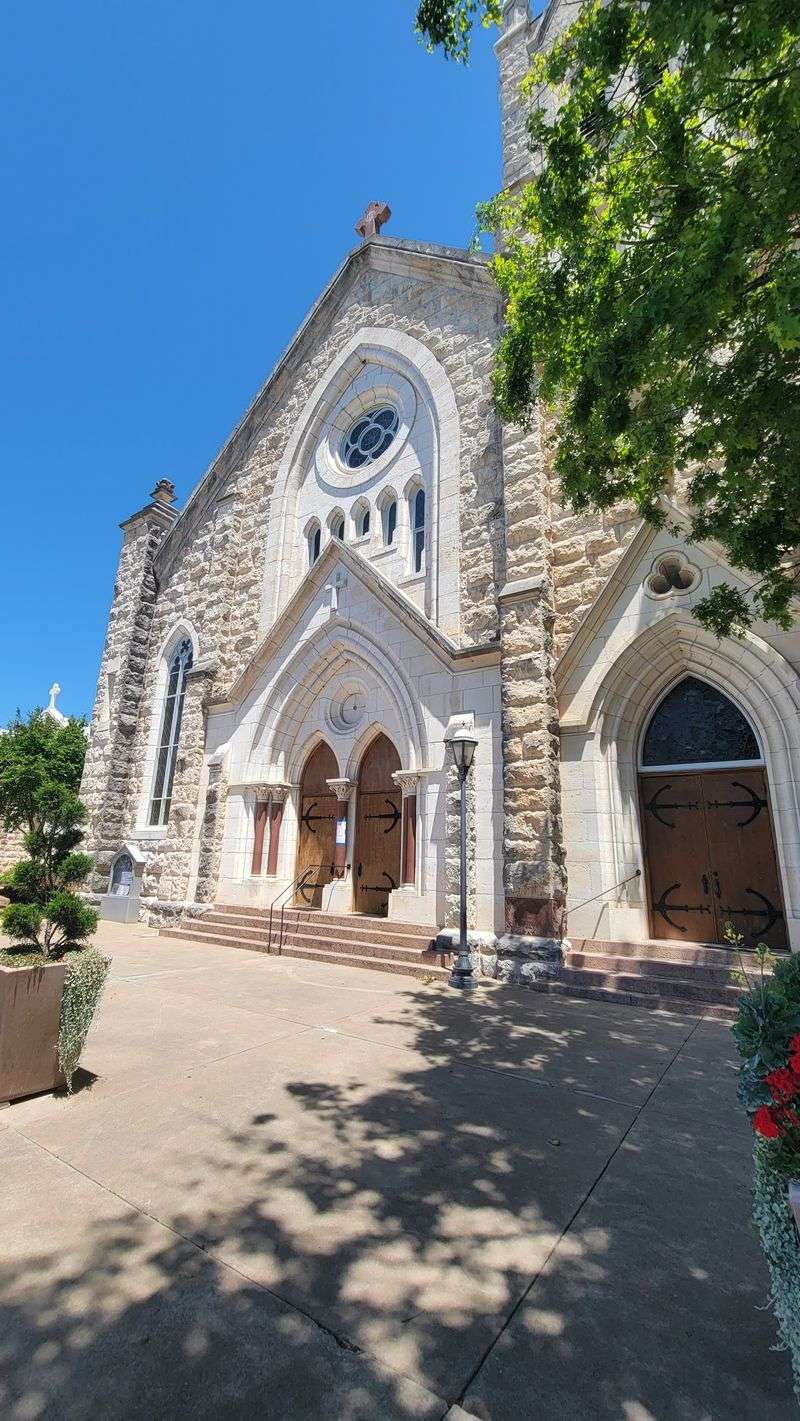
Four major Civil War battles raged around Fredericksburg, leaving the town devastated and historically significant. Arguments erupt over which battle deserves primary focus and whether the town’s colonial heritage gets overshadowed by war emphasis.
The sheer concentration of combat here makes it crucial site, but interpretation challenges abound.
Mary Washington, George’s mother, lived here, and the town preserves her home and other Revolutionary connections. Some historians argue these earlier periods deserve equal billing with Civil War narratives.
Others counter that the battles’ scale and impact justifies prioritization. Balancing multiple historical layers while maintaining coherent visitor experience proves difficult.
The Battle of Fredericksburg saw Union forces suffer catastrophic casualties in futile assaults against entrenched Confederates. The one-sided nature makes it less celebrated than more balanced engagements.
Yet the human cost and tactical lessons remain historically important. Should we emphasize dramatic victories or costly defeats in public history?
Fredericksburg’s downtown retains remarkable architectural integrity despite wartime destruction. Buildings still show battle damage, offering tangible connections to the conflict.
Preservation versus development debates intensify when historic structures impede modern growth. What gets saved reflects community values and historical priorities.
National Park Service manages the battlefield parks, while the town itself controls downtown historic district. This split jurisdiction sometimes creates conflicting interpretations and visitor experiences.
Coordination challenges affect how effectively the town’s full history gets presented.
Recent scholarship emphasizes civilian experiences during occupation and battle. Women’s perspectives, enslaved people’s choices, and children’s trauma add dimensions to traditional military narratives.
Not everyone embraces these expanded interpretations, preferring focus on commanders and tactics.
Address: 706 Caroline St, Fredericksburg, VA 22401
8. Charlottesville
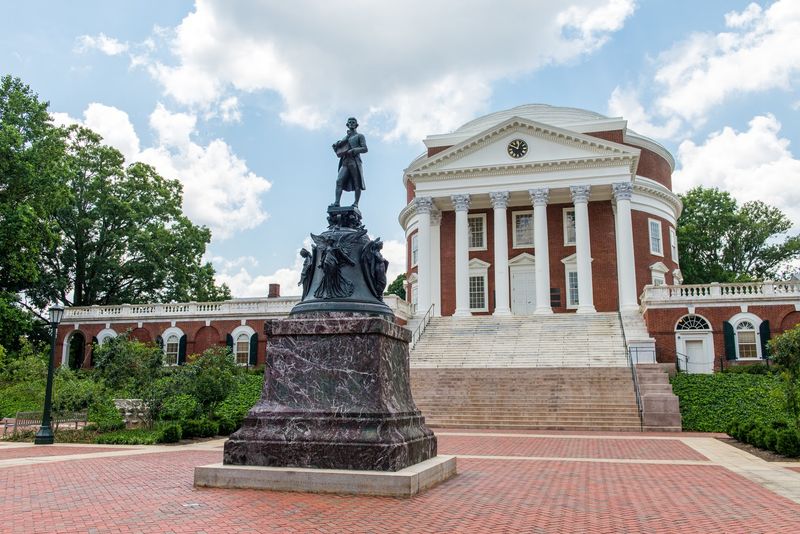
Thomas Jefferson’s shadow looms large over Charlottesville, creating both attraction and controversy. Monticello draws visitors worldwide to explore the Founding Father’s architectural masterpiece and intellectual legacy.
Yet his slaveholding and relationship with Sally Hemings spark intense debates about how we honor complicated historical figures.
The University of Virginia, Jefferson’s educational vision made real, contributes significantly to the town’s identity and economy. Its Rotunda and Academical Village earn architectural praise while raising questions about whose labor built them.
Recent years brought increased attention to enslaved workers’ contributions, complicating celebratory narratives.
Charlottesville gained unfortunate modern notoriety as site of violent white supremacist rally. The events forced conversations about Confederate monuments, historical memory, and whose version of history gets privileged in public spaces.
Removing Robert E. Lee’s statue sparked celebrations and protests, revealing deep divisions over heritage interpretation.
History enthusiasts debate whether Jefferson’s brilliance excuses his failings or whether holding him accountable diminishes his achievements. The discussions reflect broader cultural conversations about moral judgment across centuries.
Can we appreciate historical figures’ contributions while acknowledging their participation in unjust systems?
Monticello’s interpretation has evolved significantly, with enslaved community’s stories receiving more emphasis. Tours now explore the contrast between Jefferson’s ideals and his actions.
Some visitors appreciate this complexity, while others feel it unfairly tarnishes his reputation.
The town’s location near Blue Ridge Mountains adds natural beauty to historical significance. Wine country development brings economic benefits but raises questions about landscape preservation.
What should Charlottesville prioritize: historical tourism, educational mission, or economic growth?
Address: 610 E Main St, Charlottesville, VA 22902
9. Yorktown
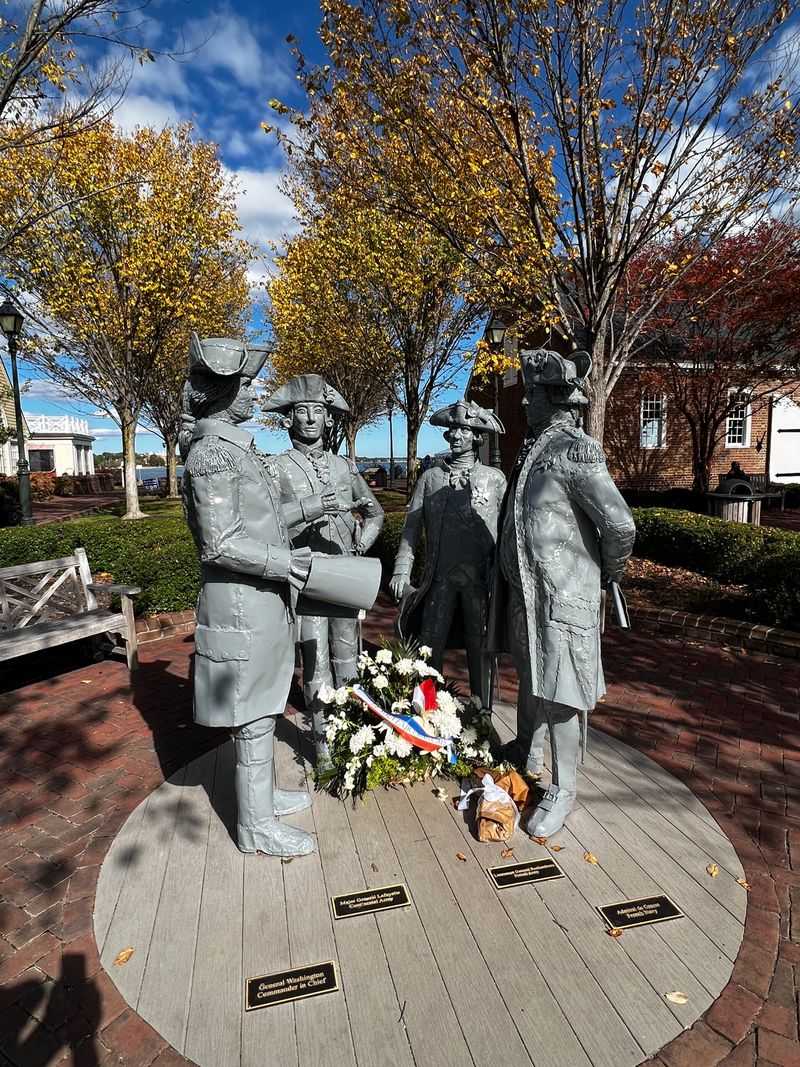
The Revolutionary War effectively ended here when Cornwallis surrendered to Washington and French allies. Yet Yorktown receives less attention than Valley Forge or Boston, puzzling military historians who recognize the siege’s decisive importance.
Geography and narrative drama affect which sites capture public imagination regardless of strategic significance.
French contributions to Yorktown victory get debated constantly. American mythology often minimizes foreign assistance, preferring narratives of self-reliant triumph.
Yet French naval power and ground forces proved essential to trapping British forces. How we credit allies reveals assumptions about American exceptionalism and historical accuracy.
The battlefield preservation is excellent, with extensive earthworks and interpretive sites maintained by National Park Service. Yet visitation lags behind other Revolutionary sites.
Some attribute this to location, others to marketing, and still others to the siege’s technical nature versus more romantic battle narratives.
Yorktown’s colonial waterfront adds another historical layer often overshadowed by battlefield focus. The town predates the Revolution and played roles in earlier colonial conflicts.
Balancing multiple historical periods challenges interpretation efforts, with Revolutionary emphasis sometimes marginalizing other eras.
Civil War activity at Yorktown creates additional complexity. Confederate forces fortified the area early in the war before Union forces captured it.
This later conflict receives minimal attention compared to Revolutionary significance. Should sites emphasize all historical periods equally or focus on most significant events?
The town itself struggles with identity between battlefield park and living community. Residents navigate tourism pressures while maintaining daily life.
Historic preservation requirements affect property owners differently than casual visitors appreciate.
Address: 1000 Colonial Pkwy, Yorktown, VA 23690
10. Richmond
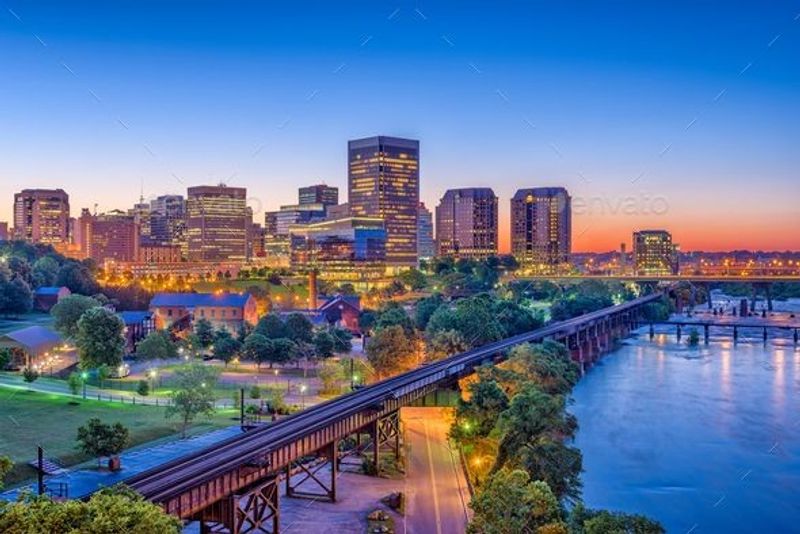
Virginia’s capital city served as Confederate capital, making it central to Civil War history and ongoing memory debates. Richmond’s monuments, museums, and battlefields attract historians while sparking controversies about commemoration versus education.
Recent Monument Avenue transformations illustrate how contested this landscape remains.
The removal of Confederate statues from Monument Avenue represented seismic shift in how the city presents its history. Supporters celebrated ending glorification of figures who fought to preserve slavery.
Critics decried erasing history and disrespecting heritage. The debates revealed fundamental disagreements about monuments’ purposes and historical interpretation.
Richmond’s history extends far beyond the Civil War, though that period often dominates discussions. Colonial capital, Revolutionary convention site, and industrial powerhouse all describe Richmond at different eras.
Some historians argue for more balanced interpretation acknowledging multiple historical layers.
The American Civil War Museum attempts comprehensive examination of the conflict from multiple perspectives. Its approach sparks debate about whether neutrality serves history or enables false equivalencies.
Can museums present all viewpoints without implying moral equivalence between defending slavery and opposing it?
Hollywood Cemetery contains graves of presidents, generals, and thousands of soldiers. Its beautiful grounds and historical significance attract visitors, but debates arise over appropriate commemoration of Confederate dead.
How do we honor individual soldiers while condemning the cause they fought for?
Richmond’s African American history receives increasing attention, with sites related to slavery, emancipation, and civil rights gaining prominence. Jackson Ward’s significance as prosperous Black neighborhood challenges narratives of uniform oppression.
Whose stories get told shapes our understanding of the past.
Address: 900 E Broad St, Richmond, VA 23219
Dear Reader: This page may contain affiliate links which may earn a commission if you click through and make a purchase. Our independent journalism is not influenced by any advertiser or commercial initiative unless it is clearly marked as sponsored content. As travel products change, please be sure to reconfirm all details and stay up to date with current events to ensure a safe and successful trip.
