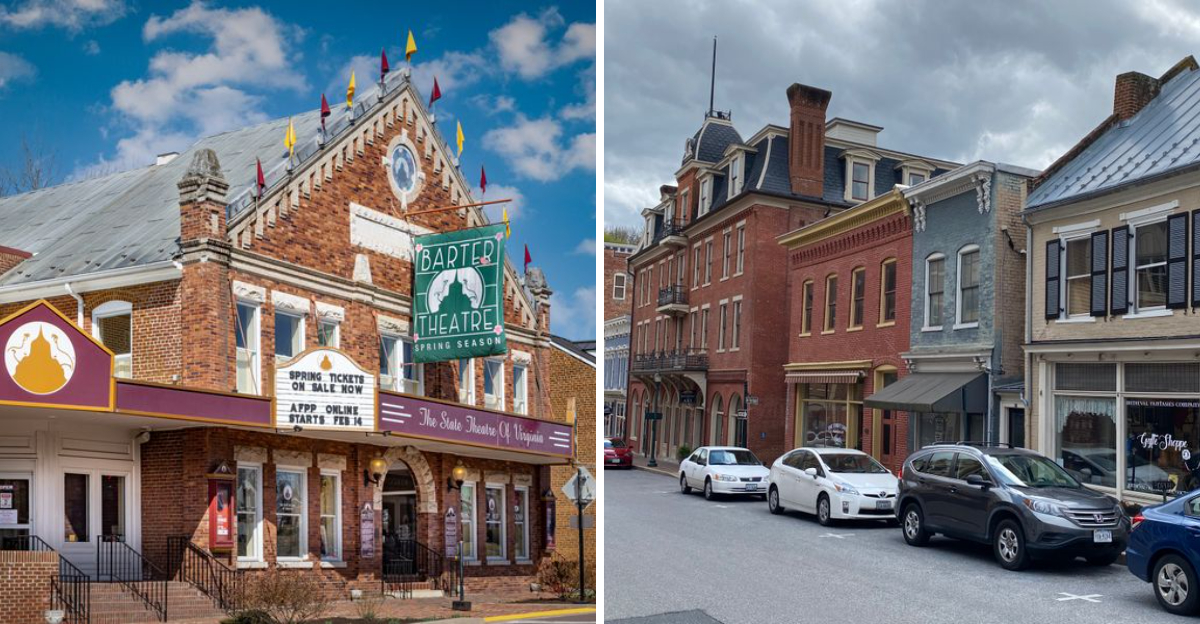
Virginia is where history whispers through cobblestone streets and Southern hospitality wraps around you like a warm hug. From Revolutionary War battlefields to charming Main Streets dotted with antique shops, this state offers a treasure trove of culture that’ll make any history buff or Southern soul swoon.
Every corner reveals stories of colonial settlers, Civil War heroes, and the kind of small-town charm that inspired countless country songs. Pack your bags and prepare to fall head over heels for these enchanting Virginia destinations that capture the heart and soul of the South.
1. Lexington: Where History Lives on Every Corner
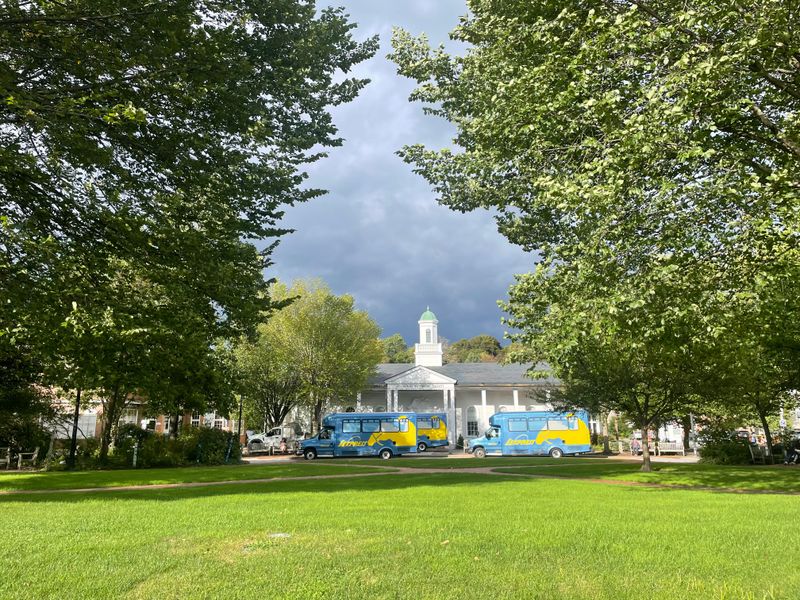
Nestled between the Blue Ridge and Allegheny Mountains, Lexington radiates the kind of old-world elegance that makes you want to slow down and savor every moment. Washington and Lee University’s columned buildings stand as proud sentinels of educational tradition, while the Virginia Military Institute adds a crisp military precision to the town’s character.
Stonewall Jackson’s former home sits quietly on East Washington Street, inviting visitors to step back into the era when he taught at VMI before becoming a legendary Confederate general.
Downtown Lexington feels like walking through a living postcard. Red brick sidewalks lead past galleries, bookshops, and cozy cafes where locals gather to swap stories over steaming cups of coffee.
The Lime Kiln Theater offers outdoor performances against a backdrop of historic ruins, creating magical summer evenings under the stars. Historic buildings have been lovingly preserved, their facades telling tales of centuries past while housing modern businesses that serve the community.
Natural Bridge State Park lies just outside town, showcasing one of the oldest tourist destinations in America. Thomas Jefferson once owned this geological wonder, and it’s easy to see why he was captivated.
The surrounding trails wind through forests and alongside streams, offering peaceful retreats from modern life. Horse-drawn carriage rides clip-clop through downtown streets during special events, transporting visitors to a gentler time.
Visit the Lee Chapel and Museum at Washington and Lee University to witness stunning architecture and learn about Robert E. Lee’s post-war years as university president.
The chapel’s intimate setting and beautiful stained glass create a contemplative atmosphere. Outside, the campus grounds bloom with seasonal flowers and ancient trees that have witnessed generations of students.
Located at 101 East Washington Street, Lexington invites you to discover why it’s considered one of Virginia’s most historically significant destinations.
2. Abingdon: Theater Magic Meets Appalachian Charm
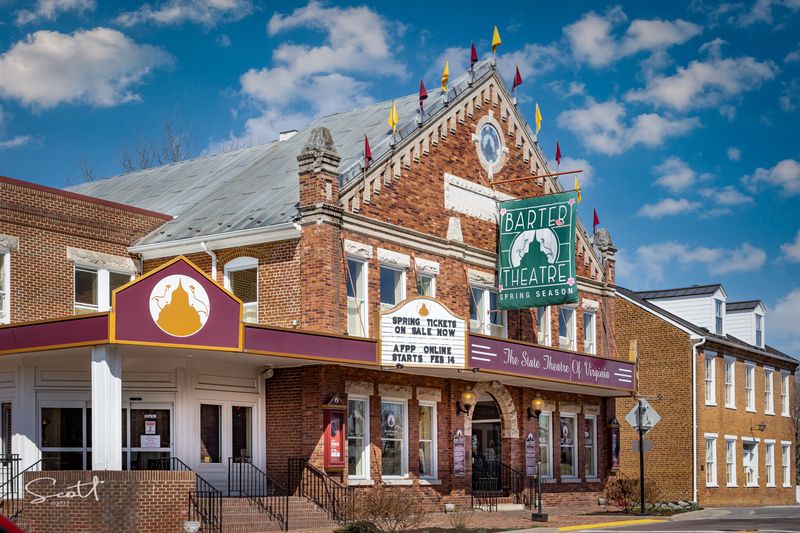
Tucked into Virginia’s southwestern corner, Abingdon sparkles with a creative energy that’s rare in towns this size. The Barter Theatre, founded during the Great Depression when patrons traded produce for admission, continues to stage world-class performances that draw audiences from across the region.
This professional theater has launched the careers of numerous famous actors and remains a cultural beacon in Appalachia. Main Street stretches out like a ribbon of possibility, lined with boutiques, craft galleries, and eateries housed in beautifully restored buildings.
Music floats through the air here, carried on breezes that sweep down from the mountains. The Crooked Road, Virginia’s heritage music trail, passes right through town, celebrating the region’s rich musical traditions.
Local musicians gather for impromptu jam sessions, their fiddles and banjos creating melodies that have echoed through these hills for generations. The town square becomes a gathering place where strangers quickly become friends, united by their love of good music and genuine conversation.
Outdoor enthusiasts find paradise on the Virginia Creeper Trail, which winds through Abingdon offering stunning views and gentle grades perfect for biking or hiking. The trail follows an old railroad bed through forests, past streams, and across historic trestle bridges.
Spring brings wildflowers that carpet the forest floor, while autumn transforms the landscape into a kaleidoscope of reds, oranges, and golds. Local outfitters rent bikes and provide shuttle services, making it easy to experience this natural wonder.
Craft lovers swoon over the arts scene, with numerous galleries showcasing regional artists’ work. The William King Museum of Art at 415 Academy Drive presents rotating exhibitions and educational programs.
Historic homes turned bed-and-breakfasts offer overnight guests Southern hospitality at its finest. Abingdon proves that small towns can pack enormous cultural punch while maintaining authentic mountain character.
3. Fredericksburg: Civil War Epicenter with Modern Soul
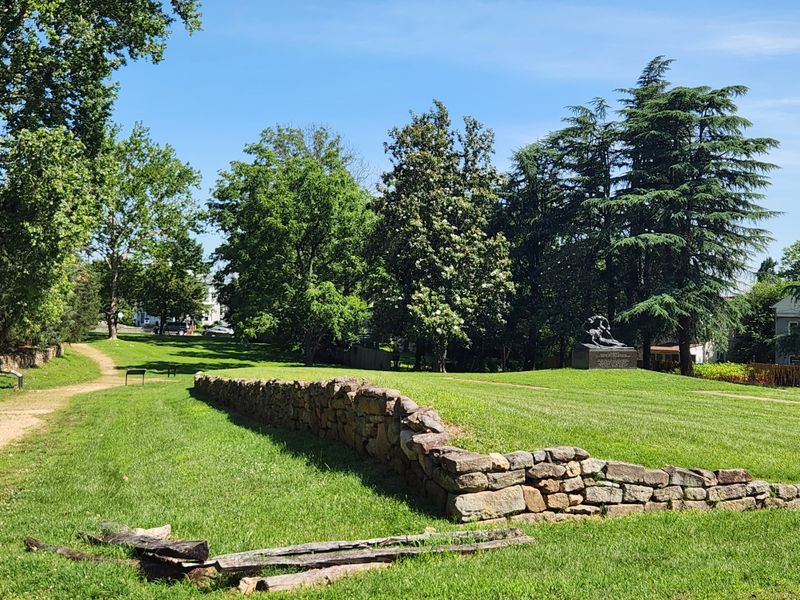
Four major Civil War battles raged across this landscape, leaving behind haunting battlefields and countless stories of courage and tragedy. Today, Fredericksburg honors its past while embracing a vibrant present that attracts history enthusiasts and modern explorers alike.
The National Park Service maintains several battlefield sites where you can walk the same ground where soldiers once fought. Interpretive signs and preserved earthworks help visitors understand the strategic importance of this location between Washington and Richmond.
Caroline Street pulses with energy, its historic buildings now housing trendy restaurants, craft breweries, and independent shops. Weekend mornings bring farmers markets where local growers sell fresh produce and artisans display handmade goods.
The Rappahannock River flows lazily past town, its banks offering scenic walking paths and kayaking opportunities. Bridge crossings provide stunning views of the waterway that played such a crucial role in the town’s development and wartime significance.
Historic Kenmore Plantation at 1201 Washington Avenue showcases colonial life through the eyes of George Washington’s sister. The mansion’s stunning plasterwork ceilings rank among the finest examples of colonial craftsmanship in America.
Guided tours reveal fascinating details about daily life, architecture, and the complex history of the era. Gardens surrounding the property bloom with heritage plants, creating peaceful spaces for reflection and photography.
Art galleries dot the downtown area, featuring works by regional artists alongside national names. The Fredericksburg Area Museum occupies the old Town Hall and Market House, presenting exhibits that trace local history from Native American settlements through modern times.
Antique shops overflow with treasures waiting to be discovered, from vintage furniture to Civil War memorabilia. Summer evenings bring outdoor concerts and festivals that transform the streets into celebration spaces where community spirit shines bright.
4. Staunton: Birthplace of a President and Renaissance Town
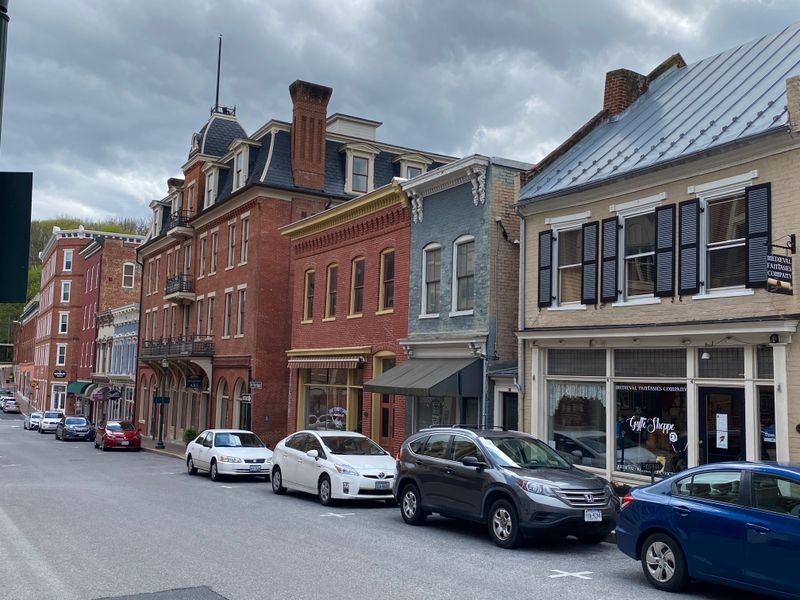
Woodrow Wilson was born here, but that’s just one chapter in Staunton’s fascinating story. This Shenandoah Valley gem has reinvented itself as a cultural powerhouse, attracting artists, musicians, and dreamers who’ve fallen for its Victorian architecture and creative spirit.
The American Shakespeare Center operates the Blackfriars Playhouse, a replica of Shakespeare’s original indoor theater where performances transport audiences to Elizabethan England. Actors perform in period costume under candlelight-style lighting, creating an intimate theatrical experience unlike any other.
Wharf District restaurants and galleries occupy renovated warehouses along the railroad tracks, breathing new life into industrial spaces. Locally owned businesses thrive here, from farm-to-table eateries to quirky boutiques selling everything from handmade jewelry to vintage vinyl records.
Street art adds pops of color to brick walls, transforming ordinary structures into outdoor galleries. Musicians busk on corners, their melodies drifting through streets that seem perpetually ready for a celebration.
The Woodrow Wilson Presidential Library and Museum at 20 North Coalter Street offers insights into the life and presidency of America’s scholar-president. His birthplace, a Greek Revival manse, has been meticulously restored to its appearance during his childhood.
Gardens surrounding the property provide tranquil spots for contemplation. Interactive exhibits make history accessible and engaging for visitors of all ages, revealing how this Virginia town shaped a world leader.
Gypsy Hill Park sprawls across acres of green space, offering playgrounds, a miniature train, and a duck pond that delights children and adults alike. Seasonal events fill the park with laughter and community spirit throughout the year.
Surrounding neighborhoods showcase stunning Victorian homes with intricate gingerbread trim and wrap-around porches. Architecture buffs spend hours photographing the diverse building styles that make every block a visual feast.
Staunton proves that small cities can offer big-city culture without sacrificing small-town warmth.
5. Williamsburg: Colonial America Comes Alive
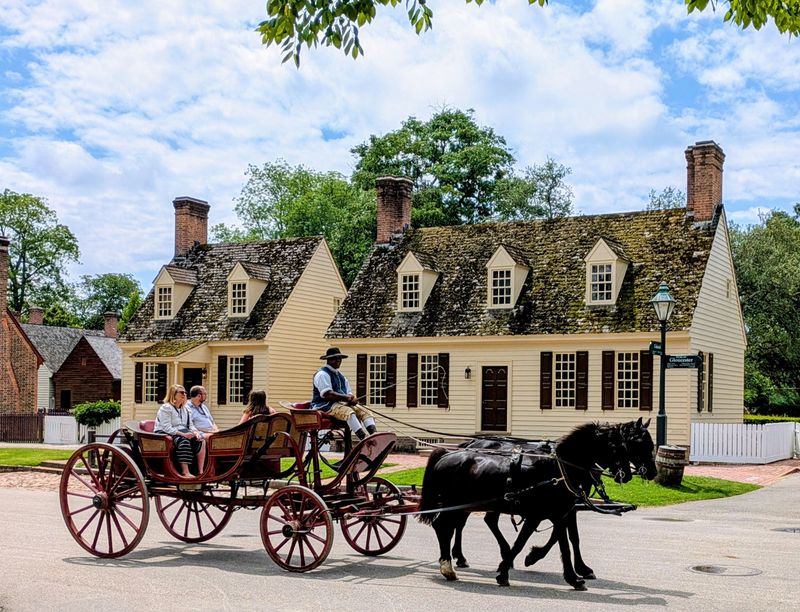
Step through the gates of Colonial Williamsburg and suddenly it’s the eighteenth century again. Costumed interpreters portray real historical figures, from Thomas Jefferson debating political philosophy to enslaved workers demonstrating traditional crafts.
The attention to historical detail astounds visitors, from the hand-forged nails in reproduction buildings to the heirloom vegetable varieties growing in kitchen gardens. Horses pull carriages down Duke of Gloucester Street while blacksmiths hammer out tools using centuries-old techniques.
Beyond the restored colonial capital, modern Williamsburg offers diverse attractions and experiences. The College of William and Mary, founded before the American Revolution, maintains beautiful campus grounds where students still walk beneath ancient trees.
Merchant Square connects the historic area to the college, providing shopping and dining in a pedestrian-friendly setting. Local boutiques sell everything from handcrafted pottery to gourmet treats, perfect for bringing home a piece of Virginia.
Revolutionary City programs bring history to life through immersive street theater. Visitors might witness a heated debate about independence, a military drill, or a criminal trial conducted according to colonial law.
These unscripted interactions blur the line between past and present, making history feel immediate and relevant. Evening programs by candlelight create atmospheric experiences that transport participants to another era entirely.
The Governor’s Palace at Palace Green showcases the grandeur of British colonial authority with its formal gardens and opulent interiors. Guides explain the political significance of architectural choices and decorative elements.
Behind the scenes, historic trades people practice forgotten crafts like wig-making, bookbinding, and apothecary arts. Visitors can try their hand at colonial games, learn period dances, or taste historical recipes.
Located throughout the historic district, these experiences combine education with entertainment in ways that make learning irresistible for all ages.
6. Charlottesville: Jefferson’s Legacy and University Charm
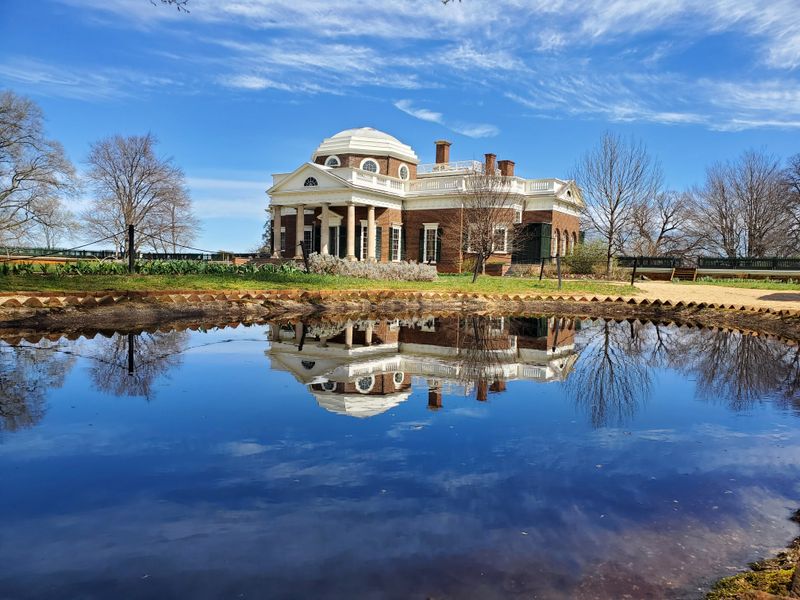
Thomas Jefferson’s architectural genius reaches its peak at Monticello, the mountaintop estate he designed and continually refined throughout his life. The house reflects his boundless curiosity, from the Great Clock in the entrance hall to the innovative features that made daily life more efficient.
Gardens cascade down the hillside in terraces, growing the same varieties of vegetables and flowers Jefferson cultivated. Tours reveal both his brilliance and the uncomfortable truths about the enslaved community whose labor made his lifestyle possible.
The University of Virginia’s Academical Village, another Jefferson masterpiece, ranks among America’s most beautiful college campuses. The Rotunda anchors the Lawn, where top students earn the honor of living in single rooms for their final year.
Serpentine walls, built using a clever design that provides strength with minimal materials, wind through the grounds. Students sprawl on the grass between classes, creating scenes that could have occurred in any decade since the university’s founding.
Downtown Mall transforms what was once a regular street into a vibrant pedestrian paradise. Brick pavers replace asphalt, creating a European-style promenade lined with restaurants, theaters, and shops.
Street performers entertain crowds on weekend evenings while families stroll past fountains and public art installations. The Paramount Theater hosts concerts and performances in a beautifully restored Art Deco venue.
Local musicians play intimate sets in cozy listening rooms, carrying on the region’s rich musical traditions.
Vineyards blanket the surrounding countryside, taking advantage of the same climate and soil that Jefferson believed perfect for grape growing. Tasting rooms welcome visitors to sample wines while enjoying mountain views.
The area has become one of the East Coast’s premier wine regions. Carter Mountain Orchard at 1435 Carters Mountain Trail offers pick-your-own fruit, hard cider tastings, and panoramic views that stretch for miles.
Charlottesville seamlessly blends intellectual energy, natural beauty, and Southern hospitality into an irresistible package.
7. Smithfield: Ham Heritage and Waterfront Tranquility
World-famous hams have been cured here for centuries, following traditions that create a distinctive flavor impossible to replicate elsewhere. The unique curing process and local climate combine to produce hams so prized that laws protect the Smithfield name.
Historic smokehouse buildings still dot the landscape, though modern facilities now handle most production. The town wears its pork heritage proudly, celebrating the industry that put this riverside community on the map.
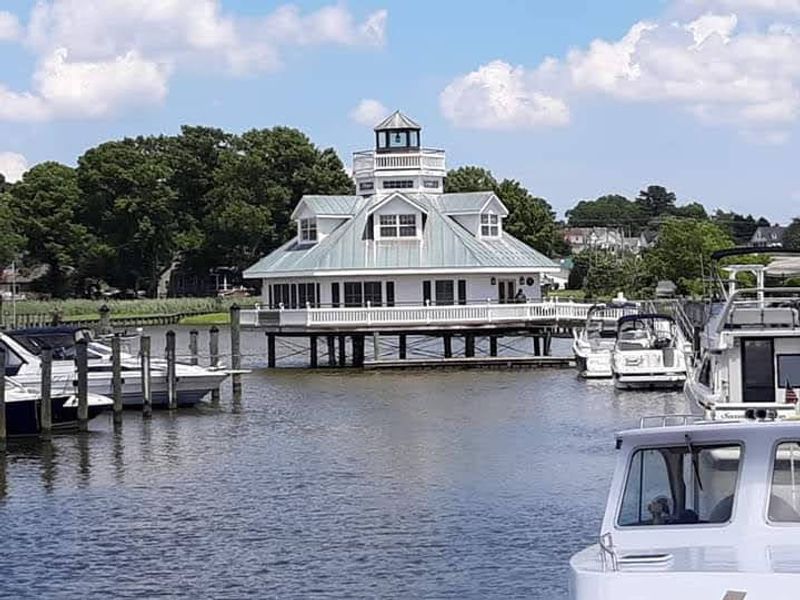
Windsor Castle Park provides waterfront access along the Pagan River, where fishing piers extend over calm waters and walking trails meander through natural areas. Kayakers paddle past marshes where herons hunt and ospreys nest.
The peaceful setting offers escape from urban stress without requiring a journey deep into wilderness. Picnic areas shelter families enjoying outdoor meals while watching boats glide past.
Main Street preserves small-town America at its finest, with locally owned businesses serving the community for generations. The Isle of Wight County Museum at 103 Main Street occupies a former bank building, presenting exhibits on local history from Native American settlements through agricultural development.
Antique shops invite browsing through collections of vintage treasures and collectibles. The pace of life here moves slower, encouraging visitors to relax and appreciate simple pleasures.
Historic homes showcase architectural styles from colonial through Victorian eras, their well-maintained facades testament to community pride. St. Luke’s Church, built in the colonial period, ranks among the oldest existing church buildings of English foundation in America.
Its Gothic-style architecture and original features transport visitors back centuries. Surrounding grounds include historic graveyards where weathered stones mark the resting places of early settlers.
Smithfield offers a quieter Virginia experience, perfect for those seeking authentic small-town Southern atmosphere without tourist crowds. The waterfront location adds natural beauty to historical significance, creating a destination that satisfies both mind and spirit.
8. Occoquan: Artisan Village by the Water
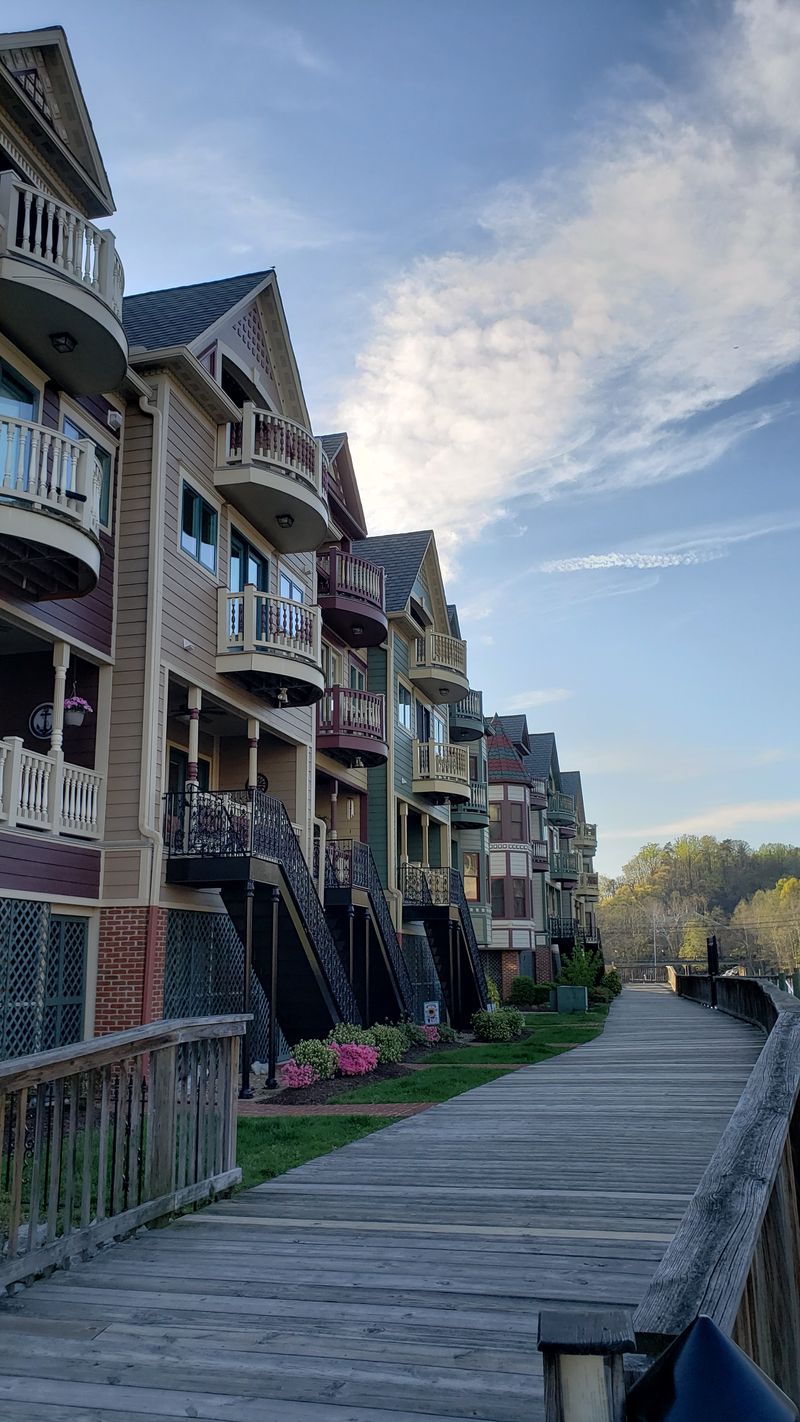
This tiny town packs more charm per square foot than places ten times its size. Galleries and craft shops fill historic buildings along Mill Street, showcasing work by talented artisans who’ve made Occoquan their creative home.
Handblown glass, custom jewelry, fine art, and unique home decor tempt shoppers seeking one-of-a-kind treasures. Many artists maintain studios where visitors can watch creative processes unfold, from pottery wheels spinning clay into bowls to painters capturing local scenes on canvas.
The Occoquan River flows past town, its waters once powering mills that drove the local economy. Today, the waterfront draws kayakers, paddleboarders, and anglers seeking peaceful recreation.
A riverwalk provides scenic strolling with benches positioned for contemplating the water’s constant motion. During migration seasons, birdwatchers spot numerous species traveling along this natural corridor.
Sunset transforms the river into liquid gold, creating Instagram-worthy moments that capture the town’s romantic atmosphere.
Historic buildings tell stories of industrial heritage and community resilience. The town has survived floods, economic changes, and the passage of time by adapting while preserving its essential character.
Brick facades and architectural details reflect various periods of construction and renovation. Walking tours reveal fascinating details about buildings’ former uses and the people who built them.
Each structure adds another layer to the rich historical tapestry.
Seasonal events transform the town into celebration central, with craft shows drawing vendors and visitors from throughout the region. Holiday decorations create magical atmospheres, particularly during winter festivals when twinkling lights reflect off the river.
Local restaurants serve everything from casual comfort food to upscale cuisine in intimate settings. The Mill House Museum at 413 Mill Street preserves local history through exhibits and artifacts.
Occoquan proves that great things come in small packages, offering a perfect day trip destination for anyone seeking artistic inspiration, riverside beauty, and genuine small-town hospitality.
9. Middleburg: Hunt Country Elegance and Equestrian Tradition
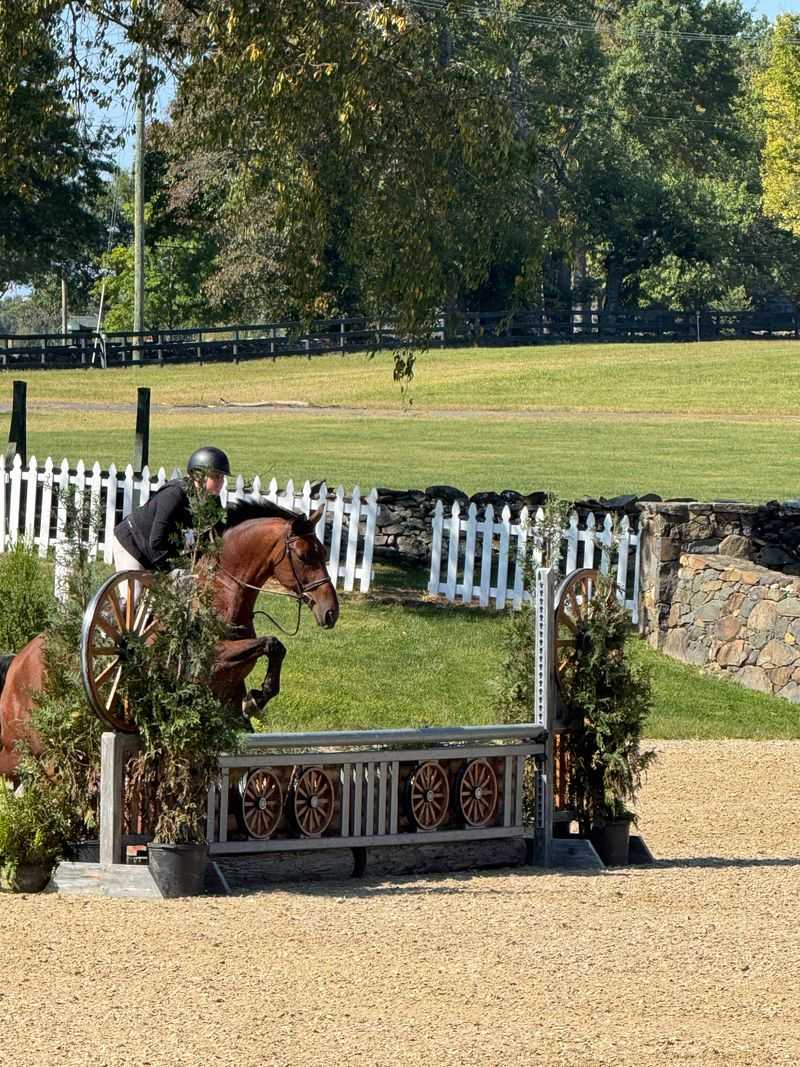
Rolling green pastures stretch to the horizon, divided by stone walls and white-painted fences that define Virginia hunt country. Thoroughbred horses graze peacefully in fields that have supported equestrian culture for generations.
This is where old money meets old traditions, where foxhunting remains a serious pursuit and steeplechase races draw crowds dressed in their finest. The landscape itself seems designed for horses, with gentle hills and open spaces perfect for galloping.
Washington Street runs through the heart of town, lined with upscale boutiques, antique shops, and galleries catering to sophisticated tastes. Window displays showcase designer fashions, fine jewelry, and home decor items that wouldn’t look out of place in much larger cities.
Yet the atmosphere remains welcoming rather than pretentious, with shop owners greeting customers like old friends. Sidewalk cafes provide perfect perches for people-watching and soaking up the refined ambiance.
The National Sporting Library and Museum at 102 The Plains Road celebrates field sports through extensive collections of art, literature, and historical artifacts. Paintings depicting hunting scenes line the walls while rare books document centuries of sporting tradition.
The building itself, a beautiful stone structure, reflects the architectural style prevalent throughout the region. Rotating exhibits explore various aspects of equestrian culture and country life.
Historic inns and bed-and-breakfasts offer luxurious accommodations in buildings with fascinating pasts. The Red Fox Inn, operating since colonial times, has hosted countless notable guests throughout American history.
Its dining room serves refined cuisine in settings dripping with old-world charm. Surrounding countryside invites exploration via scenic drives that wind past estates, vineyards, and picture-perfect vistas.
Middleburg delivers a taste of aristocratic Virginia where tradition and elegance remain vibrant parts of daily life rather than museum pieces gathering dust.
10. Cape Charles: Bayside Beauty and Victorian Revival
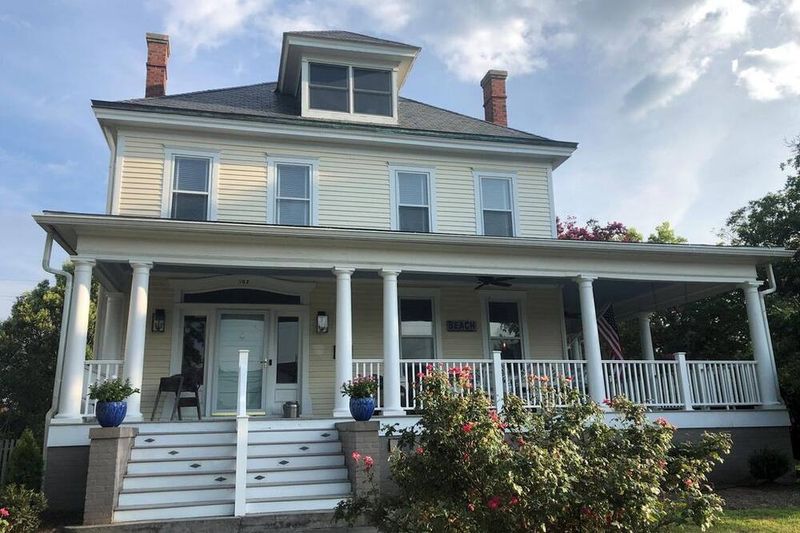
While everyone flocks to Virginia Beach, savvy travelers discover this hidden gem on the Chesapeake Bay’s Eastern Shore. Wide sandy beaches stretch for miles, uncrowded even during peak season.
The bay’s calmer waters make it ideal for families with young children, kayakers, and anyone seeking relaxation without ocean waves. Spectacular sunsets paint the western sky in brilliant colors as the sun sinks behind the bay, creating nightly shows that never get old.
Victorian homes line quiet streets in a historic district that feels frozen in time. Wraparound porches, turrets, and intricate trim details showcase the architectural exuberance of a bygone era.
Many have been lovingly restored and converted into charming bed-and-breakfasts where guests experience small-town hospitality. Gardens overflow with flowers, their colors and fragrances creating sensory delights.
Historic preservation efforts have maintained the town’s character while allowing for sensitive modern development.
Mason Avenue forms the commercial heart, with local businesses occupying storefronts that have served the community for decades. Surf shops, galleries, and casual eateries cater to both residents and visitors without losing authentic small-town character.
The Cape Charles Museum and Welcome Center at 814 Randolph Avenue provides historical context and visitor information. Farmers markets bring local growers and craftspeople together, fostering community connections and supporting regional agriculture.
Outdoor recreation opportunities abound, from fishing off the town pier to biking along flat, scenic roads perfect for casual riders. The nearby Eastern Shore of Virginia National Wildlife Refuge protects critical habitat while offering wildlife viewing and hiking trails.
Birdwatchers flock here during migration seasons when thousands of birds funnel through this narrow peninsula. Cape Charles offers authentic coastal living without commercial overdevelopment, preserving the kind of beach town atmosphere that’s increasingly rare.
Pack your beach gear and prepare to fall in love with this bayside treasure.
11. Warm Springs: Mountain Healing and Natural Serenity
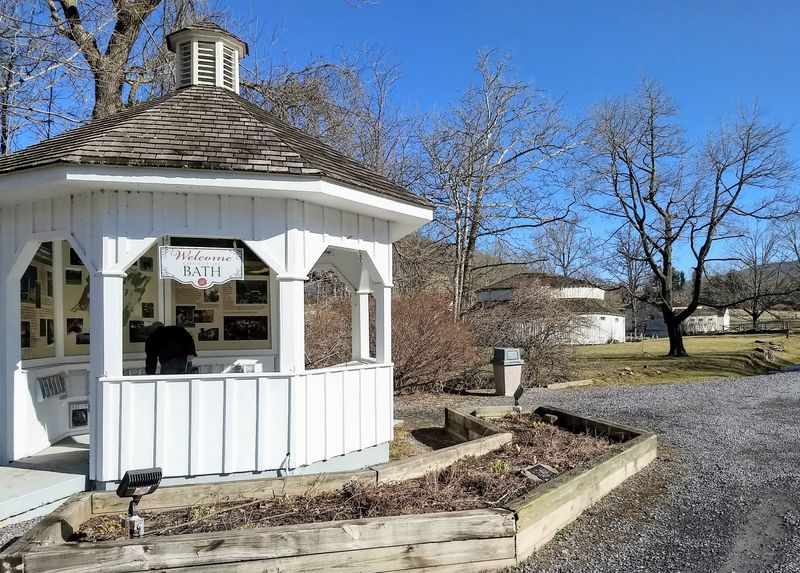
Natural warm springs bubble up from deep underground, creating pools that have soothed tired bodies for centuries. Native Americans knew about these healing waters long before European settlers arrived and built bathhouses around them.
The Homestead Resort has welcomed guests seeking therapeutic soaks and mountain air since before the Civil War. Though the resort caters to luxury travelers, the historic bathhouses remain accessible to anyone seeking the springs’ restorative powers.
The Jefferson Pools, housed in simple wooden structures built in the late eighteenth and early nineteenth centuries, offer bathing experiences virtually unchanged across generations. Warm mineral water fills the pools naturally, maintaining constant comfortable temperatures year-round.
The rustic facilities and natural setting create authentic experiences impossible to replicate in modern spas. Soaking in these historic pools connects bathers to countless others who’ve sought healing and relaxation in the same waters.
Surrounding mountains rise dramatically, their forested slopes offering countless hiking opportunities through pristine wilderness. The Allegheny Mountains’ particular geology creates the conditions for the thermal springs while providing stunning scenery.
Autumn transforms the landscape into a riot of color as hardwood forests display their fall wardrobes. Mountain streams tumble over rocks, their constant music providing natural soundtrack to outdoor adventures.
The village itself remains wonderfully undeveloped, with just a handful of buildings clustered around the springs. This simplicity enhances rather than detracts from the appeal, allowing nature and history to take center stage.
Visitors seeking quiet contemplation and natural beauty find perfect conditions here. The lack of commercial development preserves an authentic mountain atmosphere increasingly rare in popular tourist destinations.
Located off Route 220, Warm Springs invites you to slow down, breathe deeply, and reconnect with simpler times. Whether you come for the therapeutic waters, mountain scenery, or peaceful atmosphere, this hidden valley offers exactly what stressed modern souls need most.
Dear Reader: This page may contain affiliate links which may earn a commission if you click through and make a purchase. Our independent journalism is not influenced by any advertiser or commercial initiative unless it is clearly marked as sponsored content. As travel products change, please be sure to reconfirm all details and stay up to date with current events to ensure a safe and successful trip.
