There was a time when small-town Virginia offered an affordable alternative to the expensive cities. Housing was cheaper, groceries cost less, and the cost of living allowed families to stretch their budgets further.
But in many of these towns, that era is fading. This list has eleven Virginia towns that are no longer as affordable as they once were, places where the cost of living has crept up and the pace of change has been noticeable.
I have visited each one, and each time I have heard the same stories from locals who remember when things were different. The towns are still beautiful, still full of charm, but the price of staying has gone up.
Virginia has plenty of affordable places left, but these towns are no longer on that list.
1. Charlottesville
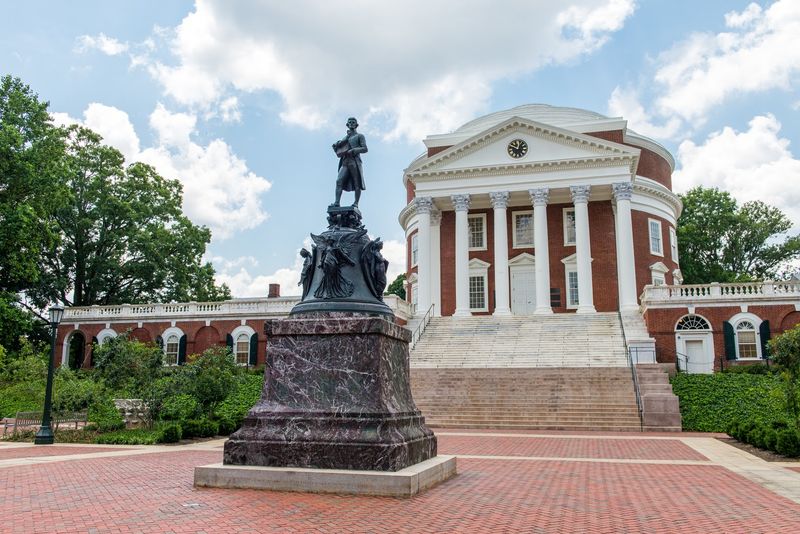
Thomas Jefferson built more than a university here. He essentially invented one of Virginia’s most magnetic towns, and Charlottesville has never looked back.
The Downtown Mall, a beautifully preserved pedestrian stretch lined with independent shops and lively outdoor seating, is the kind of place that makes you forget you had a budget. Strolling its brick-paved length on a warm afternoon feels like a reward in itself.
Monticello still anchors the town’s identity like a proud patriarch, perched at 931 Thomas Jefferson Pkwy, Charlottesville, VA 22902. Its classical architecture and sweeping mountain views draw curious minds from all corners of the country.
The surrounding neighborhood has evolved dramatically, with property values climbing in tandem with the town’s growing reputation as a cultural powerhouse.
The University of Virginia’s Rotunda, another Jefferson masterpiece, adds academic gravitas to every visit. Affluent newcomers have discovered what locals always knew, that Charlottesville offers a rare combination of intellectual energy, natural beauty, and refined living.
The Boar’s Head Resort at 200 Ednam Dr captures that upscale evolution perfectly, offering an atmosphere of quiet luxury that signals just how much this town has shifted. Once a college town with affordable corners, Charlottesville now commands prices that reflect its undeniable allure.
The charm is absolutely real, but so is the price tag that now comes attached to it.
2. Blacksburg
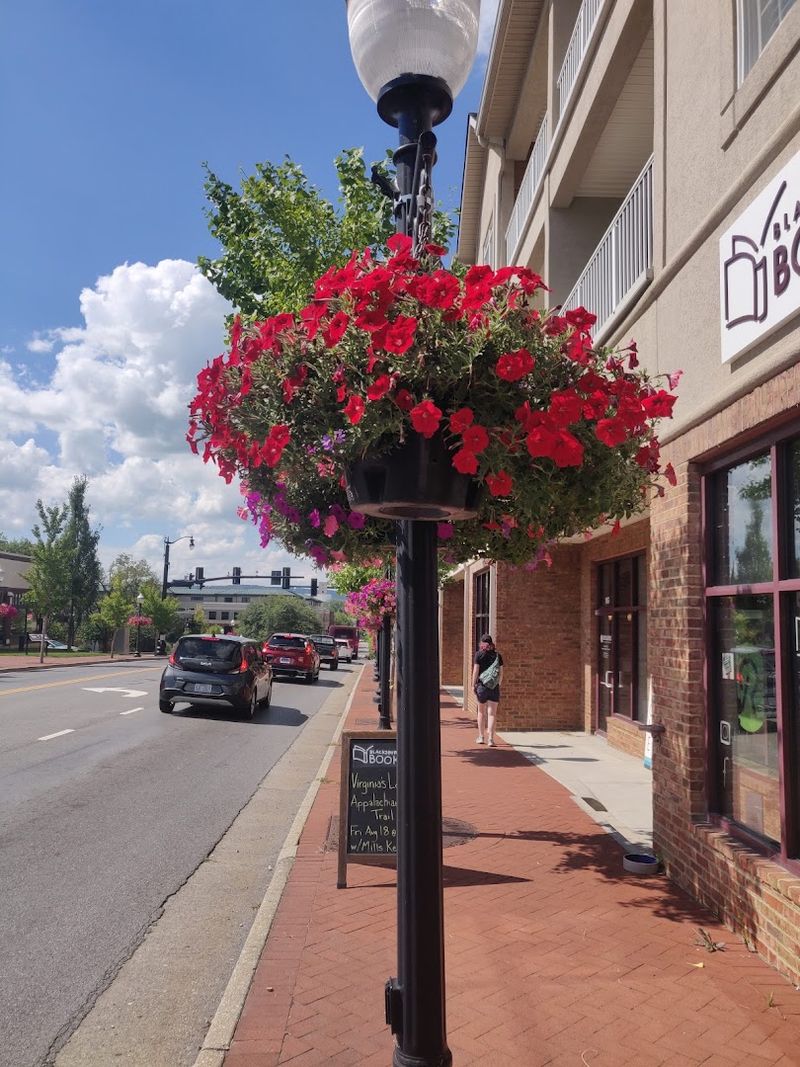
Blacksburg used to be the kind of college town where stretching a modest budget felt completely doable. Virginia Tech’s Hokie Stone buildings give the whole place a rugged, handsome character that photographs beautifully in every season.
Walking the campus feels like wandering through an architectural love letter written in warm brown stone, with every building reinforcing a sense of permanence and pride.
The Hahn Horticulture Garden, a lush six-acre sanctuary tucked within the university grounds, offers a genuinely peaceful escape from academic bustle. Smithfield Plantation at 1000 Smithfield Plantation Rd, Blacksburg, VA 24060 stands as one of the area’s most compelling historical anchors, transporting visitors to 18th-century Virginia life with remarkable authenticity.
The Alexander Black House and Cultural Center at 204 Draper Rd SW adds a Victorian elegance to the mix, blending heritage with contemporary arts programming.
Demand for housing near campus has pushed prices upward at a steady clip. Young professionals and remote workers drawn by the town’s mountain setting and university energy have accelerated that trend considerably.
What was once a student-friendly, low-cost haven now attracts buyers and renters willing to pay a premium for Blacksburg’s unique combination of outdoor access, cultural programming, and small-town warmth. The town’s identity remains vibrant and genuine, but the affordability that once defined it has quietly packed its bags and moved to a pricier zip code.
3. Fredericksburg
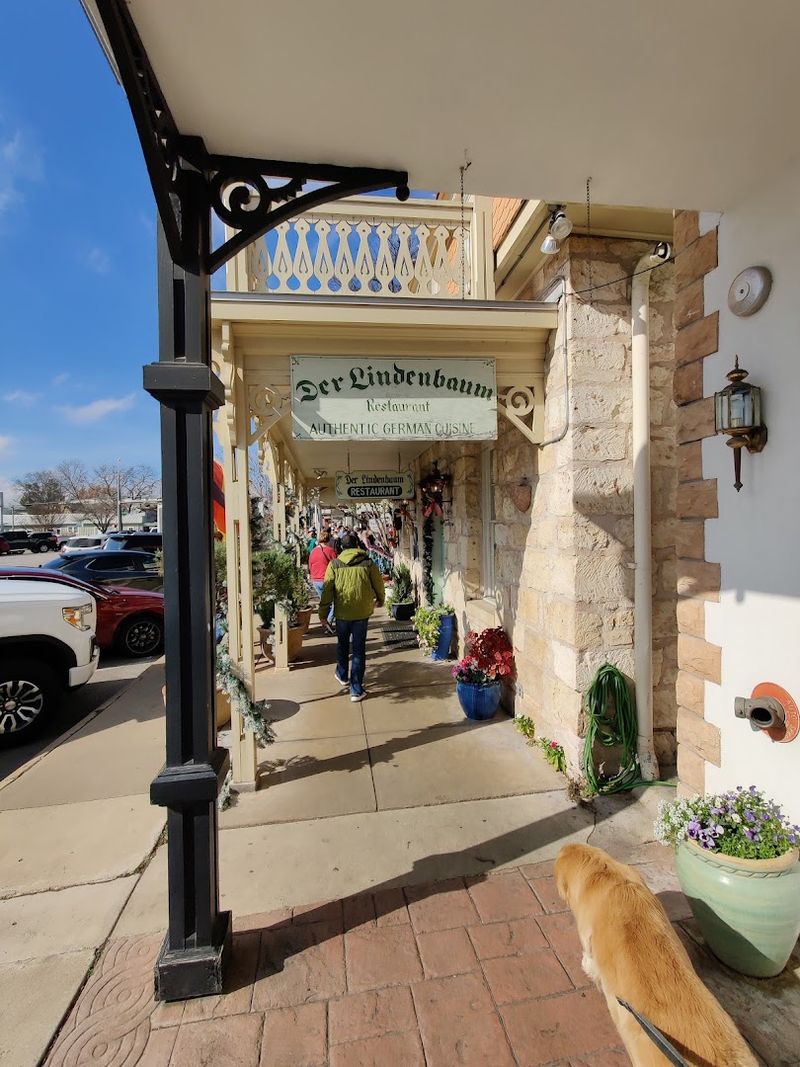
Few towns in Virginia wear their history quite as openly as Fredericksburg. George Washington’s Ferry Farm at 268 Kings Highway, Fredericksburg, VA 22405 sits along the Rappahannock River with the quiet authority of a place that shaped a nation.
The ongoing archaeological work there keeps uncovering fresh layers of the past, which means every visit offers something genuinely new to absorb.
Kenmore at 1201 Washington Avenue is another stunner, its 18th-century Georgian interiors featuring plasterwork so intricate it looks like frozen lace on every ceiling. Chatham Manor at 120 Chatham Ln commands sweeping views over the Rappahannock while carrying the weight of significant Civil War history on its beautifully maintained grounds.
These landmarks form a historical triangle that draws curious visitors year-round, fueling demand for the charming downtown properties surrounding them.
Fredericksburg’s walkable historic district has become a magnet for buyers seeking character-rich homes within commuting distance of Washington D.C. That proximity factor has done considerable work on local real estate prices, pushing values well beyond what most longtime residents originally anticipated.
Boutique hotels, artisan shops, and upscale eateries now fill spaces that once hosted more modest establishments. The colonial bones of this town remain absolutely beautiful, but the modern price tags attached to living here tell a very different story than the one George Washington grew up knowing along these very same riverbanks.
4. Haymarket
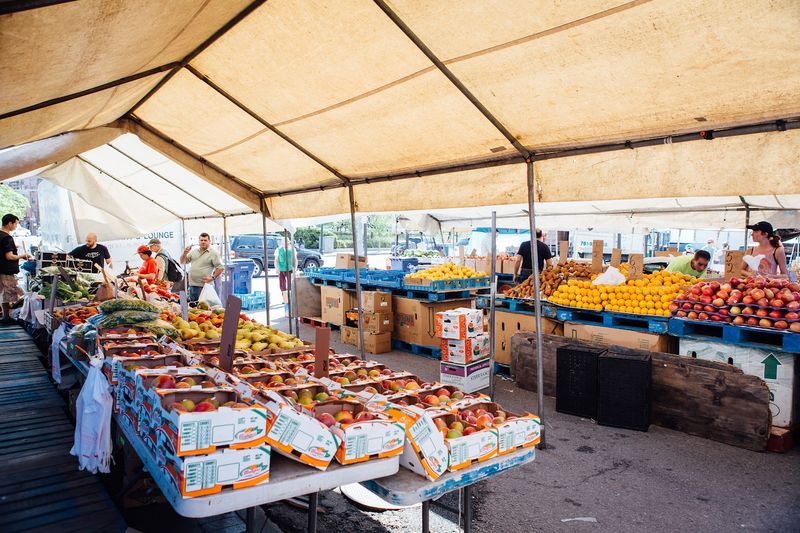
Haymarket has a delightful secret it can no longer keep. Once a quiet crossroads town that most commuters passed through without a second glance, it has transformed into a genuinely desirable community where the charm of small-town living meets surprisingly sophisticated surroundings.
The Haymarket Museum at 15025 Washington Street preserves the town’s origin story with real affection, housed in the old Town Hall building that anchors the historic center with quiet dignity.
Just outside the town’s immediate core, The Winery at La Grange at 16075 Sam Leone Ln offers a scenic estate experience with stone structures and rolling vineyard landscapes that feel worlds away from the nearby interstate. Manassas National Battlefield Park at 6511 Sudley Rd provides a powerful historical counterpoint, its vast preserved fields and Civil War landmarks inviting long, reflective walks through genuinely hallowed ground.
The town’s proximity to major Northern Virginia employment corridors has been the primary engine driving its transformation. Families priced out of closer suburbs discovered Haymarket’s relative value years ago, and that discovery has now rippled outward into steadily rising property prices.
New residential developments have popped up around the historic core, bringing fresh energy but also fresh competition for housing that was once genuinely accessible. Haymarket still feels warm, welcoming, and grounded in its heritage, but calling it a budget-friendly option today requires a generous stretch of the imagination and a very optimistic mortgage application.
5. Waynesboro
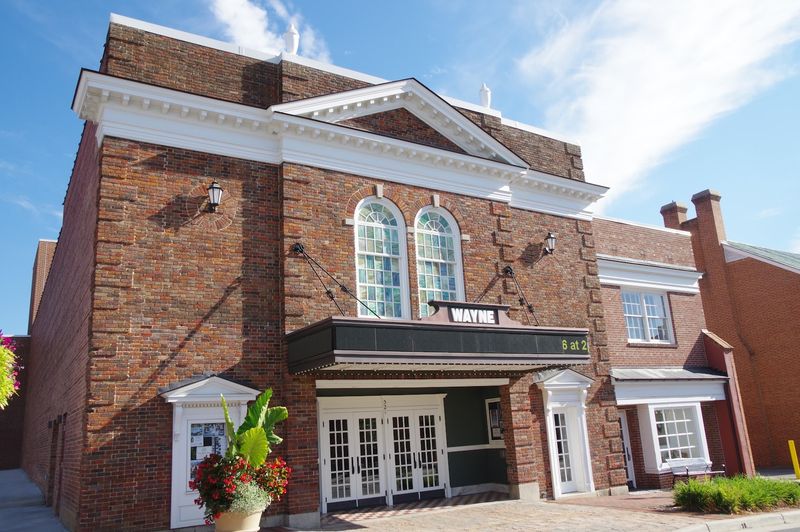
Waynesboro sits at one of the most scenic intersections in the entire Shenandoah Valley, where Skyline Drive meets the Blue Ridge Parkway and outdoor adventure becomes an everyday reality. The Plumb House Museum at 1012 W Main St, Waynesboro, VA 22980 stands as the city’s oldest surviving frame structure, its Civil War connections giving it a gravity that newer buildings simply cannot manufacture.
Stepping inside feels like pressing your ear against the wall of American history.
The P. Buckley Moss Gallery at 1500 Jefferson Hwy celebrates regional artistry with a warmth that perfectly mirrors the town’s own personality.
Her distinctive depictions of rural Virginia landscapes feel entirely at home here, surrounded by the very scenes that inspired them. The Wayne Theatre at 521 W Main St brings world-class performances into a beautifully restored Vaudeville-era venue, proving that cultural ambition thrives even in smaller communities.
Outdoor enthusiasts have been quietly circling Waynesboro for years, drawn by immediate access to Shenandoah National Park, the Appalachian Trail, and the James River. That outdoor reputation has accelerated a real estate evolution that caught many longtime residents off guard.
Property values that once reflected a modest, industrial-era economy have climbed steadily as remote workers and adventure-seekers claim their piece of this mountain-framed paradise. Waynesboro’s gritty, creative spirit remains wonderfully intact, but the affordable entry point that once made it an underdog darling is becoming harder to find with each passing season.
6. Middleburg
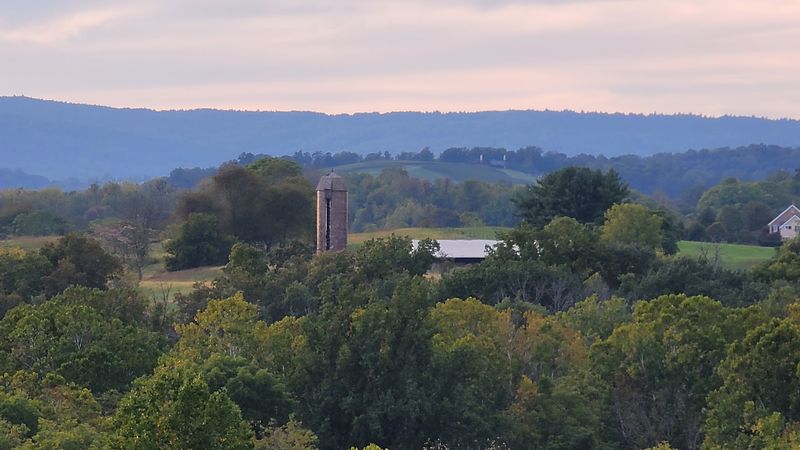
Middleburg does not whisper its exclusivity. It announces it with perfectly maintained stone walls, immaculate equestrian estates, and a main street that looks like it was designed specifically for a lifestyle magazine cover shoot.
The Red Fox Inn and Tavern at 2 E Washington St, Middleburg, VA 20117 has been welcoming guests since the 18th century, its ancient stone walls radiating a warmth that feels both aristocratic and genuinely inviting at the same time.
The National Sporting Library and Museum at 102 The Plains Rd houses an extraordinary collection of equestrian and field sports art and literature within an architectural setting of considerable grace. Spending an afternoon there feels like being admitted into a very refined private club, minus the membership fee.
The surrounding hunt country landscape, with its rolling green hills and white-fenced paddocks, creates a visual backdrop that real estate developers have enthusiastically capitalized on for decades.
Middleburg has arguably always carried a premium price tag, but recent years have pushed it into a category that makes even wealthy buyers pause before signing. Celebrity estates and high-profile weekend retreats have become increasingly common in the surrounding area, driving land values to levels that feel almost surreal for a town of its modest size.
The authentic equestrian culture that defines Middleburg’s identity remains thrillingly alive, but the days of stumbling upon an affordable cottage in this corner of Virginia’s horse country are firmly, decisively in the rearview mirror.
7. Culpeper
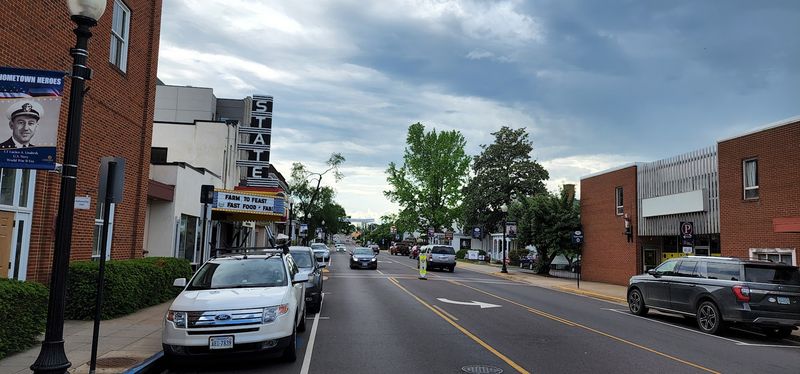
Culpeper has been quietly reinventing itself, and the results are genuinely impressive. The Museum of Culpeper History at 113 S Commerce St, Culpeper, VA 22701 occupies the town’s historic train depot, a handsome structure that frames its prehistoric-to-Civil-War narrative with real architectural flair.
Walking through its galleries provides a satisfying sense of how much ground this community has covered across centuries of American life.
The State Theatre of Culpeper at 305 S Main St anchors the cultural scene with a beautifully renovated facade that commands attention from halfway down the block. Its presence signals that Culpeper takes its arts seriously, drawing performers and audiences who appreciate intimate, character-rich venues over generic modern alternatives.
It’s About Thyme at 128 East Davis Street adds a distinctly European flavor to the dining scene, its scenic murals and old-world interior creating an atmosphere that feels genuinely transportive.
Real estate investors and lifestyle-seekers discovered Culpeper’s combination of historic character and relatively short drive times to major Northern Virginia hubs. That discovery has translated into a steady upward pressure on property prices that has surprised many longtime residents.
New boutique businesses and renovated historic properties have added undeniable polish to the downtown corridor, but that polish comes at a cost that filters out the budget-conscious buyers who helped shape the town’s scrappy, creative identity. Culpeper’s charm offensive is working brilliantly, even if the original residents are left wondering exactly who the audience is now.
8. Buckhall
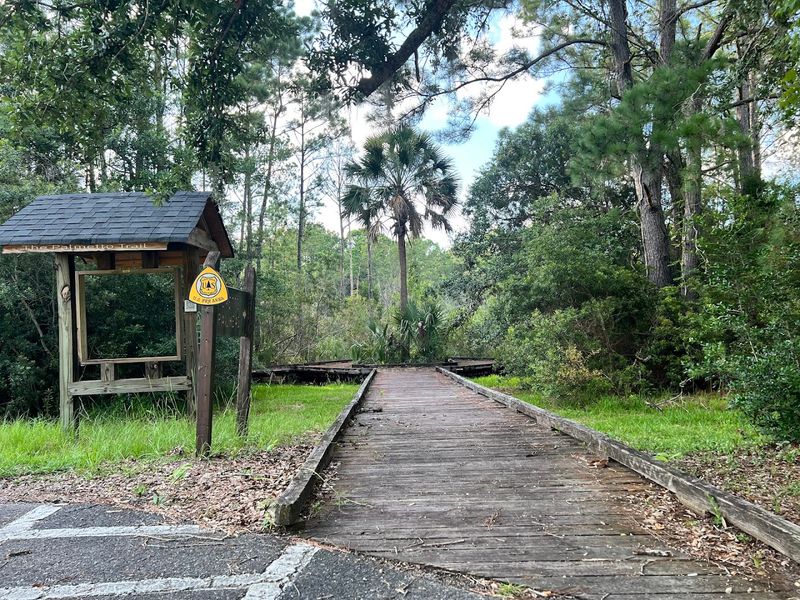
Buckhall occupies a fascinating position in the Virginia landscape, modest in its own footprint yet sitting at the doorstep of some of the most historically significant terrain in the entire country. The Manassas National Battlefield Park at 6511 Sudley Rd, Manassas, VA 20109 defines the area’s identity with its vast preserved fields and solemn landmarks.
Walking those grounds, imagining the scale of what occurred there, produces a kind of quiet awe that no museum exhibit can fully replicate.
The Henry Hill Visitor Center provides essential context before any exploration of the battlefield’s trails and monuments. The Stone House, a striking structure that served as a field hospital during the conflict, stands as one of the most photographed and emotionally resonant spots on the entire site.
Split-rail fences border open meadows that have remained largely unchanged since the battles that defined them, creating a landscape of remarkable historical integrity.
Buckhall itself has ridden the wave of suburban expansion spreading outward from the greater Washington D.C. metropolitan area. What was once genuinely rural and affordable has been absorbed into the orbit of Northern Virginia’s relentless demand for residential space.
New subdivisions and commercial corridors have transformed the surrounding landscape considerably, pushing property values far beyond what the area’s quiet, agricultural character once suggested. The battlefield remains a powerful, protected constant amid all this change, but the surrounding community has evolved into something that would be entirely unrecognizable to anyone who knew Buckhall even two decades ago.
9. Stafford
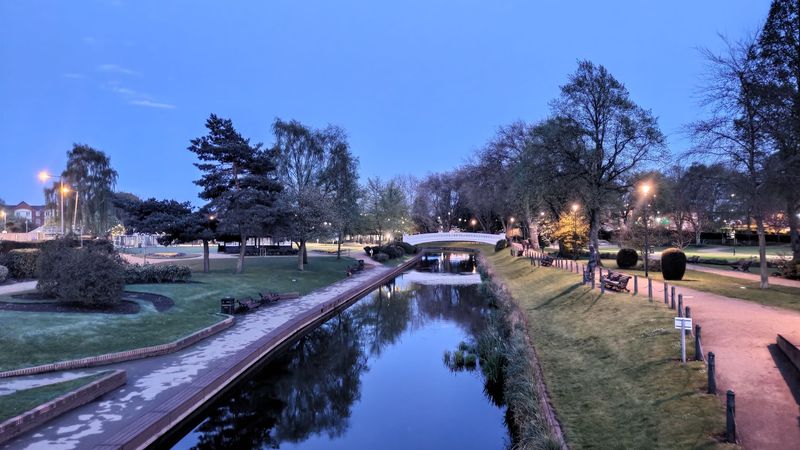
Stafford County carries a presidential origin story that most commuters racing along Interstate 95 probably never consider. George Washington’s Ferry Farm at 268 Kings Highway, Fredericksburg, VA 22405 preserves the boyhood landscape that shaped America’s first president, with ongoing archaeological excavations adding fresh revelations to a story that never fully loses its power to astonish.
Standing along the Rappahannock River there feels like touching the very beginning of something enormous.
Chatham Manor at 120 Chatham Ln offers a different kind of historical depth, its Georgian grandeur having served as a Union headquarters during the Civil War. The sweeping river views from its grounds are among the finest in the entire region, framing Fredericksburg across the water with a painter’s sense of composition.
Government Island, accessible near the Stafford I-95 exit 140 area, reveals yet another layer of national significance, its Aquia sandstone quarry having supplied material for both the U.S. Capitol and the White House.
Stafford’s transformation from a largely rural county into a major Northern Virginia suburb has been swift and dramatic. The combination of reasonable commute distances to Washington D.C. and an initially lower price point made it enormously attractive to families seeking space without sacrificing accessibility.
That attractiveness has compounded over time, steadily eroding the affordability advantage that originally drew buyers here. Infrastructure improvements and new commercial development have accelerated the process, leaving Stafford as a thriving but decidedly pricier community than the one that greeted its earliest suburban pioneers.
10. Abingdon
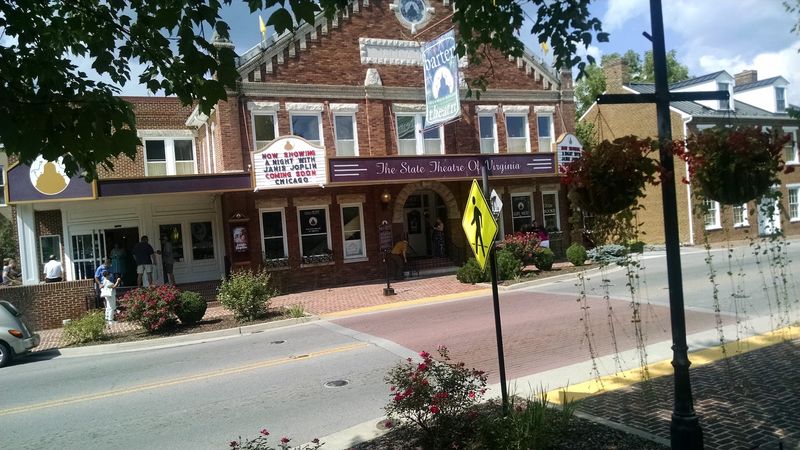
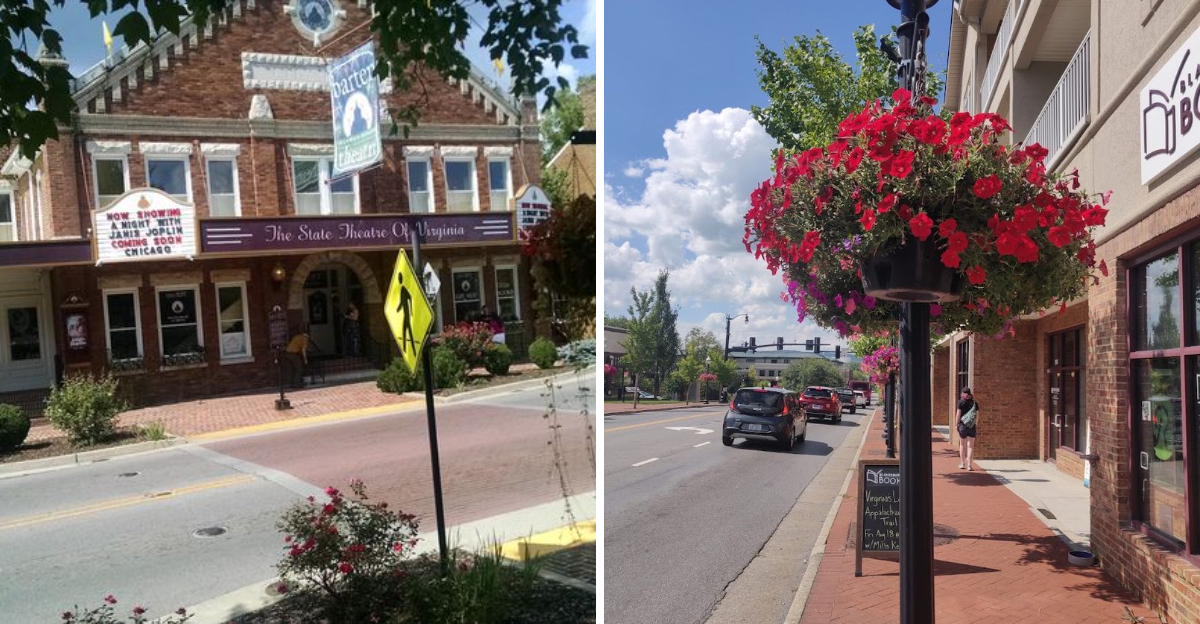
Abingdon sits in the far southwestern corner of Virginia like a well-kept artistic secret that the rest of the state has only recently started to shout about. The Barter Theatre at 133 W Main St, Abingdon, VA 24210 is the crown jewel, operating continuously as the State Theatre of Virginia and delivering performances that would feel at home on stages far larger and far more famous.
Its historic interior creates an intimacy that modern venues spend fortunes trying to manufacture.
The Martha Washington Inn and Spa at 150 W Main St stands as a monument to graceful hospitality, its stately architecture and beautifully appointed interiors making it one of the most photographed buildings in the entire region. The walkable Historic District surrounding these landmarks rewards slow exploration, with colonial and Victorian facades creating a streetscape of genuine architectural variety and charm.
The Virginia Creeper Trail draws outdoor enthusiasts from across the mid-Atlantic, threading through breathtaking Appalachian scenery on a route that has become genuinely legendary among cycling and hiking communities.
That combination of cultural prestige, natural access, and historic character has driven a remarkable shift in Abingdon’s real estate market. Properties along and near the Historic District that once traded at prices reflecting the town’s geographic remoteness now command figures that reflect its discovered desirability.
Tourism dollars flowing through the Barter Theatre, the trail, and the inn have reshaped the local economy in ways that benefit businesses but challenge affordability for ordinary residents seeking to plant roots in this extraordinary corner of the commonwealth.
