Small-town charm isn’t dead, and Virginia proves it better than most states. Across the Commonwealth, pockets of genuine community spirit still thrive in places where everyone knows your name, your dog’s name, and probably what you ordered at the local diner last Tuesday.
These aren’t just tourist traps with manufactured nostalgia; they’re real communities where neighbors look out for each other and strangers quickly become friends.
What makes these towns special goes beyond their scenic beauty or historic downtown squares. It’s the way shop owners remember your coffee order, the way kids still play freely on tree-lined streets, and the way locals gather for festivals that have been traditions for generations.
Virginia’s small towns offer something increasingly rare in our fast-paced world: a genuine sense of belonging.
From the mountains to the coast, these nine Virginia communities keep the spirit of neighborliness alive and well. Pack your curiosity and prepare to experience what small-town America was always meant to be.
1. Abingdon
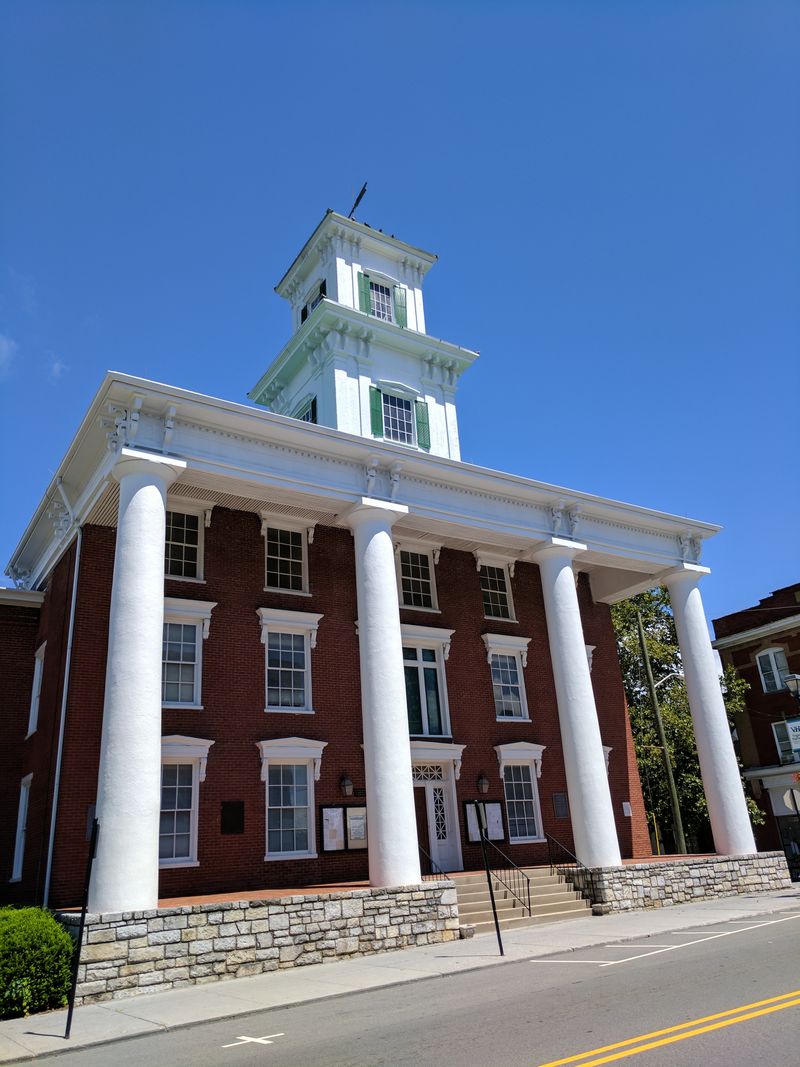
Tucked into Virginia’s southwestern corner, Abingdon wraps visitors in genuine Appalachian hospitality the moment they arrive. Main Street stretches through the heart of town like a timeline of American architecture, with buildings that have watched over this community for centuries.
The Barter Theatre anchors the cultural scene, drawing theater lovers who return season after season, greeted warmly by staff who remember their favorite seats.
Walk any sidewalk here and you’ll notice something remarkable: people make eye contact. They nod.
They say hello without checking their phones first. Local shop owners step outside to chat with passersby, and conversations flow easily between generations.
The pace feels deliberately slower, as if the town collectively decided that rushing through life means missing the good parts.
The Virginia Creeper Trail starts just outside town, attracting cyclists and hikers who quickly discover that Abingdon offers more than just trail access. Coffee shops buzz with regulars who gather daily, sharing stories and keeping tabs on community happenings.
Farmers know their customers by name at the seasonal market, recommending recipes along with their produce.
Historic homes line residential streets where front porches still serve their intended purpose: watching the world go by and waving to neighbors. Kids bike freely, elderly residents walk without worry, and newcomers find themselves folded into the community fabric faster than they expected.
The town’s address sits at 133 West Main Street, Abingdon, Virginia, where the welcome center staff treats every visitor like a returning friend.
2. Middleburg
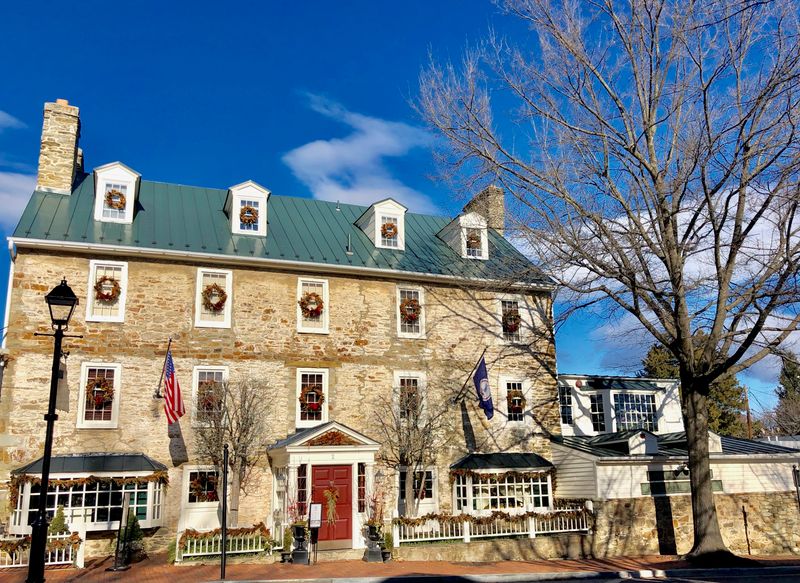
Horse country elegance meets small-town warmth in Middleburg, where residents still tip their hats and mean it. Washington Street forms the backbone of this hunt country gem, lined with shops and restaurants that have served generations of the same families.
Stone walls crisscross the surrounding countryside, marking estates where horses graze and foxhunts still gather on crisp autumn mornings.
Despite its proximity to Washington’s power corridors, Middleburg maintains an authenticity that money can’t manufacture. Locals gather at the Red Fox Inn, swapping stories in a building that predates the American Revolution.
Shop owners recognize returning customers instantly, remembering not just names but also preferences, family updates, and ongoing conversations from previous visits.
The town’s equestrian heritage permeates daily life without feeling exclusive or pretentious. Whether you own thoroughbreds or just appreciate them, you’re welcomed into conversations at the local tack shop or during the annual Christmas parade.
Residents take genuine pride in their community, volunteering for festivals and supporting local businesses with fierce loyalty.
Weekend mornings bring neighbors together at bakeries and coffee spots, where tables fill with familiar faces catching up on weekly news. The post office serves as an informal community center, where picking up mail inevitably leads to impromptu reunions.
Children grow up knowing they’re watched over by an entire town, not just their parents.
Find this slice of Virginia charm at 12 North Madison Street, Middleburg, where the visitor center staff offers directions with the warmth of old friends guiding you home.
3. Onancock
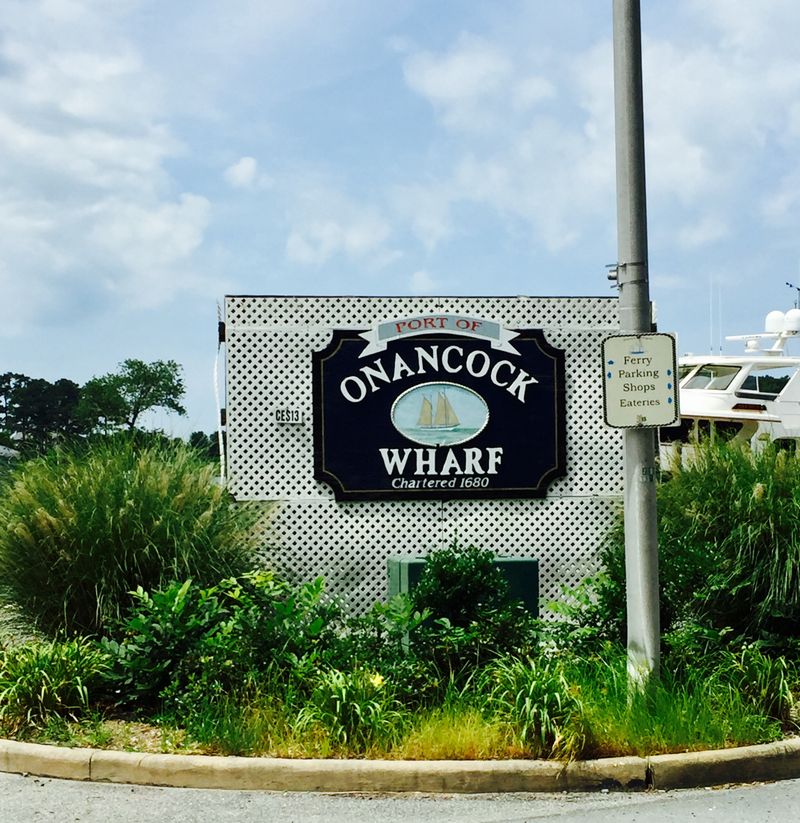
Salt air and genuine smiles greet visitors to Onancock, a waterfront gem on Virginia’s Eastern Shore where time moves at tide speed. Market Street slopes gently toward the harbor, past storefronts that have served this maritime community for generations.
Watermen still dock their boats here, continuing traditions their grandfathers taught them, and locals gather at the wharf to watch sunsets that paint the sky in impossible colors.
This isn’t a town that reinvented itself for tourists; it simply remained true to its roots while welcoming outsiders with characteristic Shore hospitality. Gallery owners chat easily with browsers, sharing stories about local artists whose work adorns the walls.
Restaurant staff remember dietary preferences and ask about family members by name, treating regulars and newcomers with equal warmth.
The harbor pulses with authentic working-boat energy, where fishing vessels tie up alongside pleasure craft and everyone respects the water’s rhythms. Coffee shops fill early with captains and retirees, discussing weather patterns and community concerns with equal seriousness.
Seasonal festivals bring the entire town together, with generations mingling freely and newcomers quickly absorbed into the celebration.
Walking tours reveal architectural treasures at every turn, but the real treasure lies in spontaneous conversations with residents who genuinely care about their town’s story. Front porches serve as community gathering spots, where neighbors call out greetings and invite passersby to sit a spell.
Children play along quiet streets while adults keep casual watch, maintaining the collective care that defines small-town life.
Located at 2 Market Street, Onancock, this Eastern Shore treasure welcomes visitors to experience coastal Virginia at its most authentic.
4. Lexington
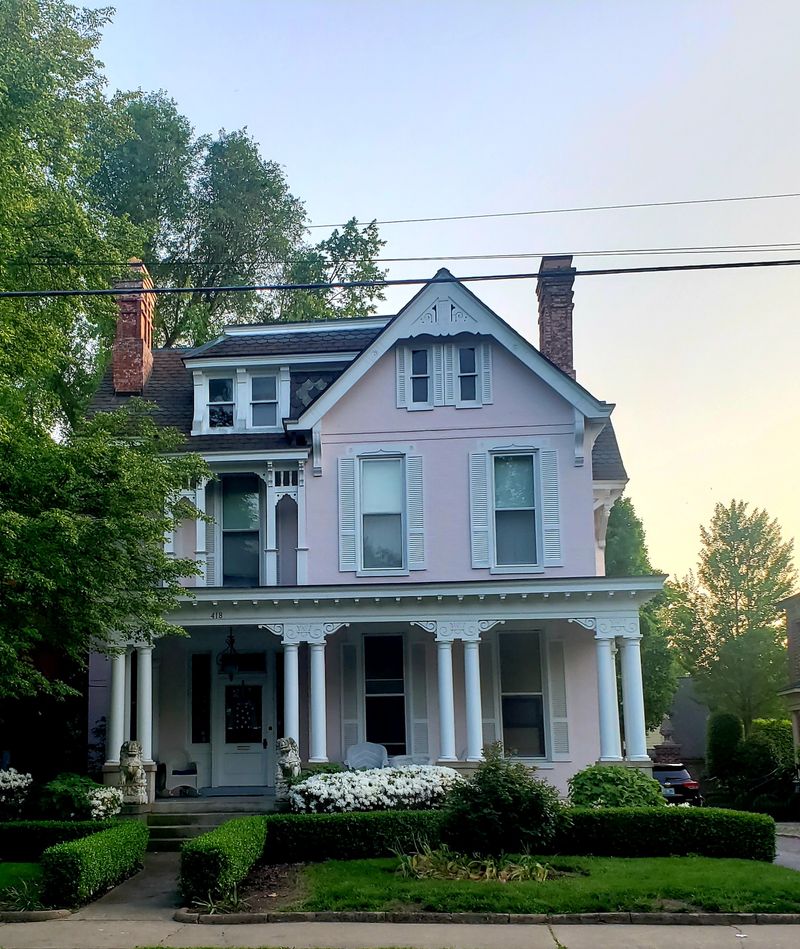
College campuses and military traditions blend seamlessly with small-town values in Lexington, where cadets in uniform walk the same sidewalks as artists, professors, and longtime residents. Main Street bustles with an energy that feels both youthful and timeless, as students grab coffee alongside retirees who’ve lived here for decades.
The Blue Ridge Mountains frame every view, reminding everyone that nature’s grandeur surrounds this tight-knit community.
Washington and Lee University and Virginia Military Institute give Lexington an intellectual vibrancy without sacrificing its neighborly character. Bookstore owners discuss literature with genuine passion, remembering customers’ reading preferences and suggesting titles with thoughtful consideration.
Local restaurants serve as unofficial town halls where professors debate with farmers and everyone’s opinion carries weight.
History saturates every corner, yet residents live fully in the present, balancing respect for the past with enthusiasm for the future. Shopkeepers decorate for seasons with care, creating visual celebrations that bring smiles to familiar faces passing by.
The farmers market transforms into a weekly reunion, where vendors and customers exchange recipes, gardening tips, and genuine concern for each other’s wellbeing.
Parades bring the entire community into the streets, with generations lining up together to wave at marchers who wave back with recognition. Theater performances at local venues draw crowds who applaud not just the art but also the neighbors onstage.
Hiking trails surrounding town become social spaces where strangers greet each other and locals stop to share trail conditions and wildlife sightings.
Visit the welcome center at 106 East Washington Street, Lexington, where staff members offer guidance with the warmth that defines this remarkable Virginia community.
5. Smithfield
Pork heritage and Southern hospitality merge perfectly in Smithfield, where residents take pride in their town’s culinary legacy without letting it define them completely. Main Street winds through a historic district where buildings tell stories spanning three centuries, and locals preserve that history while embracing modern community life.
The Pagan River flows quietly past town, offering peaceful waterfront views that residents cherish during evening walks.
Butcher shops and specialty food stores draw visitors from across the region, but locals know the real magic lies in everyday interactions at the hardware store, library, and corner markets. Shopkeepers recognize children who’ve grown into adults, commenting on how quickly time passes while genuinely caring about life milestones.
Church bells mark the hours, and their familiar chimes provide comfort to residents who’ve heard them their entire lives.
Festivals celebrating local traditions bring neighbors together in ways that feel organic rather than manufactured. Volunteers work side by side, regardless of how long they’ve lived in town, united by shared investment in community success.
The historic district invites leisurely strolls where every block reveals architectural details and every corner offers opportunities for spontaneous conversations.
Restaurants serve meals that taste like home, prepared by chefs who source ingredients from local farms and know their regular customers’ favorite dishes. Coffee shops become morning gathering spots where business owners, teachers, and retirees solve world problems over steaming mugs.
Kids still ride bikes to the park, where parents supervise collectively, maintaining the watchful care that makes small towns feel safe.
Located at 130 Main Street, Smithfield, this James River community welcomes visitors to experience Virginia hospitality at its finest.
6. Monterey
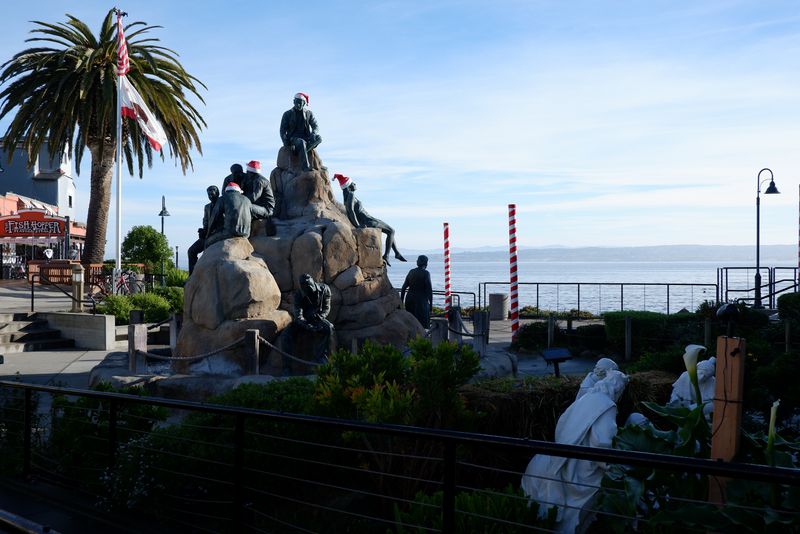
Mountain mist and genuine kindness blanket Monterey, Virginia’s highest county seat, where neighbors help neighbors through harsh winters and celebrate together during brief summers. Main Street serves this Highland County community with straightforward shops offering necessities rather than tourist trinkets.
The Allegheny Mountains rise dramatically around town, creating a natural fortress that seems to protect the old-fashioned values thriving here.
Isolation breeds interdependence in Monterey, where residents understand that community isn’t optional but essential. Hardware store owners know every local contractor by name and keep mental inventories of who needs what supplies.
The post office functions as social hub and information center, where mail carriers deliver not just letters but also wellness checks on elderly residents living on remote mountain roads.
Harsh weather forges strong bonds; snowstorms that would paralyze other places merely prompt Monterey residents to check on each other and share resources. The volunteer fire department represents community commitment at its finest, with generations serving together.
Local festivals celebrate Highland County’s agricultural heritage with authentic pride, featuring sheep shearing and maple syrup demonstrations that educate while entertaining.
Restaurants serve hearty mountain fare to customers who arrive bundled against the cold, stamping snow from boots while exchanging greetings with everyone present. The courthouse square anchors town life, hosting events that draw families from surrounding hollows and ridges.
Children attend school alongside cousins and lifelong friends, creating bonds that often last entire lifetimes.
Artists and writers find inspiration in Monterey’s rugged beauty and tight-knit community, adding creative energy without disrupting the town’s essential character. Find this mountain refuge at 107 West Main Street, Monterey, where elevation and attitude both reach inspiring heights.
7. Chincoteague
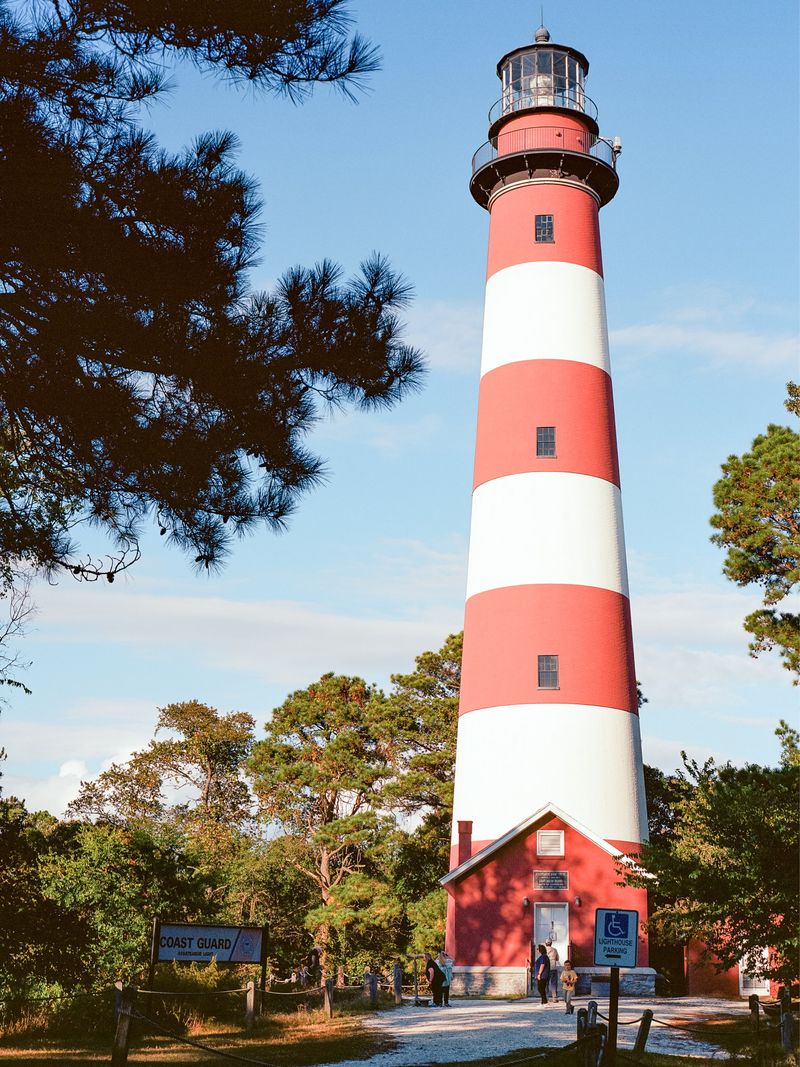
Wild ponies and wilder hospitality define Chincoteague, where island life shapes community bonds stronger than mainland connections. Maddox Boulevard cuts through town, connecting neighborhoods where families have fished these waters for generations.
The Atlantic Ocean and Chincoteague Bay surround this barrier island, creating a geographic isolation that intensifies the sense of shared identity among year-round residents.
Tourist season brings crowds, but locals maintain their authentic character, greeting visitors warmly while preserving the rhythms that define island life. Watermen leave before dawn, returning with catches that supply local restaurants serving the freshest seafood imaginable.
Shop owners balance serving tourists with maintaining the everyday businesses that keep islanders supplied through quiet winter months.
The famous pony swim draws international attention annually, yet residents treat it as a beloved hometown tradition rather than a commercial spectacle. Volunteer fire company members risk their lives herding ponies across the channel, continuing a legacy their ancestors established.
Churches anchor community life, hosting suppers and gatherings that bring neighbors together beyond Sunday services.
Bike paths crisscross the island, creating car-free zones where children pedal safely and adults wave from porches. The library serves as community center, offering programs that educate and entertain while providing gathering space for all ages.
Seasonal changes dramatically affect island life, and residents who weather the quiet winters earn special status in this tight-knit community.
Sunsets over the marsh inspire daily gatherings where locals and visitors alike pause to appreciate natural beauty. Find island hospitality at 6733 Maddox Boulevard, Chincoteague, where the welcome is as warm as the summer sun and twice as genuine.
8. Floyd
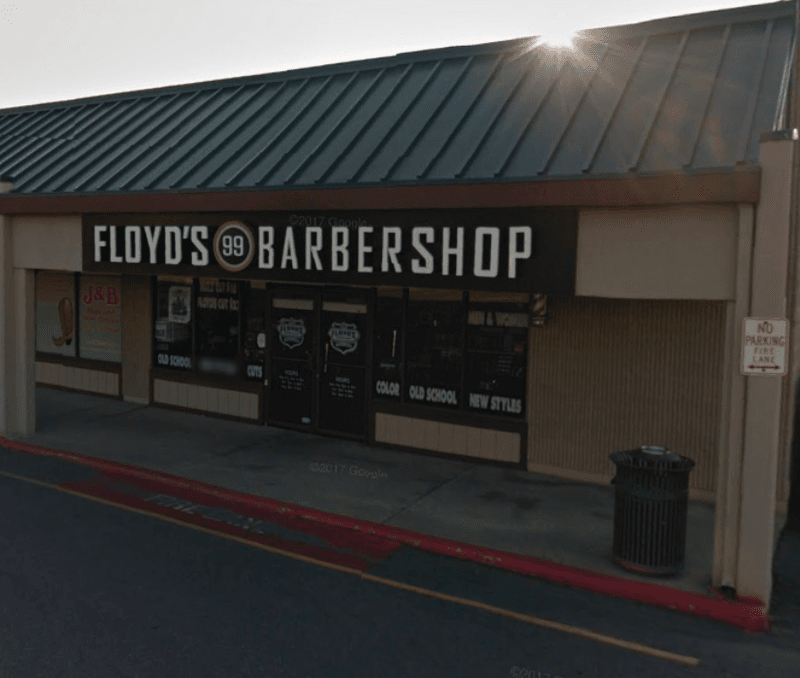
Bluegrass music and back-to-the-land values harmonize perfectly in Floyd, where Friday night jam sessions at the general store define community culture. Main Street reflects this mountain town’s quirky independence, with shops selling everything from organic produce to handcrafted instruments.
The Blue Ridge Parkway passes nearby, bringing travelers who often decide to stay after experiencing Floyd’s magnetic combination of artistic energy and genuine neighborliness.
Musicians gather weekly, playing for love rather than money, and locals dance with visitors in spontaneous celebrations of shared humanity. The general store becomes a cultural institution where age, background, and skill level matter less than willingness to participate.
Farmers markets showcase the area’s agricultural abundance while providing social opportunities where growers and customers become friends through weekly interactions.
Artists and craftspeople populate the surrounding countryside, drawn by affordable land and a community that values creativity. Gallery openings feel like neighborhood parties, with wine flowing freely and conversations ranging from art theory to gardening techniques.
Restaurants source ingredients locally, creating menus that change with seasons and reflect the area’s commitment to sustainable living.
Hiking trails thread through nearby mountains, and locals freely share recommendations with visitors, often offering to serve as guides. The pace of life deliberately rejects modern hurry, with businesses closing when owners feel like it and nobody minding much.
Children grow up surrounded by music and art, absorbing values that prioritize community and creativity over material success.
Newcomers arrive seeking alternative lifestyles and find acceptance alongside longtime residents who appreciate fresh energy. Located at 206 South Locust Street, Floyd, this mountain community proves that small towns can honor tradition while embracing progressive values and welcoming everyone who shares their spirit.
9. Urbanna
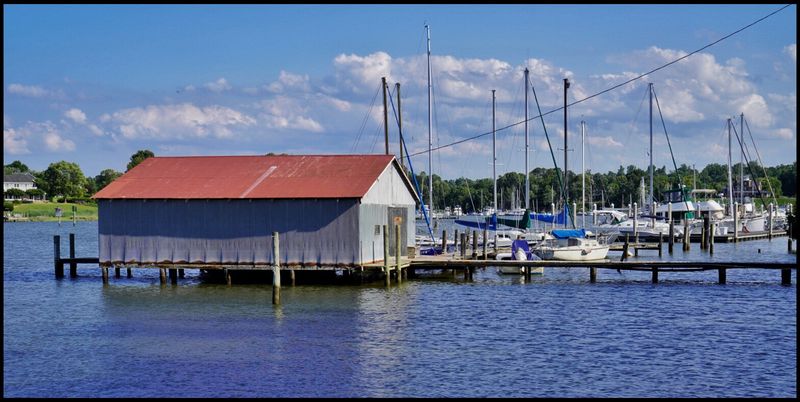
Oyster festivals and everyday kindness define Urbanna, a Rappahannock River town where maritime heritage remains living tradition rather than museum piece. Virginia Street leads to the waterfront, passing homes that have sheltered the same families for generations.
Boats bob at private docks, and residents still earn their living from the river that has sustained this community for centuries.
The annual oyster festival transforms this quiet village into a regional celebration, yet locals maintain control, ensuring the event honors tradition rather than commercialism. Volunteers work tirelessly, motivated by community pride rather than personal gain.
Churches coordinate efforts, demonstrating the strong faith foundation that underpins much of small-town Virginia life.
Between festivals, Urbanna returns to its peaceful rhythm, where shop owners greet customers by name and conversations flow easily across generations. The post office, bank, and corner store serve as daily gathering points where residents catch up on community news.
Retired watermen share stories with younger generations, passing down knowledge about tides, weather patterns, and sustainable harvesting practices.
Historic homes line streets shaded by ancient trees, creating a visual harmony that residents protect fiercely through preservation efforts. Walking tours reveal architectural treasures, but the real treasure lies in front-porch conversations with locals who love sharing their town’s history.
The river provides constant backdrop, its tidal rhythms matching the town’s unhurried pace.
Children play along the waterfront, watched over by adults who remember their own childhoods spent in the same spots. Restaurants serve river-fresh seafood to customers who return annually, greeted like family by staff who remember their orders.
Find this riverside gem at 51 Cross Street, Urbanna, where Virginia’s maritime heritage and small-town values flow together like river meeting bay.
Dear Reader: This page may contain affiliate links which may earn a commission if you click through and make a purchase. Our independent journalism is not influenced by any advertiser or commercial initiative unless it is clearly marked as sponsored content. As travel products change, please be sure to reconfirm all details and stay up to date with current events to ensure a safe and successful trip.
