
Virginia sits smack in the middle of a cultural tug-of-war that’s been going on for centuries. This state has one foot planted firmly in Southern tradition and the other stepping boldly into Northern modernity, creating a fascinating blend of sweet tea and subway commutes.
From charming historic towns to bustling suburbs, you’ll find places where Confederate monuments stand near tech startup offices, where barbecue joints share strip malls with bagel shops, and where accents shift from honeyed drawls to clipped city-speak within a single county line.
What makes Virginia so special is how these cultural collisions create vibrant, dynamic communities that refuse to be put in just one box. The Mason-Dixon line might be north of here, but Virginia’s identity crisis (or identity celebration, depending on how you look at it) makes it one of the most interesting states to explore.
Whether you’re hunting for Civil War history or craft breweries, front-porch hospitality or fast-paced innovation, these towns serve up hefty portions of both.
Ready to explore where magnolia trees meet metro stations? Pack your bags and your open mind, because these Virginia towns are about to show you what happens when two worlds collide in the most delightful ways possible.
1. Alexandria
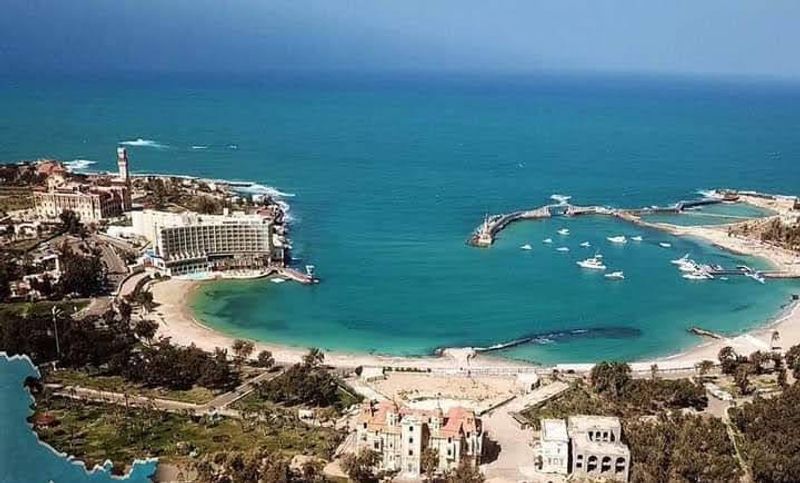
Cobblestone streets whisper stories of George Washington while sleek condos tower overhead, creating a time-traveling experience you won’t find anywhere else. Alexandria perfectly captures the identity split that makes Virginia so fascinating, with colonial architecture housing trendy coffee shops and historic taverns sitting next door to sushi restaurants.
King Street pulses with energy as lawyers in sharp suits brush past tour guides in tricorn hats, and nobody bats an eye at the contrast.
Old Town Alexandria feels like someone took a Revolutionary War village and dropped it into a modern metropolitan area without asking permission first. Torpedo Factory Art Center transforms an actual munitions plant into artist studios where you can watch glassblowers and painters work their magic.
The waterfront along the Potomac River offers stunning views of the nation’s capital just across the way, reminding you that this town straddles two completely different worlds with remarkable grace.
Southern hospitality meets Northern hustle in restaurants where waitstaff greet you with warm smiles but move at big-city speed. Historic homes with plaques detailing their colonial pedigree sell for prices that would make your great-grandmother faint, bought up by government workers and tech professionals flooding in from everywhere.
Christ Church still holds services in the same building where Washington worshipped, while yoga studios and boutique fitness centers cater to the wellness-obsessed newcomers.
The cultural mixing creates fascinating contradictions at every turn. Civil War monuments stand in parks where young families from all over the country gather for farmers markets selling organic kale and artisanal cheeses.
You can tour historic sites in the morning and catch live indie music at a packed venue that evening. Alexandria refuses to choose between honoring its past and embracing its cosmopolitan present, making it the perfect introduction to Virginia’s cultural complexity.
Address: Old Town Alexandria, King Street, Alexandria, VA 22314
2. Arlington
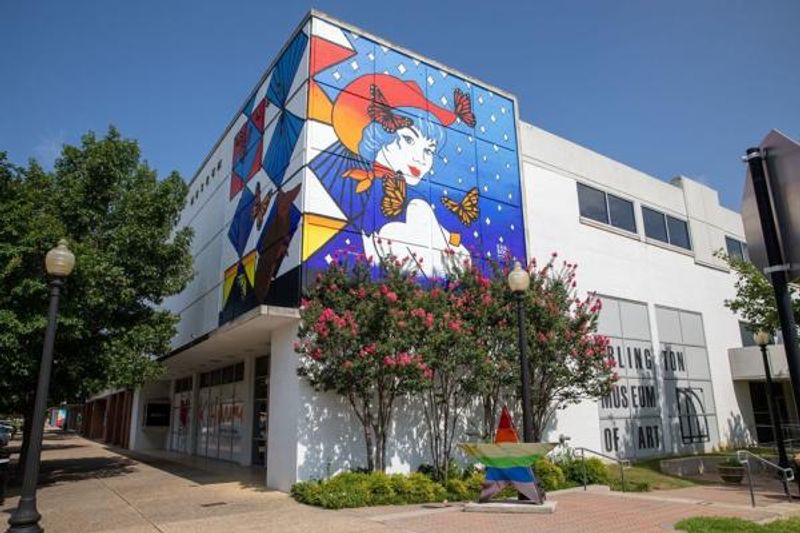
Pentagon parking lots stretch for miles while Confederate memorials spark heated debates, perfectly encapsulating the push-pull dynamics that define this suburb turned urban powerhouse. Arlington has transformed from sleepy Southern county to one of the most densely populated and diverse areas in the entire state, yet remnants of its former identity peek through in unexpected places.
Metro stations disgorge thousands of federal workers daily, many from far-flung states who bring their own cultural flavors to this melting pot.
Clarendon and Ballston neighborhoods buzz with rooftop bars, international restaurants, and young professionals who’ve never said y’all in their lives. High-rise apartments replace single-family homes at a dizzying pace, while longtime residents shake their heads at the changes.
You’ll find Ethiopian coffee ceremonies happening blocks away from traditional Southern church services, Vietnamese pho shops next to fried chicken joints, and more languages spoken in one grocery store than in entire rural Virginia counties.
Arlington National Cemetery remains the most sobering reminder of the area’s complex history, where Union and Confederate soldiers rest in the same hallowed ground. The eternal flame at JFK’s grave draws visitors from around the world, while the Tomb of the Unknown Soldier demonstrates precision and honor that transcends regional differences.
This sacred space forces everyone to pause and reflect on shared American identity, regardless of which cultural camp they belong to.
Yet step outside the cemetery gates and you’re back in the cultural blender. Farmers markets sell locally grown produce to residents who’ve never set foot on an actual farm.
Historic buildings get converted into coworking spaces for startups. Southern accents become increasingly rare among the international diplomats, military personnel, and tech workers who now call Arlington home.
The county represents Virginia’s future, whether old-guard Southerners like it or not, proving that change doesn’t always wait for permission.
Address: Arlington County, Arlington, VA 22201
3. Manassas
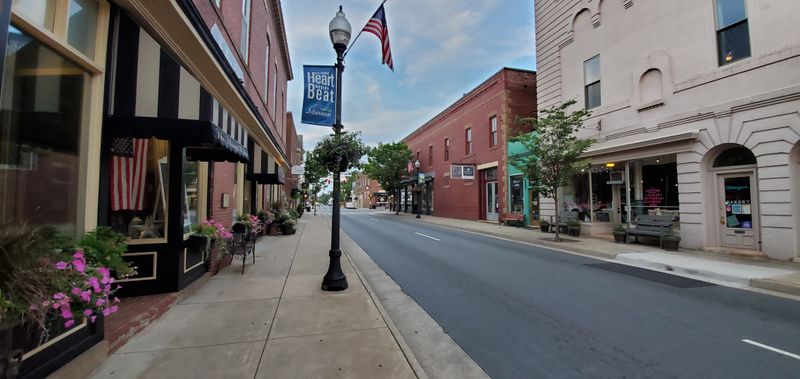
Cannon fire once echoed across these fields during two pivotal Civil War battles, but now the sounds are more likely to be lawn mowers and traffic from the nearby interstate. Manassas National Battlefield Park preserves the grounds where Bull Run battles raged, complete with interpretive signs and walking trails that let you trace troop movements.
History buffs wander the same hills where soldiers fought, while suburban families use the park for weekend picnics and jogging routes, creating an interesting juxtaposition of reverence and recreation.
Downtown Manassas tries hard to maintain its small-town Southern charm even as Northern Virginia sprawl creeps ever closer. Historic buildings house antique shops and local diners serving biscuits and gravy, but chain restaurants and big-box stores dominate the outskirts.
The railroad depot that once transported Confederate troops now sees commuters heading to Washington DC jobs, their faces buried in smartphones instead of newspapers. Old Manassas and new Manassas exist in an uneasy truce, sharing space but not always sharing values.
Community events reveal the cultural fault lines running through town. Heritage festivals celebrate Civil War history with reenactors in period uniforms, drawing crowds who romanticize the past.
Meanwhile, the increasingly diverse population brings international food festivals, cultural celebrations, and perspectives that challenge the old narratives. Schools that once taught Lost Cause mythology now educate students from dozens of countries, forcing conversations about whose history matters and how it should be remembered.
Housing developments with names like Stonewall Estates sprawl across former farmland, filled with families who’ve never heard of Stonewall Jackson beyond their subdivision sign. Traffic jams replace the pastoral quiet that defined this area for generations.
Yet battlefield preservation efforts keep at least some of the landscape frozen in time, ensuring that future residents understand the ground they’re walking on carries heavy historical weight, even if their daily lives feel utterly modern and disconnected from that past.
Address: Manassas National Battlefield Park, 12521 Lee Highway, Manassas, VA 20109
4. Fredericksburg
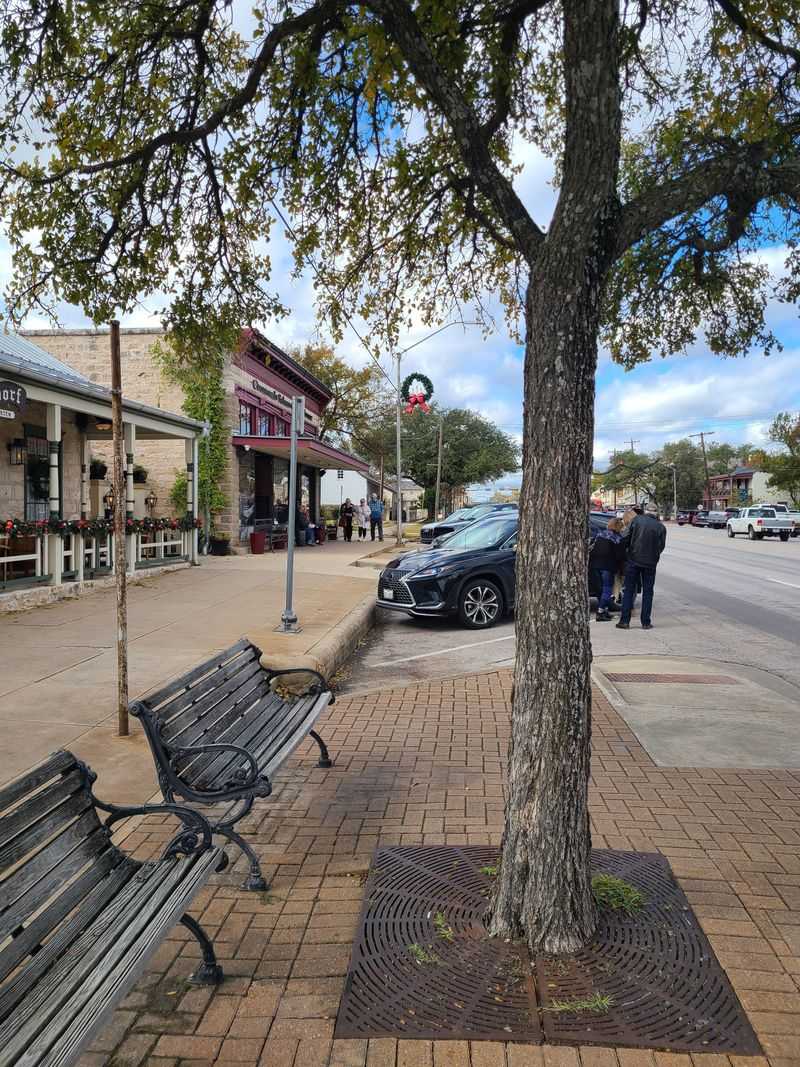
Boutique shops selling handmade soaps and vintage finds now occupy buildings that witnessed some of the Civil War’s bloodiest fighting. Fredericksburg wears its history like a well-loved coat, comfortable but showing signs of wear in places.
The downtown historic district charms visitors with brick sidewalks, gas-lamp-style streetlights, and buildings dating back to colonial times, while the surrounding area explodes with modern development catering to DC commuters willing to drive the distance for more affordable housing.
Walking tours guide you through sites where Clara Barton tended wounded soldiers and where Union forces suffered devastating losses trying to take Marye’s Heights. Bullet holes still mark some buildings, preserved as reminders of the town’s pivotal role in American history.
But look up from your historical marker and you’ll see yoga studios, craft breweries, and farm-to-table restaurants that would fit perfectly in Brooklyn or Portland. The contrast between past and present creates cognitive dissonance that somehow works.
University of Mary Washington brings thousands of students who inject youthful energy into this old town. Coffee shops fill with laptops and study groups, while professors debate everything from literature to social justice in the same spaces where Civil War officers once strategized.
The student population skews progressive and diverse, sometimes clashing with older residents who prefer their Fredericksburg quiet, conservative, and unchanging. Town-gown tensions simmer beneath the surface, erupting occasionally over development projects or cultural events.
Weekends see an interesting mix of visitors descending on Fredericksburg. History enthusiasts photograph every historic marker and monument, while antique hunters scour shops for treasures.
Foodies make pilgrimages to restaurants earning regional acclaim, and families from Northern Virginia escape the suburban grind for small-town atmosphere. Everyone finds something to love here, even if they’re loving completely different versions of the same place.
Fredericksburg manages to be both stuck in time and racing toward the future, depending on which street you’re standing on.
Address: Downtown Fredericksburg Historic District, Caroline Street, Fredericksburg, VA 22401
5. Leesburg
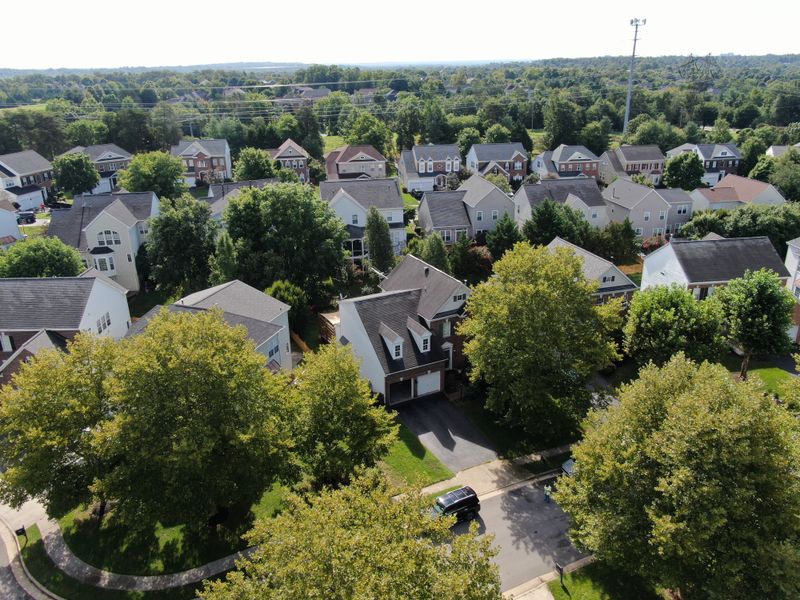
Horse farms with white fences stretch across rolling hills, looking like they belong on a bourbon bottle label, while tech campuses and data centers hum with servers storing half the internet. Leesburg embodies Loudoun County’s schizophrenic identity as both Virginia hunt country and technology corridor.
Downtown preserves its 18th-century charm with remarkable dedication, enforcing strict architectural guidelines that keep chain stores from ruining the aesthetic. You can still imagine colonial traders and Revolutionary War soldiers walking these same streets, at least until a Tesla zooms past.
Loudoun County consistently ranks among the wealthiest in the entire nation, thanks to the influx of highly paid tech workers and government contractors who’ve discovered this corner of Virginia. McMansions sprout like mushrooms after rain, each one larger and more ornate than the last, creating neighborhoods that feel more like suburban Maryland than rural Virginia.
Yet drive ten minutes in any direction and you’ll find working farms, vineyards, and properties that have stayed in the same families for generations, their owners watching the changes with mixed feelings.
The town green hosts farmers markets where organic vegetables cost more than what local farmers used to earn in a week. Artisan bread makers and cheese mongers cater to sophisticated palates, while a few holdout vendors sell traditional Virginia produce and homemade preserves.
Wine tasting has become a major industry, with dozens of vineyards dotting the countryside, attracting city dwellers looking for weekend escapes. Southern hospitality meets Northern disposable income in tasting rooms where servers pour premium vintages for guests who arrived in luxury SUVs.
Community debates rage over development versus preservation, growth versus character, progress versus tradition. Newcomers want amenities and infrastructure, while old-timers want everyone to slow down and stop changing everything.
School board meetings turn contentious as diverse populations with different values try to shape education policy. Leesburg sits at the epicenter of Virginia’s transformation, serving as ground zero for the culture war playing out across the entire state.
The town’s future remains hotly contested, with no clear winner in sight.
Address: Historic Downtown Leesburg, King Street, Leesburg, VA 20176
6. Charlottesville
University of Virginia’s Rotunda stands as Thomas Jefferson’s architectural masterpiece, symbolizing Enlightenment ideals, while just blocks away, debates rage about his slave ownership and the statues honoring Confederate generals. Charlottesville burst into national consciousness during ugly confrontations over removing those monuments, exposing the raw nerves that get touched when Southern heritage meets modern values.
The town has always been more progressive than much of Virginia, thanks to the university’s influence, but recent years proved that even college towns aren’t immune to cultural warfare.
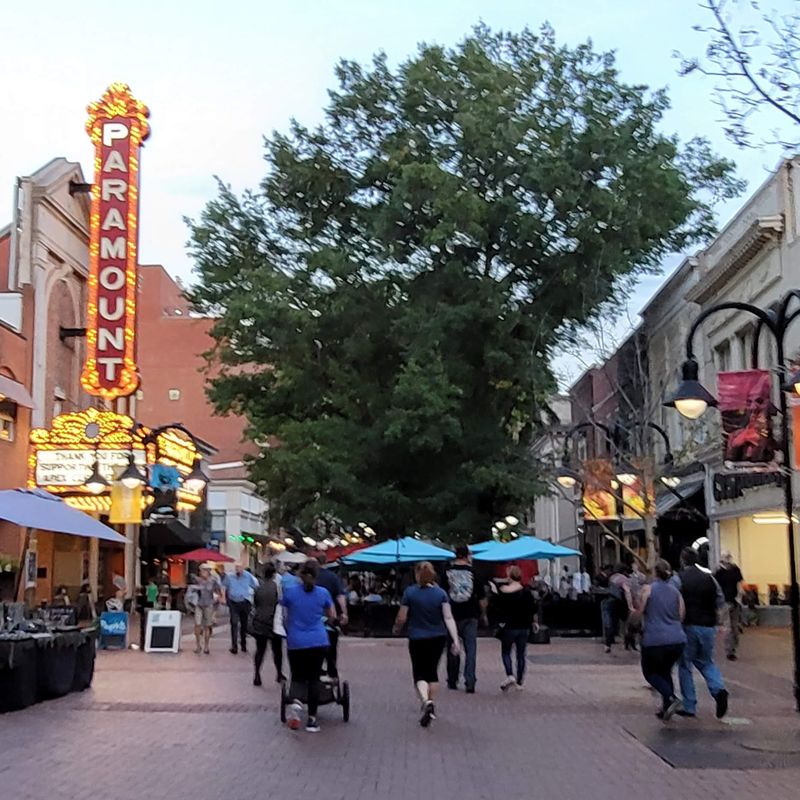
The pedestrian mall downtown creates a European-style gathering space where street performers entertain, restaurants spill onto sidewalks, and everyone from professors to farmers mingles freely. Independent bookstores thrive here, along with galleries showcasing local artists and shops selling everything from handmade jewelry to vintage vinyl.
University students keep the energy young and the politics left-leaning, while the surrounding Albemarle County remains more conservative and rural, creating interesting tensions at county lines.
Monticello sits atop its mountain overlooking the city, drawing visitors fascinated by Jefferson’s genius and contradictions. Tours now address the uncomfortable truths about slavery at the plantation, including Sally Hemings and the enslaved community that made Jefferson’s lifestyle possible.
This honest reckoning with history represents the kind of evolution that makes some people uncomfortable and others relieved. Charlottesville refuses to whitewash its past, even when acknowledging it creates controversy and pain.
Vineyards carpet the surrounding countryside, making this one of Virginia’s premier wine regions and attracting tourists with sophisticated tastes. Farm-to-table restaurants source ingredients from nearby producers, creating a locavore food scene that rivals much larger cities.
Yet traditional Southern cooking persists in beloved institutions serving fried chicken and barbecue that would make your grandmother proud. Charlottesville manages to honor both its roots and its aspirations, though the balance sometimes feels precarious.
The town keeps evolving, keeps arguing, and keeps trying to figure out who it wants to be when it grows up.
Address: Downtown Charlottesville, Main Street Pedestrian Mall, Charlottesville, VA 22902
7. Winchester
Apple orchards perfume the air each spring while suburban sprawl creeps steadily westward from the DC metro area. Winchester sits in the Shenandoah Valley, where mountains create a natural boundary that has historically isolated this region from coastal Virginia’s influence.
The town changed hands dozens of times during the Civil War, making it one of the most contested pieces of real estate in American history. That legacy of conflict feels oddly appropriate given the cultural battles playing out today between traditional Valley residents and newcomers seeking refuge from Northern Virginia’s congestion and costs.
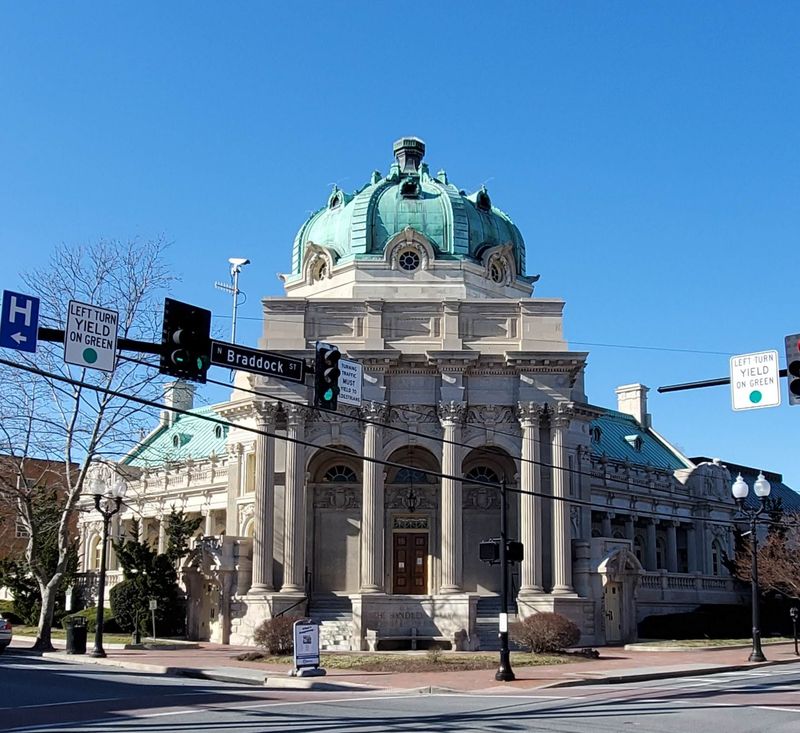
Downtown Winchester has undergone remarkable revitalization, with historic buildings restored and repurposed for modern uses. Brewpubs occupy former warehouses, galleries showcase regional artists, and restaurants serve updated takes on Valley cuisine.
The pedestrian mall comes alive during First Fridays when galleries open their doors and musicians perform on street corners. Young professionals and creative types have discovered Winchester’s affordability and charm, bringing new energy but also changing the character that longtime residents cherished.
Shenandoah University anchors the eastern edge of town, bringing students and faculty who don’t always see eye-to-eye with more conservative Valley natives. The performing arts center hosts productions that sometimes push boundaries and spark complaints.
Campus diversity initiatives and social programs represent values that feel foreign to some locals who preferred when Winchester was smaller, whiter, and less complicated. Yet the university’s economic impact can’t be denied, providing jobs and cultural enrichment that benefit the entire community.
Drive beyond the downtown core and you’ll find the Valley’s agricultural heritage still thriving. Apple orchards, dairy farms, and produce stands line country roads, operated by families who’ve worked this land for generations.
These farmers watch warily as housing developments consume farmland and traffic increases on roads that used to be quiet. They wonder how long their way of life can survive the pressure, and whether their children will want to continue farming when easier money comes from selling to developers.
Winchester stands at a crossroads, literally and figuratively, trying to preserve what made it special while accommodating inevitable change.
Address: Old Town Winchester, Loudoun Street Mall, Winchester, VA 22601
8. Fairfax
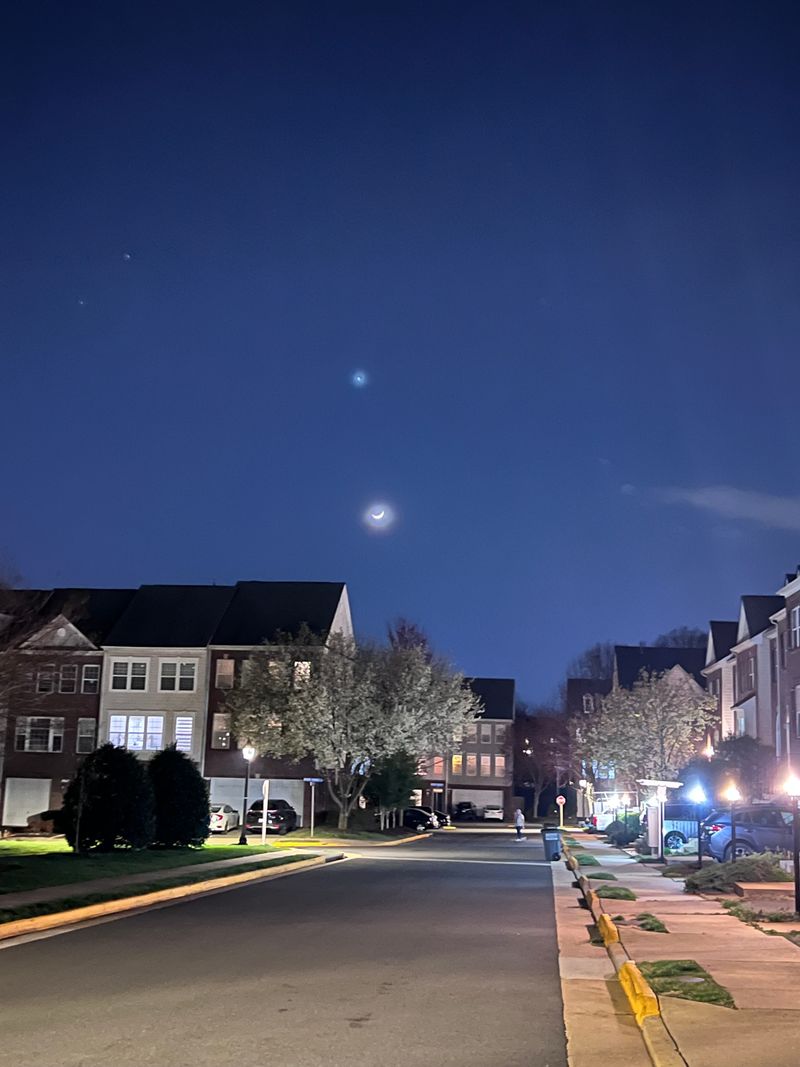
Suburban sprawl defines the landscape, with shopping centers and housing developments stretching in every direction, yet historical markers remind you this was once a sleepy Southern county seat. Fairfax City maintains a small historic district around the courthouse, where you can still sense the town that existed before the Washington metro area swallowed it whole.
George Mason University dominates the northern section, bringing thousands of students whose diversity reflects modern America rather than traditional Virginia demographics.
The transformation happened gradually, then suddenly, as federal government growth pulled people from across the country and around the world. Strip malls now offer Korean barbecue, Afghan cuisine, Salvadoran pupusas, and Indian curries alongside the expected chains.
International grocery stores stock ingredients that would baffle earlier generations of Fairfax residents. Mosques, temples, and churches representing every denomination share the landscape, creating religious diversity that would have been unimaginable when Fairfax was just a small Southern town.
Traffic congestion ranks among the worst in the nation, with commutes that test patience and sanity daily. The car-dependent suburban design means you drive everywhere, from grocery stores to schools to parks.
Rush hour turns major roads into parking lots, making you question every life choice that brought you here. Yet people keep coming, drawn by job opportunities, good schools, and proximity to the nation’s capital.
Fairfax represents the American Dream for many immigrants and transplants, even if it looks nothing like the Virginia their ancestors knew.
Old Town Fairfax tries valiantly to create a walkable downtown atmosphere with restaurants, shops, and community events. Farmers markets and festivals bring neighbors together, though many residents barely know the people living next door.
The pace of life feels frantic compared to slower Southern rhythms, with everyone rushing from one commitment to the next. Front porches sit empty because nobody has time to sit and chat.
Community connections fray as people commute long distances and work long hours. Fairfax achieved prosperity and growth but lost something intangible along the way, that sense of place and belonging that once defined Virginia towns.
Address: Historic Old Town Fairfax, Main Street, Fairfax, VA 22030
9. Culpeper
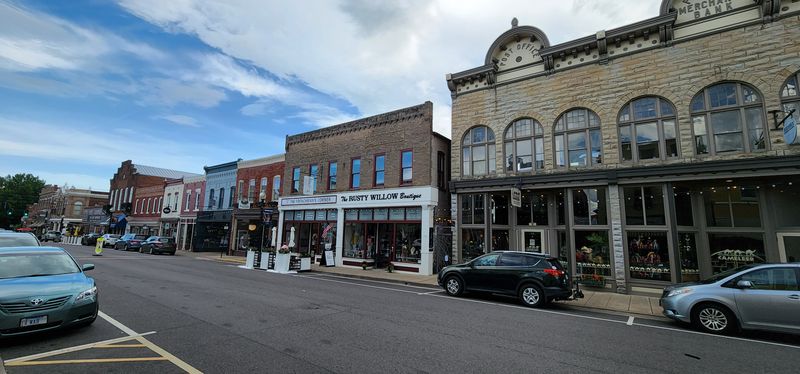
Small-town Virginia persists here with surprising tenacity, even as exurban growth pushes southward from the DC metro area. Culpeper’s Main Street could serve as a movie set for any film requiring an authentic Southern downtown, complete with local businesses, a historic train depot, and residents who still wave at strangers.
The town square hosts a farmers market where actual farmers sell produce they actually grew, not hipster vendors with fancy signage. This is real Virginia, the kind that existed before interstates and internet changed everything.
Yet change comes whether you invite it or not. Wineries and breweries have discovered Culpeper’s potential, opening tasting rooms that attract weekend visitors from Northern Virginia.
Historic buildings get renovated into trendy restaurants serving elevated comfort food to guests who think grits are exotic. Bed and breakfasts market the town’s charm to urbanites seeking authentic experiences, though locals sometimes wonder what’s so authentic about tourists photographing everything.
The economy benefits from these visitors, but cultural friction emerges when outsiders start suggesting how things should be done differently.
Civil War history runs deep here, with museums and markers documenting the area’s role in the conflict. Brandy Station, site of the war’s largest cavalry battle, lies just outside town.
Reenactments draw enthusiasts who take their hobby very seriously, camping in period tents and cooking over open fires. For some residents, this history represents heritage worth preserving and honoring.
For others, especially newer arrivals, the Confederate focus feels uncomfortable and outdated. These competing views on how to remember the past create ongoing community tensions.
Housing remains relatively affordable compared to counties closer to DC, making Culpeper attractive to families willing to endure longer commutes in exchange for more space and small-town living. New subdivisions spring up on former farmland, bringing residents who work elsewhere but sleep here.
They want good schools and services but don’t always want to pay the taxes required to fund them. Long-term residents resent newcomers who complain about agricultural smells and lack of amenities.
Culpeper struggles to maintain its identity while accommodating growth that seems inevitable but not always welcome.
Address: Historic Downtown Culpeper, Main Street, Culpeper, VA 22701
10. Front Royal
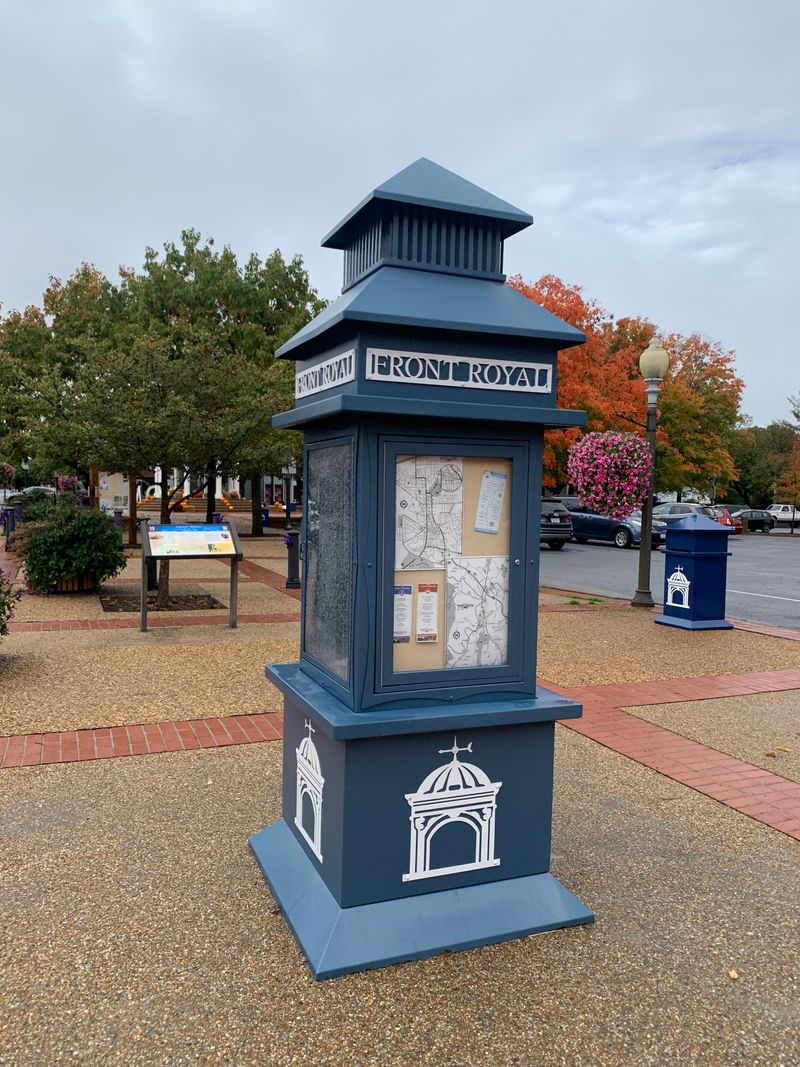
Gateway to Shenandoah National Park, this town serves hikers and tourists while maintaining its Valley roots and conservative values. Front Royal has always depended on visitors, first as a resort destination when wealthy Southerners escaped summer heat, now as a base camp for outdoor enthusiasts tackling Skyline Drive.
Main Street offers outfitters, diners, and motels catering to park-goers, creating an economy built on natural beauty and adventure. The town benefits from its location without being overrun, maintaining a balance that locals appreciate.
Yet Front Royal has seen demographic changes that mirror broader Virginia trends. Northern Virginia sprawl hasn’t reached here yet, but the population has diversified through immigration and people relocating for affordability.
Latino families now make up a significant portion of residents, working in hospitality, construction, and agriculture. Some longtime residents welcome the diversity and new restaurants serving authentic cuisine.
Others feel uncomfortable with languages and cultures they don’t understand, leading to tensions that occasionally surface in public meetings and school board debates.
Outdoor recreation unites people across cultural divides in ways politics never could. Hiking trails don’t care about your accent or political affiliation, and the views from Skyline Drive take everyone’s breath away equally.
Kayaking the Shenandoah River, exploring Luray Caverns, and camping under star-filled skies create shared experiences that remind people of common humanity. Front Royal’s natural assets give it advantages that purely suburban or urban areas lack, providing common ground when cultural differences create friction.
Downtown revitalization efforts have made progress, with murals brightening buildings and new businesses filling vacant storefronts. Community events like parades and festivals bring residents together, though attendance sometimes breaks along demographic lines.
The town grapples with how to honor its history while building an inclusive future. Churches remain central to community life, though congregations don’t always reflect the population’s diversity.
Front Royal represents small-town Virginia at a crossroads, trying to figure out how to grow and change without losing the character that makes it special. The answers aren’t always clear, but the questions matter.
Address: Downtown Front Royal, Main Street, Front Royal, VA 22630
Dear Reader: This page may contain affiliate links which may earn a commission if you click through and make a purchase. Our independent journalism is not influenced by any advertiser or commercial initiative unless it is clearly marked as sponsored content. As travel products change, please be sure to reconfirm all details and stay up to date with current events to ensure a safe and successful trip.
