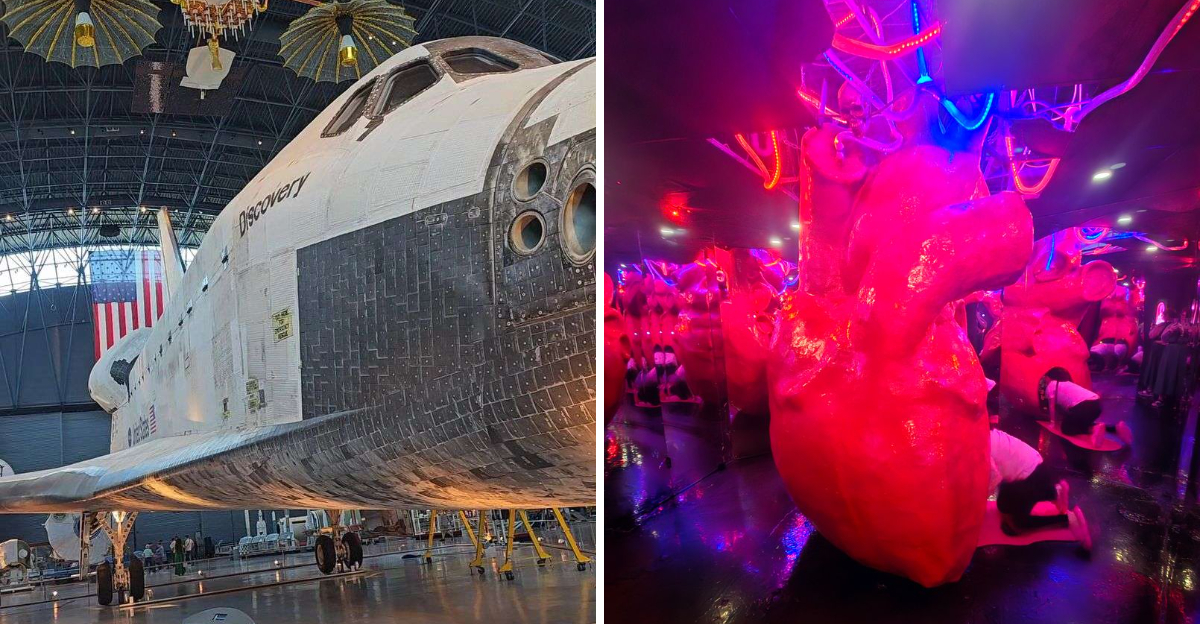
Virginia is bursting with quirky collections and interactive exhibits that’ll surprise even the most skeptical visitors. From immersive environments that put you right in the middle of history to hands-on activities that let you touch, test, and try things for yourself, these places completely flip the script on what a museum visit is supposed to feel like.
Instead of whispering through silent galleries, you might find yourself pushing buttons, stepping inside life-sized recreations, or challenging your family to a little friendly competition.
This isn’t about staring at artifacts behind glass. It’s about experiences that pull you in and refuse to let go. It’s about the thrill of discovery, the unexpected “wow” moments, and the kind of stories that stick with you long after you leave.
Whether you’re planning a weekend adventure or just looking for something different to do, these spots prove that learning can be lively, surprising, and seriously entertaining.
Get ready to explore museums that break every rule you thought you knew about what makes a fun family outing, and redefine what a day of exploring can really look like.
1. Roanoke Pinball Museum

Forget ropes and “do not touch” signs. At 1 Market Square SE in Roanoke, you’ll find a museum where touching everything isn’t just allowed, it’s encouraged.
More than 65 pinball machines line the walls, spanning nearly a century of gaming history. These aren’t lifeless relics behind glass; every single one works perfectly and begs to be played.
Start with a wooden machine from the 1930s that predates electricity entirely. Then work your way through the decades, experiencing how flippers evolved, graphics improved, and sound effects got wilder.
Kids who’ve only known touchscreens suddenly understand the satisfying mechanical clunk of a real ball bearing. Parents rediscover games they pumped quarters into during their own childhoods.
The science behind pinball becomes obvious once you’re playing. Physics lessons about momentum, angles, and gravity happen naturally when you’re trying to keep that silver ball in play.
Admission covers unlimited gameplay for your entire visit. That means no counting quarters or rationing turns among siblings.
Younger visitors love the bright lights and instant gratification. Teens appreciate the retro cool factor.
Adults get genuinely competitive trying to beat high scores.
Between games, staff members share fascinating stories about pinball’s wild history, including the bizarre decades when it was actually illegal in many cities. This Virginia gem proves that sometimes the best museums are the ones that let you become part of the exhibit.
2. Steven F. Udvar-Hazy Center
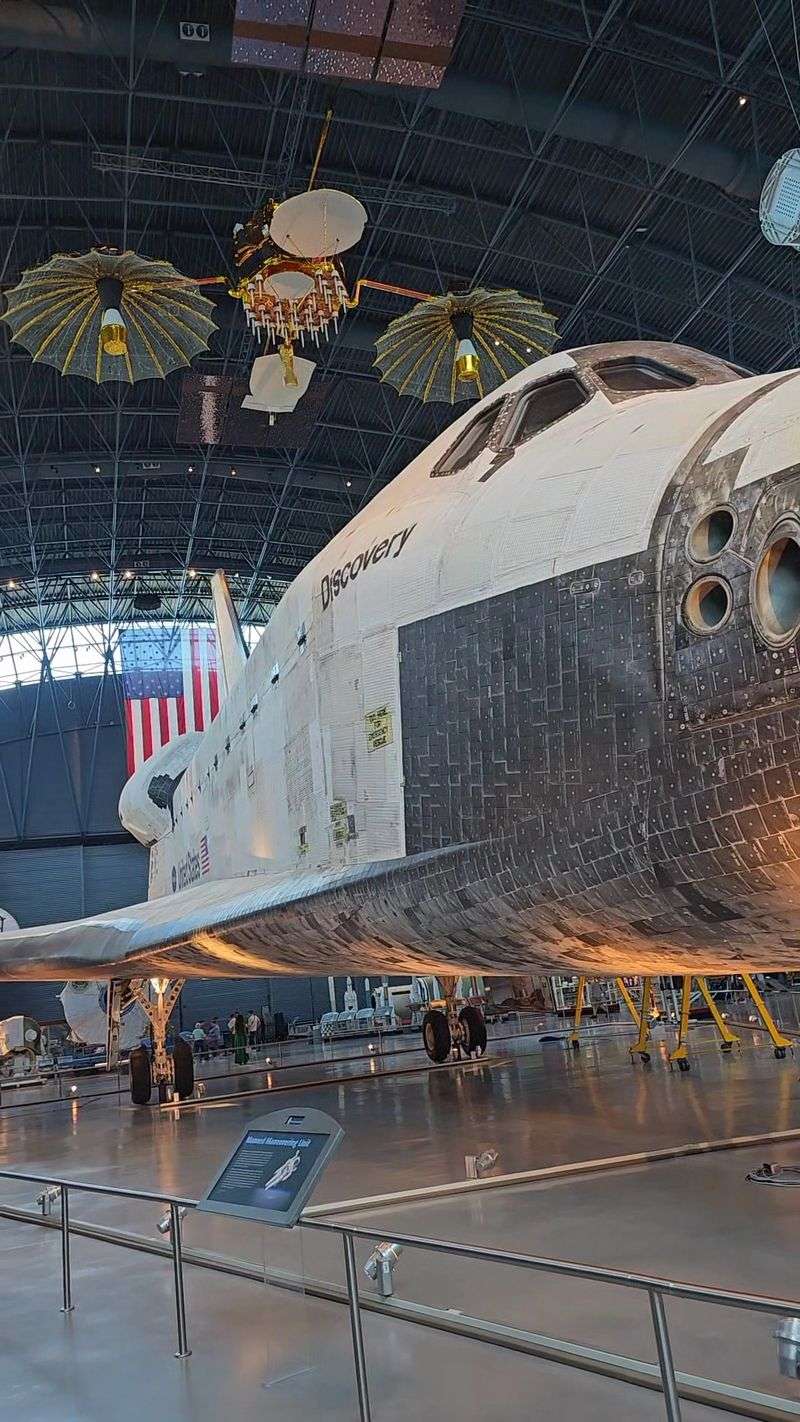
Picture the biggest airplane hangar you can imagine, then triple it. Located at 14390 Air and Space Museum Parkway in Chantilly, this facility houses aircraft too massive for any traditional museum.
Space Shuttle Discovery dominates one section, looking ready to launch despite its retirement. The SR-71 Blackbird sits nearby, still intimidating decades after setting speed records that remain unbroken.
Walking beneath these legends feels surreal. You’re standing underneath machines that actually traveled to space or broke the sound barrier multiple times over.
Flight simulators let visitors experience what pilots feel during barrel rolls and steep climbs. Motion seats tilt and shake, making stomachs drop just like real flight.
An observation tower provides front-row seats to Dulles Airport’s active runways. Planes take off and land constantly, turning aviation from history lesson into living spectacle.
Restoration hangars offer behind-the-scenes glimpses of mechanics working on newly acquired aircraft. Watching experts carefully rebuild a vintage warplane beats any classroom lecture about engineering.
Toddlers chase each other around landing gear taller than grown adults. Middle schoolers debate which aircraft looks coolest.
Grandparents share memories of seeing some planes when they were brand new.
Free admission makes this destination budget-friendly for families. The sheer scale alone justifies the drive from anywhere in Virginia.
Exhibits explain complex aerospace concepts through interactive displays that make rocket science actually understandable. Leave knowing exactly how jet engines work and why spacecraft need heat shields.
3. Virginia Musical Museum
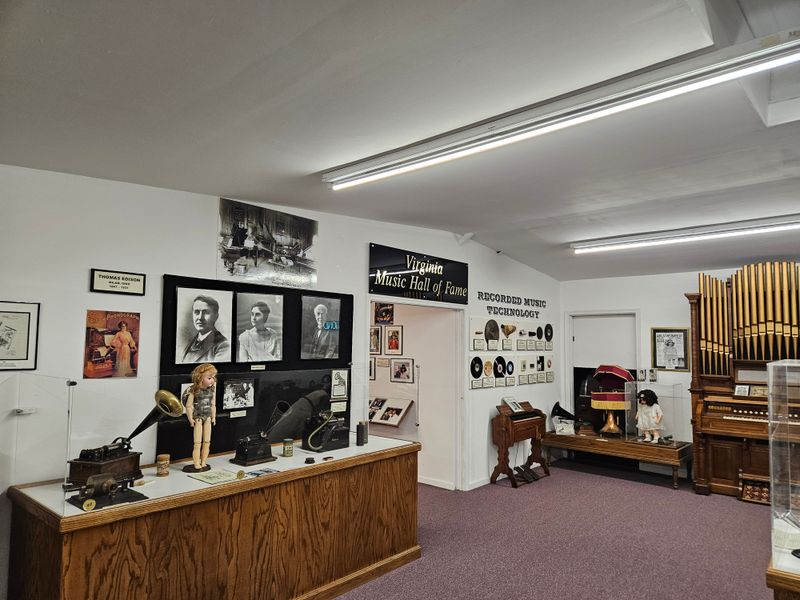
Williamsburg holds a secret that most tourists rush past while heading to colonial reenactments. This collection of self-playing instruments seems like magic until you understand the ingenious mechanics.
Nickelodeons stand ready to perform, their intricate mechanisms visible through glass panels. Drop a coin and watch as hammers strike piano strings, drums beat themselves, and cymbals crash on cue.
Music boxes range from pocket-sized trinkets to furniture-sized marvels. Some play delicate lullabies while others belt out full orchestral arrangements using only metal pins and tuned combs.
The circus music section transports visitors to carnival midways and big top tents. Calliopes wheeze out cheerful melodies that make everyone smile despite themselves.
Guides demonstrate how punch cards and perforated rolls controlled these mechanical musicians long before computers existed. Suddenly you’re witnessing the earliest form of programming.
Children stare mesmerized as instruments play themselves, trying to spot the hidden mechanisms. Adults marvel at the craftsmanship required to build these pre-electric entertainment systems.
Special demonstrations bring the entire collection to life simultaneously. The resulting cacophony of competing melodies creates an unforgettable sensory experience.
Restored pieces still function exactly as intended over a century ago. No recordings or speakers, just pure mechanical precision producing real music.
Photography is encouraged, though cameras struggle to capture the full charm of watching a player piano perform with nobody seated at the keys. This museum celebrates an era when music required neither electricity nor human performers, just clever engineering and careful maintenance.
4. Stabler-Leadbeater Apothecary Museum
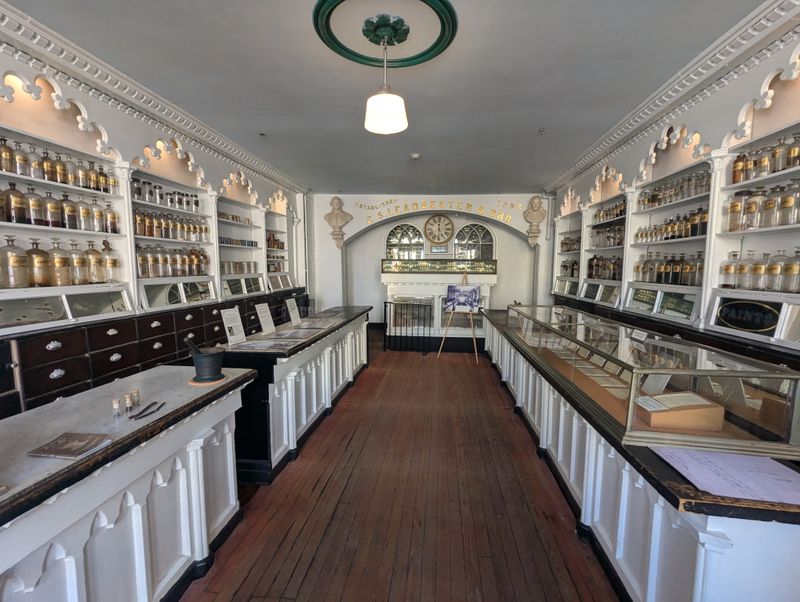
Step through the door at 105-107 S Fairfax Street in Alexandria and time reverses two centuries. Original shelves still hold hand-blown bottles filled with mysterious powders and tinctures.
This pharmacy operated continuously for over 140 years before becoming a museum. Everything remains exactly where pharmacists left it, creating an authentic time capsule.
Leech jars sit beside mortar and pestles worn smooth from grinding countless prescriptions. Handwritten ledgers record purchases by George Washington and Robert E.
Lee.
Summer brings special Harry Potter-themed tours that connect fictional potions to real historical remedies. Kids learn which “magical” ingredients actually existed in apothecary shops.
The building itself feels lifted from Diagon Alley, with creaking floorboards and dim lighting that enhances the mysterious atmosphere. You half expect to see wizards browsing the shelves.
Docents explain how medicines were compounded before modern pharmaceuticals. Ingredients that sound bizarre today, like ground beetles and mercury, were standard treatments.
Teens fascinated by chemistry discover the origins of their favorite subject. Every modern medicine traces back to apothecaries experimenting with plants, minerals, and compounds.
Original labels showcase beautiful calligraphy and ornate designs that made even dangerous substances look elegant. Poison bottles featured special shapes so pharmacists could identify them by touch in the dark.
The tour reveals how little separated healing from harm in early medicine. Dosages were guesswork, side effects were mysteries, and patients trusted their apothecary completely.
This Virginia treasure proves that reality often surpasses fantasy when it comes to historical intrigue.
5. Lost Planet – Planet Adventure
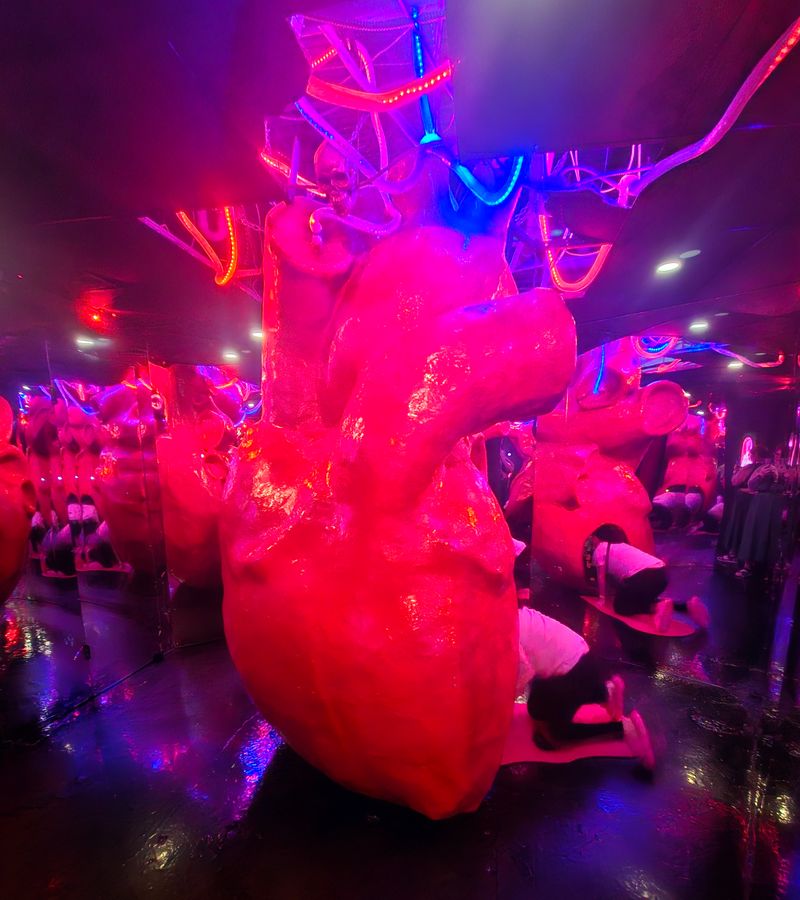
Virginia Beach isn’t just beaches and boardwalks anymore. At 1910 Atlantic Avenue Unit C, reality bends into 20 distinct themed worlds designed specifically for the social media generation.
Mirror mazes reflect infinite versions of yourself, creating disorienting fun that challenges spatial reasoning. Finding the exit becomes a genuine puzzle that stumps adults as much as kids.
A bungee maze suspends elastic cords at every angle, forcing visitors to twist, duck, and squeeze through like action movie heroes. It’s exhausting, hilarious, and absolutely addictive.
The giant foam pit invites fearless leaps from elevated platforms. Soft cubes cushion every landing, making it safe to attempt flips and dives you’d never risk elsewhere.
Each themed room offers unique photo opportunities with professional lighting and artistic backdrops. Upside-down rooms, infinity mirrors, and neon installations create frame-worthy shots effortlessly.
Unlike traditional museums that discourage touching, this space demands interaction. Every exhibit exists specifically for visitors to climb, jump, pose, and play.
Groups spread out across different zones, then reunite to compare photos and videos. Friendly competition emerges over who captured the coolest shot or conquered the bungee maze fastest.
Parents appreciate that kids burn serious energy while having blast. Two hours here provides the same workout as a playground visit but with better air conditioning.
The experience changes seasonally with new installations and themes. Return visits reveal completely different rooms, ensuring the adventure stays fresh.
This attraction proves museums can evolve beyond artifacts and plaques into fully immersive experiences where visitors become the exhibit.
6. Camera Heritage Museum
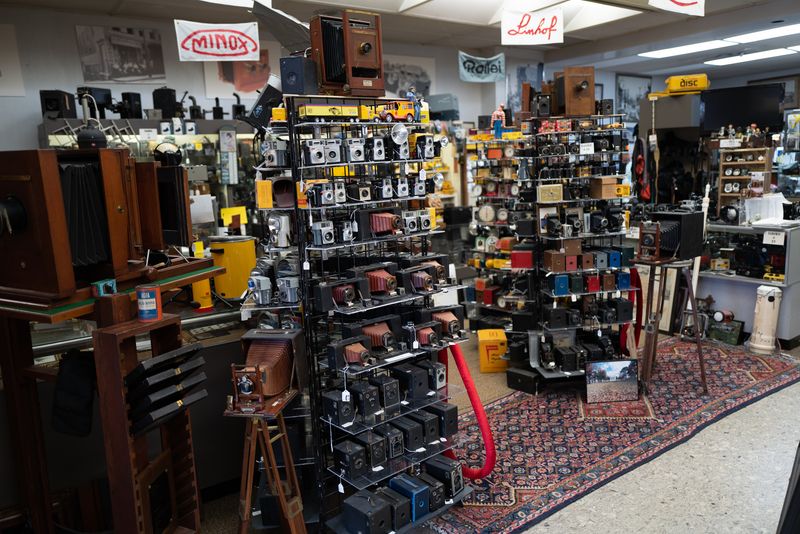
Staunton’s 1 W Beverley Street address houses one of America’s largest camera collections, and it’s way more interesting than it sounds. Even smartphone photographers find themselves captivated.
Giant box cameras from the 1840s dwarf modern equipment. These behemoths required horse-drawn carts to transport and could take hours to capture a single image.
Trace photography’s evolution through decades of innovation. See how cameras shrank from furniture-sized contraptions to pocket devices more powerful than anything early inventors imagined.
Spy cameras disguised as watches, lighters, and books reveal photography’s role in espionage. Kids love discovering the sneaky ways people captured secret images.
The Instagram generation gains new appreciation for their phone cameras after seeing what photographers endured historically. No instant filters, no do-overs, no checking the screen before committing to a shot.
Demonstrations show how film photography actually worked. Watching images slowly appear in developing solution feels like witnessing magic, even when you understand the chemistry.
Vintage advertisements showcase how cameras were marketed across different eras. The promises made to amateur photographers reveal changing social attitudes about who should document their lives.
Rare prototypes and failed experiments line the shelves alongside successful models. Understanding what didn’t work proves as educational as studying what did.
Hands-on displays let visitors peer through antique viewfinders and manipulate old camera mechanisms. Feeling the weight and complexity of early equipment builds respect for photography pioneers.
This museum transforms a potentially niche topic into a fascinating journey through technology, art, and social history that resonates with visitors of every age and interest level.
7. Edgar Allan Poe Museum
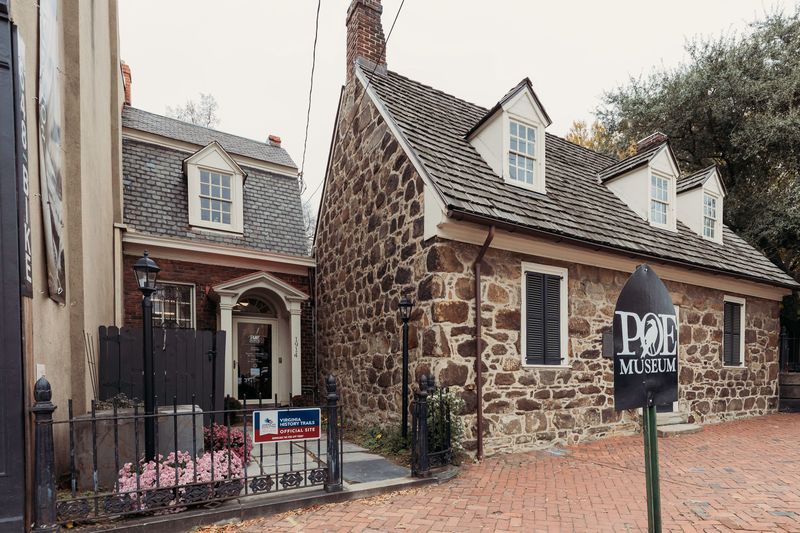
Richmond’s 1914 E Main Street location embraces the macabre with pride. The Old Stone House, Richmond’s oldest structure, provides the perfect setting for celebrating America’s master of horror.
Two resident black cats patrol the grounds, living up to Poe’s most famous poem. Visitors delight in spotting them lounging among the exhibits or stalking through the Enchanted Garden.
The garden itself defies expectations with whimsical sculptures and reflecting pools. It’s simultaneously beautiful and slightly eerie, much like Poe’s writing.
Original manuscripts and first editions fill display cases, showing Poe’s actual handwriting and editorial marks. These aren’t reproductions; you’re viewing the real documents that launched literary legends.
Interactive exhibits let visitors try writing with quill pens using period-appropriate ink. The difficulty of controlling the feather reveals how painstaking writing was in Poe’s era.
Teens discover that Poe’s dark reputation stemmed partly from a rival’s character assassination after his death. The museum sets the record straight about his actual life and personality.
Special events include evening readings by candlelight that transform the museum into an immersive theatrical experience. Hearing “The Tell-Tale Heart” in flickering shadows hits differently than reading it in class.
The building’s age contributes authentic creaks and shadows that enhance the atmosphere without resorting to cheap haunted house tricks. The real history provides all the spookiness needed.
Younger visitors initially attracted by Poe’s spooky reputation often leave genuinely interested in his literary genius. The museum balances entertainment with education masterfully, proving that dark subject matter can enlighten rather than just frighten.
8. Pocahontas Exhibition Coal Mine
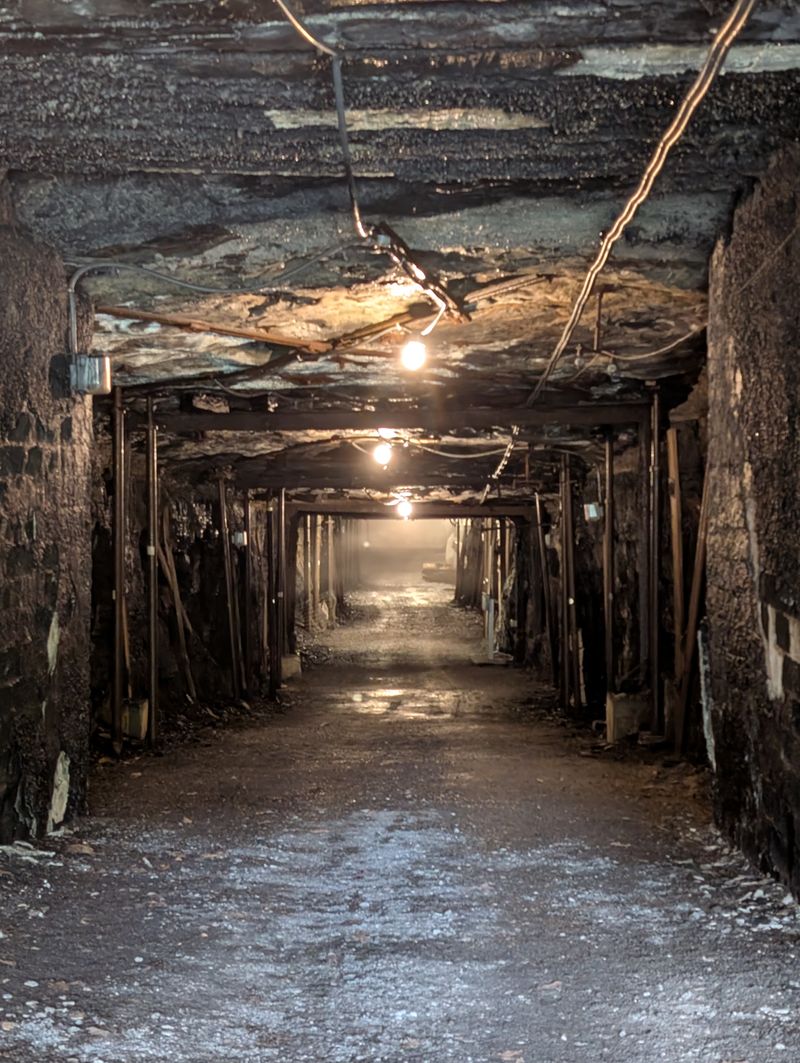
Pocahontas offers an adventure that goes deep, literally. At 215 Shop Hollow Road, visitors descend into an actual coal mine that’s been extracting black diamonds since the 1880s.
Cool underground air provides relief from Virginia summer heat the moment you enter. Temperatures stay constant year-round, making this a comfortable experience regardless of surface weather.
Original mining equipment still sits where workers left it, rust and all. Seeing the tools up close reveals how physically demanding and dangerous this work was.
Low ceilings force everyone to crouch in certain sections, giving a visceral understanding of the cramped conditions miners endured for entire shifts. Claustrophobia becomes very real very quickly.
Guides share stories about the men and boys who worked these tunnels, bringing statistics to life with personal anecdotes. Learning that children as young as eight worked underground shifts makes history uncomfortably immediate.
The darkness between electric lights demonstrates what miners faced with only oil lamps. When guides briefly extinguish the modern lighting, the absolute blackness is disorienting.
Coal seams in the walls show exactly what miners were extracting. Touching the rock makes the connection between this dark tunnel and the energy that powered industrial America.
Above ground, the company town layout reveals how mining corporations controlled every aspect of workers’ lives. Company stores, company housing, and company rules created a system that feels shocking by modern standards.
This experience delivers industrial history lessons that classroom textbooks can’t match. Walking through the actual workspace where history happened creates understanding that no amount of reading can replicate.
9. Virginia Living Museum
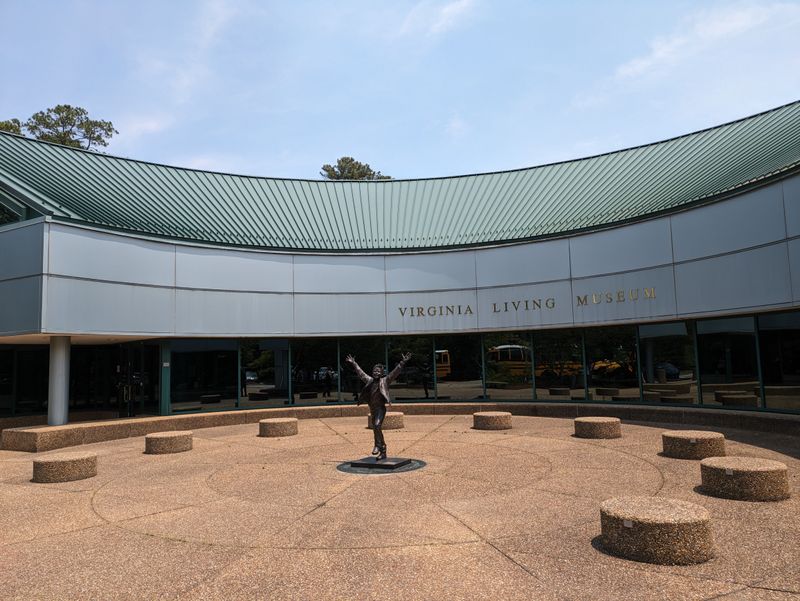
Newport News’ 524 J Clyde Morris Boulevard destination refuses to pick a lane, and that’s exactly what makes it brilliant. Why choose between zoo, aquarium, and natural history museum when you can combine all three?
Life-sized animatronic dinosaurs lumber along the Dinosaur Discovery Trail, moving and roaring with startling realism. These aren’t static models; they breathe, blink, and sometimes lunge at unsuspecting visitors.
The touch tank lets brave souls pet stingrays and horseshoe crabs under staff supervision. Feeling the smooth glide of a ray swimming past your hand creates an unforgettable connection to marine life.
Native Virginia animals populate naturalistic habitats throughout the property. River otters play in their pool, red wolves prowl their enclosure, and bald eagles perch majestically overhead.
Indoor aquariums showcase underwater ecosystems from mountain streams to coastal waters. Watching fish native to Virginia waterways helps visitors understand the diversity in their own backyard.
The planetarium presents astronomy shows that make constellations and cosmic phenomena accessible to all ages. Reclining seats and dome screens create an immersive journey through space.
Outdoor boardwalks wind through recreated habitats representing different Virginia ecosystems. Marsh, forest, and meadow environments teach ecology through direct observation rather than textbook descriptions.
Seasonal programs align exhibits with natural events like migration patterns or breeding seasons. Return visits throughout the year reveal different aspects of the same animals and environments.
This hybrid approach keeps attention spans engaged by constantly varying the experience. Just when dinosaurs lose their appeal, live animals recapture interest, then aquarium creatures take over.
10. Frontier Culture Museum
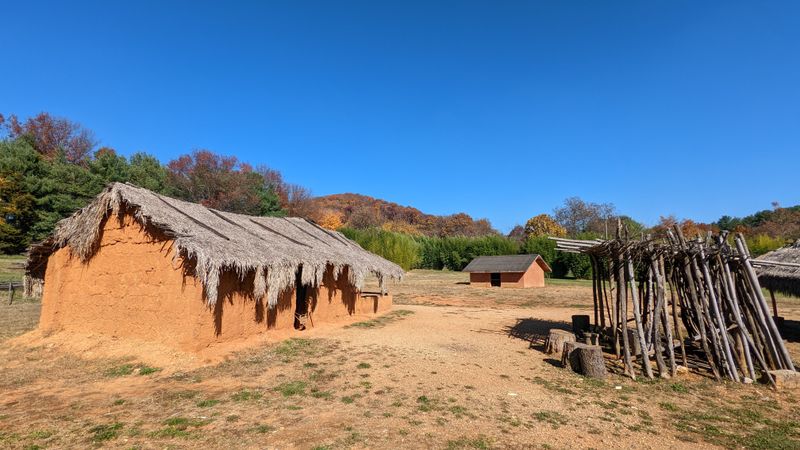
Staunton’s 1290 Richmond Avenue property sprawls across acres of authentic 1700s farmsteads transported from three continents. This isn’t reconstruction; these are actual buildings relocated and restored.
Irish, German, and West African farms stand as they did centuries ago. Walking between them illustrates how different cultures approached farming, family life, and community organization.
Costumed interpreters don’t just wear period clothing; they actually work the farms using historical methods. Watching someone split rails or card wool demonstrates skills that modern life has rendered obsolete.
Visitors can participate in seasonal tasks like harvesting crops or feeding livestock. Getting hands dirty creates memorable learning that beats any textbook chapter about colonial agriculture.
The blacksmith shop rings with hammer strikes as craftsmen shape hot metal into tools and hardware. Sparks fly, anvils ring, and the smell of coal smoke fills the air authentically.
Heritage breed animals populate the farms, including species that look noticeably different from modern livestock. These historically accurate breeds show how selective breeding has changed domesticated animals.
Cooking demonstrations in open hearth kitchens reveal how labor-intensive meal preparation was before modern appliances. Making bread from scratch takes hours, not minutes.
The American farm section shows how immigrant cultures blended their traditions to create distinctly American approaches to frontier life. Architecture, farming techniques, and daily routines merged into something new.
Seasonal events celebrate harvest festivals and traditional holidays with period-appropriate activities. These special programs transform the museum into a living celebration of historical cultures.
This outdoor classroom proves that history education works best when you can touch, smell, and experience the past rather than just reading about it behind climate-controlled glass.
Dear Reader: This page may contain affiliate links which may earn a commission if you click through and make a purchase. Our independent journalism is not influenced by any advertiser or commercial initiative unless it is clearly marked as sponsored content. As travel products change, please be sure to reconfirm all details and stay up to date with current events to ensure a safe and successful trip.
