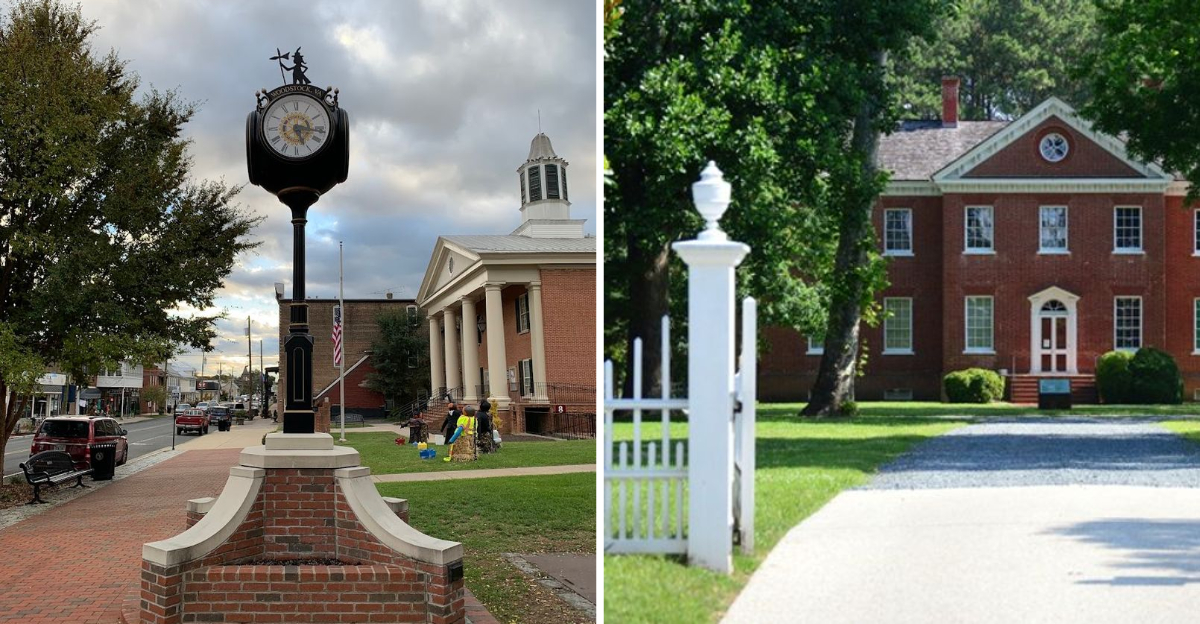
Most road-trippers never discover Virginia’s quiet side, and honestly, that is part of what makes it so special.
I have spent time wandering through small towns tucked into mountain valleys, perched along tidal creeks, and nestled between rolling horse farms, and every single stop surprised me.
These nine villages have something rare: they feel genuinely lived-in, unhurried, and completely themselves.
No giant tour buses, no souvenir shops selling the same trinkets, just real communities that happen to welcome curious travelers.
I found myself in one valley town on a misty morning, the only person on the main street, and felt like I had been let in on a secret the guidebooks missed.
Each place carries its own personality, shaped by local history, natural surroundings, and the people who chose to stay.
If you are ready to trade crowded attractions for something far more memorable, these Virginia villages are waiting.
1. Cape Charles
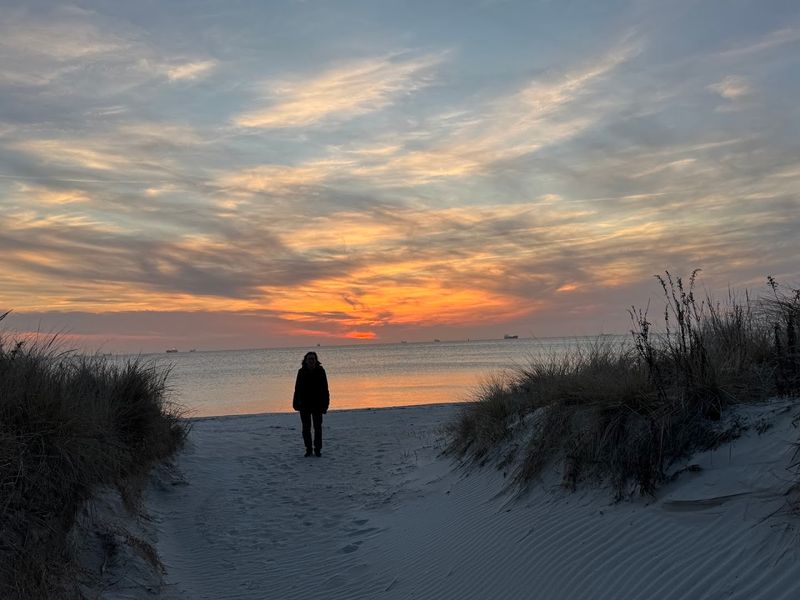
There is something about Cape Charles that feels like finding a postcard from a simpler time.
The town sits quietly on Virginia’s Eastern Shore, facing the Chesapeake Bay, and its streets are lined with Victorian and Colonial Revival homes that look almost too perfect.
Mason Avenue, the main street, runs through the heart of downtown without a single chain store in sight.
The public beach here is free and wonderfully uncrowded. Families spread out on the sand without fighting for space, and the bay water stays calm and warm enough for a long afternoon swim.
It is the kind of beach experience that bigger coastal towns used to offer before they got discovered.
Cape Charles was founded in 1884 as a planned railroad town, and that deliberate, organized character still shows in its walkable layout. Local galleries, independent boutiques, and small restaurants fill the historic storefronts.
The community actively protects its independent spirit, making sure that what drew people here in the first place does not get bulldozed by overdevelopment. I left feeling genuinely refreshed, not overstimulated.
The rhythm of the tides seems to set the pace here.
Even the simplest things, biking down a quiet street, watching the sun melt into the Chesapeake, or just sitting on a porch with nothing to do, feel like small acts of resistance against the noise of the rest of the world.
2. Abingdon
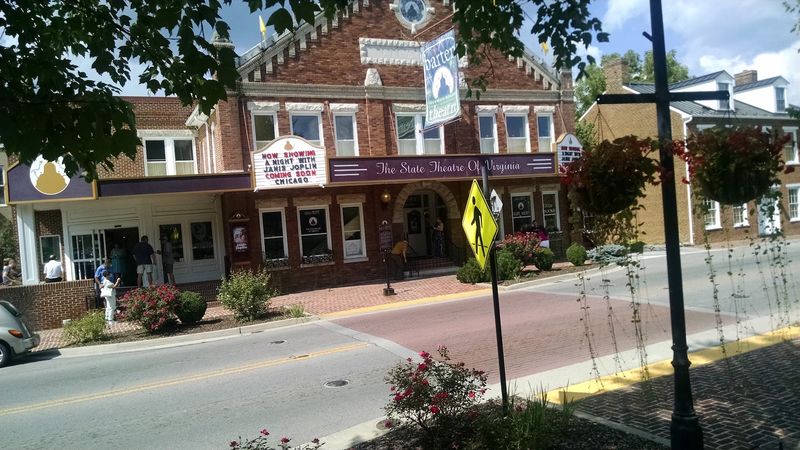
Abingdon sits in the far southwestern corner of Virginia, and getting there takes real commitment. That distance is part of what keeps it feeling so wonderfully undisturbed.
The town anchors itself around a deeply Appalachian identity, one shaped by generations of mountain living and a genuine pride in local traditions.
The Virginia Creeper Trail begins right here, stretching 34 miles through forests, over trestles, and past mountain streams. Cyclists and hikers who use the trail talk about it the way people talk about transformative experiences.
The trail does not feel like a tourist attraction. It feels like a gift the landscape offers freely.
Historic Main Street rewards slow exploration. The architecture is beautifully preserved, and the storefronts carry locally made goods, regional art, and handcrafted items that reflect the surrounding culture.
There are no flashy signs competing for attention. Abingdon has a rare confidence about it, the kind that comes from a community that knows exactly what it is and sees no reason to perform for outsiders.
I found myself slowing down without even trying, which is honestly the highest compliment a small town can earn.
The mountains surrounding Abingdon seem to hold the town in a quiet embrace, and the crisp air carries a stillness that makes you forget the speed of the world you left behind, replacing it with a simple, unhurried rhythm that feels both ancient and entirely new.
3. Floyd
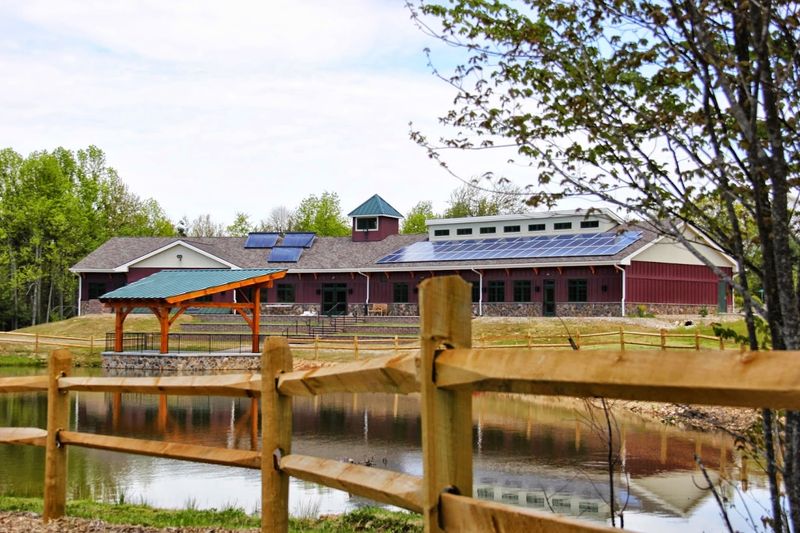
Floyd has its own frequency.
Tucked into the Blue Ridge Mountains and reachable only via the winding, sometimes dizzying Route 8, it has never been easy to get to, and the town seems perfectly content with that.
Artists, musicians, and people who wanted something different from mainstream American life started arriving here in the 1970s, and their influence never left.
The Floyd Country Store is the heartbeat of the community. Every Friday night, locals and visitors crowd in for live old-time music in a tradition that has been going strong for decades.
It is not a performance put on for tourists. The music is real, the dancers are regulars, and the whole thing feels like being let into something private and precious.
Chain stores have no presence here. Every shop has a story, every gallery reflects a real person’s creative life, and the conversations you have with locals feel genuinely unhurried.
Floyd sits on The Crooked Road, Virginia’s heritage music trail, which connects it to a broader Appalachian cultural tradition.
With a population of around 430 people, it carries an outsized personality that keeps drawing the right kind of curious traveler back again.
4. Onancock
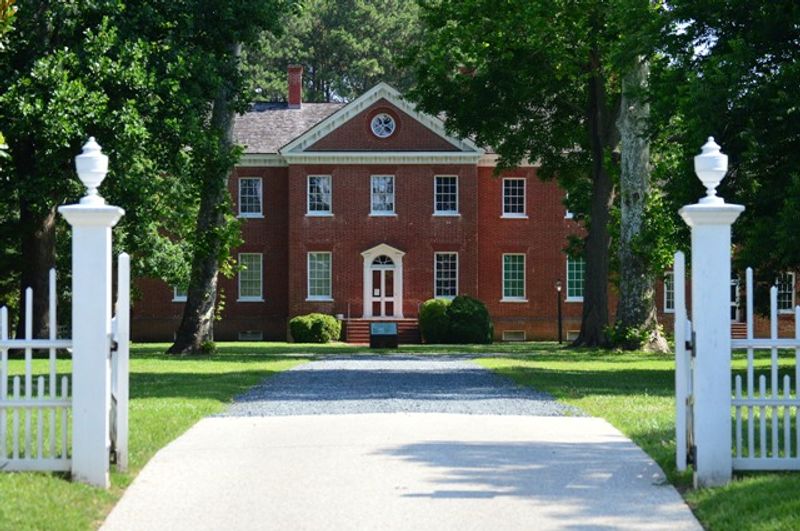
Onancock earns its nickname, the Gem of the Eastern Shore, without trying very hard. Founded in 1680, it is one of the oldest towns in Virginia, and its streets feel like a living archive of early American coastal life.
The deep-water harbor still draws boaters, and the wharf has a working, unhurried energy that is hard to manufacture.
The arts scene here is quietly thriving. Local galleries display work by regional artists, and colorful murals painted across building walls tell the town’s history in vivid, accessible ways.
There is a community theater that has been producing shows for years, drawing audiences from across the Eastern Shore with genuine enthusiasm.
What makes Onancock particularly special is how intentionally the community protects its character. Residents have actively worked to limit short-term rentals, keeping the residential fabric of the town intact.
With just over 1,100 people calling it home, the streets feel neighborly rather than transactional.
I wandered past beautifully maintained historic homes and ended up chatting with a local at the wharf who had lived there his entire life and clearly had no intention of leaving.
That kind of rootedness is something you feel immediately.
5. Middleburg
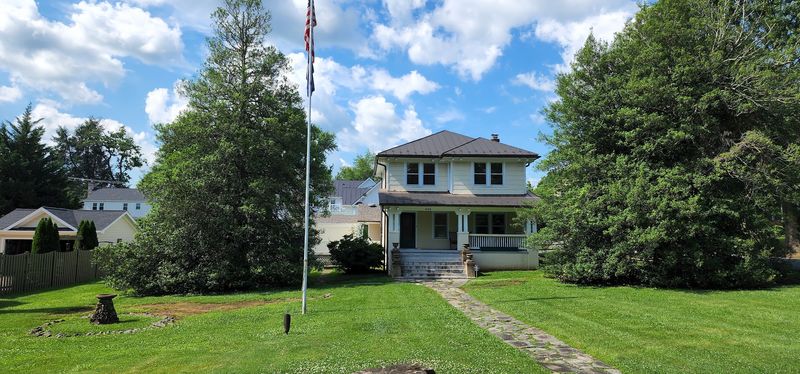
Middleburg operates on its own quiet terms. Known as the Nation’s Horse and Hunt Capital, this small town of around 650 people sits at the edge of Virginia’s Piedmont wine and horse country, framed by the Blue Ridge Mountains on the horizon.
Washington Street is lined with Federal-style buildings from the early 1800s that have been lovingly maintained without being turned into theme-park versions of themselves.
There are no chain stores here. Independent shops, local art galleries, and owner-operated restaurants fill the storefronts, each one reflecting the community’s commitment to keeping things authentic.
The Red Fox Inn and Tavern, which has been operating since 1728, holds the distinction of being the oldest continually run inn in the United States. Just walking past it carries a certain weight.
The surrounding countryside adds another layer entirely. Rolling hills, lush horse farms, and open fields stretch out in every direction, making even a short drive outside of town feel cinematic.
Middleburg residents tend to value privacy over publicity, and that attitude creates a respectful, unhurried atmosphere for visitors willing to match their pace.
It rewards patience and genuine curiosity far more than any rushed weekend itinerary ever could.
6. Staunton
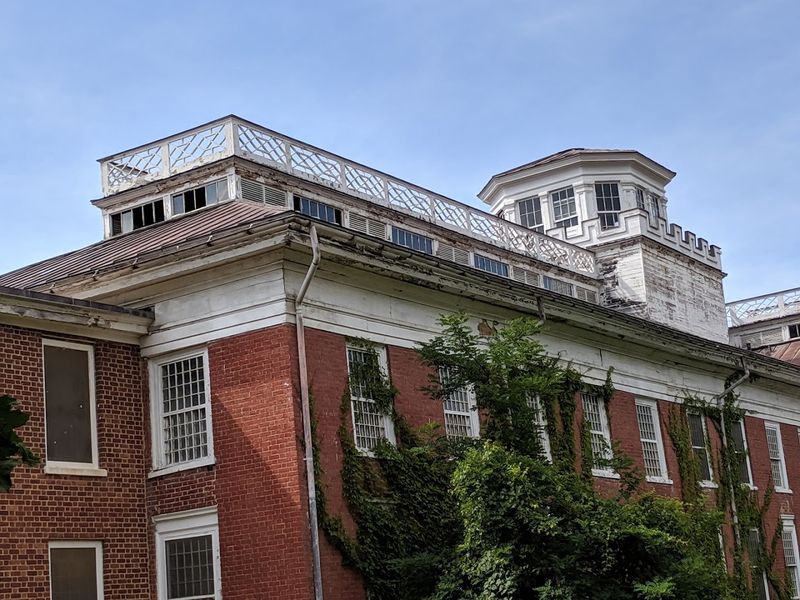
Staunton has been quietly earning praise as one of America’s best small towns for years, and yet it never quite tips over into overexposure.
The city’s six contiguous historic districts, all listed on the National Register of Historic Places, form one of the most walkable and architecturally rich downtowns in the entire state.
The Beverley District alone feels like a living museum of 19th-century American commercial architecture.
What keeps Staunton grounded is its genuinely local commercial culture. Independent bookshops, chef-owned restaurants, and small theaters define the downtown experience.
The community supports local arts with real enthusiasm, and that energy is visible on every block. It never feels like a place performing its own history for outsiders.
I spent a full afternoon just walking, stopping whenever something caught my eye, which happened constantly. The buildings are maintained with obvious pride, and the scale of everything feels human-sized and approachable.
Staunton also happens to be the birthplace of Woodrow Wilson, and the museum dedicated to his life adds a genuinely interesting historical dimension to any visit.
For a town this charming and this well-preserved, its relative quiet remains one of Virginia’s most pleasant surprises.
7. Damascus
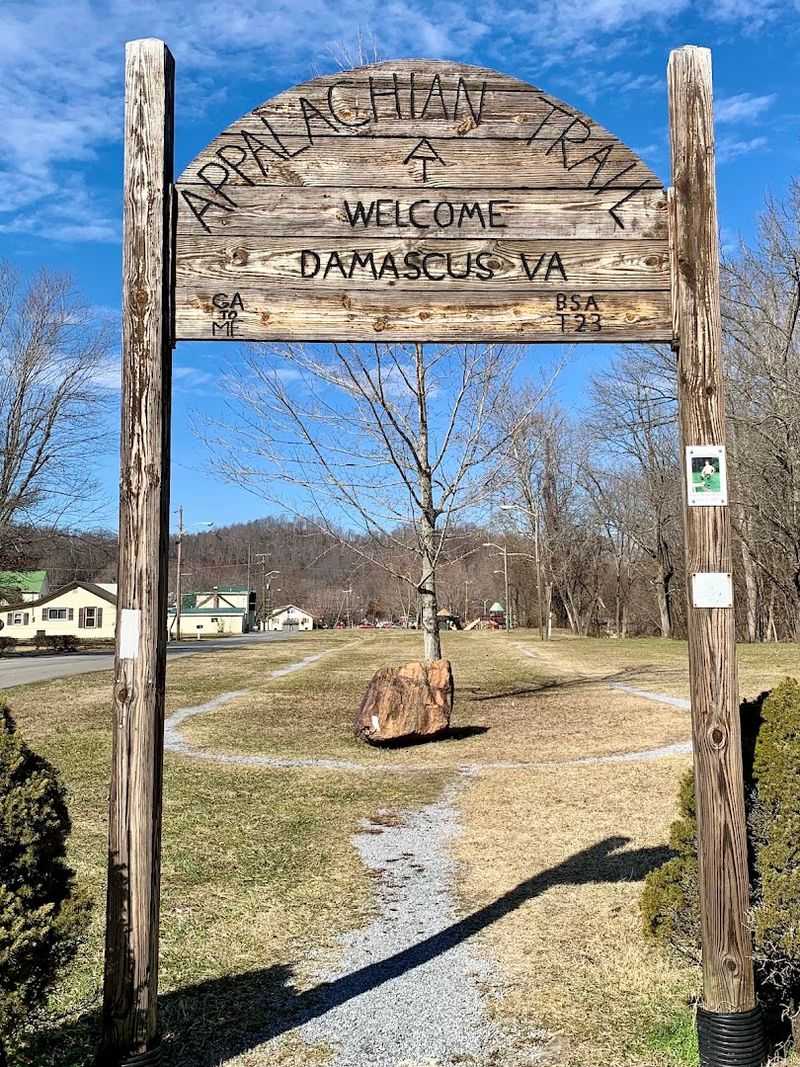
Damascus wears its Trail Town USA title with genuine pride, not as a marketing slogan but as a true description of daily life here.
The Appalachian Trail passes directly through the center of town, meaning long-distance hikers literally walk down the main street on their way between Georgia and Maine.
That foot traffic creates a unique community energy, one built around shared adventure and mutual respect for the outdoors.
Beyond the AT, Damascus serves as the southern terminus of the Virginia Creeper Trail, a 34-mile rail-trail that winds through some of the most beautiful mountain scenery in the region.
Cyclists arrive from across the country to ride it, and the town has built a small but thriving culture of outdoor-focused shops and cozy cafes that cater to people who have just spent days in the wilderness.
The town has a population of around 800 to 1,000 people, and the tightknit nature of that community is immediately apparent.
Locals wave at strangers, shop owners remember faces from previous seasons, and the pace of life feels deliberately slow.
The Victorian architecture along Main Street adds a surprising elegance to what is otherwise a rugged mountain town. Damascus earns its reputation as the friendliest town on the Appalachian Trail every single day.
8. Culpeper
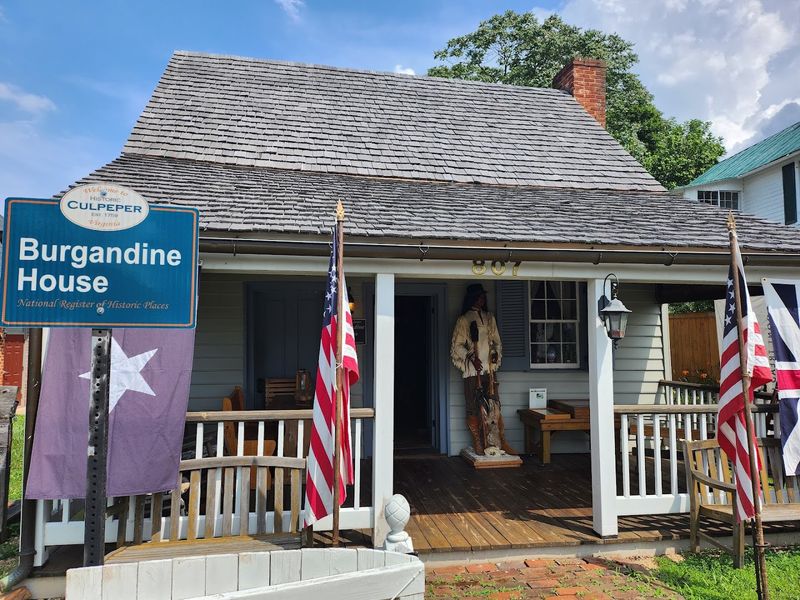
Culpeper does not announce itself loudly, and that restraint is exactly what makes it so appealing.
The historic downtown, designated as a National Historic District, is filled with beautifully preserved 19th-century brick buildings that house boutique shops, locally owned cafes, and restaurants driven by genuine culinary passion rather than tourist menus.
Davis Street and Main Street form the walkable core of the experience.
The town has a social warmth that is hard to fake. People make eye contact on the sidewalk and actually say hello.
Shop owners chat without any pressure to buy. There is a sense that Culpeper is proud of itself in the most unpretentious way possible, a community that has figured out what it values and built its daily life around those things.
Public art appears throughout the downtown area, adding color and personality to already handsome streetscapes.
Culpeper also sits near some of Virginia’s most significant Civil War battlefields, giving history-minded visitors plenty to explore beyond the main street.
The growing townsizing trend, where travelers seek authentic smaller communities over urban chaos, has brought new attention here without overwhelming what makes it special.
Culpeper rewards the kind of traveler who moves slowly and pays attention.
9. Woodstock
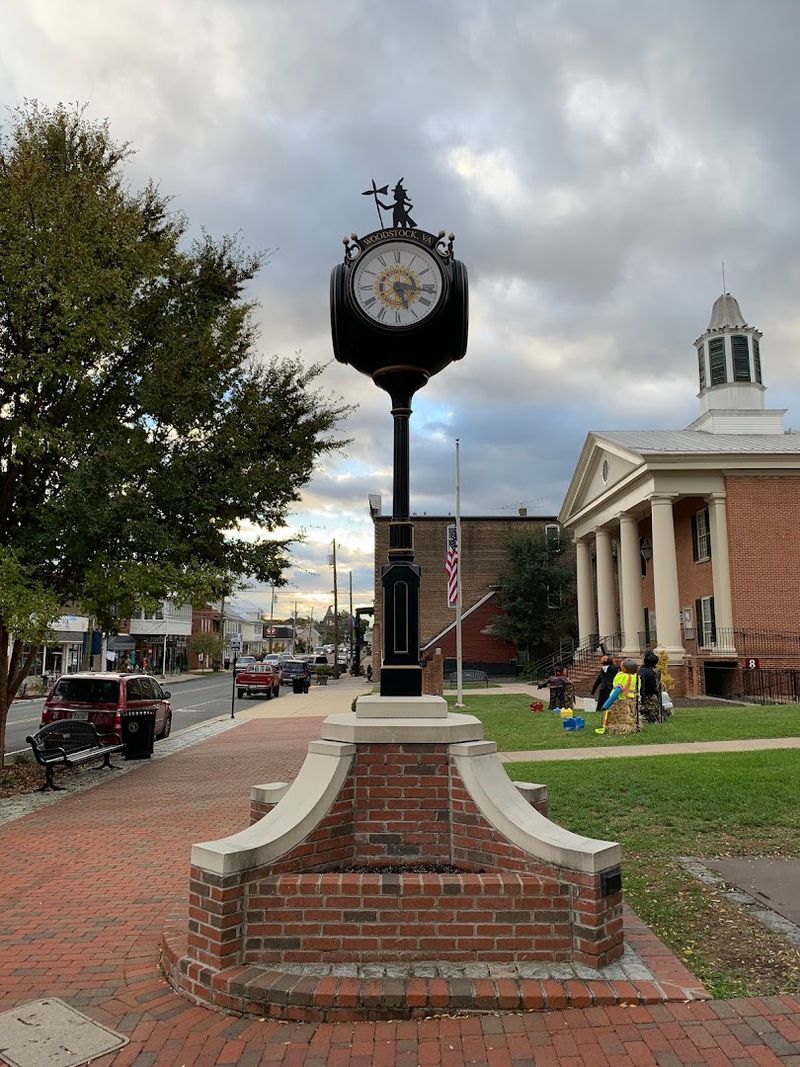
Woodstock sits in the Shenandoah Valley with a quiet confidence that comes from centuries of history.
The town was chartered in 1761 with George Washington involved in its original establishment, and the historic courthouse downtown is the oldest of its kind west of the Blue Ridge Mountains.
Thomas Jefferson is credited with its design, which gives even a casual stroll past it an unexpected sense of significance.
The downtown area is filled with locally owned storefronts and cafes that feel genuinely rooted in the community. There is no manufactured quaintness here.
The charm is structural and real, built into the architecture and the rhythm of everyday life. With just over 5,000 residents, Woodstock maintains a scale that feels human and unhurried.
Outdoor options surround the town generously. Seven Bends State Park offers access to the Shenandoah River and excellent hiking trails that wind through forested ridgelines.
The Woodstock Tower Observation Site provides panoramic valley views that are worth every step of the climb. Hot air balloon rides over the valley have become a beloved local tradition for good reason.
Woodstock is the kind of place where you arrive planning to stay one night and quietly rearrange your schedule to stay three.
