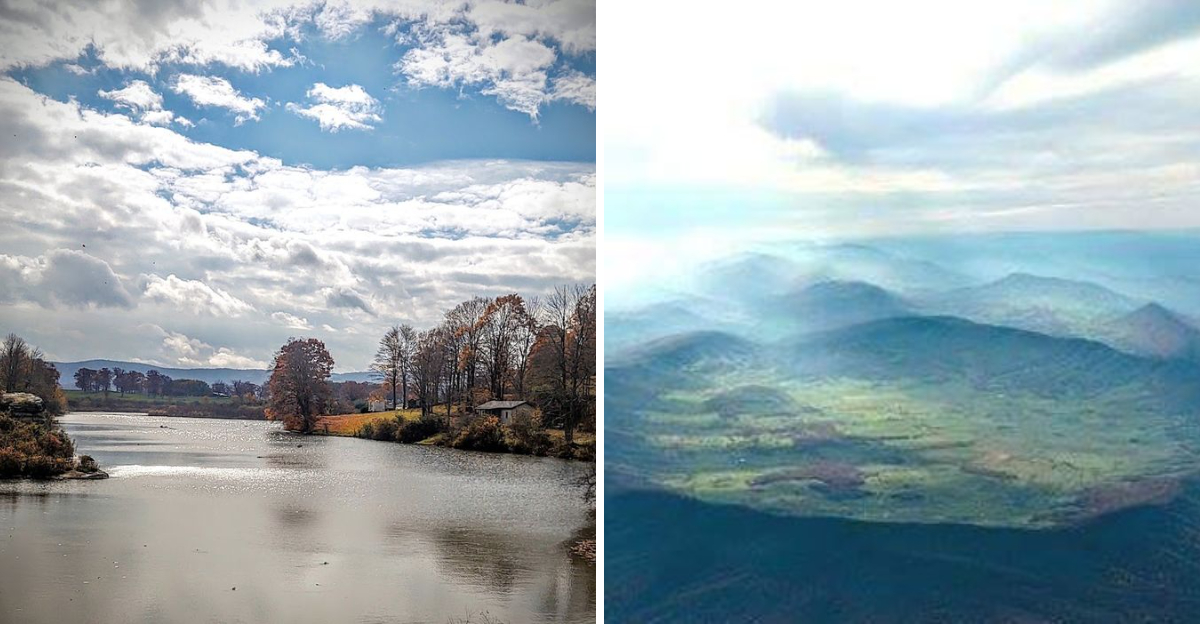
You crest the ridge and look down into a bowl-shaped valley, ringed by mountains, and for a moment you think you are staring into a volcano. The shape is that perfect, that dramatic.
But this Virginia hidden mountain bowl is not volcanic. It is an optical illusion, a geological formation that looks like a crater but was carved by ancient forces.
I stood at the overlook, trying to make sense of what I was seeing. The valley below is lush and green, with farms and fields spread out like a patchwork quilt.
The mountains rise steeply on all sides, creating the illusion of a caldera. The locals call it “God’s thumbprint,” a name that feels fitting.
Virginia has plenty of scenic views, but this one is unusual. It looks like a volcano, but it is something else entirely.
The Mountain Bowl That Fooled Everyone
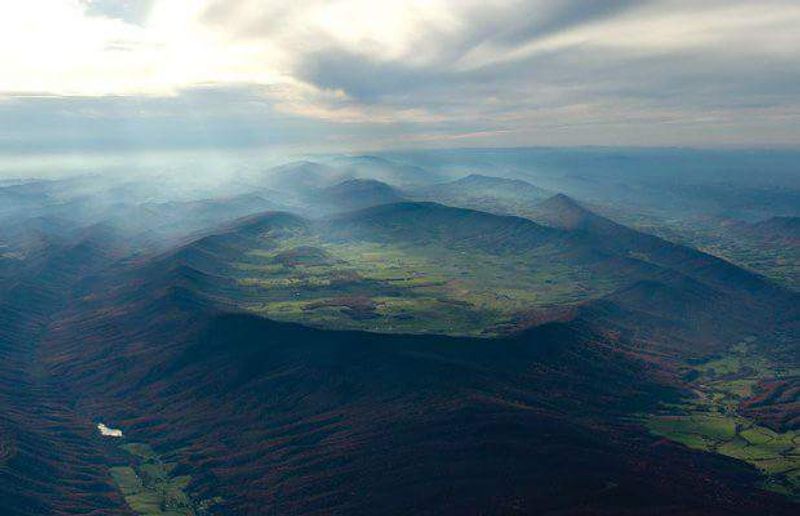
Imagine flying over the mountains of Southwest Virginia and suddenly spotting what looks like a perfectly formed volcanic crater below. That is exactly the reaction most people have when they first see Burke’s Garden from above.
The valley is oval, deeply set, and completely encircled by the continuous ridge of Garden Mountain, creating an optical illusion so convincing it would fool even a seasoned geologist at first glance.
The bowl shape is so precise and so dramatic that aerial photographs regularly go viral among geography enthusiasts and nature lovers alike. Virginia is full of beautiful landscapes, but nothing quite prepares you for this one.
What makes the illusion so powerful is the unbroken ring of ridges surrounding the valley floor. No gaps, no exits visible from above, just a smooth, rounded wall of forested mountain enclosing a patchwork of green farmland.
It genuinely looks like something catastrophic once happened here. Spoiler alert: it did not.
The real story is actually more fascinating than any volcanic eruption could ever be, and understanding it makes standing on that valley floor feel even more extraordinary.
The Real Geology Behind the Illusion
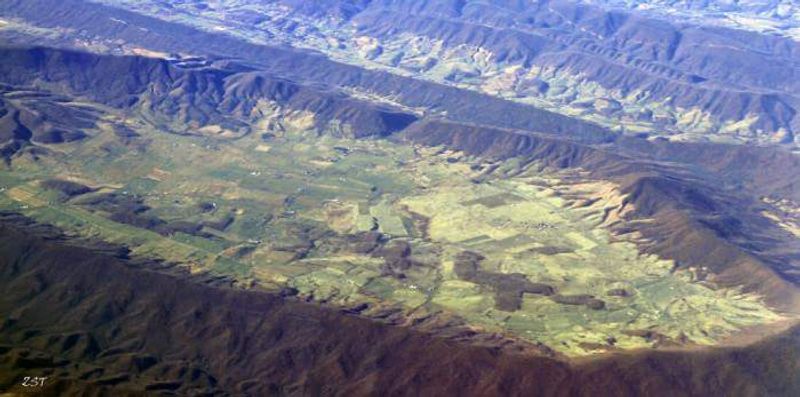
So if it is not a volcano and not a meteor crater, what on earth created this stunning bowl? The answer lies in a geological process called inverted topography, and it is genuinely one of nature’s most clever tricks.
Burke’s Garden sits atop what geologists call an anticline, a dome-shaped upward arch of rock layers formed by immense pressure over millions of years.
The dome was originally capped by hard Silurian sandstone, which protected the softer rock beneath. Over time, erosion stripped away the sandstone at the very top of the dome, exposing the much softer Ordovician limestone and shale underneath.
That softer rock eroded far more quickly than the surrounding sandstone ridges, carving out the valley we see today.
The result is a landform that looks like it caved inward, when in reality the surrounding ridges are what remain of the original dome’s edges. Virginia geology rarely gets more dramatic than this.
The valley floor was once an ancient sea bed, which explains why the soil is so extraordinarily fertile. Nature essentially built a self-contained agricultural paradise by accident, and that is something worth celebrating loudly.
God’s Thumbprint and the Vanderbilt Connection
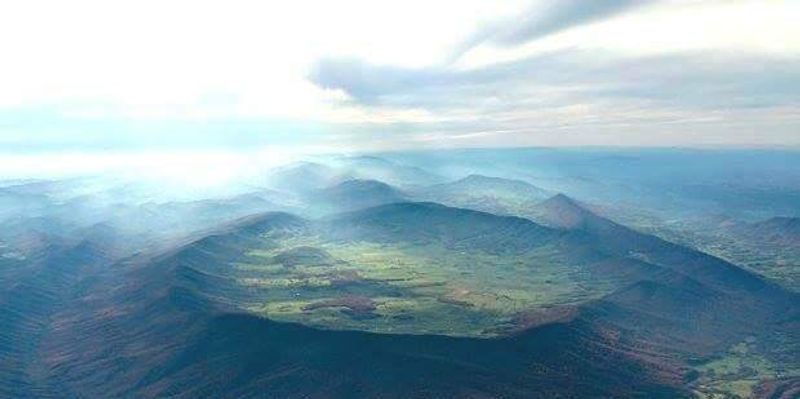
Few places earn a nickname as poetic as “God’s Thumbprint,” but Burke’s Garden wears it proudly. The name captures exactly what the valley looks like from a high ridge, a giant, gentle indentation pressed into the mountains of Southwest Virginia as if by some enormous hand.
Standing on the rim of Garden Mountain and gazing down into that green oval is one of those moments that genuinely stops your breath.
The valley earned another nickname too, “Vanderbilt’s First Choice,” and that story is just as captivating. According to local lore, the famous Vanderbilt family reportedly scouted Burke’s Garden as the potential site for their grand estate.
The community, protective of its land and its way of life, turned them away. The Vanderbilts went on to build Biltmore in North Carolina instead.
Whether every detail of that story holds up under scrutiny matters less than what it says about this place. The people of Burke’s Garden have always understood that what they have is irreplaceable.
Virginia has many beautiful corners, but this valley has a quiet pride and a fierce sense of identity that sets it apart from every other destination in the state.
Virginia’s Highest Valley and What That Actually Means
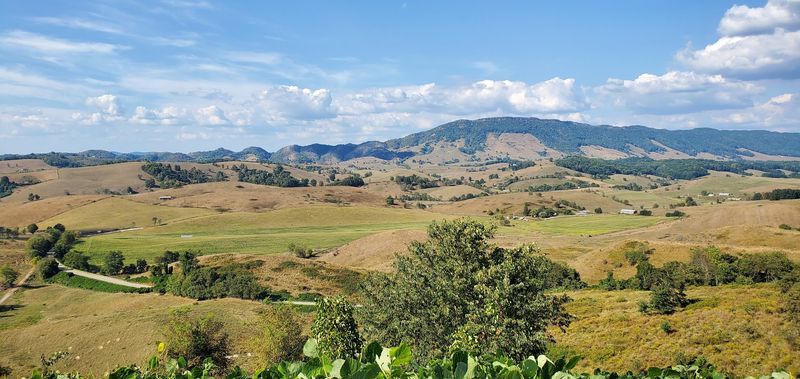
Burke’s Garden holds a title that most people never expect to find in Virginia: it is the highest valley in the entire state. Sitting at an average elevation of around 3,100 feet above sea level, the valley floor is perched dramatically higher than almost everything around it in Southwest Virginia.
That elevation changes everything, from the weather to the wildlife to the way the morning light falls across the fields.
At this altitude, seasons arrive with extra intensity. Spring comes later here than in the lowlands, and autumn sweeps in early with a crispness that feels more like the Canadian north than the American South.
The valley has earned the unofficial title of the “icebox” of Southwest Virginia, a badge worn with cheerful practicality by the roughly 300 people who call this place home year-round.
Morning fog is a regular feature, pooling in the bowl and creating an almost mystical atmosphere before the sun burns it away. My first morning there, the fog sat so thick and low across the farmland that only the tops of the surrounding ridges were visible.
It looked less like Virginia and more like something out of a fantasy novel, which is honestly the highest compliment I know how to give a landscape.
The Name Behind the Garden
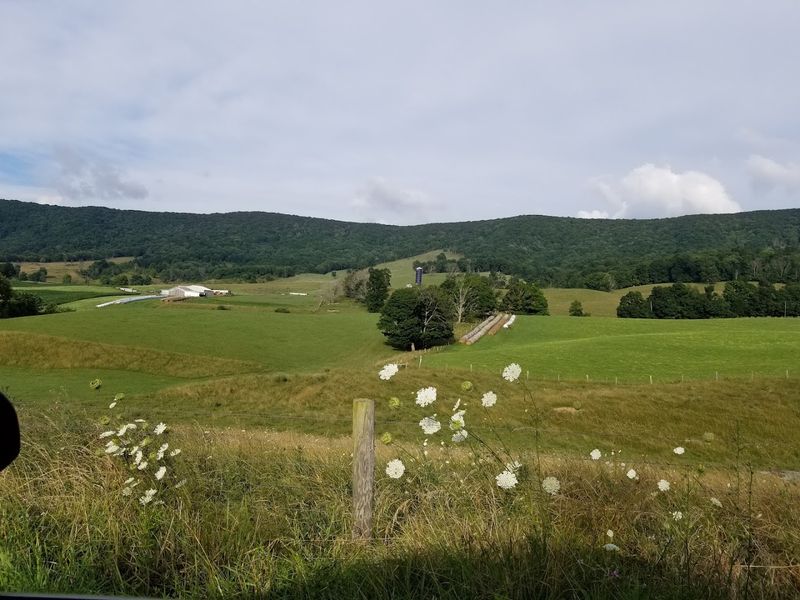
Every great place has an origin story, and Burke’s Garden has one of the more charming ones in all of Virginia. The valley takes its name from James Burk, a surveyor’s assistant who reportedly camped in the valley during an expedition in the 1740s.
Before leaving, he planted some potato peelings in the rich soil, perhaps as a casual experiment or perhaps just because he was curious.
When the survey party returned the following season, they found that those potato peelings had sprouted into a thriving crop. Word spread fast.
The fertile valley became known as Burk’s Garden, a name that stuck and eventually evolved into the Burke’s Garden we know today. It is a fittingly agricultural story for a place that has been farming country ever since.
The soil quality here is no accident. Centuries of limestone-rich sediment from that ancient sea bed created some of the most productive farmland in Southwest Virginia.
Walking through the valley today, you can still see that agricultural heritage alive and well, with working farms dotting the floor of the bowl in a scene that feels genuinely timeless. James Burk would probably recognize the place if he walked through it now.
Garden Mountain and the Ridge That Makes It All Possible
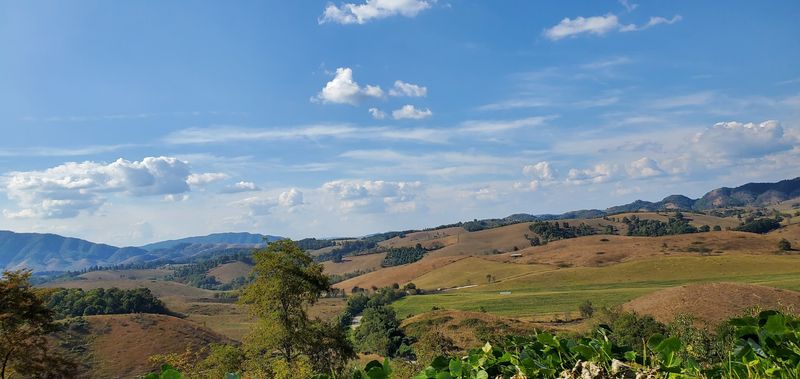
Garden Mountain is the unsung hero of this entire spectacle. Without that continuous, unbroken ridge encircling the valley, Burke’s Garden would just be another pretty Appalachian hollow.
Instead, Garden Mountain creates the dramatic bowl effect that makes this place one of the most visually striking landforms in the entire eastern United States.
The ridge rises steeply from the valley floor, covered in dense hardwood forest that shifts through spectacular color changes each autumn. Hiking along the rim gives you a perspective that photographs simply cannot capture.
The valley spreads out below you in that perfect oval, farmsteads visible as tiny squares of color against the green, and the whole scene feels almost impossibly organized for something created entirely by natural processes.
Garden Mountain also acts as a natural weather barrier, trapping cold air in the valley during winter and creating that famous icebox effect. The same ridge that gives the valley its theatrical appearance also shapes its climate, its ecology, and its character.
Virginia has no shortage of impressive mountain scenery, but the relationship between Garden Mountain and the valley it cradles is something genuinely unique. The ridge and the bowl are inseparable, each one making the other more remarkable by contrast.
The Appalachian Trail Connection
Serious hikers already know that the Appalachian Trail is one of the greatest long-distance trails in North America, stretching thousands of miles through some of the continent’s most breathtaking scenery.
What fewer people realize is that the trail skirts the southern rim of Burke’s Garden, putting this extraordinary valley on the itinerary of thru-hikers and weekend adventurers alike.
Walking that section of trail with the valley bowl stretching out below is an experience that tends to stop hikers in their tracks, sometimes literally.
The views from the southern rim are among the most dramatic along this stretch of the trail in Virginia, which is saying something given the state’s consistently spectacular Appalachian scenery.
Day hikers can access this section without committing to a multi-day adventure, making the Burke’s Garden rim trail accessible to a much wider audience than the full Appalachian Trail experience.
The combination of geological wonder, historical context, and pure visual drama makes this one of my favorite trail sections in all of Southwest Virginia.
Lace up your boots and give yourself more time than you think you need, because the views have a way of making schedules irrelevant and afternoons disappear completely.
Wildlife and Birdwatching in the Bowl
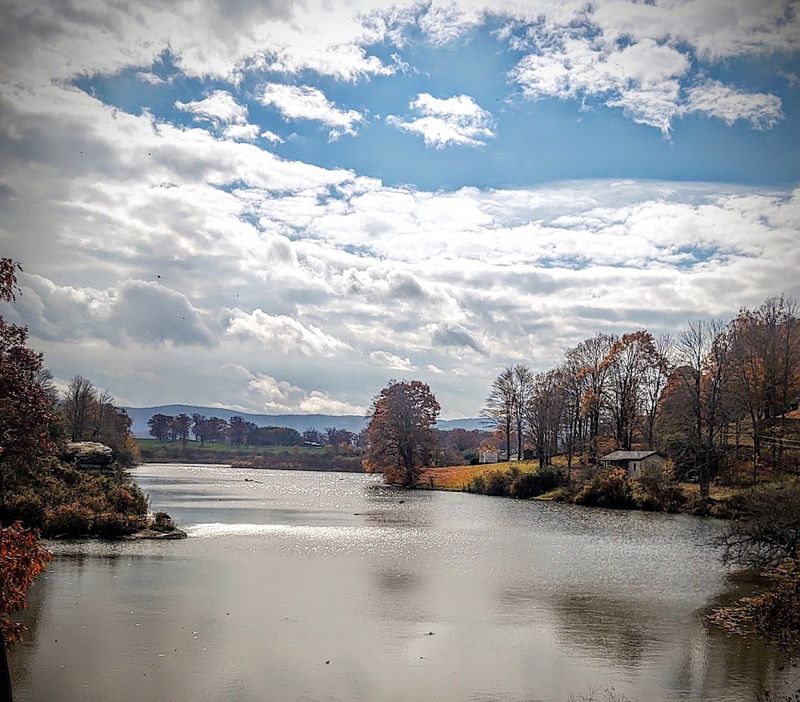
The natural enclosure of Burke’s Garden creates something remarkable for wildlife enthusiasts: a self-contained ecosystem that supports an impressive variety of species.
The combination of open farmland, forested ridges, wetland edges, and high elevation makes this valley a genuinely productive destination for birdwatching and wildlife observation throughout the year.
Migratory birds use the valley as a stopover and a breeding ground, drawn by the rich habitat diversity packed into that oval bowl. Raptors, warblers, and waterfowl all make appearances here at various points in the seasonal calendar.
Deer are a constant presence, moving between the forest edges and the open farmland with the relaxed confidence of animals that do not feel particularly threatened.
The high elevation also brings species more typically associated with northern latitudes, adding an element of surprise to every visit. Virginia birders in particular treat Burke’s Garden as something of a specialty destination, a place where the species list can include birds rarely seen elsewhere in the state.
The quiet of the valley amplifies every sound, making even early morning walks along the farm roads feel like a full sensory experience. Bring binoculars, move slowly, and let the bowl work its magic on your patience and your senses.
A Living Agricultural Community Frozen in Time
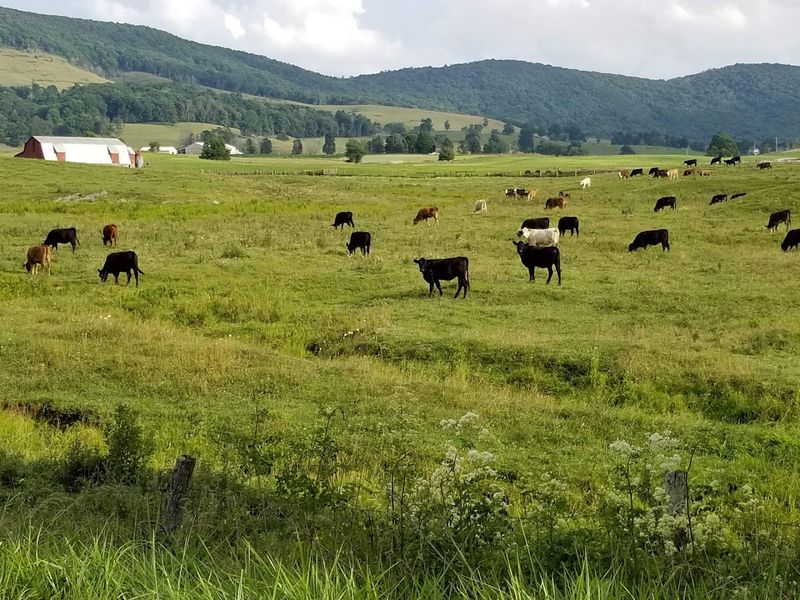
Burke’s Garden is not just a geological curiosity or a hiker’s destination. It is a living, breathing agricultural community that has been farming this extraordinary soil for well over two centuries.
Around 300 people call the valley home year-round, working farms that have been passed down through generations and maintaining a way of life that feels genuinely connected to the land beneath their feet.
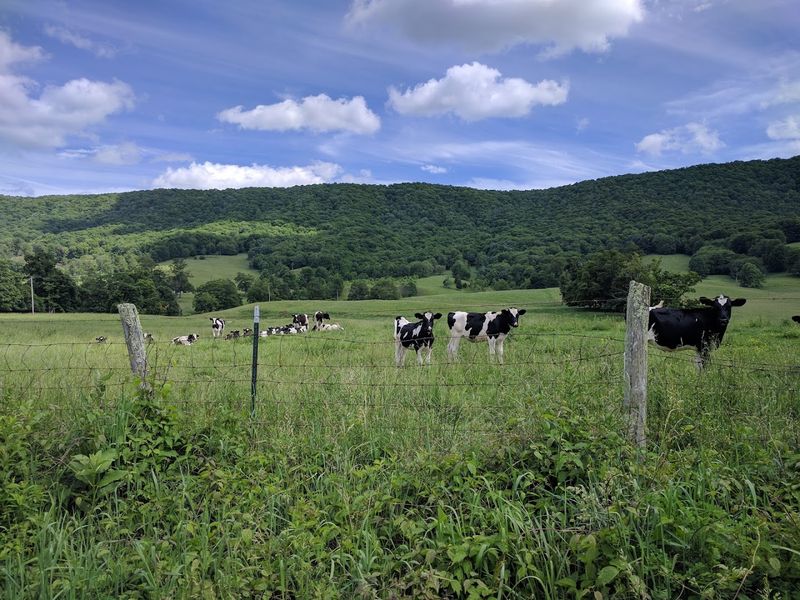
The fertile valley floor, built from that ancient sea bed limestone, produces rich grazing land that supports cattle farming in a setting that looks almost theatrical in its beauty.
Driving the valley road feels like moving through a living landscape painting, with farmsteads, barns, and rolling pastures arranged against the constant backdrop of the encircling ridge.
What strikes me most about Burke’s Garden is the authenticity of it all. Nothing here has been staged for tourists or dressed up for Instagram.
The farms are real working operations, the quiet is genuine, and the community’s relationship with this land has a depth that you can feel even as a passing visitor.
Virginia has plenty of scenic drives, but very few offer this combination of working agricultural heritage and jaw-dropping natural drama in one compact, self-contained package.
How to Get There and What to Bring
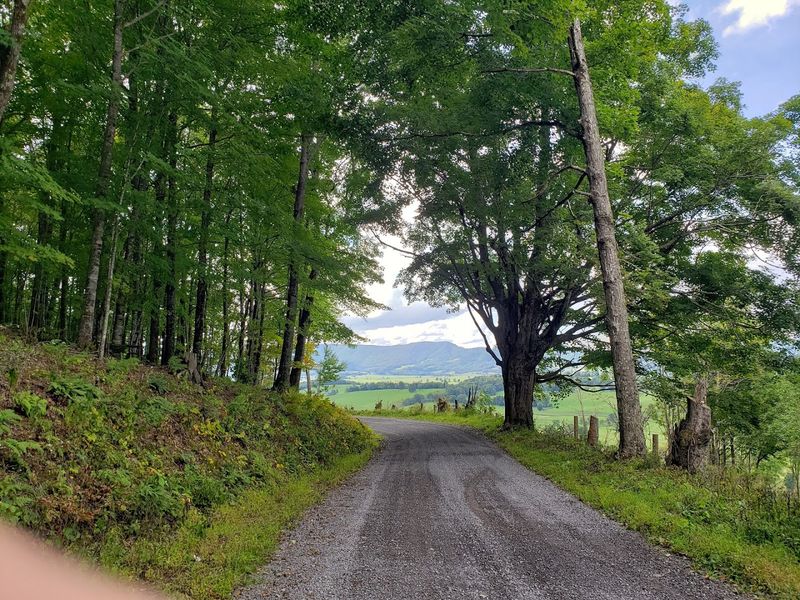
Getting to Burke’s Garden is part of the adventure, and that is not a complaint. The valley sits in Tazewell County in Southwest Virginia, and the approach roads wind through mountain passes that provide their own spectacular scenery before you even reach the bowl itself.
The drive in is the kind of mountain road that makes you slow down involuntarily, not because you have to, but because the views demand it.
The address to aim for is Virginia 24651, with coordinates placing you at the heart of the Tazewell County valley. Cell service can be spotty in the bowl, so downloading offline maps before you arrive is genuinely useful advice rather than an optional suggestion.
Plan your fuel situation before heading in, as services inside the valley are extremely limited.
Pack layers regardless of the season, because that high elevation and the icebox reputation are real. A good pair of walking shoes, a camera with a wide-angle lens, and a willingness to simply slow down and absorb the scenery will serve you far better than any itinerary.
Burke’s Garden rewards the unhurried traveler above all others. Now seriously, stop reading and start planning your trip to this one-of-a-kind corner of Virginia before everyone else figures out it exists.
