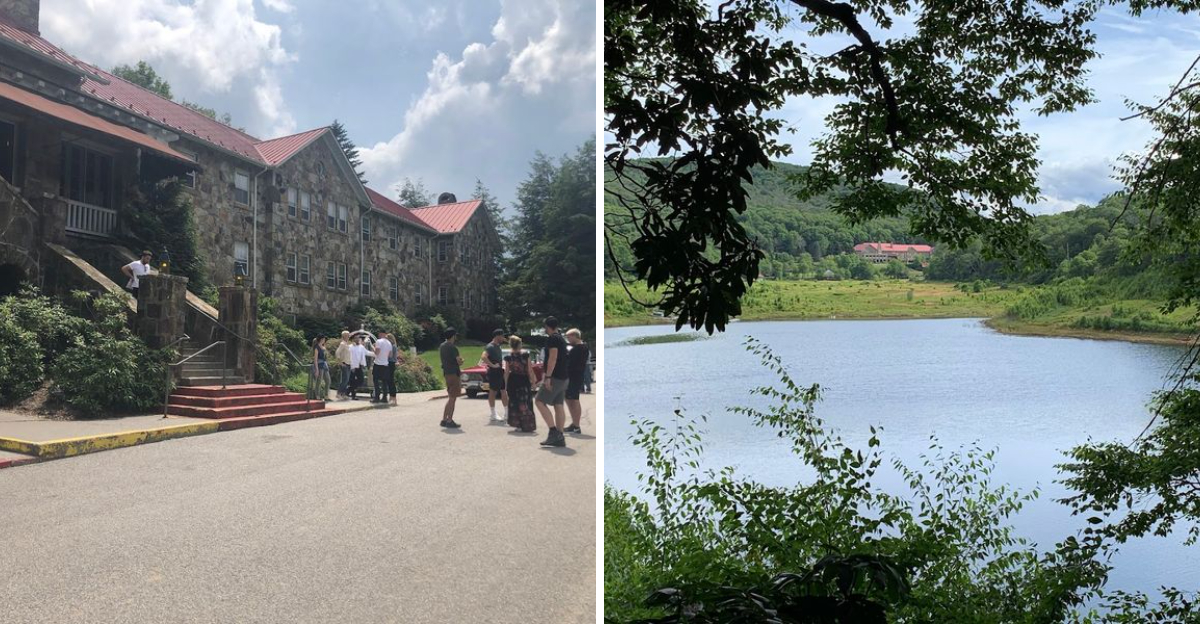
Imagine a pristine mountain lake, the kind you only hear about in storybooks, sitting quietly in Virginia’s rolling hills. I’ve spent countless evenings there, watching the sunset turn the water into a palette of gold and amber, and it’s become a beloved spot for friends and family alike.
Recently, the shoreline has started to shrink, and the conversation has shifted from simple admiration to urgent concern. Residents, scientists, and policymakers are now tangled in a debate over what caused the change and how to protect this fragile treasure.
I’m sharing my own observations and the heartfelt pleas of those who love this place, hoping we’ll all understand why preserving it matters. If we listen and act now, we might keep the lake’s magic alive for generations to come.
Virginia’s Only Natural Mountain Lake and Why It’s So Rare
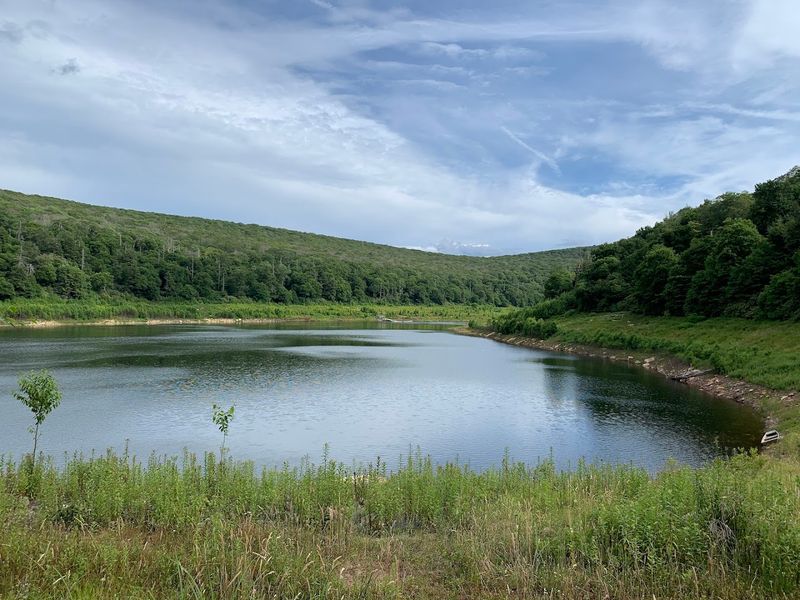
Most people don’t realize that Virginia has only one natural lake sitting in its mountains, and that alone makes this place extraordinary. Across the entire state of Virginia, lakes are almost always man-made, created by dams or reservoirs built for water supply and power.
Mountain Lake breaks that pattern completely.
Perched at roughly 3,875 feet above sea level in Giles County, this lake formed naturally thousands of years ago. Geologists believe a massive rockslide or debris blockage dammed a small valley, allowing water to collect over centuries.
The result was a rare, high-altitude gem tucked into the Appalachian highlands.
Scientists have studied this spot intensely, fascinated by its unusual origin and ecology. The lake supports plant and animal species adapted to cooler, higher-elevation environments, making it ecologically distinct from lowland water bodies in Virginia.
Rare aquatic plants once thrived in its depths.
Visitors who arrive expecting a typical lake experience often leave with something far more interesting: a lesson in geology, natural history, and the surprising fragility of landscapes that look permanent. Virginia doesn’t have another place quite like this one, which is exactly why its disappearance is so alarming to scientists and locals alike.
The Dirty Dancing Connection That Put This Place on the Map
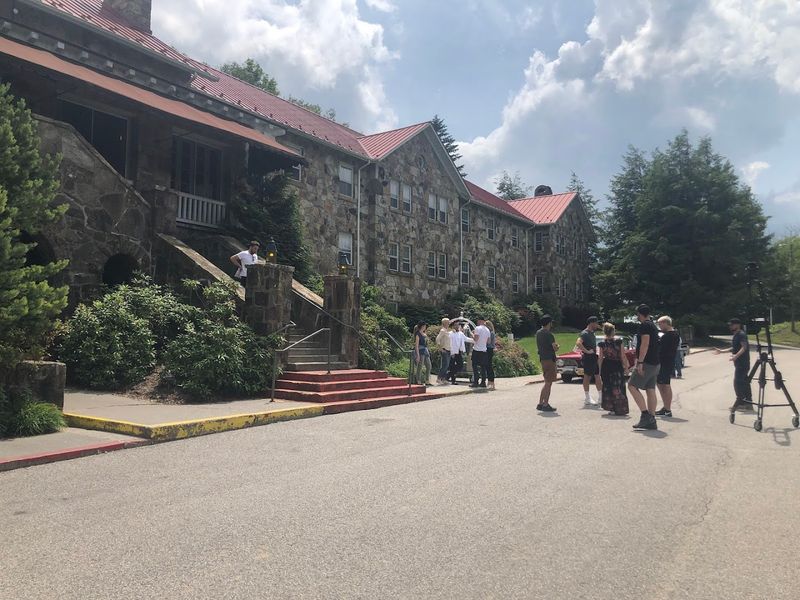
Long before the lake started making headlines for disappearing, it was already famous for a very different reason. Parts of the classic 1987 film “Dirty Dancing” were filmed right here, at what is now known as Mountain Lake Lodge.
Fans of the movie have been making pilgrimages to this Virginia spot ever since.
The lodge provided the backdrop for many iconic scenes, and the surrounding landscape gave the film its lush, summery resort feel. Walking the property today, you’ll find markers placed around the grounds pointing out exactly where specific scenes were shot.
It’s a genuinely fun treasure hunt for film lovers.
The gift shop even sells shirts printed with the line “I carried a watermelon,” one of the film’s most quoted moments. That detail alone tells you how seriously the lodge leans into its cinematic legacy, and honestly, why wouldn’t it?
Movie magic and mountain reality don’t always match up perfectly, and some visitors note the location looks different from what appeared on screen. Still, the charm of standing where a beloved film was made is hard to shake.
Virginia has plenty of history, but not much Hollywood glamour quite like this.
The Science Behind a Lake That Keeps Draining Itself
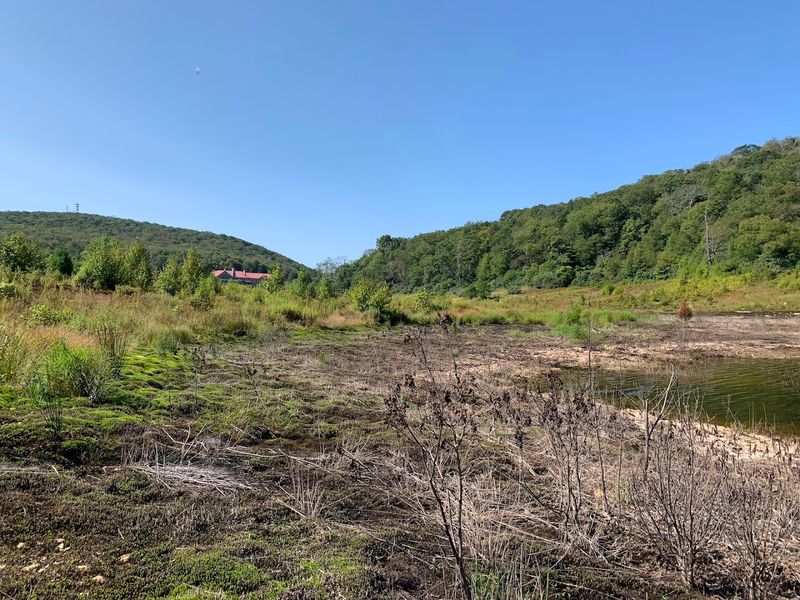
Here’s where things get genuinely puzzling. Mountain Lake has been draining and partially refilling for centuries, long before humans started debating the cause.
Historical records, going back to early European settlers and even Indigenous accounts, describe the lake fluctuating dramatically in size and depth over time.
The leading scientific explanation involves the porous, fractured bedrock beneath the lake. Water seeps through cracks and fissures in the underlying rock, gradually escaping the basin.
When enough sediment or debris naturally plugs those cracks, the lake refills. When the plugs loosen, it drains again.
Recent decades have seen a particularly dramatic drop. By the mid-2000s, the lake had shrunk to a fraction of its former size, exposing old docks, boat ramps, and the muddy lake bed that once sat under many feet of water.
Visitors described walking across what used to be the lake floor.
Researchers from Virginia Tech and other institutions have monitored the situation closely, collecting data on water flow, sediment movement, and geological shifts. Their findings suggest the draining is natural, but that doesn’t make it any less unsettling to watch a living ecosystem slowly go dry right before your eyes.
The Controversy: Natural Process or Human Interference?
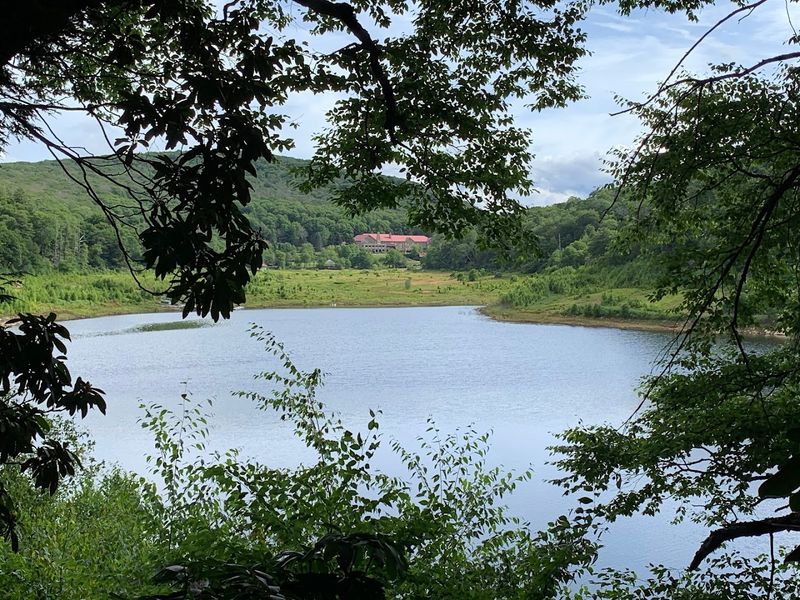
Not everyone accepts the “it’s just nature” explanation, and that’s where the real fireworks start. A significant portion of locals, environmentalists, and even some researchers believe human activity has accelerated or worsened the lake’s decline.
The debate has grown louder as the water level keeps dropping.
Critics point to road construction, nearby development, and changes in land use around the watershed as potential contributing factors. Altering drainage patterns, even subtly, can have outsized effects on a sensitive high-altitude ecosystem like this one.
Small disruptions compound over time.
Others argue that historical records clearly show the lake has always cycled through wet and dry phases, making human blame unfair and scientifically unsupported. They insist patience is the answer, trusting that natural processes will eventually restore the lake as they have before.
The tension between these two camps reflects a broader national conversation about how to manage and interpret environmental change. Virginia’s conservation community has been particularly vocal, pushing for more comprehensive studies and protective measures.
Whether human hands have truly tipped the balance remains genuinely unresolved, and that uncertainty is precisely what makes this story so compelling and so contentious.
Hiking to Bald Knob: The View That Makes the Climb Worth Every Step
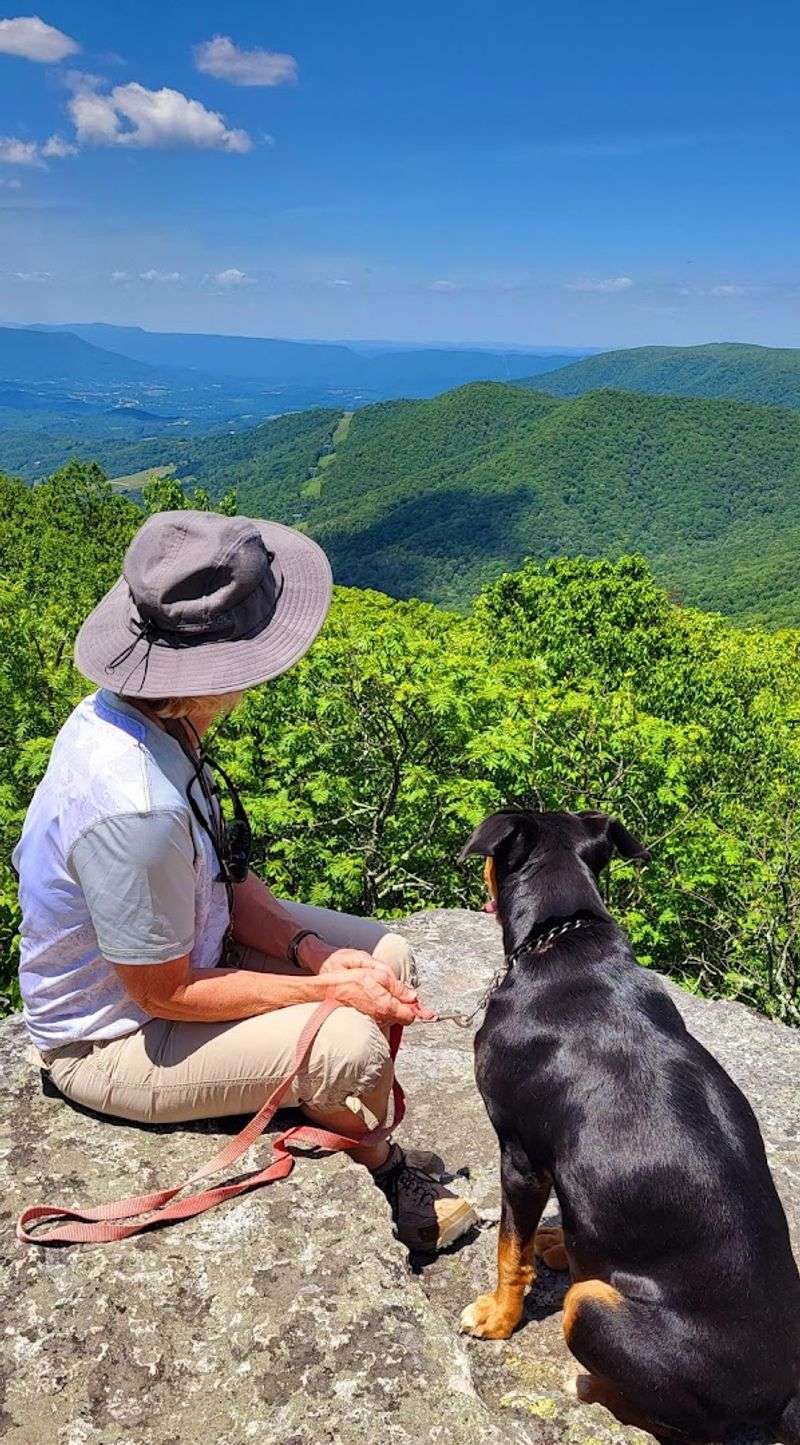
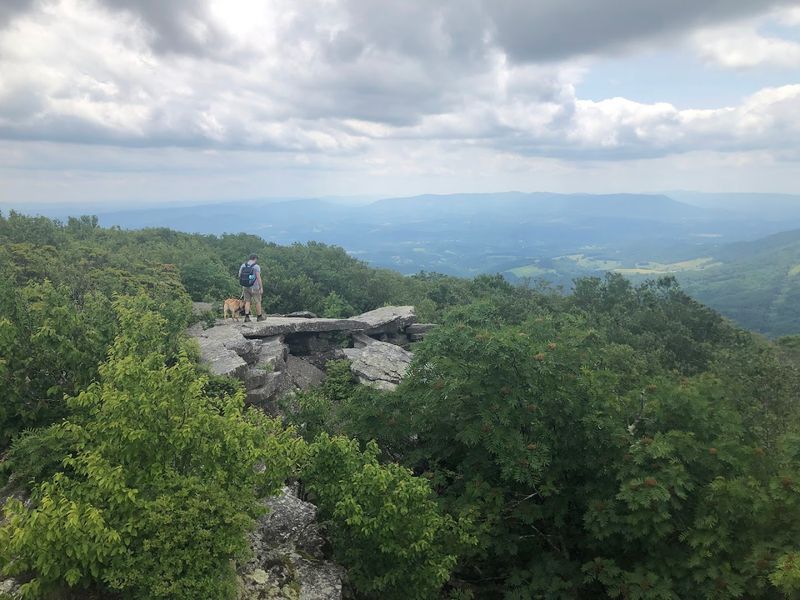
Even if the lake itself is looking more like a muddy meadow these days, the hiking around this area is absolutely spectacular. The trail up to Bald Knob is the crowd favorite, and for good reason.
It’s steep, yes, but mercifully short, topping out at less than half a mile of climbing.
Reaching the summit rewards hikers with a jaw-dropping panoramic view of the surrounding Appalachian ridges. On clear days, the visibility stretches for miles in every direction, with rolling forested mountains stacked against the horizon like a painting someone forgot to frame.
Fall foliage turns the whole scene into something almost unreasonably beautiful.
Winter visits have their own magic too. Snow-dusted peaks and bare trees create a stark, dramatic landscape that feels completely different from the lush summer version.
Plenty of visitors have made the climb in cold weather and reported the experience as even more memorable than expected.
The trail is accessible from the lodge property, making it easy to combine a hike with a meal or an overnight stay. Virginia has no shortage of great hiking destinations, but the combination of accessibility, views, and historical context makes Bald Knob genuinely hard to top.
Mountain Lake Lodge: A Rustic Retreat With Real Character
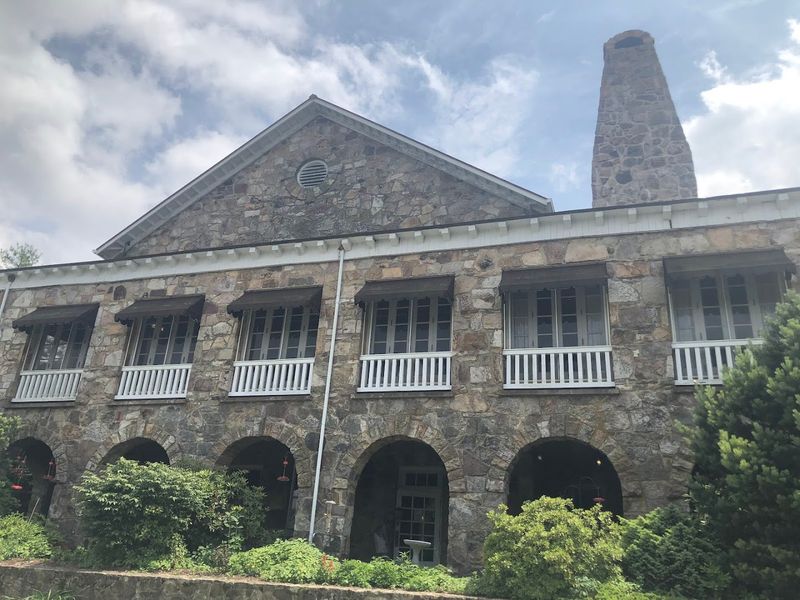
The lodge sitting on the banks of this famous lake isn’t just a place to sleep. It’s a destination with its own personality, history, and atmosphere that guests consistently describe as genuinely special.
Built from native stone, the main lodge building looks like it grew straight out of the mountainside.
Inside, the vibe is warm, rustic, and refreshingly unpretentious. Guests have praised the friendly, attentive staff repeatedly, noting a level of hospitality that feels personal rather than corporate.
That kind of service is harder to find than people expect, and it makes a real difference in how a stay feels.
The property offers multiple lodging options, from rooms in the main lodge to cabins scattered across the wooded grounds. Each option comes with access to outdoor recreation, including trails, a pool, and event venues that have hosted everything from weddings to reunions.
Couples celebrating anniversaries have called it one of the most romantic spots in Virginia.
Civil War history adds another layer of intrigue. Bullets from that era have reportedly been found on the property, reminding visitors that these mountains witnessed more than just Hollywood filming.
Mountain Lake Lodge carries its history lightly but wears it proudly.
The Lake Bed Walk: Exploring What the Water Left Behind
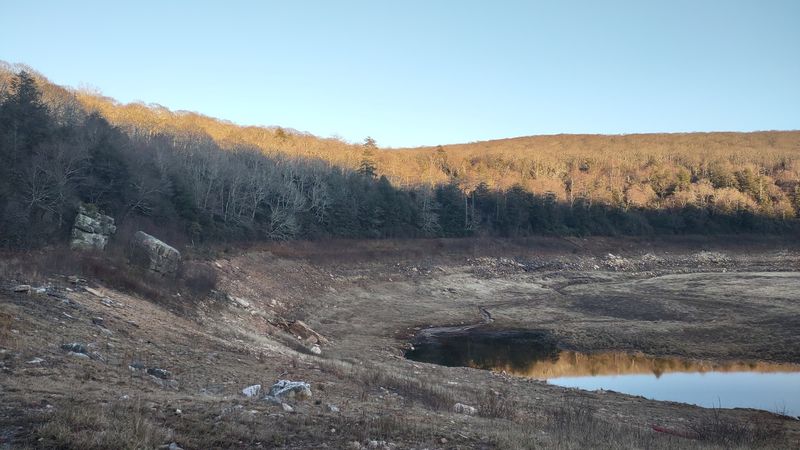
Walking across the bottom of a lake sounds like something out of a dream, or maybe a disaster movie. At Mountain Lake, it’s become a surprisingly popular activity, drawing curious visitors who want to experience something genuinely unusual.
The exposed lake bed is eerie, fascinating, and oddly beautiful all at once.
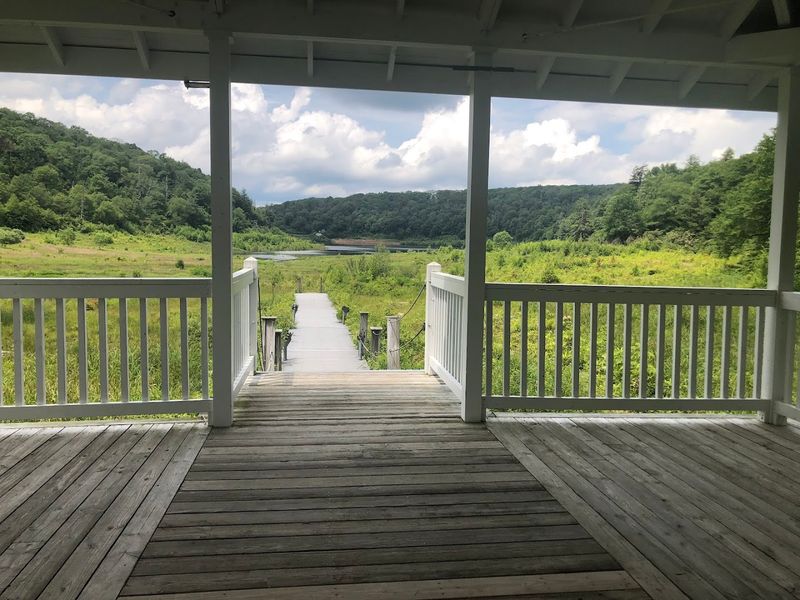
Old boat docks stand stranded on dry ground, their wooden planks weathered and slightly tilted, pointing toward water that no longer reaches them. Boats have been found resting on the exposed sediment, left behind as the water retreated faster than anyone anticipated.
The whole scene carries a quiet, surreal energy.
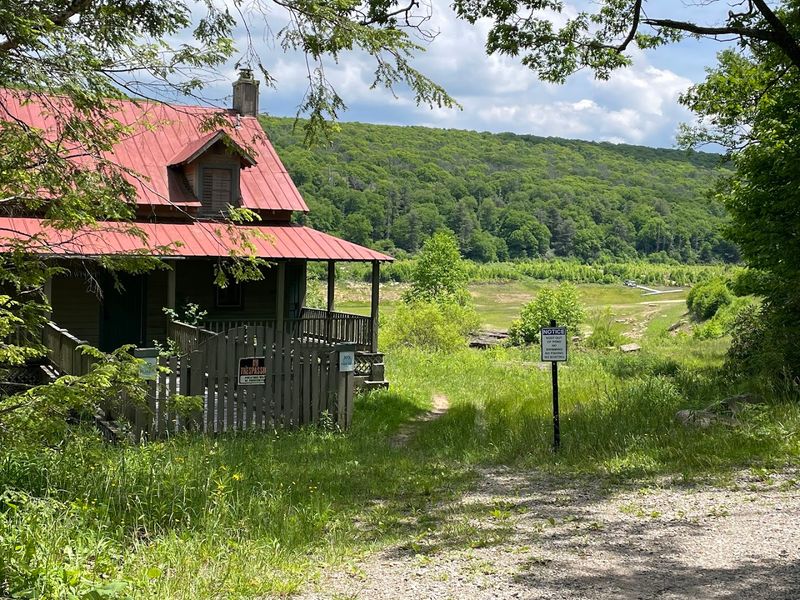
Informational markers placed around the property help visitors understand what they’re seeing. These signs explain the lake’s natural history, its geological quirks, and the ongoing mystery of its fluctuating water levels.
They turn a simple walk into an impromptu science lesson.
Kids especially seem to love the strangeness of it all. Parents report children asking endless questions about where the water went and when it might come back, which is honestly the right reaction.
Virginia rarely offers this kind of hands-on environmental curiosity, and the lake bed walk delivers it in a way that no museum exhibit really can.
Fall Foliage and Seasonal Magic at High Altitude
Timing a visit to this part of Virginia requires exactly zero scientific expertise, but choosing fall will make you feel like a genius. The high elevation means the foliage turns earlier and more dramatically than in the lowlands, creating a color show that starts well before the valley below even hints at changing.
Reds, oranges, and yellows layer across the mountain slopes in waves, transforming the entire landscape into something that photographers and painters have been chasing for generations. The combination of elevation, forest density, and the open sky above the lake basin creates a visual experience that’s genuinely hard to describe without reaching for superlatives.
Anniversary couples and honeymooners have repeatedly cited fall as their preferred season for visiting, and the reviews back that up enthusiastically. One couple celebrated their fortieth anniversary here during early October and immediately started planning a return trip.
That kind of loyalty says everything.
Spring brings its own rewards, with wildflowers blooming along the trails and cool temperatures perfect for hiking. Summer keeps the lodge busy with families taking advantage of the pool and outdoor activities.
Every season at Mountain Lake has a distinct personality, which is a genuinely rare quality in a single destination.
Conservation Efforts and the Fight to Save the Lake
Watching a beloved natural landmark shrink isn’t something Virginia’s environmental community has taken sitting down. Conservation groups, researchers, and concerned citizens have been pushing for action for years, demanding better monitoring, protective policies, and serious investment in understanding what’s happening to the lake.
Virginia Tech researchers have been among the most active voices, conducting ongoing studies of the lake’s hydrology and sediment dynamics. Their work has produced valuable data, though it has also confirmed how complex the situation truly is.
Simple solutions don’t exist when geology is the main driver.
Some proposals have focused on artificially plugging the cracks and fissures in the lake bed, essentially helping nature along by speeding up the natural sealing process. Others have argued against intervention, insisting that human tampering could make things worse.
The debate among scientists is almost as heated as the one among locals.
Community investment in the lake’s future remains strong. Visitors contribute to awareness simply by showing up, asking questions, and spreading the story.
Tourism dollars support the lodge and surrounding businesses, which in turn fund conservation conversations. Mountain Lake may be shrinking, but the attention it’s attracting has never been larger, and that attention carries real power.
Planning Your Visit: What to Know Before You Go to Giles County
Getting to Mountain Lake requires a scenic drive through some of the most gorgeous mountain terrain Virginia has to offer. The roads leading up to Giles County wind through forested ridges and small communities, giving visitors a taste of Appalachian culture before they even arrive at the lodge.
The address for Mountain Lake is Virginia 24128, placing it squarely in Giles County near the border with West Virginia. GPS works reasonably well in the area, though cell service can be spotty on the upper mountain roads.
Download your maps before heading up.
The lodge offers dining, lodging, event spaces, and a gift shop stocked with memorabilia that leans heavily into the “Dirty Dancing” legacy. Even day visitors can enjoy the trails, explore the lake bed, and grab a meal without booking an overnight stay.
Staff members are generally described as welcoming and knowledgeable about the property’s history.
Visiting during shoulder seasons, specifically late spring or early fall, tends to offer the best combination of comfortable temperatures, lower crowds, and dramatic scenery. Mountain Lake rewards those who plan thoughtfully, arrive curious, and leave with a genuine appreciation for one of Virginia’s most complicated, controversial, and captivating natural wonders.
Pack your sense of wonder. You’ll need it.
Dear Reader: This page may contain affiliate links which may earn a commission if you click through and make a purchase. Our independent journalism is not influenced by any advertiser or commercial initiative unless it is clearly marked as sponsored content. As travel products change, please be sure to reconfirm all details and stay up to date with current events to ensure a safe and successful trip.
