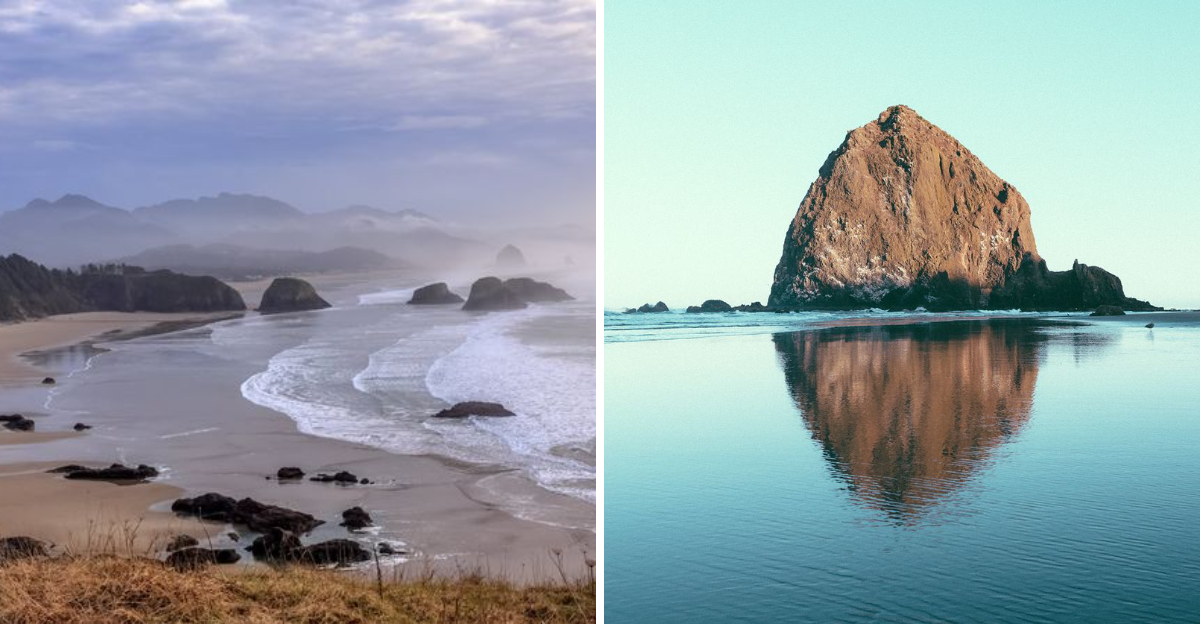
Cannon Beach is a stunning coastal town on the Oregon coast that attracts thousands of visitors every year who come to see its famous Haystack Rock and beautiful sandy shores.
While tourism brings economic benefits and helps local businesses thrive, it also creates challenges that affect the people who live there year-round.
The balance between welcoming guests and preserving the community’s character is something residents and city leaders constantly work to maintain.
Understanding how visitor growth shapes this small town helps us appreciate both the opportunities and the responsibilities that come with being a popular destination.
From crowded streets during summer months to rising housing costs and environmental concerns, the impact of tourism touches nearly every aspect of life in Cannon Beach.
Local shops, restaurants, and art galleries depend on tourist dollars, yet the infrastructure and natural resources face increasing pressure from heavy use.
This article explores seven important ways that visitor growth influences the community and environment of this beloved Oregon coastal town.
Economic Boost for Local Businesses and Job Creation

Tourism dollars flow into Cannon Beach throughout the year, but especially during summer when visitors pack the streets and beaches.
Local restaurants like The Irish Table at 1235 South Hemlock Street serve hungry tourists fresh seafood and comfort food, while gift shops and art galleries along Hemlock Street depend almost entirely on seasonal visitors.
When people come from Portland, Seattle, and beyond, they spend money on lodging, meals, souvenirs, and activities that keep the local economy alive.
Small business owners hire seasonal workers to handle the summer rush, creating jobs for college students and people looking for temporary employment.
These positions range from serving tables and scooping ice cream to working in hotels and guiding beach tours.
Without the steady stream of tourists, many of these businesses would struggle to stay open, and employment opportunities would shrink dramatically for both residents and seasonal workers.
However, the economic benefits come with a catch.
Many jobs are part-time or seasonal, which means workers face uncertainty when tourist season ends and visitor numbers drop.
Business owners also deal with the challenge of staffing adequately during peak times while managing slower winter months when income decreases.
Despite these challenges, tourism remains the lifeblood of Cannon Beach’s economy, supporting families and funding community services through tax revenue.
The money generated from lodging taxes helps pay for public facilities, beach maintenance, and emergency services that benefit both visitors and residents.
Restaurants, hotels, and shops contribute sales tax that supports schools and infrastructure improvements.
This economic cycle shows how deeply connected the community’s wellbeing is to visitor spending, making tourism management a critical priority for city planners and business leaders alike.
Housing Affordability Crisis and Workforce Challenges
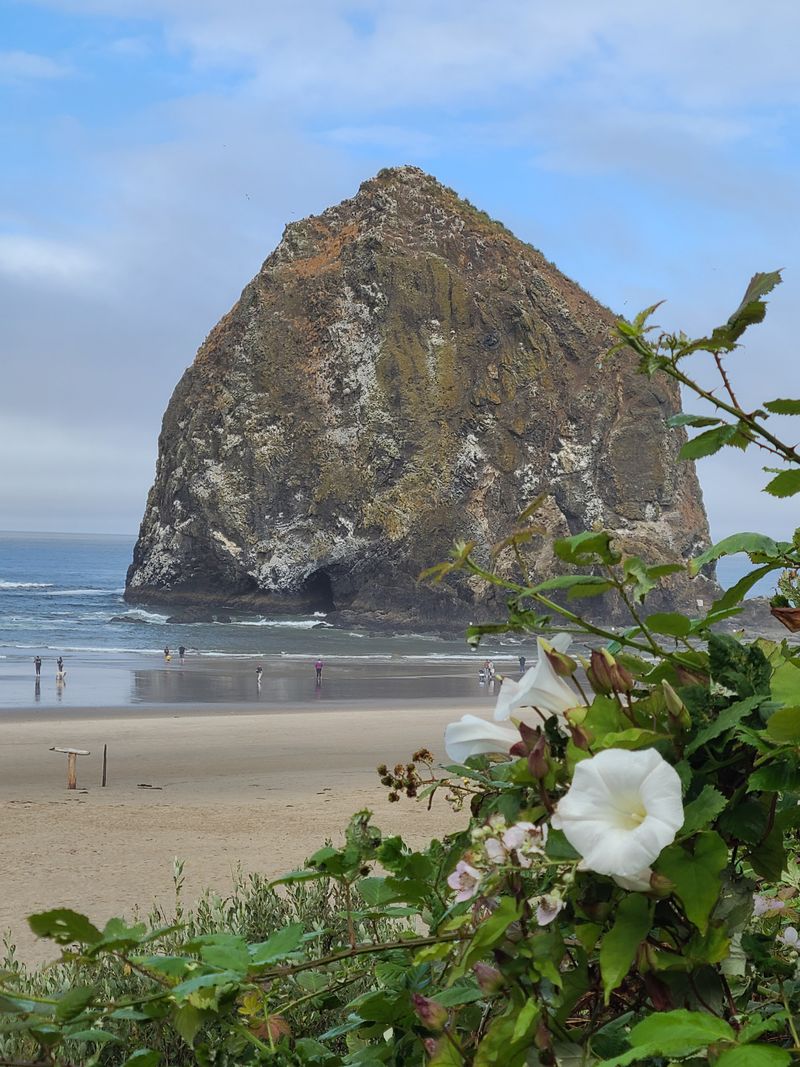
Finding affordable housing in Cannon Beach has become nearly impossible for many workers and long-time residents as property values skyrocket.
Vacation rentals and second homes now occupy a large percentage of available properties, leaving fewer options for people who actually work in the community.
When wealthy visitors buy homes to use only a few weeks each year, local teachers, restaurant workers, and shop employees get priced out of the market entirely.
The average home price in Cannon Beach has climbed so high that most service industry workers cannot afford to live within city limits.
Many employees commute from neighboring towns like Seaside or even Astoria, adding travel time and expenses to their already modest wages.
This situation creates a workforce shortage during peak season when businesses desperately need reliable staff but cannot find people willing or able to make the long commute daily.
Landlords often prefer short-term vacation rentals because they generate more income than traditional year-round leases.
Platforms like Airbnb and VRBO make it easy for property owners to rent to tourists, which further reduces the housing stock available for residents.
The city has tried to implement regulations on vacation rentals, but enforcement remains difficult and the housing crisis continues to worsen each year.
Young families and retirees on fixed incomes face especially tough choices when rent increases or properties sell.
Some longtime residents have been forced to leave the community they love simply because they can no longer afford to stay.
This loss of local population changes the character of Cannon Beach from a year-round community into more of a seasonal resort town, which concerns many people who value the town’s authentic coastal culture and tight-knit neighborhood feeling.
Traffic Congestion and Parking Problems During Peak Season
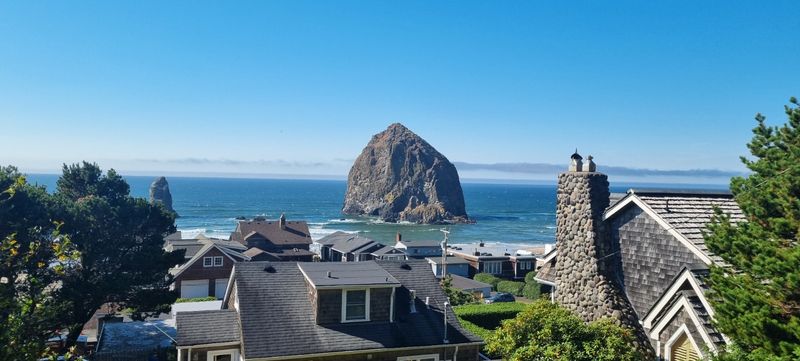
Summer weekends transform Cannon Beach’s quiet streets into frustrating parking lots as thousands of vehicles pour into the small town.
Hemlock Street, the main road through town, becomes bumper-to-bumper with cars circling endlessly looking for parking spots that simply do not exist.
Visitors often park illegally in residential areas, blocking driveways and taking spaces that residents need for their own vehicles and daily activities.
The city has limited parking infrastructure because Cannon Beach was designed as a small village, not a major tourist destination.
Public parking lots fill up by mid-morning on sunny days, forcing visitors to park far from the beach and walk considerable distances.
This situation creates tension between tourists who feel frustrated and residents who cannot easily access their own neighborhoods or run simple errands without dealing with traffic chaos.
Emergency vehicles sometimes struggle to navigate crowded streets during peak times, raising safety concerns for everyone.
Fire trucks and ambulances need clear roads to respond quickly to emergencies, but traffic jams can delay their arrival by precious minutes.
City officials have discussed solutions like shuttle services, expanded parking areas, or even limiting vehicle access during certain hours, but implementing these ideas requires funding and community support that has been difficult to secure.
Local residents often avoid downtown completely during summer weekends, choosing to stay home rather than deal with the crowds and traffic.
This changes the community dynamic and makes residents feel like strangers in their own town.
The parking and traffic issues also affect local businesses in unexpected ways, as some potential customers give up and leave rather than deal with the hassle of finding a spot, which means lost revenue despite high visitor numbers overall.
Environmental Strain on Beaches and Natural Resources
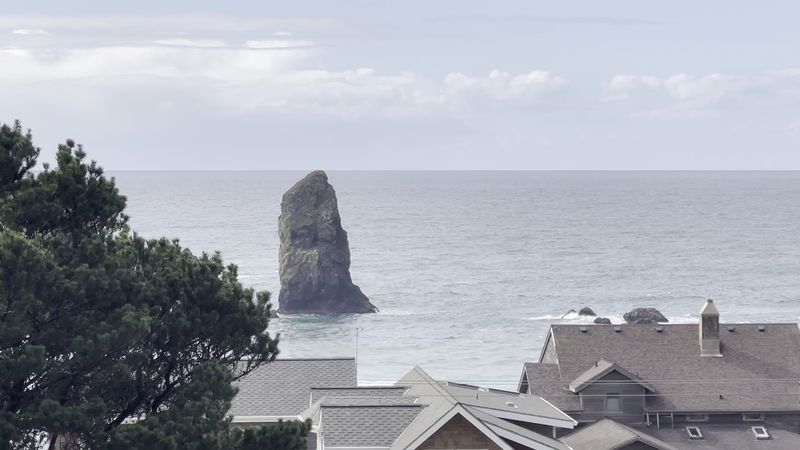
Haystack Rock and the surrounding tide pools attract nature lovers from around the world, but heavy foot traffic damages delicate marine ecosystems.
Tourists often touch or disturb sea stars, anemones, and other creatures despite signs asking them not to, which stresses these animals and disrupts their natural behaviors.
The sheer number of people walking through tide pools during low tide compacts sand, crushes organisms, and alters the habitat in ways that scientists worry about long-term.
Trash left on the beach creates another serious environmental problem.
While many visitors respect the natural beauty and pack out their garbage, others leave behind plastic bottles, food wrappers, and even camping equipment.
Volunteer beach cleanup groups work regularly to remove litter, but they cannot keep up with the constant flow of debris during busy summer months when thousands of people visit daily.
Erosion becomes worse when large crowds walk over sand dunes and fragile vegetation that helps stabilize the coastline.
Dunes provide important habitat for birds and other wildlife while also protecting inland areas from storm surges and high tides.
When people create informal trails or shortcut across dunes instead of using designated paths, they destroy plants that took years to establish and make erosion worse with each visit.
Water usage and sewage treatment also face pressure from visitor growth.
The town’s infrastructure was built for a small permanent population, not for the thousands of additional people who use facilities during peak season.
Public restrooms, water supplies, and waste treatment systems all get stressed beyond their designed capacity, which raises concerns about environmental contamination and the need for expensive infrastructure upgrades funded by local taxpayers.
Changes in Community Character and Local Culture
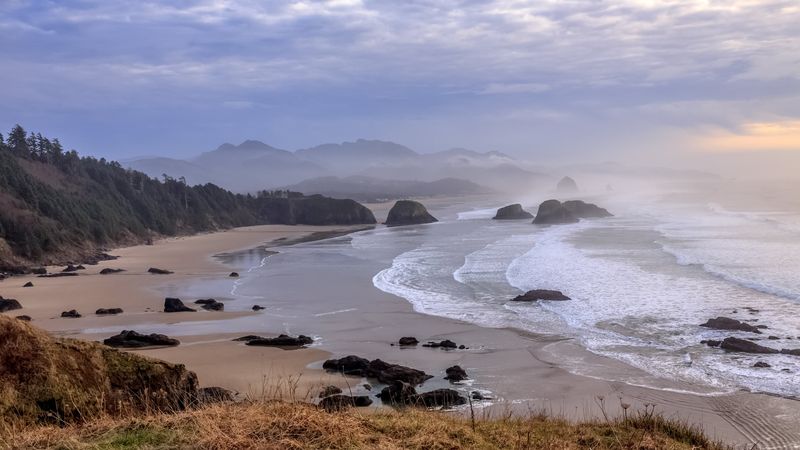
Longtime residents remember when Cannon Beach felt like a genuine small town where everyone knew their neighbors and local traditions mattered.
Today, the influx of tourists and wealthy part-time residents has shifted the community’s identity toward serving visitors rather than maintaining authentic local culture.
Art galleries that once showcased local artists now carry mass-produced souvenirs, and restaurants cater to tourist tastes instead of serving as neighborhood gathering spots for residents.
Community events like the Sandcastle Contest still happen, but they now attract huge crowds that change the intimate feeling these traditions once had.
What used to be a fun activity for local families has become a major tourist spectacle with thousands of spectators.
While bringing economic benefits, this transformation makes some residents feel like their town has become a theme park rather than a real community where people live, work, and raise families year-round.
The loss of year-round residents means fewer volunteers for community organizations, school enrollment declines, and local institutions struggle to maintain their presence.
When teachers, firefighters, and shop workers cannot afford to live in town, the social fabric weakens.
Churches, clubs, and civic groups find it harder to maintain membership and organize activities when so many people are just passing through or only present during vacation season.
Some residents embrace the changes and appreciate the diversity and energy that visitors bring to their town.
They enjoy meeting people from different places and believe tourism helps preserve Cannon Beach by funding conservation efforts and maintaining public spaces.
Others mourn the loss of the quiet coastal village they remember and worry that unchecked growth will completely erase the authentic character that made Cannon Beach special in the first place, leaving behind just another generic tourist destination.
Increased Demand on Public Services and Infrastructure

Emergency services in Cannon Beach face unique challenges when the population swells from about 1,600 residents to over 10,000 people on busy summer days.
The volunteer fire department and small police force must handle accidents, medical emergencies, and public safety issues for far more people than they were originally staffed to serve.
Response times can increase during peak periods when roads are congested and multiple incidents happen simultaneously, putting both visitors and residents at greater risk.
Public restrooms, water fountains, and beach access points get heavily used during tourist season, requiring constant maintenance and cleaning.
The city must hire additional staff and spend more on supplies just to keep facilities functional and sanitary for the crowds.
These expenses come from city budgets funded largely by property taxes paid by residents, creating a situation where locals bear the financial burden of maintaining infrastructure that primarily serves tourists.
Roads, sidewalks, and drainage systems deteriorate faster with increased traffic and use.
Repair and replacement costs mount as heavy vehicle traffic wears down streets designed for light residential use.
The city faces difficult decisions about whether to invest in expanding infrastructure to handle peak loads or to focus on serving the year-round population’s needs with limited budgets and resources.
Beach management requires ranger patrols, educational programs, and enforcement of rules protecting wildlife and natural features.
Without adequate staffing, visitors may unknowingly damage sensitive areas or disturb protected species like nesting snowy plovers.
The Oregon Parks and Recreation Department works to manage Ecola State Park just north of town, but coordination between state, city, and volunteer groups becomes complicated when trying to balance access with conservation goals during high-visitation periods throughout the year.
Opportunities for Sustainable Tourism and Community Planning
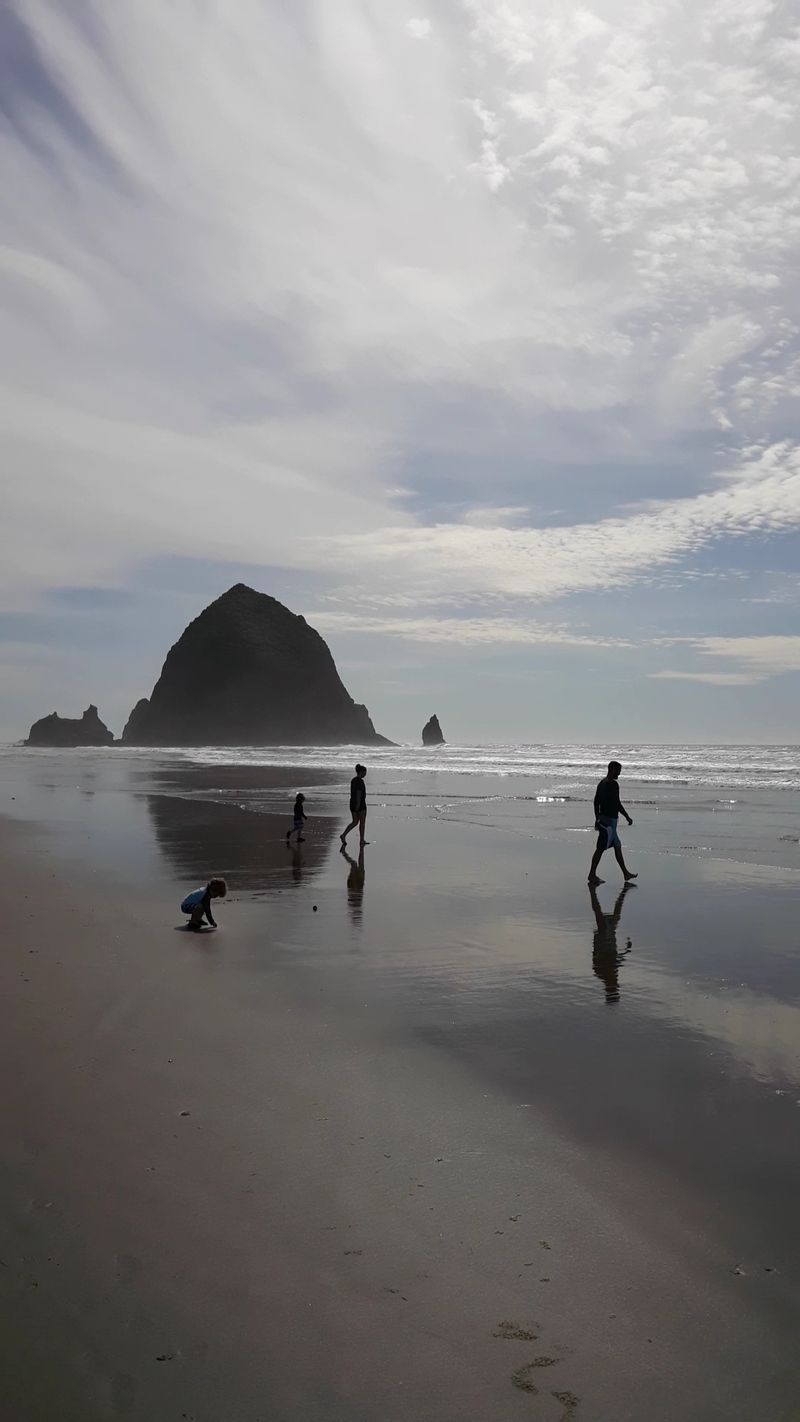
Forward-thinking leaders in Cannon Beach recognize that managing tourism growth smartly can benefit both visitors and residents.
Sustainable tourism initiatives focus on educating guests about Leave No Trace principles, protecting wildlife, and respecting the community.
Programs like the Haystack Rock Awareness Program train volunteers to teach visitors about tide pool etiquette, which helps reduce environmental damage while enhancing the visitor experience through meaningful education.
Some businesses have embraced eco-friendly practices like reducing single-use plastics, sourcing local ingredients, and supporting conservation organizations.
Hotels and vacation rentals that implement green practices appeal to environmentally conscious travelers while reducing their impact on local resources.
These efforts show that tourism and environmental stewardship can work together when businesses commit to responsible practices and communicate these values to their customers.
City planners are exploring ways to spread visitors more evenly throughout the year rather than concentrating them in summer months.
Promoting shoulder season visits through special events, festivals, and marketing campaigns could reduce peak season strain while extending economic benefits across more months.
Winter storm watching has already become popular, bringing visitors during traditionally quiet months and helping businesses maintain steadier income throughout the year.
Community engagement in planning processes ensures that resident voices help shape tourism policies and development decisions.
Public meetings, surveys, and working groups allow locals to express concerns and propose solutions that balance economic needs with quality of life.
By involving residents in decision-making, Cannon Beach can develop tourism strategies that preserve the town’s character while providing the economic benefits that support schools, services, and infrastructure improvements everyone depends on for a healthy, vibrant community.
Dear Reader: This page may contain affiliate links which may earn a commission if you click through and make a purchase. Our independent journalism is not influenced by any advertiser or commercial initiative unless it is clearly marked as sponsored content. As travel products change, please be sure to reconfirm all details and stay up to date with current events to ensure a safe and successful trip.
