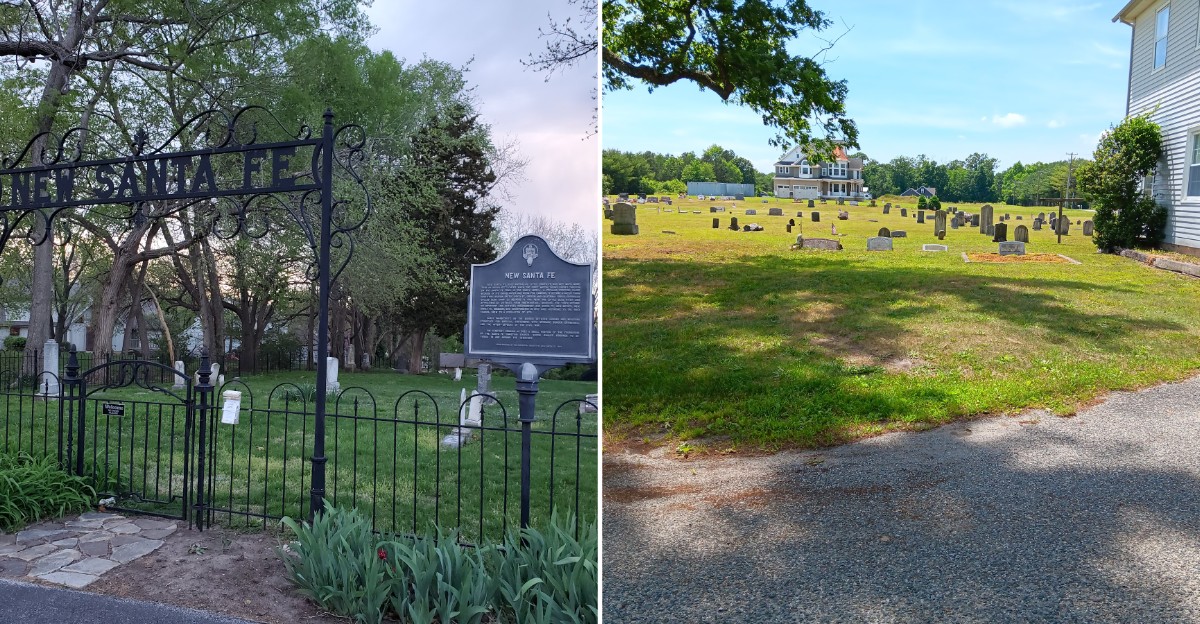
You can still see where wagon wheels once pressed into the ground here. This Missouri cemetery preserves old trail ruts tied to the Santa Fe, Oregon, and California routes, and they are surprisingly easy to miss if you do not know what you are looking for.
The site itself is quiet and simple, but those shallow grooves tell a much bigger story. Thousands of travelers once passed through this area heading west, long before highways took over.
Today, you can walk the grounds, look for the swales, and picture just how busy this stretch once was. There is no big visitor center or flashy setup.
That actually makes the history feel more direct. It is just the landscape, the old trail marks, and a reminder that major journeys once crossed right through this part of Missouri.
Where The Big Trails Came Together
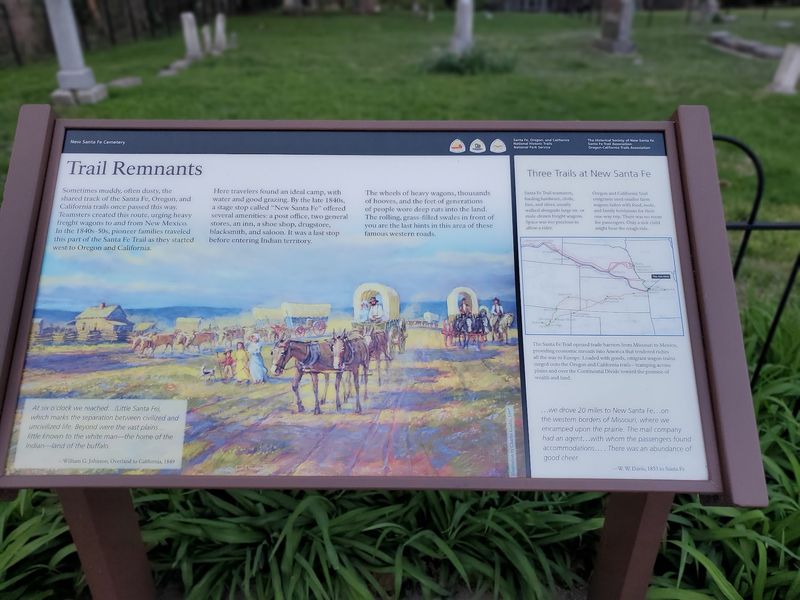
Here is the part that still gets me, because the Santa Fe Trail, the Oregon Trail, and the California Trail all shared the same stretch of ground right here on the southern edge of Kansas City. Most people think of those routes as separate stories you read about in different chapters of a history book.
Out here, though, they overlapped, and wagons bound for very different places rolled along the same path for a while.
The Santa Fe route headed southwest toward trading towns in what was then Mexico, while the Oregon and California routes eventually split off and pushed toward the Pacific. Before that split happened, everybody was squeezing through this same corridor in western Missouri.
So you had merchants hauling goods, families chasing farmland, and dreamers hoping for gold, all kicking up the same dust.
Think of it like a busy highway interchange, just with oxen and mules instead of cars and trucks. The ground here took a pounding from all that traffic, which is exactly why the marks are still visible when you visit now.
When you stand in the cemetery, you are standing on a spot where a whole bunch of big American journeys briefly lined up side by side.
Finding The Cemetery On State Line Road
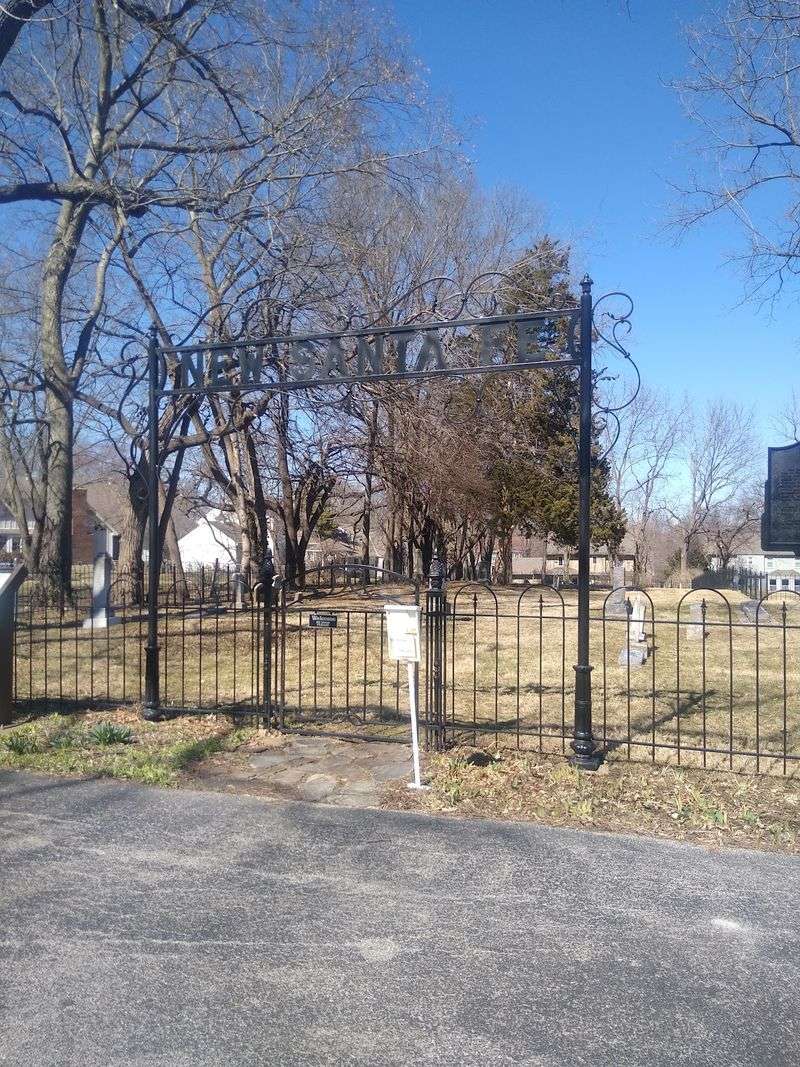
Getting there is easier than you might expect, since the New Santa Fe Cemetery sits at 12200 State Line Rd, Kansas City, MO 64145, right along the border where Missouri meets Kansas. You can literally look across the road and be staring into another state, which feels fitting for a place tied to people heading west.
The neighborhood around it is mostly quiet and residential, so it does not scream history until you pull in.
You can typically find a place to park near the entrance, and the grounds are small enough that you can walk the whole thing without feeling rushed. Wear shoes you do not mind getting a little damp, because the grass can hold morning dew and the ruts sit in lower spots.
A light jacket helps too, since the open ground catches the wind more than you would guess.
It is still an active, working cemetery, so keep that in mind when you plan your timing. If you see a family gathered at a grave, give them space and circle back later to the spot you wanted.
Daylight hours are your best bet, both for respect and because the shallow swales are much easier to spot when the sun hits them at an angle.
What The Ruts Actually Look Like
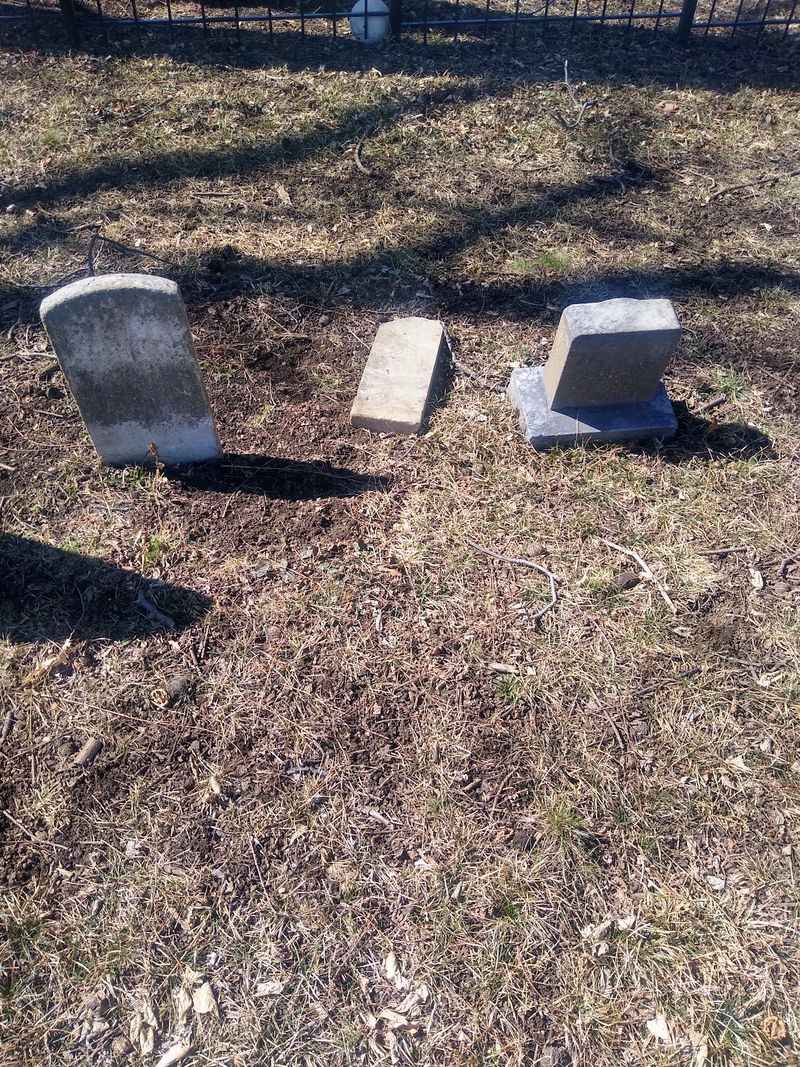
Don’t expect deep canyons carved into the dirt, because what you are looking for is softer and honestly more interesting than that. The ruts show up as broad, grassy dips, kind of like long shallow troughs that roll through the cemetery in a steady line.
Once your eyes figure out the pattern, you will start noticing them everywhere, and it is hard to unsee them after that.
These swales formed because wagon wheels, animal hooves, and a whole lot of walking feet kept pressing down on the same strip of soil over and over again. The ground got packed so tightly that it simply never bounced back, even after grass grew over the top.
Rain and time softened the edges, but the basic shape has stayed right where it was made.
A good trick is to crouch down low and look across the grass instead of straight down at it. The dips become way more obvious from that angle, especially in the early morning or late afternoon when shadows stretch out.
Try following a rut with your eyes from end to end, and imagine a canvas-covered wagon creaking along that exact line while the drivers kept a watchful eye on the horizon.
A Supply Stop Before The Long Haul
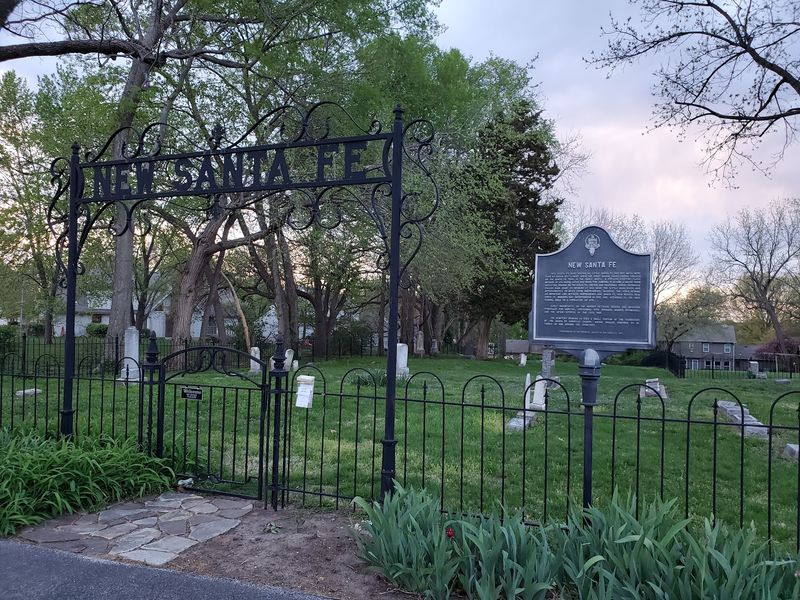
Picture yourself about to leave everything familiar behind, and you would want a place to grab those final supplies before the long haul began. That is what the settlement of New Santa Fe offered travelers passing through this corner of Missouri.
It sat right at the edge of the United States back then, so it was often the last real chance to stock up before heading into wide open country.
Folks would stop to fix wagon wheels, replace worn gear, buy food, and generally make sure they were ready for the rough stretches ahead. A blacksmith could patch up metal parts, and general stores kept the basics people needed for weeks on the trail.
Forgetting something here could mean going without it for a very long time, so shopping carefully mattered a lot.
I find it kind of sweet to think about all that nervous energy packed into such a small spot. You can imagine people double-checking flour sacks, tightening straps, and wondering what the road would throw at them.
When you walk the cemetery grounds now, it helps to remember that this quiet patch of land used to buzz with that same last-minute rush you feel packing for a big trip, just with far higher stakes and a lot more dust.
The Little Town That Faded Away
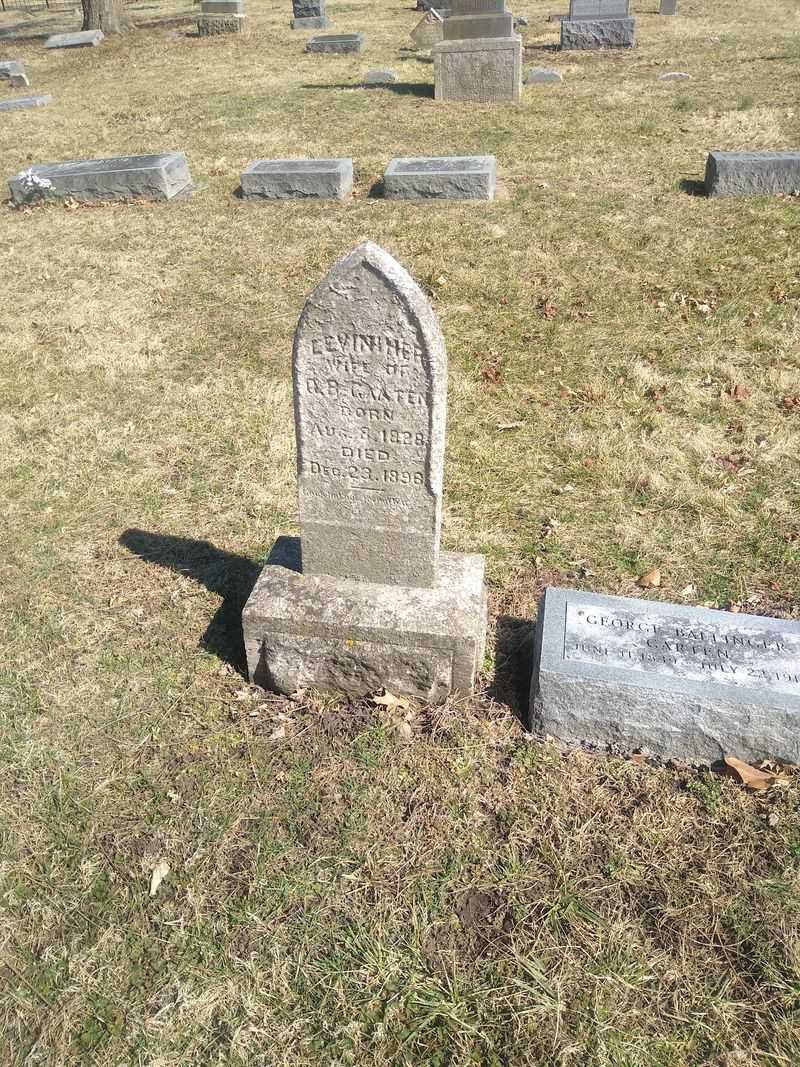
Have you ever heard of a whole town that sort of slipped away and got swallowed up by a bigger city nearby? New Santa Fe is a great example, and its story is worth knowing before you visit.
It started out as a small settlement and grew into a real village with its own post office, general stores, an inn, a shoe shop, a drugstore, and a blacksmith.
For a while, it was a lively little place where travelers and locals crossed paths every day. Merchants did steady business outfitting wagons, and the inn gave tired folks somewhere to rest before pushing on.
You can almost picture the dusty main street, busy with animals, carts, and people hauling supplies.
Over time, the trails quieted down, railroads changed how people traveled, and Kansas City kept spreading outward. Bit by bit, the old village faded, and modern neighborhoods eventually took over the land where it once stood.
These days, the cemetery is basically the main survivor of that community, holding onto both its people and its paths.
I think that makes a visit feel extra meaningful, because you are not just seeing ruts, you are seeing the last thread connecting us to a whole town. Take a moment near the older headstones and think about the families who lived here.
How The Graves Ended Up Guarding The Trail
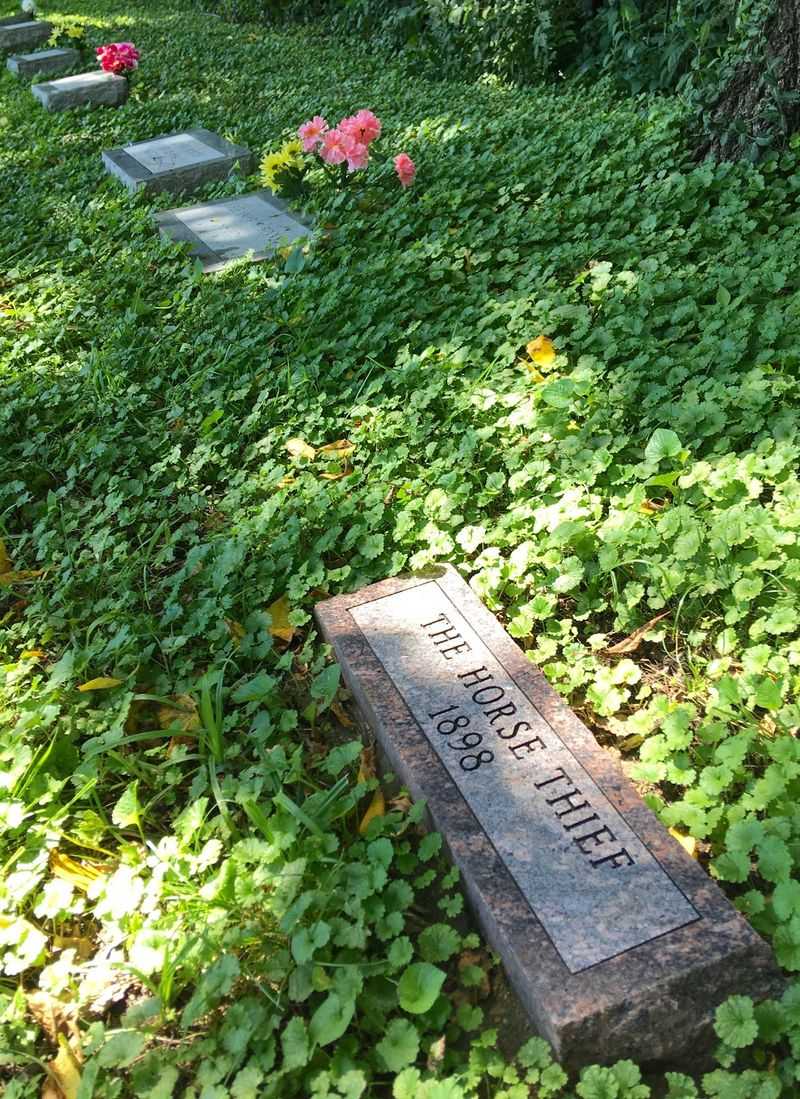
Funny enough, the folks resting here are the whole reason these trail marks managed to survive while the city grew up all around them. When the cemetery was laid out, the burial plots were arranged so the ruts stayed undisturbed instead of getting dug up or flattened.
That choice kept the swales safe while so much of the surrounding land got paved, plowed, or built over.
Think about how rare that kind of luck is in a big metro area, where land almost always ends up getting used for something new. Across Kansas City, most trail traces vanished under roads, homes, and shopping centers long ago.
Here, though, a cemetery offered something construction crews could not easily touch, which turned into a kind of accidental preservation plan.
I really love the gentle irony here, because it feels like something you would read in a novel rather than on a history plaque. People who once lived in New Santa Fe ended up watching over the very paths that brought travelers through their town.
It feels a little poetic, like the community decided to hold onto its story even after the village itself was gone.
When you walk around, notice how the graves sit in relation to the dips in the grass, since the layout itself tells the story.
Read The Marker Before You Wander
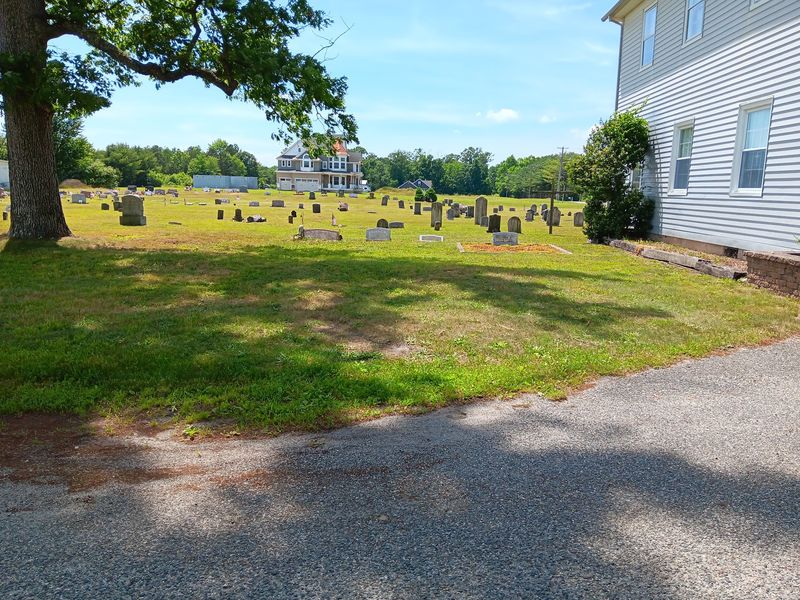
Before you go hunting for ruts, swing by the entrance and read the historical marker along with the informational exhibit set up there. They lay out the story of New Santa Fe and explain why the trail traces matter so much.
Honestly, a short bit of reading will make everything you see afterward click neatly into place.
The exhibit helps you get a feel for just how much movement flowed through this spot, from trade caravans to emigrant wagons. It gives context that you simply cannot get from staring at grass, no matter how curious you are.
Kids especially tend to get more into the visit once they know what they are looking for.
My suggestion is to snap a photo of the marker text with your phone so you can refer back to it while you wander. That way you can match what you read with the dips you spot on the ground.
It turns the whole walk into a bit of a scavenger hunt, which is a fun way to keep everyone engaged.
If you are into history road trips around Missouri, markers like this are worth collecting, and this marker sits in a surprisingly peaceful setting.
Tips For A Respectful Visit
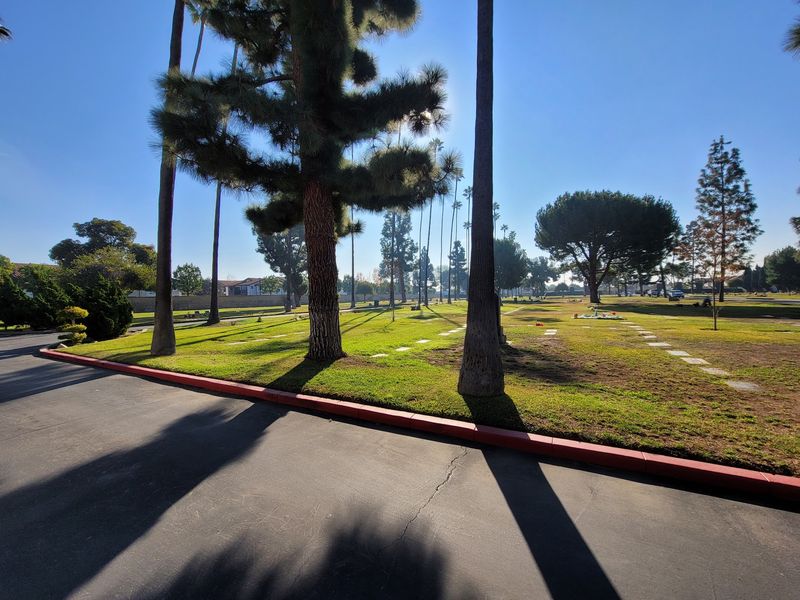
Let’s talk manners for a moment, because this place is a cemetery before it is anything else. People come here to visit loved ones, so a calm, respectful attitude goes a long way.
Keep your voice low, stay on the grass rather than walking over graves, and never lean on or climb headstones for a better photo.
Taking photos is usually fine here, as long as you stay thoughtful about where you point your camera. Avoid snapping pictures of other visitors, especially anyone who is grieving, and focus your lens on the ruts, the trees, and the overall landscape.
Wide shots taken from a low angle tend to show the swales best, so crouching down really pays off.
Leave everything the way you found it, which means no digging, no metal detecting, and no taking souvenirs from the ground. The ruts have lasted this long because people treated the land gently, and every visitor plays a part in keeping it that way.
Pack out any trash, and if you bring kids, give them a quick heads up about why quiet matters here.
Honestly, showing a little care makes the visit feel better for you too, since the peaceful mood is part of what makes this place so moving.
