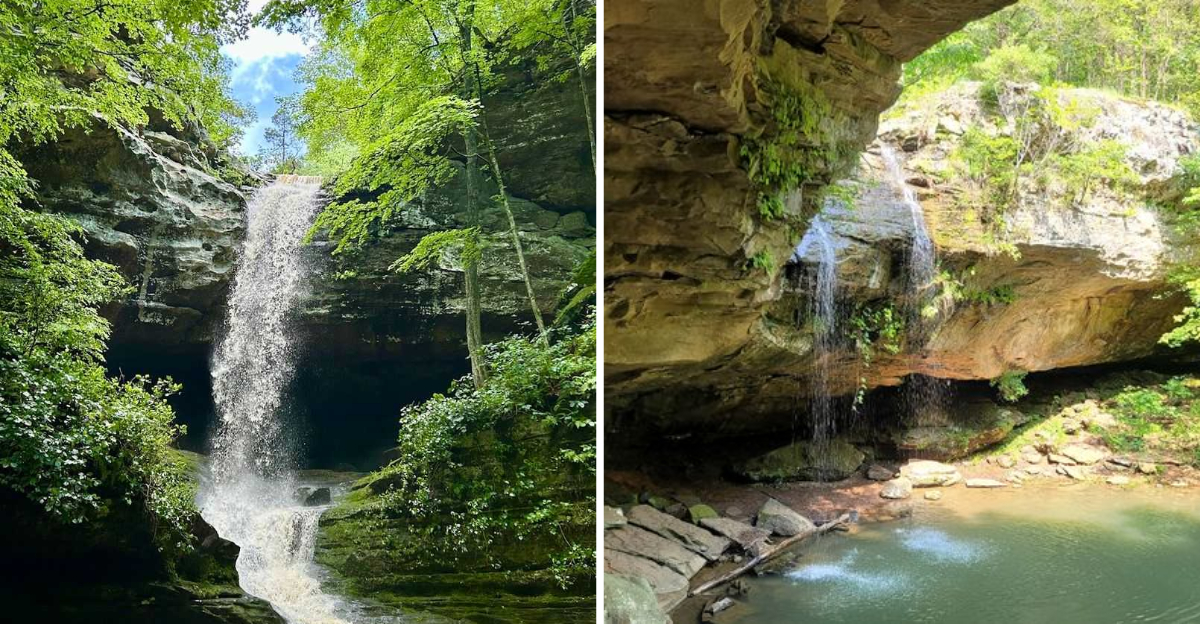
That moment at the edge of a canyon trail in southern Illinois, listening to water echo off sandstone walls before you even see it. This state park holds the kind of quiet magic that sneaks up on you before you have a chance to expect it. I remember rounding a bend on one of the trails and suddenly feeling the cool mist of a waterfall that seemed to appear out of nowhere, tucked inside a hollow carved by centuries of rain and stone.
The park spans thousands of acres of dramatic bluffs, dense forest, and rocky creek beds that feel more like a remote wilderness than a day trip from a Midwest highway. You can actually walk behind one of the waterfalls here, no passport required. This is one of those places that earns its reputation every single time you visit, no matter the season.
The Walk-Behind Waterfall at Hawk’s Cave Trail
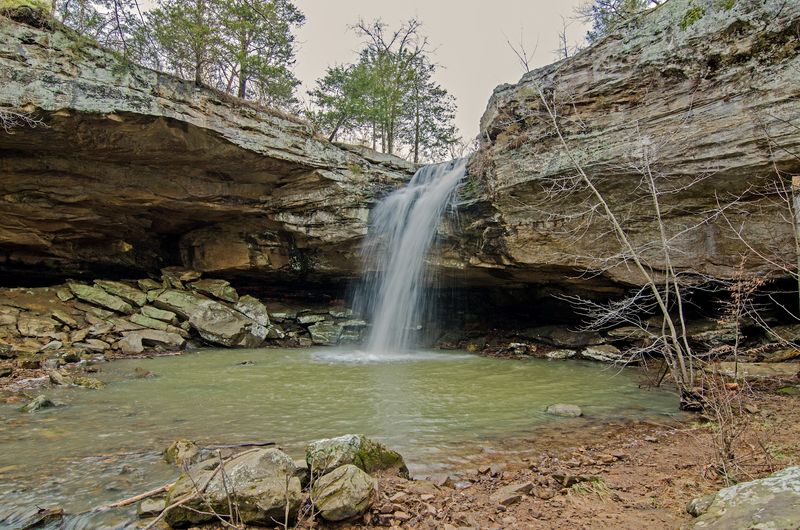
Most people do not realize Illinois even has a walk-behind waterfall until they are already standing inside the cave, watching the water pour down in front of them like a curtain made of glass. Hawk’s Cave Trail is the spot that delivers that experience, and it is genuinely one of the coolest things you can do in the entire state.
The trail itself is an easy 0.5-mile loop, which means even kids and casual walkers can handle it without breaking a sweat.
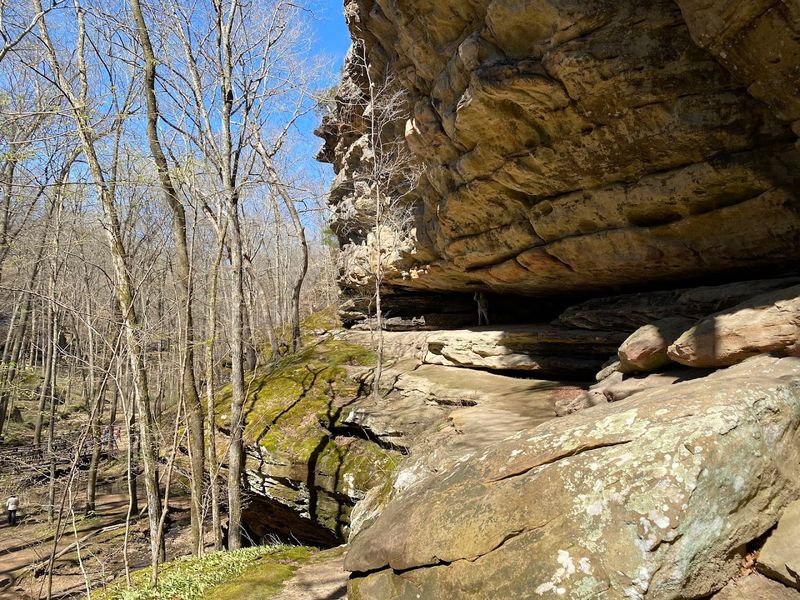
The cave at the end of this trail is one of Illinois’ largest shelter bluffs, a massive natural overhang that feels like nature built its own amphitheater. During wet conditions, water cascades right over the top of the cave opening, and you can step inside and watch the falls from behind.
The sound alone is worth the trip, a steady rush that fills the whole hollow with white noise and cool air.
Spring is the best time to catch the waterfall in full flow, especially after a good rain. Winter visits can be equally striking when ice formations build up along the rock face, turning the whole area into something that looks like a sculpture garden.
The trail is well-marked and easy to follow, so there is no stress about getting turned around. Pack a light jacket even in warmer months because the cave stays noticeably cooler than the surrounding trail.
This short loop punches well above its weight in terms of scenery and pure wow factor.
Ferne Clyffe Falls and the Big Rocky Hollow Trail
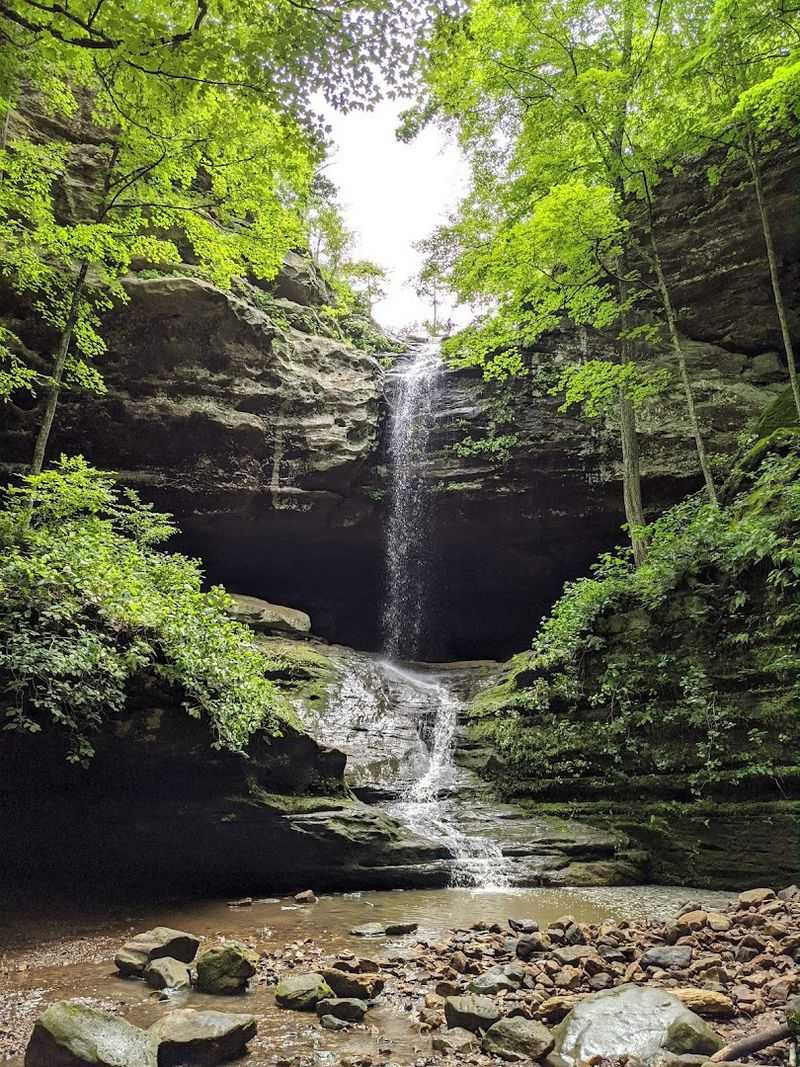
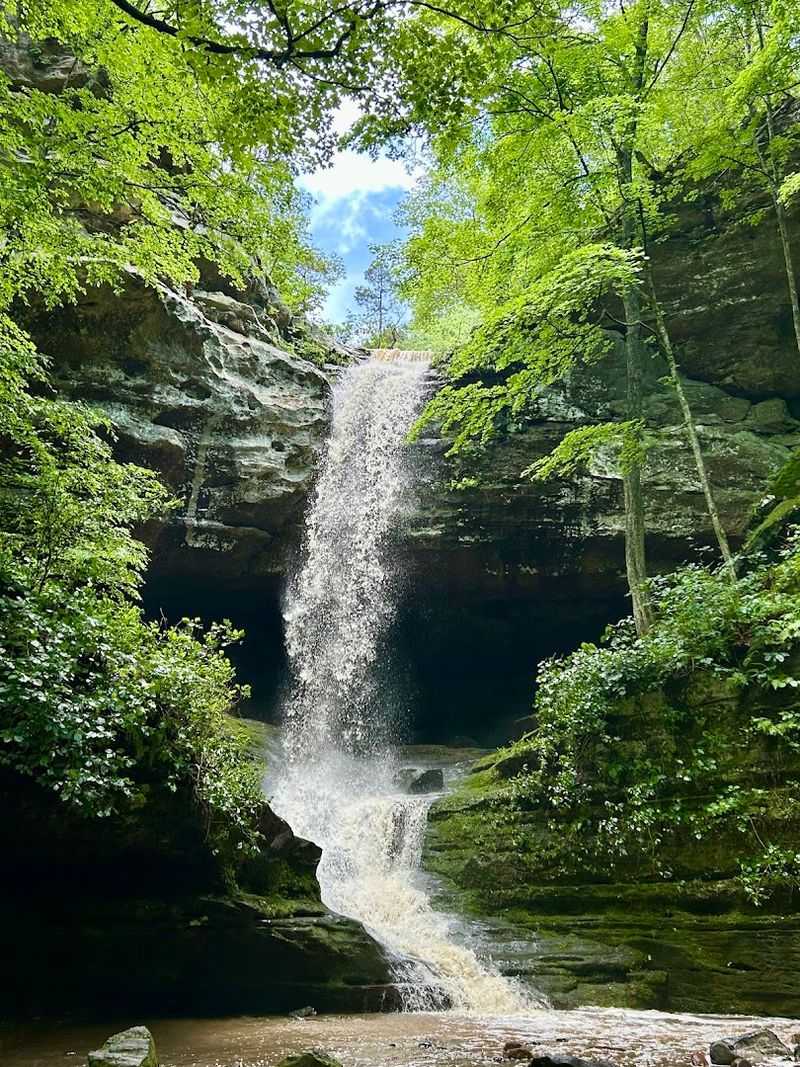
The crown jewel of the park is a 100-foot waterfall tucked at the end of Big Rocky Hollow Trail, and the path leading to it is honestly just as impressive as the falls themselves. Massive bluffs rise on both sides of the trail like natural walls, and tall trees fill in the sky above you, creating this tunnel effect that makes the whole walk feel cinematic.
I kept stopping just to look up, which is not something that happens on most hikes.
The trail is 0.75 miles and considered easy to moderate, making it accessible for most visitors. At the base of the falls, there is a large natural cave shelter carved into the sandstone, where you can stand and feel the cool air radiating off the rock.
When the water is flowing strong after heavy spring rains, the falls send a fine mist drifting across the hollow that you can feel on your face from a good distance away.
Because Ferne Clyffe Falls is intermittent, timing matters. Visiting after a period of significant rainfall, particularly in spring, gives you the best chance of seeing it at full volume.
Even when the flow is lighter, the rock formations and the sheer scale of the bluffs make the hike completely worthwhile. One visitor described feeling like they had stepped into a fantasy world, and honestly that tracks.
The scale of the geology here is hard to fully capture in a photo, which is a good reason to just go see it yourself.
Bork’s Waterfall, the One That Flows More Reliably
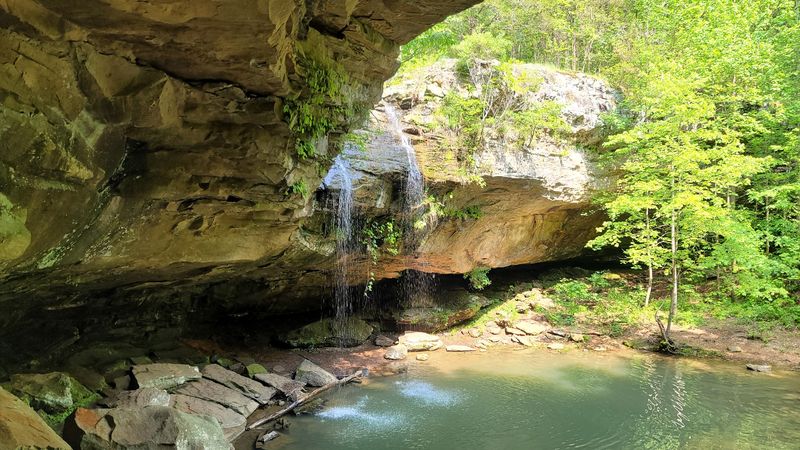
Not every waterfall at Ferne Clyffe plays hard to get. Bork’s Waterfall has a reputation for flowing more consistently than some of the other falls in the park, which makes it a reliable payoff even during drier stretches of the year.
For anyone who has ever hiked to a waterfall only to find a dry rock face, that consistency is genuinely appreciated.
Like several other features in the park, Bork’s Waterfall also has a natural cave shelter nearby, adding another layer of geological interest to the visit. The combination of moving water, mossy rock walls, and a cave overhang creates a scene that feels tucked away and private, even when other visitors are around.
There is something about the acoustics in these hollows that makes the sound of water carry in a really satisfying way.
The ferns throughout this area of the park are worth mentioning too. Ferne Clyffe actually takes its name from the ferns and cliffs that define the landscape, and you will notice thick carpets of fern growing along the creek beds and cave floors throughout the park.
It adds a lush, almost prehistoric texture to the scenery that makes every photo look effortlessly good. Visiting after a rainy day is still the smartest move for maximum water volume, but Bork’s Waterfall gives you a much better shot at seeing something impressive even on a dry week.
It is a great spot to add to your trail itinerary without needing to plan around the weather calendar.
18 Trails and the Kind of Variety That Keeps You Coming Back
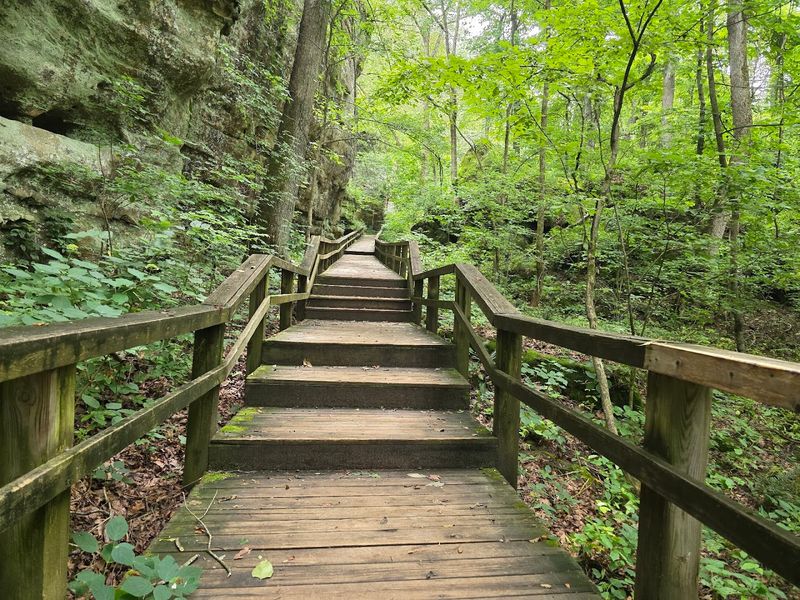
Eighteen trails spread across 2,430 acres means you could visit Ferne Clyffe multiple times and still discover something new each trip. The trail options range from short, easy loops perfect for families with young kids to moderate and challenging routes that involve climbing over rocks and navigating narrow passages between bluff walls.
There is a real range here, and the park does not feel crowded even when visitors are spread across the different paths.
The Round Bluff Nature Trail is a popular choice that rewards hikers with wide open views from elevated terrain. For those who want something a bit more adventurous, the moderate to difficult trails take you through tighter canyon passages and up along ridge lines where the views open up in unexpected ways.
Rock climbing is also possible at certain cliff lines within the park, drawing a different crowd of outdoor enthusiasts alongside the casual day hikers.
What keeps people returning is the layered quality of the landscape. One trail might take you through a dense canopy of hardwoods, while another drops you into a rocky creek bed lined with tiny frogs and wildflowers.
The park has a small lake for fishing as well, and the picnic areas near the main entrance are well-maintained and easy to access. A few pavilions and open spaces make it family-friendly without feeling overly developed.
Ferne Clyffe manages to stay wild enough to feel like a real adventure while remaining accessible enough that almost anyone can enjoy it.
Camping Under the Bluffs at Ferne Clyffe
Spending a night at Ferne Clyffe changes the experience completely. The primitive campsites are tucked deep into the woods along one of the park roads, and despite being accessible by car, they feel genuinely secluded once you settle in.
Each site comes with a picnic table and a fire ring, and the surrounding forest provides enough natural buffer that you barely notice neighboring sites.
Self check-in is available around the clock, which makes arriving late in the day completely stress-free. For those who prefer a bit more comfort, there is also a camping area equipped for RVs with electrical hookups, though you will want to bring an extension cord since the outlets are not always right next to the sites.
Firewood is available near the main entrance road from roadside stands, and the bundles tend to be a solid size for an evening fire.
Waking up early at Ferne Clyffe is one of those small decisions that pays off immediately. The park is quiet in the early morning hours, and getting out on the trails before other visitors arrive means you often have the hollows and waterfalls entirely to yourself.
The facilities near the primitive area include vault toilets, which are clean and well-maintained. There is good drinking water available at several points throughout the park, which is a practical detail that matters more than people expect on longer hikes.
Whether you camp for one night or a full weekend, the park rewards the extra time with a slower, richer kind of visit.
Best Times to Visit and What to Expect Each Season
Timing a visit to Ferne Clyffe can make a real difference in what you experience, and each season brings something genuinely distinct to the table. Spring is widely considered the prime time to visit, particularly after heavy rainfall when the waterfalls are running strong and the ferns are at their most vibrant green.
The creek beds fill up, the hollows echo with moving water, and the whole park feels alive in a way that is hard to match in drier months.
Summer brings longer days and warmer temperatures, which makes early morning hikes especially pleasant before the heat builds up. Crowds tend to be manageable compared to more well-known parks, and the dense tree canopy keeps the trails shaded on most routes.
Fall introduces a color shift across the bluffs that turns the landscape into something warm and textured, with golden and rust tones layering over the sandstone cliffs in a way that feels almost painted.
Winter is genuinely underrated here. When temperatures drop enough to freeze the falls, the ice formations that build along the cave walls and bluff faces are striking in a way that feels completely different from any other season.
The park stays open 24 hours year-round, so even a cold January morning hike is possible. A visitor once described a frozen January visit as beautiful, with the park roads cleared and the icy scenery worth every bit of the cold.
Dressing in layers and wearing waterproof shoes covers most seasonal conditions across the park.
Address: 90 Goreville Rd, Goreville, Illinois 62939
