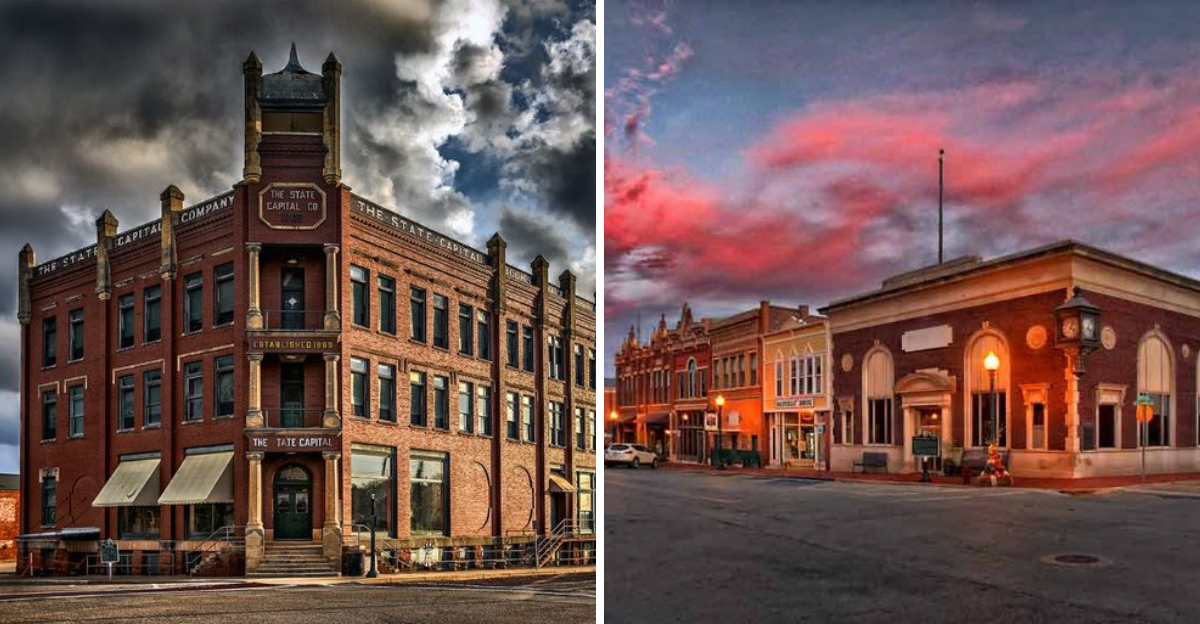
This city in Oklahoma is the kind of place that makes you slow down the second you arrive. Streets lined with beautifully preserved Victorian brick buildings create a scene that feels almost frozen in time, like you’re waiting for a horse-drawn carriage to pass by at any moment.
It wasn’t built gradually either. It sprang up almost overnight during the Land Run of 1889, when open prairie turned into a booming capital in a single afternoon.
Walking through it now, you can still feel that history in the details, from the architecture to the atmosphere. It’s not staged or polished, it just is.
And the longer you stay, the more it pulls you in.
The Land Run of 1889 and How Guthrie Was Born
Few American cities can claim a birthday as dramatic as Guthrie’s. At noon on April 22, 1889, signals were given across the territory to begin the Land Run.
By sundown, a city of roughly 10,000 people had sprung up where there had been nothing but grass and sky just hours before. Tents, wooden shacks, and the beginnings of real buildings crowded the flat landscape almost overnight.
Guthrie became the first capital of Oklahoma Territory, and that founding energy never really left. The city grew fast and with intention, attracting lawyers, merchants, journalists, and politicians who all wanted a piece of the new frontier.
Walking through Guthrie today, you can still feel that original urgency baked into the streets and storefronts.
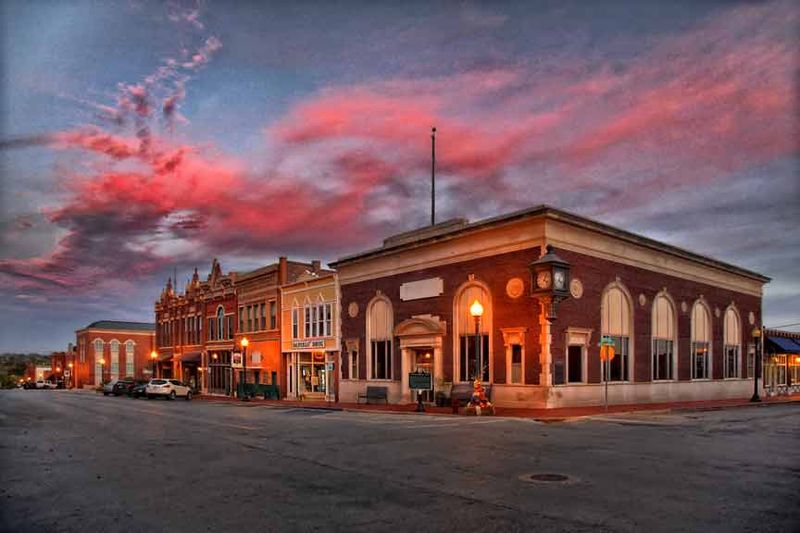
The historic downtown sits on the same grid laid out in 1889, and the buildings that replaced those first tents are still standing, solid and proud, like they know exactly how remarkable their origin story really is.
The Historic Downtown District That Survived the Decades
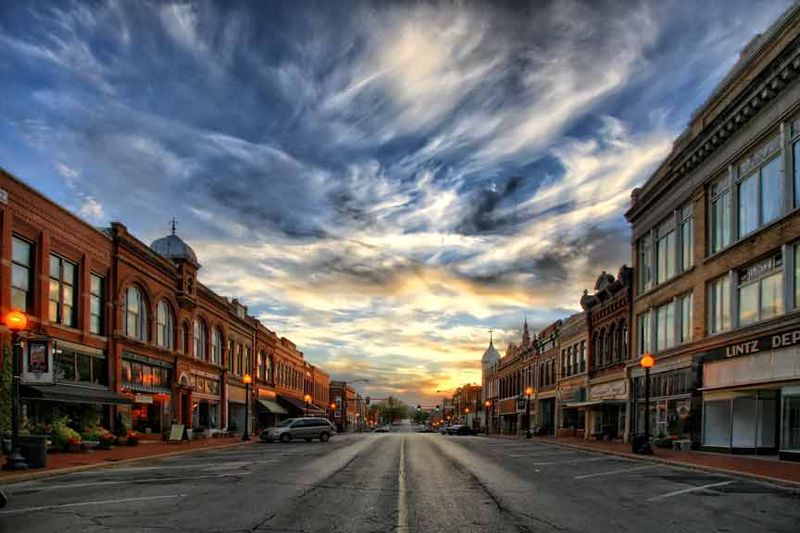
Guthrie holds one of the largest collections of restored Victorian architecture in the entire United States, and that is not a small claim. The historic district covers roughly 1,400 acres and contains over 2,300 structures listed on the National Register of Historic Places.
Walking down Division Street or Oklahoma Avenue feels genuinely different from any other small-city downtown you might have visited.
The buildings here were constructed between 1889 and 1910, and many have been restored to their original grandeur, complete with ornate cornices, tall arched windows, and decorative brickwork.
What makes this district so special is that Guthrie never went through the kind of urban renewal projects that flattened so many historic downtowns across America during the mid-20th century.
Because the city lost its capital status to Oklahoma City in 1910, development slowed dramatically, and those old buildings simply stayed put.
That accidental preservation turned out to be one of the greatest gifts Guthrie could have received. Today, the result is a downtown that feels like a living museum, except the shops, restaurants, and studios inside those beautiful old walls are very much open for business.
The Oklahoma Territorial Museum Tells the Full Story
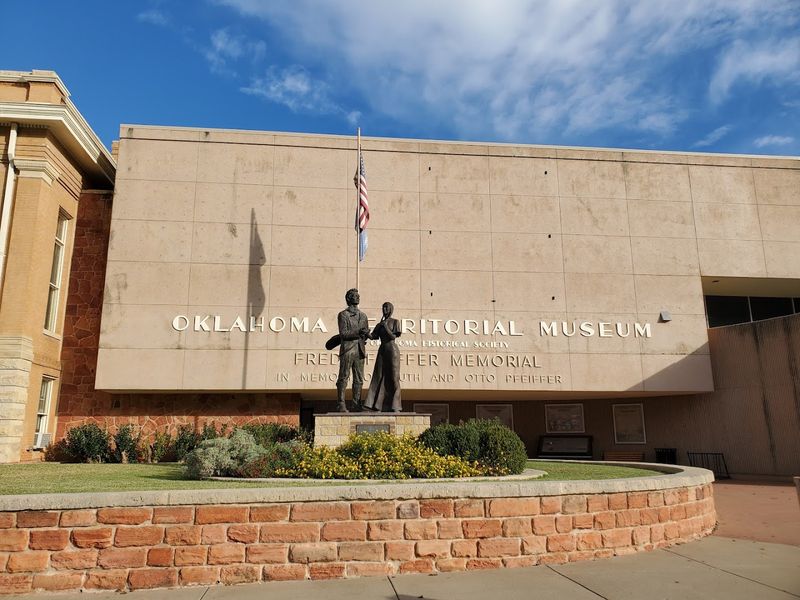
History this rich deserves a dedicated place to be told properly, and the Oklahoma Territorial Museum does exactly that. It covers the full arc of Oklahoma’s territorial period from the Land Run era through statehood in 1907.
The exhibits include original documents, photographs, clothing, weapons, and everyday objects from the people who built this city from scratch. You get a real sense of the chaos and ambition that defined those early years, when Guthrie was simultaneously a frontier town and a functioning seat of government.
One of the most fascinating parts of the museum is its focus on the diverse communities that shaped early Oklahoma.
Native American nations, African American settlers who established their own townships, and European immigrants all contributed to the territory’s complex identity, and the museum does not shy away from that complexity.
Plan at least an hour here, because the staff is knowledgeable and genuinely enthusiastic about the material. Leaving with a deeper appreciation for what Oklahoma was before it became a state is practically guaranteed once you step through those doors.
The Scottish Rite Masonic Temple Is Jaw-Dropping
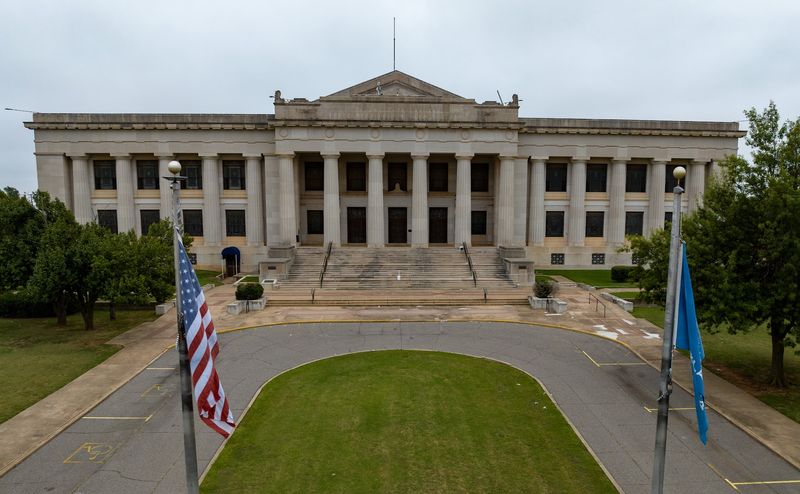
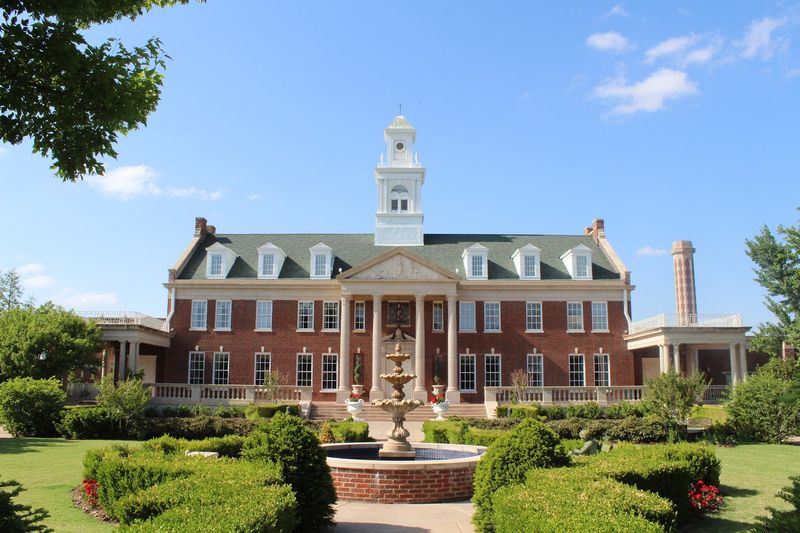
Some buildings demand that you stop walking and just stare for a moment, and the Scottish Rite Masonic Temple in Guthrie is absolutely one of them. Completed in 1929, this massive neoclassical structure sits in the heart of the city and is considered one of the finest Masonic temples in the world.
The building covers an entire city block and features a stunning auditorium with a seating capacity of over 3,000 people. The interior is decorated with elaborate murals, hand-carved woodwork, and ornate plasterwork that took years to complete.
Guided tours are available and are genuinely worth taking. You get access to rooms that most visitors would never find on their own, including the grand ballroom, the ceremonial chambers, and the theatrical stage that still hosts performances today.
The temple was funded largely by Masonic members and constructed by professional builders, which makes it an even more impressive symbol of what early Oklahoma communities could accomplish when they set their minds to something extraordinary.
Standing inside the main hall, you feel the weight of that collective ambition pressing down from the ornate ceiling above.
Frontier-Era Architecture Around Every Corner
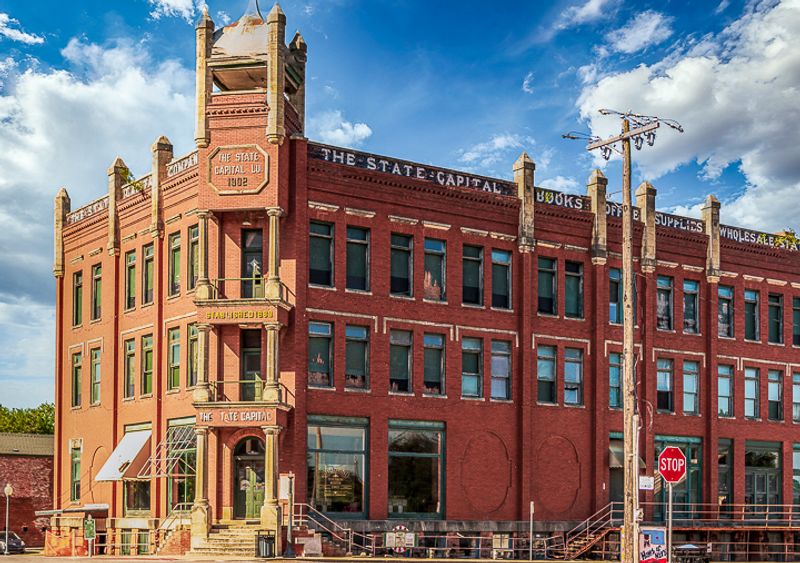
Architecture enthusiasts tend to lose track of time completely in Guthrie, and it is easy to understand why. Beyond the major landmarks, the city rewards slow, careful walking through its neighborhoods, where block after block of late 19th-century buildings reveal small details that most people rush past.
Look up at the rooflines and you will spot decorative corbeling, pressed metal facades, and carved stone details that were fashionable during the Victorian era.
Each building tells something about the merchant, banker, or civic leader who commissioned it, often trying to project success and permanence in a city that was still finding its footing.
The residential streets near downtown are equally compelling, with Queen Anne cottages, Craftsman bungalows, and Italianate homes sitting side by side in a kind of architectural timeline. Many have been lovingly restored by current owners who understand what they are stewards of.
Guthrie’s architectural integrity is protected by strict preservation guidelines, which means that new construction in the historic zone must respect the character of what already exists.
That commitment to keeping the past visible is a big part of what makes a walk through this Oklahoma city feel like genuine time travel.
Guthrie Was Once the Capital of Oklahoma Territory
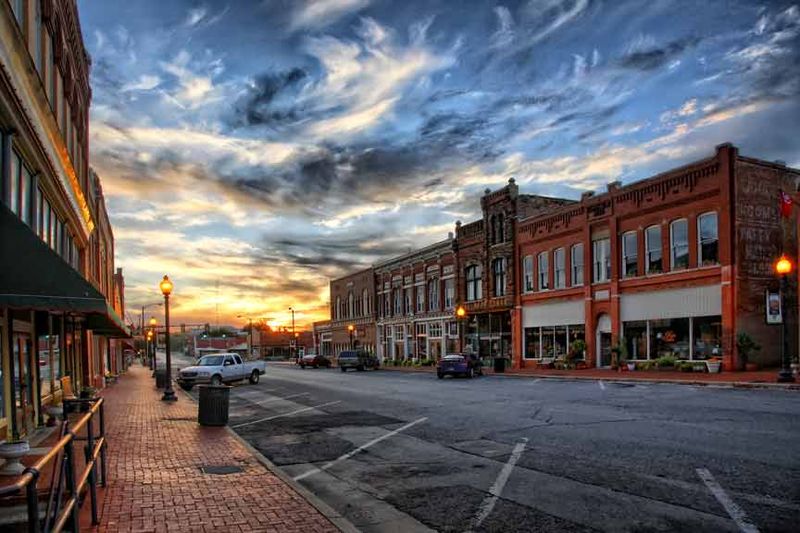
Before Oklahoma City became the dominant force in the state, Guthrie held a far more important title. From 1890 until 1910, it served as the capital of Oklahoma Territory and then briefly as the first state capital after Oklahoma achieved statehood in 1907.
The city had all the trappings of a real capital, including a functioning government, a thriving press, and a population that swelled to over 10,000 residents during its peak years. Newspapers, banks, and law firms set up shop here, and the streets buzzed with political debate and frontier ambition.
Then, in a move that still stings a little in local memory, the capital was controversially transferred to Oklahoma City in 1910. The decision was made quickly and with considerable political maneuvering, and Guthrie residents did not take it quietly.
That loss of capital status ultimately froze Guthrie in a kind of beautiful amber, because the economic slowdown that followed meant fewer buildings were torn down and replaced.
The very thing that felt like a defeat turned out to preserve something irreplaceable, and the city has spent the past few decades leaning fully into that remarkable legacy.
The Guthrie Jazz Banjo Festival Keeps the Spirit Alive

Guthrie does not just preserve its past behind glass cases and velvet ropes. The city actively celebrates living history through events that fill its streets with music, people, and genuine community energy throughout the year.
The Guthrie Jazz Banjo Festival is one of the most beloved of these traditions, drawing musicians and fans from across the country to the historic downtown streets. The festival has roots that stretch back decades and feels like the kind of event that could only happen in a place with this much character.
Performances take place in venues that include historic theaters and outdoor stages set up against backdrops of beautifully preserved brick buildings. The combination of the music and the setting creates an atmosphere that is hard to find anywhere else in Oklahoma.
Beyond the banjo festival, Guthrie hosts a full calendar of events including Victorian Walk, 89er Days celebrating the Land Run anniversary, and various art and heritage festivals.
Each one draws visitors who want more than just a museum experience, and Guthrie delivers that every single time with a warmth and authenticity that feels entirely natural rather than performed.
Shopping and Dining in Buildings That Predate Your Great-Grandparents
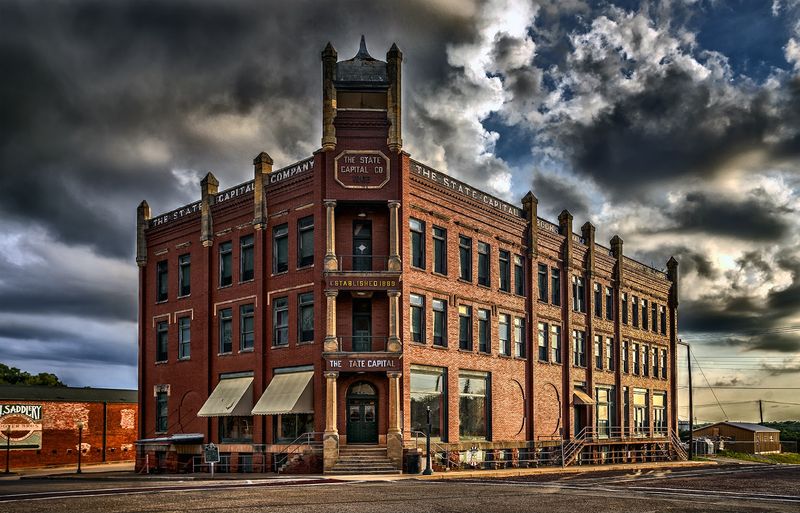
Spending money in Guthrie feels different when the shop you are standing in was built in 1895.
The historic downtown is home to a surprisingly lively mix of antique stores, boutiques, art galleries, and locally owned restaurants, all operating out of buildings that have been around longer than most living family trees.
Antique hunters in particular find Guthrie to be a serious destination. The density of quality shops is impressive, and because the city attracts visitors who appreciate old things, the inventory tends to be curated with real care rather than stuffed with random junk.
For food, several restaurants have set up inside restored historic spaces where the architecture is as much a part of the meal as anything on the menu. High ceilings, original woodwork, and vintage details create a dining atmosphere that no amount of deliberate interior design could fully replicate.
Local business owners here tend to be deeply invested in the city’s identity, which means conversations about the history of a building or a neighborhood come naturally and without any tourist-script feel.
Spending an afternoon browsing and eating your way through Guthrie’s downtown is one of the most satisfying ways to experience everything this Oklahoma city quietly offers.
Planning Your Visit to Guthrie Oklahoma
Getting to Guthrie is straightforward from Oklahoma City, sitting about 30 miles north along Interstate 35. The drive takes roughly 35 minutes, which makes it an easy day trip, though staying overnight gives you time to actually absorb the place at a relaxed pace.
Several bed and breakfast options operate out of historic Victorian homes in the residential neighborhoods near downtown, and staying in one of them adds a whole other layer to the experience. Waking up in a 120-year-old house surrounded by period furnishings is its own kind of time travel.
The best seasons to visit are spring and fall, when Oklahoma temperatures are comfortable for long walks through the historic district. Summer can be genuinely hot, so early mornings are your best friend if you plan to spend serious time outside exploring the architecture and neighborhoods.
Most of the major attractions in the historic district are walkable from a central parking spot, and the city is small enough that you never feel overwhelmed or lost.
Guthrie rewards visitors who slow down, look up at the buildings, and let the history of Oklahoma’s earliest days settle over them like the prairie light that still falls generously across these beautiful old streets.
Dear Reader: This page may contain affiliate links which may earn a commission if you click through and make a purchase. Our independent journalism is not influenced by any advertiser or commercial initiative unless it is clearly marked as sponsored content. As travel products change, please be sure to reconfirm all details and stay up to date with current events to ensure a safe and successful trip.
