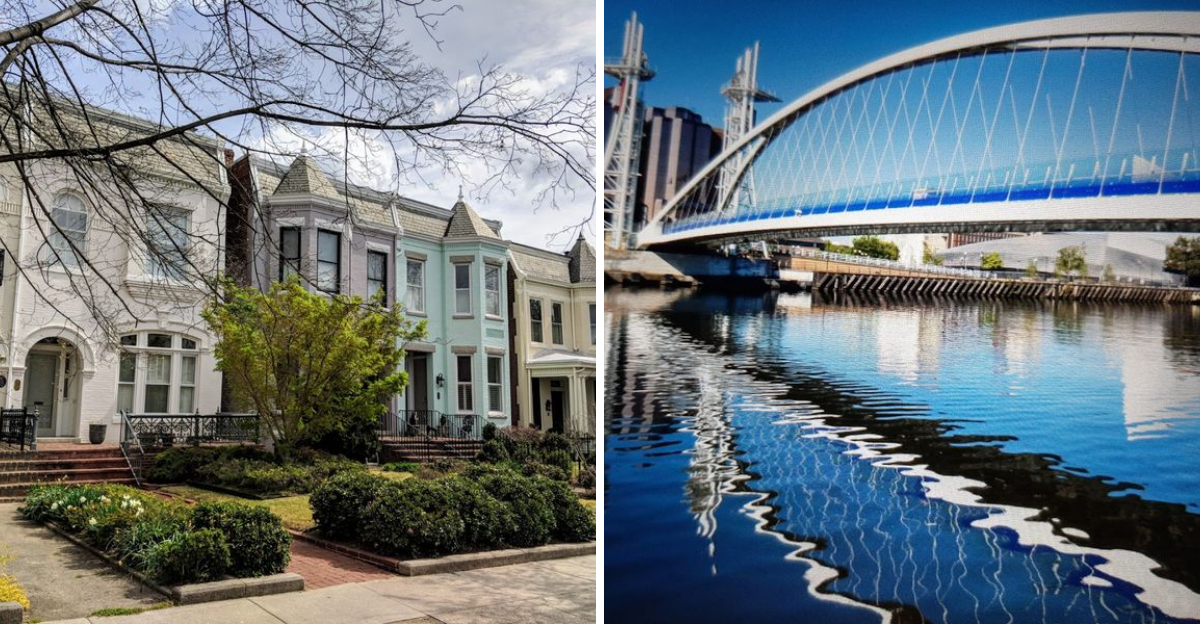
Richmond, Virginia is not just a city steeped in Civil War history and Southern charm. It is also one of America’s most underrated film destinations, quietly doubling as 1860s Washington D.C., Gilded Age estates, and gritty urban backdrops for some of Hollywood’s biggest productions.
Long before film crews packed up their gear, directors like Steven Spielberg spotted something magical in these cobblestone streets and Federal-style facades. So grab your walking shoes, because Virginia’s capital city is basically an open-air movie set waiting to blow your mind.
Capitol Square
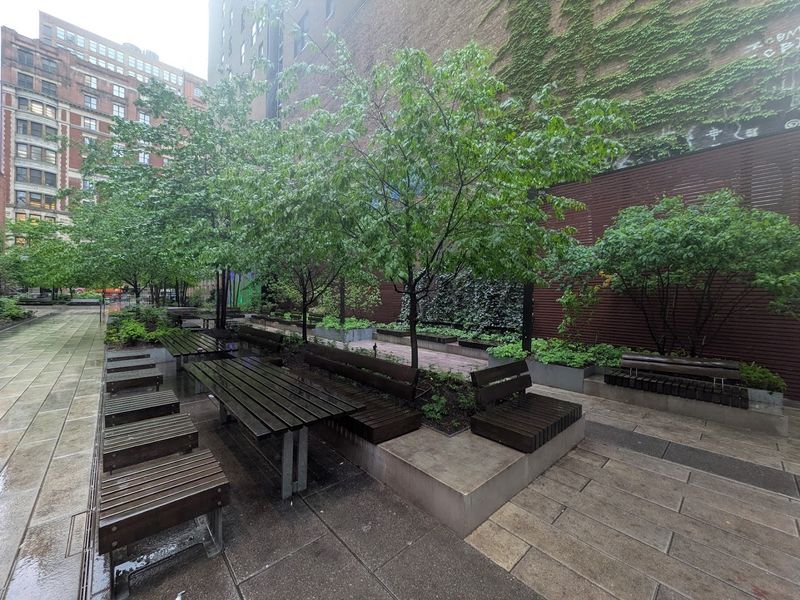
Standing at the very center of Richmond, Capitol Square carries a cinematic weight that most visitors feel the moment they step onto the grounds. The Virginia State Capitol, designed with input from Thomas Jefferson himself, is not just a working government building.
It is arguably the most famous film location in all of Virginia.
Steven Spielberg chose the House of Delegates chamber as the stand-in for the U.S. House of Representatives in the acclaimed film Lincoln.
The room where the 13th Amendment abolishing slavery was debated on screen is the same room where Virginia lawmakers still meet today. That kind of layered history is genuinely hard to find anywhere else.
Just steps away, the Executive Mansion served as the exterior of the White House in several scenes. Wandering the square, you can practically hear Daniel Day-Lewis delivering his lines.
The old Virginia State Library building on 11th Street also appeared in Hannibal, providing the atmospheric basement workspace for Clarice Starling.
Capitol Square sits at 1000 Bank Street, Richmond, VA 23219. Free to explore, the grounds are open year-round and packed with monuments, towering trees, and quiet corners perfect for soaking up that cinematic atmosphere.
Tours of the Capitol itself are available and absolutely worth booking. Few places in Virginia offer this kind of triple-threat: architectural beauty, political history, and genuine Hollywood credentials all in one compact, walkable space.
Shockoe Bottom
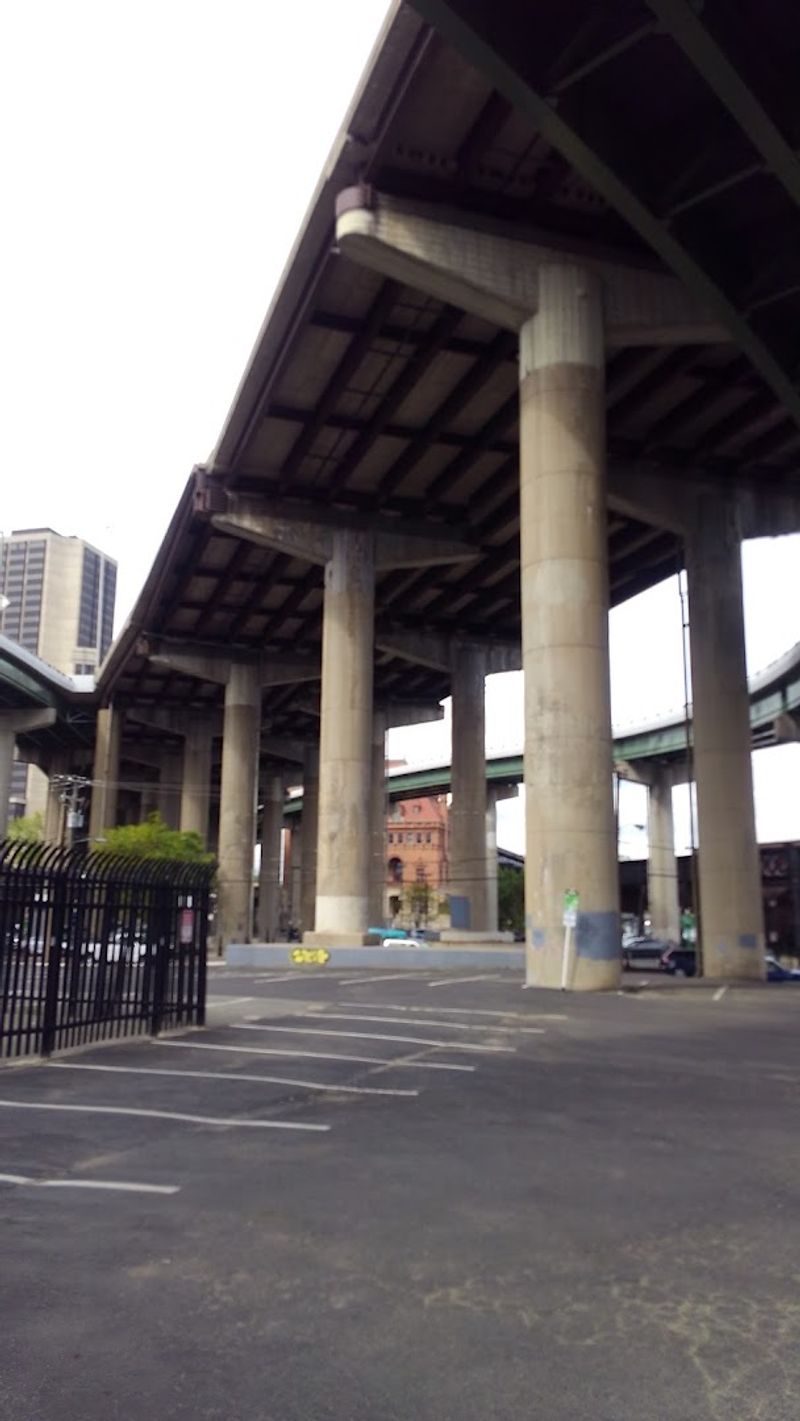
Shockoe Bottom is Richmond’s oldest commercial neighborhood, and it wears its age beautifully. The raw brick facades, canal-side pathways, and hulking highway overpasses create a visual texture that no production designer could fully replicate on a studio lot.
Filmmakers have known this for decades, and they keep coming back.
The intense fish market shootout sequence in Ridley Scott’s Hannibal was filmed in a parking lot behind the Canal Club, tucked right under the highway overpasses near the James River. The gritty, industrial atmosphere translated perfectly to screen, giving the scene a menacing, claustrophobic energy that matched the film’s dark tone.
It is one of those spots where standing in the exact location genuinely gives you chills.
Lincoln also used Shockoe Bottom’s weathered streetscapes to evoke 1860s Washington D.C. The neighborhood’s authentic aging architecture meant minimal set dressing was needed.
Directors love that kind of built-in character, and Virginia’s capital delivers it effortlessly here.
Shockoe Bottom is located along the James River in eastern downtown Richmond, centered around 17th Street and Main Street, Richmond, VA 23223. Beyond film history, the neighborhood buzzes with restaurants, live music venues, and farmers markets on weekends.
The old Shockoe Slip canal walk is a particularly pleasant stroll. Come in the morning when the light hits those brick walls just right, and you will completely understand why Hollywood keeps circling back to this endlessly photogenic corner of Virginia.
The Fan District
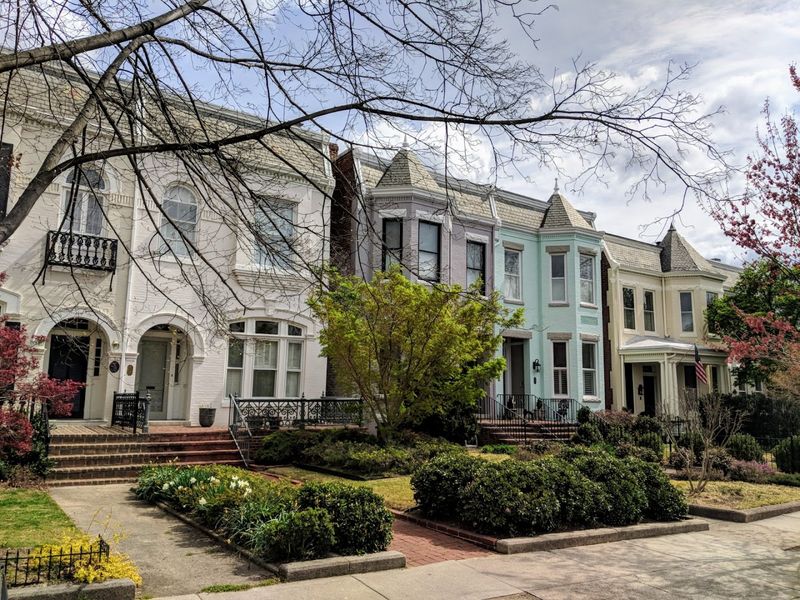
Named for the way its streets fan outward from Monroe Park, the Fan District is one of the best-preserved Victorian neighborhoods in the entire United States. Row after row of late 19th-century townhomes line broad, tree-canopied avenues, creating an atmosphere that feels simultaneously grand and deeply livable.
No wonder filmmakers are obsessed with it.
In Hannibal, several key residential scenes were shot right here. Clarice Starling’s home was placed on Park Avenue, while the house belonging to Paul Krendler, memorably played by Ray Liotta, sits at the corner of North Harrison Street and Grove Avenue.
Walking past these addresses today feels like flipping through a movie still, especially on a quiet Sunday morning when the neighborhood is calm and golden-lit.
More recently, the Fan served as a backdrop for Dopesick, Hulu’s critically acclaimed miniseries about the opioid crisis. Its period-appropriate architecture required almost no alteration to pass as earlier decades, which speaks volumes about how well Richmond, Virginia has maintained its historic built environment.
The Fan District spans roughly between Boulevard to the west and Belvidere Street to the east, with Monument Avenue as a northern landmark, Richmond, VA 23220. Strolling Monument Avenue itself is a Richmond rite of passage, with its wide median, towering trees, and striking statues.
Grab a coffee from one of the neighborhood cafes and wander slowly. Every block here has a story, and several of those stories have ended up on the big screen.
Museum District
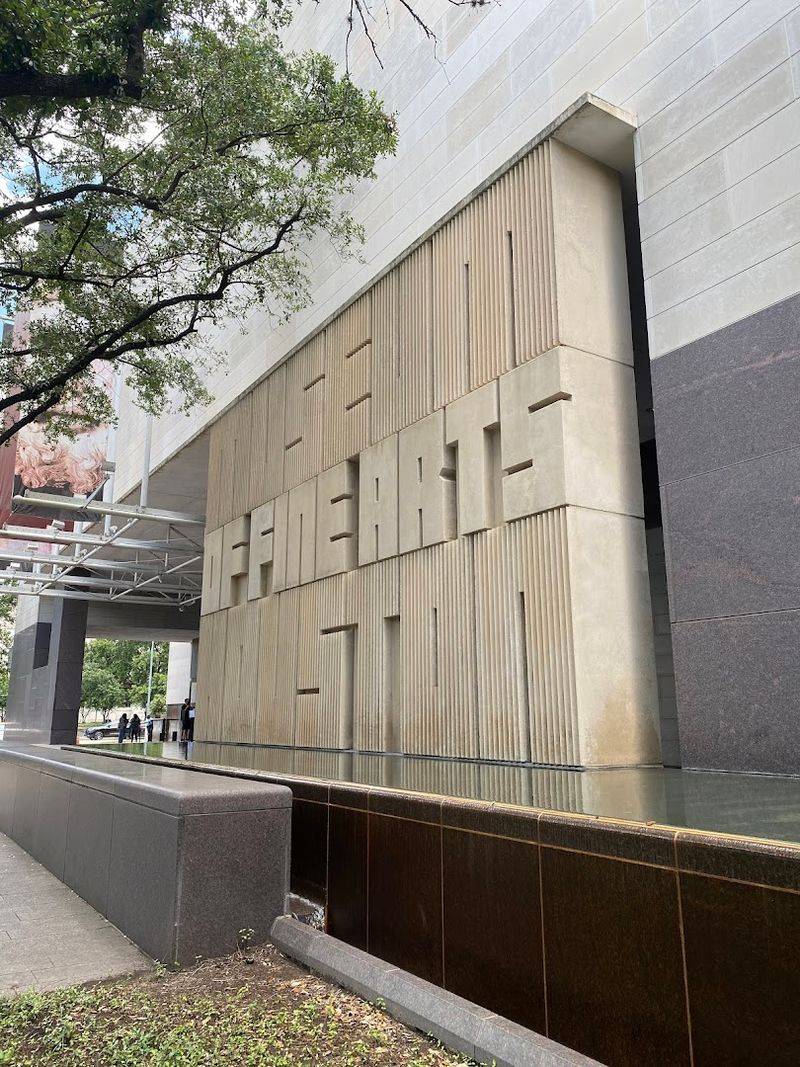
The Museum District is one of Richmond’s most polished and culturally rich neighborhoods, anchored by the spectacular Virginia Museum of Fine Arts. Known locally as the VMFA, this institution is one of the largest art museums in the American Southeast, and its sleek, architecturally striking spaces have caught the attention of television producers in a big way.
In the Hulu miniseries Dopesick, the VMFA stood in for the Sackler family’s corporate boardroom, lending the production a sense of institutional wealth and power that felt completely convincing on screen. The museum’s contemporary interiors, with their soaring ceilings and polished surfaces, created exactly the kind of cold, corporate grandeur the story demanded.
It was a casting decision that only works when a real location has genuine architectural presence.
Beyond its film credentials, the VMFA is an absolute must-visit destination in Virginia. Its permanent collection spans thousands of years and dozens of cultures, and admission to the permanent galleries is free.
The surrounding Museum District neighborhood is equally rewarding, lined with craftsman bungalows, independent boutiques, and excellent restaurants along Grove Avenue and Cary Street.
The Virginia Museum of Fine Arts is located at 200 North Boulevard, Richmond, VA 23220. The Museum District neighborhood radiates outward from this central landmark, offering walkable streets full of local character.
Plan to spend at least a couple of hours inside the museum before exploring the surrounding blocks. Matching a world-class art collection with Hollywood credentials makes this one of Richmond’s most compelling stops.
Manchester
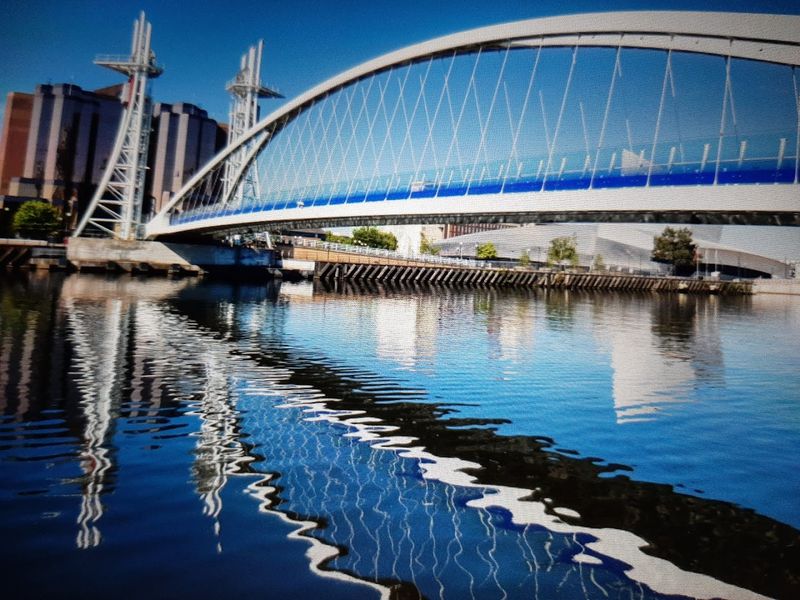
Cross the James River heading south and Manchester greets you with a completely different energy. Once a gritty industrial district defined by tobacco warehouses and manufacturing plants, Manchester has been steadily reinventing itself while holding onto the raw, textured character that makes it so cinematically compelling.
The views back toward downtown Richmond from this side of the river are genuinely spectacular.
The Manchester Bridge and the neighborhood’s industrial riverfront have appeared in Dopesick and other recent historical dramas. Producers value this area for its ability to suggest multiple eras simultaneously.
The crumbling brick facades, the wide river, and the city skyline beyond create a visual composition that feels both timeless and urgent, exactly what a drama exploring America’s past and present needs.
What is particularly clever about Manchester as a film location is how it frames Richmond, Virginia from the outside looking in. That cross-river perspective gives productions a sense of scale and geography that interior neighborhood shots simply cannot replicate.
It is the kind of establishing shot that immediately tells audiences they are somewhere with history and consequence.
Manchester is located on the south bank of the James River, accessible via the Manchester Bridge from downtown Richmond, centered around Hull Street and Commerce Road, Richmond, VA 23224. The neighborhood’s transformation is ongoing, with new art studios, breweries, and residential lofts filling former industrial spaces.
The Virginia Capital Trail begins nearby, offering a scenic cycling and walking route. Catching the skyline view at golden hour from the riverbank is a travel experience that belongs on every Virginia itinerary.
Maymont
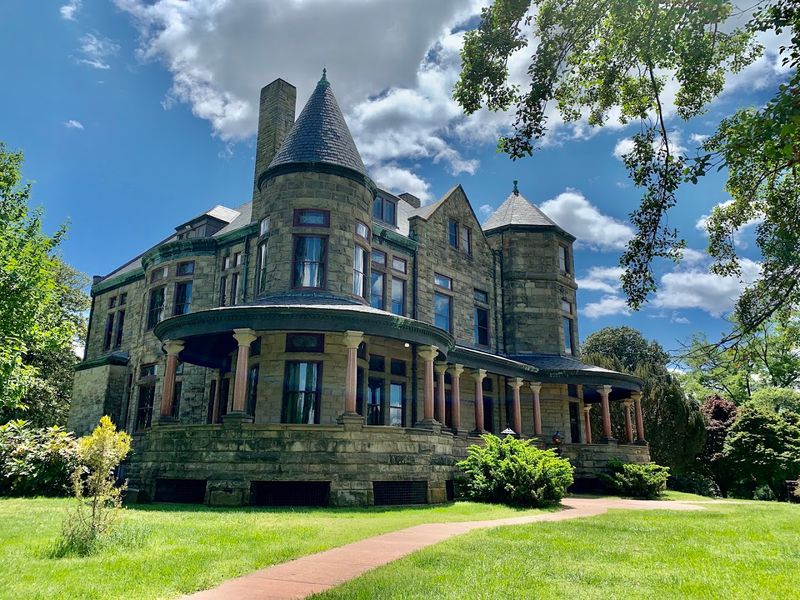
Maymont is the kind of place that makes you stop mid-stride and just stare. This sprawling Gilded Age estate covers roughly a hundred acres along the James River, featuring a Victorian mansion, formal Italian and Japanese gardens, a nature center, and rolling pastoral landscapes that look like they were painted rather than grown.
It is Richmond’s most theatrical outdoor space, and Hollywood noticed long ago.
For Lincoln, Maymont’s grounds provided sweeping landscape scenes depicting presidential carriage rides and pastoral Civil War-era Virginia. The estate’s manicured lawns, mature trees, and period-appropriate architecture required almost no modification to serve as a convincing 19th-century setting.
The production team essentially walked onto a ready-made period location and started filming.
Maymont also appeared in The Walking Dead: World Beyond, proving that its versatile landscape can support wildly different genres and time periods. There is something about those rolling acres and the mansion’s brooding Victorian silhouette that lends itself to drama, whether historical or apocalyptic.
Virginia’s natural beauty and architectural heritage work together here in genuinely cinematic ways.
Maymont is located at 1700 Hampton Street, Richmond, VA 23220, and admission to the grounds is free, though donations are welcome. The estate is open year-round and is particularly gorgeous in spring when the gardens bloom.
Guided tours of the mansion interior offer fascinating insight into Gilded Age domestic life. Give yourself at least two hours to properly explore the gardens, the wildlife habitats, and the carriage house exhibits.
Maymont rewards slow, curious visitors most generously.
Jackson Ward
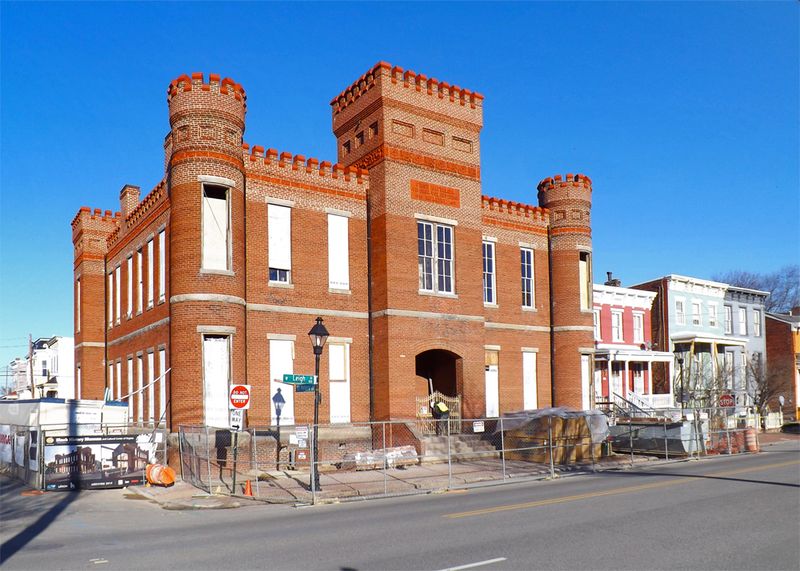
Jackson Ward carries a nickname that tells you everything about its cultural stature: the Harlem of the South. This historic African American neighborhood once served as a center of Black business, arts, and community life at a time when segregation made such self-contained economic ecosystems both necessary and extraordinary.
Its streets are lined with remarkably well-preserved cast-iron porches and storefronts that transport you back a century without much imagination required.
For the Apple TV+ series Swagger, Jackson Ward’s authentic early-20th-century urban fabric provided the visual backbone for scenes requiring a genuine sense of historic American city life. The neighborhood’s cast-iron architectural details, wide sidewalks, and layered building facades gave the production an organic richness that purpose-built sets struggle to match.
Film crews working in Virginia consistently find that Jackson Ward photographs with an almost effortless elegance.
Beyond its screen appearances, Jackson Ward is a neighborhood worth exploring on its own terms. The Maggie L.
Walker National Historic Site celebrates the remarkable life of the first female bank president in U.S. history, and the neighborhood’s murals and public art installations add vivid contemporary color to its historic streetscape.
Jackson Ward is located just north of downtown Richmond, centered around North Second Street and East Leigh Street, Richmond, VA 23219. The Hippodrome Theater at 528 North Second Street is a landmark worth seeking out, as is the Bojangles statue honoring tap dancer Bill Robinson, a Jackson Ward native.
Spend a morning wandering these blocks and you will leave with a much richer understanding of Richmond, Virginia’s complex and remarkable history.
Rocketts Landing
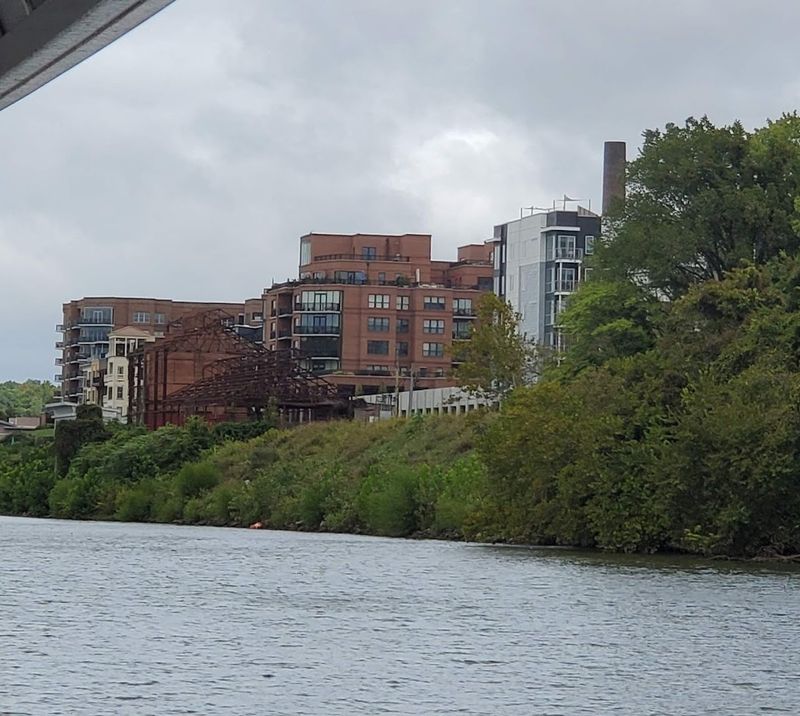
Sitting on the eastern edge of Richmond along the James River, Rocketts Landing is one of those neighborhoods that feels like it is perpetually mid-transformation. Historic tobacco warehouses stand alongside sleek new residential buildings, the old river docks press up against modern marina slips, and the whole place hums with a layered, industrial-meets-contemporary energy that is genuinely hard to replicate anywhere else in Virginia.
Those tobacco warehouses are the neighborhood’s cinematic calling card. Their massive brick walls, heavy timber interiors, and riverfront positioning have made them versatile stand-ins for industrial sites across multiple productions, including the Apple TV+ series Swagger.
The worn textures and monumental scale of these structures give any production an instant sense of weight and period authenticity without requiring extensive set dressing.
What makes Rocketts Landing particularly fun to visit as a film location is how active and evolving the neighborhood feels. Unlike some historic districts that feel preserved under glass, this area is genuinely alive.
Kayakers launch from the riverbanks, cyclists cruise the Virginia Capital Trail, and residents walk dogs along the waterfront promenade at all hours.
Rocketts Landing is located at the eastern end of East Main Street along the James River, Richmond, VA 23231. The neighborhood is easily accessible by bike from downtown via the Virginia Capital Trail, which makes for a scenic and satisfying approach.
The riverfront views looking back toward the city skyline are outstanding, particularly in the late afternoon when the light turns warm and golden. End your Richmond film location tour right here, watching the river roll by as the city glows behind you.
Dear Reader: This page may contain affiliate links which may earn a commission if you click through and make a purchase. Our independent journalism is not influenced by any advertiser or commercial initiative unless it is clearly marked as sponsored content. As travel products change, please be sure to reconfirm all details and stay up to date with current events to ensure a safe and successful trip.
