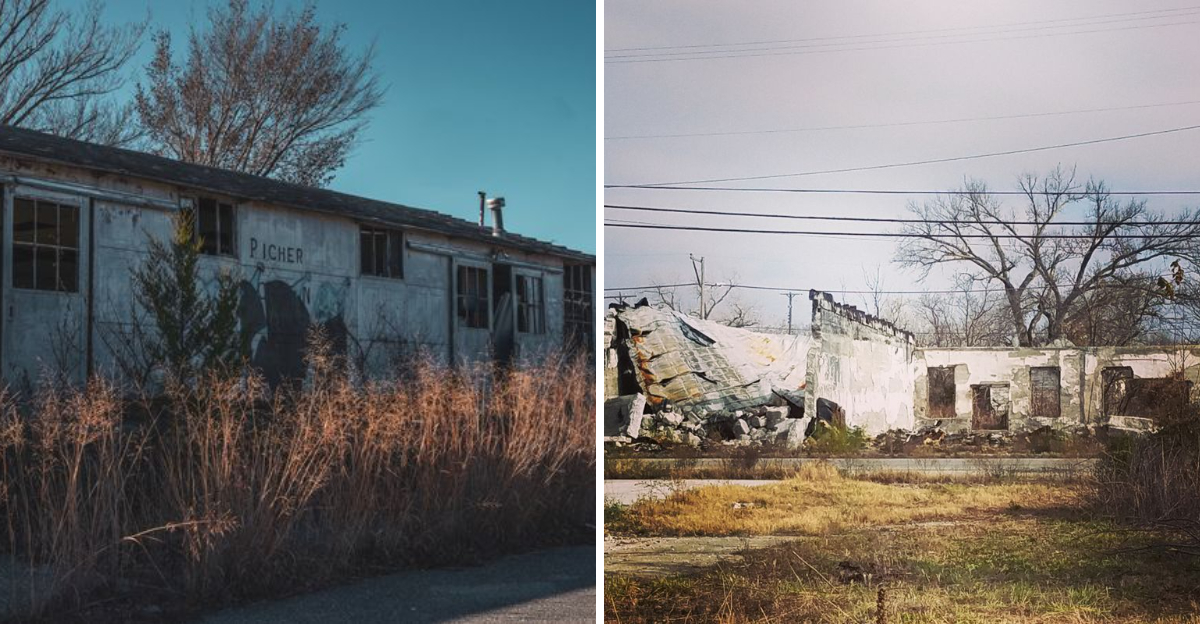
You come to Picher expecting silence, and somehow the quiet still surprises you.
Streets fade into prairie edges, and the wind carries distant echoes of drills and railcars that once defined this corner of Oklahoma.
Every corner hints at stories buried in chat piles, school hallways, and the vanished grid of a town that helped fuel a nation.
Step carefully, look closely, and you will find the textures of a place that refuses to be forgotten.
There is history everywhere here, and it waits for you to read it from the ground up.
The town that moved but did not vanish
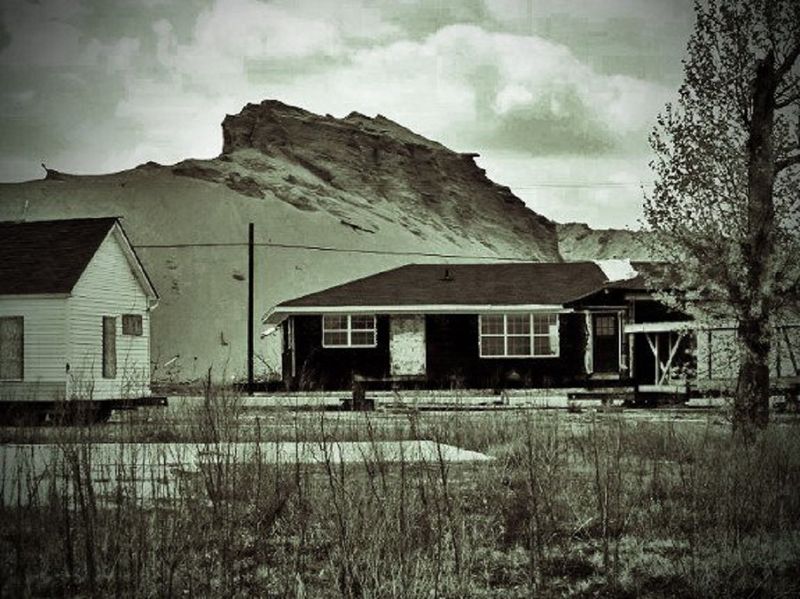
Picher sits in the northeastern corner of Oklahoma, where quiet roads cross the outline of a town that once pulsed with work and noise.
Lead and zinc shaped daily life here, and the legacy of those minerals still frames every view.
Standing at a corner with no houses, you feel how the grid holds memories even when structures are gone.
Many residents relocated after environmental assessments and the 2008 tornado, but the place remains within reach for careful visitors.
The relocation never erased the map in the minds of people who learned numbers by street signs and seasons by mine whistles.
There is a tension between caution and curiosity, and walking slowly helps balance both impulses.
Much of the land lies within the Tar Creek Superfund site, and signs remind you that reclamation is ongoing.
You notice soil capped areas and fenced zones that mark where work continues to make the ground safer.
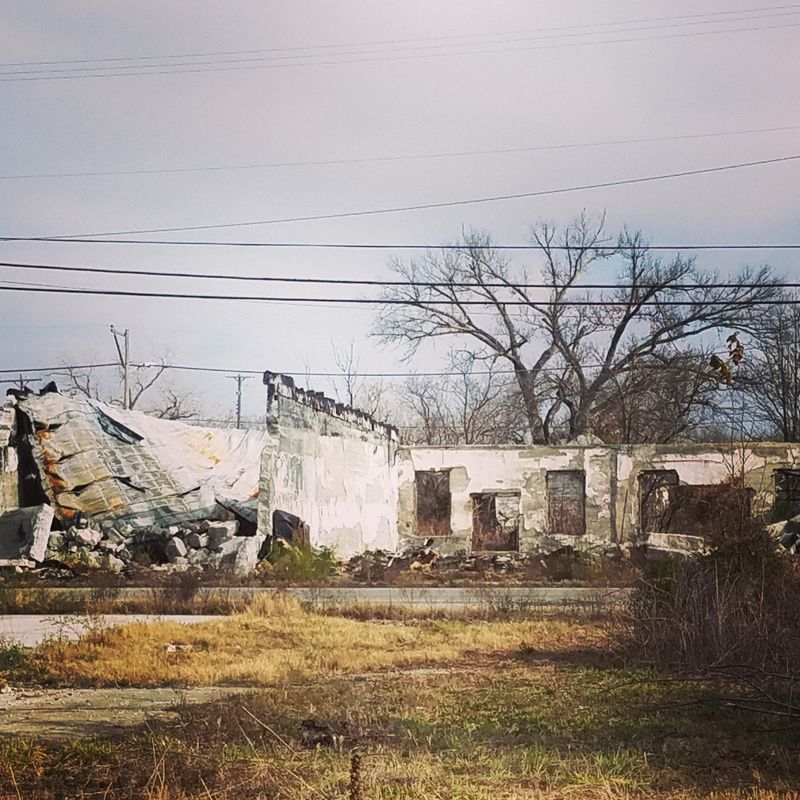
History does not retreat evenly, so some blocks feel almost ordinary while others feel freshly interrupted.
That unevenness carries a lesson about how towns stop living at different speeds and for different reasons.
Oklahoma has many small towns with quiet main streets, but Picher tells a more complex story.
It is the story of national demand, regional geology, and local lives that held everything together.
Even today, former residents return for reunions, memory walks, and moments of respect at familiar spots.
Conversations on the curb sometimes sound like roll calls, naming families tied by schools and shifts.
If you come, you bring patience and a willingness to read the landscape with humility.
That approach opens a path to understanding how a town can move away yet never truly disappear.
Reading the land through the chat piles
Chat piles tower over the prairie like weathered monuments, stacked from decades of processing lead and zinc ore.
The pale slopes change color with the light, and each ridge tells a story about a shift, a season, or a crew.
From a distance, the piles create a jagged skyline that seems permanent even as wind and rain shape it.
You cannot climb or disturb them, and you should respect posted warnings and boundaries for your safety.
Environmental work has focused on soil and water impacts tied to those long white dunes of mine tailings.
Reclamation crews test, cap, and stabilize while keeping close records that guide the next phase of work.
Standing on the road shoulder, you listen to the breeze and hear it whistle across granular slopes.
The sound carries a rhythm that feels like an echo of conveyors, shakers, and screens from years past.
Birds use the edges for perches, and grass finds seams where roots can hold and spread.
Those small green lines feel hopeful, and they show how recovery begins in measured steps.
Oklahoma weather adds complexity because heavy rains can remake paths and gullies overnight.
Clear, dry days show the stark geometry of the piles in clean light with sharp shadows.
Locals sometimes refer to specific piles by nicknames that linger from shifts and landmarks.
Those names travel through reunions and photo captions even when the original crew is gone.
A careful visit reveals how industrial leftovers can become unintended waypoints in a changing map.
The chat piles help you grasp scale, cost, and endurance in a single sweeping view.
Main Street echoes and the grid that remains

Walk a straight stretch that once held storefronts, and the asphalt itself guides your steps like a timeline.
Faded paint points to past lanes, and curbs frame empty rectangles where foundations once carried neon and brick.
Your eye maps gaps into buildings, and the brain fills in awnings, glass, and doorbells on habit alone.
Some signs survive on poles without their shops, and metal brackets hint at letters that spelled out hardware and groceries.
Electrical boxes and broken parking bumpers outline the edges of daily errands.
They show where trucks idled and where kids hopped along with change in their pockets.
When the light turns low, the street feels like a stage after the actors have gone home.
The quiet does not feel empty, only paused, as if another scene waits behind the curtain.
Local groups sometimes organize cleanups or remembrance walks that trace these routes with steadiness.
Those walks archive stories by the simple act of stepping where others once stepped.
Not every block is safe, so heed closures and never enter structures even if they look sound.
Respectful distances keep both visitors and the site safer as restoration and assessment continue.
Oklahoma towns often celebrate Main Street, and here the idea becomes a memory you can still follow.
The grid helps you understand how people moved, met, and managed their days.
It also helps you picture resilience that outlives roofs and signs.
You leave the block with a map in your head that is sharper than anything printed.
School pride that outlasted the buildings
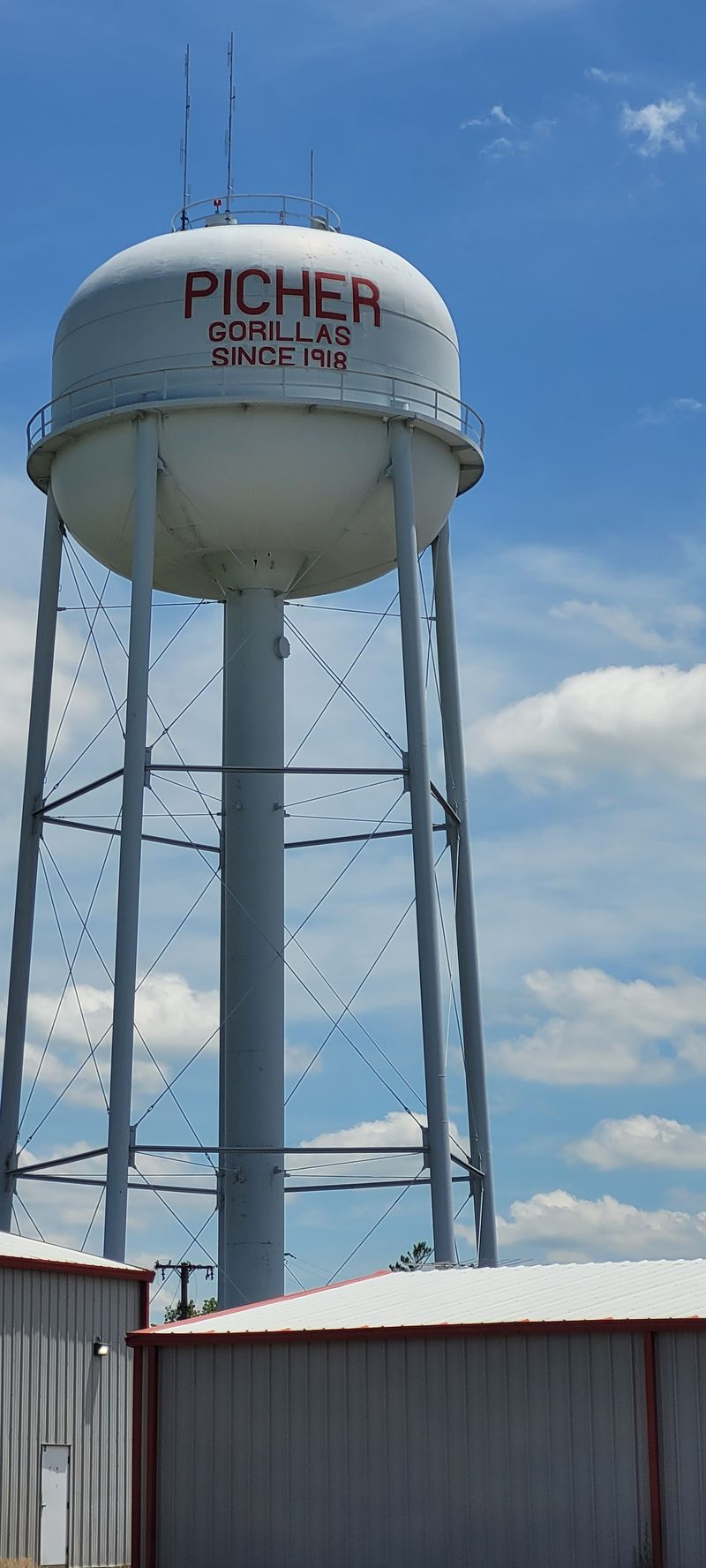
Ask former students about Picher schools, and you get a rush of details that sound fresh and present.
Team names, band routes, and gym banners return in stories that feel like they just crossed the hallway.
You can almost hear practice drums and sneakers on polished floors that are no longer here.
The buildings have been removed or sealed, yet the pride carries a steady voice at reunions.
Yearbooks circulate, and photos keep rosters alive for those who remember homerooms and Friday buses.
Old tournament programs sit on living room shelves like trophies that still matter.
If you pass the former campus areas, do not enter closed zones or unmarked structures.
Stay on public ways and keep your visit focused on learning and honoring the past.
What stands out is how shared effort made the school feel larger than its footprint.
Volunteers, parents, and teachers created networks that served students beyond the bell.
Across Oklahoma, small town schools function as anchors, and Picher carried that role with heart.
That sense of anchor continues in the way alumni connect across states and years.
Some stories become legends, and they should be labeled as lore when retold.
Other stories are documented in clippings, state records, and photographs taken on game nights.
Both kinds help you understand how education shaped community life here.
You leave with a respect for classrooms that taught more than lessons and halls that held more than lockers.
Water, red earth, and the story of Tar Creek
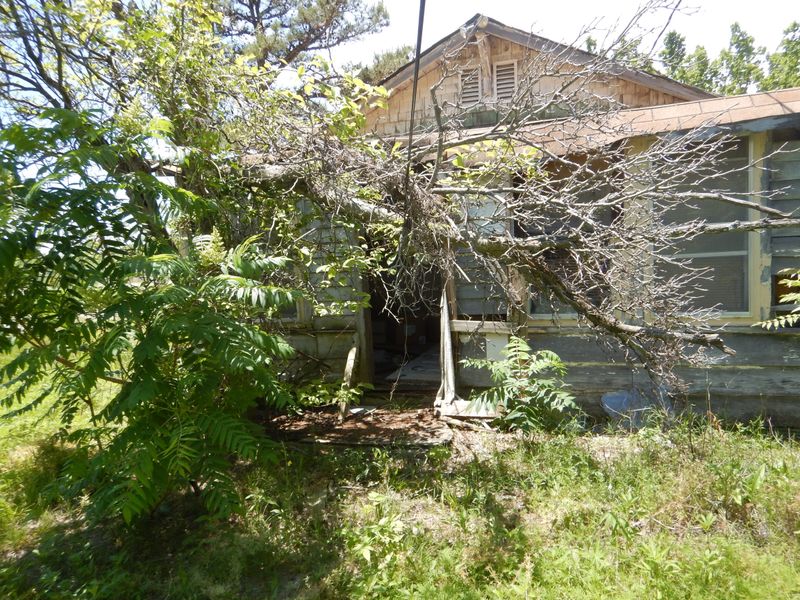
Tar Creek threads through this landscape with a color that tells you exactly why scientists take samples.
Iron rich water can show orange or red tones, and the contrast with green banks feels stark.
You watch the flow and think about how water carries memory as much as mines carry ore.
The Tar Creek Superfund site reflects decades of federal, state, and tribal coordination.
Cleanup takes patience, testing, and public updates that track progress and setbacks.
Signs guide you where you can and cannot go, and you should follow them without exception.
From a bridge or safe turnout, you can see riffles, culverts, and the way sediment gathers.
Birds still visit, and dragonflies skim the surface on bright days that make colors vivid.
The view holds a hard truth about legacy contamination along with hints of recovery in motion.
It invites questions about how communities weigh risk, time, and resource needs.
Oklahoma rivers tie towns together, and this creek links Picher to a broader watershed story.
That story includes education programs that explain sampling, caps, and water pathways.
You leave with a greater respect for technical work that unfolds quietly beside the road.
The creek becomes a teacher that holds class in every season.
Its lessons combine chemistry, policy, and care for future kids who will walk these banks.
Listening to the water helps you hear the past and imagine a safer next chapter.
The tornado that changed the calendar
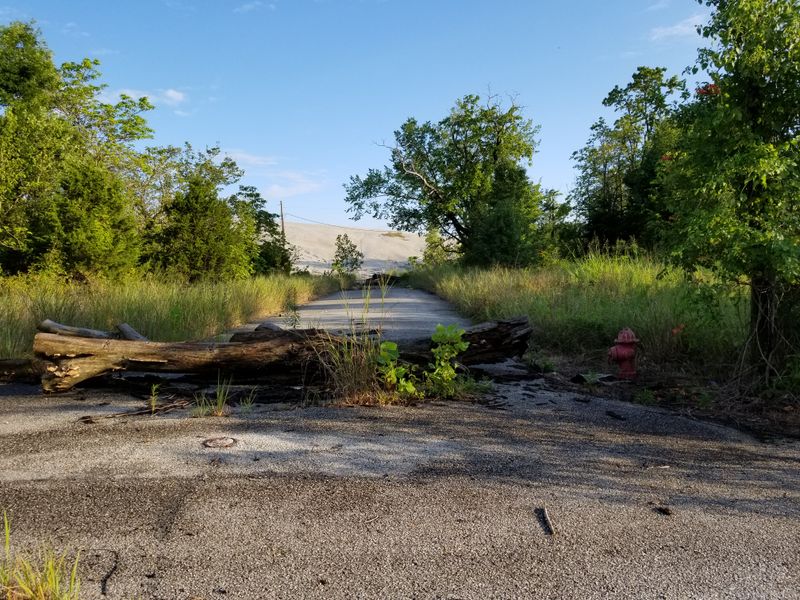
Locals sometimes mark time as before and after the tornado that struck in May 2008.
The storm cut through homes and streets, and its aftermath accelerated relocation decisions already underway.
Standing where a block feels thinned, you sense how weather can hurry what industry began.
You find memorial words in news archives and family stories rather than on large public plaques.
People remember the sudden wind, the sound, and the strange calm that followed.
They remember neighbors who helped clear paths and checked on each other with steady resolve.
The event is part of the town’s layered story, and it asks visitors to bring care and empathy.
That means avoiding drone flights over private land and keeping respectful distances near fragile areas.
Every community in Oklahoma knows storms, and this one left marks that still shape conversations.
Those conversations circle around readiness, sirens, and the value of mutual aid.
When you walk here, you carry that context so your steps stay thoughtful.
It changes the way you read driveways, yards, and lots that went suddenly quiet.
You may not see physical markers, but you will feel the timeline break in lived memory.
Local news coverage and state reports document the track and the scale of damage.
Reading those sources before a visit helps frame what you see on the ground.
The sky feels bigger afterward, and you look up with new attention when clouds begin to build.
Routes in and out, and how to visit safely
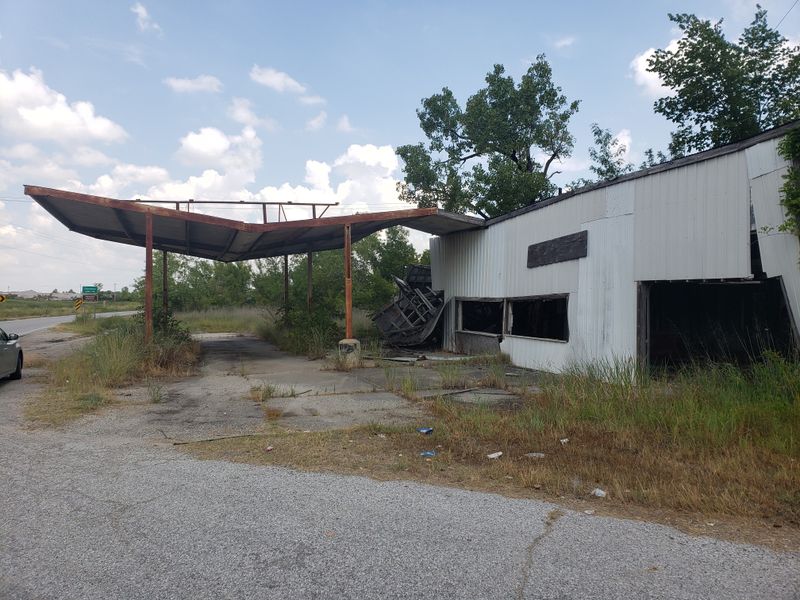
Reaching Picher usually involves a quiet drive from Miami or Commerce, and the approach sets a reflective mood.
Roadside markers give way to open blocks, and you start to notice details that guide safe exploration.
A careful visit begins with checking current guidance from the EPA and local authorities.
You should stay on public roads, avoid disturbing soil, and never enter posted or fenced areas.
Good shoes, a printed map, and conservative choices make the experience smoother and safer.
Phone service can be patchy, so plan routes and daylight windows before you set out.
Photography works best from road shoulders or established pullouts where you do not trespass.
Keep compositions focused on streetscapes, exteriors, and broad landscapes rather than private lots.
Carry water and sun protection because shade can be scarce along wide open blocks.
Always pack out anything you bring, and leave the ground exactly as you found it.
Oklahoma weather turns quickly, so watch forecasts and respect storm watches and warnings.
After rains, low spots and unpaved edges can soften and become tricky for small cars.
If you meet former residents or workers, let them lead the pace and tone of any conversation.
Listening first usually opens space for real stories and accurate context.
Your goal is to learn, to witness, and to honor rather than to collect souvenirs.
That approach leaves the site ready for the next visitor who comes with the same care.
Where memory gathers, church steps and corners
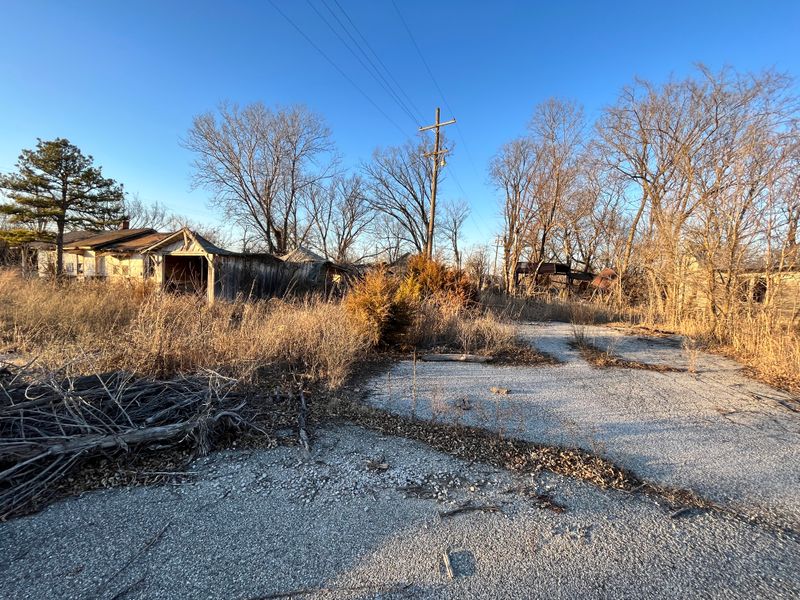
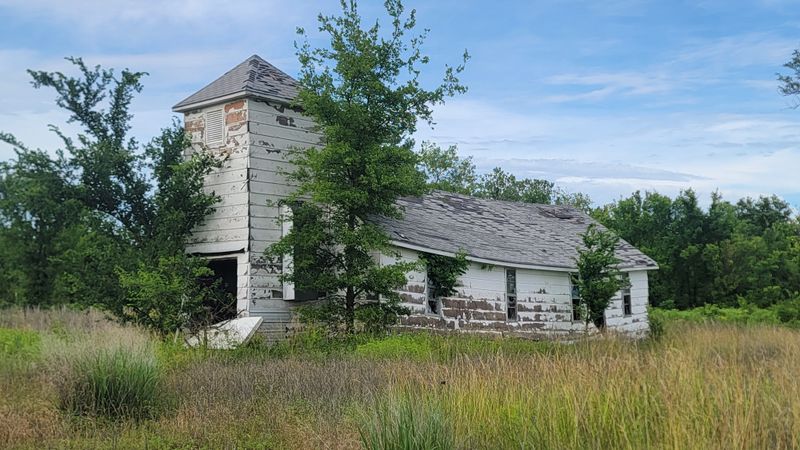
Church steps sometimes remain even after sanctuaries come down, and they look like invitations to a quiet service.
You stand at the base and imagine Sunday mornings with shoes on gravel and voices in careful harmony.
Wind turns the pages of that imagined hymnbook while grass grows between concrete seams.
These corners work as informal memorials where people pause without organizing a program.
They hold space for those who were married, baptized, or comforted in those rooms.
They also hold space for ordinary weeks when soup suppers and committee notes kept life steady.
Please avoid climbing or sitting on unstable remnants, and watch for uneven ground.
Leave no marks, and treat these places as living memories that deserve gentleness.
Nearby lots may look empty, yet they remain part of private or managed land.
Respecting boundaries keeps conversations about access open for future visitors.
Across Oklahoma, small churches anchor communities, and Picher’s heritage follows that pattern.
Faith here shows up in stories about service projects and support during hard seasons.
Even without buildings, the rhythm continues in reunions and seasonal gatherings.
Photos of stained glass and bulletins help tie present voices to past choruses.
Standing for a minute at the steps helps tune your visit to the right volume.
You leave speaking more softly because the place teaches a different kind of attention.
Listening to former miners and families
Conversations with former miners carry the weight of routine done well and risks taken seriously.
They describe rock faces, pump checks, and the sound of ore dropping through chutes in the dark.
Family members add details about lunch buckets, shift whistles, and muddy boots by the door.
Not every recollection can be verified, so label rumors and legends when they appear.
Some tales sound larger than life, and others read like careful notes from a working ledger.
Both matter because they knit together the lived experience that paper records cannot hold alone.
Listen for pride in craft, because mining required teamwork and skill at every level.
Respect shows up when you let silence do part of the work and avoid pressing for painful details.
Bring humility when you ask about environmental impacts and health, and follow their lead.
People set boundaries for a reason, and honoring them builds trust and clarity.
Oklahoma families know how to carry complex histories with grace, and that tradition is visible here.
Across kitchen tables and reunion tents, stories travel to younger listeners who take them seriously.
A notebook helps capture dates and names that will guide further research later.
Public archives and regional museums can provide context for what you hear on a walk.
Combine sources, and you will get a view that is honest, layered, and grounded.
You leave with gratitude for the patience of people who choose to share their time and memory.
Photography tips for an honest portrait
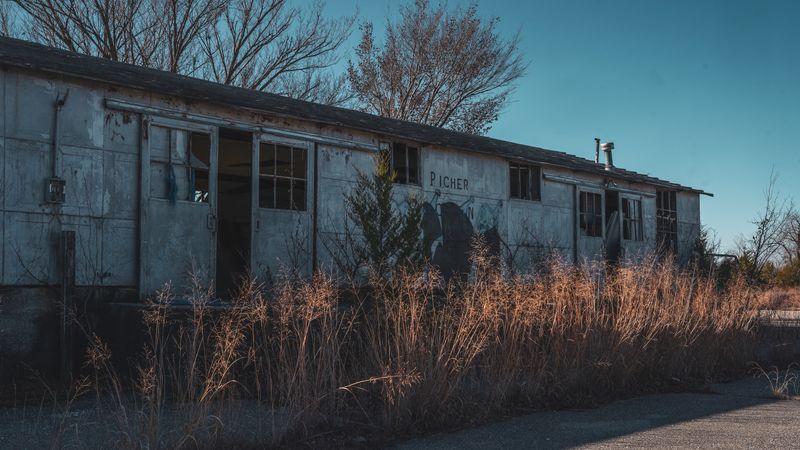
Picher rewards restraint, so plan images that show context rather than just decay.
Use wide frames to place roads, poles, and chat piles in relationship to each other.
Let light guide your choices, since side sun reveals textures on gravel and concrete.
Tripods are helpful on calm days, but keep setups off private land and away from fragile ground.
Look for repeating lines that tell a story about the town grid and industrial flow.
Utility poles, drainage ditches, and curb cuts all work as visual clues to past function.
Portraits of places work best when you avoid moving or touching anything on site.
Compose from the shoulder and allow negative space to carry weight.
Avoid images of people without permission, and be thoughtful about vehicles and plates.
Reflections in puddles can add depth without stepping into unsafe areas.
Oklahoma light swings from harsh to luminous, so use morning and late afternoon windows.
Cloud cover helps manage contrast and adds mood that suits this setting.
Black and white treatments can emphasize form, but color tells the fuller environmental story.
Both approaches work if you keep edits subtle and true to the scene.
Share captions that explain safety, context, and what remains out of frame.
Your gallery can invite learning while honoring the people who once called this town home.
Dear Reader: This page may contain affiliate links which may earn a commission if you click through and make a purchase. Our independent journalism is not influenced by any advertiser or commercial initiative unless it is clearly marked as sponsored content. As travel products change, please be sure to reconfirm all details and stay up to date with current events to ensure a safe and successful trip.
