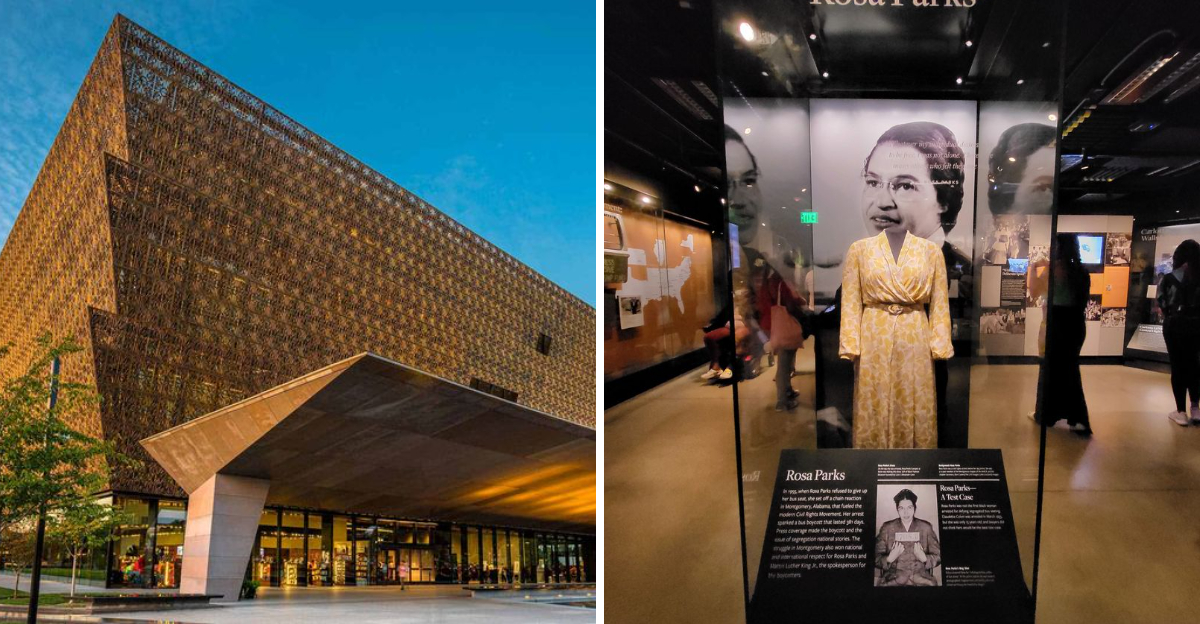
Record visitor numbers are flowing to the National Museum of African American History and Culture, and the energy feels electric from the moment you see the bronze lattice glow against the Mall.
You can sense the anticipation in every line as families, students, and solo travelers plan their routes through the galleries before the doors open.
Timed entry tickets remain free and essential, yet even standby lines move with a buzz of shared purpose that makes the wait feel worthwhile.
The building promises depth and delivers, guiding you from hard history to joyful celebration with care and clarity.
If you have been waiting for the right moment to go, this year is the sweet spot for an unforgettable visit.
Essential Details For A Smooth Arrival
You will find the National Museum of African American History and Culture at 1400 Constitution Ave.
NW, Washington, DC 20560, set prominently along the National Mall with clear sightlines to the Washington Monument.
Doors typically open at 10 AM, with Monday hours starting at noon, and closing times listed at 5:30 PM on the current Smithsonian schedule for 2025.
Timed passes remain free through the museum website, and the standby line is available most days when capacity allows, though morning arrivals see the best odds.
Security screening moves efficiently, yet arriving fifteen minutes early keeps the pace relaxed and ensures time to orient at the lobby information desk.
Strollers are welcome, wheelchairs are available on a first come basis, and accessible entrances and elevators are positioned with helpful signage on each level.
The visitor services team can provide sensory maps, quiet recommendations, and printed guides that outline routes through history galleries and modern culture floors.
Photography is allowed in many areas without flash, but some collection items carry restrictions that are clearly marked near display cases.
Lockers are not provided, so plan to travel light with a small bag that meets screening guidelines, especially on weekends that draw heavier attendance.
Public transit remains the easiest choice, with Federal Triangle and Smithsonian stations placing you within a short, pleasant walk across well maintained paths.
If you drive, street parking can appear on weekends but fills quickly, and nearby garages list daily maximums that rise during peak events.
Staff recommend starting in the History Galleries, where descending floors lead chronologically from the slave trade to Reconstruction and the Civil Rights era.
From there, the Community and Culture levels lift the mood with music, sports, style, and art, balancing reflection with celebration across memorable spaces.
Why Crowds Are Growing In 2025
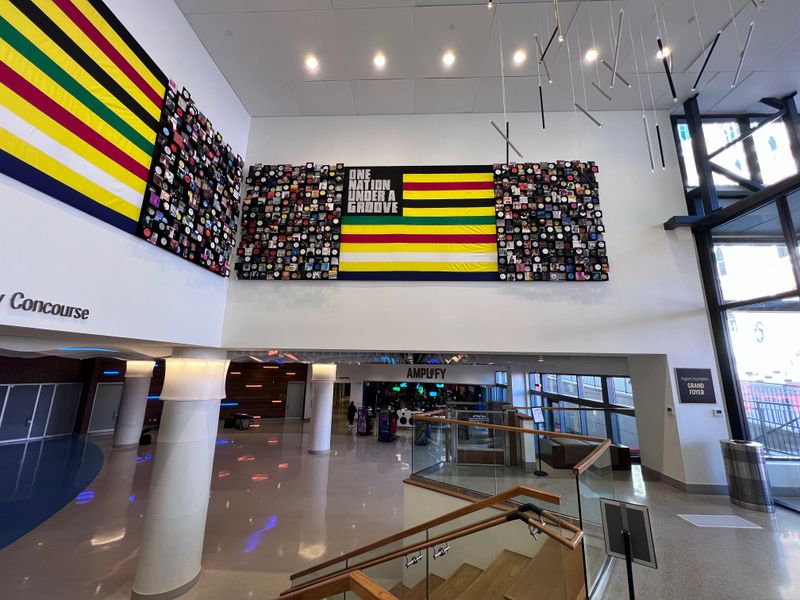
Record attendance this year reflects a combination of thoughtful programming, strong word of mouth, and community partnerships that have expanded awareness nationwide.
Families are planning dedicated museum days because the narratives feel both comprehensive and personal, with layered storytelling that spans centuries and connects to the present.
Teachers point to curriculum aligned resources that make field trips more meaningful, and students arrive ready with questions drawn from classroom themes.
Rotating exhibitions add urgency by spotlighting newly acquired artifacts, fresh scholarship, and contemporary artists whose work speaks directly to current conversations.
Visitor reviews consistently highlight the museum’s careful pacing and helpful staff, which together reduce friction and make full day visits comfortable.
Many travelers make Washington their centerpiece destination, then build itineraries around the Mall, yet this museum is the single stop that anchors the trip.
Returning guests often say the galleries feel different each time, since new labels, multimedia clips, and loaned objects invite repeat discovery and reflection.
Special programs for families, veterans, and educators appear on the calendar throughout the year, often filling quickly once newsletters and social posts go live.
Even standby visitors report positive experiences, noting well managed lines and steady flow across entry intervals that keep spaces from becoming overwhelming.
Longer visits also correlate with the popularity of quiet reflection areas, where guests decompress before moving into music, sports, and cultural celebration upstairs.
The museum demonstrates how inclusive design and clear storytelling can draw wider audiences while maintaining historical rigor and respectful tone.
As word spreads across Virginia and Maryland, regional day trips reinforce weekend surges, and travelers from farther across the United States add to the momentum.
Starting In The History Galleries
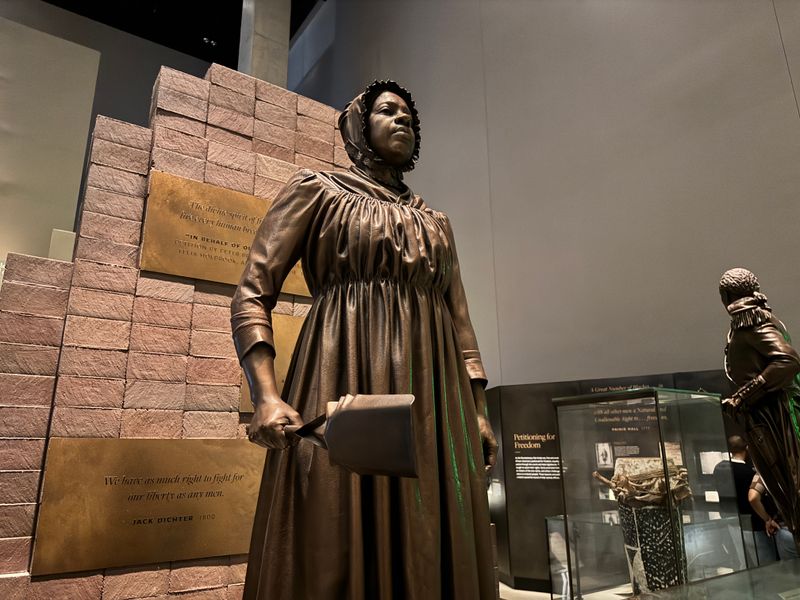
Your visit often begins by descending into the History Galleries, where the timeline moves from the transatlantic slave trade to emancipation with careful curatorial voice.
Lighting is intentionally low to focus attention on documents, artifacts, and personal testimonies that anchor the narrative in lived experience.
Audio stations allow you to pause and absorb voices that contextualize laws, resistance, and survival within shifting political and social landscapes.
Important sections examine Reconstruction’s promises and setbacks, with material that illuminates voting rights struggles and the creation of Black institutions.
Interpretive maps and interactive screens translate complex trade routes and migration patterns into accessible visuals without oversimplifying the historical record.
Because the material is emotionally heavy, plan brief rests in designated areas that let you regroup before continuing forward through the timeline.
Docent led highlights tours can frame your choices, and printed handouts identify must see artifacts when time is limited.
Labels are precise and sourced, and curators actively update text to reflect new scholarship, ensuring accuracy while remaining clear for general audiences.
This floor sets the tone by connecting individual stories to national policy, enabling you to see cause and effect across decades.
Crowd levels rise in late morning, so early entry gives you quieter moments with pivotal items and media stations.
Parents describe fruitful conversations with older children here, using gallery prompts to discuss rights, identity, and civic engagement.
Once you reach the Civil Rights era, you will sense a shift toward collective action, setting up an uplifting transition to upstairs cultural celebration spaces.
Civil Rights And Collective Action
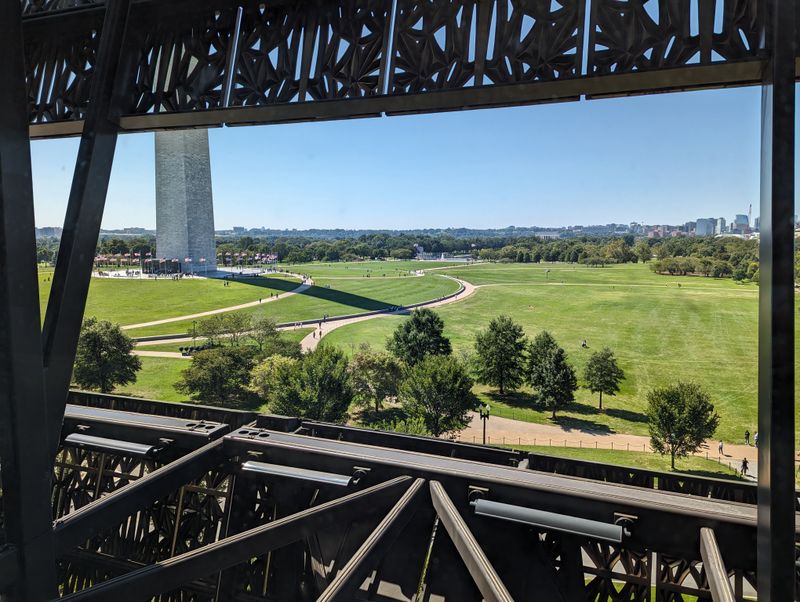
This section traces the long arc of organizing that challenged segregation, disenfranchisement, and unequal access, framing events with local and national perspectives.
You will encounter original posters, clothing, and media that place you at marches, sit ins, and courtrooms where strategy and courage shaped outcomes.
Video installations replay speeches and testimonies, while timelines link landmark cases to grassroots efforts that carried the movement through setbacks and victories.
Interpretive text explains how churches, student groups, and neighborhood networks sustained momentum, with attention to regional differences and evolving tactics.
Artifacts illustrate the risks activists faced, and exhibit designers balance candid history with space for reflection and personal processing.
Interactive tables invite you to explore primary sources that highlight everyday leadership across teachers, organizers, and families.
Guides recommend pausing to note connections between past voting rights battles and present civic life, offering prompts that encourage thoughtful conversation.
Accessibility remains a focus, with captioned media and varied seating that accommodates long viewing sessions comfortably.
Because visitor flow can concentrate in this area, consider circling back later for a quieter read of longer panels and documents.
Staff share context about local stories when available, and suggest readings that extend learning beyond your day at the museum.
Many guests describe this gallery as a pivot that clarifies links between history and current policy debates across Washington and beyond.
The journey onward leads to exhibitions that celebrate creativity, innovation, and joy, rounding out the experience with music, sports, and cultural expression.
Culture Levels Music Sports And Style
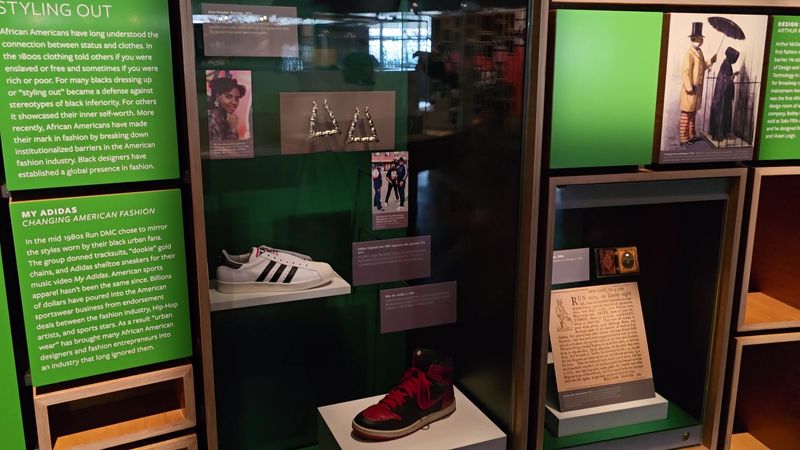
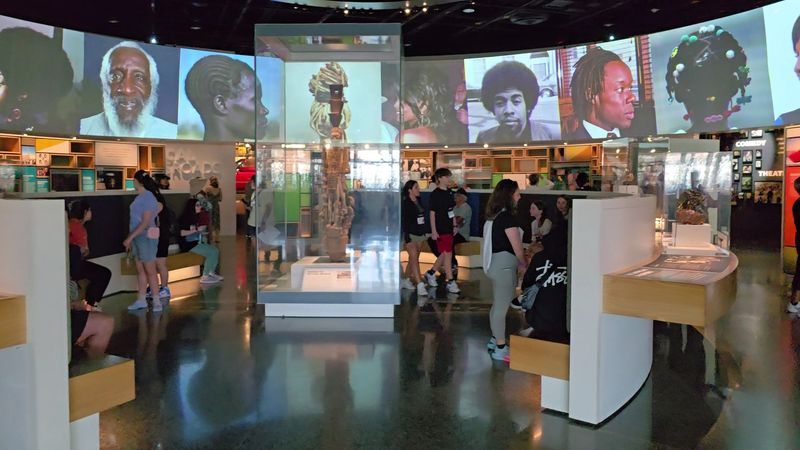
Upstairs, the mood brightens as music, sports, theater, and fashion showcase ingenuity that influenced culture across the United States and the world.
Sound domes let you sample classic tracks while reading about artists who shaped genres and created new scenes in cities large and small.
Sports displays pair jerseys and trophies with stories of teamwork, determination, and community pride that inspired generations.
Curators mixed bold graphics with archival footage, so you can move between objects and media without losing the thread of the narrative.
Visitors love the recording studio elements and stage inspired lighting that simulate creative spaces where artists tested ideas and forged new sounds.
Fashion cases highlight craftsmanship and self expression, with labels that explain materials, designers, and cultural context for iconic looks.
Seating areas make room for longer listening sessions, and captioned screens keep content accessible for a broad audience.
Parents report that these galleries re energize young travelers after the weight of the history floors, creating a balanced day for families.
Docents offer quick pointers to help you hit favorites when time is short, and maps mark the most interactive stations.
Temporary exhibitions rotate on these levels, adding fresh reasons to return for new perspectives on artists and movements.
Photography works well here since lighting is brighter, yet flash free images remain the rule to protect sensitive materials.
When you finish, nearby overlooks offer striking views across the atrium, reminding you how architecture supports the story from floor to floor.
Reflection Spaces And Quiet Moments
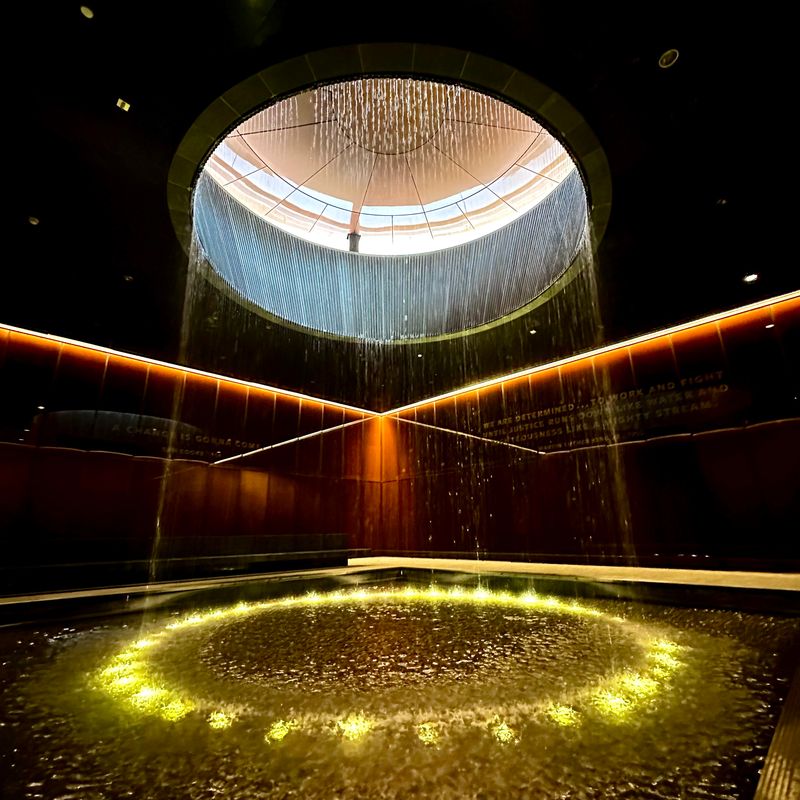
Strategically placed reflection areas allow you to process difficult material and reset before heading to another gallery.
One popular spot features a gentle waterfall that adds soft sound and calming motion, encouraging mindful breathing and unhurried rest.
Benches and wall seats appear throughout the museum, and helpful maps show where to find quieter corners away from peak flow.
Staff thoughtfully monitor capacity, so these spaces remain restorative even on days when attendance records are being set.
Parents appreciate the chance to check in with children and talk through big feelings raised by the history floors.
These pauses help many visitors extend their day, transforming what could feel overwhelming into a meaningful and sustained experience.
Consider saving a few minutes near closing to return here, since late afternoon light creates a serene mood within the architecture.
The design adds warmth through natural materials that soften edges and promote comfort without distracting from the purpose of the visit.
You will find that energy levels rise again after a short sit, making the culture floors even more engaging.
Docents sometimes share optional reflection prompts that guide journal notes or conversation with a travel partner.
Guests often comment that these rooms feel like an essential part of the storytelling, not merely a break from exhibits.
Plan these interludes into your schedule, and you will likely leave with clearer memories and deeper connections to what you saw.
Food Break At The Sweet Home Cafe
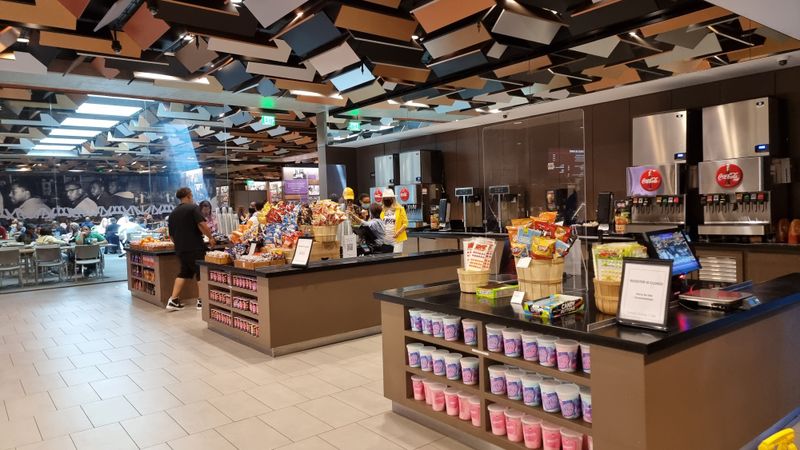
The museum’s Sweet Home Cafe provides a convenient pause with regional menu stations and ample seating that keeps lines moving during busy hours.
The space blends colorful panels with clean counters and clear wayfinding, making it easy to choose a station and find a table.
Service typically runs through mid afternoon, so plan to eat before three to avoid missing the window on a crowded day.
You can expect counter service and friendly staff who help with questions about ingredients, allergies, and kid friendly options.
Prices reflect museum standards, and portions suit a midday break that fuels a few more hours of exploring upstairs.
Diners often mention that the atmosphere feels lively yet comfortable, with noise softened by thoughtful acoustics.
Guests who prefer a quiet corner can scout the edges of the dining room where seats turn over regularly as groups cycle through.
Because re entry is permitted on the same day, some visitors step outside for fresh air before returning for dessert or a final snack.
Restrooms are located nearby and are kept clean by an attentive facilities team that services high traffic corridors frequently.
Menus update seasonally and occasionally align with special programs that highlight culinary history and regional traditions.
You will not find table service, so budgeting time for the line and a relaxed meal keeps your schedule predictable.
As always, follow museum guidance on photography, and focus on the welcoming design, the seating layout, and the overall ambiance.
Planning Tickets Transit And Timing
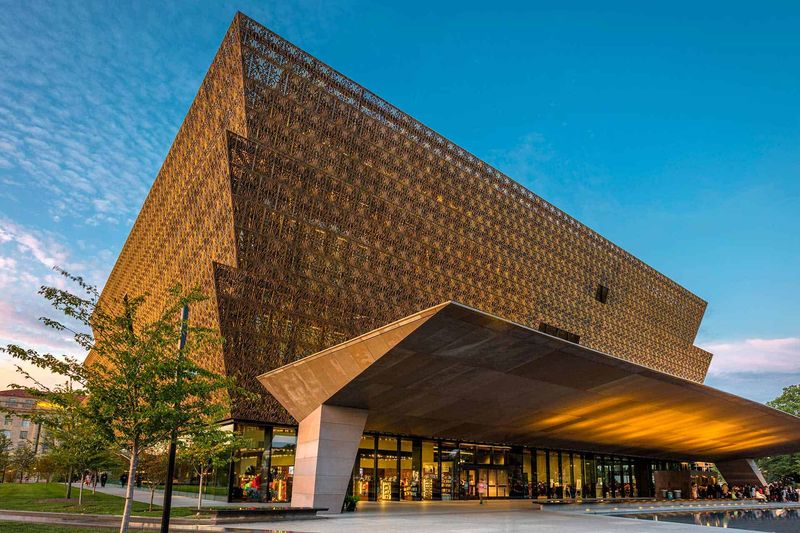
Timed entry passes are available free on the museum website, and early morning slots provide the calmest start to a full day visit.
Same day passes sometimes appear, but high demand makes advance planning the smarter choice for weekends and holidays.
The Smithsonian and Federal Triangle Metro stations place you within a short walk, reducing hassle and avoiding the hunt for rare street parking.
Bus routes and bikes add flexibility, with racks positioned nearby and clear pathways that keep movement steady even during events.
Arriving fifteen minutes before your slot allows time for security and a quick scan of the visitor map at the information desk.
Families who plan breaks every ninety minutes report the best energy, especially when combining heavy history with lively culture galleries.
Consider booking a highlights tour or downloading the official app for maps, audio descriptions, and updated exhibition notes.
Weekdays outside school holidays tend to be quieter, and late afternoons often open space in popular rooms before closing time.
As Washington hosts seasonal festivals, check transportation alerts that may shift traffic patterns or temporarily close nearby streets.
Virginia day trippers often ride the Metro to avoid tolls, while Maryland travelers choose commuter rail and transfer to the subway.
Keep your confirmation email accessible on your phone, since staff may scan quickly to maintain steady entry flow at the doors.
If plans change, monitor the website for release times, which commonly refresh inventories and help you secure a better slot.
Contact Info Hours And Accessibility
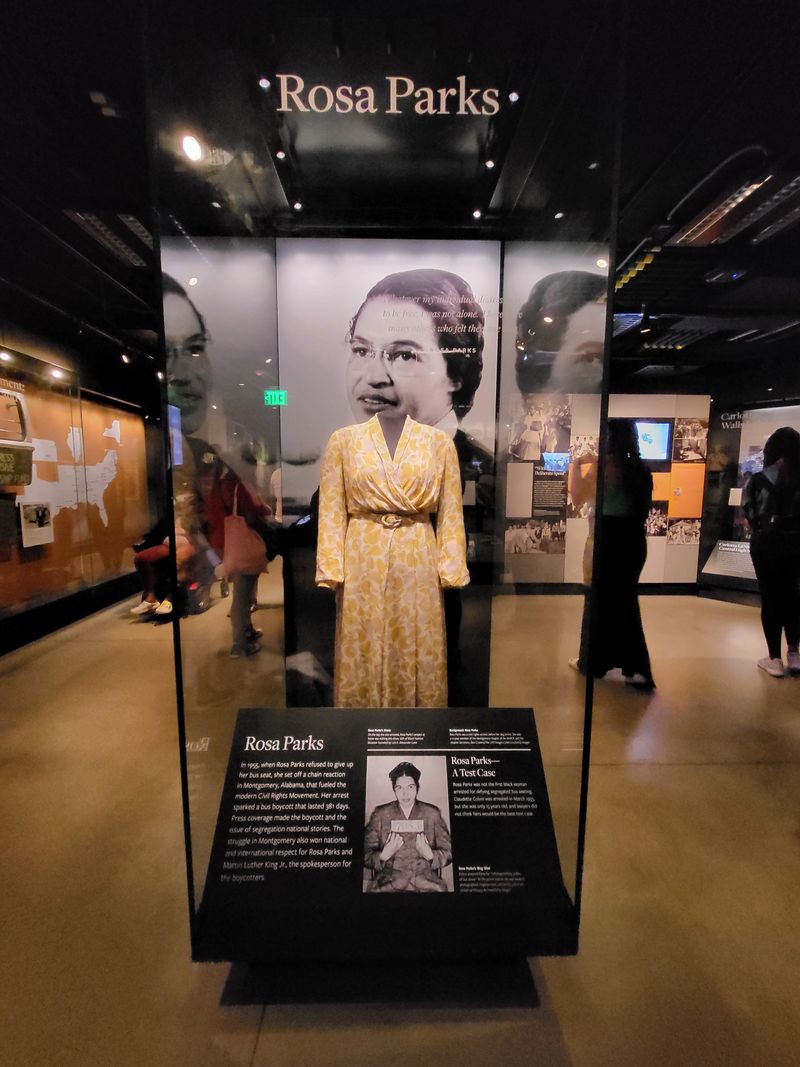
The museum lists public hours as 10 AM to 5:30 PM from Tuesday through Sunday, with Monday opening at noon and closing at 5:30 PM.
Always confirm hours before traveling, since federal schedules and special events can adjust operating times on short notice.
You can reach visitor services through the general line at +1 844-750-3012 for information about passes, groups, and accessibility resources.
Accessibility includes elevators to every floor, ramps, captioned media, tactile opportunities where appropriate, and staff trained to assist with accommodations.
Wheelchairs are available on a first come basis, and service animals are welcome under established Smithsonian guidelines.
Large print materials appear at key desks, and staff can point to quiet spaces and shorter routes for guests who prefer reduced stimulation.
The official site at https://nmaahc.si.edu/ posts ticket release dates, program calendars, and the latest exhibition news.
Visitor feedback indicates that emailing ahead for group accommodations helps the team prepare seating and set expectations for pacing.
Museum maps detail restrooms, family rooms, and water fountains, which are positioned to support extended visits without leaving the building.
Emergency procedures are clearly posted, and staff conduct routine drills to keep responses practiced and reliable.
As attendance grows, the museum continues refining queue management and entry timing to protect the calm and focus inside the galleries.
These touchpoints make the experience welcoming and predictable, reinforcing why so many guests choose to return with friends and family.
Dear Reader: This page may contain affiliate links which may earn a commission if you click through and make a purchase. Our independent journalism is not influenced by any advertiser or commercial initiative unless it is clearly marked as sponsored content. As travel products change, please be sure to reconfirm all details and stay up to date with current events to ensure a safe and successful trip.
