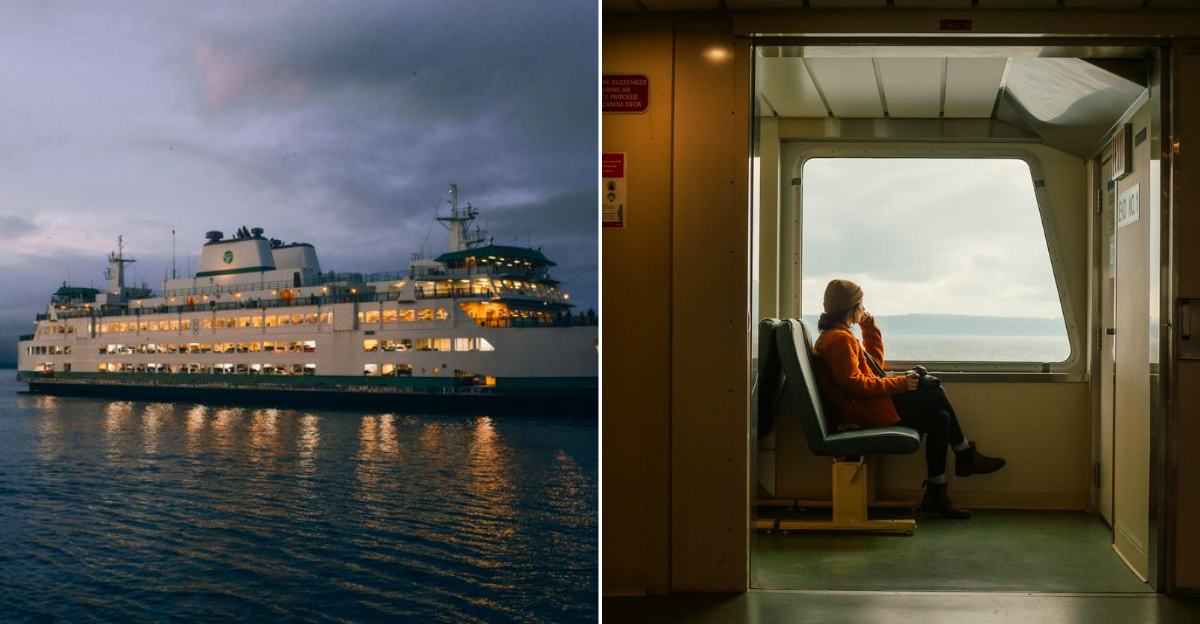
Have you ever thought a short boat ride could hijack your whole schedule?
In Washington, ferries are more than just a way to cross the water. They come with rules that can trip up even the most careful travelers.
The schedules seem simple, the lines look manageable, but there is a rhythm here that locals know by heart and outsiders often overlook.
Miss a boarding window or misread a sign and a quick trip can turn into hours of waiting.
Ferries are woven into everyday life for residents. People know exactly when to show up, how long it takes to park, and where to place their vehicles.
Visitors often assume all routes are the same and spots are available at the last minute. That assumption can backfire and leave you circling or trying to adjust your plans on the fly.
Learning the rules ahead of time transforms a potential frustration into a smooth ride. You get to enjoy the wind, watch the shoreline, and take in the scenery instead of stressing over tickets or timing.
The Ferry Reservation Cutoff That Changes Everything
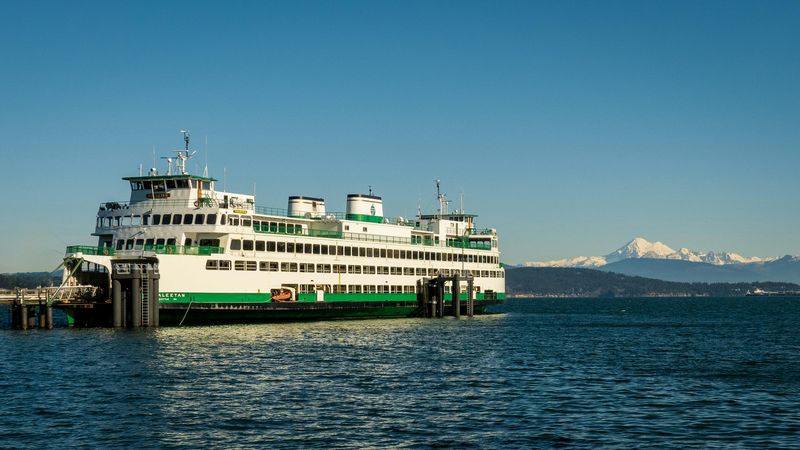
The part nobody warns you about is how the reservation is not a golden ticket, it is a promise with a timer.
The timer is the check-in cutoff at the tollbooth, and it is not flexible.
You can show up with a confirmed spot and still watch it evaporate if you roll in after the window. It feels harsh, but that cutoff keeps the lineup honest.
Washington runs these boats like floating highways, and the schedule only holds when the gates get cars in the right order. That means your spot is real only when the system sees your bumper at the booth on time.
Think of it like a friend holding a seat until the minute the show starts. After that, your seat goes to the crowd.
The rule lives in plain sight on the Washington State Ferries pages and in confirmation emails, but it is easy to skim. Nobody expects last minute traffic or that sneaky backup before the terminal curve.
So, treat the cutoff like your actual departure. Build your day around clearing that booth early, not the horn.
Check-In Versus Boarding: Two Different Problems
Here is the tricky part you might not realize until it bites you. Check-in and boarding are cousins, not twins.
Check-in is when you reach the tollbooth and get scanned into the system with your reservation.
Boarding is when they actually wave you onto the boat from the holding lanes.
The cutoff controls check-in, not boarding. You can make the cutoff and still wait a while before your lane moves.
Staff sort vehicles by lane, height, and balance, so the deck loads like a puzzle. Your reservation gets you into the puzzle, not straight to the ramp.
If you roll up before the cutoff, the computer locks your place and you breathe again. Miss it, and you are suddenly just another hopeful car in standby.
Keeping those two steps separate in your head helps plan the clock.
Aim to beat the tollbooth timer, then settle in for the shuffle.
How Late Arrival Turns Your Reservation Into Standby
Show up late and the system does not argue. It just converts you to standby like a light switch.
Your name on the reservation does not vanish, but the priority does.
The lanes for reserved vehicles keep moving while you slide over to the maybe pile.
Standby is a real thing with hope baked in. It just runs on whatever space is left after reservations, commercial needs, and loading balance are satisfied.
This is where minutes matter more than you expect. A small stall on the highway can cost a whole sailing once you are recast as extra.
When an agent tells you to join standby, they are following the rule that protects everyone who did make the cutoff. It is not personal, it is the way the deck fills fairly.
If you are cutting it close, call out your lane choices early and keep calm.
The goal is to get back in the flow on the next crossing.
Why Standby Can Mean Missing Multiple Sailings
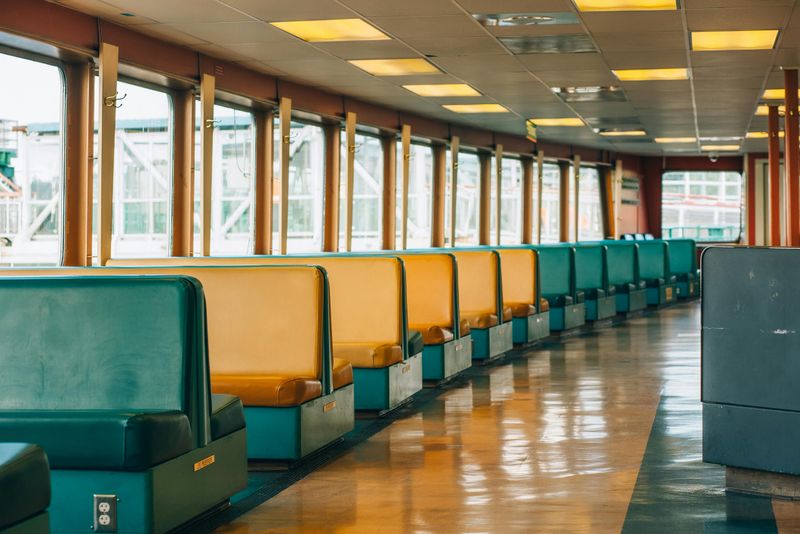
Standby sounds casual until you watch two boats load without you. That is when it gets real.
Each sailing fills first with the folks who checked in on time, plus any priority traffic the crew needs to balance. Whatever crumbs remain go to standby, and sometimes there just are not many.
On a busy afternoon, the standby pool grows faster than the boats can clear it.
You can inch forward a lane or two and still stay parked when the whistle blows.
Washington terminals are built for volume, not mercy. When the lots fill, staff focus on safety and sequencing, not squeezing one more compact into a dream slot.
If you are traveling with a larger rig, standby patience stretches even longer because the deck has only so many long spaces. That geometry rules the day more than goodwill.
So when you hear standby, mentally add extra crossings to your plan. It keeps your mood steady if the board still says wait.
Peak Season Routes Where This Hits The Hardest
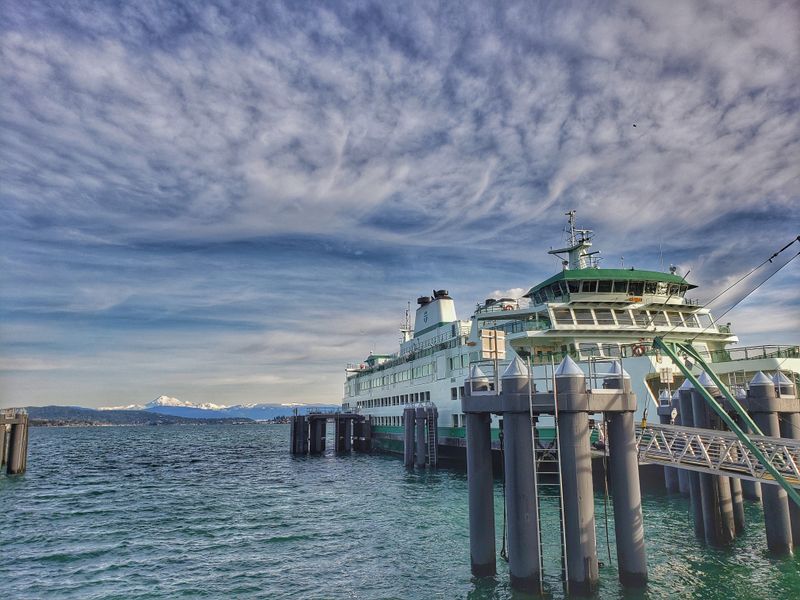
If you want to feel the rule in your bones, try summer on Bainbridge.
The city side moves fast, and the island side fills even faster.
Edmonds to Kingston can stack up in a blink on sunny weekends. Mukilteo to Clinton looks mellow until the queue curls past the curve.
Anacortes to the San Juan Islands is its own beast. Miss the cutoff there, and you could be rearranging an entire island plan.
Even Bremerton gets pinched when an earlier boat is late or a surge hits after work.
The pattern is predictable and also not, which is a fun combo.
Washington puts out travel alerts and cameras, but when the weather is nice, everyone reads the same idea at once. That is why locals treat the cutoff like a finish line.
If you can slide your trip earlier in the day or midweek, do it. Otherwise, pad your clock so the tollbooth greets you with time to spare.
The “Arrive Early” Buffer Locals Actually Use
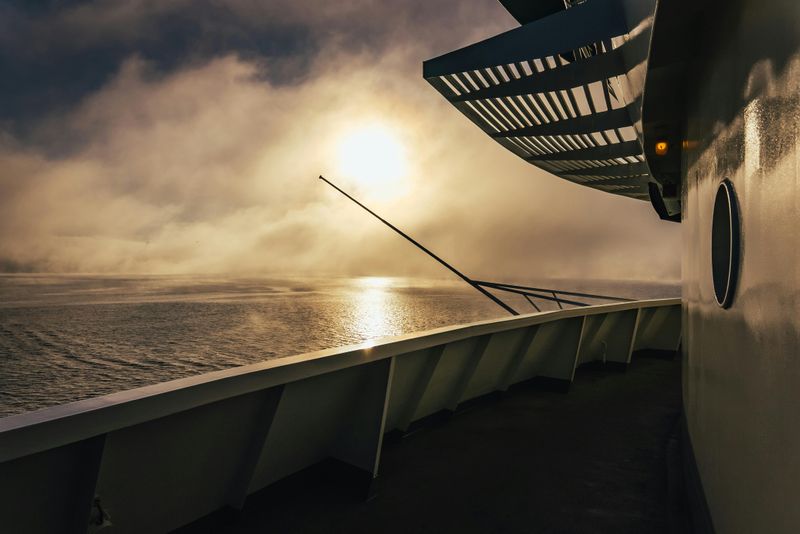
Locals will tell you straight, the posted guidance is the floor, not the goal. They build in extra buffer like it is part of the ticket.
The move is to aim for the tollbooth well before the cutoff, then treat the lot as a quiet pause. You can stretch, check maps, and watch the water settle you down.
Washington drivers learn this rhythm after a couple near misses.
The stress melts when you know the scanner already caught you.
Think about the buffer like packing a spare battery. You rarely regret it, and when you need it, you really need it.
If traffic is typically jumpy on your route, expand that cushion. Rain, game days, or road work make small delays stack up fast.
Make it a habit and the ferry becomes the calm part of the day. That is the vibe you want when the horn sounds and the gate lifts.
Tollbooth Lines That Quietly Decide Your Whole Schedule
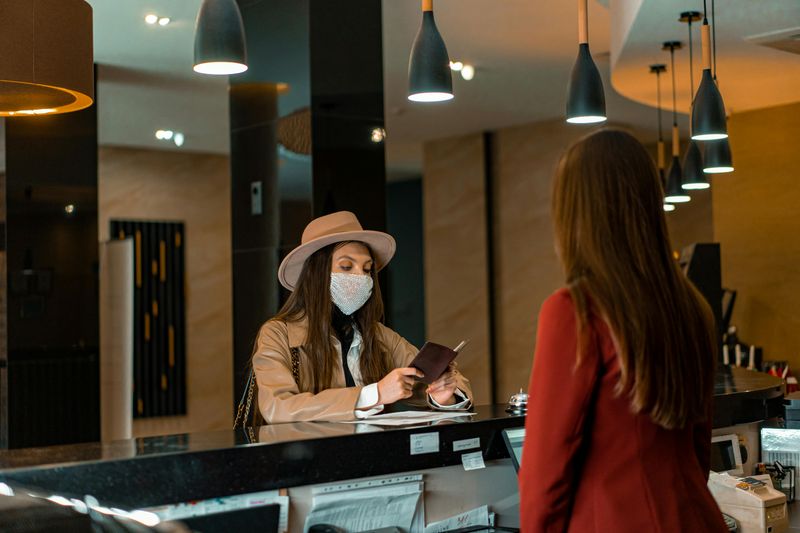
The countdown does not care that you are inside the property. The clock stops only when your car reaches the booth and gets checked in.
That means the line leading to the scanners is the real boss.
If it crawls, your reservation melts while you can literally see the terminal.
Washington terminals vary wildly in layout. Some feed from tight city streets, others from long access roads that back up fast.
When you round the corner and see brake lights stacked to the sign, do not panic. Just know the seconds matter and pick a lane with steady flow.
Staff do their best to meter cars and wave folks forward, but they cannot rewind a cutoff. You have to beat the front, not just the gate.
If you are arriving close, turn off distractions and be ready to roll.
One clean merge can save the spot you already planned your day around.
Simple Habits That Keep Your Reservation Safe
Small habits stack into smooth crossings. Set two alerts and sync your phone clock to the minute.
Double-check the route the night before so nothing catches you off guard, from traffic delays to last-minute lane closures.
Save your confirmation to the top of your phone or print it so you are not hunting at the window. Agents appreciate quick scans, and you save precious seconds.
žA simple backup ensures you are ready even if your battery dies or reception dips.
Pick fuel and rest stops well before the approach. Once you are within sight lines, just keep rolling and trust the timing.
Washington terminals tend to have tight merges right before the plaza. Expect it and you will not get boxed out by a sudden wave.
Travel with a tiny checklist you can run out loud: cutoff time, lanes, confirmation, calm breathing, go. When the day starts to slide, call it early and reset your target sailing.
That single decision can turn a scramble into an easy wait and keep stress from building unnecessarily.
Dear Reader: This page may contain affiliate links which may earn a commission if you click through and make a purchase. Our independent journalism is not influenced by any advertiser or commercial initiative unless it is clearly marked as sponsored content. As travel products change, please be sure to reconfirm all details and stay up to date with current events to ensure a safe and successful trip.
