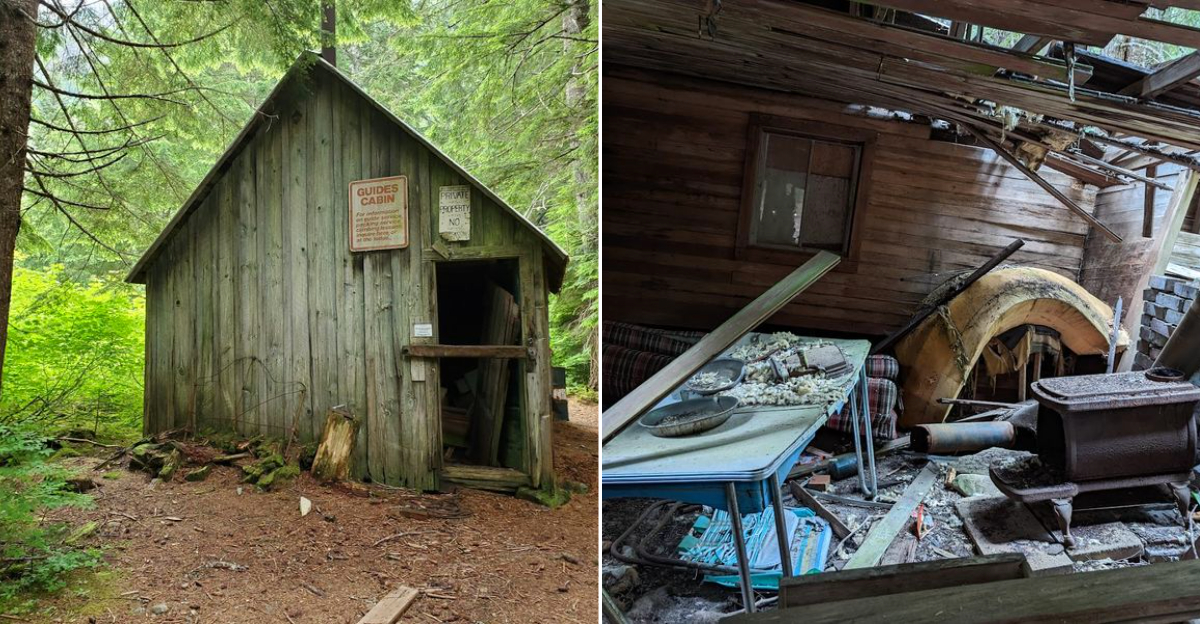
Ready for a ghost town that makes you earn the creep factor? In Washington, there are abandoned places you can only reach by boat or a long trail, and that extra effort changes the whole mood before you even arrive.
The ride in feels like a filter stripping the modern world away. No quick exits, no casual crowds, just water or woods and that steady feeling that you are moving farther from normal.
When the old site finally shows up, it does not hit like a roadside stop. It feels tucked away on purpose, with remnants spaced out, quiet corners, and that unsettling sense that the landscape has been reclaiming everything patiently.
The farther you go, the stranger it gets. Not because something jumps out at you, but because your brain starts filling in the gaps, imagining voices, routines, and the reasons people left.
Even small details feel loud. A foundation line, a collapsed stair, a rusted hinge, they all look like evidence of a life that ended mid-sentence.
This is the kind of place that makes you walk slower, talk softer, and glance back at the trail like it might disappear behind you
This Trip Starts Like A Hike, Then Turns Into A Mission
The first mile or so feels easy, like you’re just warming up your legs on a Washington trail and getting used to the rhythm of your steps. Then the path starts asking for your attention, and you realize this is not a casual wander.
The trail narrows in spots, roots twist like loose ropes, and the air takes on that cool metallic scent that hints at old machinery somewhere out there. You keep going because curiosity always wins out here.
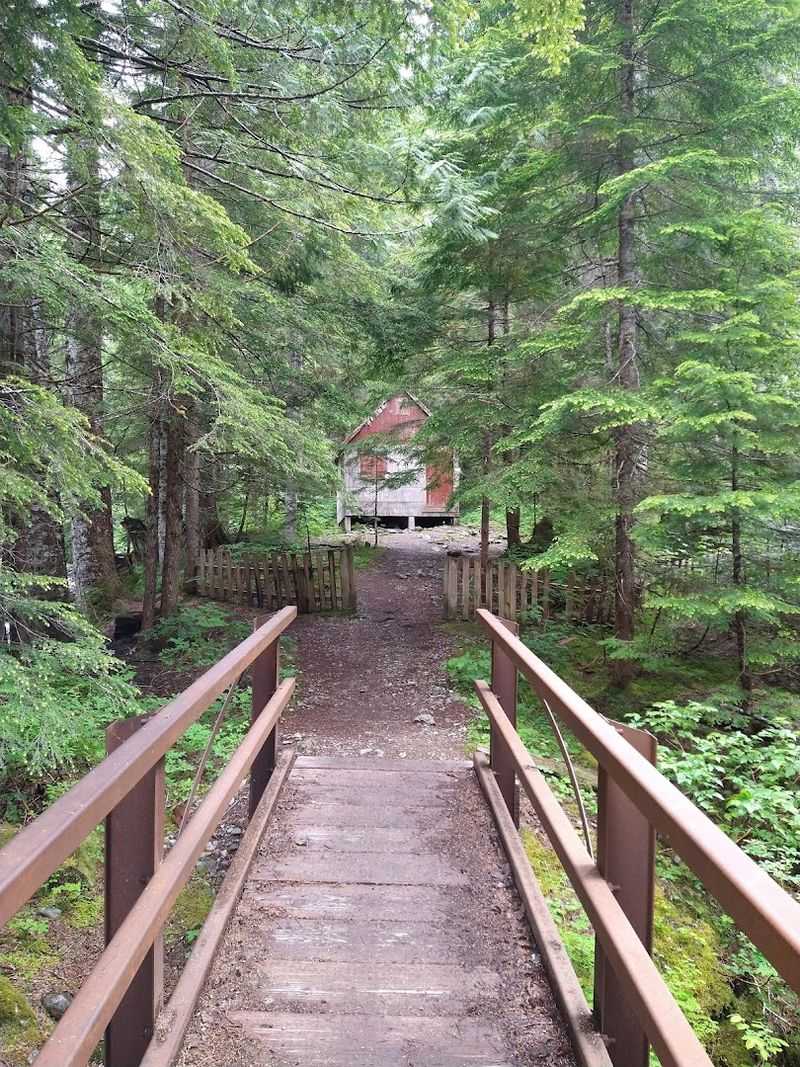
Bridges show up where you half expect them and half don’t. Each one feels like a small agreement between you and the place.
By the time the forest closes in and the river noise grows, you’re already tuned to the right channel. The hike turns into a mission, not because it is hard, but because your head locks onto the goal.
Monte Cristo stops being a dot on a map and becomes a feeling you are chasing. That feeling settles into your pack without asking.
You start watching for old ties and stray cables in the brush. Little clues make the miles feel shorter and stranger.
Every bend suggests a reveal that waits one more minute. That delay is the best kind of suspense.
Getting There By Trail Or Boat Is What Keeps It Feeling Secret
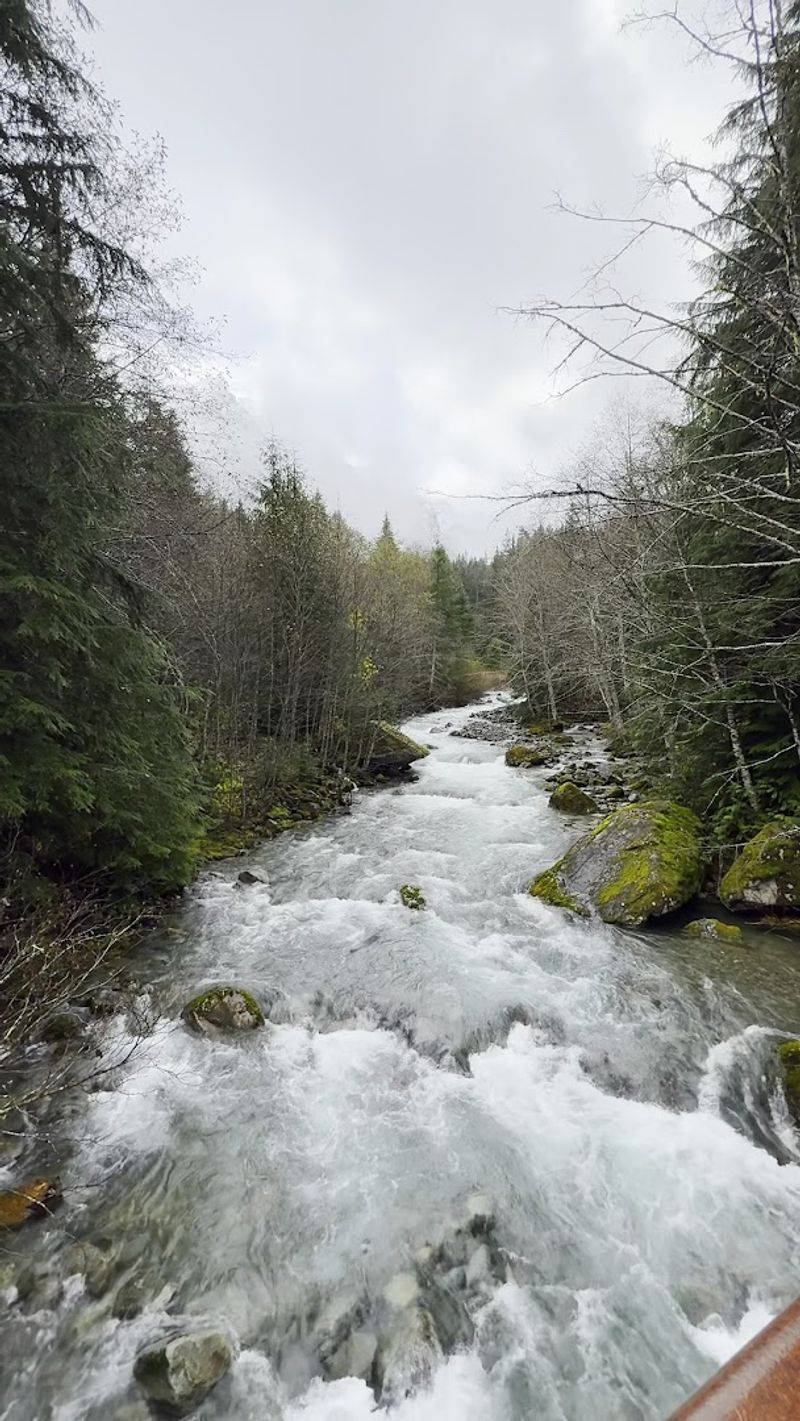
You can hoof it on the Monte Cristo trail, or in certain seasons some folks arrange a small boat assist on the river sections that make sense. Either way, that limited access is the filter that keeps this place quiet.
There is no big parking lot buzz or casual drop in. You earn the stillness by moving through it.
The trail gives you time to change gears from normal life into slow look mode. A boat gives you a shortcut in spirit, but not an escape from the mood.
Washington has a knack for tucking history behind a few layers of effort. Monte Cristo might be the most convincing example of that trick.
Because you can’t roll right up, you notice more. You listen more.
Even the signs feel like whispers rather than shouts. The river keeps noise down to essentials.
When you finally step onto the old town site, it lands differently. You arrived the old fashioned way, and the place knows it.
Monte Cristo’s “Boomtown” Past Still Shows In The Layout
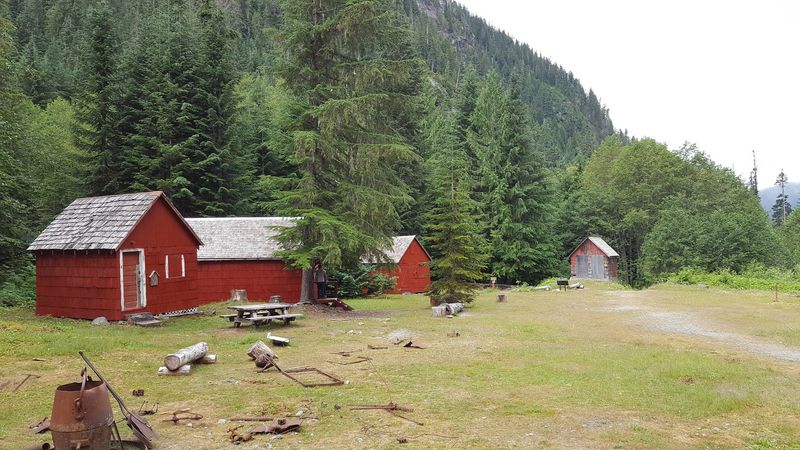
Once you reach the flats, the town plan clicks into view, and it is wild how much still lines up. You can stand where the main drag ran and trace structures with your eyes like dotted lines.
The old grid makes your steps slow down because you start walking imaginary streets. Corners appear even without buildings.
Signposts and foundations anchor the picture just enough to keep it from turning mythic. You can see how the boomtown energy would have flowed.
Look long enough, and you can guess where stores, bunkhouses, and machine sheds sat. The mountains around it feel like impatient spectators.
Washington towns like this were built with a directness that still reads. Straight lines in a curvy landscape stand out.
It is easy to forget how much was shipped in piece by piece. Then a rusted bolt or cable winks from the brush.
You find yourself narrating where people would have cut through or lingered after work. The map under your feet becomes personal once your brain fills the gaps.
The Empty Structures Make Your Brain Fill In The Noise
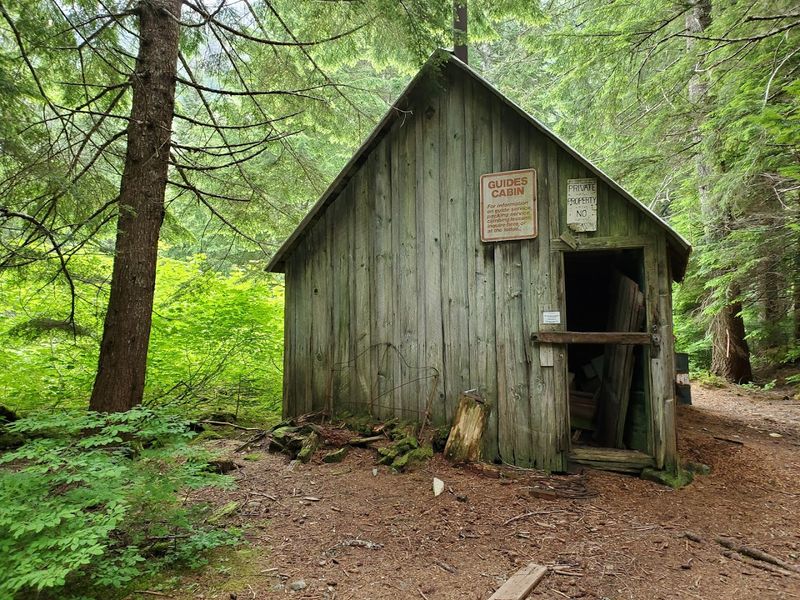
Silence can be loud, right? The empty frames and open doorways make you hear things that are not there, like distant clanking and voices turning a corner.
I caught myself pausing at a threshold that has no door. Something about edges makes imagination turn up.
Boards creak from temperature, and your head decides it is footsteps. Wind threads through nails like a low whistle.
You do not need a ghost story for this place to feel active. You just need a minute without talking.
Washington forests always have their own soundtrack. Here it syncs with the old town in a way that feels intentional.
Peek inside any partial shed and the shadows stack. That stacked dark is where your mind writes headlines.
It is not creepy so much as insistent. The scene keeps asking what you think happened after work ended.
The River And Forest Make Everything Feel More Isolated
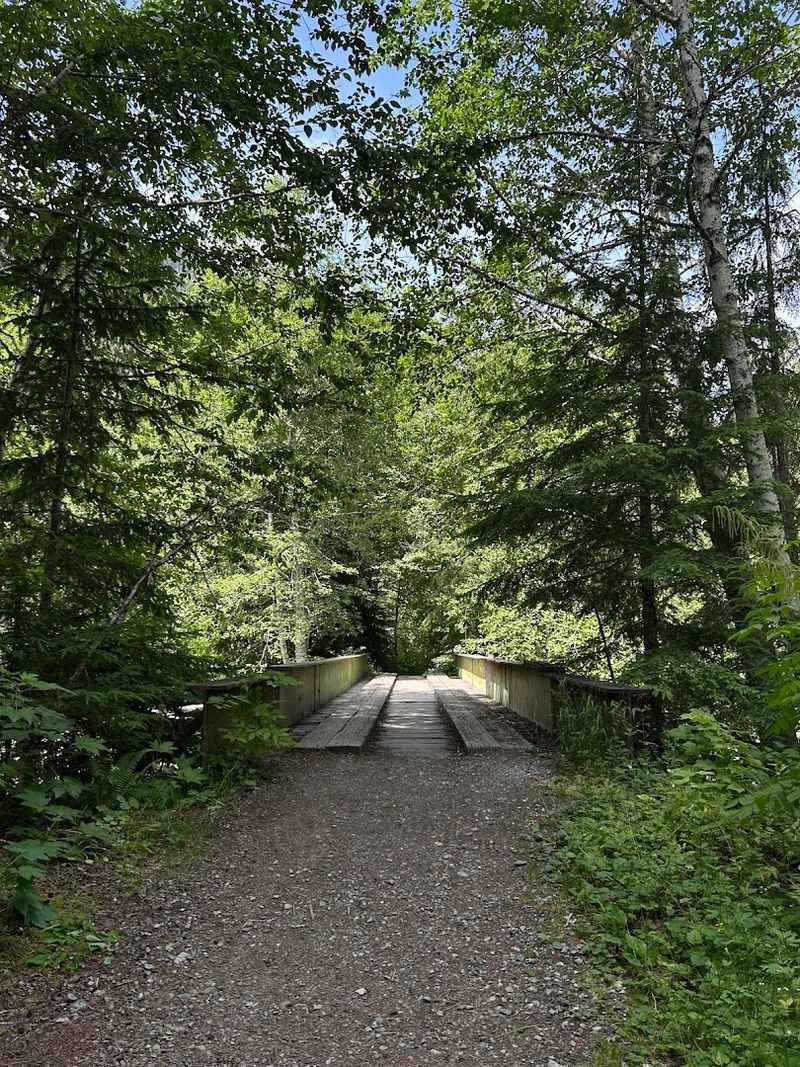
There is a steady hush from the water that edits out every stray thought. The forest piles on with soft ground and cedar breath, and the combo is its own kind of gate.
You notice how voices drop without anyone deciding to whisper. Even laughter rolls out softer and then gets eaten by the trees.
The river crossings make you slow down and check footing twice. That slowness becomes the day’s tempo without argument.
Look up and the ridgelines make a shallow bowl around the site. It feels like the town sat here because that bowl said yes.
Washington does containment really well. Mountains, water, and woods draw a tidy circle.
Inside that circle, time keeps a different beat. Your phone might as well be a rock.
When you step back across the last bridge later, the normal soundtrack sounds too sharp. It takes a minute to want it back.
Weather Can Flip The Mood In About Ten Minutes
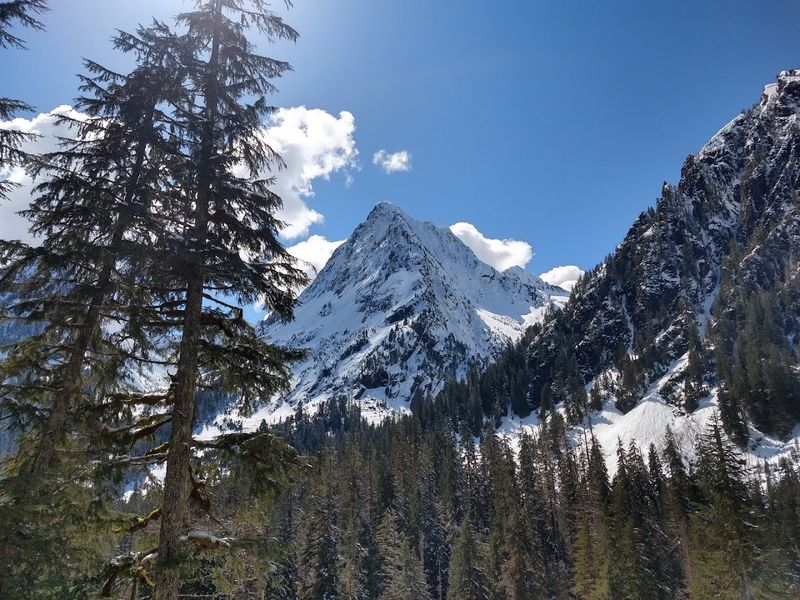
Sun on metal scraps looks almost cheerful, and then a cloud slides over and the whole place sinks into grayscale. That tilt from bright to dim happens fast enough to feel personal.
Mist is the real magician out here. It erases edges and then redraws them two steps to the left.
Trails feel different when the air thickens, and sounds shrink to arm’s length. You check the same landmark twice because it changes coats.
Bring layers, always, and be okay with the hike turning moodier than planned. Washington weather plays short games and wins often.
A light rain on old timbers looks cinematic. It also makes wood slick, which your shins would rather skip.
If a patch of blue shows up again, the relief is loud. You can feel it in your shoulders first.
Either way, the town takes on whatever tone the sky sets. That quick shift is half the story you will tell later.
Photo Spots Here Look Normal, Then Come Out Unsettling
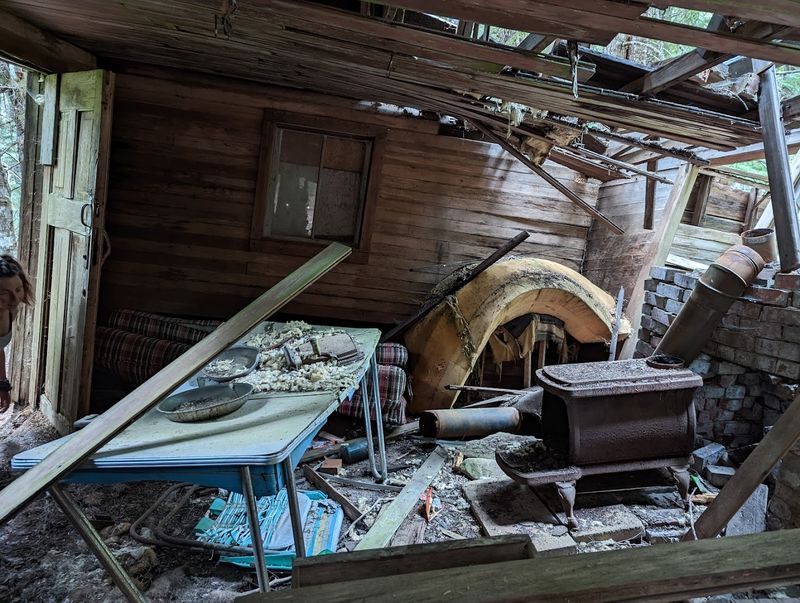
You line up a clean shot of a wall and a trail, and it looks totally straightforward on your screen. Later, you notice the angles feel slightly off, like a set that was struck mid scene.
Symmetry is the trickster here. Perfect lines meet busted edges, and your brain keeps trying to fix them.
Stand back and the whole scene reads like a park. Step closer and the textures start telling a harsher story.
Washington light loves to complicate photos with soft gray and green. That palette makes ruin feel calm instead of chaotic.
Try a wide frame by the foundations near the open flats. Then grab a tight detail of bolts swallowed by moss.
Do not be surprised if your favorite image looks peaceful and uneasy at the same time. That is Monte Cristo working on you.
Keep moving your feet instead of your zoom. Angles change the mood faster than filters do.
Old Mining Ruins Make The “Do Not Touch” Rule Feel Obvious
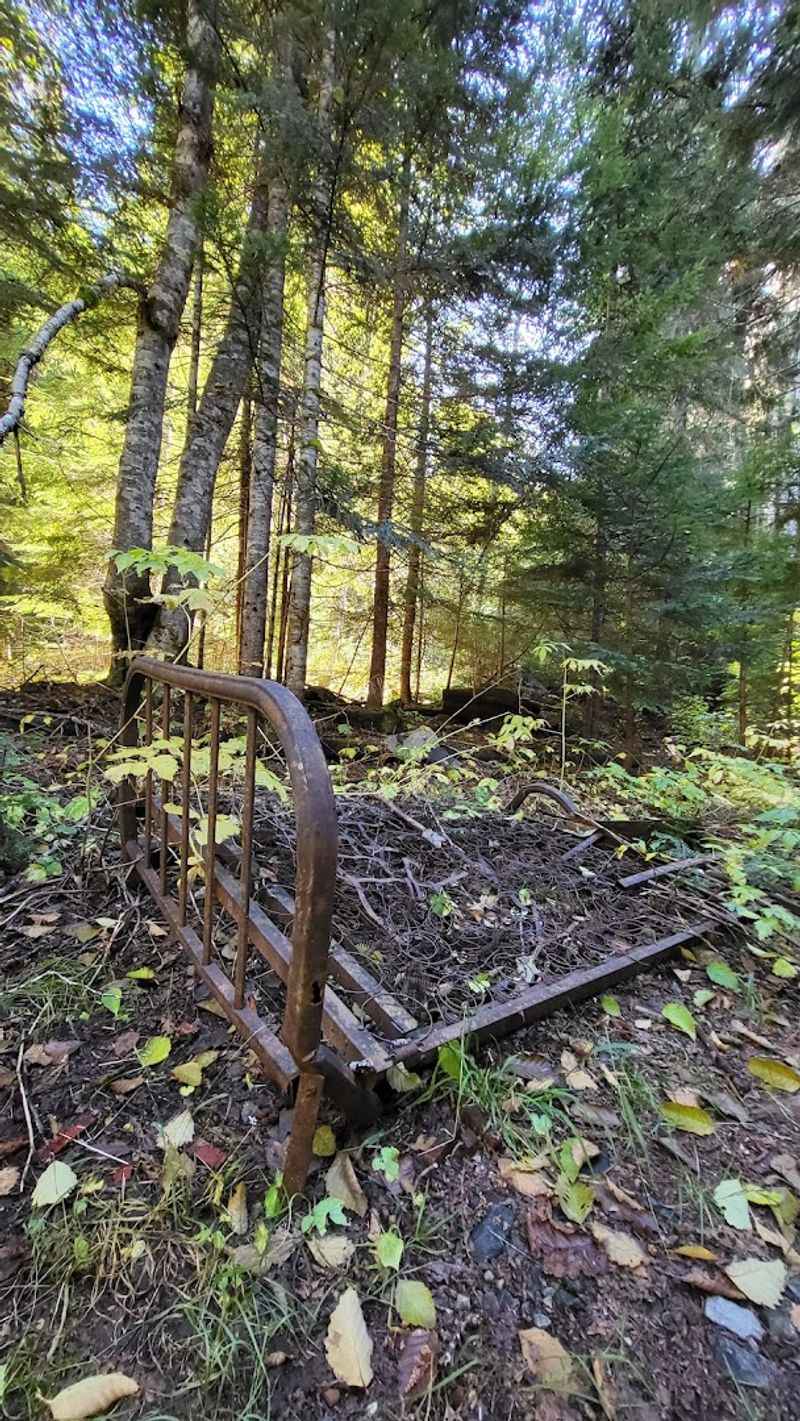
Some relics look sturdy until you get close and see daylight through the seams. That is your cue to keep hands off and respect the fences and signs.
Steel that once pulled ore now flakes at a glance. Wood bracing looks solid until a boot scuff turns it to lace.
It is not just about safety, though that matters a lot. It is about letting the place tell its story without you editing it by accident.
Washington protects sites like this for a reason. They are classrooms without desks, and they break easily.
You can get great photos without crossing lines. Angle the shot, not your body, past a barrier.
Every small restraint adds up to years more of visiting for everyone. That trade is worth it ten times over.
When in doubt, step back a half step. The scene often looks better from there anyway.
One Wrong Shortcut Can Turn This Into A Longer Day Fast
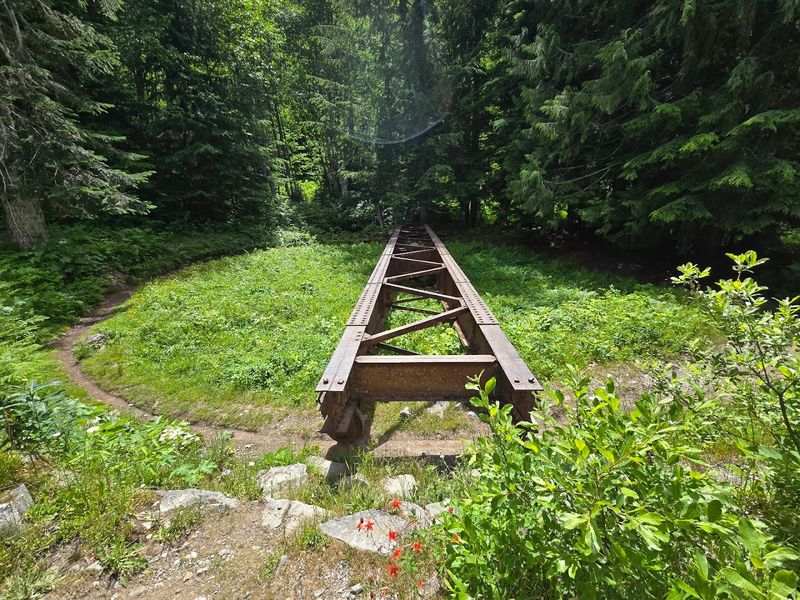
It is tempting to shave a corner when a side path looks inviting. Around here, that move can buy you an extra hour and a new set of questions.
Stay on the obvious tread, even when it feels too obvious. The subtle tracks are often old maintenance spurs or game routes.
Crossings can braid in flood season, which makes decisions blur. If you are unsure, pause and let the land settle in your head.
Washington trails reward patience more than speed. The maps and posted notes deserve a real look.
Build in a buffer for navigation checks. That buffer is the cheapest insurance you can carry.
When you nail the turns, the day flows and the story does too. When you do not, you get bonus cardio and fewer photos.
No shame in backtracking until the main tread returns under your boots. That moment of relief is its own small win.
The Walk Back Feels Different After You’ve Been There
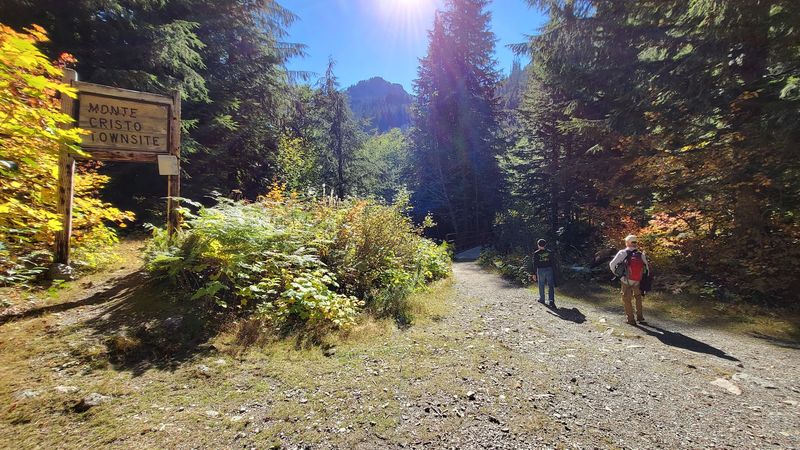
On the return, the same bridges feel friendlier and the same trees look like people you now know by name. Your stride loosens because the mystery part has shifted into memory.
Little details pop that you missed on the way in. A cut stump, a faded tag, a cable looped like a bracelet on a root.
The town lingers in your ears even though it is quiet again. You will keep glancing back until the last bend makes that impossible.
Washington hikes often end with a mental download at the trailhead. This one keeps uploading while you drive.
I always tell friends to plan a few extra minutes to just sit after. Let the mind catch up to the feet before you rejoin noise.
Monte Cristo is a place you carry out in your head as much as on your boots. That is the real souvenir you cannot misplace.
Next time, you will notice something different at the exact same spot. That is how you know it got under your skin.
Dear Reader: This page may contain affiliate links which may earn a commission if you click through and make a purchase. Our independent journalism is not influenced by any advertiser or commercial initiative unless it is clearly marked as sponsored content. As travel products change, please be sure to reconfirm all details and stay up to date with current events to ensure a safe and successful trip.
