The surprise hits before the road trip really even gets going. Washington has a radar detector rule that catches drivers off guard fast, mostly because it involves one of those devices many people assume is either harmless, outdated, or not worth thinking twice about.
Then the law enters the picture and suddenly a simple drive comes with one more thing visitors did not expect to worry about. That is what makes this rule so interesting.
It turns an ordinary piece of driving gear into the kind of detail that can change how people approach the road the second they learn about it. In a state where travelers are often focused on scenery, routes, and getting from one beautiful stop to the next, this kind of legal surprise stands out even more.
By the time drivers realize Washington takes the issue seriously, the rule has already done exactly what makes it memorable in the first place.
The Washington Radar Detector Rule That Is Not For Everyone
Here is the curveball you do not see coming until someone says it out loud. In Washington State, radar detectors are legal for everyday drivers in personal cars, as long as they are used responsibly.
That sounds simple, yet the twist is that the very same device can cross a line the second you move into the commercial world.
You can cruise along the interstate with a detector mounted clean and low on the glass, and nobody will blink if it is not blocking your view. But switch to a company truck or a heavy rig and the federal rule that Washington enforces steps in and shuts that down.
The state does not have to write its own special ban when the national standard already says commercial vehicles cannot use them.
That difference is why visitors get confused at fuel stops, because a rule that feels fine in a rental turns into a problem the minute the job changes the tag on the door. The lesson is basic, but it matters on Washington roads, where inspections, weigh stations, and quick glances at the windshield can turn curiosity into a citation.
Keep the device if you are in a personal car, know the line if you drive for work, and double check the mounting so your view stays clear. Ask at the counter, glance at the cab rules, and treat the little box like a tool with context, because in Washington the difference between fine and flagged often comes down to what you drive, where you mount it, and why you thought you needed it.
Why Commercial Drivers Need To Know This Fast
If you are hauling freight through Washington and thinking the rules feel the same as a family road trip, you will want to pump the brakes for a second. The federal restriction on radar detectors in commercial vehicles applies on these roads too, and the state does not blink when it comes to enforcement.
That means a device that feels harmless at home could turn into a citation the moment you roll into an inspection lane.
Most commercial routes in Washington funnel you past weigh stations, ports of entry, and quick roadside checks where eyes are trained for small details. A detector on the dash is a bright flag in that setting, and it invites questions you do not want when your schedule already feels tight.
Save yourself the conversation and pull the device before you hit the line.
This is not about catching you off guard, even if it feels that way on a long shift with weather sliding in from the water. It is about a consistent standard for working vehicles, and Washington follows it straight.
If you swap between a personal car and a company rig, treat the dashboard like a reset and remember that the rules change with the job. Ask dispatch, read the handbook, and keep the windshield clean so nothing blocks your view.
The Federal Rule Washington Enforces On The Road
Here is the backbone of the whole conversation, and it is not a quirky local policy. The federal rule prohibits radar detectors in certain commercial vehicles, and Washington carries that standard onto its highways without dressing it up.
So if your vehicle is the kind that falls under federal carrier rules, the answer on detectors is straightforward.
What trips people up is the feeling that a state line should change the equation, when in reality Washington simply mirrors the national baseline. That is why you might see a mix of passenger cars with tidy little mounts on the glass, and company trucks that keep the dash clean.
It is not favoritism, it is just different categories playing by the book that applies to them.
On a practical level, this shows up in those calm, businesslike moments at an inspection point. A quick glance at the windshield, a look at the cab, and an officer has everything they need to ask the next question.
If you keep the detector out of the commercial cab, you remove a reason for that extra step. For a personal car on a Washington weekend, use common sense, avoid any view obstruction, and stay focused on the road instead of chasing beeps.
That way your drive feels easy and your compliance feels calm.
A Small Device That Can Become A Big Problem
Funny how a little black box can create outsize drama the second you cross into the wrong lane at the wrong moment. In Washington, a detector in a personal car may be fine, but a detector in a commercial cab can spark a longer chat than you had planned.
The difference is not the gadget itself, it is the job the vehicle is doing.
Think about the visibility piece too, because mounting matters for everyone on the road. If that device sits high and blocks even a sliver of your sightline, you have a separate issue that Washington equipment rules care about.
Clean, low, and tidy is the smart route if you are using one legally.
The bigger picture is risk and time. You do not want an officer to spot something, start a conversation, and then discover more compliance questions hidden under the edge of the dash.
Keep it simple and you keep moving. Washington roads can feel busy, with ferries, passes, and urban merges all in the same day, so stack the deck in your favor.
Use the right rule for your vehicle, secure the mount, and let the drive breathe a little.
Why This Catches Some Drivers Off Guard Immediately
It is the speed of the surprise that gets people, not the complexity of the rule. You roll off a ferry, hit the merge, and assume what worked last week will work today, until a weigh station sign or a checkpoint reminds you that commercial standards travel with you.
Washington does not spring a trap, it just keeps the federal line intact.
Regular drivers soak this up fast, because nothing changes for a basic road trip with a compact car. Commercial drivers feel it right away, since the cab becomes a workspace where different safety expectations live.
The same little mount that looked harmless on vacation looks out of place next to a logbook and a vest.
What helps is building a tiny habit at the start of the day. Glance at the windshield and ask which hat you are wearing, the visitor hat or the working hat?
If it is a work day, the detector goes in the bag and the dash stays clean. Washington roads reward that clarity, and your pace feels smoother when you know you will sail through the next quick inspection.
Surprises fade when the routine kicks in.
The Part About Having One In The Vehicle That Matters
Here is a detail that gets whispered at truck stops more than it gets printed on brochures. In Washington, the conversation is not only about using a detector, it is about having one present in a commercial cab, which can still raise a flag during an inspection.
The device sitting dark in the corner may not help your case.
For personal cars, the tone is lighter, as long as the mount is sensible and the driving stays calm. If the unit blocks your sightline or encourages pushy behavior, you invite a different kind of talk that nobody wants on a quiet drive.
Keep it neat, keep it legal, and you are fine.
Commercial drivers often swap vehicles, which makes the habit piece more important. Throw the detector in a backpack, leave it in a locker, do anything except letting it ride in the cab on a work day.
Washington inspectors are efficient, and they notice small things quickly, especially anything stuck to the glass. When your windshield is clean and your dash looks like a workspace, the stop usually stays short and simple.
That is the kind of routine that keeps your shift humming.
Why This Is Different From A Usual Passenger-Car Assumption
The usual mindset says a gadget is either legal everywhere or illegal everywhere, and that neat split is not what lives on Washington roads. Here the answer shifts with the type of vehicle and the job it is doing, which makes sense once you sit in each seat.
A family drive has one rhythm, and a freight run has another.
In a personal car, the detector is just another tool that still demands common sense and a clear view. In a commercial cab, the risk calculus changes, and the federal standard that Washington honors makes that device a no go.
That is not a moral judgment, it is a different lane with different stakes.
If you want to keep it simple, tie the rule to your purpose. Headed to a trailhead or a beach, driving a standard car, and keeping it tidy?
Fine. Clocked in and rolling freight on Washington corridors?
That cab needs to stay clean. When the purpose shifts back, recheck the mount and breathe.
It is a small habit that pays off all day.
Why Washington Commercial Routes Make This More Relevant
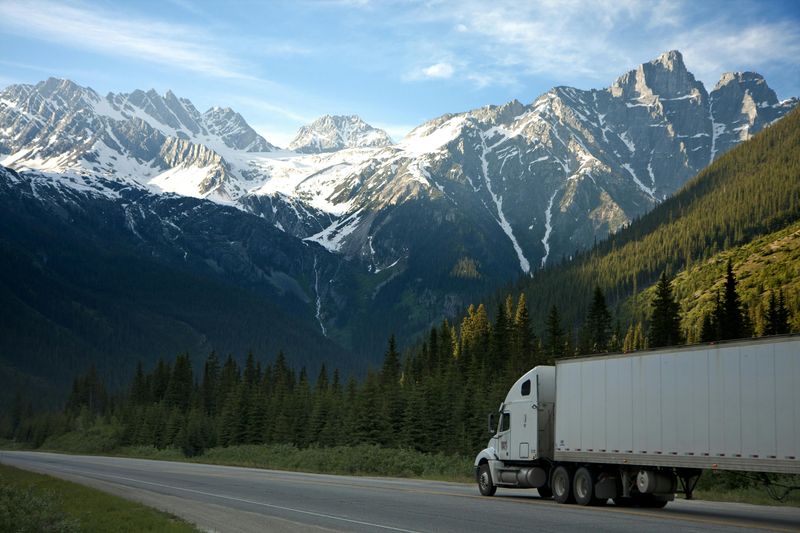
There is a reason this comes up more in Washington than you might expect. The state packs ferries, steep passes, ports, and busy urban lanes into one tidy map, which means commercial traffic moves through checkpoints and inspections as a daily rhythm.
More touchpoints mean more chances for a small device to get noticed.
For personal cars, life is easier, especially on quiet weekend drives where a neat mount keeps the view clear and the vibe relaxed. For commercial drivers, the route itself brings you past eyes that are trained for compliance, and a detector in the cab is not worth the risk.
Following the federal rule that Washington applies keeps your day from spiraling.
Think ahead before the first merge. If the vehicle is assigned for work, treat the interior like a cockpit with only what is needed.
If you are off the clock in a normal car, the decision shifts, and it becomes about safe placement and sensible driving. Washington rewards that mindset with fewer stops, smoother conversations, and a calmer drive.
That is worth more than whatever a blinking display might promise.
The Radar Detector Surprise That Hits Working Drivers, Not Tourists
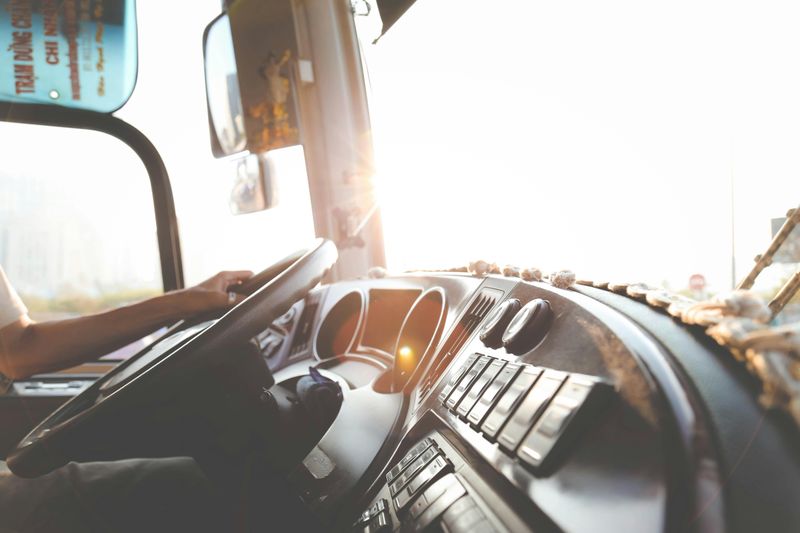
Ask around at a hotel desk and you will hear plenty about scenic drives and mountain views, but you will not hear much about radar detectors. Tourists cruising Washington in rental sedans rarely have a problem, because the personal car rule stays friendly.
Working drivers feel the snap, since the commercial standard flips the answer entirely.
It feels a little unfair until you remember the context. A commercial cab is a workplace, with different expectations and safety checks, and the federal rule that Washington carries onto its roads is part of that safety net.
Nobody is trying to ambush you, they are trying to keep the day predictable.
If your week swings between vacation days and delivery runs, build a tiny checkpoint before you roll. Glance at the glass, clear the dash, and make a decision that fits the vehicle you are in at that moment.
Washington roads will meet you halfway when you do that, and the drive just hums along. The surprise fades, and the rule becomes background noise, which is exactly where it belongs once you understand it.
Dear Reader: This page may contain affiliate links which may earn a commission if you click through and make a purchase. Our independent journalism is not influenced by any advertiser or commercial initiative unless it is clearly marked as sponsored content. As travel products change, please be sure to reconfirm all details and stay up to date with current events to ensure a safe and successful trip.
