What had to happen in Washington for someone to say: “Yep, we need a law for that”?
Washington State has rules that can sound totally random on first read, the kind that make you laugh. But once you get the backstory, they start making a weird kind of sense.
Some of these laws are leftovers from another era, when towns were smaller, industries ran the show, and lawmakers got very specific about public behavior. Others were born from one unforgettable incident, because nothing inspires legislation like a problem that got out of hand in public.
That is what makes them so fun to dig into. A strange law is basically a breadcrumb trail, pointing to old worries, local quirks, or a moment when the state decided it was done improvising.
In this list, we are breaking down the random-sounding rules and the real-life “ohhh, that explains it” stories behind them.
1. Studded Tires Become Illegal After April 1
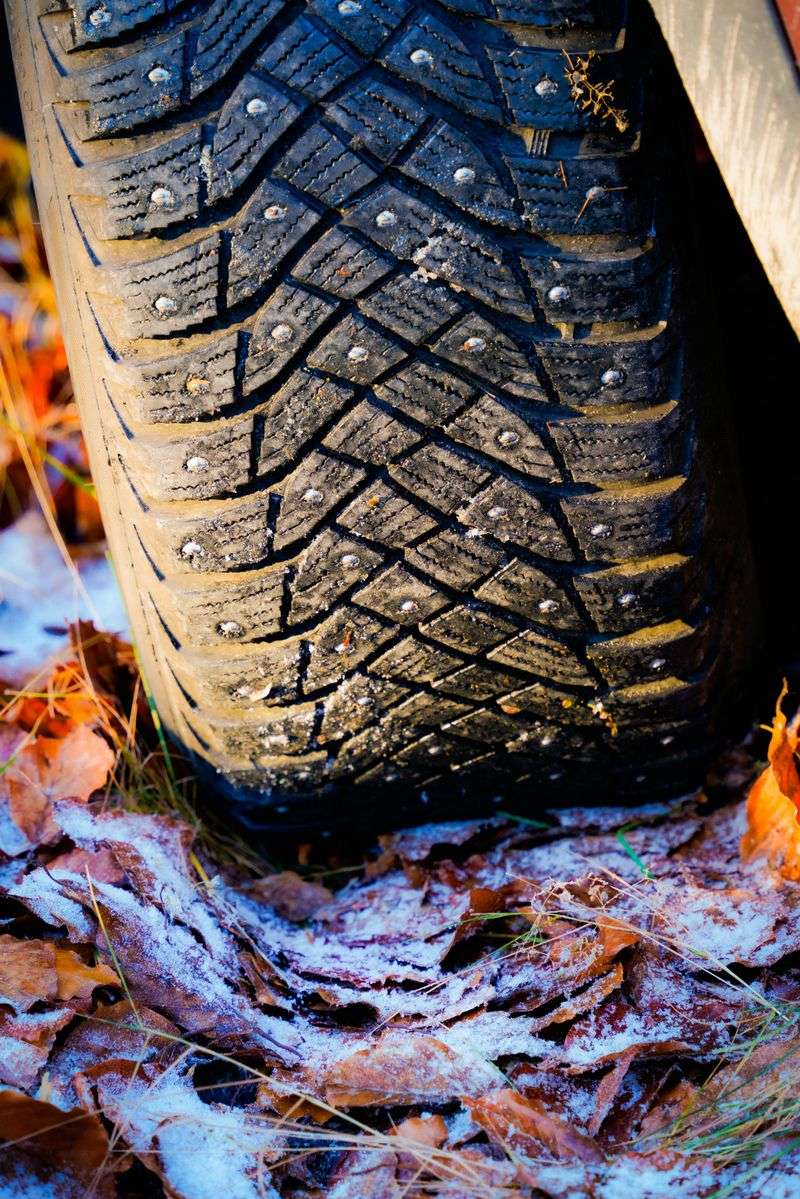
You would think studs could hang out until the last snowflake, right? Washington draws a hard seasonal line because those little metal pins carve ruts that turn freeways into rain channels.
Once the calendar tips past the winter window, the goal shifts from traction to saving pavement and everyone’s alignment.
The backstory is simple engineering mixed with budget reality, since rut repair costs stack up fast.
There are exceptions for certain retractable systems and specific conditions, but the everyday move is to swap early. If you push it because the mountains still look white, you are betting against the law and the troopers who know the schedule.
Think about how many wet days Washington sees and imagine water pooling in tire-made grooves. That is hydroplaning territory, and the state would rather prevent it than manage pileups.
If you are heading over Snoqualmie or Stevens, plan the tire change like a seasonal ritual.
It is annoying, but it keeps roads from turning into washboards.
One more thing that helps is watching the traction alerts from the Department of Transportation. When those drop off, that is your sign to move on from the clacky soundtrack.
Studs feel like a security blanket until spring flips the script. Then they are just tiny chisels carving trouble into Washington asphalt.
2. Reusable Plastic Bags Come With A Mandatory Per-Bag Charge
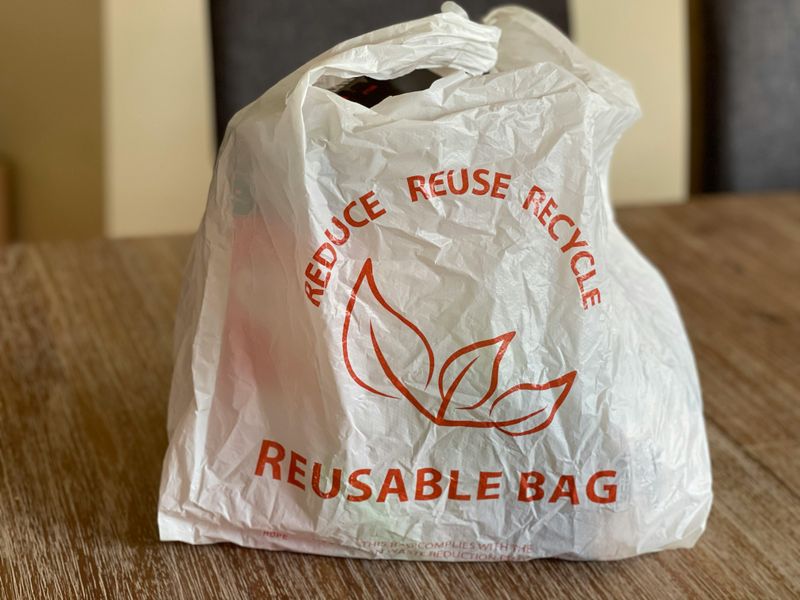
This is not a scolding, it is a nudge. Washington built the bag charge as a pass-through so you feel it just enough to remember a tote next time.
The idea is to shift habits rather than shame anyone at the register. Stores collect the fee on certain carryout bags, and it is meant to reduce the pile of flimsy film drifting around parking lots and storm drains.
You can still grab a bag if you forgot yours, of course. The law just makes that choice slightly inconvenient so the default becomes reuse.
There are carve-outs for certain bag types and situations, but the drumbeat is clear.
Bring something sturdier and you glide through checkout without the little penalty ping.
Over time, those tiny reminders actually change the vibe in the aisle. You start keeping a tote in the trunk because it is easier than paying attention to the sign again.
Washington leaned into the behavior science here. A small friction point adds up across millions of quick decisions, and the waste curve bends down.
If you like a simple routine, stash a foldable bag by your door and one in your backpack. Future you will thank you when the line is moving fast and you are not juggling choices.
3. The Left Lane Is Not A Vibes Lane
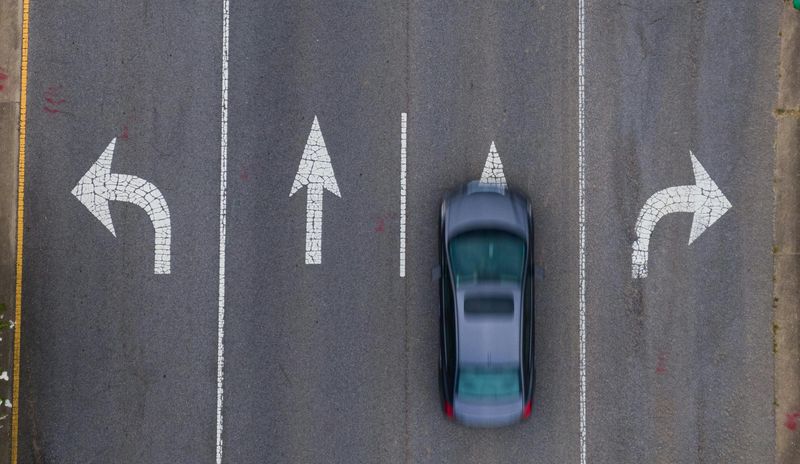
Left lane camping feels harmless until you watch the ripple behind you. Washington’s rule is keep right except when passing, and yes, it is enforceable.
The logic is smoother flow and fewer sketchy right-side passes.
When the fast lane holds steady at cruise speed, pressure builds, tempers rise, and someone makes a dumb move.
If you like a chill drive, this law is your friend. Pass, then slide back, and the whole freeway breathes a little.
It is not about being the speed police from your driver’s seat. It is about clearing the path so the system works the way engineers designed it.
Washington roads already juggle ferries, mountain passes, and weekend surges.
Keeping the passing lane flexible avoids those accordion waves that make everyone late.
Once you start noticing the rhythm, it is weirdly satisfying. You step out to pass, tuck in, and traffic threads like a loom.
If you are cruising at the limit and someone wants by, let them have the lane. Your day stays calmer, and the troopers have nothing to chat about later.
4. You Cannot Leave Your Car Idling And Unlocked
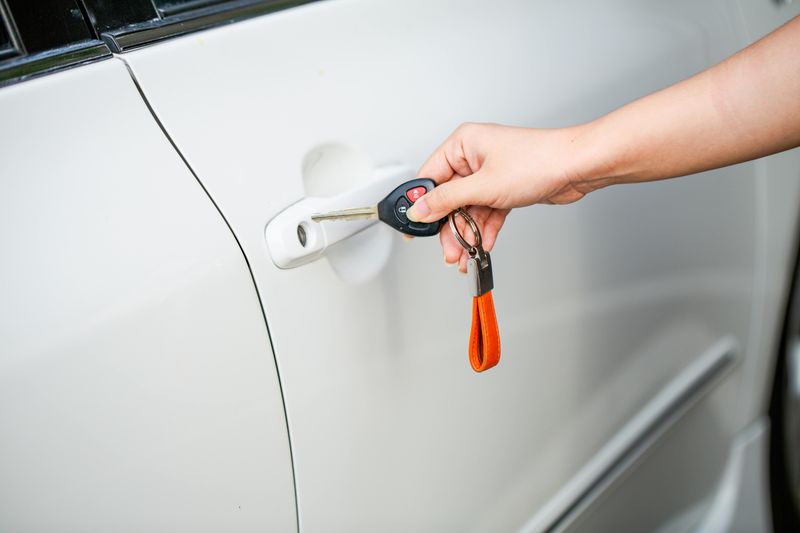
We have all done the sprint for coffee with the engine humming. Washington spells out the checklist instead, and it is not subtle.
Stop the engine, lock the ignition, pull the key, set the brake. The backstory blends theft prevention with the ugly physics of a rolling car that nobody is steering.
Even on a sleepy block, a warm idling car is like an invitation.
People have literally watched their ride slide away while holding a pastry bag.
The fix is quick muscle memory. Turn it off, secure it, and take the key, because that two-step errand loves to become a story.
Insurance and police reports are headaches you do not need.
Washington would rather you not create the situation in the first place.
If remote start is your thing, make sure it keeps doors locked and the key required to drive. That detail matters when an officer walks by.
Once you build the habit, it feels automatic. You step out, click, and the runaway possibility disappears.
5. That Cute Thing Hanging From Your Mirror Can Be A Legal Problem
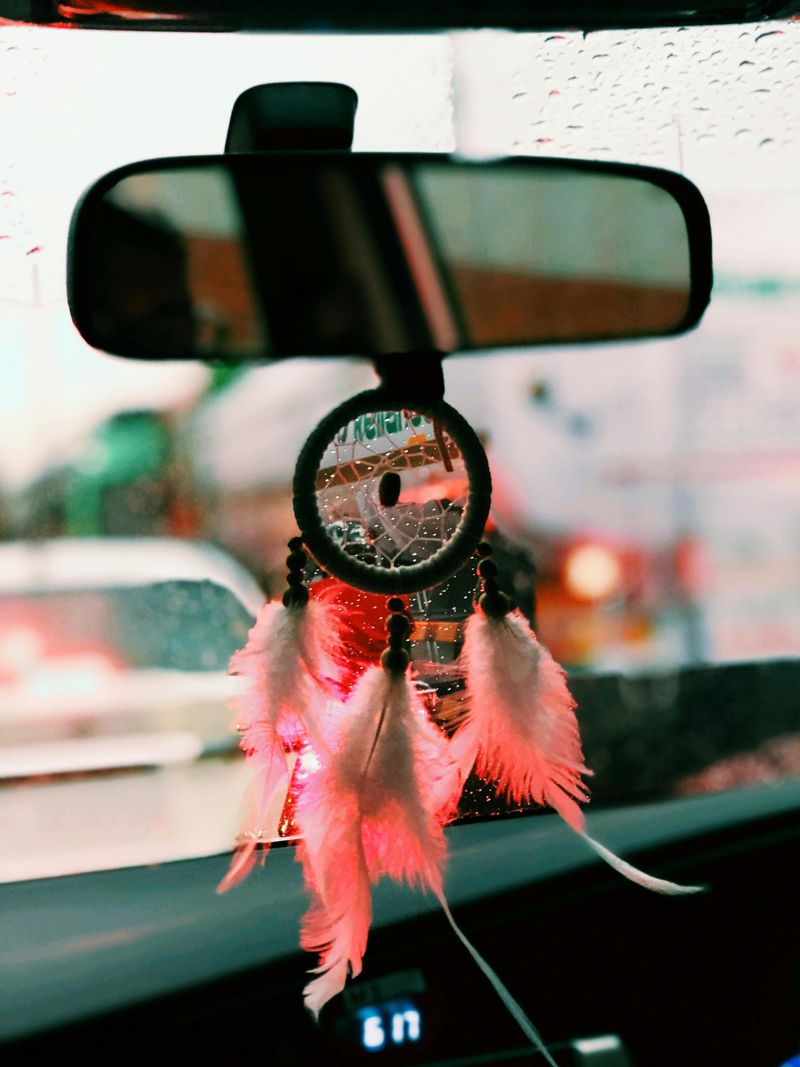
It is not about hating pine trees or lucky dice. Washington’s rule is do not block your clear view through the glass you need for driving.
The statute bans nontransparent material on the windshield and related spots if it obstructs what you must see.
Investigators got tired of hearing that the trinket was tiny while the bumpers told a different story.
An air freshener can be fine when it sits low and out of the sightline. Hang it high and it becomes a legitimate excuse for a stop, plus a real risk at a left turn.
Think about hills, rain, and headlights in Washington nights. Anything that chops your field of vision makes glare and guesswork worse.
You can still personalize your ride, just pick placements that do not interrupt the view.
Mounts, vents, and lower corners help you stay out of trouble.
Once you notice how much your eyes scan, it clicks. That little swing near the wipers distracts your brain more than you think.
Clean glass and a clear line of sight are the real flex. Everything else can live a few inches lower without drama.
6. No Motorcycle Windshield Means Eye Protection Is Mandatory

Picture a June bug at highway speed and tell me you still want bare eyes. Washington ties eye protection to the presence of a windshield on the bike.
No windshield means you need glasses, goggles, or a compliant face shield. It is not a style call, it is anatomy preservation when gravel jumps the lane.
The wind here loves to carry grit from construction and shoulder dust.
At speed, even a tiny fleck feels like a punch you cannot blink away.
Good lenses also help with spray and headlight glare. Washington’s rain and dark mornings make the case without much speech.
If you swap helmets, keep a clear shield in the kit. The sunset looks pretty until it blinds the exact curve you need.
The rule reads technical, but the takeaway is simple. Protect the part of your body that lets you track motion and distance.
Your future self will appreciate showing up with both eyes calm.
The ride stays fun when your vision is boring.
7. Open Container Rules In Public Places Are State-Level
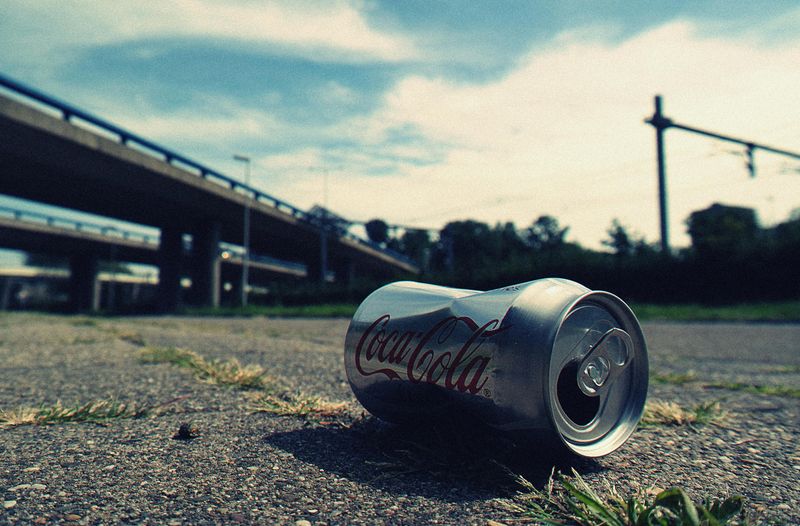
This one trips people because it feels local, but the state sets the baseline. Washington bans opening or consuming in public places unless it is allowed under the code.
The curveball is that the statute carries an effective until note in the text.
Translation for regular humans is that lawmakers are actively managing the rule and updating how it works.
Out on a plaza or along a waterfront, the safe assumption is no. Unless a space is specifically permitted, the default stays closed container and chill walk.
It is written as a civil infraction rather than a big hammer. Still, it is a real rule and it lives at the state level, not just a city flyer.
When Washington tweaks details, you sometimes see new signage roll out. That is your hint the framework shifted behind the scenes.
If you are attending an event, look for the boundary markers.
Security cares about lines, and the statute cares about those lines too.
The short version is keep it sealed in public spaces. Permits flip the switch, and everything outside the fence stays ordinary.
8. “Slingshot” Shows Up In Washington’s Weapon Definition
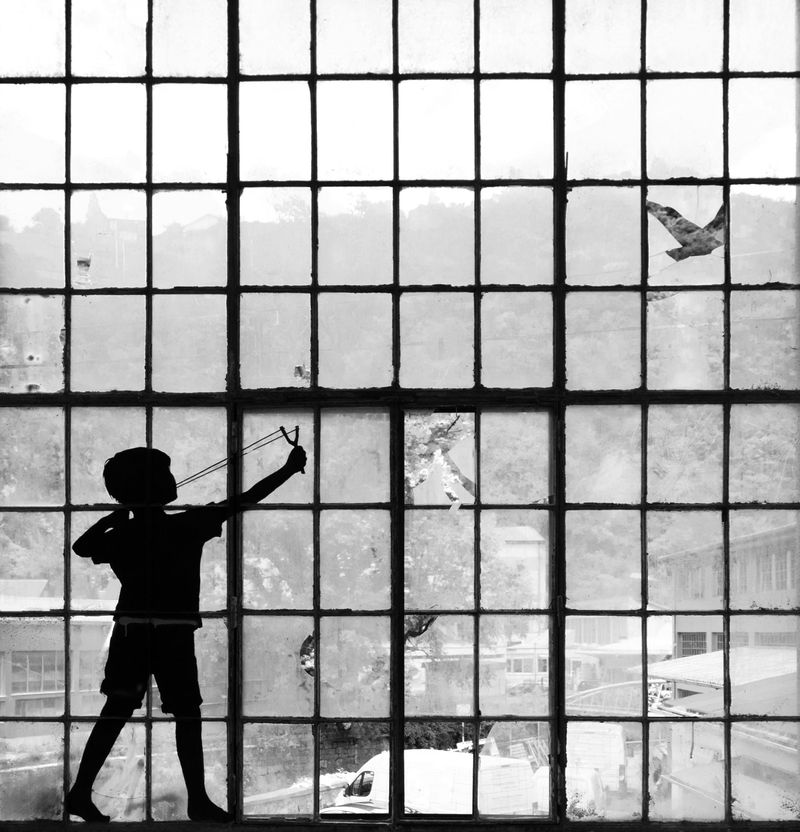
You read that right and did a double take. Washington’s weapon language sweeps in items that seem toy like until they are not.
A slingshot can launch a projectile with real force and real injury potential.
The definition is broad on purpose so oddball implements do not slip through a technical gap.
It is not saying childhood mischief equals felony energy by itself. It is saying context matters when an object becomes a weapon in a situation.
Laws like this look old school because they evolved from catchall lists. Washington keeps them flexible so prosecutors and courts are not stuck arguing semantics during danger.
If you collect gear or tinker in the backyard, just mind where and how it is used.
Intent and circumstances turn simple things into legal problems fast.
The chapter language can read quirky on a first pass. Then you remember physics does not care whether a pouch is handmade or store bought.
Bottom line, it is in the definition for a reason. Power plus aim equals risk, and the law noticed.
9. Flag Desecration Is Still On The Books As A Gross Misdemeanor
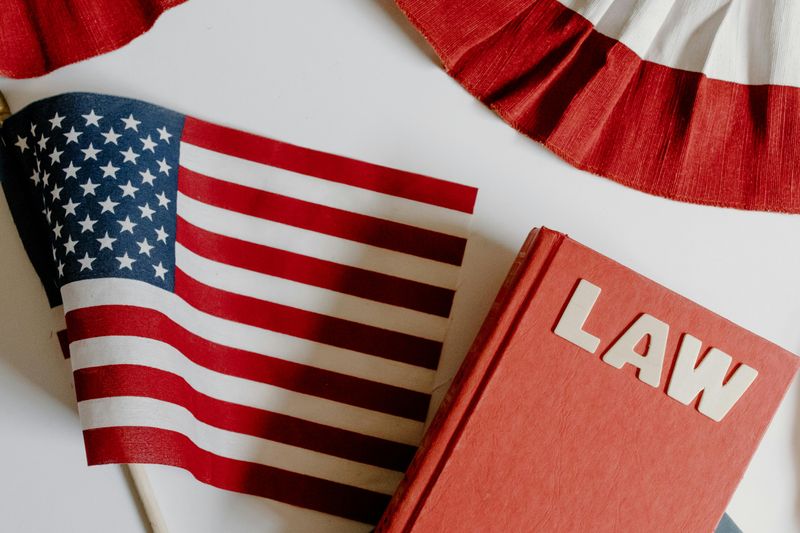
This one catches people scanning the code. Washington still lists a statute about publicly mutilating, defacing, burning, or trampling a defined flag.
A lot of states wrote similar laws decades ago and some remain in the text.
Constitutional questions color enforcement, but the words are right there in black and white.
The backstory is cultural history colliding with modern rulings. Law books do not always change quickly, and updates can lag behind court realities.
Seeing it in the chapter surprises new residents. They expect every page to match current practice and forget how slow legal housekeeping gets.
Washington’s code is like a memory palace for policy. Old rooms do not vanish just because the furniture moved in the courts.
If you are the curious type, the annotations and case notes help. That is where the practical guidance lives while the statute line sits tight.
It is a reminder that reading law needs context. Words on a page and real world application sometimes travel at different speeds.
10. Keeping Live Wildlife In Captivity Triggers Paperwork
Finding a wild critter and setting up a garage habitat sounds kind until it is not. Washington draws a bright line around taking or keeping live wildlife.
Generally, removing animals from the wild requires a permit, and possession needs proof it was lawfully acquired.
The reason is disease control, invasive species prevention, and basic animal welfare.
Even ordinary species can carry parasites or pathogens that move fast. A casual rescue turns into a neighborhood problem before anyone notices.
Rehab centers and licensed folks exist for a reason. They have protocols, quarantine setups, and paperwork that ties each animal to a legal trail.
If you stumble on an injured bird or a raccoon kit, call the nearest licensed rehabilitator.
Washington keeps public lists so you can hand off quickly and cleanly.
It is not about gatekeeping nature adventures. It is about avoiding the garage menagerie that spirals into fines and sad outcomes.
Snapping a photo and reporting the location helps more than a cardboard box. Let the system do what it was built to do.
Dear Reader: This page may contain affiliate links which may earn a commission if you click through and make a purchase. Our independent journalism is not influenced by any advertiser or commercial initiative unless it is clearly marked as sponsored content. As travel products change, please be sure to reconfirm all details and stay up to date with current events to ensure a safe and successful trip.
