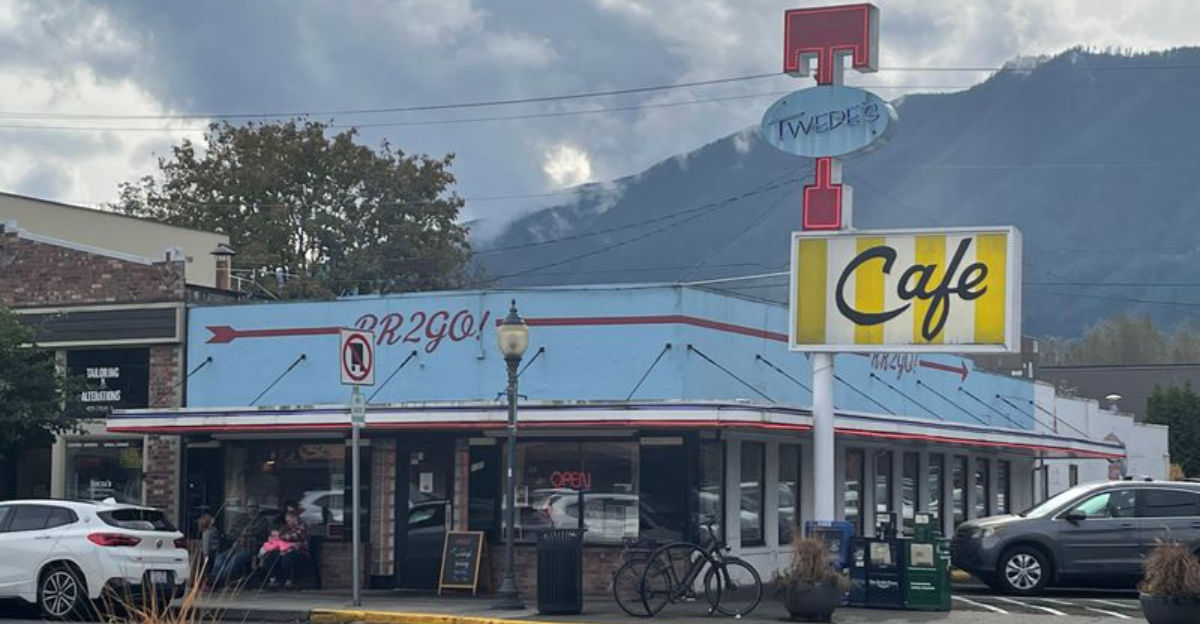
David Lynch’s haunting television series captured the imagination of viewers worldwide with its mysterious atmosphere and unforgettable characters.
The show’s eerie Pacific Northwest setting became as much a character as Agent Cooper or Laura Palmer themselves.
While the fictional town of Twin Peaks doesn’t exist on any map, the real-world locations that inspired it are scattered throughout Washington State.
From misty waterfalls to cozy diners serving cherry pie and damn fine coffee, these places helped create the show’s distinctive mood.
Fans of the series can actually visit many of these atmospheric locations and experience the magic firsthand.
Washington’s dense forests, dramatic mountains, and small-town charm provided the perfect backdrop for Lynch’s vision.
Exploring these sites offers a unique opportunity to step into the world of Twin Peaks and understand what made the show so captivating.
Whether you’re a devoted fan or simply curious about the show’s origins, these seven locations reveal the real Washington that inspired one of television’s most iconic series.
1. Snoqualmie Falls
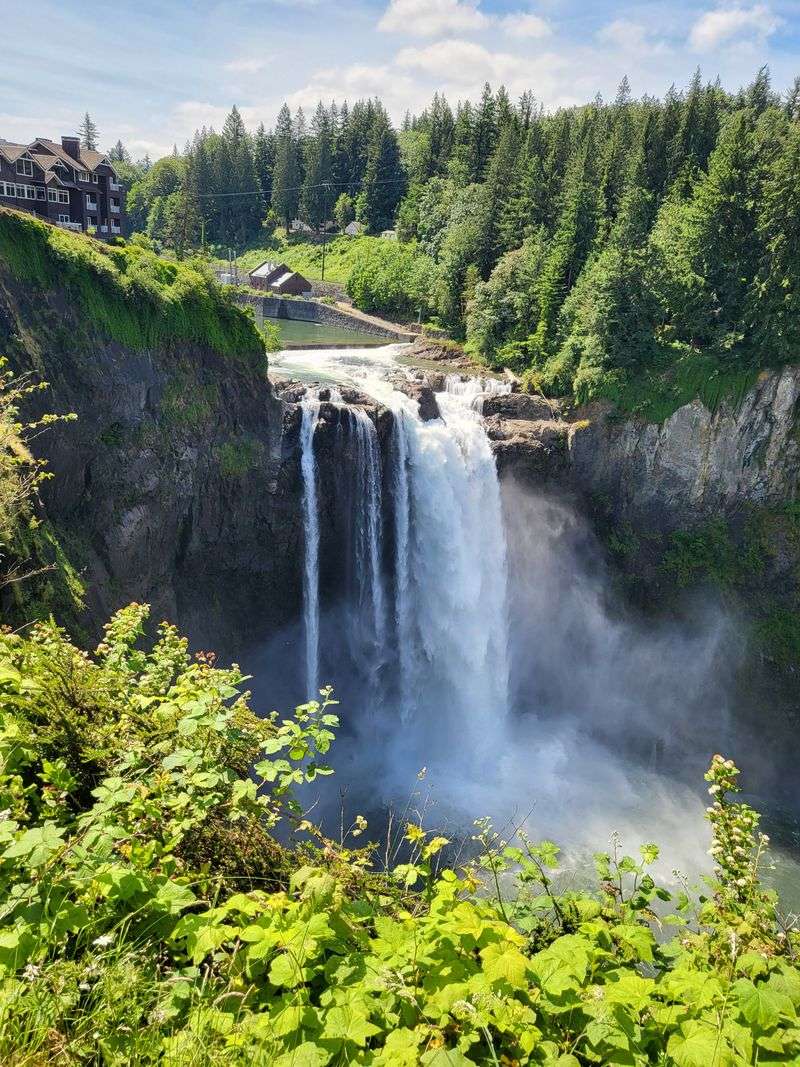
Snoqualmie Falls stands as the most recognizable landmark from the entire Twin Peaks series, appearing in the opening credits of every episode.
The thundering 268-foot waterfall became synonymous with the show’s mysterious atmosphere and natural beauty.
Located just 30 miles east of Seattle, this natural wonder draws hundreds of thousands of visitors each year, many of them devoted fans of the series.
The Salish Lodge & Spa sits perched dramatically at the top of the falls, serving as the exterior for the Great Northern Hotel in the show.
Guests can actually stay overnight at this luxurious resort and wake up to the same breathtaking views that appeared on screen.
The lodge’s restaurant serves breakfast with floor-to-ceiling windows overlooking the cascading water below.
Visitors can access multiple viewing platforms via a short paved trail leading down to the base of the falls for different perspectives.
The falls hold deep spiritual significance for the Snoqualmie Tribe, who consider this sacred ground where heaven and earth meet.
This reverence adds another layer of meaning to Lynch’s choice of location for his supernatural drama.
The constant mist rising from the powerful water creates an otherworldly atmosphere that perfectly matched the show’s tone.
Photographers flock here year-round to capture the falls in different seasons and lighting conditions.
The observation deck at the top provides the classic view featured in the show’s memorable opening sequence.
Parking is available at Salish Lodge, and the viewing area is accessible to visitors of all mobility levels.
The thunderous roar of the water creates a meditative soundscape that transports visitors into the Pacific Northwest’s raw natural power.
Early morning visits offer the best chance to experience the falls shrouded in fog, just like in the series.
2. North Bend’s Twede’s Cafe
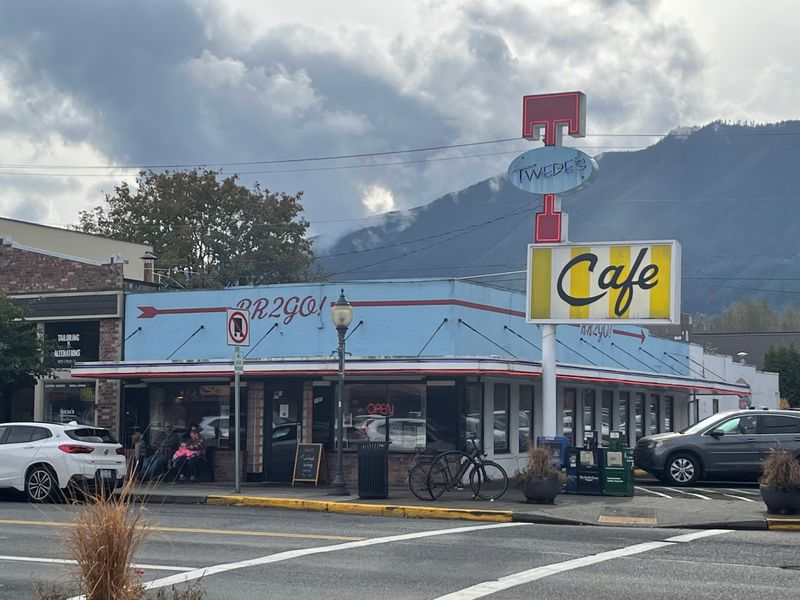
Every fan of Twin Peaks remembers Agent Cooper’s enthusiasm for cherry pie and damn fine coffee at the Double R Diner.
That iconic eatery exists in real life as Twede’s Cafe, located at 137 West North Bend Way in the small town of North Bend.
The diner has fully embraced its connection to the show, even renaming itself the RR Diner for a period after the series aired.
Walking through the doors feels like stepping directly onto the television set where so many memorable scenes unfolded.
The red vinyl booths, checkered floor, and counter seating remain faithful to what viewers saw on their screens.
Visitors can order the famous cherry pie, which the cafe serves year-round to accommodate the steady stream of pilgrims.
The coffee really is quite good, living up to Agent Cooper’s high standards and enthusiastic endorsements.
The walls feature Twin Peaks memorabilia, photographs from filming, and tributes to the show’s lasting cultural impact.
Local residents and tourists mix together at the tables, creating a friendly atmosphere that captures small-town Washington charm.
The staff has answered countless questions about the show over the years and welcomes fans with genuine warmth.
Breakfast is served all day, featuring classic American diner fare alongside the must-try cherry pie.
A fire damaged the original building in 2000, but the community rallied to rebuild and restore this beloved landmark.
The reconstruction maintained the essential character that made it perfect for Lynch’s vision of small-town America.
Photographs of the cast during filming hang throughout the dining room, offering glimpses behind the scenes.
Visiting Twede’s provides not just a meal but a genuine connection to television history and Pacific Northwest culture.
The cafe remains a working diner serving the local community, not merely a tourist attraction trading on nostalgia.
3. Kiana Lodge
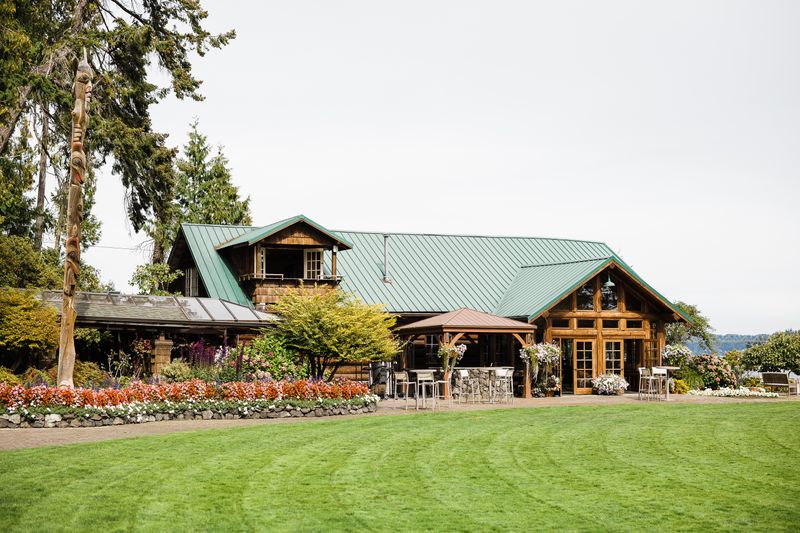
While Salish Lodge provided the exterior shots of the Great Northern Hotel, the interior scenes were filmed at Kiana Lodge on Bainbridge Island.
This waterfront venue sits on the shores of Agate Passage, offering spectacular views across the water toward the Olympic Mountains.
The lodge’s massive wooden beams, stone fireplace, and rustic Pacific Northwest architecture created the perfect atmosphere for the show’s fictional hotel.
Reaching Kiana Lodge requires taking the scenic ferry ride from Seattle to Bainbridge Island, an experience that immerses visitors in the region’s maritime culture.
The 35-minute ferry crossing offers stunning views of Elliott Bay, the Seattle skyline, and Mount Rainier on clear days.
Once on the island, a short drive leads to the lodge’s secluded location at 14976 Sandy Hook Road.
The great room where Agent Cooper and other characters gathered remains largely unchanged from its appearance in the series.
Today, Kiana Lodge operates primarily as an event venue hosting weddings, corporate gatherings, and special celebrations.
The space retains its distinctive character with exposed timber construction and floor-to-ceiling windows overlooking the water.
Visitors can’t simply walk in for a casual visit, but attending an event here offers a rare opportunity to experience the space.
The surrounding grounds feature native plantings and beach access, embodying the natural beauty of the Puget Sound region.
Bainbridge Island itself offers charming shops, restaurants, and galleries worth exploring after visiting the lodge area.
The island’s small-town atmosphere and natural setting mirror the fictional Twin Peaks community in many ways.
Many couples choose Kiana Lodge for their weddings specifically because of its Twin Peaks connection, creating their own memorable moments in this television landmark.
The lodge’s owners appreciate the cultural significance while maintaining the venue’s primary function as a celebration space.
Photography opportunities abound on the property, though respecting private events takes priority over fan pilgrimages.
4. Reinig Bridge
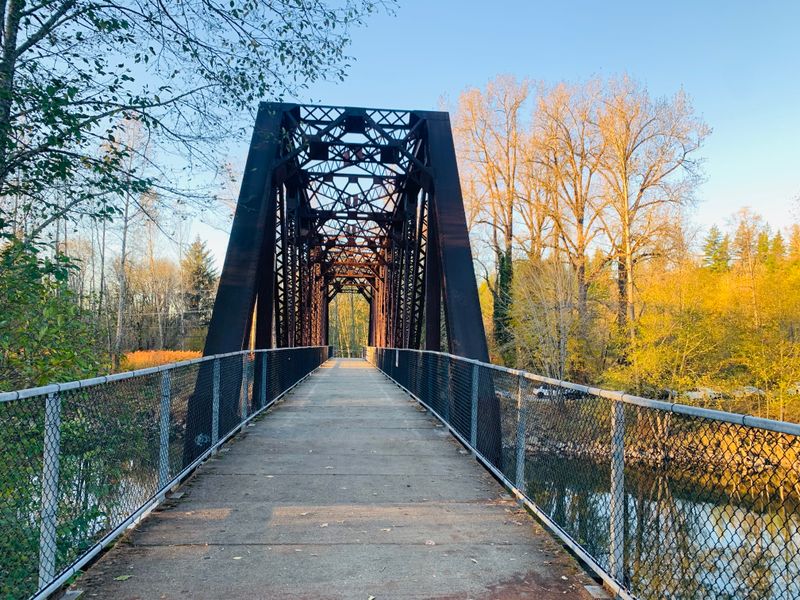
The haunting image of Ronette Pulaski wandering across a bridge in her traumatized state remains one of Twin Peaks’ most disturbing early scenes.
That bridge is the real Reinig Bridge, located in the small community of Fall City, just a few miles from Snoqualmie Falls.
This historic wooden structure spans the Snoqualmie River, connecting rural roads through dense Pacific Northwest forest.
Built in the early 20th century, Reinig Bridge exemplifies the rustic infrastructure found throughout rural Washington communities.
The weathered wood planks and simple construction give it an isolated, forgotten quality that perfectly suited Lynch’s dark vision.
Moss and vegetation grow on the support structures, adding to the bridge’s atmospheric appearance in all seasons.
The surrounding forest creates deep shadows even on sunny days, contributing to the location’s eerie ambiance.
Finding the bridge requires some determination, as it’s not marked as a tourist destination or filming location.
Local residents use it as a functional crossing rather than a landmark, maintaining its authentic character.
The area around the bridge remains largely undeveloped, preserving the wild forest setting visible in the show.
Photographers and location scouts appreciate how little has changed since the series filmed here decades ago.
Visitors should exercise caution, as the bridge serves active traffic and the roads leading to it are narrow country lanes.
Respecting private property and local residents takes priority over recreating scenes from the show.
The bridge’s isolation means cell phone service can be spotty, adding to the sense of being far from civilization.
Fall City itself embodies small-town Washington character, with local businesses, a historic schoolhouse, and community events throughout the year.
The nearby Snoqualmie Valley Trail offers hiking and biking opportunities through the same forests featured throughout Twin Peaks.
Combining a visit to Reinig Bridge with other nearby filming locations creates a comprehensive Twin Peaks pilgrimage experience.
5. Snoqualmie’s Historic Downtown
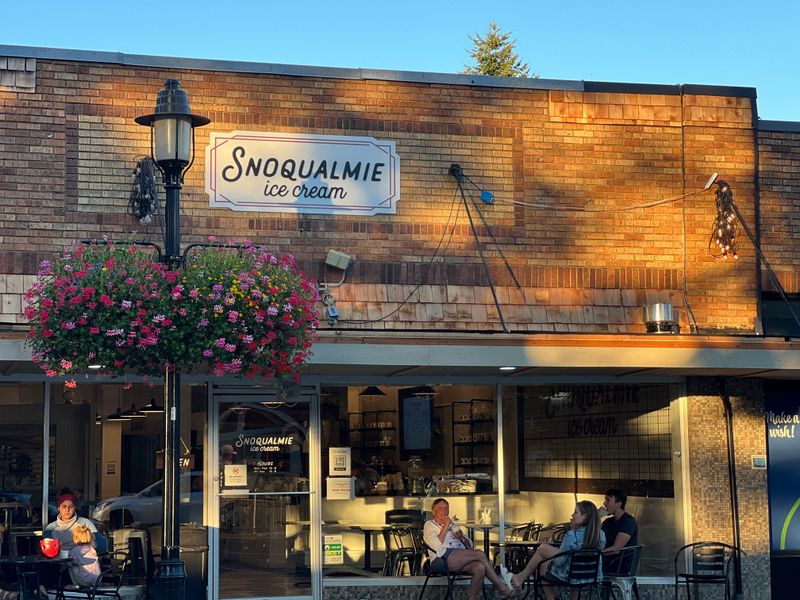
Walking through downtown Snoqualmie feels like entering the world of Twin Peaks, with its authentic small-town atmosphere and mountain backdrop.
The community of roughly 13,000 residents maintains the close-knit character that Lynch captured in his fictional town.
Railroad Avenue and other streets feature historic buildings, local businesses, and the kind of genuine Northwestern charm that can’t be manufactured.
The Snoqualmie Valley Historical Museum, located at 320 North Bend Boulevard, offers insights into the region’s logging heritage and railroad history.
Understanding this background helps fans appreciate why Lynch chose this area as the foundation for his logging town mystery.
The museum’s exhibits include artifacts from the area’s early settlers, Native American history, and the timber industry that shaped the region.
Admission is free, making it an accessible stop for anyone exploring the area’s connection to the show.
Local businesses have embraced their community’s role in television history without turning the town into a theme park.
Visitors find working shops, restaurants, and services that cater to residents first and tourists second.
This authentic functionality actually enhances the Twin Peaks experience, as the show itself depicted a real community with depth beyond the central mystery.
The Snoqualmie Railroad Depot, built in 1890, stands as a beautifully preserved example of Victorian railway architecture.
The depot now houses the Northwest Railway Museum, featuring historic trains and offering seasonal rides through the valley.
The museum is located at 38625 SE King Street and provides family-friendly activities alongside its historical significance.
Several local shops sell Twin Peaks merchandise, memorabilia, and locally made goods that reference the show.
The town hosts occasional events celebrating its connection to the series, particularly around anniversaries of the show’s premiere.
Photography enthusiasts find countless opportunities to capture the mountain views, historic buildings, and natural beauty that made this location perfect for filming.
6. Cascade Mountains Forests
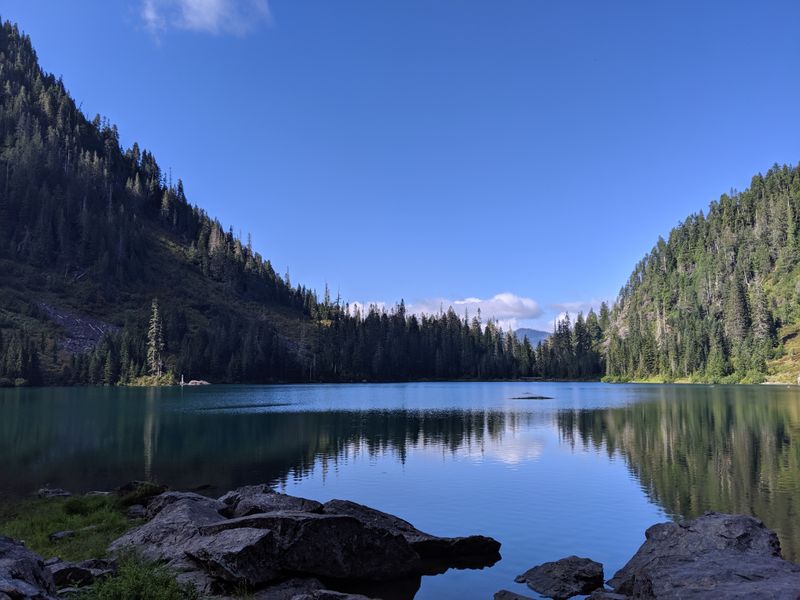
The dark, mysterious forests surrounding Twin Peaks became central to the show’s atmosphere and numerous crucial scenes.
These woods are the real Cascade Mountain forests that blanket much of western Washington in towering conifers and thick undergrowth.
Douglas firs, western red cedars, and hemlocks create a dense canopy that blocks sunlight and generates the perpetual twilight visible throughout the series.
Multiple state and national forests in the region provided filming locations for the show’s woodland scenes.
The forests’ thick moss covering, fallen logs, and fern-carpeted floor create an ancient, primeval atmosphere unlike anything found in most of America.
Walking through these woods, visitors immediately understand why Lynch found them so cinematically compelling and narratively significant.
The scale of the trees, some hundreds of years old, dwarfs human visitors and creates a sense of nature’s overwhelming power.
Rattlesnake Ledge Trail, located near North Bend, offers accessible hiking through similar forest environments with rewarding mountain views.
The four-mile round trip climb gains substantial elevation but remains manageable for reasonably fit hikers.
The trailhead parking area is located at Rattlesnake Lake, itself a scenic spot worth exploring before or after the hike.
For those seeking deeper forest immersion, Mount Si Trail and Little Si Trail provide more challenging options through old-growth woodland.
These trails showcase the same towering trees, moss-draped branches, and mysterious atmosphere that pervades Twin Peaks.
Hikers should come prepared with appropriate clothing, as conditions can change rapidly and rain is common year-round.
The forests’ ecological importance extends far beyond their television fame, supporting diverse wildlife and complex ecosystems.
Birdsong, rustling leaves, and distant creeks create a natural soundtrack that enhances the contemplative experience.
Many visitors report feeling the same sense of mystery and slight unease that the show captured so effectively in its forest scenes.
7. The Great Northern Hotel’s Real Inspiration
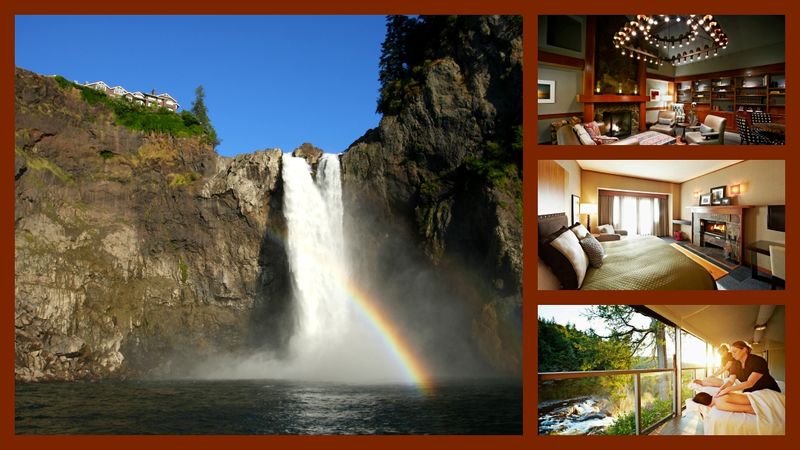
Salish Lodge & Spa deserves its own recognition beyond the falls it overlooks, as this luxury resort embodied the Great Northern Hotel’s grandeur.
Perched dramatically at the top of Snoqualmie Falls, the lodge offers an experience that combines natural wonder with refined Pacific Northwest hospitality.
The four-story building features 84 guest rooms, each designed to showcase the spectacular views and regional character.
Staying overnight at Salish Lodge allows fans to fully immerse themselves in the Twin Peaks atmosphere while enjoying modern luxury amenities.
Rooms feature fireplaces, soaking tubs, and floor-to-ceiling windows that frame the falls and surrounding forest.
The lodge is located at 6501 Railroad Avenue SE in Snoqualmie, easily accessible from Seattle and other regional destinations.
Rates reflect the premium nature of the property, but many visitors consider it a once-in-a-lifetime splurge worth the investment.
The Dining Room at Salish Lodge serves regionally inspired cuisine featuring Pacific Northwest ingredients and spectacular views.
Breakfast here has become legendary, with a multi-course honey-themed meal that draws visitors even if they’re not staying overnight.
Reservations are essential, particularly on weekends when the restaurant fills with both hotel guests and day visitors.
The lodge’s spa offers treatments incorporating local ingredients like lavender, honey, and river rocks heated by the falls’ energy.
After a day exploring Twin Peaks filming locations, the spa provides a perfect way to relax and reflect on the experience.
The property’s common areas feature large stone fireplaces, comfortable seating, and windows that invite contemplation of the natural drama outside.
Salish Lodge has maintained its character while updating facilities to meet contemporary luxury standards and environmental expectations.
The staff balances hospitality for Twin Peaks pilgrims with service for guests who simply appreciate the location’s natural beauty.
Evening visits to the observation deck offer a different perspective on the falls, with lighting that creates dramatic effects after sunset.
Dear Reader: This page may contain affiliate links which may earn a commission if you click through and make a purchase. Our independent journalism is not influenced by any advertiser or commercial initiative unless it is clearly marked as sponsored content. As travel products change, please be sure to reconfirm all details and stay up to date with current events to ensure a safe and successful trip.
