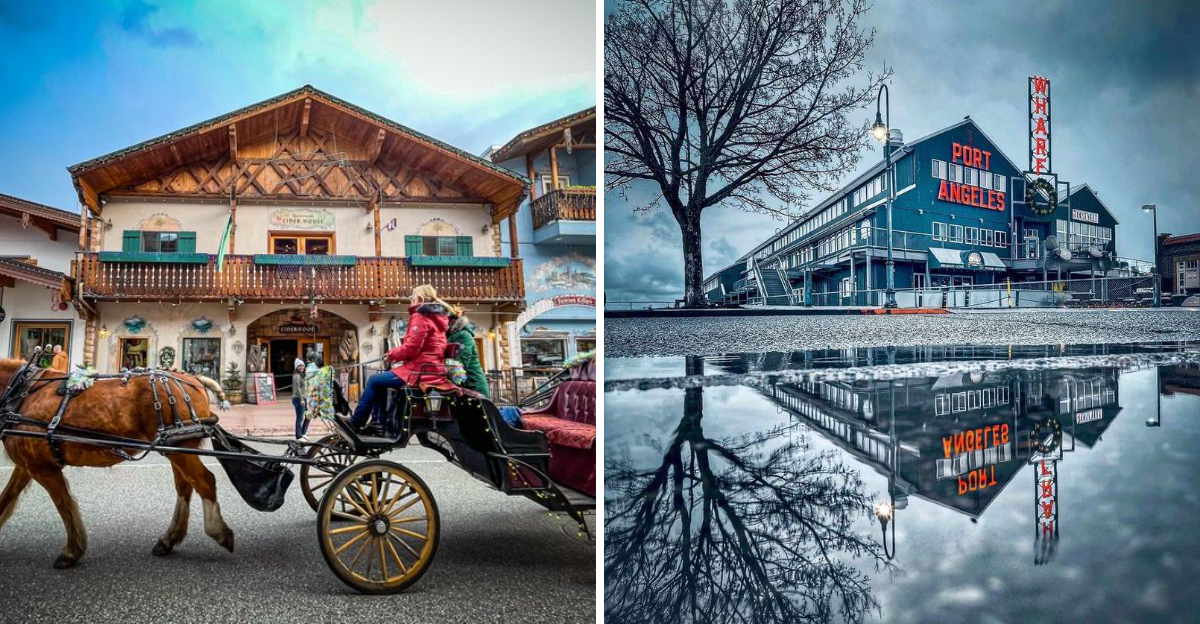
Washington State is a place where small-town charm meets wild, breathtaking landscapes.
You can wander through quirky shops and cafes in the morning, then hike through ancient forests or along rugged coastlines by afternoon.
This unique balance makes Washington perfect for travelers who want both relaxation and adventure without having to choose one over the other.
From Bavarian villages nestled in mountain valleys to island towns surrounded by whale-filled waters, each destination offers its own special mix of culture and nature.
Whether you’re seeking alpine trails, rainforest hikes, or coastal kayaking, these towns provide the perfect home base.
Pack your hiking boots and your appetite for exploration.
Washington’s most enchanting destinations are waiting to show you how town life and wilderness can exist in perfect harmony.
1. Leavenworth
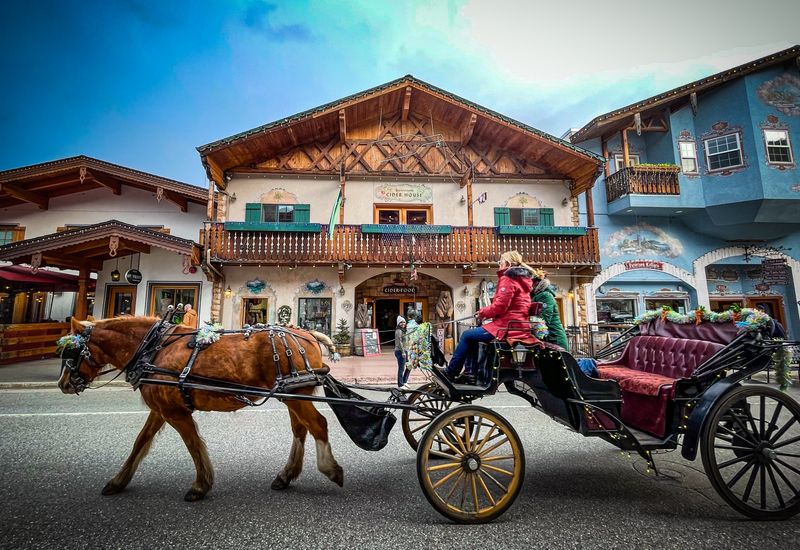
Leavenworth transports you straight into the Alps without ever leaving the Pacific Northwest.
This Bavarian-themed village sits tucked into the heart of the Cascade Mountains, where timber-framed buildings line streets filled with unique shops and tasting rooms.
The transformation from struggling logging town to Alpine wonderland happened decades ago, and today it feels genuinely enchanting rather than gimmicky.
Step outside the village center and wilderness surrounds you on all sides.
Icicle Creek flows nearby, offering summer hiking trails that wind through pine forests and alongside crystal-clear water.
Winter blankets the area in snow, turning the landscape into a playground for skiing and snowshoeing enthusiasts.
The contrast between cozy village life and rugged mountain terrain creates an irresistible combination.
You can sip hot cocoa in a Bavarian-style cafe, then within minutes find yourself on a trail with views that stretch for miles.
Local wine cellars offer tastings that warm you after a day in the cold.
Festivals happen throughout the year, celebrating everything from autumn leaves to holiday lights.
Leavenworth proves that a town can embrace a theme while still providing authentic access to Washington’s wild beauty.
The blend feels natural here, making it an ideal first stop for anyone seeking both culture and adventure.
2. Port Angeles and Sequim
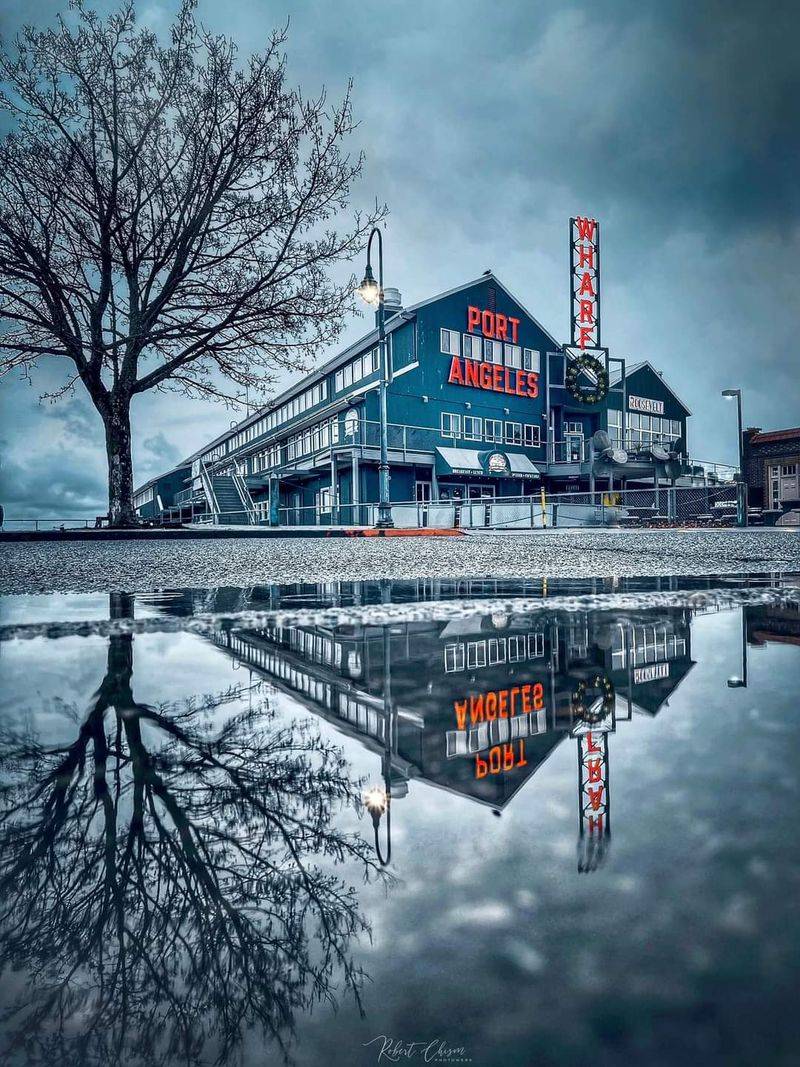
Port Angeles and Sequim serve as gateways to one of America’s most diverse national parks.
These neighboring towns sit along the northern edge of the Olympic Peninsula, where the Strait of Juan de Fuca meets the land.
Port Angeles has a lively downtown with local shops and a working waterfront that still feels authentic.
Sequim enjoys a unique rain shadow, receiving far less precipitation than surrounding areas, which makes it surprisingly sunny.
Olympic National Park spreads out behind these towns like a vast wilderness playground.
Hurricane Ridge offers alpine views where glaciers cling to mountain peaks even in summer.
Temperate rainforests drip with moss and ferns, creating an otherworldly green cathedral of ancient trees.
The wild Pacific coastline at Rialto Beach and La Push features sea stacks rising from crashing waves.
Back in town, the Olympic Discovery Trail provides easier nature access for biking or walking.
Small-town amenities include cozy lodging, local eateries, and friendly faces who are happy to share trail recommendations.
The diversity of ecosystems within easy reach is staggering.
You can experience mountains, forests, and ocean all in a single day trip from your home base.
These towns understand their role as stewards of wild spaces while maintaining welcoming communities for visitors and residents alike.
3. Bellingham
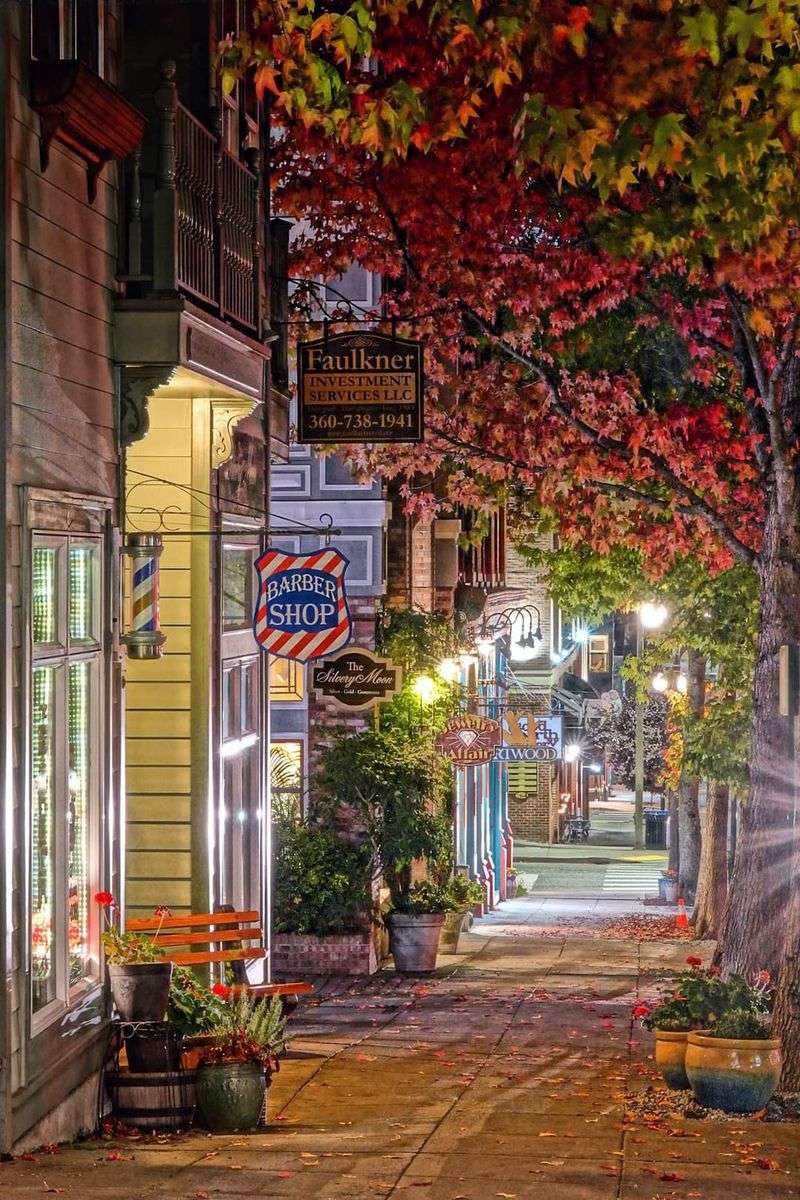
College towns bring a special energy, and Bellingham delivers that vibe with bonus mountain and water views.
Western Washington University students fill the streets with youthful enthusiasm, supporting a thriving scene of independent shops and music venues.
The downtown Fairhaven district preserves historic brick buildings that now house bookstores, cafes, and galleries.
Bellingham’s location makes it incredibly strategic for nature lovers.
Whatcom Falls Park sits right in town, offering waterfalls and forest trails without requiring a drive.
Boulevard Park hugs the waterfront, providing beach access and sunset views over Bellingham Bay.
Drive less than an hour and you’re deep in the North Cascades, where jagged peaks pierce the sky.
Mount Baker Wilderness beckons with alpine lakes and glaciated terrain that challenges and rewards hikers.
The brewery scene here rivals much larger cities, reflecting the town’s creative and outdoorsy culture.
Artists find inspiration in the surrounding landscapes, and their work fills local galleries.
Bellingham manages to feel both sophisticated and laid-back at once.
You can catch live music one night and summit a mountain the next morning.
The combination of vibrant town culture and immediate wilderness access makes it a favorite among people who refuse to compromise between urban amenities and outdoor adventure.
4. Friday Harbor on San Juan Island
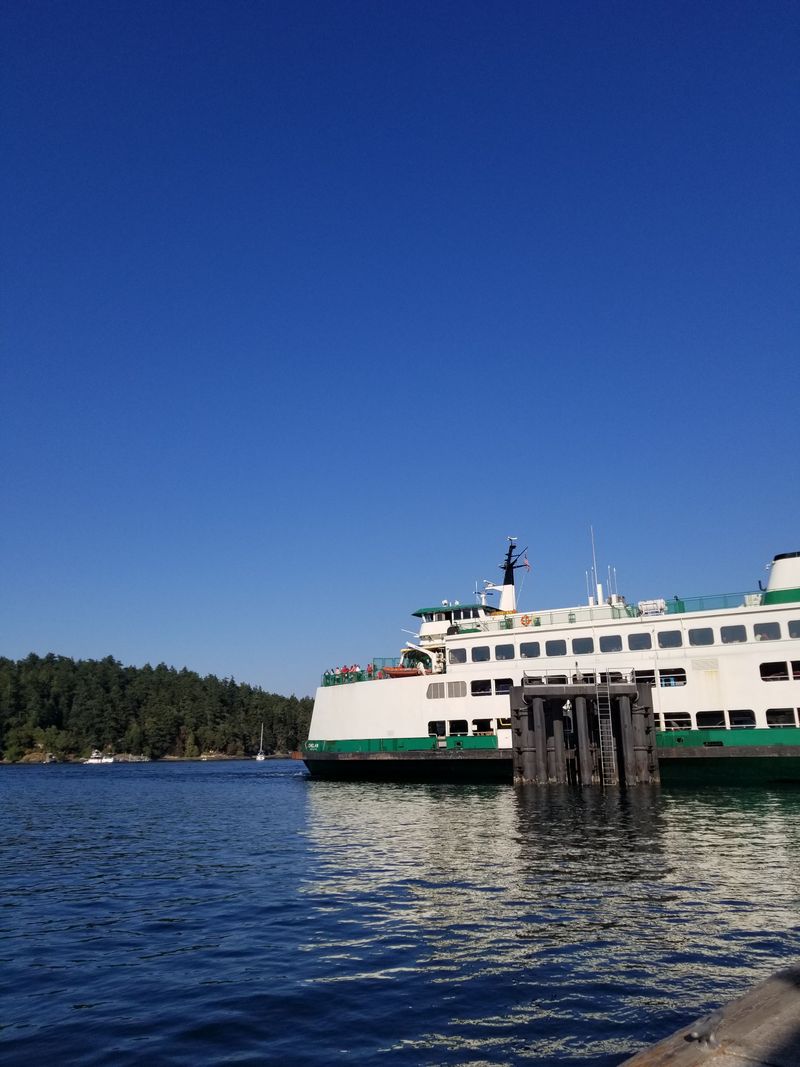
Reaching Friday Harbor requires a ferry ride from Anacortes, which immediately makes the journey feel like an adventure.
The ferry weaves through island channels where bald eagles soar overhead and seals pop up beside the boat.
Friday Harbor itself is a charming historic town that serves as the heart of San Juan Island.
Shops and restaurants line the streets near the marina, where sailboats bob in their slips.
The Whale Museum educates visitors about the orcas that frequent these waters, making every whale sighting more meaningful.
Island life moves at a different pace here.
Biking along pastoral roads reveals farms, forests, and stunning water views around every bend.
Kayaking opportunities abound in the protected waters of the Salish Sea.
Whale-watching tours depart regularly, offering chances to see orcas, humpbacks, and minke whales in their natural habitat.
The island’s compact size means you can explore tide pools in the morning and browse art galleries by afternoon.
Local farms supply restaurants with fresh ingredients, creating a farm-to-table culture that tastes like the island itself.
Friday Harbor proves that island living doesn’t mean sacrificing culture or convenience.
The town provides everything you need while the surrounding waters and forests offer endless exploration possibilities.
5. Whidbey Island (Langley and Coupeville)
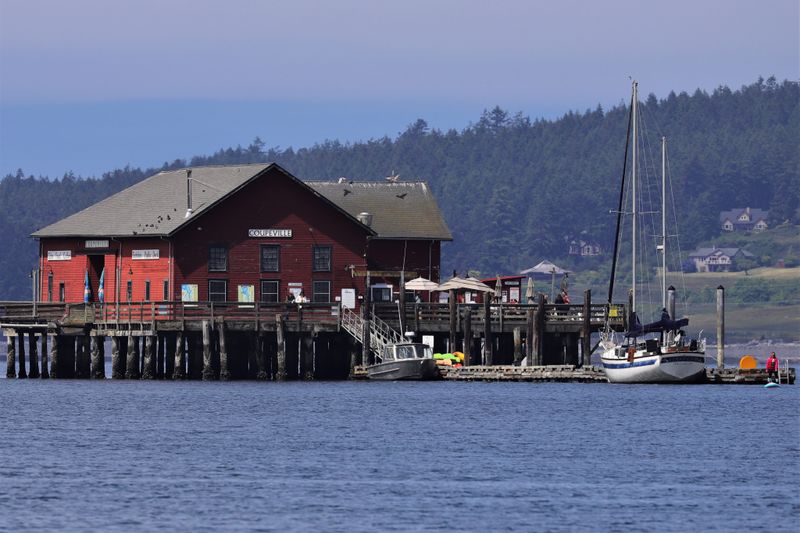
Crossing Deception Pass Bridge is an experience that announces you’ve arrived somewhere special.
The bridge arches high over swirling waters where currents create whirlpools and tide races below.
Whidbey Island stretches long and narrow, offering a peaceful escape just an hour from Seattle’s urban intensity.
Langley perches on a bluff overlooking Saratoga Passage, its main street lined with art galleries and cozy shops.
Artists have long been drawn to the island’s light and landscapes, filling studios with paintings and sculptures inspired by their surroundings.
Coupeville is one of Washington’s oldest towns, with historic buildings telling stories of early settlement.
The waterfront here feels timeless, where wooden piers extend into the water and boats rest at low tide.
Ebey’s Landing National Historical Reserve protects farmland, beaches, and forests that look much as they did generations ago.
Trails wind along coastal bluffs offering views across the water to the Olympic Mountains.
Deception Pass State Park provides more rugged hiking with rocky shorelines and old-growth forests.
Wine tasting rooms dot the island, showcasing local vintages in intimate settings.
The blend of history, art, and nature creates a uniquely Whidbey experience.
You can immerse yourself in small-town culture while nature remains constantly present just beyond town borders.
6. Ashford and Packwood
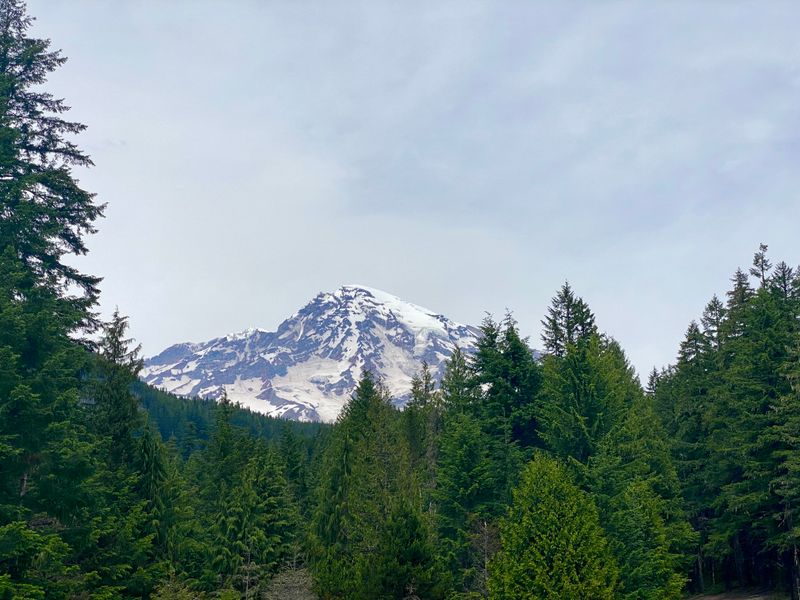
Mount Rainier dominates the landscape so completely that everything else feels small in comparison.
Ashford and Packwood exist primarily to serve visitors to Mount Rainier National Park, but they do so with genuine mountain-town hospitality.
These communities offer essential lodging, food, and supplies for park explorers.
The towns themselves are modest, with rustic lodges and small eateries that welcome tired hikers.
What they lack in urban sophistication, they make up for with proximity to one of America’s most iconic peaks.
The park’s Paradise area lives up to its name with wildflower meadows that explode with color during summer months.
Massive glaciers flow down Rainier’s flanks, creating rivers of ice visible from overlooks.
Waterfalls thunder through old-growth forests where trees have stood for centuries.
Sunrise visitor area on the mountain’s eastern flank offers different perspectives and fewer crowds.
Alpine lakes reflect the peak’s massive form on calm days, creating picture-perfect moments.
Wildlife including deer, marmots, and occasionally black bears roam the park’s diverse habitats.
Returning to town after a day in the park feels like coming home to a simple, comfortable place.
Ashford and Packwood understand their purpose as gateways to grandeur, providing rest and resupply for those seeking Washington’s most famous mountain.
7. Anacortes
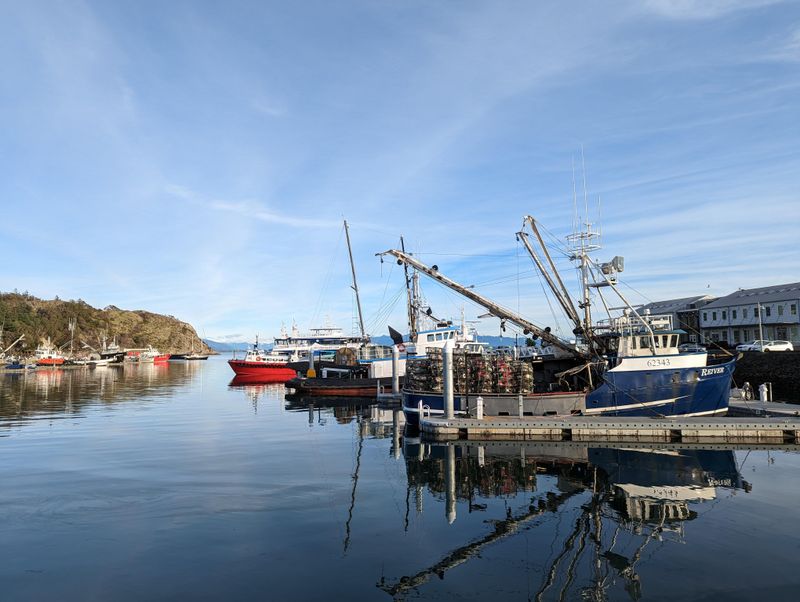
Most people rush through Anacortes on their way to the San Juan Islands, missing a charming town worth exploring.
This coastal community serves as the ferry terminal for island-bound travelers, but it offers plenty of its own attractions.
The historic downtown features murals depicting local history painted on building walls throughout the area.
Walking tours reveal stories of fishing heritage and maritime culture that shaped the community.
Cap Sante provides a quick hike to viewpoints overlooking the town, marina, and surrounding islands.
Sunset from this vantage point paints the sky and water in brilliant colors.
Burrows Bay offers protected waters perfect for kayaking, where you can paddle among islands and rocky shores.
Seals often follow kayakers with curious eyes, popping up unexpectedly alongside boats.
Washington Park wraps around a forested peninsula with a loop road perfect for biking or driving.
Beaches, picnic areas, and trails provide multiple ways to enjoy the waterfront setting.
The town balances its role as transportation hub with its own identity as a destination.
Local shops and eateries cater to both residents and visitors, creating a welcoming atmosphere.
Anacortes proves that gateway towns can be destinations themselves when they embrace both their culture and their natural surroundings with equal enthusiasm.
8. Walla Walla
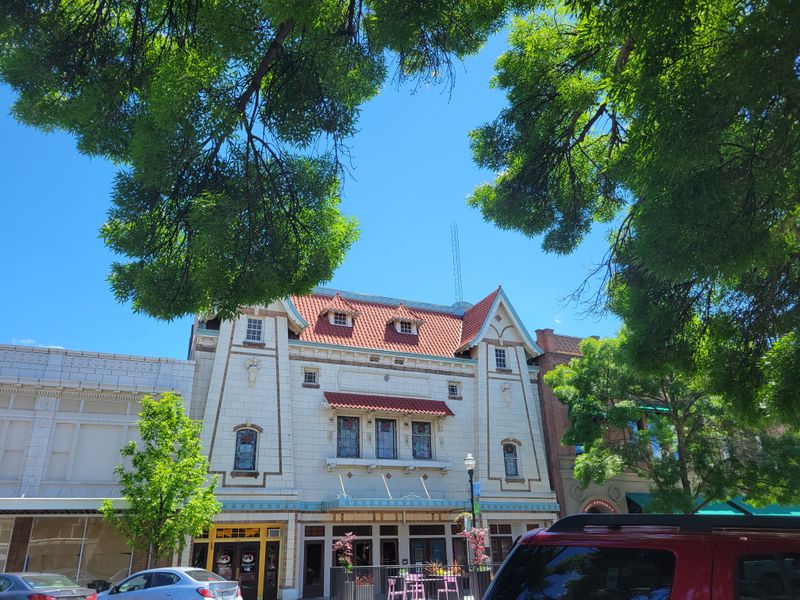
Far from the coast in Washington’s southeastern corner, Walla Walla surprises visitors with sophistication and natural beauty.
This town built its reputation on agriculture, but wine transformed it into a cultural destination.
Over one hundred twenty wineries surround the area, turning rolling hills into a patchwork of vineyards.
Tasting rooms occupy historic buildings downtown and modern facilities among the vines.
The wine culture attracts food enthusiasts too, elevating the restaurant scene beyond what you’d expect in a small town.
Arts thrive here, with galleries, theaters, and music venues supported by both locals and wine tourists.
Whitman College brings academic energy and youthful creativity to the community.
Beyond the wine and culture, outdoor spaces offer quieter pleasures.
Fort Walla Walla Museum grounds preserve pioneer history and provide walking paths through gardens and historic buildings.
Bennington Lake sits just outside town, offering trails for hiking and biking around calm waters.
The Blue Mountains rise to the east, providing more extensive wilderness for those seeking longer adventures.
Walla Walla’s climate differs dramatically from western Washington, with hot summers and cold winters creating distinct seasons.
The town demonstrates how culture and nature can flourish together even in unexpected places, far from the state’s famous rainforests and coastlines.
9. Winthrop and Twisp
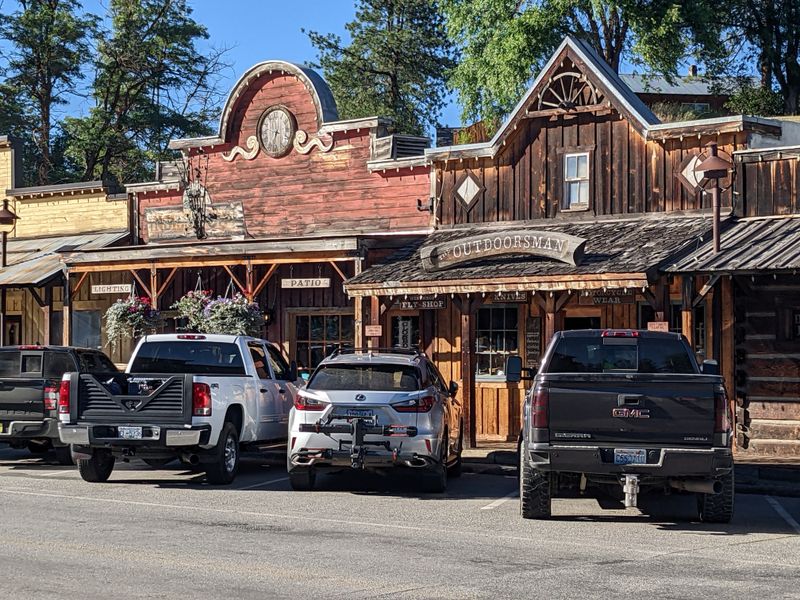
Winthrop embraces its Old West heritage with wooden boardwalks and frontier-style facades that could be a movie set.
The town leans into this theme without feeling artificial, creating a fun atmosphere that kids and adults both enjoy.
Nearby Twisp takes a different approach, fostering an arts community that fills galleries and studios with local creativity.
Together these Methow Valley towns provide complementary experiences for visitors.
The valley itself is the real star, surrounded by North Cascades peaks that create a dramatic backdrop.
Trail systems here are legendary among outdoor enthusiasts.
Winter transforms the valley into cross-country skiing heaven, with groomed trails stretching for miles through snowy forests.
Summer opens the same paths to hikers and mountain bikers seeking alpine adventures.
The Methow River flows through the valley, providing fishing opportunities and scenic beauty.
Wildlife sightings are common, with deer browsing in meadows and eagles soaring overhead.
The towns maintain small populations, preserving a genuine sense of community where locals know each other.
Visitors are welcomed warmly, with lodging ranging from rustic cabins to comfortable inns.
Winthrop and Twisp show how small towns can maintain distinct personalities while sharing access to extraordinary wilderness that draws people back season after season.
10. North Bend and Snoqualmie
Seattle residents consider North Bend and Snoqualmie their backyard wilderness, reachable in less than an hour.
These towns sit at the western edge of the Cascade Mountains where foothills rise dramatically from the valley floor.
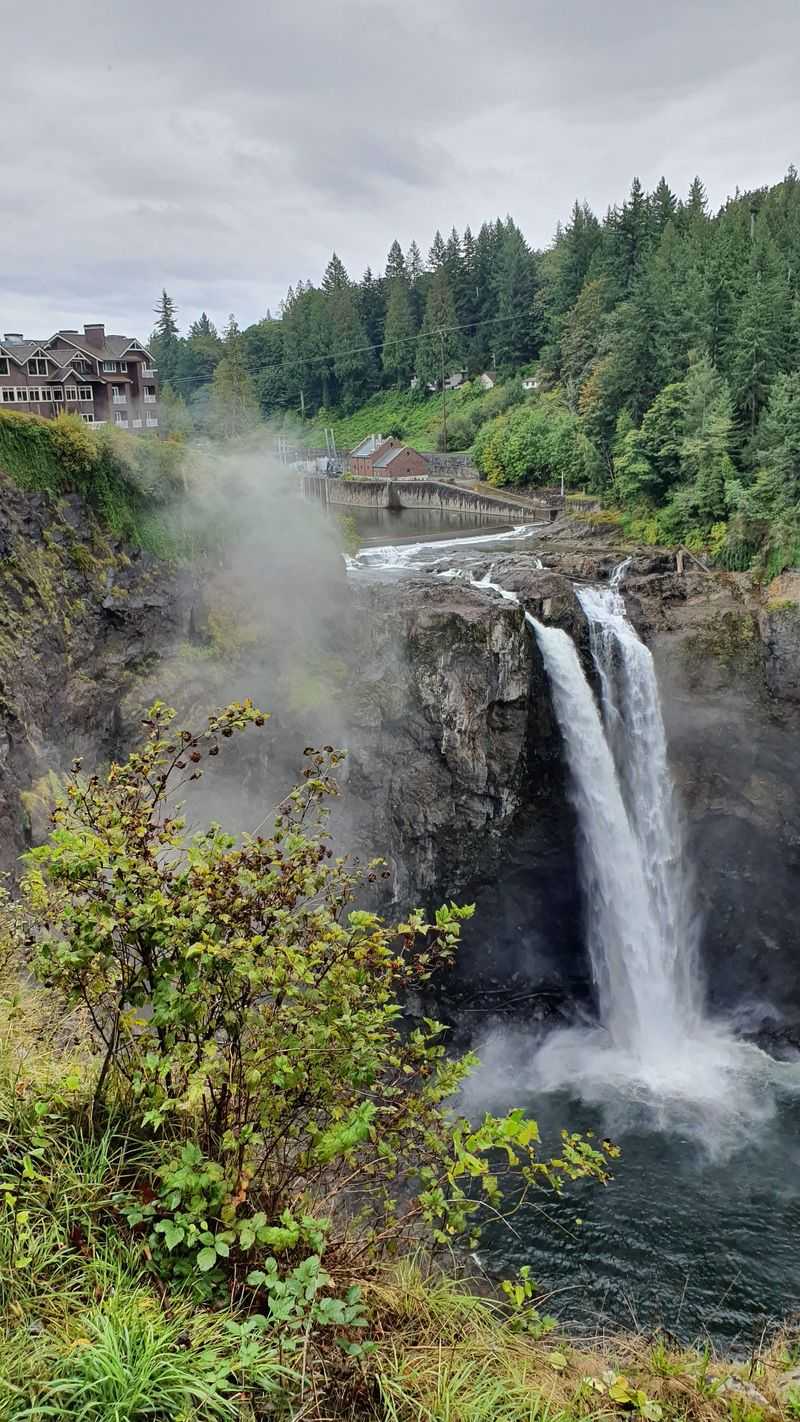
Snoqualmie Falls thunders over a cliff, creating one of Washington’s most photographed natural wonders.
A viewing platform makes the falls accessible to everyone, while trails lead down to the river below for different perspectives.
The historic Salish Lodge perches at the falls’ edge, though you don’t need to stay there to enjoy the views.
North Bend serves as a basecamp for more adventurous pursuits.
Rattlesnake Ledge Trail is hugely popular, climbing steeply through forest to viewpoints overlooking a lake and surrounding peaks.
Mount Si looms over town, its rocky summit challenging hikers with a strenuous climb.
Mount Baker-Snoqualmie National Forest spreads endlessly beyond, offering countless trails through old-growth forests.
The towns themselves provide practical services including grocery stores, gas stations, and restaurants.
Downtown North Bend has embraced its role in popular culture while maintaining authentic small-town character.
The proximity to Seattle makes these towns perfect for quick escapes when city dwellers need a nature fix.
You can leave work, reach the trailhead, complete a hike, and return home all in an evening, proving that wilderness doesn’t require distant travel.
Dear Reader: This page may contain affiliate links which may earn a commission if you click through and make a purchase. Our independent journalism is not influenced by any advertiser or commercial initiative unless it is clearly marked as sponsored content. As travel products change, please be sure to reconfirm all details and stay up to date with current events to ensure a safe and successful trip.
