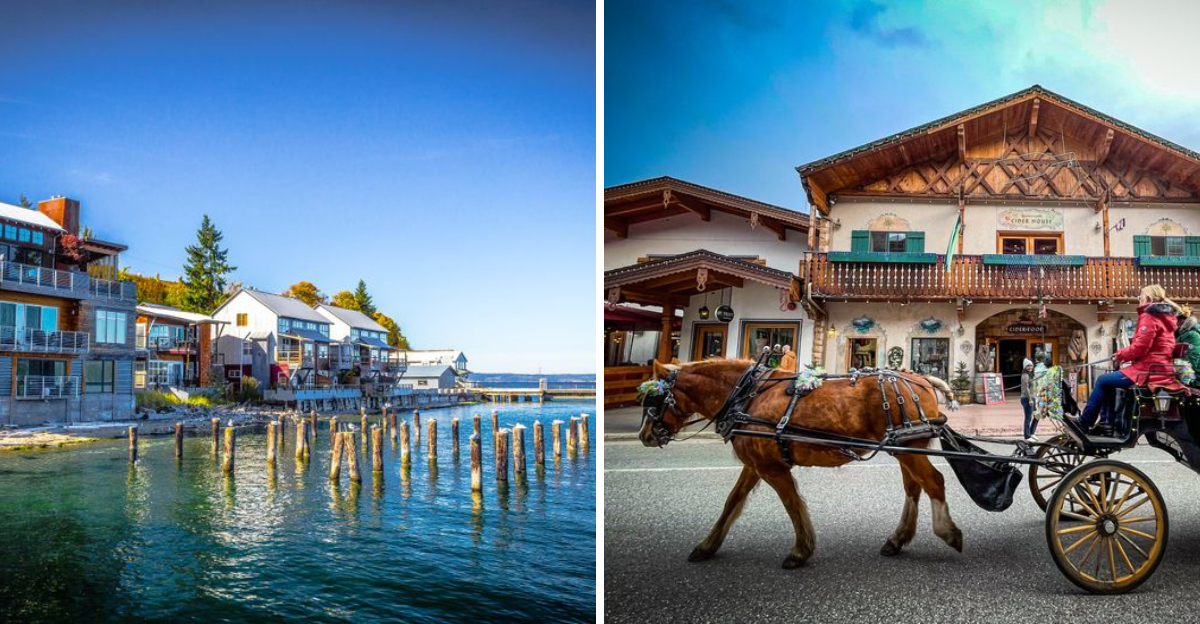
Tourism in Washington has not just filled hotels, it has rewritten morning routines, storefront habits, and even the way quiet streets sound after sunset.
You can feel it in the cadence of ferry horns, the weekend rush for pastries, and the way trail dust lingers in grocery aisles as hikers stock up.
Each town on this list shows how visitors subtly nudge everyday life without drowning out local character, creating new rhythms while preserving place.
Step into these communities to see how small changes add up to a new normal you can taste, hear, and walk through.
This list is organized around observed changes in daily life, local economy, and community character tied to long-term tourism patterns, drawing on reporting, local perspectives, and editorial research.
Experiences and impacts vary by neighborhood and over time, and the order reflects interpretation rather than a definitive assessment.
1. Leavenworth
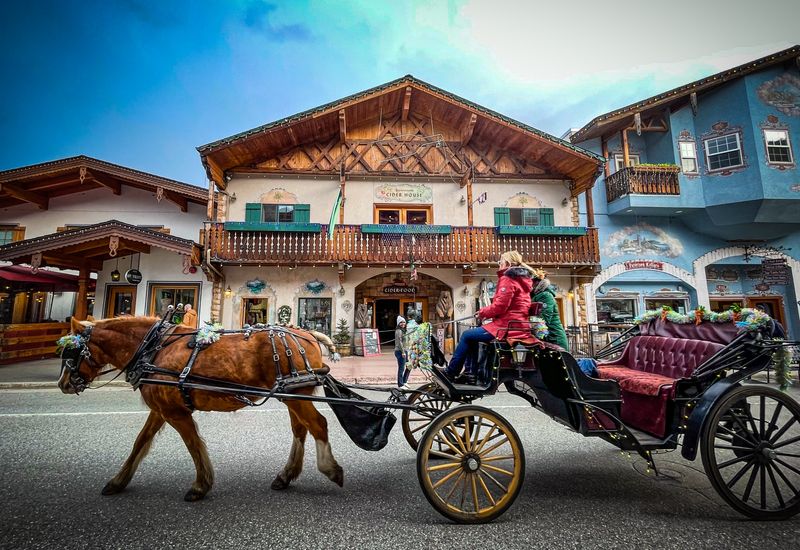
Leavenworth wakes to the scrape of pastry trays and the shuffle of hikers who beat the heat to Icicle Ridge.
Bavarian facades once felt like a theatrical set, and now they frame routines that locals time around visitor tides.
Garbage trucks pass early because delivery vans take the curb by nine, and the day hums from there.
Trailheads pull cars toward the canyon before breakfast, then the town absorbs dusty boots at lunch with pretzels and brat options, including gluten-free choices.
Families drift between nutcracker shelves and riverfront paths, turning window shopping into a leisurely loop that frees up side streets.
When the sun drops, music leaks from plazas, but residents know the quiet pockets behind Front Street still hold steady.
Festivals shape calendars that once followed only snow and chinook winds, shifting seasonal jobs into year round roles.
Short term rentals brought new paint to porches and stronger neighborhood parking rules that actually stick now.
Grocery sliders clatter with beer brats and berries, while gear shops rent snowshoes next to swimsuits without irony.
Morning light reaches the Wenatchee River like a metronome, guiding paddleboards past anglers with mutual courtesy.
In winter, snow creates a hush that even crowds respect, and cross country tracks stitch the edges of town.
You feel the balance most in the soft talk at dawn, when espresso steam curls, boots tighten, and the mountains invite.
2. Port Townsend
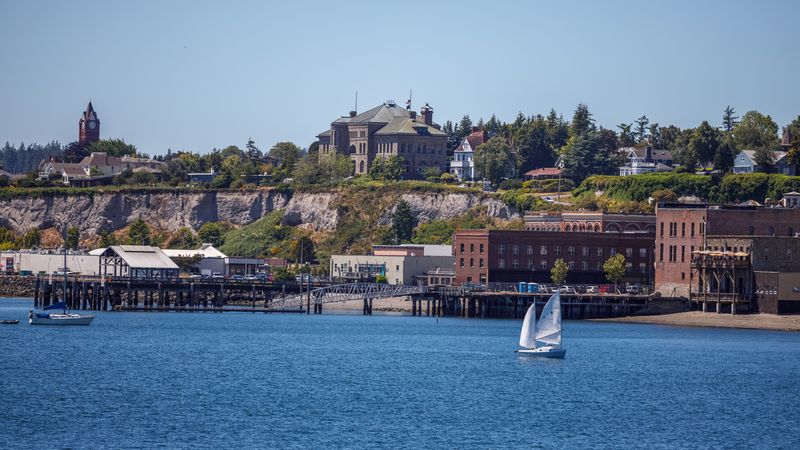
Port Townsend greets visitors with gull cries and the creak of rigging that locals barely notice anymore.
Victorian blocks host bookstores and galleries where shipwrights trade tips between shifts at the boatyard.
Tourism softened the old mill town edges without sanding off the maritime grit that keeps it real.
Weekends stretch breakfast hours and turn Water Street into a strolling lane that rewards patient drivers.
When tall ships arrive, everyone checks the tide table like a shared calendar that sets the city tempo.
The Northwest Maritime Center anchors workshops that blend travelers with students shaping cedar by hand.
Cruise passengers step off and learn that the good stuff hides in side street studios and tiny courtyards.
Artists found steady buyers, and that stability keeps porch lights on through blustery months.
The Coupeville Keystone ferry route feeds weekend flow across the peninsula, filling inns without crowding beaches.
Fort Worden State Park spreads people across parade lawns, batteries, and driftwood coves that breathe easily.
The town keeps late hours only where it makes sense, so nights still belong to stars and harbor lamps.
You leave with salt on your jacket and a sense that boats and books share the same slow, careful rhythm.
3. Winthrop
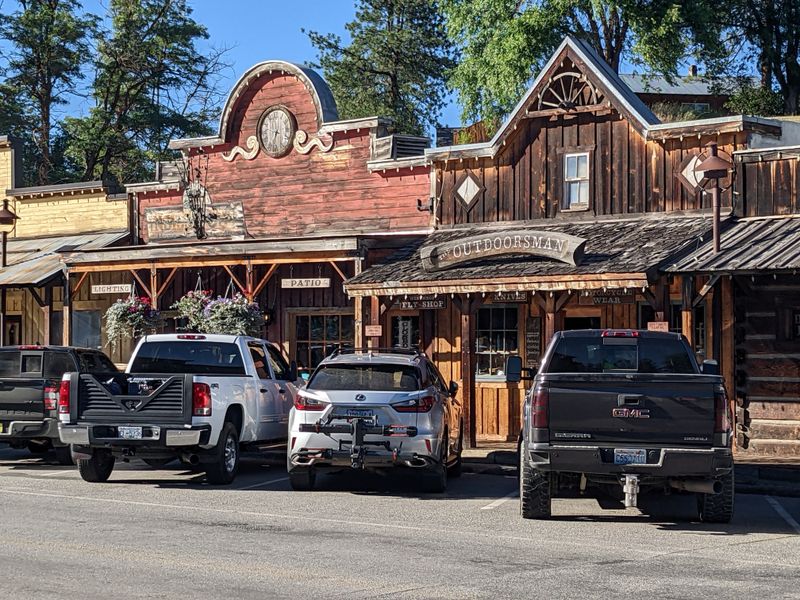
Winthrop trades in trail dust and river sparkle, and both end up on the plank sidewalks by lunch.
The Old West facades feel less like costume and more like shade for cyclists who ride the valley early.
Tourism shifted ranch schedules toward dawn deliveries and later suppers when heat settles into the sage.
The Methow Community Trail funnels visitors gently, spreading wheels and boots where the land can handle them.
Shops carry wax and sunscreen side by side because seasons trade places quickly here.
In winter, groomers roll before sunrise so skiers glide through a town that still smells like coffee and pine.
Summer brings river floats that quiet phones and draw eyes to ospreys fishing just upstream.
Short term stays nudged hardware stores to stock spare tube valves and underlayer gloves all year.
Weeknights gained a second wind as restaurants matched dinner service to twilit bike returns.
The Shafer Museum tells the valley story without gloss, and the boardwalks answer with creaks you can trust.
Locals protect shoulder seasons like heirlooms, giving trails time to breathe between surges.
You feel welcome and warned in the same breath, which is exactly how good landscapes keep their shape.
4. Langley on Whidbey Island
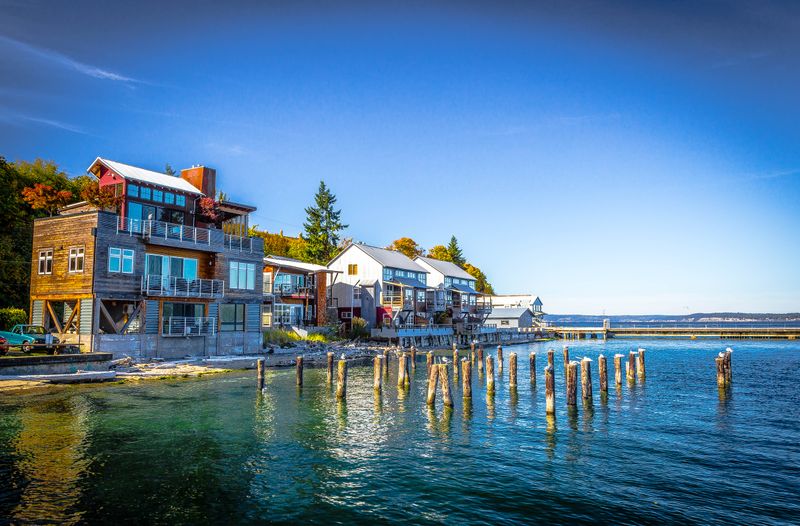
Langley wakes with ferry chatter and the soft ring of the whale bell that pulls eyes to Saratoga Passage.
Tourism encouraged early scone bakes and late gallery lights that mirror the island ferry schedule.
Whales pass by often enough that benches have memory, and visitors learn to wait with locals.
The boardwalk keeps voices low, sending energy into bookstores and tiny theaters instead of engines.
Village rhythm favors conversation, and shopkeepers hold doors like hosts welcoming friends home.
When gray skies settle, the Clyde Theatre marquee glows like a lighthouse for rainy day plans.
Biking lanes and gentle hills keep cars calm, and that calm sets the tone in checkout lines.
Cottage gardens added signs for deer resistant herbs because guests ask, and now everyone compares notes.
Art studios scatter into the woods, so a stroll becomes a gallery crawl with bird calls for soundtrack.
The Whidbey Island Center for the Arts provides a steady pulse that visitors fall into easily.
Evenings stretch just long enough for tidepool walks that teach quiet by example.
You leave with wind in your sleeves and a plan to return on a weekday when the ferry feels like yours.
5. Walla Walla
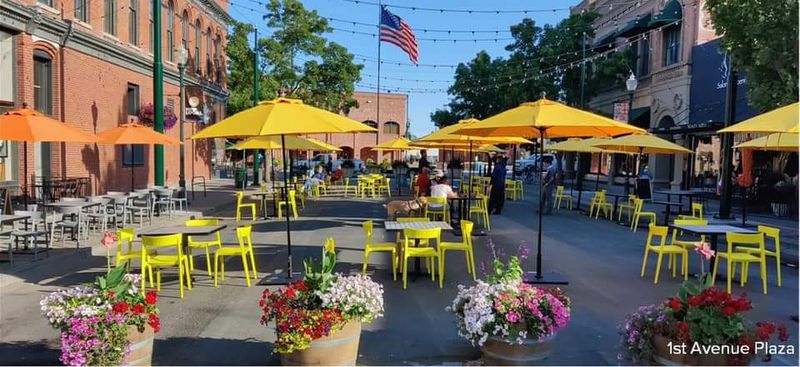
Walla Walla traded sleepy afternoons for an elegant amble that fits market hours and weekend festivals.
Downtown brick lanes carry conversations from patios to galleries where staff know your name by the second visit.
Tourism reshaped farm schedules around events that highlight produce and craft from the valley floor.
Cyclists roll out early toward the foothills, stacking quiet miles before brunch fills Main Street.
Public art now marks meeting spots that once were simple corners, and the city leans into walkability.
Harvest scents mingle with bakery steam, turning crosswalks into places you want to linger.
Hotels added bikes and maps because sidewalks feel like invitations rather than routes.
Museums and campus galleries create steady traffic that stabilizes shoulder months for local crews.
Street trees shade a pace that suits conversation, and that pace keeps tempers low when lines build.
Small inns extended seasons with curated events that highlight music, food, and the Blue Mountain light.
Evenings slow into golden hour strolls where you plan the next day around parks and public squares.
You recognize a town comfortable in its shoes, sharing space generously while guarding its easy charm.
6. La Conner
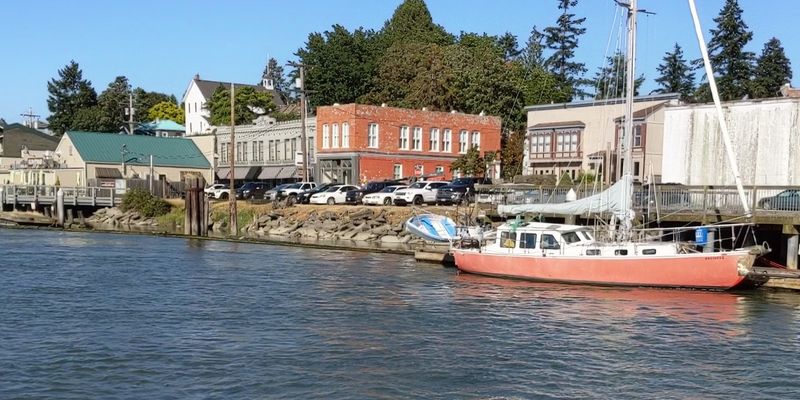
La Conner sits tidy along the Swinomish Channel, where boat masts tick against an easy breeze.
Tourism turned the boardwalk into a living room that faces water instead of a television glow.
Spring blooms draw cameras, and shops adjust hours to catch the soft light people chase at dusk.
Galleries speak fluent color, echoing tulip rows that stripe nearby fields like woven blankets.
The Museum of Northwest Art keeps the conversation grounded in place and craft.
Fishermen still haul early, and that working rhythm steadies the swirl of day trippers.
Cafes post menus that track tides, which is how you know chowder will hit right after a long walk.
Side streets remain sleepy, offering porches where locals avoid the weekend bustle without losing access.
Biking routes skim dikes and barns, creating long views that reset a busy mind.
Visitors learn to pause at bridges where current changes color, and the town feels stitched to the water.
Night leaves reflections that double the skyline, and footsteps soften into wharf creaks.
You carry away the scent of salt and soil, a pairing that explains why the place lingers.
7. Forks
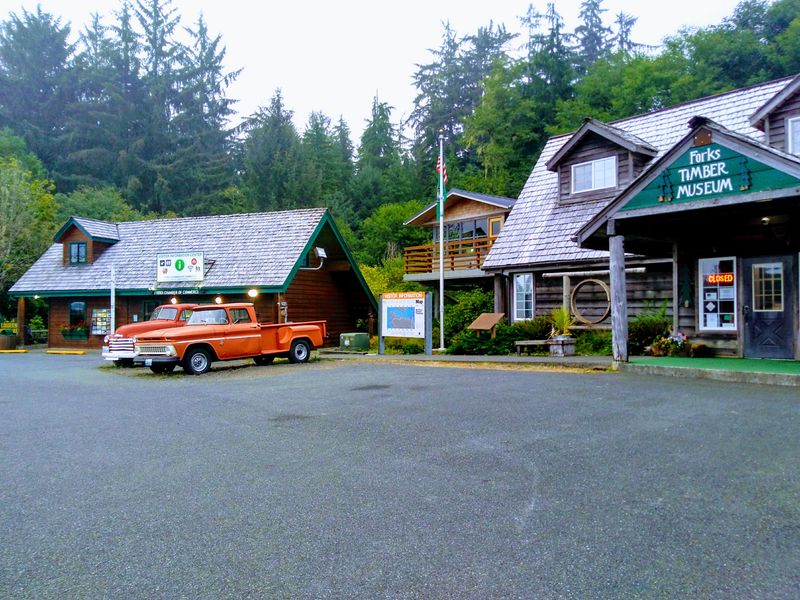
Forks wears rain like a uniform, and visitors learned to pack layers that match the forest mood.
Tourism arrived in waves and settled into a steady pattern that respects the Olympic Peninsula pace.
Outfitters stock tide charts and extra fleece because ocean and river plans change quickly.
The Timber Museum offers context that keeps selfies grounded in real work and local history.
Hallways display tools that explain why the town leans practical, even when the cameras come out.
Highway traffic pulses toward beaches, then drains into cafes where steam fogs the windows beautifully.
Guides direct people away from fragile spots, protecting moss that looks immortal but bruises easily.
Evenings gather around laundromats and takeout counters where gear dries and maps spread across tables.
In this corner of Washington, weather calls the shots, and tourism learned to listen politely.
Winter storms bring watchers who prefer drama to sunshine, swapping crowds for roaring surf.
Locals gained year round hours without surrendering the quiet that keeps the forest hushed.
You leave with clean boots, somehow wetter than before, and a deeper respect for soft rain.
8. Friday Harbor on San Juan Island
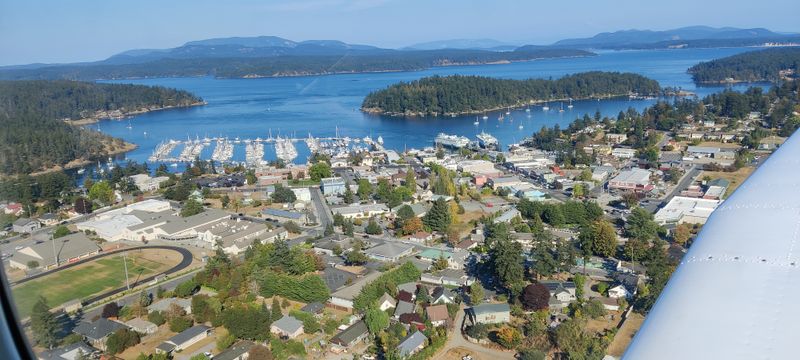
Friday Harbor breathes with the ferry schedule, and conversations rise and fall as ramps clang into place.
Tourism taught shops to hold a little extra patience for the rush that arrives every sailing.
Street murals and marine exhibits lean into natural history that visitors travel far to witness.
The Whale Museum at 62 First St N, Friday Harbor, WA guides respectful watching that carries to the docks.
Kayaks shuffle through crosswalks on wheels, turning curbs into miniature boat launches for a moment.
Cafes pace espresso shots to boarding calls so nobody sprints uphill with a full cup.
Island roads stay slow, and that slowness protects deer that treat evening like their commute.
Vendors favor reusable setups that ride out windy days and tight storage on the pier.
Galleries glow into late twilight as ferries stitch the horizon with moving lights.
Hotels keep binoculars handy because whales still write the best advertisements with their own breath.
Residents know which staircase hides a quiet harbor view, and they share it if you ask kindly.
You sail away feeling tuned to water, time, and the gentle courtesy that island life practices.
9. Twisp
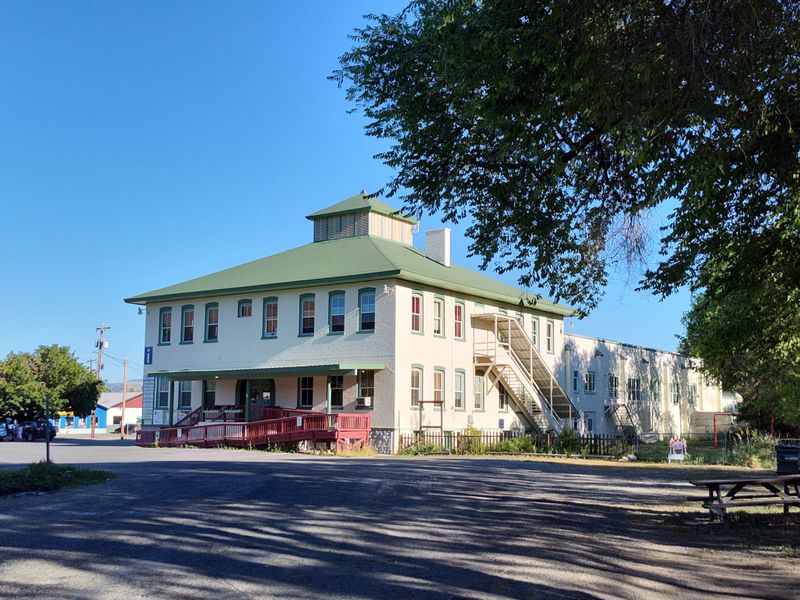
Twisp makes creativity feel like infrastructure, with studios ticking along like a dependable clock.
Tourism did not overwhelm, but it widened the audience for the work already happening at TwispWorks.
The campus at 502 S Glover St, Twisp, WA houses makers whose schedules sync with weekend visitors.
Farmers markets spin out music, produce, and tools someone will actually use by nightfall.
Trail reports travel fast, posted on chalkboards and spoken across café counters with friendly precision.
When smoke season threatens, townsfolk adapt calmly, rerouting plans and caring for lungs first.
Public art climbs walls and spills into courtyards where dogs nap and kids count tiles.
Small lodges favor conversation nooks that tie travelers to the valley rather than screens.
Evenings swing toward community theater and open mics that never feel forced.
Grocers stock bulk staples for multi day stays that stretch deeper into shoulder seasons now.
Twisp holds space for quiet, and visitors learn to meet it halfway with slower steps.
You carry off a pocket of that quiet, plus a new respect for useful beauty.
10. Chelan
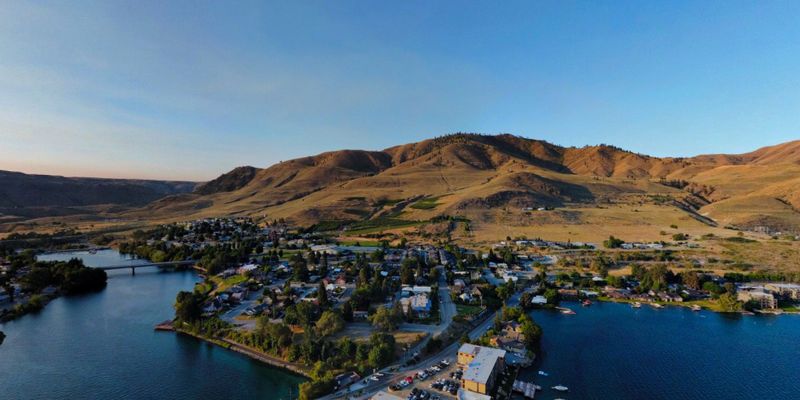
Chelan lives by the shoreline clock where mornings belong to paddles and evenings slip into rose colored water.
Tourism brought a steady rhythm that convinced shops to open early and stay kind through late returns.
The lake acts like a public square, and routes around it feel like hallways that carry laughter.
Marinas replaced alarms for many locals, who time tasks between boat launches and swim breaks.
Trails above town prize shade, so hikers greet dawn with soft voices and good trail manners.
Grocers lean into fresh produce that suits long days on the water and hungry children at dusk.
Rental gear keeps families light, freeing up energy for calm coves where loons call.
Winter trades splash for sparkle when snow lines the ridges and hot tubs steam against cold air.
Public docks set the etiquette, and the etiquette shapes everything else with simple courtesy.
Side streets stay neighborly even as weekends surge, and that balance holds surprisingly firm.
Visitors leave maps folded to favorite bays, a personal breadcrumb trail for next time.
You hear the lake in your head for days, a hush that feels like rest you can keep.
11. Bainbridge Island Winslow
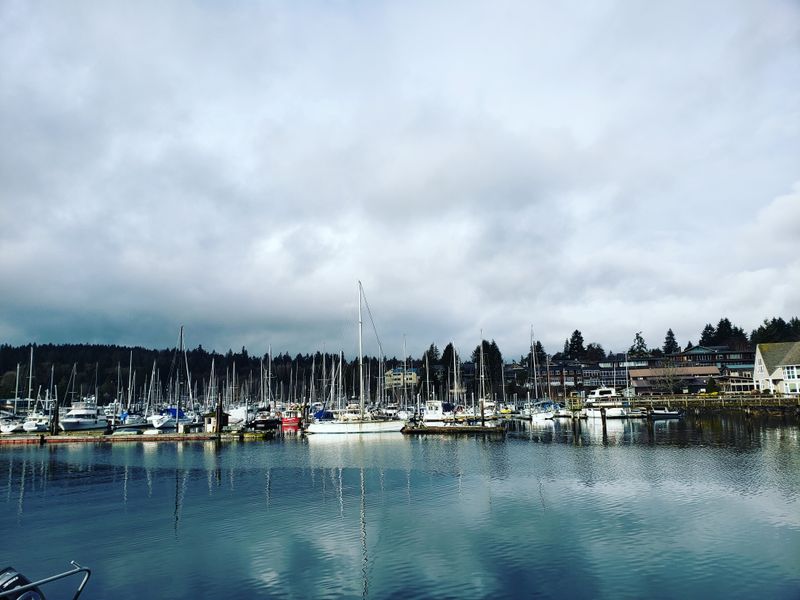
Winslow aligns its heartbeat with the ferry, and that pulse keeps downtown friendly and well paced.
Tourism coaxed sidewalks to widen in spirit, inviting strollers, readers, and window gazers to linger.
The Bainbridge Island Museum of Art at 550 Winslow Way E, Bainbridge Island, WA anchors the day.
Galleries curate shows that treat visitors like neighbors, trusting curiosity over spectacle.
Bike racks fill first, which suits streets designed for patient turns and long glances.
Shops adopted refill habits and quiet packaging that travel well on foot or two wheels.
Waterfront Park draws picnics that last exactly one ferry cycle, a tidy metric everyone understands.
Local schools, markets, and theater create steady traffic that tourism simply amplifies.
Evenings shift toward conversation under string lights where gulls provide the background percussion.
Weekdays remain gentle, and that gentleness protects the island spirit during summer peaks.
When you board again, the skyline frames a town that feels lived in rather than staged.
You carry a paperback, a pastry, and a slower stride that somehow survives the crossing.
Dear Reader: This page may contain affiliate links which may earn a commission if you click through and make a purchase. Our independent journalism is not influenced by any advertiser or commercial initiative unless it is clearly marked as sponsored content. As travel products change, please be sure to reconfirm all details and stay up to date with current events to ensure a safe and successful trip.
