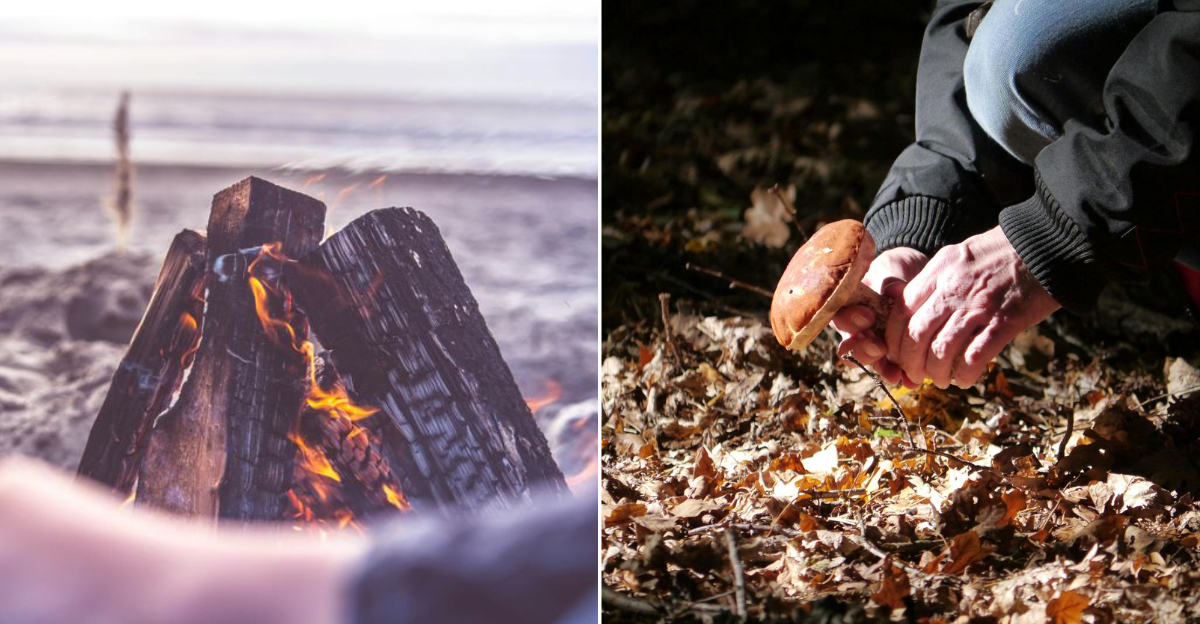
Ever been on a trip and realized halfway through that you broke a rule you didn’t even know existed? That happens a lot in Washington.
The state has some quirky laws and local rules that travelers often miss, and while most aren’t deal-breakers, they can definitely catch you off guard. From odd restrictions on where you can fish to rules about what you can carry in your car, Washington mixes practical guidelines with a few head-scratchers.
Some of these rules date back decades, while others are tied to protecting the environment or keeping communities safe. The funny part is that locals barely think about them, but visitors sometimes stumble right into them without realizing.
I’ve had trips where learning about these little quirks became part of the adventure. It’s the kind of detail that makes travel more memorable.
If you’re heading to Washington, keep an eye out for the weird rules; it’s better to laugh about them than learn the hard way.
Pumping Your Own Gas Is Illegal (Most Places)
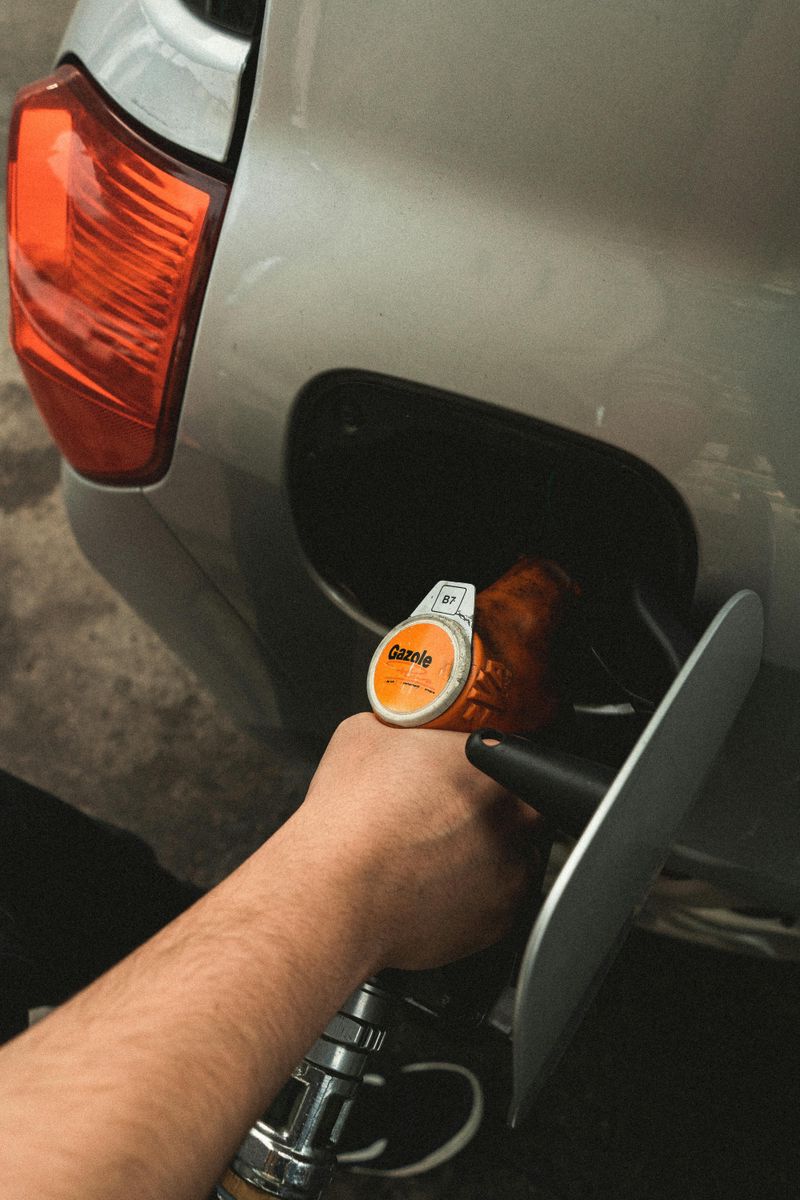
This one always trips people up the second they pull into a station.
In most of Washington, an attendant handles the pump while you stay cozy behind the wheel.
Hopping out with your card ready usually earns a quick wave back inside. It is not about being fancy, it is just how many stations are authorized to operate.
Motorcycles sometimes get exceptions, and some rural counties allow self service, but the default is full service.
If you are road weary and trying to speed through, this rule slows the cadence and adds a small pause.
Honestly, it can feel nice when rain is sideways and the wind is loud. But it also means you need to wait your turn, tip your impatience back into its seat, and breathe.
Want to play it right?
Roll down the window, greet the attendant, and say the grade and amount you want. Keep your hands off the nozzle, and do not start rummaging around the pump area.
The stations have their procedures, and the team moves fast when you make it easy. Inside cities like Seattle and Tacoma, the routine is well drilled and pretty quick.
Plan for a tiny buffer and you will be fine. If you do not see clear signage, assume full service until told otherwise and avoid a lecture.
Turning Right On Red Isn’t Always Allowed
You know how right on red feels like a nationwide handshake?
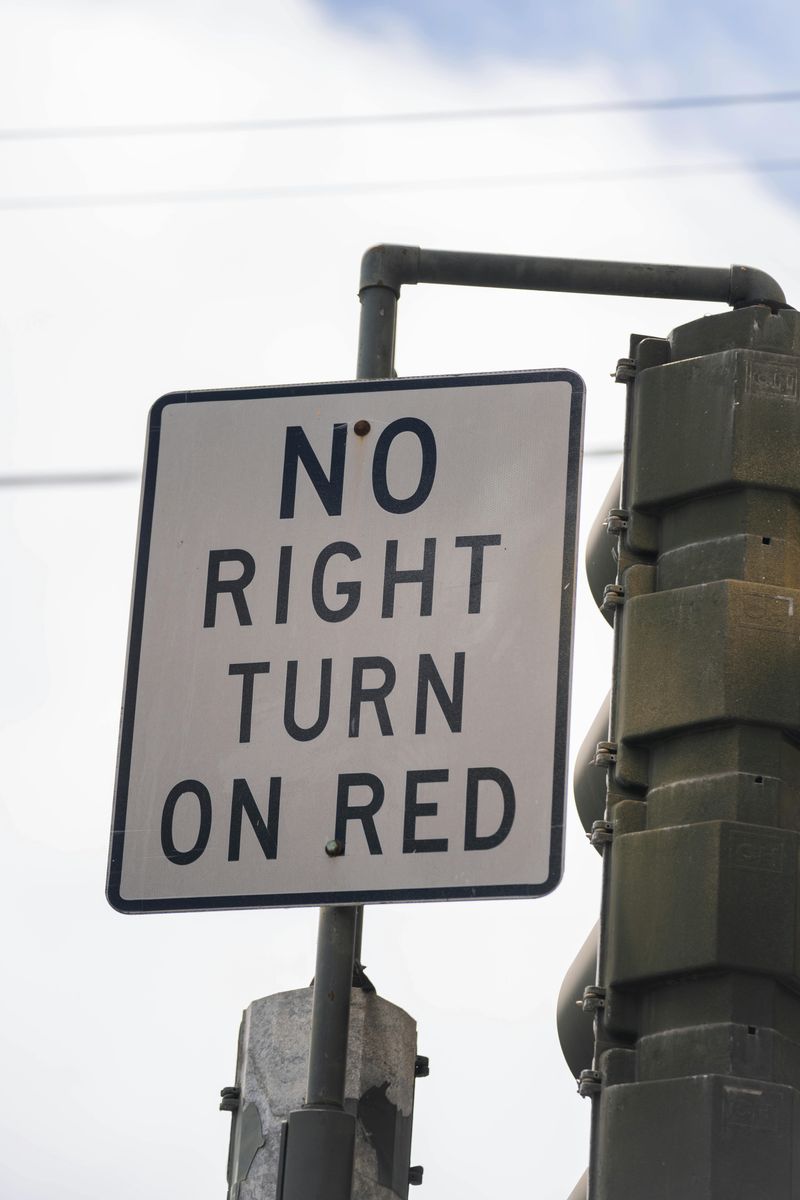
Washington shakes back but checks the sign first, and it means business in busy downtown corridors.
Those no turn on red plaques in Seattle are not decoration. Drivers roll forward on habit, cameras blink, and suddenly the trip has a souvenir you did not want.
The rule protects crosswalks that stay busy even when the road looks clear. Buses, bikes, and people can appear from a blind sliver and surprise a relaxed foot.
So the move is simple, and it is boring in the best way.
Come to a complete stop, scan every corner, and then hunt for signage like it is a scavenger clue.
If the sign says no turn on red, you wait without nudging past the line. If there is no restriction, you still yield like you mean it and roll easy.
I keep a little mantra for city lights and rainy glass: stop, look, sign, and then decide. I know it sounds silly, but it keeps the wallet quiet and the vibe calm.
When in doubt, treat the red as a firm pause and you will stay golden.
You Can’t Hang Things From Your Rearview Mirror
This is the one that makes people glance up and go quiet.
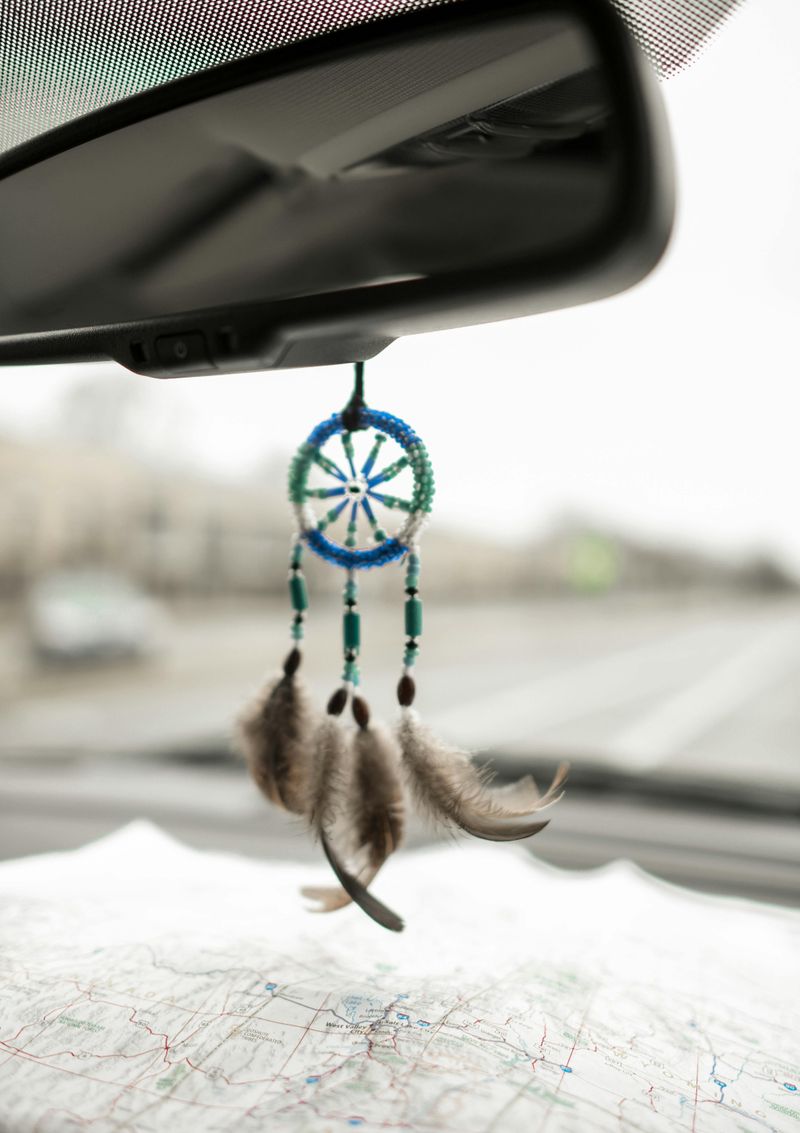
Hanging anything from the mirror that blocks your view is a problem here. Air fresheners, charms, and little souvenirs seem harmless until they become a reason to stop you.
Think about how tiny movement pulls eyes for a split second at the worst time. The law leans toward keeping that space clean so your attention stays on the road.
A clear windshield is not just a tidy look, it is a safety habit the state expects.
You can tuck your keepsakes in the console or clip them low where they do not create a blind spot.
If you need directions, mount your phone properly and keep it out of the mirror zone.
I know the dangling pine tree smells like a ritual from home, but trading the cute bobble for a clear view keeps the trip smooth and your day simple.
Officers do pull people over for this, especially in cities with heavy traffic. It is one of those easy fixes that saves a pile of hassle later.
Before rolling out, just do a quick mirror sweep and declutter. Give yourself open sightlines and you will feel the difference immediately.
Pedestrians Really Do Have The Right Of Way
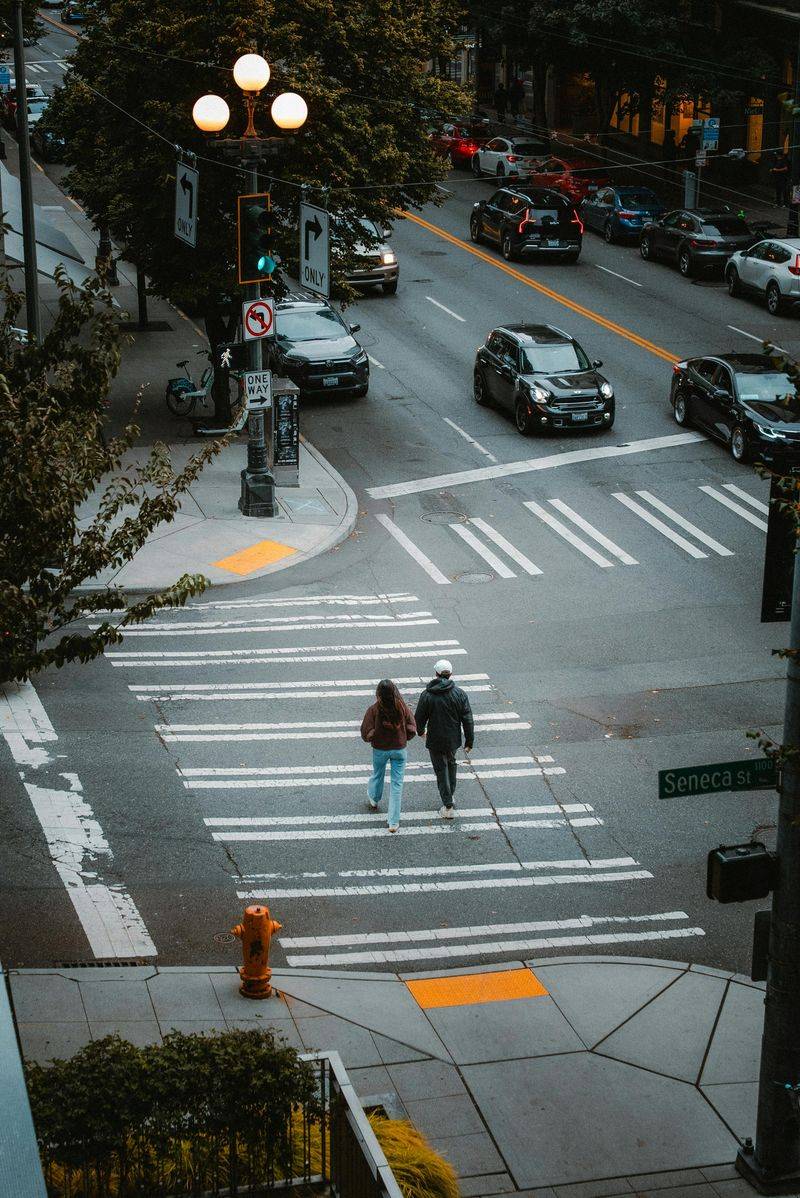
Washington treats crosswalks like sacred little zones, even when you cannot see paint.
Unmarked crossings at intersections still count, and drivers must stop when someone is clearly trying to cross.
That means toes near the curb, a glance up, and a step forward signal right away.
Back home you might inch and go, but here patience saves tickets and keeps people safe. Seattle neighborhoods watch this closely, and honks fly when cars pretend not to notice.
Small towns track it too, especially near schools, parks, and trail crossings.
The trick is reading body language while keeping your own moves obvious. Slow early, square up the car, and wave a simple go when the path is clear.
Do not pass a car that has already stopped at a crosswalk since a walker might hide in front of them.
Roads here reward drivers who expect people to appear at any moment. It feels calm when everyone cooperates and the intersection breathes.
If you are walking, make eye contact and show your plan with a clear step. If you are driving, hold back and give them the full lane without creeping.
It is not just manners, it is the rule, and enforcement is real. Once you settle into that rhythm, the whole drive gets smoother.
Camping Outside Designated Areas Is Strictly Enforced
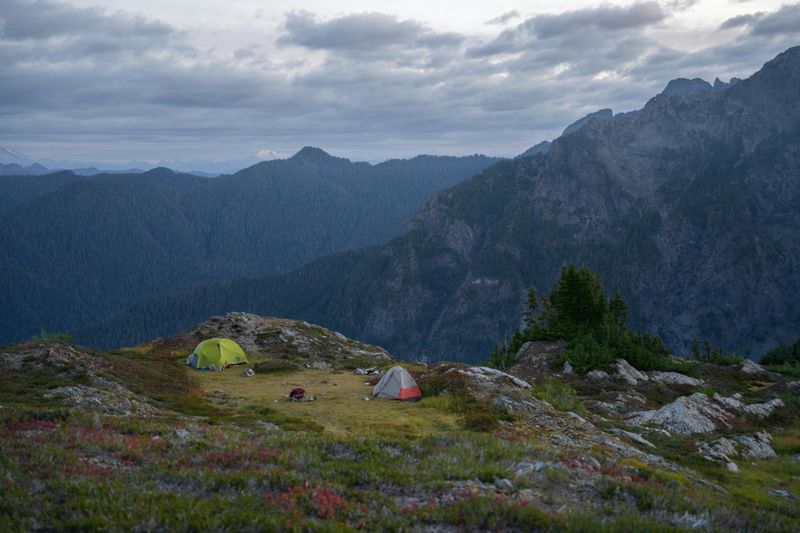
The mountains look open and endless, but camping anywhere you feel like is not the move.
This state holds tight rules across state parks, national forests, and coastal zones, and they are enforced.
Some spots require permits while others want you in established sites only.
Pullouts and scenic shoulders are not campsites, even if they look quiet and kind of perfect at dusk. Parking overnight can draw a knock you did not expect, along with a lesson you will remember.
Trailheads post clear signs, and rangers patrol places that get heavy weekend traffic.
I think the best way is to plan a tiny bit and pick a legitimate spot before dark. Kiosks list rules, maps show boundaries, and little numbered posts tell you where you belong.
“Leave no trace” is more than a slogan out here, and the state holds that line. Packing out everything and keeping fires in provided rings keeps the forest healthy for the next loop.
Coast areas add special layers, so signs change as the terrain shifts. Tide zones, wildlife spaces, and dunes come with their own limits that are easy to miss.
If you are unsure, stop at a ranger station and ask in plain language. Folks are friendly when you show that you are trying to do it right.
Plan, register, and rest where the map says yes, and your night will be peaceful.
Using Your Phone At A Red Light Is Still Illegal
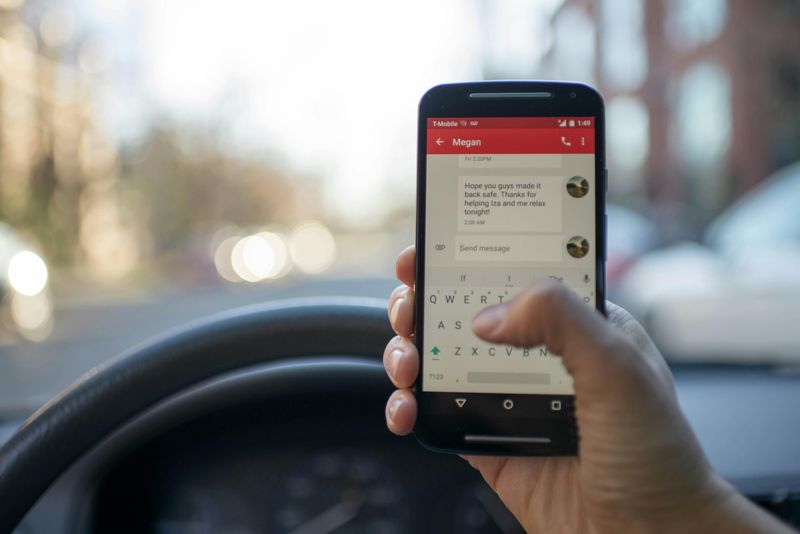
This rule surprises friends who treat red lights like quick catch up time.
In Washington, handheld phone use is illegal even when you are stopped at the light.
Texting, scrolling, or holding the phone gets flagged fast and can end the day on a sour note. The idea is that stopped traffic can start moving without warning and you need your focus ready.
That tiny glance down becomes a ripple that bumps everyone behind you. Mount the phone, set navigation before rolling, and keep your hands off while you wait.
Voice commands help, and a quick pull over is safer if you need to change plans. It keeps your eyes up and your timing clean when the green pops on.
Cities with dense intersections watch this closely, and drivers around you will notice too.
Washington drivers expect a steady flow, not a delayed start and a messy swerve.
If you catch yourself reaching, tuck the phone out of reach and reset the habit. I know it feels strange at first, but the calm shows up fast.
When you hold the standard for yourself, passengers follow and the car stays quieter.
The whole trip works better when the phone becomes background noise. Make sure to keep both hands free and you will glide through lights without stress.
Headlights Must Be On In The Rain
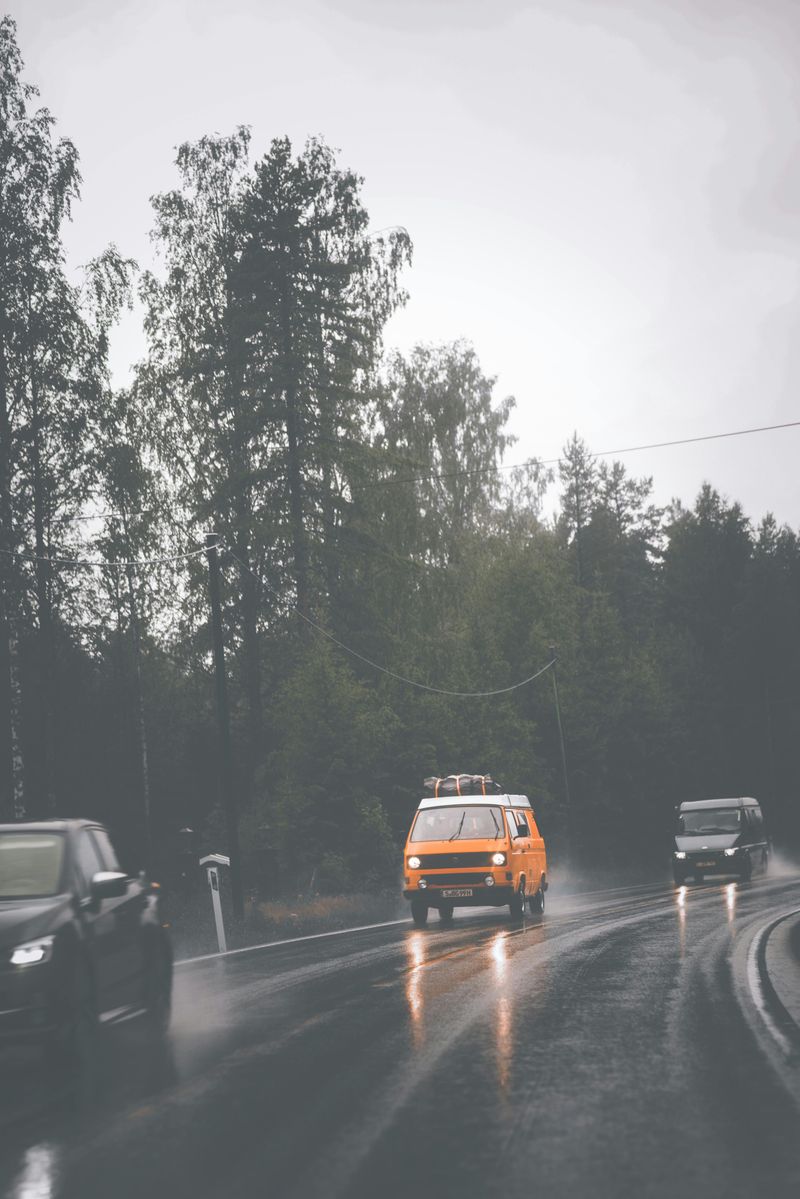
Rain sneaks in here like a polite guest who never leaves, and headlights matter more than you think.
Washington expects you to flip them on when visibility drops because of rain or fog.
Daytime running lights do not count for the rear, and that is where people forget. With low clouds and spray, taillights become the difference between seen and missed.
It is not about brightness, it is about being visible from every angle. Think of it as turning yourself into a lighthouse for the next driver.
When the mist stacks up across the highway, the extra glow keeps spacing honest. On forested stretches, shadows play tricks and hide cars that look obvious up close.
Make it a habit to turn the knob the second the wipers come on. I feel like that pairing keeps you consistent and removes the guesswork when weather flips suddenly.
The rule is enforced commonly during long wet seasons across the state.
Patrols notice dark silhouettes slipping by without lights and that conversation is avoidable. So give your future self a favor and light up early.
Lane Hogging Is A Ticketable Offense
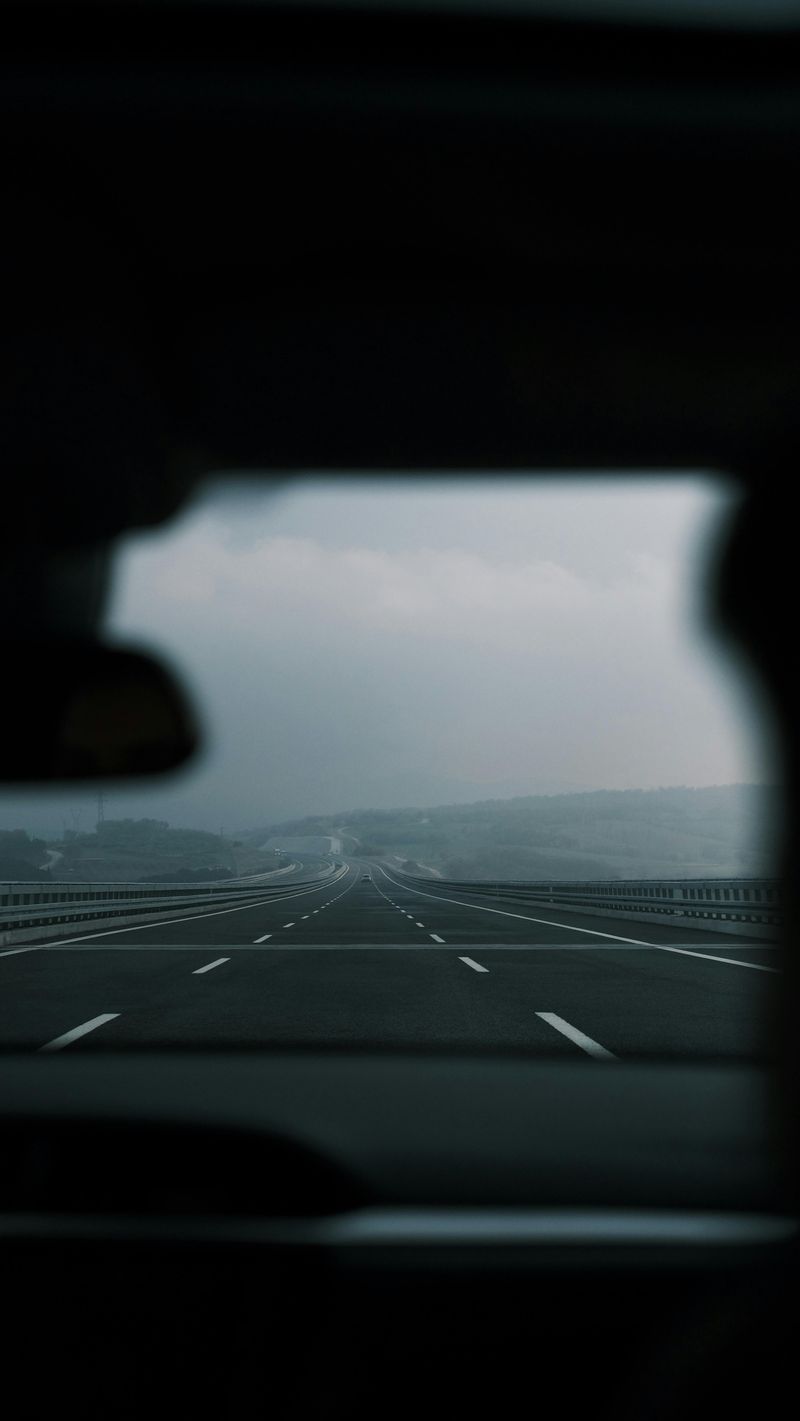
Left lane lounging gets attention here faster than you think.
This state expects slower traffic to keep right and use the left lane for passing only.
Camping there at a chill pace draws side eyes and sometimes flashing lights. Think of the left lane as a swift conversation, not a place to settle and unpack.
Make your pass, signal back, and hold a steady rhythm with the flow. It keeps pressure off your mirrors and opens space for faster cars to move.
On rolling hills and long bridges, this habit prevents domino slowdowns that feel sticky. Seattle corridors see this enforced because traffic needs every ounce of cooperation.
Out on rural freeways, patrols still watch and teach gentle lessons to drifters.
I try to treat the left lane like a tool, not a lounge chair. It makes the whole drive calmer and removes the weird tension with cars stacking behind.
If you notice a cluster building, you are the cork, and it is time to slide right. Signals, mirrors, and a quick check make the move simple and clean.
After a while, the habit becomes automatic and stress drops.
Beach Fires Aren’t Automatically Allowed
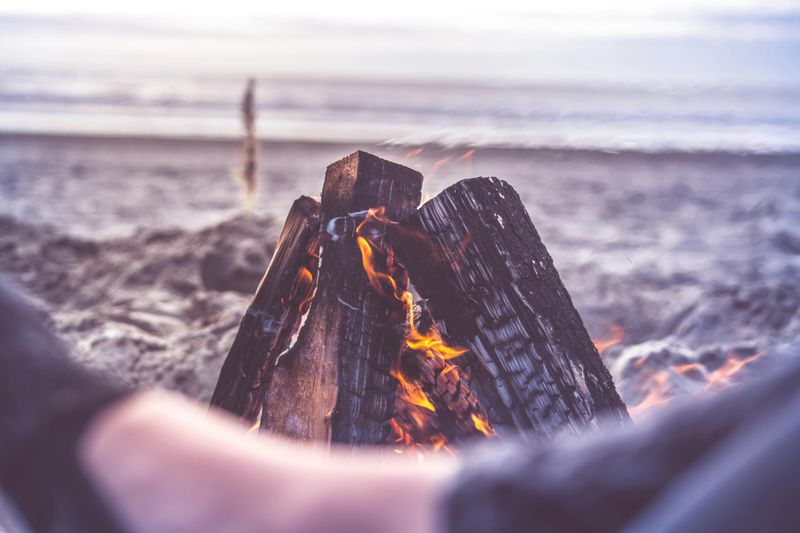
I love a shoreline evening as much as you do, but beach fires here follow strict rules.
Washington beaches shift policies by location and season, and local bans can land fast.
Even when it looks calm, restrictions or burn bans might be in place without obvious clues.
Some parks allow fires only in provided rings, and some say not today, full stop.
Wind can kick sparks into dune grass and make a tiny flame a bigger problem. Ranger stations and posted boards are your best friends before striking anything.
Bring a small plan, check the rules, and be ready to pivot if the sign says no. It saves you from awkward chats and a lingering smoky smell in the car.
If fires are allowed, use dry local wood, keep it low, and drown it until it is quiet and cool.
Watch the tide because water sneaks closer than you expect and can sweep embers into places they should not go.
Some stretches, like those within certain parks, run tighter than others because of habitat concerns.
When the sign says yes, the evening feels earned and peaceful. When it says no, a blanket, warm layers, and the sound of waves still work magic.
Either way, the rule keeps everyone safe and the beach clean. Coasts here reward the patient with skies that glow forever.
Foraging Without Permission Can Be Illegal
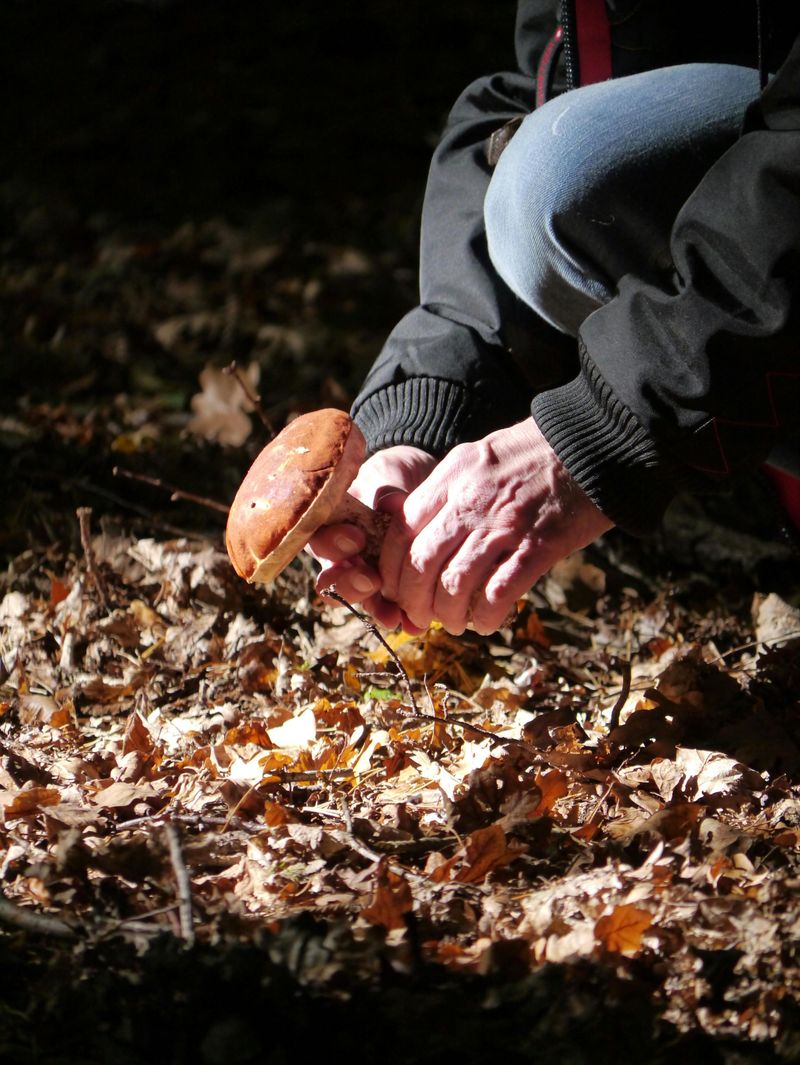
The forest looks generous, but taking things home can cross a line fast.
In Washington, foraging depends on who manages the land and what you want to pick. State parks often prohibit it, while some forests allow limited gathering with permits.
Different mushrooms, berries, and plants can sit under different rules that change by area. That means the basket stays empty until you know the boundaries and the local plan.
Rangers can and do check, especially during busy seasons when the trails hum. The respectful move is to ask first and follow whatever the signboard says in plain print.
If a permit is needed, get one and stick to the limits and the designated zones. Know what you are picking and where your feet are, and never dig up roots or disturb nests.
Leave rare plants alone and treat the forest like a favorite neighbor’s yard.
It is more fun when you know you are doing it right and not guessing on the fly. Plus, the walk feels calmer without the worry of a chat you do not want.
Pack a small guidebook, bring a bag, and respect closures without arguing with the sign.
If you are in doubt, take photos and let the plants stay where they belong. That is how the next trip still feels wild and generous.
Dear Reader: This page may contain affiliate links which may earn a commission if you click through and make a purchase. Our independent journalism is not influenced by any advertiser or commercial initiative unless it is clearly marked as sponsored content. As travel products change, please be sure to reconfirm all details and stay up to date with current events to ensure a safe and successful trip.
