
You are here for an adventure that blends effort with reward, and Wave Cave delivers in unforgettable fashion.
The trail climbs through Sonoran foothills where saguaros stand like quiet sentries under a bright Arizona sky.
Each turn opens wider panoramas until the cave itself frames a sculpted stone wave that feels made for photos and reflection.
Expect a moderate workout, a dash of route finding, and views that stretch across the Superstition foothills.
By the time you reach the cavern, you will feel the proud calm that only a well-earned summit can provide.
Trailhead basics and first steps
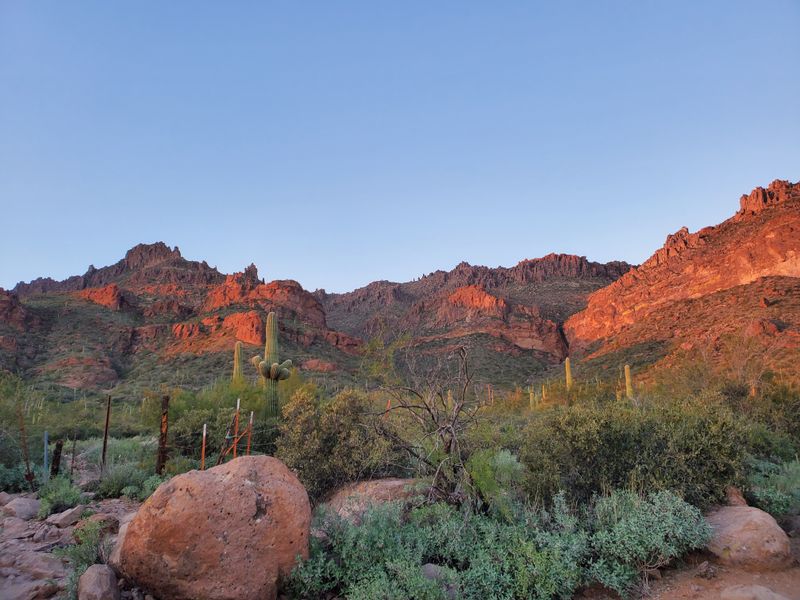
The Wave Cave sits near the Superstition foothills outside Gold Canyon and the approach begins on a sandy desert path that feels peaceful at sunrise.
Trailhead parking is limited to a dirt pullout along a utility road, so arriving early avoids tight maneuvering and heat exposure during warmer months.
There is no official restroom or water at the start, so top off bottles in town before driving the last short stretch to the start.
Wayfinding feels straightforward at first since the path follows a well trodden course toward the mountains with saguaros marking a bright Arizona backdrop.
A few unsigned junctions appear within the first mile, and staying on the most defined track while trending toward the right side of the ridgeline keeps you on course.
Hikers often load a recent offline map to make quick checks without stopping too long in open sun.
The trail surface mixes sand, small rock, and a few embedded steps that are easy to handle with grippy footwear and a patient pace.
As elevation increases, the route steepens gradually and the cave mouth becomes visible as a dark notch shaped by wind and time.
The opening looks modest from below, yet the final hundred yards feel steeper and require careful foot placement on loose gravel.
Poles help with balance on the descent, though many hikers tuck them away while scrambling the last pitch to keep hands free.
Look for cairns placed by previous visitors, but rely on your judgment since rock piles shift and sometimes lead to unofficial spurs.
The atmosphere turns quiet as you near the walls, and the trail narrows into a corridor that funnels you into the cool shade of the cave.
Patience pays off here because a measured approach saves energy for exploring the interior once you arrive.
Take a breath before stepping inside, then let your eyes adjust to the changed light that drapes the sandstone curves.
The first glimpse of the wave formation always sparks a smile and a quick pause that feels like a small victory.
Elevation, distance, and difficulty explained

Most hikers track the route at roughly three miles round trip with about eight hundred to nine hundred feet of gain depending on exact turns.
The grade starts gentle, builds to a moderate climb, and finishes with a short and steeper push that rewards steady pacing and careful steps.
This progression makes the outing accessible to fit beginners while still engaging experienced hikers who enjoy a quick challenge with big scenery.
Expect loose gravel and slabby sections during the last approach where traction feels variable, especially after busy weekends when dust layers the rock.
Good trail runners or light hiking shoes keep footing confident, and poles help many people on the way down.
Average moving time lands around one and a half to two hours, though photo stops and crowds can stretch the day.
The difficulty rating feels moderate for most people, but summer heat can push it toward strenuous even with an early start.
Arizona sun rises fast and the route offers little shade until you reach the cave, so manage pace and hydration thoughtfully.
Calf burning switchbacks do not dominate here, yet the final scramble asks for three point contact and calm focus.
Children who hike often may enjoy the adventure, but careful supervision is essential near the edge of the wave ledge.
Trail etiquette helps everyone, so yield on narrow sections and let uphill hikers pass with a friendly greeting.
A quick stretch at the cave resets legs for the descent which often feels faster yet demands attention to rolling stones.
Plan snacks for the viewpoint but store wrappers securely since wind gusts can carry light items into the desert.
Remember that elevation gain adds up quickly on compact routes, and small breaks keep energy high without cooling muscles too much.
With smart timing and realistic expectations, the outing lands as a memorable half day highlight in central Arizona.
How to navigate junctions and social trails

Navigation remains simple if you commit to the main tread that trends toward the prominent notch where the cave sits near the ridgeline.
Several social trails split off toward washes and side hills, and these diversions usually rejoin but can add unexpected slick scrambles or brushy detours.
When the path widens into a sandy wash, look for footprints that cut back to firmer ground rather than continuing into loose gravel.
Informal cairns appear at intervals, yet they change over time and can create confusion if stacked by well meaning visitors.
An offline map helps confirm progress, and dropping quick pins at obvious landmarks builds confidence without slowing your rhythm.
The most reliable cue is the skyline, since the cave notch stays slightly right of center as you advance from the trailhead.
As you approach steeper terrain, the main route angles left around a rib before turning up a rocky ramp that leads straight to the mouth.
This ramp contains small shelves that guide foot placement while keeping you clear of crumbly side gullies.
If you lose the line, pause and scan for the clearest path that avoids vegetation and protects fragile soils near the slopes.
Staying on durable surfaces reduces erosion that widens tracks and accelerates washouts after seasonal storms.
Group hiking works well here when the leader maintains a steady pace and announces minor course changes aloud.
On the descent, reversing key landmarks prevents short cuts that drop into unstable scree and slow the return.
Late afternoon light can flatten texture and hide loose stones, so step carefully and give space to hikers coming up.
Trust that the simplest path is usually correct, and if a section looks awkward, backtrack a few yards and reassess.
A little patience with navigation preserves the natural feel that makes Wave Cave special in Arizona.
Best seasons, weather, and timing
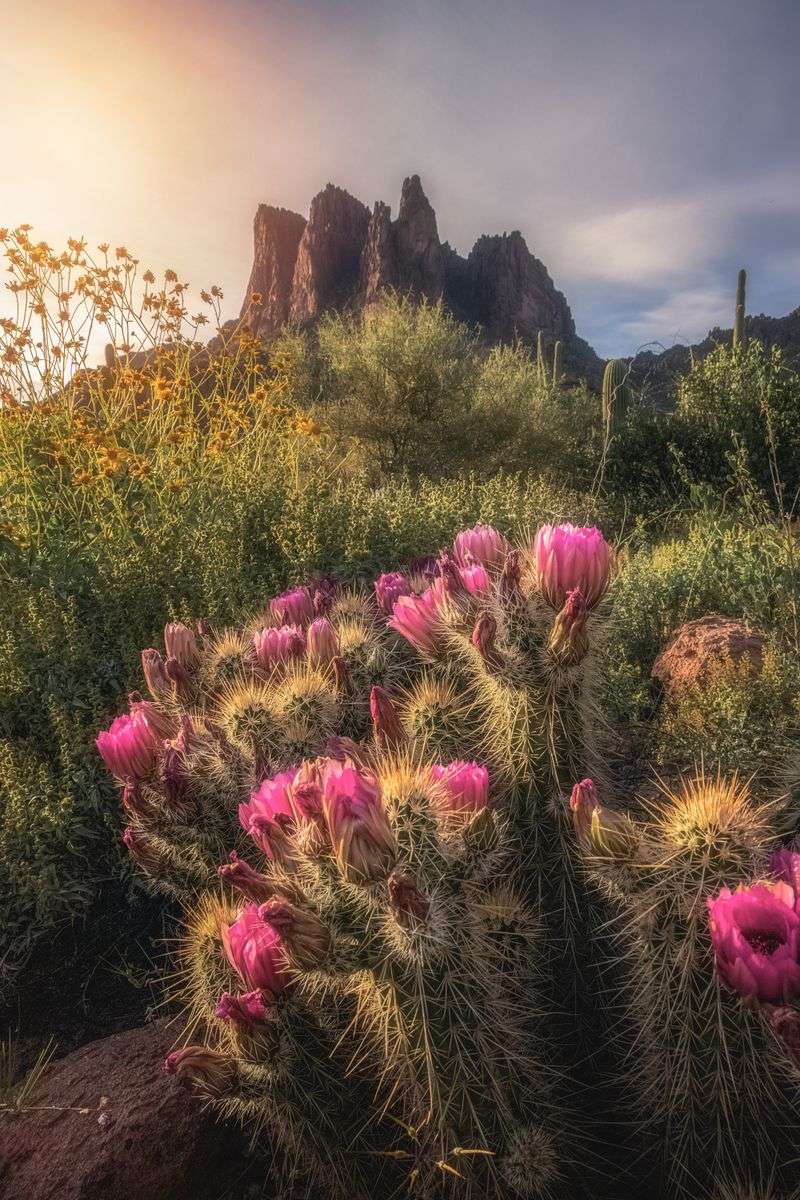
Spring and late fall deliver the most comfortable temperatures for the Wave Cave, with clear mornings and mild breezes across the hills.
Summer remains possible but requires an early start, extra water, and strict heat management since the approach holds little shade.
Winter days can be crisp with cold mornings, and occasional storms bring slick rock where caution outweighs speed.
Sunrise departures limit exposure and provide delicate light that paints the cave interior in soft tones for photos.
Midday heat in Arizona can turn moderate climbs into draining slogs, so plan to reach the cave well before noon.
Afternoons offer warm hues across the valley, though crowds often peak on weekends when locals and travelers converge.
Monsoon season from July through September can trigger fast forming storms that push gusty winds and lightning over high points.
Check radar and forecasts before leaving the pavement, and postpone if cells build along the Superstition ridgeline.
After rain, expect patches of mud in low washes and slick dust on rock slabs that call for careful footwork.
Shoulder season mornings combine cooler air with fewer people, which creates a relaxed pace and quieter viewpoints.
Cloud layers produce even light inside the cave, while clear skies reveal long sightlines across Gold Canyon and beyond.
Bring a light jacket during cooler months since shade inside the cave can feel several degrees colder than sunlit slopes.
Photographers favor golden hour when the interior stone glows softly and shadows sculpt the wave feature.
Weekdays tend to be calmer than Saturdays, and early arrivals usually secure the best parking near the start.
Thoughtful timing turns a good hike into a great one and keeps the outing enjoyable under the big Arizona sky.
Safety, gear, and water planning
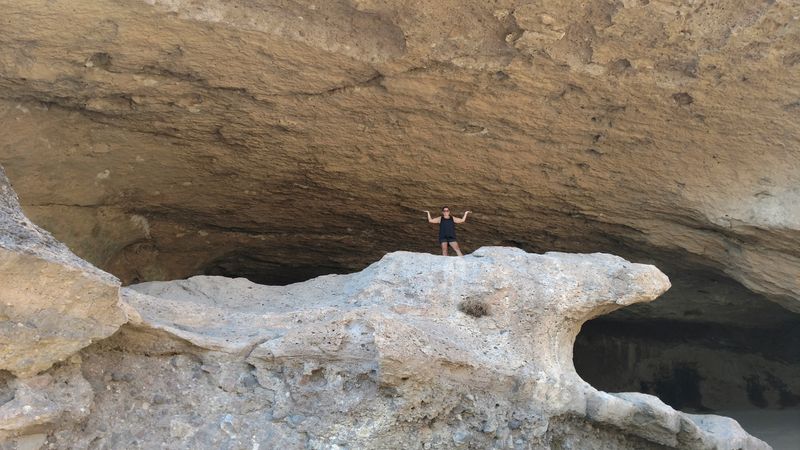
Hydration sits at the top of the list for this route since dry air and sun exposure increase water needs without much warning.
Many hikers carry at least two liters per person, and warm months may justify more depending on pace and experience.
Electrolyte tablets or a light mix help maintain balance during the steeper finish and the sun drenched walk out.
Footwear with reliable grip turns the final slab into a confident climb rather than a tense shuffle on dusty stone.
A brimmed hat and sunscreen shield skin during the approach and reduce fatigue that builds under constant glare.
Emergency layers like a packable wind shell make sense in transitional seasons when gusts sweep the mouth of the cave.
A compact headlamp covers early starts or slow descents, and a small first aid kit handles minor scrapes from rock edges.
Signal can be spotty at times, so tell a friend your plan or leave timing details with your lodging before you go.
Keep snacks simple and secure so wrappers do not drift into the landscape when the wind kicks across the plateau.
Watch for cactus spines near the trail margins and keep distance from cholla that can latch onto shoes and hems.
During busy periods, avoid the ledge edge inside the cave and wait for your turn rather than crowding the viewpoint.
Teach kids to stay behind a clear visual boundary and to move slowly while changing positions on uneven rock.
If storms build, retreat before lightning reaches nearby hills and skip the high perch that draws strikes.
Carry a basic map on your phone and a printed backup in case batteries drain faster than expected in heat.
Conservative planning keeps the day smooth and lets the Arizona views take center stage.
Photography tips from the cave
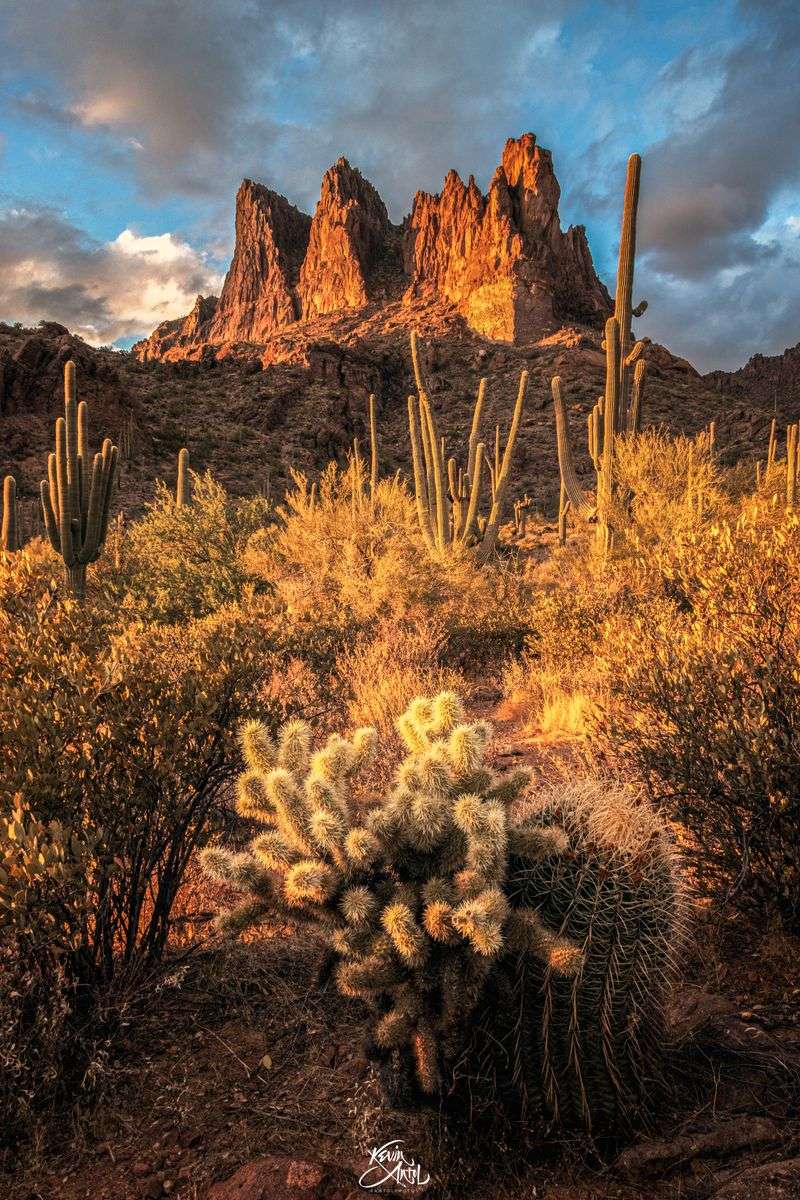
Arrive before the rush so you can set up a clean composition that frames the sweeping valley through the cave opening.
Golden hour light paints gentle color across the sandstone wave while keeping contrast manageable for phones and compact cameras.
Step back toward the rear wall and crouch slightly to align the wave with the horizon for a balanced scene.
A small travel tripod helps in low light, yet be mindful of space so others can move safely along the ledge.
Phones handle the dynamic range surprisingly well if you tap to expose for the bright exterior and then fine tune highlights.
Portraits look great when the subject stands a few feet from the edge, which allows the cave to form a natural vignette.
Use a wide lens for the full arch, then switch to a normal focal length for intimate texture on the carved surface.
Glare control gets easier with a hat brim or small flag that shades the lens without blocking people behind you.
Keep bags tidy and tucked against the wall to keep the floor clear and prevent accidental trips on uneven stone.
Wait for drifting dust to settle, since tiny particles can soften detail and reduce clarity during busy hours.
Review frames before leaving because bright backgrounds can trick metering and hide noise in shadowed areas.
Kindly offer to take a quick photo for solo hikers and you will likely get the same favor in return.
Step aside for a minute when crowds build, then slip back into position when the ledge opens again.
Take one final frame looking outward, then another facing the sculpted wave to capture form and texture.
Pack out every accessory and leave the space pristine for the next Arizona sunrise.
Parking, access notes, and coordinates
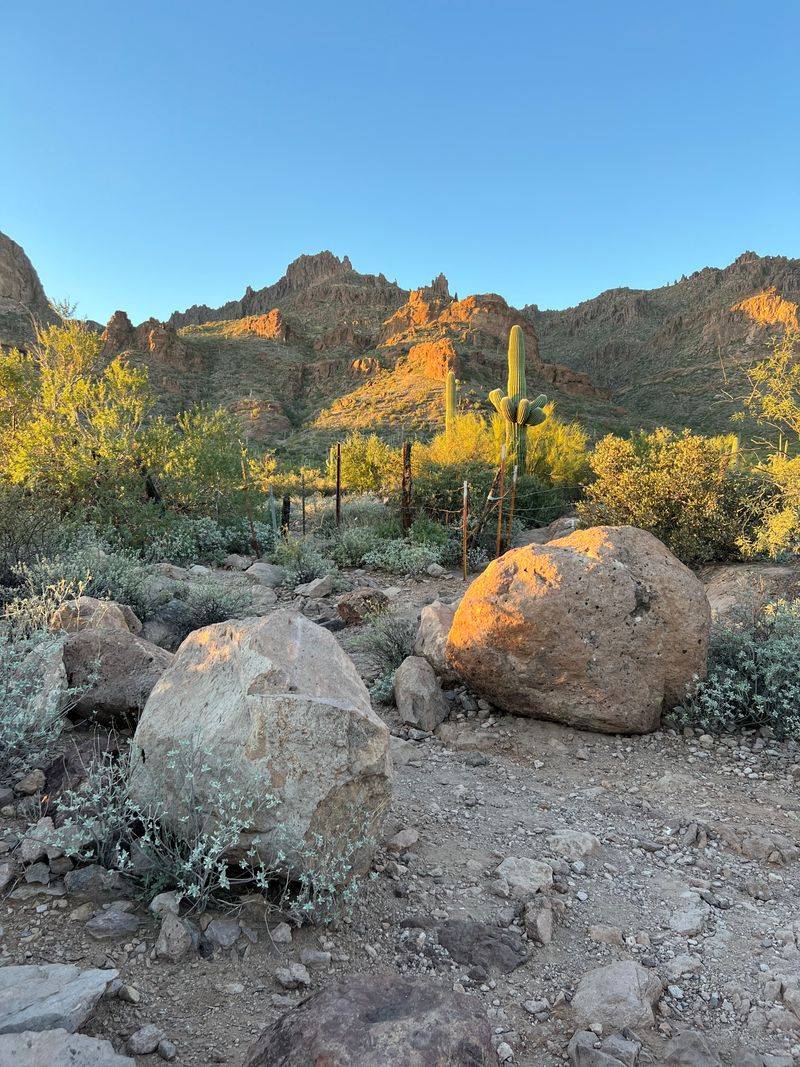
The Wave Cave is listed on many maps near CJ2F plus M4 in Gold Canyon which aligns with commonly used GPS coordinates for navigation.
Trailhead access uses a dirt utility road where roadside parking occurs in informal pullouts that fill quickly on weekends.
No official lot, restrooms, or water exist at the start, so prepare in town and arrive early for a smooth arrival.
Respect posted signs and avoid blocking gates since utility crews may need clear access at any hour.
The hike sits on a mix of state trust and nearby public lands, and current access expectations include staying on established paths.
You may need a state trust recreation permit for certain adjacent areas, so verify current guidance before your visit.
Rideshare drop offs work if drivers are comfortable on graded dirt and can find a safe turnaround without blocking others.
Weekday mornings feel less crowded, and sunrise timing further reduces parking pressure while keeping temperatures manageable.
Pack trash out since no bins serve the pullouts, and keep noise low out of respect for nearby residents.
The coordinates in common guides point toward the base of the approach where the route becomes obvious on foot.
Download offline maps for redundancy because reception can flicker as you move along shallow drainages.
If you arrive to full shoulders, consider waiting for turnover rather than squeezing into vegetation or soft sand.
Law enforcement can ticket vehicles that block access or create hazards on the narrow roadside.
Set a pin where you park to simplify the walk out if you return at dusk.
With a little planning, parking stays stress free and the Arizona scenery becomes your focus.
Leave No Trace and respectful hiking

Wave Cave feels special because visitors protect the space and keep the stone ledge free of litter and graffiti.
Pack out every scrap including fruit peels and tissue since desert ecosystems break down organic waste very slowly.
Stay on durable surfaces and avoid cutting across fragile crusts that help prevent erosion around the trail margins.
Photos work best when the floor stays uncluttered, so store bags neatly and move gently across the open slab.
Keep voices low inside the cave since sound bounces and can overwhelm the quiet many hikers come to enjoy.
Wildlife sightings are occasional, and giving extra space helps animals keep natural behavior patterns without stress.
Groups can rotate through the prime spot on the ledge so everyone gets a turn without crowding the edge.
Skip chalk, paint, or markings on rock and let the soft textures remain untouched for future visitors.
Use existing rocks for sitting rather than rearranging features or stacking new cairns that may confuse navigation.
Smell free sunscreen and simple layers help you blend into the environment while minimizing traces of perfume.
Pack a small trash bag and offer help if you see wind blown wrappers that others missed on the way out.
Share the trail with friendly patience and pass on wider sections to maintain safe flow in both directions.
Dogs should remain leashed where required, and paw protection may be needed on hot or rough surfaces.
Model good behavior for kids by pointing out cryptobiotic soil and explaining why footprints matter.
Respectful choices preserve the experience and keep this Arizona landmark beautiful year after year.
Respect for cultural and natural context
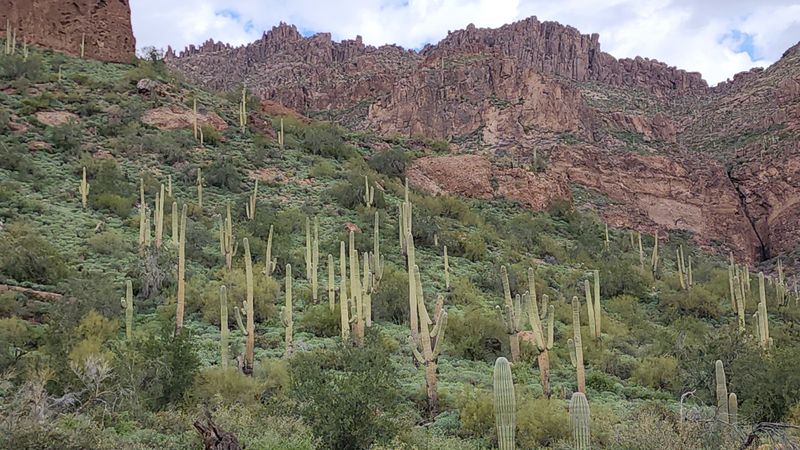
The Superstition region carries layers of cultural history and natural science that deserve care from everyone who visits the Wave Cave.
Indigenous communities have longstanding connections to these lands, and hikers can honor that reality by moving respectfully and leaving no marks.
Artifacts and pottery fragments should never be touched or collected, and reporting finds to land managers protects sensitive sites.
Cryptobiotic soils build slowly across open flats and their webs of life help stabilize the desert against erosion.
Stepping on living crusts damages decades of growth, so stay on rock and durable path surfaces whenever possible.
Native saguaros and cholla anchor the views and house birds that depend on cavities shaped over many years.
Photographers can frame plants without contacting fragile arms, which keeps spines and tissues safe from harm.
Rock varnish lines the cave interior and accumulates over long timescales that human touch can disrupt in seconds.
Local stories speak of hidden caches and prospectors, yet such legends remain unverified and should be enjoyed as folklore.
Jurisdiction boundaries can be complex here, and posted signs or current maps clarify permitted activities.
Dogs and drones fall under changing rules, so check updates and choose alternatives if conditions or policies limit use.
Quiet enjoyment lets wildlife move freely across washes and ridges that funnel seasonal travel.
Light footprints and mindful pauses deepen appreciation while preserving texture and color that define the cave.
Sharing guidance with new hikers spreads good habits and keeps the route pleasant for future trips.
This approach keeps the Arizona landscape healthy and the experience meaningful for everyone.
Making the most of the view
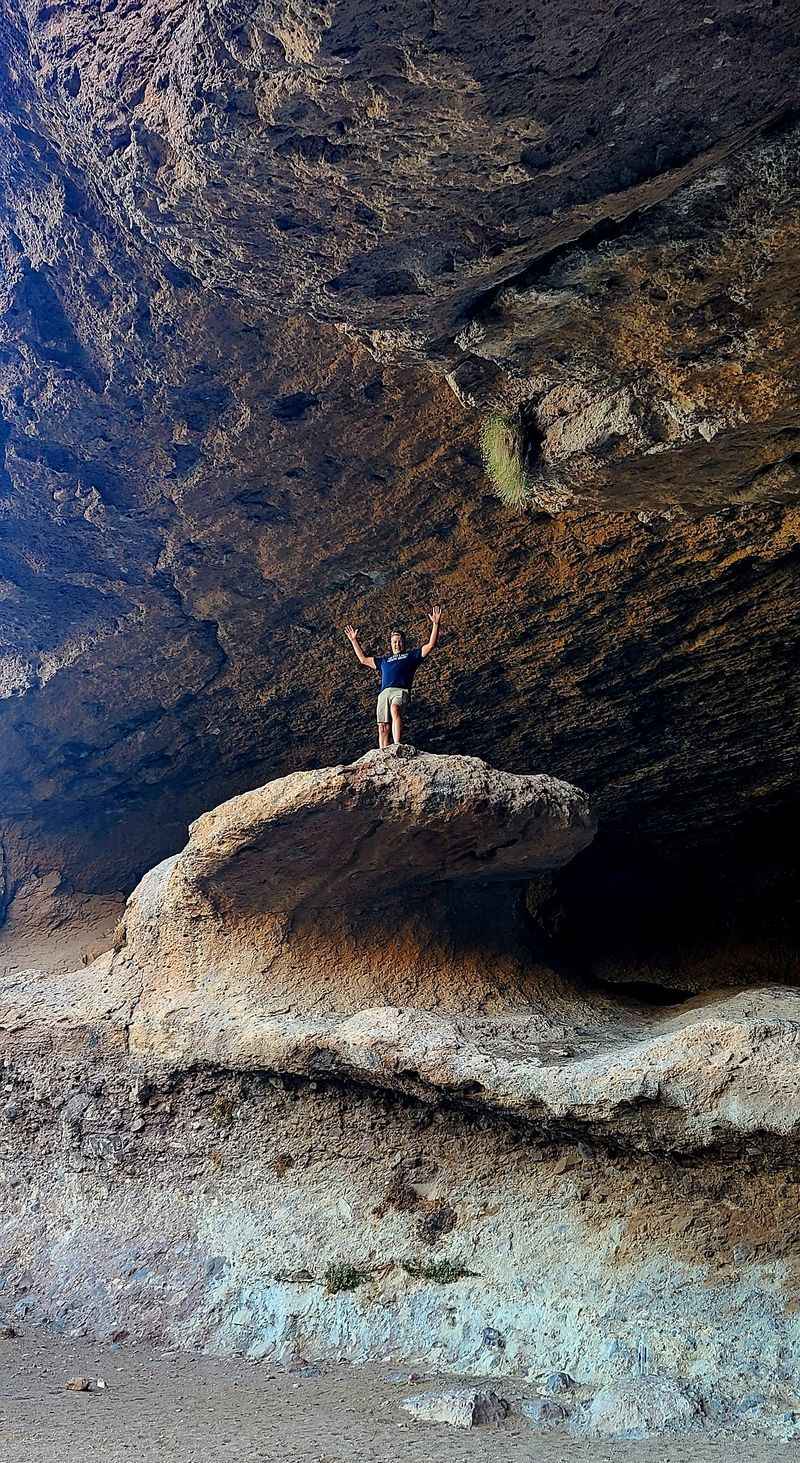
The view from the cave opens like a stage curtain and draws attention to the sweeping desert floor dotted with saguaro silhouettes.
Settle onto a comfortable spot along the back wall to let eyes adjust and to absorb subtle color shifts across the valley.
Cloud shadows travel slowly over ridges and washes, which adds motion to a landscape that feels timeless and calm.
On clear days you can trace highway ribbons and distant neighborhoods that sit quietly below the rugged foothills.
Wind patterns change tone as gusts press into the opening, and the sound turns soft as you step deeper inside.
Bring a lightweight layer so you can linger without chilling in the shaded interior while others take photos.
Share the ledge with patience because a few minutes of quiet rotation gives everyone a chance at the signature angle.
After photos, set the camera down and count a slow minute to lock the scene into memory beyond the screen.
Notice how the cave frames the sky into a gentle arc that balances with the stone wave near your feet.
Trace the line of the approach trail, then follow your eye to the far hills that anchor the horizon.
Bird calls echo softly inside the chamber and remind you that the cave lives within an active ecosystem.
Use the moment to drink water and plan the descent while energy feels high and legs are warm.
Little by little, new details appear as light shifts, and the scale of the valley reveals fresh layers.
When you finally stand to leave, take one last look and thank the landscape for its quiet power.
The memory carries long after you return to the Arizona roads that led you here.
Dear Reader: This page may contain affiliate links which may earn a commission if you click through and make a purchase. Our independent journalism is not influenced by any advertiser or commercial initiative unless it is clearly marked as sponsored content. As travel products change, please be sure to reconfirm all details and stay up to date with current events to ensure a safe and successful trip.
