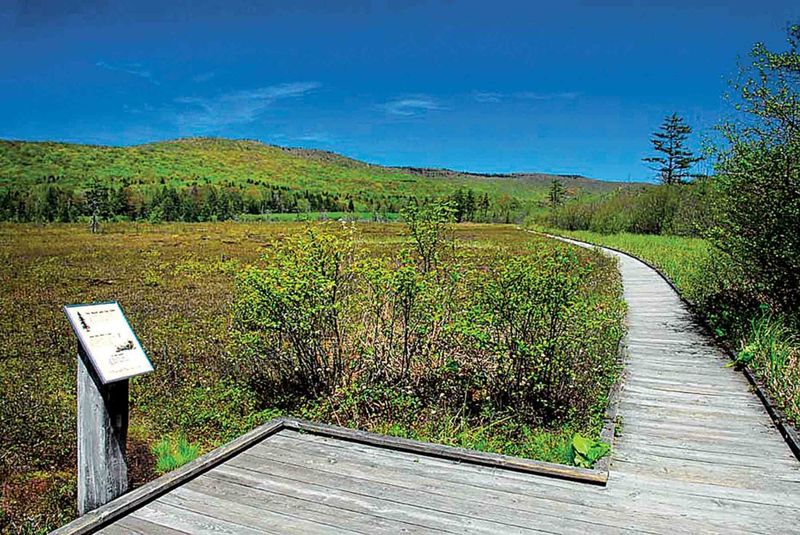
Tucked deep in the West Virginia mountains sits a place that feels like it belongs way up north in Canada instead of the heart of Appalachia. Here, the ground is spongy, the air stays crisp, and plants that eat insects grow right beside wild cranberry vines.
It is a spot most folks drive right past without ever knowing what treasure hides just off the road. Once you step onto the boardwalk, though, you may find it hard to leave.
Where the Boardwalk Meets the Bog
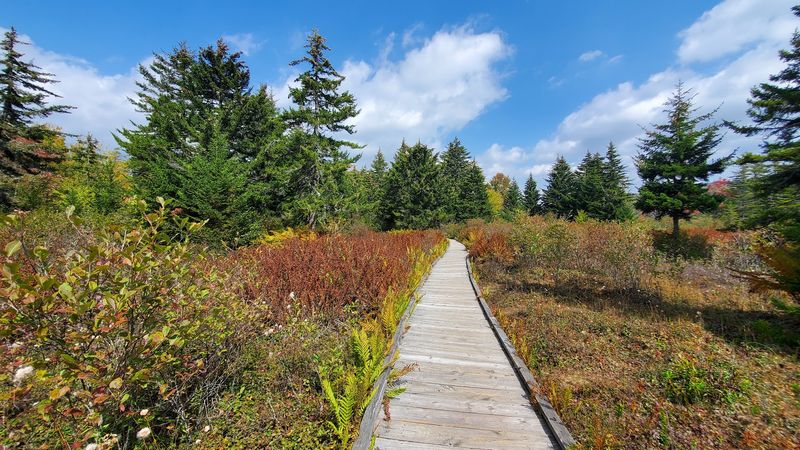
Way back off Forest Route 102, past thick stands of spruce, sits the Cranberry Glades Botanical Area near Hillsboro. Folks who stumble onto it often describe the same reaction: surprise that such a strange, beautiful landscape exists in West Virginia at all.
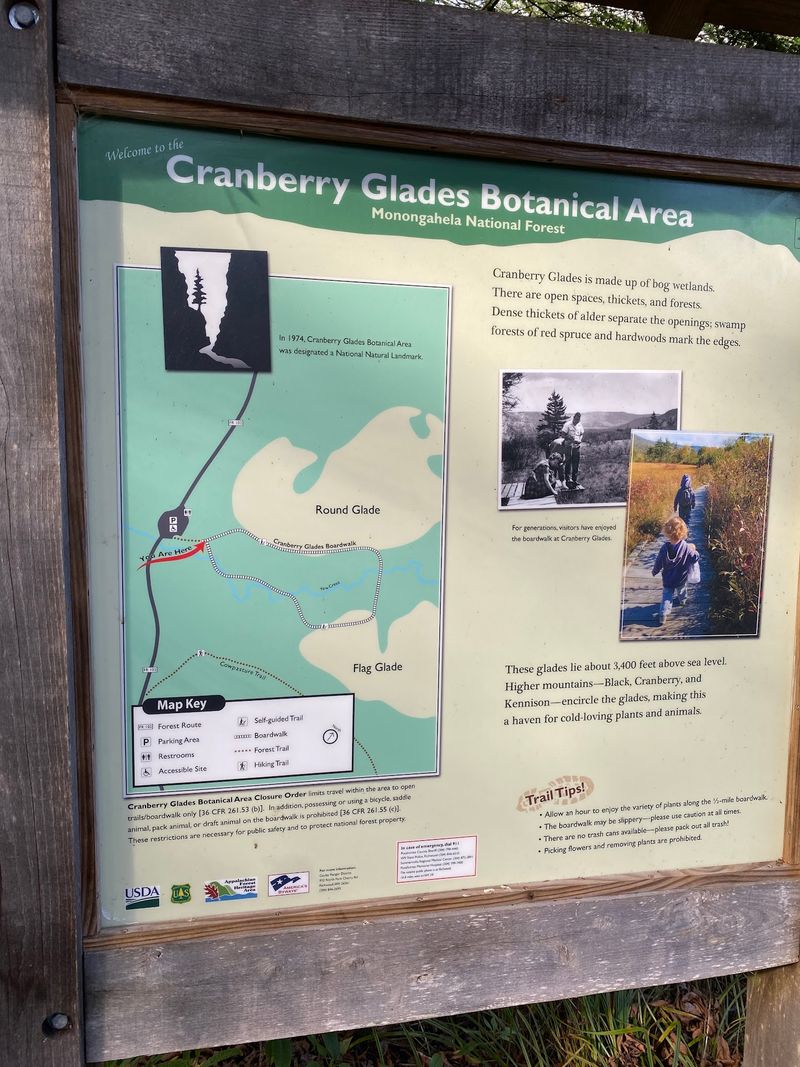
The heart of the place is a wooden boardwalk that loops roughly a mile through open bogs and shaded forest. Visitors say it is an easy walk, mostly level with a few gentle dips, that lets you get up close to the wetland without ever getting your boots muddy.
This cluster of five bogs spreads across about 750 acres, making it the largest bog area in the state. It sits inside the Monongahela National Forest at roughly 3,400 feet in elevation.
What makes it special is not just the scenery but the feeling. Regulars mention how quiet it is, how you can hear birds and frogs while barely another car passes.
For a first-time visitor, it is the kind of place that quietly earns a spot on your return list.
A Landscape Shaped by the Ice Age
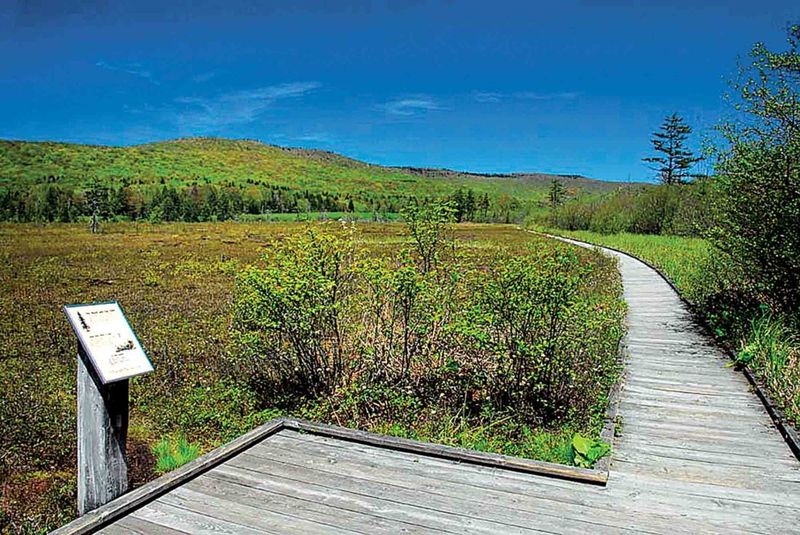
Stand on the boardwalk and you are looking at something older than almost anything else around. The ground beneath is peat, layers of partly decayed plant matter built up over more than 10,000 years.
During the last Ice Age, glaciers crept across much of the northern continent but never reached this far south. What they did do was push cooler conditions down into these mountains, allowing northern plants and animals to settle in.
When the ice retreated, the world warmed, but this high, tucked-away pocket held onto its chill. The result is what people often call an arctic microclimate, a little slice of Canada left stranded in Appalachia.
That deep peat acts like a living history book. Each layer records the climate and plant life of a different age, quietly preserved in the acidic, waterlogged soil.
Visitors who read the interpretive signs come away with a new respect for the place. Knowing you are walking beside vegetation whose roots may reach back ten millennia gives the whole stroll a quiet, almost reverent weight.
Carnivorous Plants That Trap Their Dinner
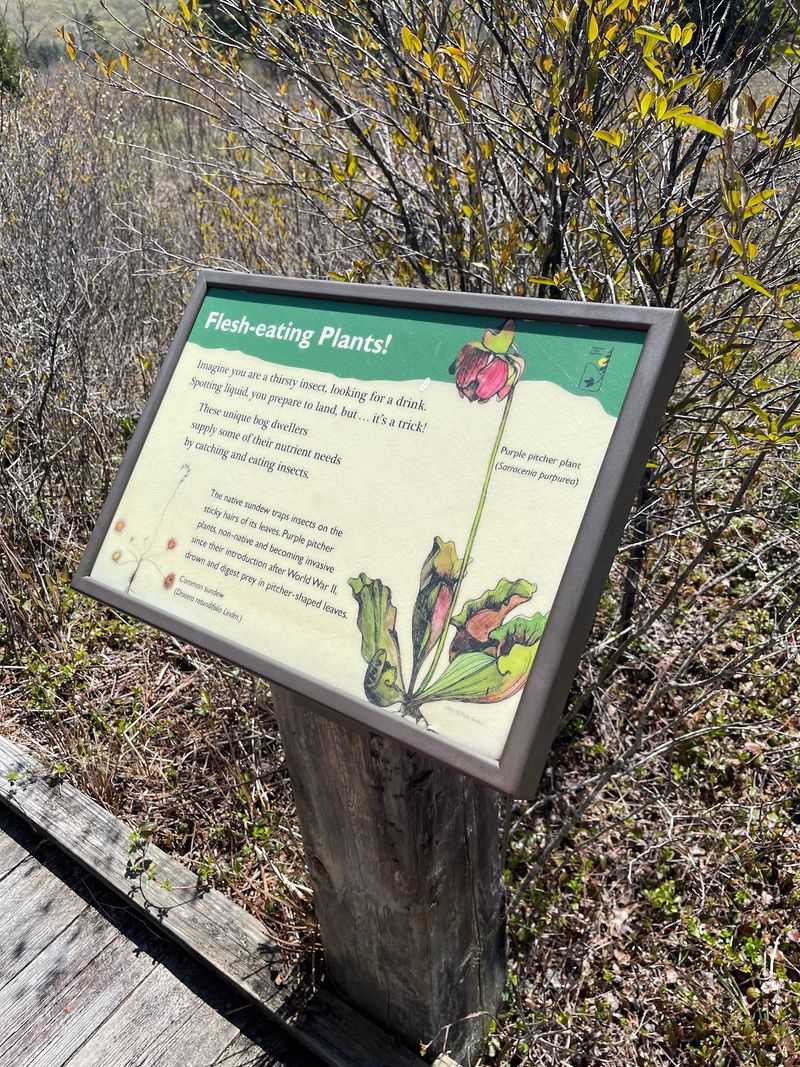
Few things surprise a first-time visitor more than learning some of the plants here eat bugs. Because the bog soil is so poor in nutrients, certain species have found a clever way to make up the difference.
The purple pitcher plant is the showstopper. Its curved, cup-like leaves hold a pool of liquid that lures insects in, then quietly digests them.
People walking the boardwalk often crouch low to spot one nestled among the moss.
Then there is the sundew, a smaller, subtler trap. Its tiny tentacles glisten with sticky droplets that shimmer in the light and hold fast to any unlucky insect that lands.
Guests frequently mention hunting for these two plants like a scavenger game. Reviewers recall spotting pitcher plants along with fungi, ferns, and plenty of what one called boggy goodness.
Signs scattered along the walkway help you identify what you are seeing. It turns a simple stroll into a real nature lesson, and it is the kind of thing kids remember long after the trip is over.
Wild Cranberries and Northern Botanical Treasures
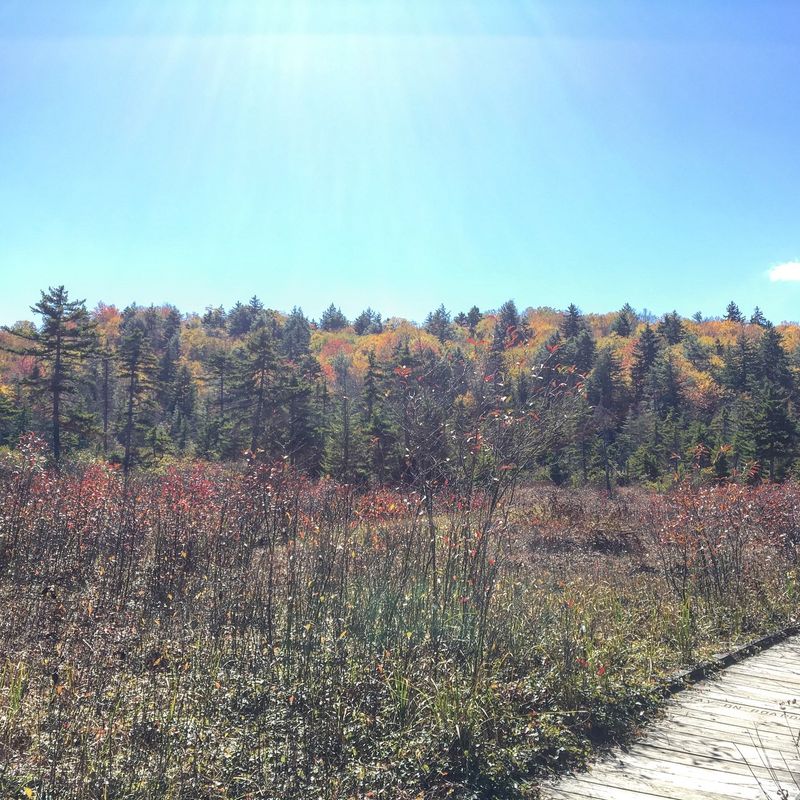
The name says it all. Prostrate cranberry vines creep across the bog, blooming with delicate pink flowers in summer and ripening into tart red fruit by late September.
Beneath and around them, thick carpets of sphagnum moss spread in soft green waves, joined by other unusual mosses and even reindeer lichen. One visitor visiting in mid-November recalled snow-dusted ground and a beautiful red hue washing across the whole landscape.
Botanists treasure this place for its rare and unexpected plants. Bog rosemary, buckbean, and the elusive Appalachian Jacob’s ladder all grow here, the last found in only a handful of northeastern states, with its southernmost point right in these glades.
Other standouts include mountain serviceberry and long-stalked holly, both living at the very southern edge of their natural range. It is a botanical wonderland packed into a small, walkable space.
Regulars mention how the scenery shifts from season to season, so every trip reveals something new. Come once in spring and again in fall, and you might feel like you visited two entirely different places.
A Birdwatcher’s Quiet Paradise
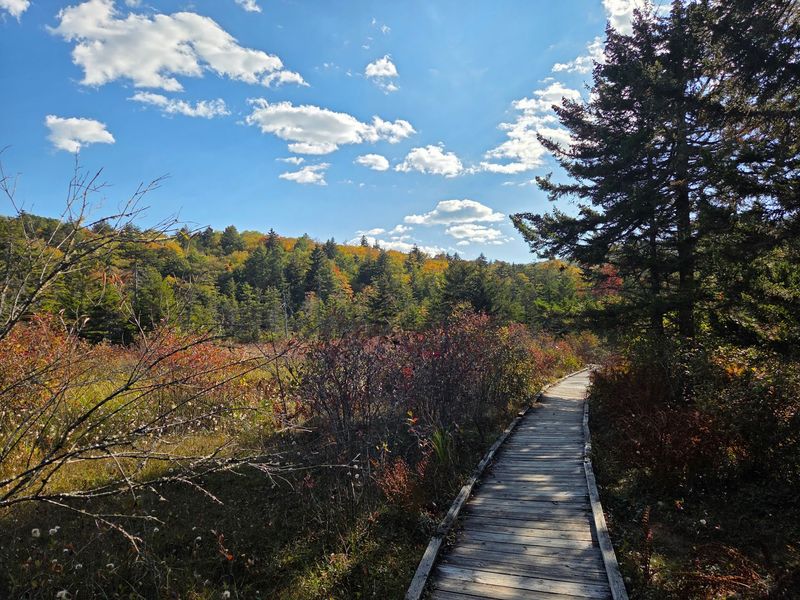
Bring binoculars and a little patience, because the glades reward both. The unusual climate and vegetation make this wetland a haven for birds, many nesting here at the southernmost edge of their breeding range.
Serious birders come hoping to glimpse Swainson’s and hermit thrushes, Nashville and mourning warblers, and purple finches. One visitor noted that many warblers make their home here, calling it well worth the extra time for anyone chasing a specific species with a camera.
The songs are half the experience. Guests often describe walking the boardwalk to a soundtrack of birds chirping and frogs playing hide and seek among the reeds.
You do not have to be an expert to enjoy it, either. Common ravens croak overhead and chipmunks scurry along the planks, giving casual walkers plenty to watch even without a life list.
Because traffic through the area stays so light, the birds carry on undisturbed. That serene quiet is exactly what makes spotting them feel like a small, earned reward rather than a lucky accident.
Bears, Beavers, and the Creatures of the Glades
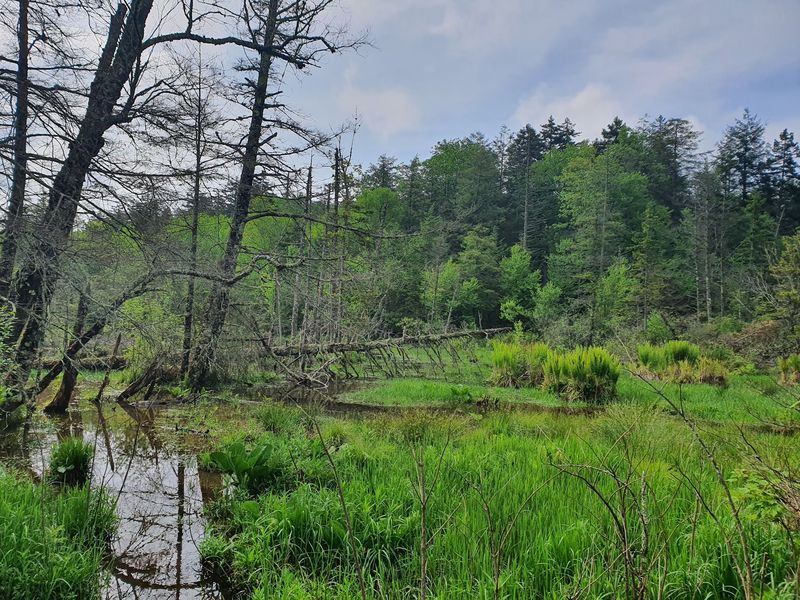
Look closely and the glades reveal a whole cast of wild residents. Beyond the birds, this wetland shelters black bears, beavers, and white-tailed deer, along with smaller critters that scurry underfoot.
One detailed account from a visitor described crossing Yew Creek and coming upon a dammed-up stretch of water with a beaver den sitting right in the middle. Signs of these busy builders turn up throughout the waterways.
Others recall spotting harmless water snakes, one with cloudy blue eyes signaling it was about to molt, plus fish darting through the creeks and frogs everywhere you look.
Bears tend to keep their distance, often heard or glimpsed amid the skunk cabbage rather than seen up close. That wildness is part of the appeal, a reminder that this is genuinely their home.
West Virginia’s wetlands punch far above their size for wildlife, reportedly harboring around 40 percent of the state’s rare plants and 20 percent of its rare vertebrates. Standing here, surrounded by so much life, that statistic suddenly feels very real and very close.
The Five Bogs and Their Changing Scenery
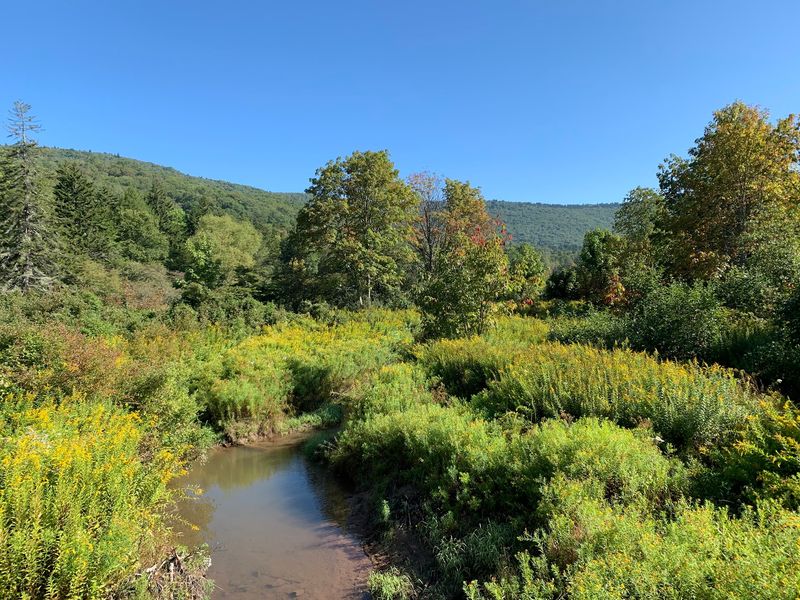
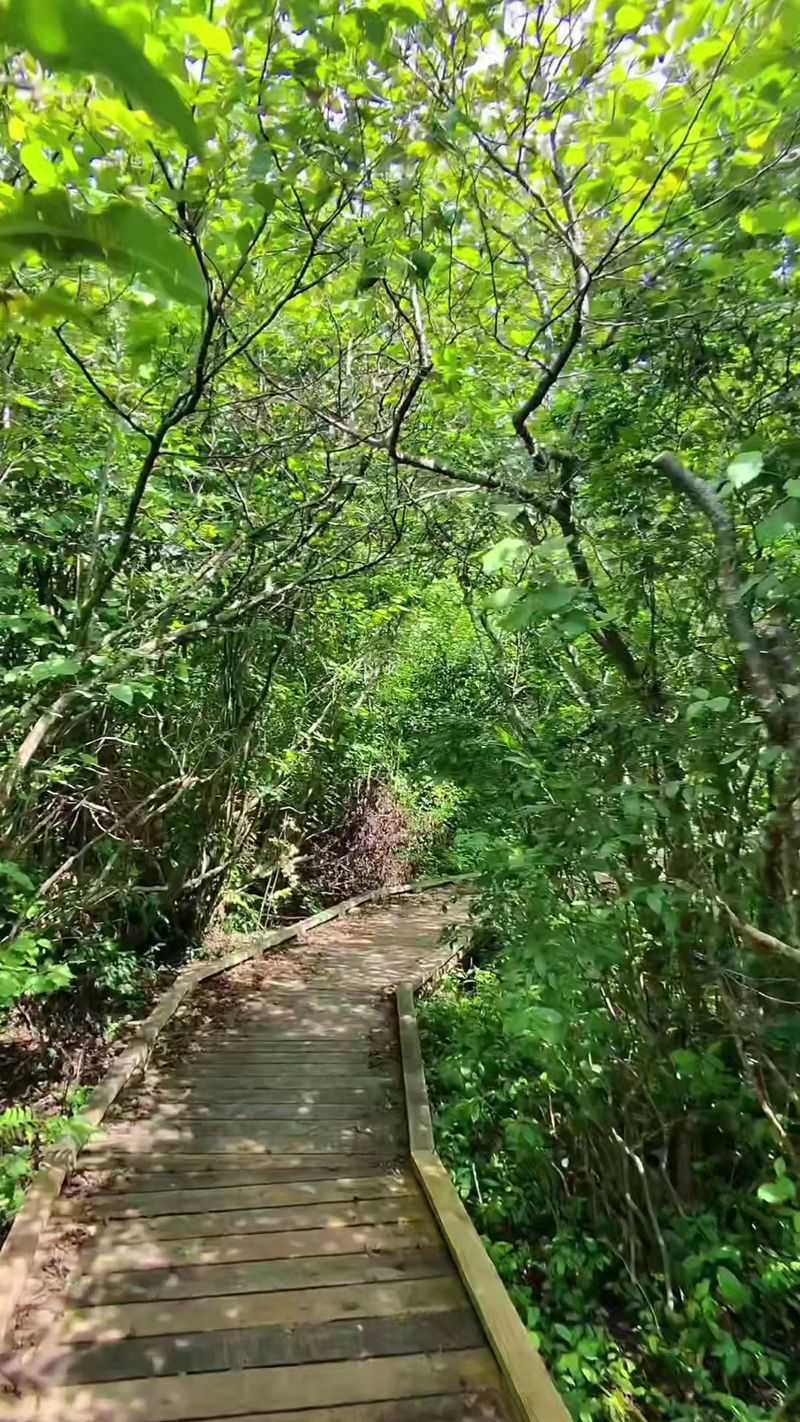
Walking the loop feels like passing through several different worlds in a single mile. The trail carries you from open glades into shaded forest and back again, each stretch with its own character.
One thorough visitor described going clockwise from the parking area, first passing a wide open field on the left with forest to the right. The path then crossed Yew Creek and opened into Flag Glade, which they called a very different biome altogether.
Little touches make navigating fun. The names of each area are carved right into the planks of the walkway, and small signs explain what you are looking at as you move along.
The Round Glade, Flag Glade, and the others each hold their own mix of plants and views. That variety is why people who have visited many times still find something fresh on every trip.
Seasons transform the place completely, from spring’s cranberry colors to autumn’s red hues and winter’s quiet snow. Guests agree the scene changes dramatically through the year, yet stays gorgeous no matter when you come.
The Nature Center That Ties It All Together
Before or after your walk, the nearby Cranberry Mountain Nature Center is worth a stop. Its interpretive exhibits dig deeper into this rare Appalachian ecosystem and the Ice Age climates that shaped it.
The displays help make sense of what you see outside, explaining how such a northern-feeling landscape ended up thriving this far south. For families, it turns a scenic walk into a genuine learning outing.
One thing to keep in mind: the center closes for the season in the colder months. A visitor recalled arriving on a rainy day to find it shut, though they still enjoyed the wood trails and boardwalk nearby.
If you are traveling with kids or simply curious about the plants and animals you spotted, timing your visit while the center is open adds a lot. The signs along the boardwalk are helpful, but the exhibits fill in the bigger picture.
Even without the center, the area holds plenty to explore. Still, catching it open gives you the fullest sense of just how remarkable this hidden corner of West Virginia truly is.
An Easy Walk the Whole Family Can Enjoy
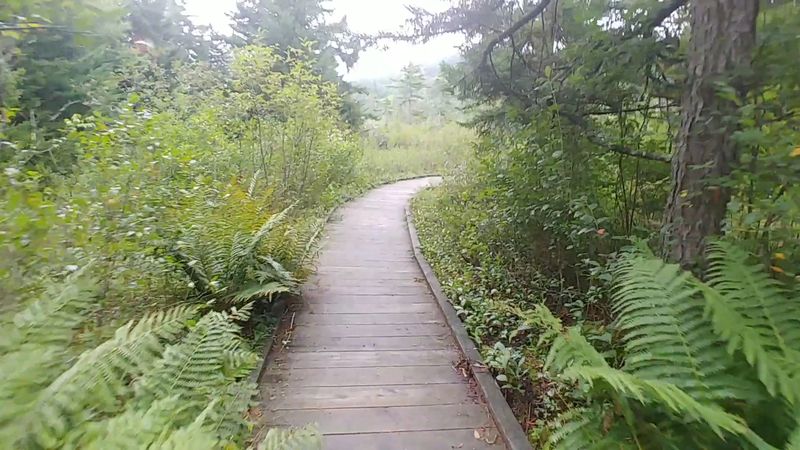
Not every outdoor gem asks much of your legs, and that is a big part of the charm here. Visitors repeatedly describe the boardwalk as an easy, mostly level stroll, perfect for stretching your legs without committing to a long hike.
Families in particular give it high marks. Parents mention kids loving the walk, even in the rain, thrilled by the strange plants and the chance to spot fish, frogs, and fungi along the way.
The full loop runs about a mile, though the boardwalk section proper starts roughly a quarter mile from the parking area. Many folks say an hour is plenty unless you are lingering to photograph specific species.
Because so much of it is flat, it suits a wide range of ages and abilities. One reviewer walked it twice in a single visit, finding something new to notice each time around.
For anyone wanting a memorable nature experience that does not leave them worn out, this fits the bill beautifully. It is the rare spot where a short, gentle walk delivers big, lasting impressions.
When Wet Boards Call for Caution
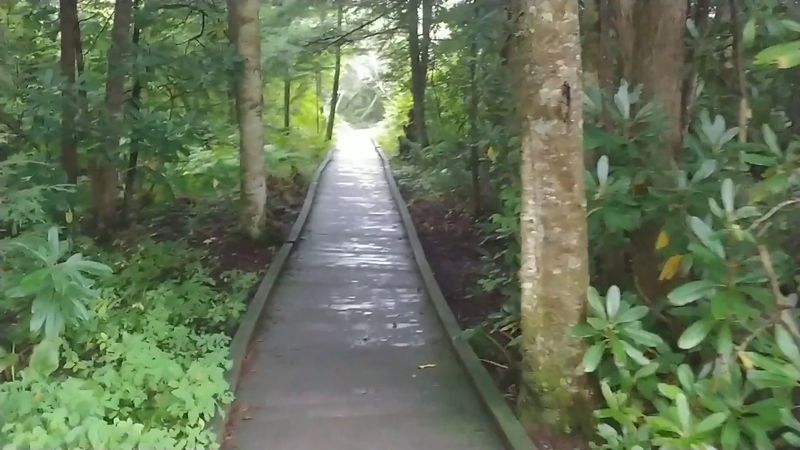
Here is the honest heads-up more than one visitor wishes they had heeded sooner: the boardwalk gets very slippery when wet. After even a light rain, those wooden planks can turn treacherous underfoot.
One guest recounted slipping about nine times on a damp morning, despite working at an outdoor attraction and being used to odd terrain. Their 70-year-old mother could not attempt it at all that day.
Park employees and posted signs often warn about the slick boards ahead of time. Folks recommend good footwear and, when the wood is wet, simply taking your time or turning back if it feels unsafe.
There is another accessibility note worth knowing. There are no railings to hold onto and few spots to sit and rest, so older visitors or anyone needing support should bring something to lean on.
None of this should scare you off, since dry days make for a smooth, pleasant walk. Just check the weather, wear the right shoes, and adjust your plans if the rain rolls in.
A little caution keeps the visit joyful.
Free Admission and Simple Amenities
Good news for anyone watching their budget: there is no fee to visit. The glades welcome you free of charge, which makes this an easy choice for retirees and families alike.
The setup at the trailhead keeps things simple and convenient. A parking area accommodates around 12 vehicles, with restrooms available right at the lot and a small picnic area up the hill.
That picnic table sits close enough that packing a lunch makes for a fine, relaxed afternoon. Spread out, enjoy the mountain air, then wander the boardwalk at your own pace.
Because the amenities are modest, a little planning helps. Reviewers strongly suggest gassing up before you go, since fuel options are scarce out in this remote stretch of forest.
The remoteness is part of what keeps the place so peaceful, but it also means you should come prepared. Bring water, snacks, and anything you might need, because you will not find shops around the corner.
For a destination that costs nothing to enter yet delivers so much, it is hard to beat. Affordability and natural beauty rarely pair up this nicely.
Finding Your Way and Timing Your Visit
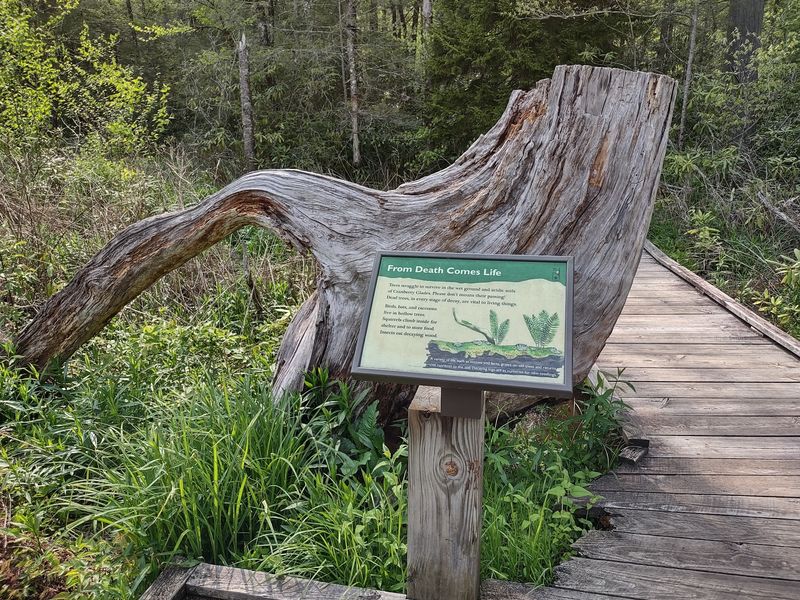
Getting here takes a bit of mountain driving, and that is exactly why it stays so unspoiled. The area sits off Forest Route 102, deep within the Monongahela National Forest near Hillsboro.
Car traffic is sparse along these roads, so leave word with someone about your plans. One thoughtful visitor pointed out that you could hike out there for days without meeting another soul, so making sure people can find you matters.
The gates open early and stay open late. Most days run from 6 am to 10 pm, with Mondays starting a little later at 8 am, giving you plenty of daylight hours to explore.
Season matters for what you will see. Several guests suggest spring for the cranberries showing off their colors, while fall brings unpredictable weather that calls for warm layers.
One visitor who came on an off day was told it was not looking its best, yet still found it interesting enough to plan a return in spring. Timing can shift the experience, so a little flexibility pays off.
Come with a full tank, comfortable shoes, and time to linger.
A Fragile Place Worth Protecting
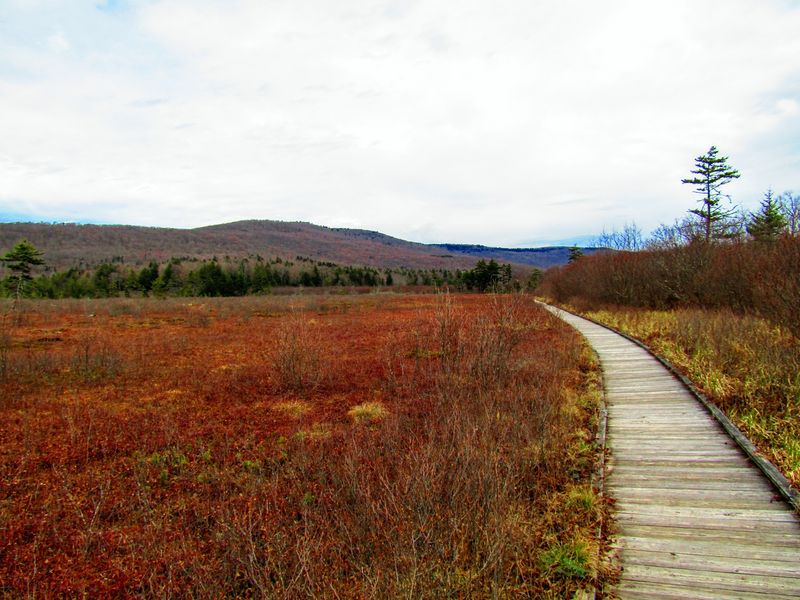
Every board you walk on serves a purpose beyond convenience. The half-mile accessible section of boardwalk was built to guide visitors through two of the bogs without trampling the delicate ground.
Staying on the path really matters here. Some of the plants have roots that may stretch back over ten thousand years, and a single misstep off the walkway can undo what took millennia to grow.
Guests take this to heart. Reviewers gently remind one another to be careful and stay on the boardwalk, treating the fragile ecosystem with the respect it deserves.
The care shows in how the place is maintained. Visitors over the years have noticed sections under construction and new walkway being added, keeping the route safe while shielding the bog.
Recognizing its rare ecological value, the area is carefully protected so future generations can experience it too. That commitment is why it still shelters species found almost nowhere else in the southern United States.
Walking through, you feel like a guest in something ancient and irreplaceable. Leaving it exactly as you found it is the least any of us can do.
Why This Hidden Corner Stays With You
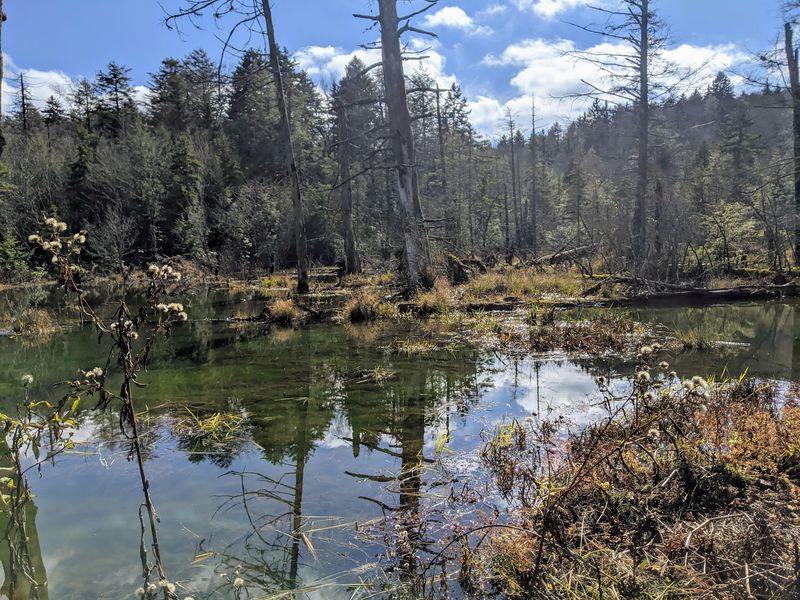
Some places you visit and forget. This one tends to linger in your memory long after you have driven back down the mountain.
Visitors return to the same words again and again: beautiful, peaceful, unique, serene. Many say they felt like they had stepped into Canada, then admit they cannot wait to come back and do it all over.
It rewards the curious wanderer especially well. Whether you are chasing rare warblers with a camera, hunting for pitcher plants with your kids, or simply craving quiet, there is something here for you.
The remoteness that keeps it hidden is also what keeps it magical. Out here, the loudest sounds are birdsong and creek water, a rare gift in a busy world.
For West Virginia locals, it is a hometown treasure worth showing off. For travelers passing through, folks call it a must-see and mean it.
You will find the Cranberry Glades Botanical Area at 932 North Fork Cherry Road, Richwood, WV 26261, near Hillsboro. Pack your walking shoes, fill the tank, and go meet a wild corner of the Mountain State you will not soon forget.
