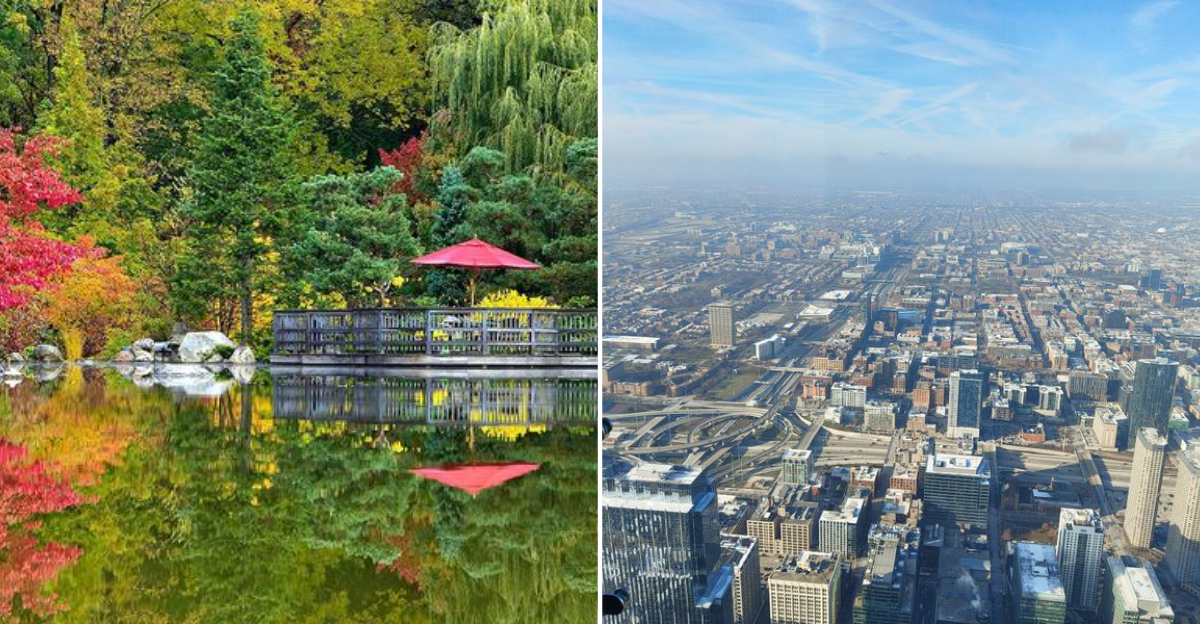
Crowds don’t just fill up Illinois’ landmarks, they change them. From Chicago’s most photographed spots to smaller historic sites across the state, the growing number of visitors is reshaping how these places look and feel.
I’ve noticed that when more people show up, the experience shifts. Landmarks that once felt calm and personal now buzz with activity, and sometimes that energy brings both excitement and frustration.
On one hand, crowds can add life, encourage upgrades, and keep these sites thriving. On the other, they can make it harder to enjoy the quiet moments or see the details that made the landmark special in the first place.
Tourists may not always realize it, but locals and repeat visitors often notice how much things have changed. The landmarks themselves haven’t disappeared, they’ve just adapted to the demand.
So, let’s break down 12 ways crowds are redefining Illinois’ iconic landmarks and changing the way people experience them today.
1. Arrival Shapes The Entire Experience
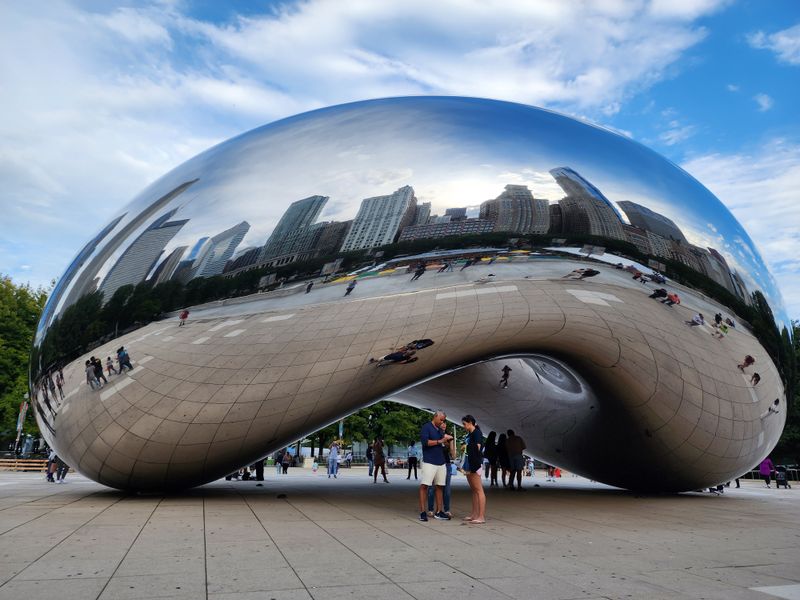
You know the day has a script the moment you reach Cloud Gate in Millennium Park.
Crowded entry points change first impressions immediately. Parking lines, timed entries, and security checks set the tone before visitors even see the landmark.
The experience often feels managed from the start, and you can feel it in your shoulders. I still love the mirror shine, but the arrival writes the first paragraph.
The line nudges you into a patient mood. Conversations turn into small strategy chats about where to step and when to peel off.
Staff answer the same questions on repeat, and that repetition tells you how common this rhythm is now. It makes the first photo feel earned rather than spontaneous.
You stand there and notice the skyline bend across the steel like a moving queue.
Does that lessen the magic? Not really, it reframes it.
You notice the choreography of people as part of the sculpture’s surface. Reflection becomes a crowd diary.
It is Illinois tourism with a pulse you cannot avoid.
I recommend showing up early, taking a breath, and letting the managed moments be part of the story you take home.
2. Movement Is More Controlled Than Before
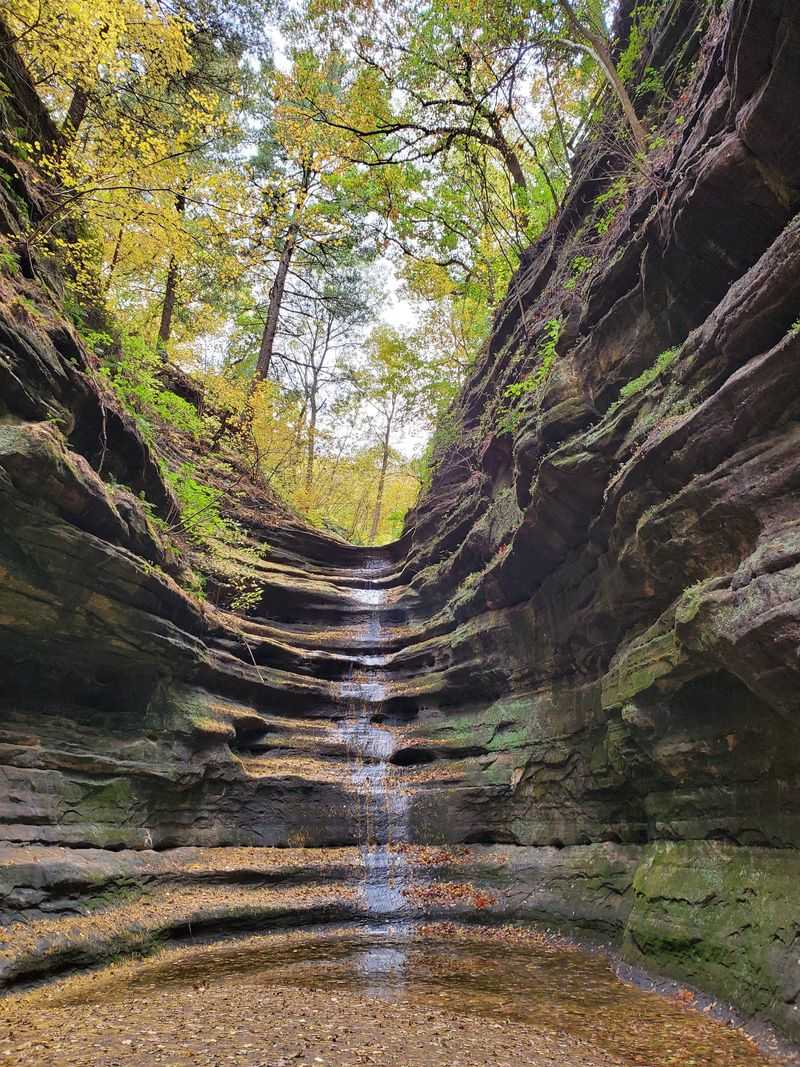
At Starved Rock State Park near Oglesby, you feel it in your feet first. Ropes, designated paths, and one way flows guide how people move.
Landmarks prioritize safety and efficiency over wandering. Visitors explore less freely than they once did, and that changes how you read the canyons.
You follow the boards, hear boots shuffle, and learn to time your pauses with oncoming hikers.
This is not a maze, it is a polite current. You drift past overlooks that used to be open to every angle.
Now the angles are chosen for you, and somehow the views are still worth the funnel. The sandstone looks calmer when nobody scrambles off route.
It forces a slower kind of attention.
You notice tiny ferns clinging to damp rock.
If you crave that off trail feel, take a side loop within the rules and pace it with long breaths. The park has earned its popularity in Illinois, and the flow keeps it safe.
I leave with cleaner shoes and more focused photos. Controlled movement turns the day into chapters.
Each boardwalk is a sentence, and the waterfall is the period where everyone stops together.
3. Quiet Spaces Are Getting Harder To Find
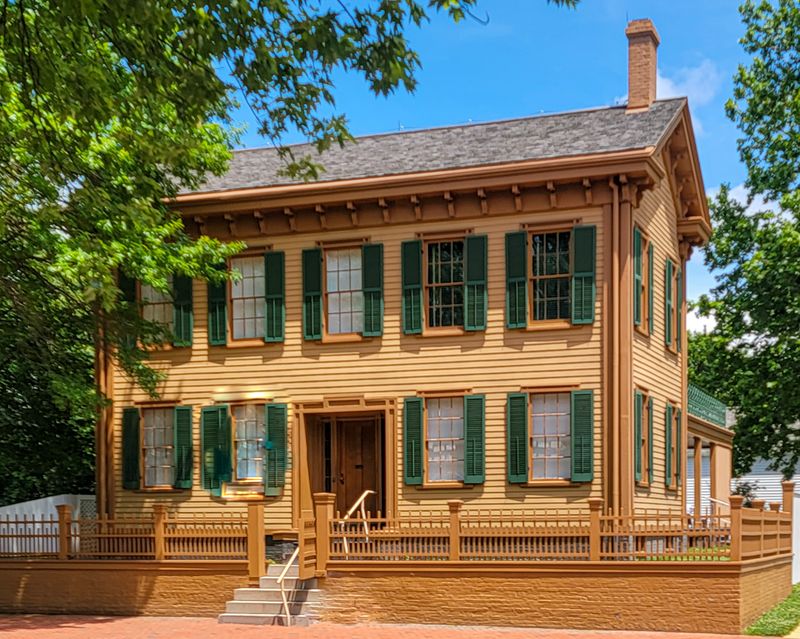
At the Lincoln Home National Historic Site, I used to find hush in the shade by the fence. Popular landmarks rarely offer uninterrupted silence anymore.
Human noise competes with natural and historic soundscapes. This alters how places feel emotionally, and you notice it most during a ranger talk.
The past has more background chatter than your memory allows.
Do not let that push you away. The voices carry a warm buzz, and sometimes you catch a detail you would have missed.
If quiet is the goal, aim for the edges of the hour when tours reset. Step to the side yard while groups flow inside.
Even a brief hush can reset your senses and make the wood siding feel alive.
When the street fills up again, lean into it. History is not a museum box in this state, it is a living block.
The sound of shoes on gravel ties the present to the stories on the porch. You will not get total silence, but you will get energy.
I leave with a mix of soft awe and friendly noise humming in my ears.
4. Photography Dictates Where People Gather
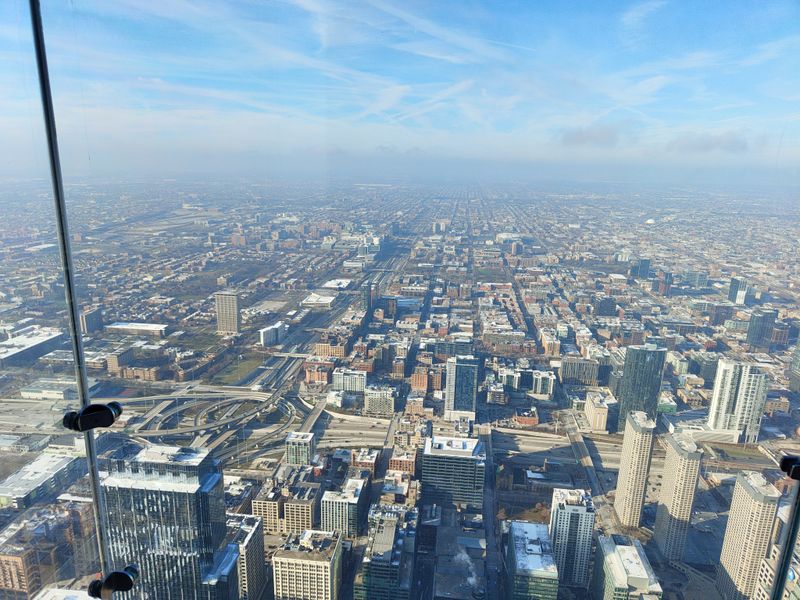
Up on Skydeck Chicago, it is clear what wins. Crowds cluster around iconic photo spots.
Landscapes become backdrops rather than places to linger. The visit often centers on capturing proof of being there, and the ledge becomes the stage.
You feel the pull even if you swear you came just to stare.
Lines inch forward and everyone rehearses poses. Some practice calm smiles, others plan that quick toe edge look.
The city floats under the glass while attention points inward. It is funny and human and also a little wild.
The best move is to take your shot, then step back and breathe by the windows away from the ledge.
When the rush thins, the room settles like a held note. You finally notice cloud shadows sliding over gridlines far below.
The photo moment has value, but the seconds after are the gift. I remind myself to watch light move across rooftops.
It is a small act of resistance that makes the memory feel like mine again.
5. Wear And Tear Is More Visible
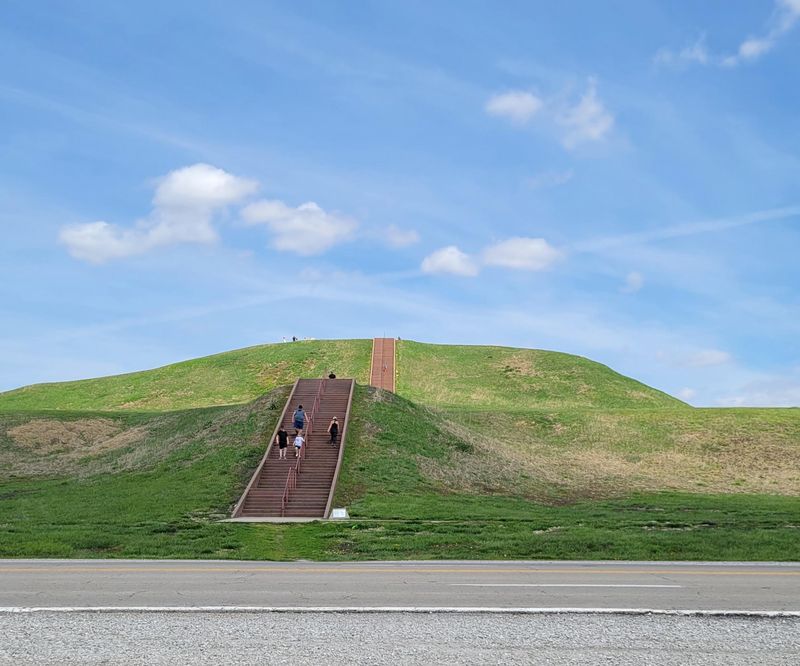
Walk the broad steps at Cahokia Mounds State Historic Site, and you see the story underfoot. Heavy foot traffic accelerates erosion and surface damage.
Steps, trails, and platforms show signs of stress. Maintenance becomes a constant, visible effort.
You notice mats, fencing, and careful reroutes that look temporary but stay all season.
This visibility is honest if you ask me. It says people care enough to be here, and caretakers work daily to keep the shape intact.
When a section closes, it is not a tease, it is protection. I felt grateful for the clear signs explaining why.
You still get the sweep of the floodplain from the top. The view carries weight because so many soles have climbed this path.
To travel kindly, I slow down and choose firm surfaces. I keep curiosity on the path and save the off route itch for conversation later.
It is Illinois history meeting present day feet. Wear shows us where we love too hard.
It reminds us to tread with respect and still allow ourselves that breath of wonder at the summit.
6. Infrastructure Is Expanding Into Scenic Areas
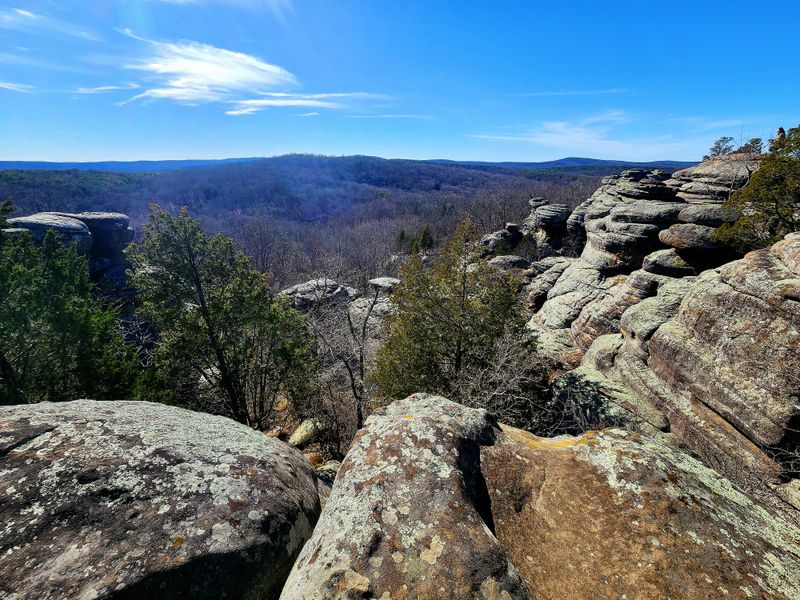
At Garden of the Gods in Shawnee National Forest, the approach looks different than it used to. More visitors require more parking, restrooms, and signage.
Open land gives way to practical necessities. The approach to landmarks feels more built up, and you clock it right away in the car.
Convenience lands right next to sandstone majesty, and I get it. The crowd needs bathrooms and clear maps, and those things keep the rocks safer.
The tradeoff is an approach that reads like a trailhead hub rather than a quiet reveal. You hear trunks slam and shoes squeak on pavement.
Then the trail bends, and the bluffs pull the volume down. The contrast is stark and true to this moment.
Instead of fighting it, you can use the hub as a reset station. Tie laces, scan the sign, then walk a little farther than most.
I feel like that small extra stretch still finds open air in Illinois. The infrastructure helps you get there, even if it steals a bit of the mystery on arrival.
The payoff is still that first look over the stone.
7. Seasonal Balance Has Shifted
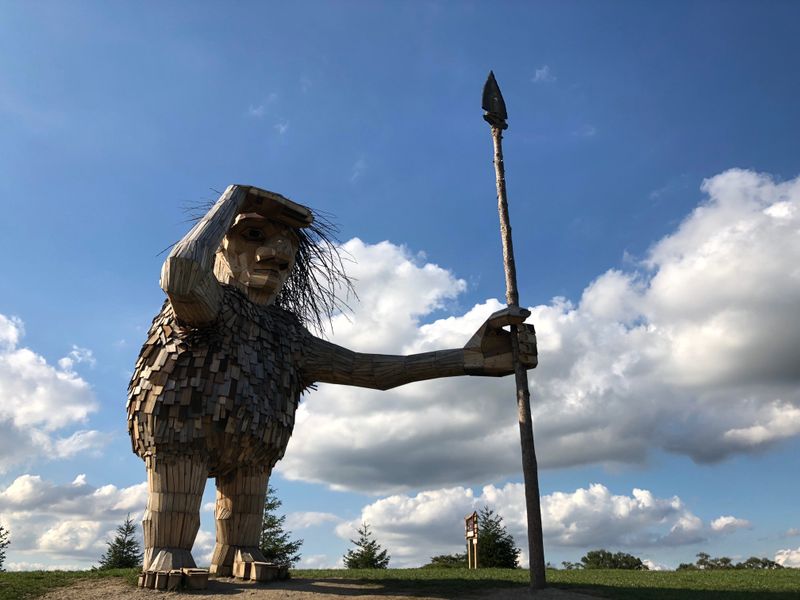
The Morton Arboretum in Lisle does not really sleep anymore. Peak crowds now extend beyond summer weekends.
Fall foliage, spring blooms, and winter events draw heavy traffic. Landmarks experience fewer true off seasons, and it shapes how you move.
I plan arrivals like little missions and choose loops based on crowd drift.
This shift brings its own perks. Trails feel cared for year round.
You see staff and volunteers in every season. Families treat a chilly day like a festival anyway.
It is lively in a way that keeps the trees from feeling remote. Stash patience alongside your gloves and enjoy the hum of people discovering new corners.
If you want breathing room, head for longer loops while event crowds stick near entrances. The trick is to lean into the season you get, not the one in your head.
The weather here always writes its own script. The arboretum adapts, and so do we.
The reward is a year that never really stops showing off, just shifts gears.
8. Wildlife Behavior Is Changing
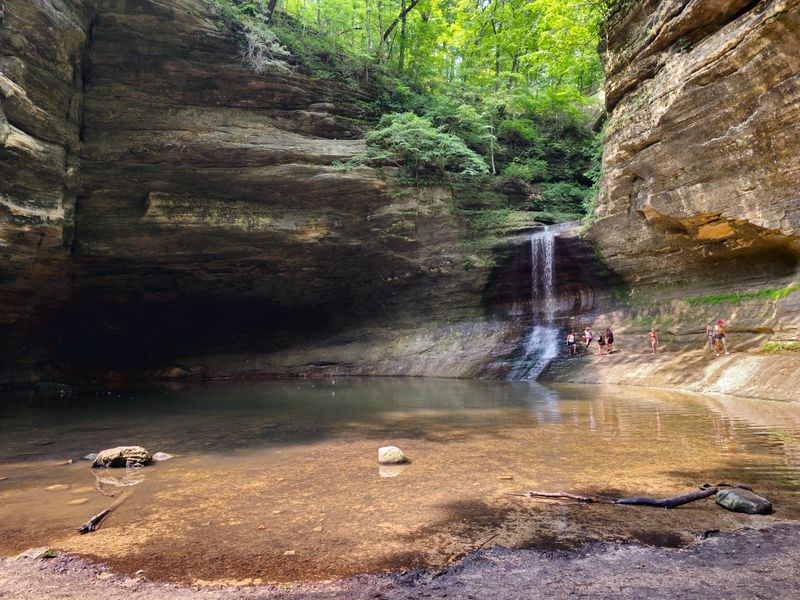
I noticed it near the shared corridors of Starved Rock and Matthiessen State Park.
Animals adjust movement patterns around busy areas. Some retreat deeper into protected zones.
Others become more accustomed to human presence.
A deer paused at the treeline and simply watched the trail while people whispered like they were in a theater.
This is not a petting zoo vibe. It is a set of tiny negotiations between wild and curious.
Squirrels work the edges. Birds choose posts that keep them above the streams of hikers.
When crowds thin, you hear more wing flap and rustle.
When crowds swell, you feel animals hold their distance just a bit more.
Make sure to walk softer, keep space, pocket the urge to drift off trail. Illinois parks carry both sanctuary and spectacle.
If you read the cues, you get better encounters. A quiet minute near the river can feel like a handshake, and that is the memory that sticks longer than any selfie.
9. Local Use Patterns Are Being Pushed Aside

Ask any Chicago friend and they will tell you Navy Pier used to be a casual loop. Residents change when and how they visit.
Early mornings or weekdays replace spontaneous trips. Landmarks feel less like everyday spaces for locals.
I like grabbing a sunrise walk before visitors pour in, then stepping aside when the buzz arrives.
This shift is not a loss, it is a reframe. The pier plays two roles now: local track at dawn, and visitor stage by midday.
The flip happens fast and you can plan around it. You feel the city pace in Illinois adjust to an audience that keeps getting bigger and more curious each season.
If you want both moods, split the day. Walk the quiet length first, return later to watch the crowd choreography and lake light collide.
You will understand why locals tweak their routines. The pier can hold both versions without breaking, it just asks you to pick your hour.
10. Rules And Enforcement Are More Prominent
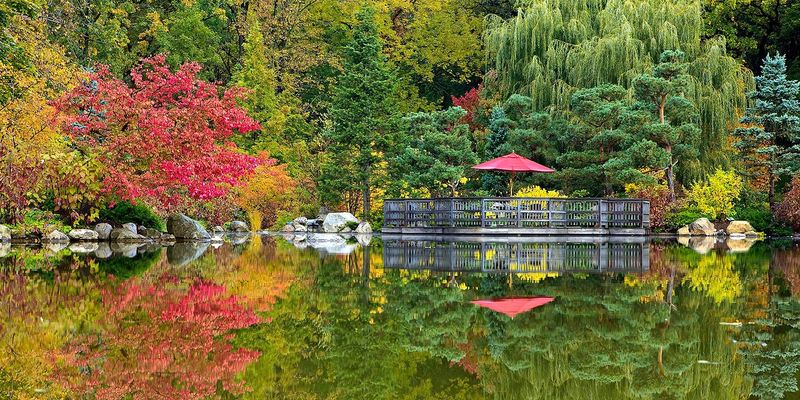
In Rockford, Anderson Japanese Gardens feels like a whisper with a friendly hall monitor. Signage, staff presence, and fines are more visible.
Education and enforcement go hand in hand. Visitors feel the structure more than the spontaneity.
You notice gentle reminders about paths, tripods, and quiet conduct even before you see the koi.
The tone stays calm, not stern, and it actually supports the serenity that crowds might otherwise break. With rules clear, the garden keeps its stillness longer into the day.
I appreciate the soft authority, and the way volunteers explain the why. You feel trusted to do your part without getting scolded.
Does it take away freedom? Maybe a sliver, but it gives focus back.
The pathways frame views that reward patience. In a busy Illinois season, guidance is not a buzzkill, it is a gift.
The hush feels earned, and the garden still wraps around you like a kind hand.
11. Expectations Rise Alongside Popularity
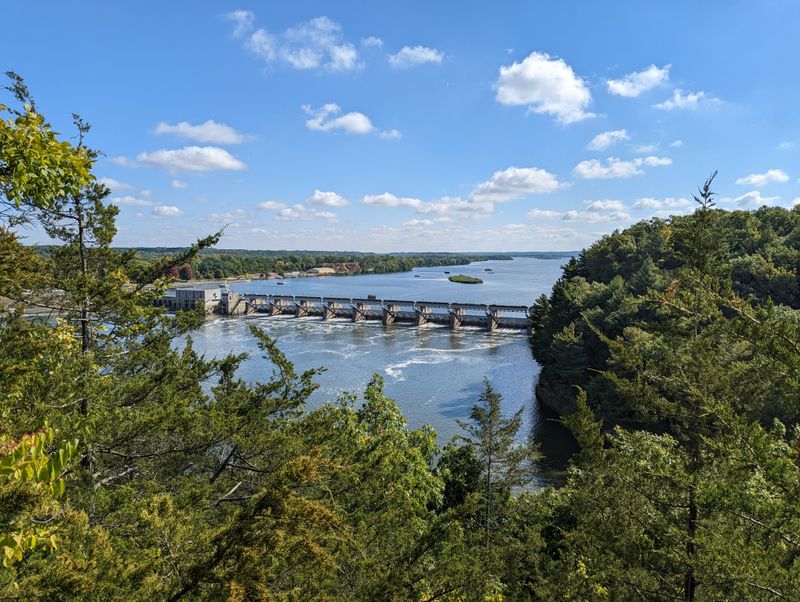
It is easy to dream big before you step onto a Starved Rock overlook in Oglesby. Highly trafficked landmarks carry bigger reputations.
Crowds can clash with expectations of beauty or solitude. Disappointment often stems from atmosphere, not scenery.
The bluff is gorgeous even when the rail is elbow to elbow.
The fix is not to lower your hopes, it is to widen them. Plan for a first look with people in it, and a second look in a quieter bend of trail.
Give yourself two chapters so the day does not hinge on one moment. The sun catches the river regardless of headcounts.
I find joy in small details: lichen maps, wind nudging leaves into the light, or a brief hush when a group moves on. That switch helps the view bloom again.
Expectations can be flexible without giving up the dream. On good days in this state, they expand to fit what is real.
12. Preservation Became A Balancing Act
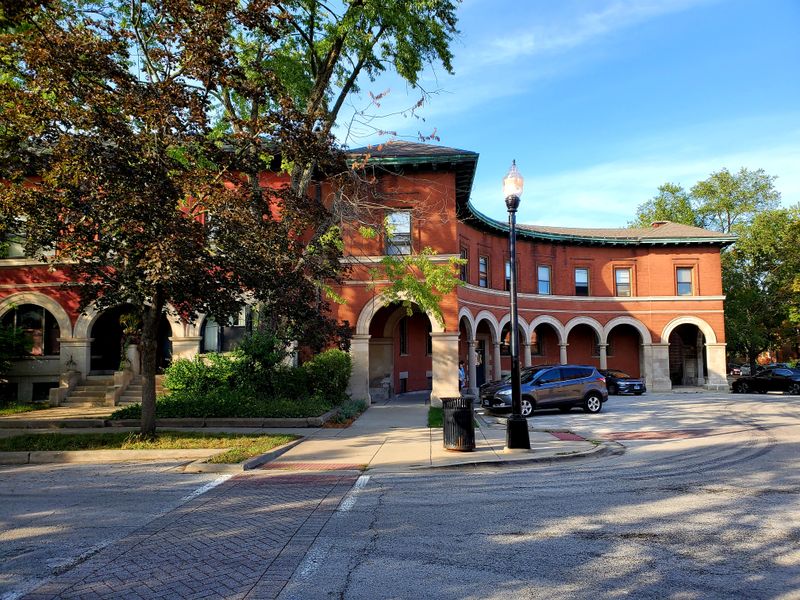
Walk through Pullman National Historical Park on Chicago’s South Side and you see a living workshop.
Managers actively protect sites from overuse. Boardwalks, closures, and limits reshape access.
Landmarks now evolve in response to crowd pressure. You may find a street section roped off while brickwork gets careful attention.
Instead of feeling blocked, I feel invited to witness the repair. The signs explain the choices in plain language, and the neighborhood context fills in the rest.
You get both story and scaffolding, it is honest and a little moving. Preservation is not a finish line, it is a handshake between care and curiosity.
When you plan a stop here in Illinois, build in time to read and linger. The slower you go, the more the details rise up.
Ironwork flourishes, fresh mortar lines, and interpretive panels stack into a fuller picture. You leave aware that crowds are part of the equation now.
The park holds steady by flexing, and that is its quiet strength.
