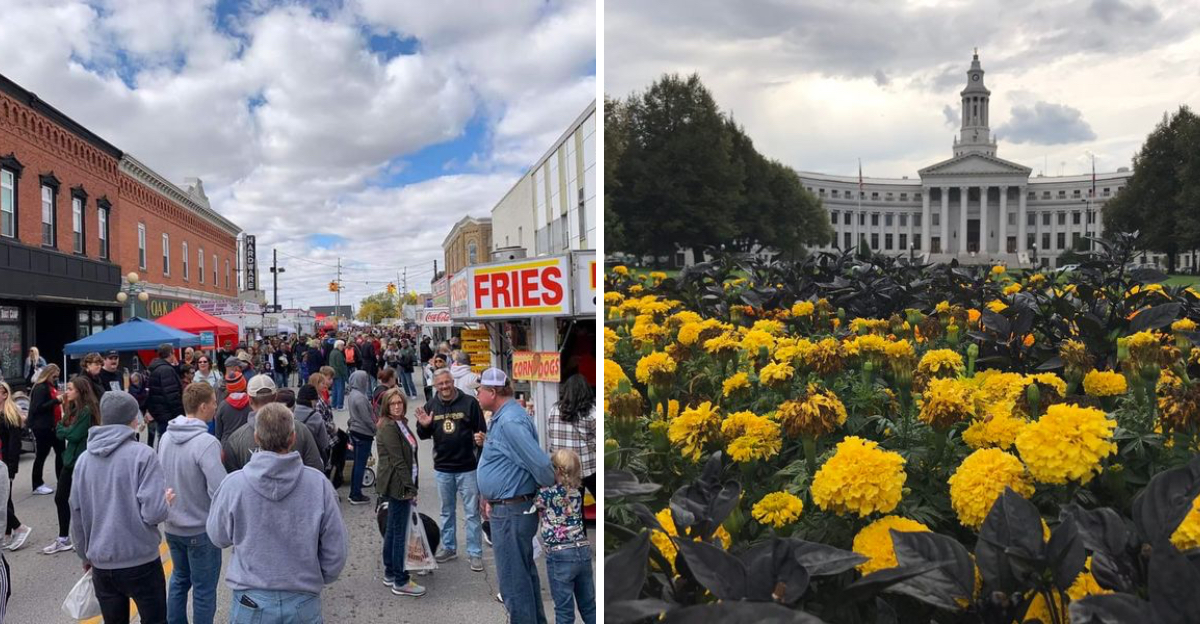
If you have ever fallen for a postcard perfect Ohio main street, you have seen the charm that fuels these towns when the crowds roll in.
The real story begins when the season slips away and lights dim, because that is where strategy and grit take over.
This guide walks you through smart, on the ground tactics that keep local economies steady without losing the small town soul Ohio is known for.
By the end, you will have a blueprint for traveling smarter and supporting communities that plan for every season.
1. Seasonal Highs on the Lake Erie Shore
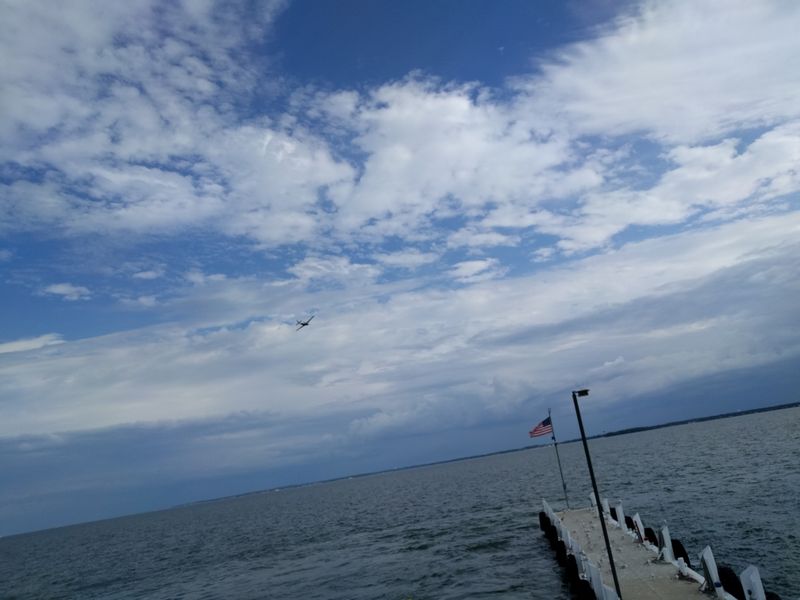
Along the Lake Erie shore, towns like Vermilion and Port Clinton ride big summer energy, then pivot fast when the wind turns crisp.
You can see the planning in storefront calendars, marina schedules, and pop up markets that extend foot traffic across the week.
The rhythm feels natural, yet every hour is mapped so revenue peaks stretch just a little longer.
When ferries run full, local crews handle parking, signage, and visitor flow with playbook precision to ease stress on side streets.
Pop up art walks appear near the lighthouse at 480 Main St, Vermilion, OH 44089, balancing crowds between waterfront and downtown.
Volunteer ambassadors answer questions about parks and trails, nudging day trippers to linger for an extra stroll.
As autumn arrives, towns highlight quiet season charms, like birding along the marshes and calm lake sunsets.
Small inns at 1400 W Lakeshore Dr, Port Clinton, OH 43452, lean into cozy lobby seating and bundled experiences.
Retailers flip to local maker showcases that refresh window displays and keep browsing interesting.
Short workshops in boat care, shore ecology, and heritage crafts give residents and travelers reasons to return midweek.
Holiday lights and early year winter walks prevent a hard stop, softening the curve between seasons.
Marketing shifts from splashy beach visuals to serene shoreline scenes that sell calm over crowds.
Behind the scenes, training for staff focuses on multitasking, safety, and friendly wayfinding.
Town halls track visitor counts, lodging patterns, and parking turnover to refine plans for the next cycle.
It all adds up to resilience you can feel, a steady pulse that keeps Ohio moving even when the waves settle.
2. Festivals as Economic Lifelines
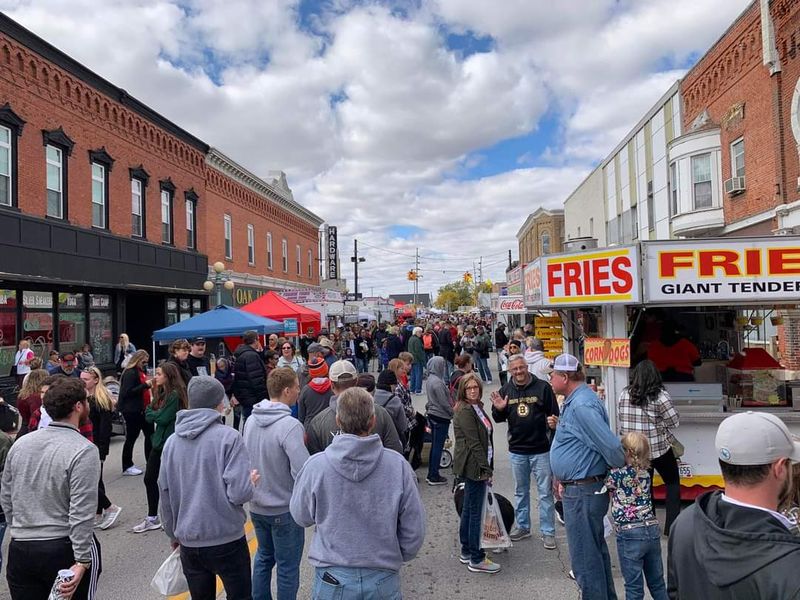
Festivals in Ohio towns work like a second harvest, drawing visitors while shining a light on local makers and history.
You notice how dates are spaced so neighboring communities do not compete, turning weekends into a regional circuit.
Art booths cluster near the square at 41 S Main St, Oberlin, OH 44074, keeping foot traffic healthy across small blocks.
Street stages face storefronts to guide attention toward year round businesses, not only the temporary attractions.
Wayfinding banners and clear maps help you drift from music to galleries without clogging narrow sidewalks.
Pop up seating zones and shade structures extend dwell time without stressing cafes and restrooms.
Ticketed entries are rare, since towns lean on sponsor backed amenities and a welcoming civic vibe.
Community groups staff info tents that answer questions about parking, parks, and visitor centers.
Workshops in printmaking or quilting turn browsing into participation, which encourages repeat trips outside festival days.
After the last encore, teams sweep streets and capture data to understand which blocks need new flow plans.
In the off season, organizers rotate themes so each year feels fresh and rooted in place.
Historic storefronts at 96 Public Sq, Mount Vernon, OH 43050, provide a scenic backdrop that photographs beautifully.
Vendors are sourced locally when possible, keeping money close to home and supply lines short.
Collaborations with regional arts councils foster training that improves booth design and visitor engagement.
What looks like simple fun is careful design, a playbook that keeps Ohio vibrant beyond the weekend sparkle.
3. Local Business Adaptability in Quiet Seasons

When the rush fades, Ohio shop owners get inventive, turning slower weeks into thoughtful experiences that build loyalty.
You will find appointment based browsing, curbside pickup, and cozy lounge corners that invite longer stays.
At 227 Cherry St, Archbold, OH 43502, a cluster of boutiques shares staff tips and cross promotion boards.
Calendar swaps spread news across stores so visitors discover more than one door worth opening.
Workshops in weaving, journaling, and bike repair bring skills to the foreground and keep cash registers flowing.
Pop up galleries fill empty windows, adding visual texture that keeps streets interesting even on rainy days.
Hotels at 200 W Main St, Tipp City, OH 45371, promote midweek rates paired with walking routes and museum hours.
Owners measure what works, using simple surveys and QR codes to refine displays and service hours.
Quiet season storytelling in newsletters highlights makers, trailheads, and one of a kind architecture.
Inventory shifts toward practical goods, home accents, and creative kits that travel well.
Lighting changes and seasonal decor give new life to the same square footage without major remodels.
Collaboration beats competition, since bundled itineraries increase stays and reduce marketing costs.
Customer notes track sizes and preferences so repeat visits feel personal and easy.
Streetscape maintenance stays steady, because clean sidewalks and clear signage inspire confidence.
With each small decision, the shoulder months feel intentional, which keeps Ohio town centers warm when skies are gray.
4. Infrastructure Strain and Smart Recovery
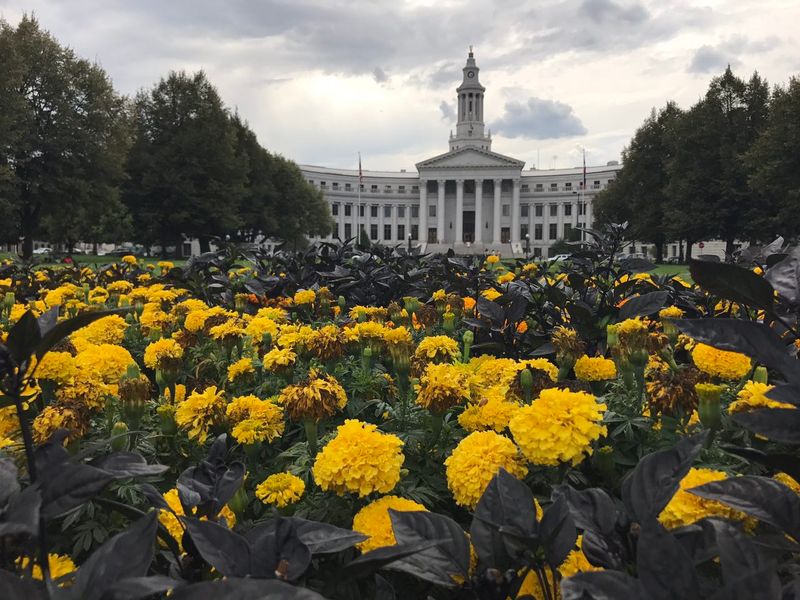
Peak traffic can test any town, so Ohio communities treat infrastructure like a living system that needs rest and care.
During busy stretches, portable signage and traffic marshals help drivers reach municipal lots without circling.
Afterward, repairs focus on crosswalk paint, curb ramps, and lighting near 1 Public Sq, Nelsonville, OH 45764.
Park crews refresh benches and planters to keep the public realm welcoming for everyday use.
Utilities teams schedule maintenance when visitor counts dip, reducing service interruptions and overtime.
Wayfinding updates confirm which trails and sites remain open during shoulder weeks.
At 30 S Washington St, Tiffin, OH 44883, accessibility audits catch small fixes that make a big difference.
Data from sensors and parking meters reveals where queues begin and how to shorten them.
Bus pull offs and shuttle stops add flexibility for special events and high flow weekends.
Stormwater improvements slow runoff and protect basements, which safeguards historic blocks.
Public art repairs happen alongside infrastructure work to keep the sense of place intact.
Street trees and shade sails temper heat, which improves comfort and extends stroll time.
Emergency access routes are marked clearly so response times stay fast under pressure.
Each cycle builds muscle memory, making the next peak less stressful for residents and guests.
Resilient streets help Ohio feel ready, which matters when tourism rises and falls like a tide.
5. Tourism’s Role in Local Economies
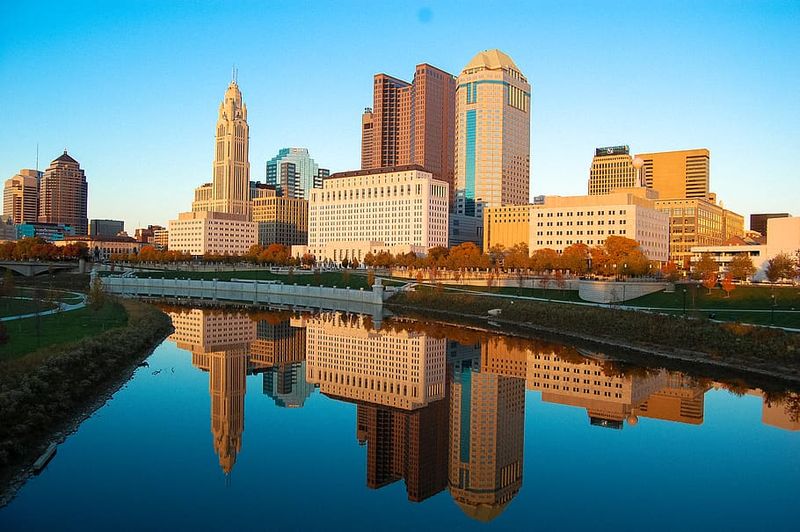
Tourism moves money through Ohio small towns in thousands of small exchanges that add up to community life.
You see it in busy lobbies, stocked shelves, and well kept parks that welcome newcomers with easy charm.
Historic districts at 6 N Sandusky St, Delaware, OH 43015, show how character becomes a durable asset.
Nature preserves ring these centers, giving locals and visitors close pockets of quiet relief.
Visitor centers interpret stories with maps and friendly staff, then send people into nearby shops.
Short trips turn into overnight stays when walkability and programming feel seamless.
Public schools benefit from stronger tax bases, which ties student success to thoughtful destination planning.
Local museums at 39 S 3rd St, Newark, OH 43055, hold artifacts that anchor memory and pride.
Shared calendars allow volunteers to support more than one venue without burnout.
Clean transit hubs and bike racks encourage car light choices that reduce congestion downtown.
Side projects like mural walks and heritage trails stretch interest across seasons.
Craft studios and theaters keep lights on after dark, extending safe activity into the evening.
With balanced promotion, crowds stay right sized, which protects neighborhood comfort.
Steady hospitality jobs and creative gigs keep young talent in place while inviting others home.
Done well, this ecosystem keeps Ohio towns lively without losing the calm that draws people in.
6. Government Grants and Regional Support
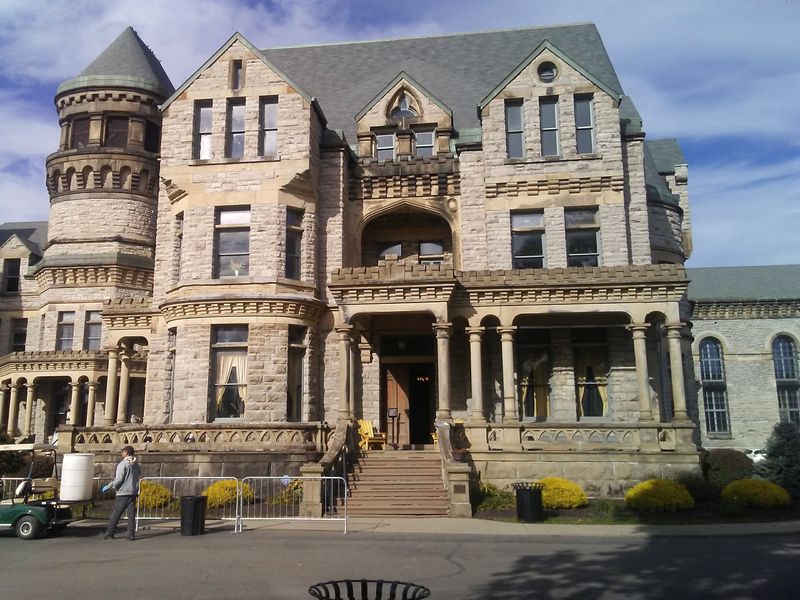
Behind the scenes, grants and partnerships help Ohio communities plan beyond a single busy month.
Local leaders apply for funds that support façades, trail links, signage, and small business training.
Regional councils near 175 S High St, Columbus, OH 43215, provide technical help and shared research.
County development offices guide towns through timelines, matching rules, and reporting steps.
With clear goals, projects line up logically so each investment builds on the last.
Marketing dollars go further when towns share photo libraries and visitor data dashboards.
Training for storefront design improves accessibility and energy efficiency alongside curb appeal.
Seed grants spark pilot ideas that can scale once results are measured and shared.
Trail connectors add gentle routes between parks and squares, which spreads visitors safely.
At 20 S Second St, Newark, OH 43055, regional meetings align calendars and avoid overlap.
Cross county shuttles appear during big weekends to reduce pressure on small streets.
Grant cycles also fund conservation, which protects the landscapes that visitors come to see.
Consistent support keeps small teams from burning out during long planning windows.
When communities coordinate, the region tells a clearer story that resonates year round.
This steady backbone gives Ohio towns confidence to invest in projects that last.
7. Diversification for Long Term Resilience
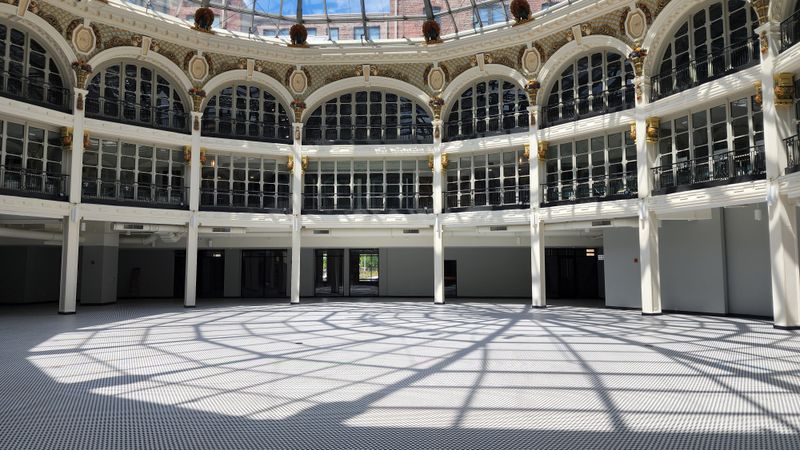
Diversification helps Ohio places breathe easier when tourism dips, because no single income stream carries the load.
Light manufacturing, studio spaces, and co working floors share former warehouses without losing their character.
At 15 W 4th St, Dayton, OH 45402, creative hubs mix workshops with gallery walls and meeting rooms.
Agritourism turns into farm education, seed saving, and soil services that operate every month.
Tech meetups and maker programs bring new skills to town, which supports remote workers and startups.
Local food markets shift their focus to pantry staples and home goods that steady winter sales.
Trail maintenance crews retrain as event staff, then return to field work when buds appear.
Historic homes adapt into cultural centers, offering lectures and guided walks that fit any forecast.
Library learning labs at 219 W Church St, Marion, OH 43302, offer digital tools and training.
Education partners connect teens to internships that stick, building talent without outflow.
Public art residencies bring visiting creators who offer classes and critiques for locals.
Small grants seed kitchen free storage, tool libraries, and fix it clinics that lower costs.
Slow seasons become planning windows to test pilots, gather feedback, and refine ideas.
When spring arrives, a broader base lifts together, which levels out the bumps.
That balance keeps Ohio resilient while letting every town keep its own voice.
8. Year Round Nature and Trail Stewardship
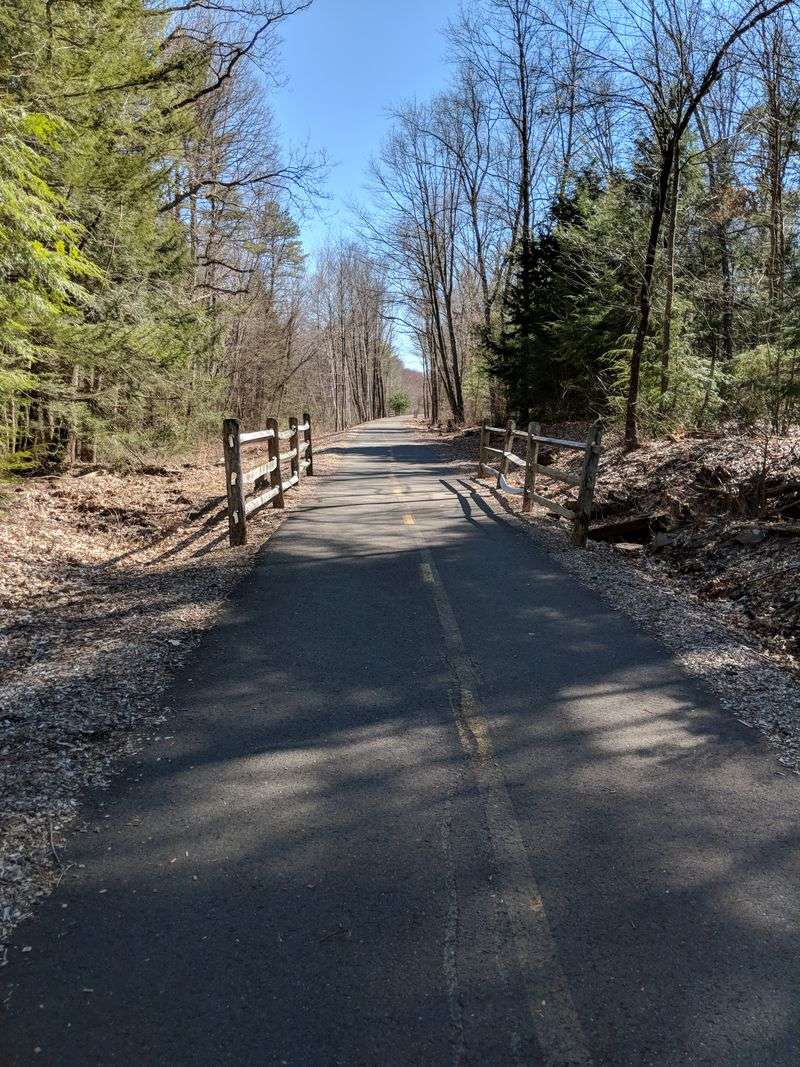
Nature gives Ohio towns a steady anchor that does not depend on peak weeks to stay meaningful.
Trail stewards schedule maintenance off peak so paths remain safe when leaves fall and snow arrives.
At 240 W Broadway St, Granville, OH 43023, maps guide you to multi use routes with gentle grades.
Outdoor centers post clear etiquette tips that keep hikers, cyclists, and birders moving smoothly.
Wayfinding kiosks show seasonal highlights so visitors know what to expect before they step out.
Benches and overlooks create quiet pauses that invite reflection without crowding narrow spots.
Volunteer crews track erosion and repair edges with simple tools and careful attention.
Shuttle loops appear on busy weekends to reduce roadside parking along scenic corridors.
Interpretive signs connect local history to landscapes, which deepens respect for fragile places.
Downtown shops at 110 S Prospect St, Ravenna, OH 44266, offer gear rentals that keep costs flexible.
Winter walks and spring cleanups turn stewardship into community rituals that feel welcoming.
Visitor centers suggest alternate routes during closures to prevent damage and frustration.
Quiet season events teach navigation, safety, and leave no trace basics in simple language.
This approach keeps trails open, towns calm, and ecosystems healthier across the calendar.
Ohio benefits when nature access stays dependable, because predictable care builds trust.
9. Heritage Hubs and Creative Placemaking
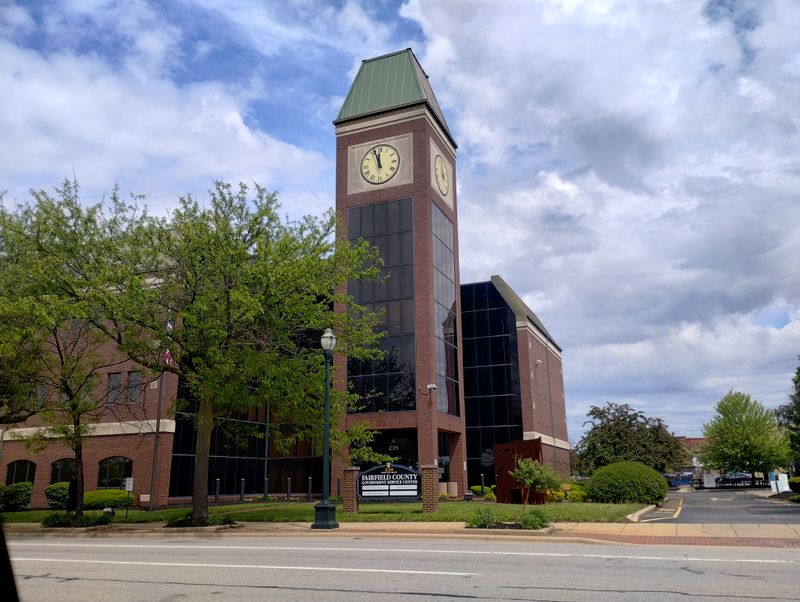
Culture carries memory, so Ohio towns invest in spaces where stories live, breathe, and earn their keep.
Preserved theaters and depots host exhibits, talks, and small performances that fit a modest block.
At 244 W Main St, Lancaster, OH 43130, a museum anchors the district with accessible hours and clear signs.
Public squares gain pocket stages that activate corners without overwhelming daily routines.
Mural programs invite artists to reflect local history with color that brightens rainy mornings.
Studios run open doors, letting you watch the process that turns raw material into design.
Wayfinding plaques connect sites so a short walk becomes a fuller story.
Visitor centers hand out stamp cards that encourage exploration and gentle gamification.
Restored halls at 200 Broadway Ave, Loveland, OH 45140, offer classroom space for hands on learning.
Family friendly schedules keep evenings lively without tipping into late night congestion.
Docent programs train residents to welcome guests with confident, warm details.
Rotating exhibits prevent staleness and reward repeat visits during sleepy months.
Grants support conservation, lighting, and accessibility improvements that respect historic fabric.
With each layer of care, the district grows more inviting, more legible, and more resilient.
Ohio shines when heritage is present tense, not a relic, and that keeps small towns steady.
Dear Reader: This page may contain affiliate links which may earn a commission if you click through and make a purchase. Our independent journalism is not influenced by any advertiser or commercial initiative unless it is clearly marked as sponsored content. As travel products change, please be sure to reconfirm all details and stay up to date with current events to ensure a safe and successful trip.
