Winter weather in Oklahoma can be unpredictable and intense.
When the first snow of the season arrives, it often catches residents and travelers completely off guard.
Roads become dangerous, flights get canceled, and what seemed like a simple trip can turn into a stressful ordeal.
Understanding how Oklahoma’s first snowfall impacts travel is essential for staying safe and avoiding unnecessary delays.
From icy highways to stranded motorists, the state faces unique challenges when winter weather strikes.
Whether you’re driving through Oklahoma City or flying out of Tulsa, knowing what to expect can help you prepare better.
This guide explores ten specific ways the first snow disrupts travel across the state.
Each section offers practical insights into the dangers and difficulties that come with early winter storms.
By learning about these disruptions, you can make smarter choices and keep yourself and your loved ones safe on the road.
1. Sudden Temperature Drops Create Dangerous Ice
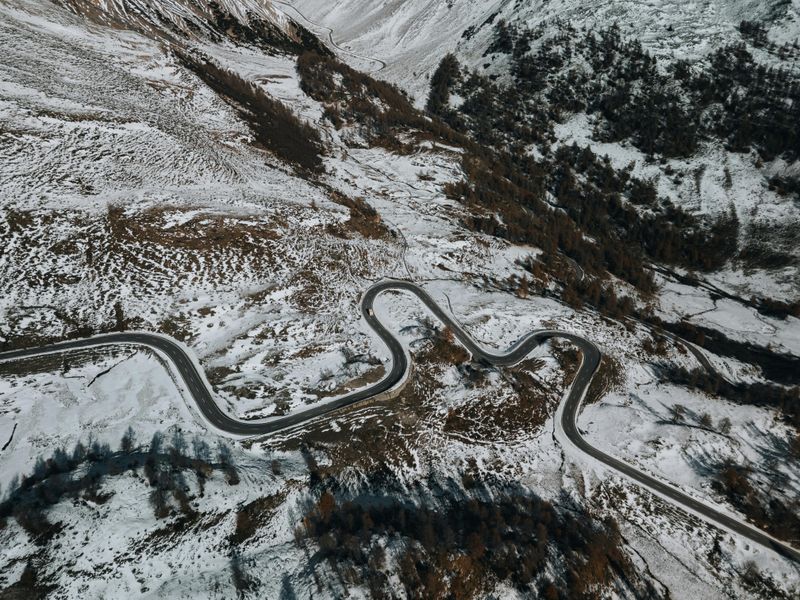
Temperatures in Oklahoma can plummet without much warning during the first snowfall.
What starts as rain or light slush quickly transforms into treacherous black ice.
Bridges and overpasses freeze first because cold air circulates both above and below them.
Drivers often don’t realize the road has turned slick until it’s too late.
Black ice is nearly invisible, making it one of the most dangerous winter hazards.
Vehicles lose traction instantly, leading to spinouts and collisions.
Even experienced drivers struggle to maintain control on icy surfaces.
The combination of surprise and slickness causes chaos on highways and city streets alike.
Emergency services become overwhelmed with accident calls during these conditions.
Freeways like Interstate 35 and Interstate 40 become especially hazardous as traffic speeds remain high despite the ice.
Motorists who fail to slow down risk serious crashes.
State troopers urge everyone to reduce speed and increase following distance dramatically.
Many travelers underestimate how quickly conditions can deteriorate.
Staying alert and cautious is critical when temperatures drop suddenly.
Always check weather forecasts before heading out during winter months in Oklahoma.
2. Roads Remain Untreated and Dangerously Slick
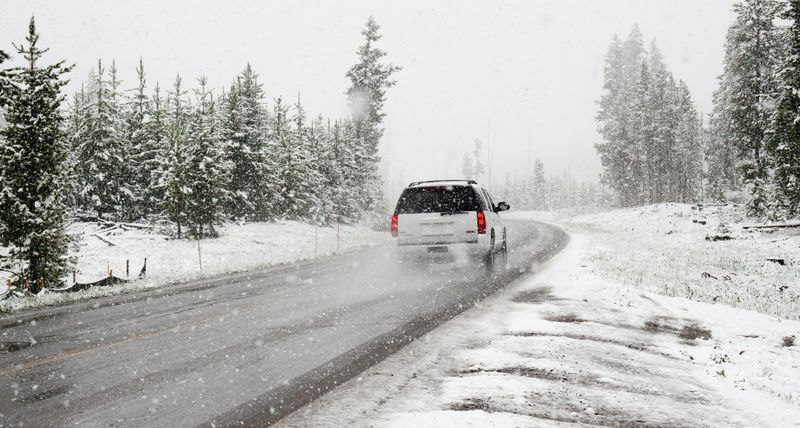
Early-season snowstorms catch road maintenance crews unprepared.
State and local authorities often haven’t pre-treated roads with brine or salt yet.
Without this protective layer, snow and ice bond directly to the pavement.
Driving becomes significantly more hazardous compared to later winter storms.
Plows and salt trucks may not be fully deployed or staffed for the season.
This delay means roads stay slick for longer periods.
Rural areas suffer the most since they receive less frequent treatment.
Highways connecting smaller towns to cities like Oklahoma City remain dangerous for hours.
Commuters face tough decisions about whether to risk the drive or stay home.
Even main routes can become nearly impassable without proper treatment.
Accidents pile up as vehicles slide off roads or collide with each other.
Traffic slows to a crawl, turning short trips into lengthy ordeals.
Travelers should always carry emergency supplies like blankets, water, and snacks.
Being stranded on an untreated road can be frightening and dangerous.
Planning ahead and staying informed about road conditions saves lives.
3. Airport Runways and Equipment Freeze Over
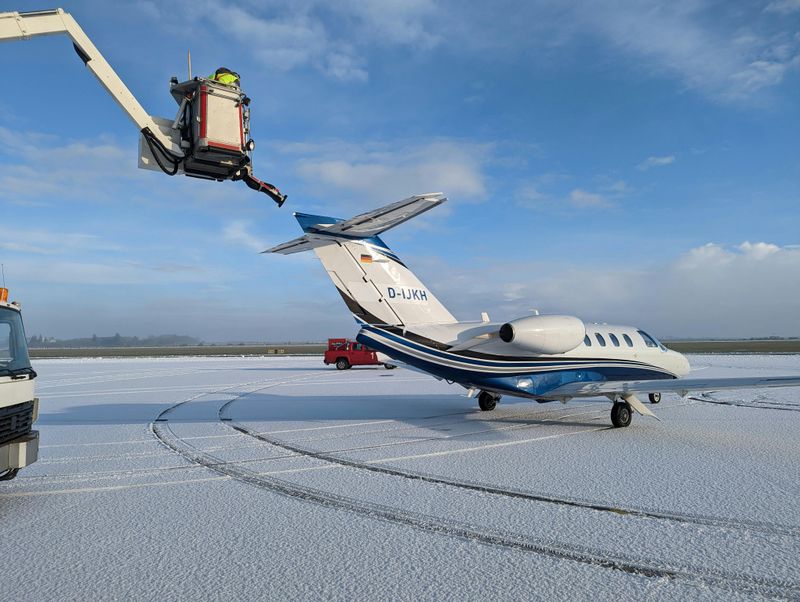
Airports across Oklahoma face significant challenges during the first snow.
Runways can ice over quickly, making takeoffs and landings unsafe.
Will Rogers World Airport in Oklahoma City and Tulsa International Airport frequently experience delays.
De-icing equipment must work overtime to keep aircraft safe.
When temperatures drop suddenly, de-icing fluid can run low or freeze itself.
Flight schedules become chaotic as airlines cancel or postpone departures.
Passengers face long waits and uncertainty about when they’ll reach their destinations.
Ground crews struggle to keep up with the pace of incoming weather.
Baggage handling slows down as workers navigate icy tarmacs.
Connecting flights get missed, stranding travelers far from home.
Airlines prioritize safety over schedules, which means more cancellations.
Travelers should monitor flight status closely during winter weather events.
Arriving early at the airport provides extra time for unexpected delays.
Packing patience and flexibility helps reduce stress during disruptions.
Oklahoma’s airports work hard to resume normal operations as quickly as possible.
4. Drivers Lack Winter Driving Skills and Equipment
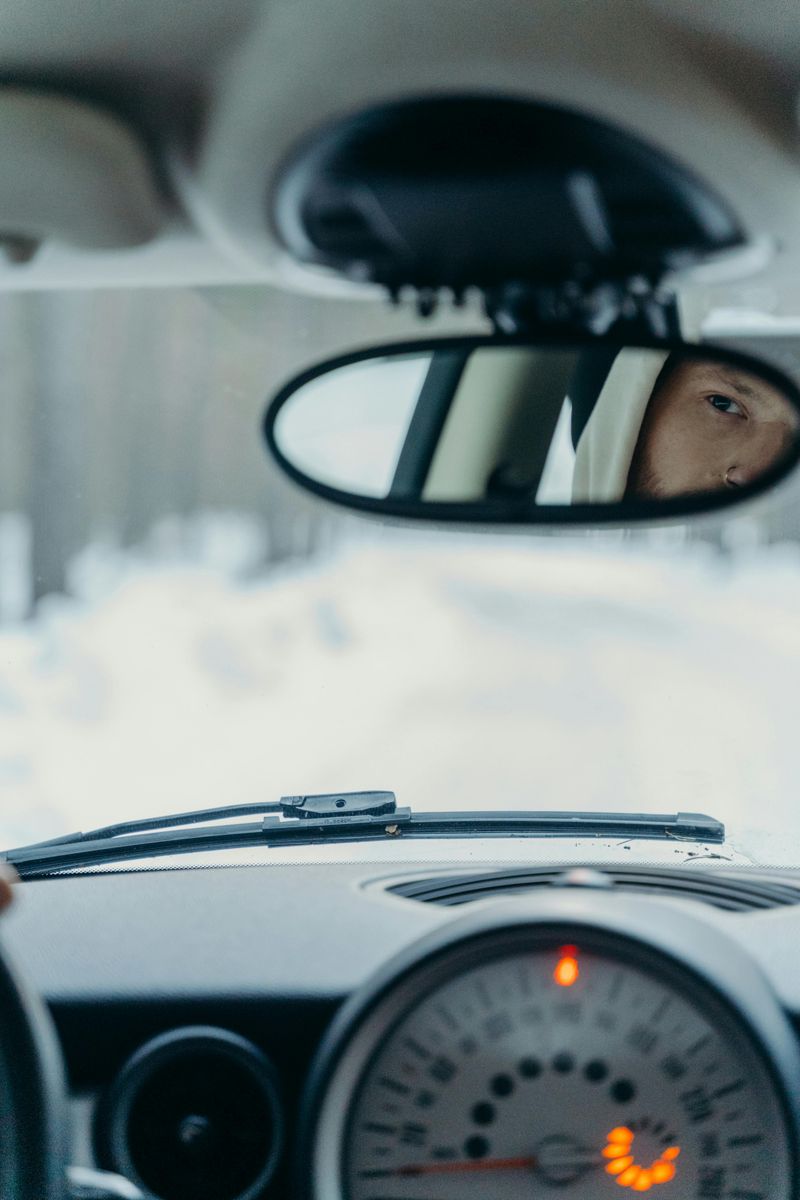
Many Oklahoma drivers aren’t accustomed to navigating snow and ice.
The first storm of the season catches people before they’ve mentally adjusted to winter conditions.
Basic winter driving techniques like slowing down and increasing following distance get forgotten.
Few vehicles have snow tires installed, relying instead on standard all-season tires.
This lack of preparation leads to more accidents and traffic jams.
Inexperienced drivers panic when their cars start to slide.
Overcorrecting the steering wheel often makes things worse.
Highways become littered with vehicles stuck in ditches or median strips.
Emergency responders spend hours pulling cars out of snowbanks.
Traffic backs up for miles as lanes close for accident clearance.
Commuters who normally zip along at highway speeds must crawl cautiously.
Frustration builds as travel times double or triple.
Taking a defensive driving course before winter arrives can help.
Practicing in empty parking lots builds confidence and skill.
Being prepared and cautious makes a huge difference in staying safe on Oklahoma roads.
5. Schools and Businesses Close Unexpectedly
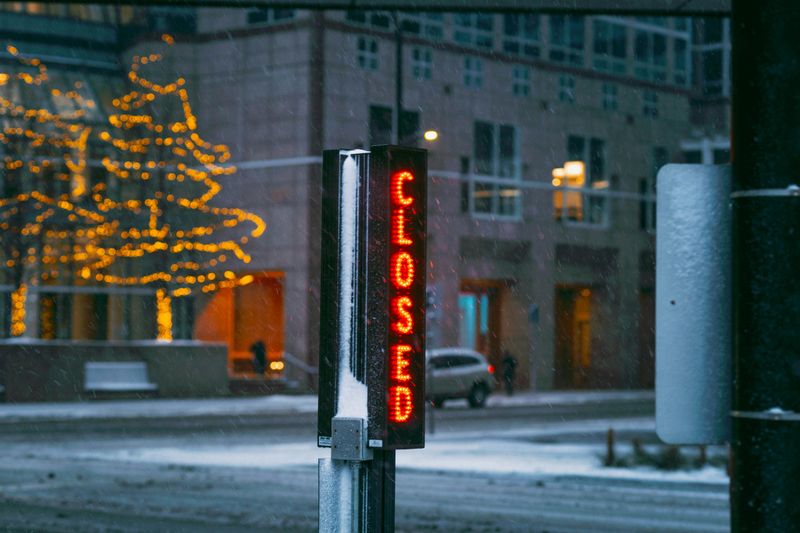
Early snowfall often triggers immediate closures across Oklahoma.
Schools dismiss students early or cancel classes entirely.
Parents scramble to pick up children or arrange childcare.
Businesses send employees home to avoid dangerous commutes.
This sudden surge of people hitting the roads at once overwhelms the system.
Traffic jams form quickly as everyone tries to get home simultaneously.
Roads that were manageable moments earlier become gridlocked.
Accidents increase as stressed drivers rush and make poor decisions.
Public transportation struggles to keep up with demand.
Bus routes run behind schedule as conditions worsen.
Parents worry about their children’s safety during the chaotic rush.
Employers face tough choices about when to close and how to notify staff.
Communication breakdowns add to the confusion.
Some workers get stranded at their jobs, unable to travel home safely.
Planning for early dismissals and having emergency contacts ready helps families stay connected and safe during unexpected closures in Oklahoma.
6. Power Outages From Ice on Lines and Trees
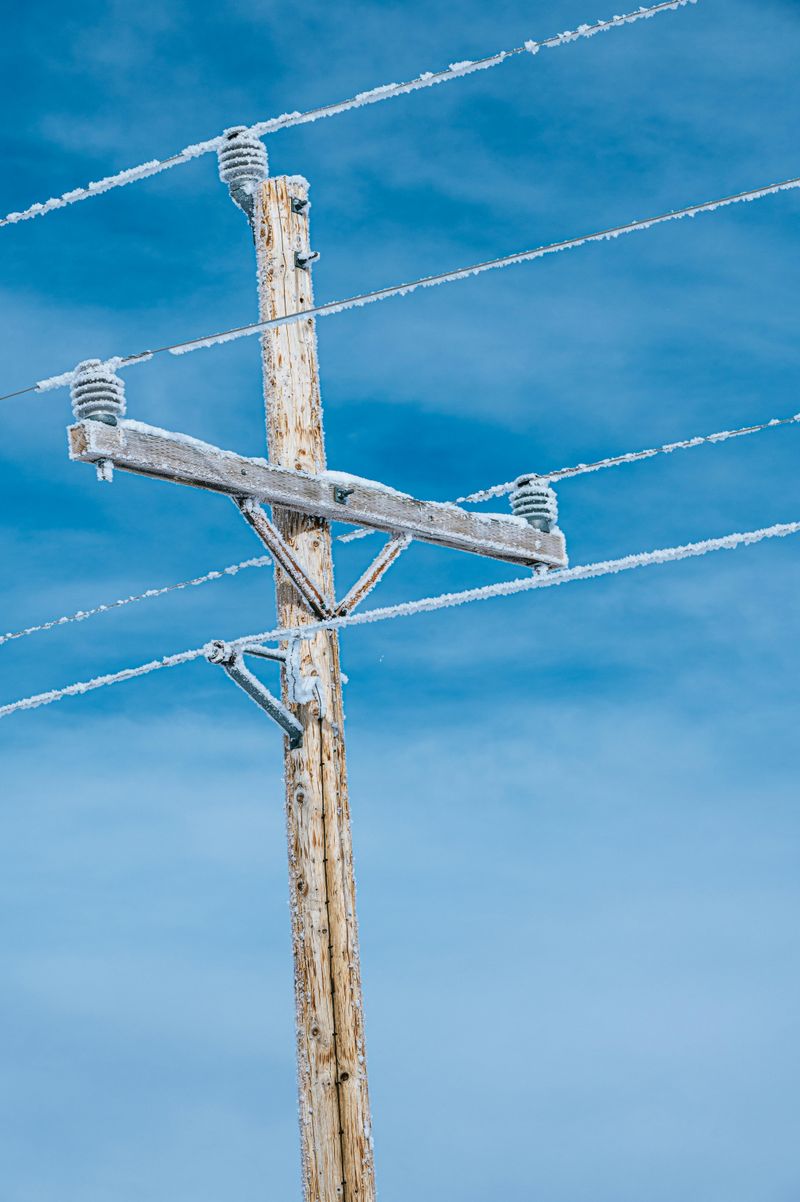
Snow mixed with freezing rain creates heavy ice accumulation.
Power lines sag under the weight and sometimes snap completely.
Tree branches coated in ice break off and crash onto electrical infrastructure.
Widespread power outages leave thousands of Oklahoma residents in the dark.
Traffic lights stop working, creating confusion at intersections.
Drivers must treat dark signals as four-way stops, slowing traffic further.
Gas stations lose power and can’t pump fuel for stranded motorists.
Travelers find themselves unable to refuel or buy supplies.
Hotels and rest stops also lose electricity, limiting shelter options.
Heating systems shut down, making buildings uncomfortable or unsafe.
Utility crews work around the clock to restore service.
Repairs take time, especially when roads are impassable.
Families huddle together for warmth while waiting for power to return.
Having flashlights, batteries, and backup heating sources proves essential.
Oklahoma’s infrastructure faces serious strain during ice storms, making preparedness crucial for surviving extended outages.
7. Supply Chain Delays Affect Essential Services

Snowstorms disrupt the movement of goods across Oklahoma.
Delivery trucks get delayed or rerouted due to hazardous road conditions.
Rest stops run out of food and drinks as supplies can’t be replenished.
Gas stations face fuel shortages when tanker trucks can’t make deliveries.
Stranded travelers struggle to find basic necessities.
Grocery stores see empty shelves as panic buying combines with delivery delays.
Pharmacies may run low on medications, creating health risks.
The ripple effect of logistics backups touches every aspect of travel.
Restaurants close early due to lack of ingredients or staff.
Hotels run short on linens and toiletries when housekeeping supplies don’t arrive.
Travelers must plan ahead and carry extra provisions in their vehicles.
Relying on finding supplies along the route becomes risky during storms.
Keeping a stocked emergency kit in your car ensures you have what you need.
Water, snacks, blankets, and first aid supplies can make a huge difference.
Oklahoma’s supply chains recover eventually, but preparation helps you weather the temporary shortages safely.
8. Whiteout Conditions Eliminate Visibility
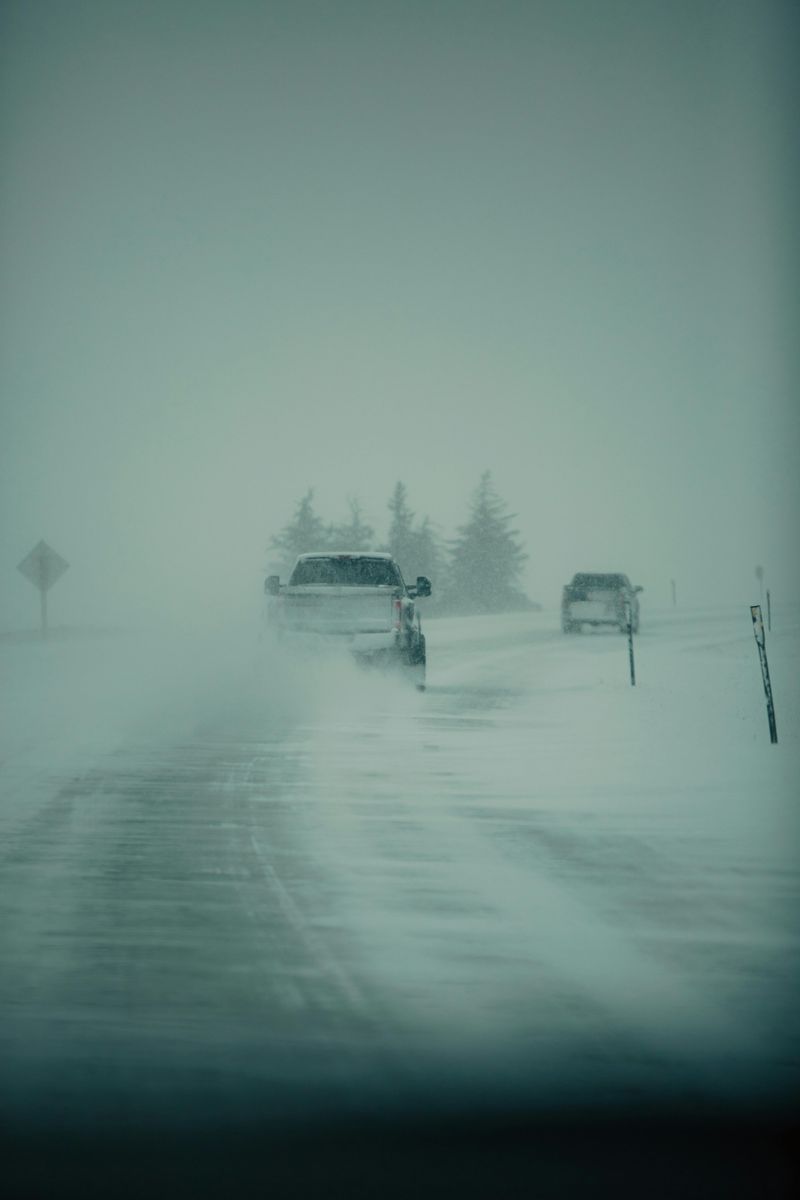
Sudden, heavy snow squalls create whiteout conditions across Oklahoma.
Visibility drops to near zero in seconds.
Drivers can’t see the road, lane markings, or other vehicles.
Panic sets in as disorientation takes hold.
Stopping suddenly on the highway is dangerous because cars behind can’t see you.
Continuing to drive risks veering off the road or hitting obstacles.
Multi-vehicle pileups become common during whiteouts.
Highways like Interstate 35 and Interstate 40 see particularly severe incidents.
Emergency responders struggle to reach crash sites in time.
Rescue operations become complicated when visibility is so poor.
Travelers should pull off safely at the first opportunity and wait out the squall.
Turning on hazard lights helps others see your vehicle.
Never stop in a travel lane if you can avoid it.
Listening to weather radio provides updates on conditions ahead.
Patience and caution save lives when Oklahoma experiences whiteout conditions during the first snow.
9. Public Transportation Faces Delays and Cancellations
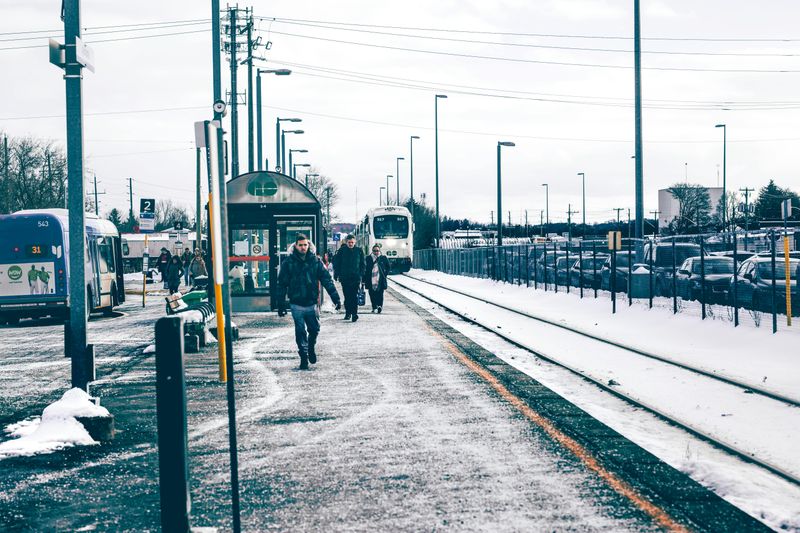
Buses and trains struggle to maintain schedules during winter weather.
Track switches freeze over, preventing trains from changing routes.
Regional rail lines experience significant delays as crews work to clear ice.
City buses slide on icy streets, forcing drivers to slow down or stop service.
Passengers wait in the cold at stations and stops, unsure when transit will resume.
Communication about delays is often poor, leaving travelers frustrated.
Many people rely on public transportation to get to work or medical appointments.
Missing a bus or train can mean missing important obligations.
Alternative transportation options become scarce during storms.
Ride-sharing services raise prices or become unavailable.
Taxis may refuse to operate in dangerous conditions.
Commuters find themselves stranded with few options.
Having a backup plan is essential for anyone who depends on public transit.
Knowing the schedules and having emergency contacts ready helps.
Oklahoma’s public transportation systems do their best, but winter weather always creates challenges that disrupt service.
10. Stranded Motorists Lack Emergency Preparedness
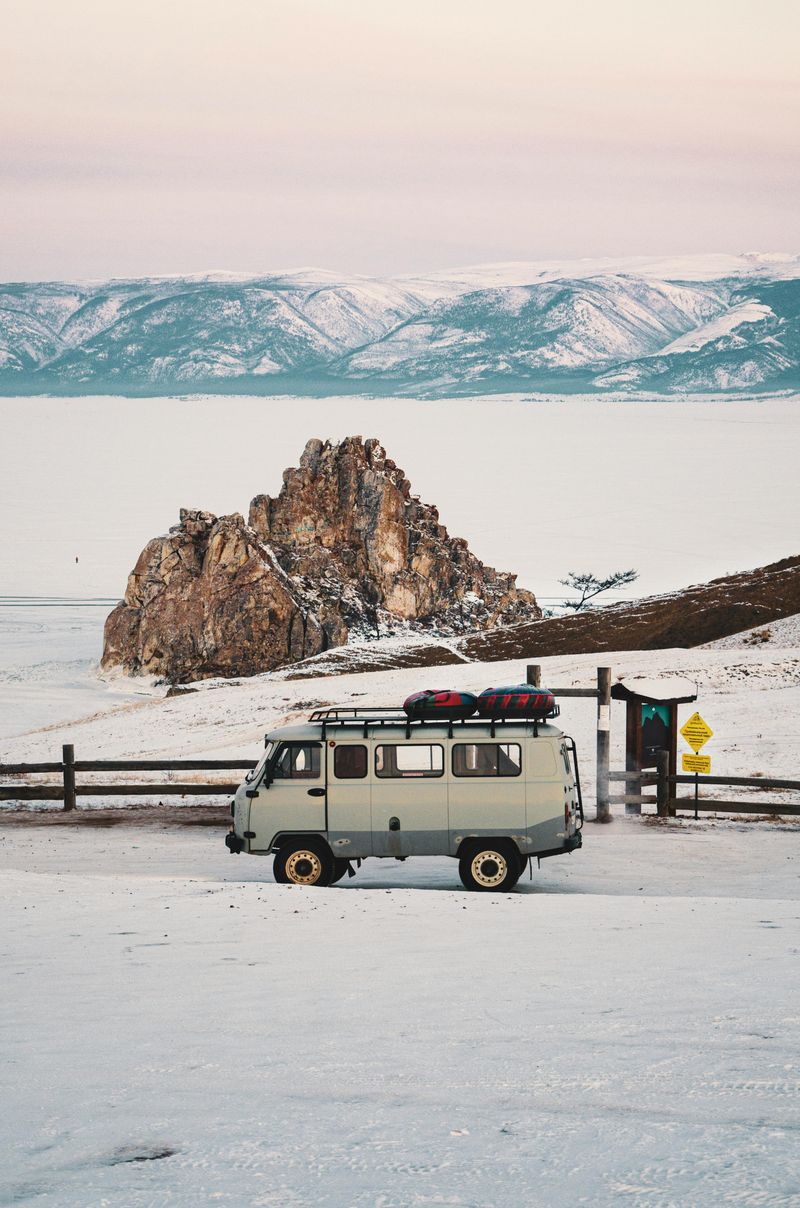
The suddenness of the first snow catches many drivers completely unprepared.
Vehicles break down or slide off roads into ditches.
Motorists find themselves stranded without emergency kits.
No blankets, water, snacks, or phone chargers means serious trouble.
Temperatures drop quickly, and waiting in a cold car becomes dangerous.
Running the engine for heat risks carbon monoxide poisoning if the exhaust is blocked by snow.
Cell phone batteries die faster in cold weather.
Calling for help becomes impossible without a charged device.
Tow trucks and emergency services are overwhelmed with calls.
Wait times stretch into hours as crews prioritize the most urgent situations.
Stranded travelers face boredom, fear, and discomfort.
Children and elderly passengers are especially vulnerable.
Preparing an emergency kit before winter arrives is simple and lifesaving.
Include blankets, flashlights, batteries, water, non-perishable food, and a first aid kit.
Being ready for the unexpected makes all the difference when Oklahoma’s first snow disrupts your travel plans.
Dear Reader: This page may contain affiliate links which may earn a commission if you click through and make a purchase. Our independent journalism is not influenced by any advertiser or commercial initiative unless it is clearly marked as sponsored content. As travel products change, please be sure to reconfirm all details and stay up to date with current events to ensure a safe and successful trip.
