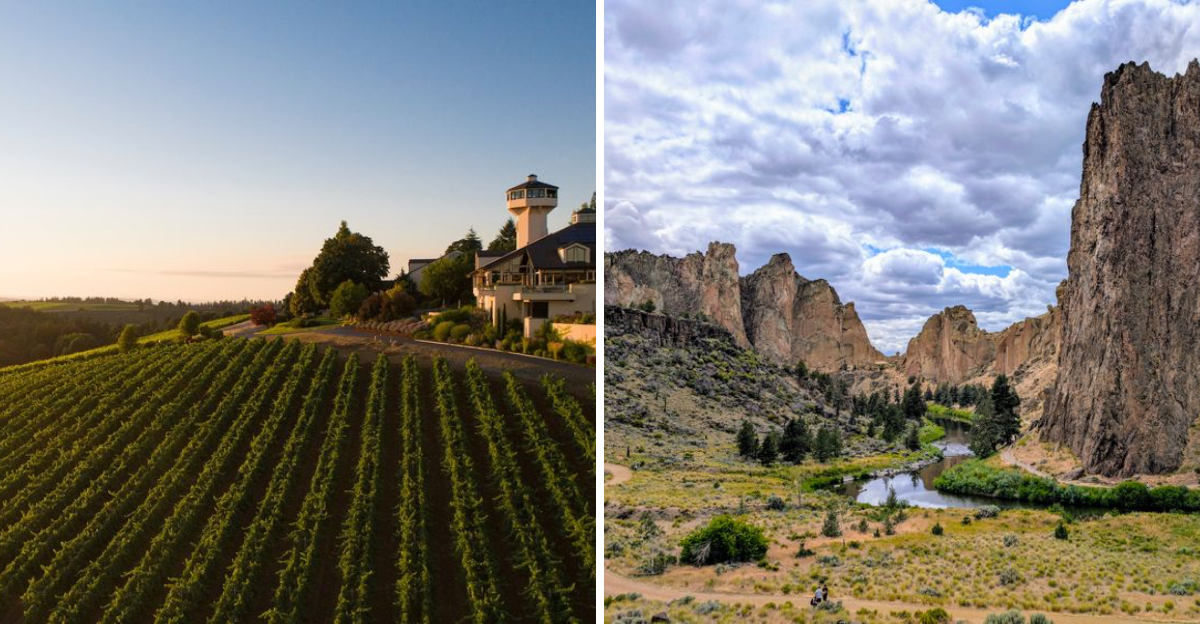
Oregon has become one of the most talked about travel destinations in the Pacific Northwest, and the surge in visitors has reshaped how people experience this beautiful state.
From coast to mountains, the way travelers explore Oregon looks different than it did just a few years ago.
New rules, updated infrastructure, and changing visitor patterns have transformed the tourism landscape in ways both big and small.
1. Reservation Systems Now Required at Popular Natural Sites
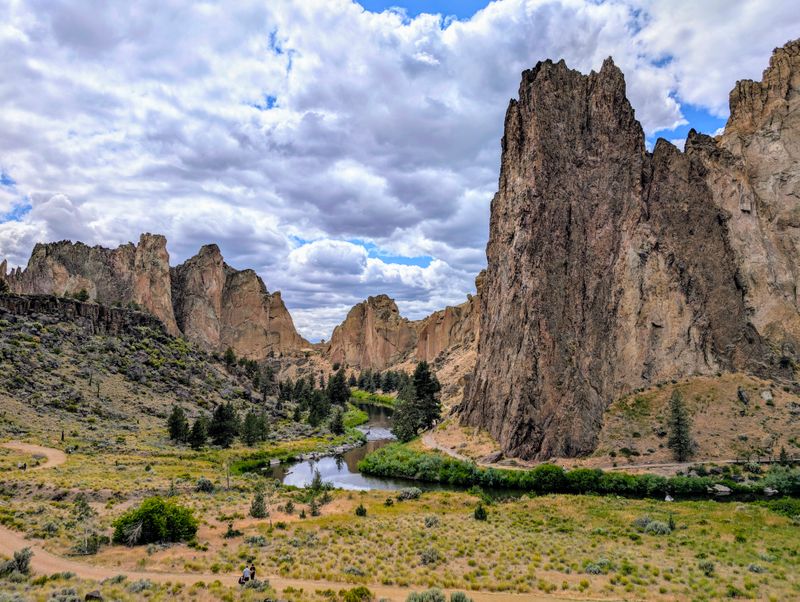
Crowds at Oregon’s most beloved natural attractions have grown so large that many locations now operate on timed entry or reservation systems.
Places like Smith Rock State Park and certain sections of the Columbia River Gorge require visitors to book their visit ahead of time during peak seasons.
Gone are the days when you could spontaneously decide to visit a waterfall or hiking trail without checking availability first.
Planning has become essential rather than optional.
Trailhead parking lots that once welcomed anyone who showed up now turn away visitors without reservations, especially on weekends and holidays.
State parks have adopted permit systems to manage the flow of people and protect fragile ecosystems from overuse.
Popular coastal areas and mountain trails face similar restrictions during summer months when tourism reaches its peak.
Locals have noticed the difference these systems make in reducing overcrowding, though some visitors find the advance planning frustrating.
The reservation requirement reflects a broader shift toward sustainable tourism management across the state.
Visitors who remember the freedom of arriving whenever they wanted must now adapt to a more structured experience.
Digital booking platforms have become the gateway to Oregon’s natural wonders, replacing the old approach of first come, first served.
Rangers and park staff emphasize that these changes help preserve the beauty that draws people to Oregon in the first place.
Understanding and respecting these new systems has become part of responsible travel in the region.
Tourists who plan ahead generally report positive experiences, while those who arrive unprepared often face disappointment.
The shift toward reservations marks a permanent change in how Oregon manages its natural resources amid growing visitor numbers.
2. Urban Areas Have Expanded Tourism Infrastructure
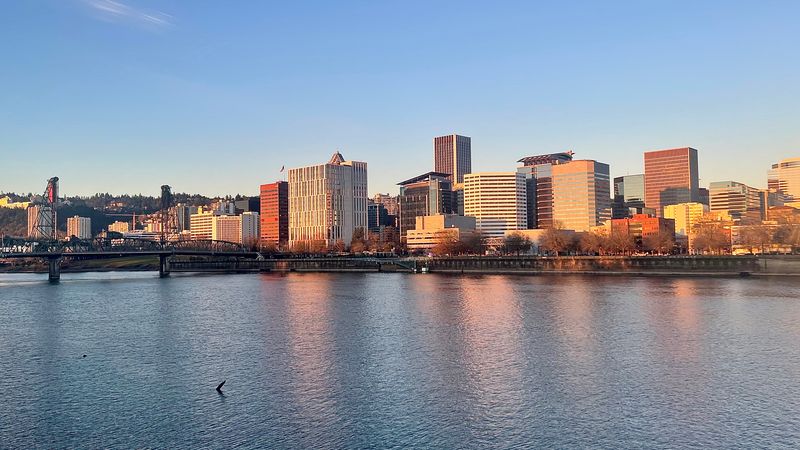
Portland and other Oregon cities have invested heavily in tourism infrastructure to accommodate the rising number of visitors each year.
New hotels, expanded public transit routes, and visitor centers have transformed the urban travel experience.
Downtown Portland now features more pedestrian zones and bike lanes designed to help tourists navigate the city safely and efficiently.
Food cart pods have multiplied throughout the metro area, offering diverse culinary experiences that attract food lovers from around the world.
Convention centers have undergone renovations to host larger events and conferences, bringing business travelers alongside leisure tourists.
Eugene and Bend have similarly upgraded their hospitality sectors with boutique hotels and guided tour services catering to different traveler interests.
Public transportation systems have added routes connecting airports to major attractions, making car rentals less necessary for city visitors.
Tourist information kiosks now appear in strategic locations, staffed with knowledgeable locals who help visitors discover hidden gems.
The growth in infrastructure reflects Oregon’s recognition that tourism drives significant economic activity in urban centers.
Neighborhoods once considered off the beaten path have become destination areas with their own unique character and appeal.
Restaurant scenes have exploded with options ranging from farm to table establishments to international cuisine representing cultures from every continent.
Art districts and cultural centers have expanded programming to engage visitors with local creative communities.
Brewery tours and craft beverage trails have become organized experiences rather than informal explorations.
The urban tourism landscape in Oregon has matured considerably, offering visitors more polished and accessible experiences than ever before.
Cities across the state continue developing amenities that balance local needs with tourist expectations.
3. Coastal Communities Implement Visitor Management Strategies
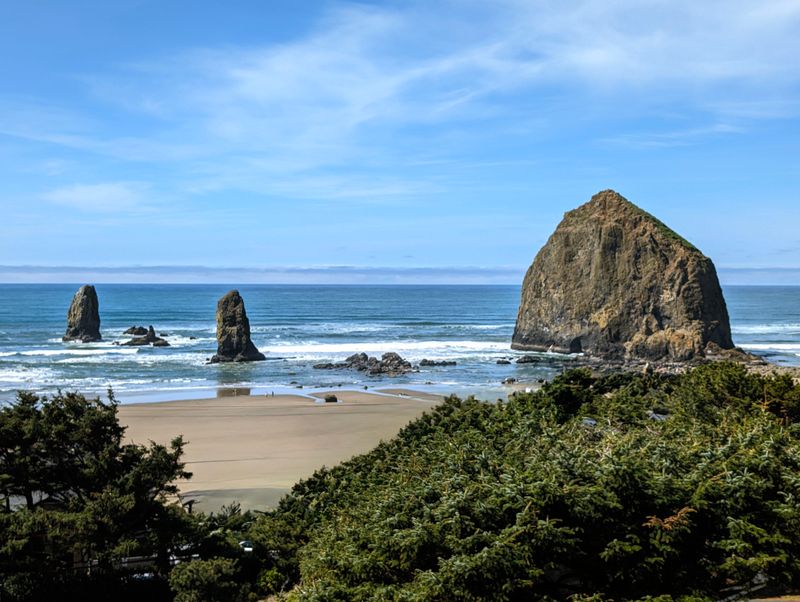
Small towns along the Oregon coast have developed new approaches to managing the influx of tourists who arrive throughout the year.
Cannon Beach, Seaside, and Newport have implemented parking management systems and shuttle services during busy periods to reduce congestion.
Local businesses coordinate seasonal hours and staffing to better serve the waves of visitors that descend on coastal communities.
Beach access points now feature improved signage educating tourists about tide safety, wildlife protection, and leave no trace principles.
Communities have created designated viewing areas for popular attractions like Haystack Rock to minimize environmental impact from foot traffic.
Restaurants and shops that once closed during winter months now remain open year round to capitalize on increased off season tourism.
Town councils work with tourism boards to strike a balance between welcoming visitors and preserving the character that makes these places special.
Infrastructure improvements include upgraded restroom facilities, expanded parking areas, and better maintained boardwalks and beach paths.
Some coastal towns have introduced visitor education programs that teach tourists about marine ecosystems and responsible beach behavior.
The relationship between residents and tourists has evolved as communities recognize both the benefits and challenges of increased visitation.
Local festivals and events now attract regional and national attention, bringing even more people to small coastal towns.
Housing markets in these areas have shifted as short term rentals proliferate, changing neighborhood dynamics and affordability.
Coastal Oregon has transformed from a collection of quiet fishing villages to bustling tourist destinations that require careful management.
The strategies implemented by these communities serve as models for other small towns facing similar tourism pressures.
Balancing economic opportunity with quality of life remains an ongoing conversation in every coastal community across the state.
4. Wine Country Has Professionalized the Tasting Experience
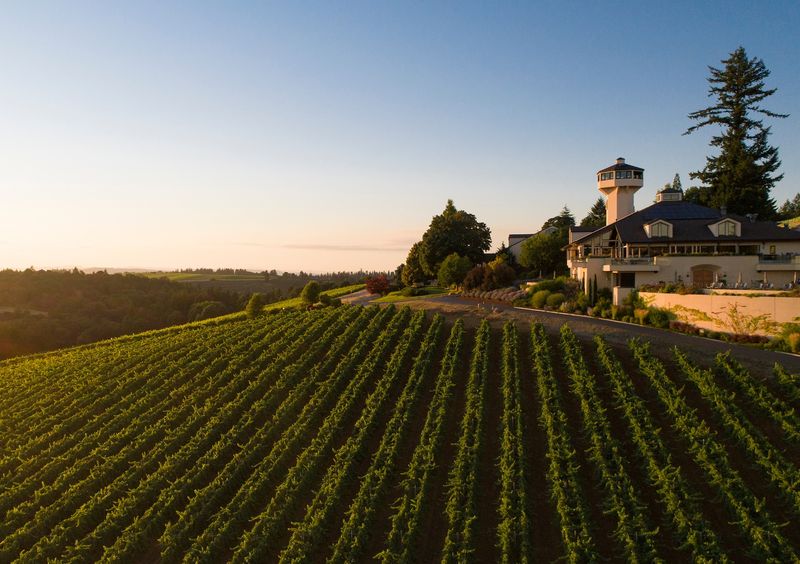
The Willamette Valley and other Oregon wine regions have elevated their visitor experiences from casual tastings to sophisticated tourism operations.
Wineries now require reservations for tastings, replacing the informal drop in culture that characterized the industry just a few years ago.
Professional hospitality staff guide visitors through curated tasting experiences that educate guests about varietals, terroir, and winemaking techniques.
Many vineyards have built dedicated tasting rooms with architectural designs that complement the surrounding landscape and enhance the overall experience.
Food pairing menus, private tours, and exclusive access experiences have become standard offerings at premium wineries throughout the region.
The growth in wine tourism has prompted improvements to rural roads and increased lodging options near major vineyard clusters.
Designated driver services and wine tour companies have proliferated to address safety concerns as visitor numbers climb.
Harvest festivals and special events draw crowds from across the country, turning quiet farming regions into seasonal tourism hotspots.
Smaller boutique wineries compete with established labels by offering intimate, personalized experiences that appeal to discerning travelers.
The professionalization of wine country tourism has raised prices and formalized what was once a more relaxed, accessible activity.
Visitors planning wine country trips now research extensively, book multiple reservations, and budget significantly for the experience.
The shift reflects Oregon’s growing reputation as a world class wine destination that rivals California’s more famous regions.
Local communities in wine country have adapted to the influx of tourists with improved restaurants, lodging, and cultural attractions.
The transformation of Oregon’s wine industry from agricultural pursuit to tourism powerhouse continues to reshape rural landscapes and economies.
Both longtime residents and newcomers debate whether these changes preserve or compromise the authentic character of wine country.
5. Mountain Recreation Areas Face New Capacity Limits
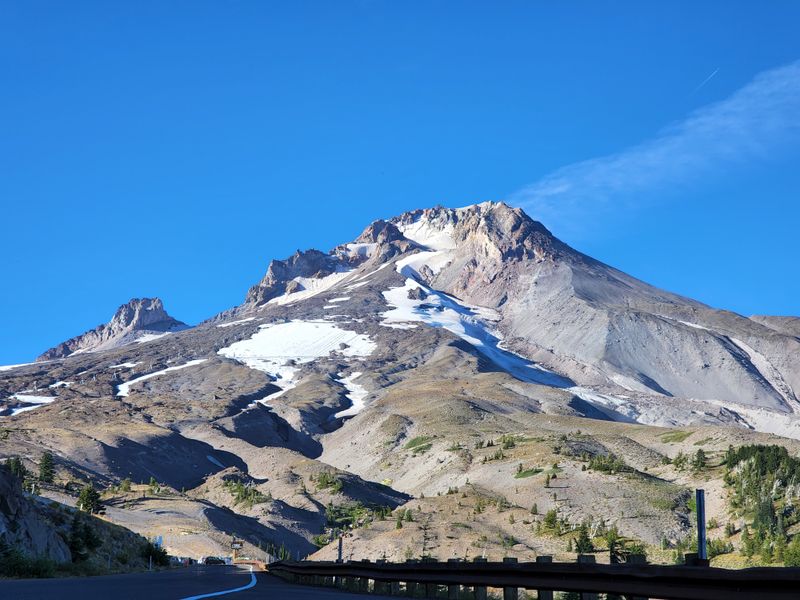
Mount Hood and other mountain destinations have introduced capacity restrictions to protect wilderness areas from overuse and environmental degradation.
Parking lot quotas, wilderness permits, and seasonal closures now regulate access to trails and recreation sites that previously operated without such controls.
Ski resorts have modernized lift ticket systems with dynamic pricing and advance purchase requirements to manage visitor flow during peak times.
Summer recreation has exploded in popularity, creating crowding issues on hiking trails, at alpine lakes, and around mountain viewpoints.
Forest Service offices issue permits for overnight camping in certain areas, limiting the number of people who can access backcountry sites simultaneously.
Day use areas that once accommodated unlimited visitors now close when parking reaches capacity, turning away latecomers regardless of their travel distance.
The popularity of social media has driven massive increases in visitation to photogenic locations, prompting officials to implement protective measures.
Educational campaigns teach visitors about wilderness ethics, trail etiquette, and the importance of staying on designated paths.
Search and rescue operations have increased as inexperienced hikers venture into mountain terrain without adequate preparation or knowledge.
Local mountain communities have grown concerned about traffic congestion, parking problems, and strain on small town resources during peak seasons.
The shift toward managed recreation represents a fundamental change in how Oregonians and visitors interact with mountain environments.
Longtime outdoor enthusiasts express mixed feelings about restrictions that limit spontaneous adventures but acknowledge the need for conservation.
Mountain recreation in Oregon now requires more planning, permits, and awareness of regulations than casual visitors might expect.
The balance between access and preservation continues to challenge land managers as tourism pressure intensifies.
These capacity limits signal a new era for mountain recreation across the state.
6. Indigenous Tourism Initiatives Have Gained Prominence
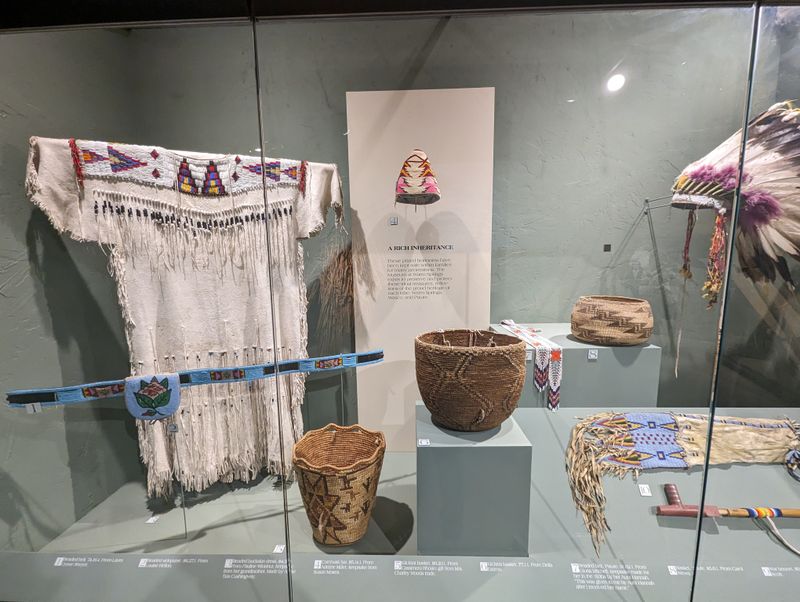
Oregon has seen growing recognition of Indigenous cultural tourism as tribes develop visitor programs that share their heritage and history.
The Confederated Tribes of Grand Ronde, Warm Springs, and other nations offer cultural centers, museums, and guided experiences that educate visitors about Native perspectives.
Interpretive programs at state parks and historic sites increasingly incorporate Indigenous voices and acknowledge the original inhabitants of the land.
Visitors can now participate in traditional craft workshops, storytelling sessions, and cultural demonstrations led by tribal members.
The Museum at Warm Springs provides immersive exhibits showcasing thousands of years of Indigenous history in central Oregon.
Tourism revenues from these initiatives support tribal communities while fostering greater understanding among visitors from diverse backgrounds.
Land acknowledgments have become common practice at tourism events and in visitor materials throughout the state.
Partnerships between tribes and state tourism agencies have strengthened, creating pathways for authentic cultural exchange.
Sacred sites receive increased protection and respectful interpretation, correcting historical narratives that often excluded Native perspectives.
Indigenous owned businesses in hospitality, guiding, and retail sectors have expanded as interest in cultural tourism grows.
Educational programs teach visitors about the ongoing presence and contributions of Native communities rather than presenting Indigenous culture as purely historical.
The shift toward Indigenous tourism reflects broader societal movements toward recognition, reconciliation, and respect for tribal sovereignty.
Visitors seeking meaningful travel experiences increasingly prioritize learning about the places they visit from those with deepest connections to the land.
Oregon’s tourism landscape has become richer and more complete through the inclusion of Indigenous perspectives and experiences.
The growth of tribal tourism initiatives marks an important evolution in how the state presents its history and culture to the world.
7. Sustainable Tourism Practices Have Become Standard Expectations
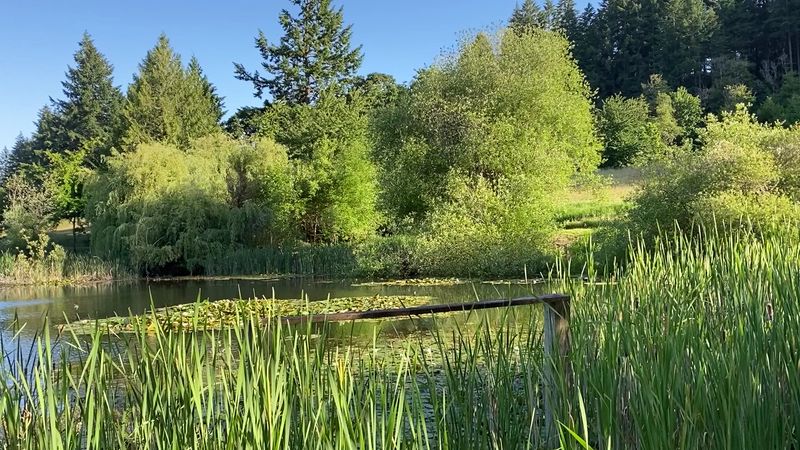
Environmental consciousness has moved from niche concern to mainstream expectation as Oregon tourism businesses adopt sustainable practices across the industry.
Hotels tout green certifications, restaurants emphasize local sourcing, and tour operators highlight their environmental commitments in marketing materials.
Leave No Trace principles appear in visitor education at trailheads, campgrounds, and natural attractions throughout the state.
Single use plastics have disappeared from many tourism establishments as businesses respond to both regulations and customer preferences.
Carbon offset programs, electric vehicle charging stations, and bike sharing systems have proliferated in tourist areas.
State tourism campaigns emphasize responsible travel behaviors, encouraging visitors to respect wildlife, stay on trails, and pack out all trash.
Overtourism concerns have sparked conversations about visitor limits, seasonal distribution, and the long term impacts of unchecked tourism growth.
Communities evaluate tourism development proposals through sustainability lenses, questioning whether economic benefits justify environmental costs.
Volunteer programs engage tourists in conservation activities like trail maintenance, beach cleanups, and habitat restoration projects.
The Oregon tourism industry increasingly markets the state’s commitment to environmental stewardship as a core part of its identity.
Visitors who prioritize sustainability in their travel choices find Oregon particularly appealing due to widespread adoption of green practices.
Certification programs verify the environmental credentials of tourism businesses, helping conscious travelers make informed choices.
The expectation that tourism should benefit rather than harm the environment has reshaped business practices across all sectors of the industry.
Oregon’s reputation as an environmentally progressive state extends to its tourism sector, setting standards that other destinations increasingly emulate.
Sustainable tourism has evolved from optional extra to fundamental requirement in how Oregon welcomes and manages visitors.
Dear Reader: This page may contain affiliate links which may earn a commission if you click through and make a purchase. Our independent journalism is not influenced by any advertiser or commercial initiative unless it is clearly marked as sponsored content. As travel products change, please be sure to reconfirm all details and stay up to date with current events to ensure a safe and successful trip.
