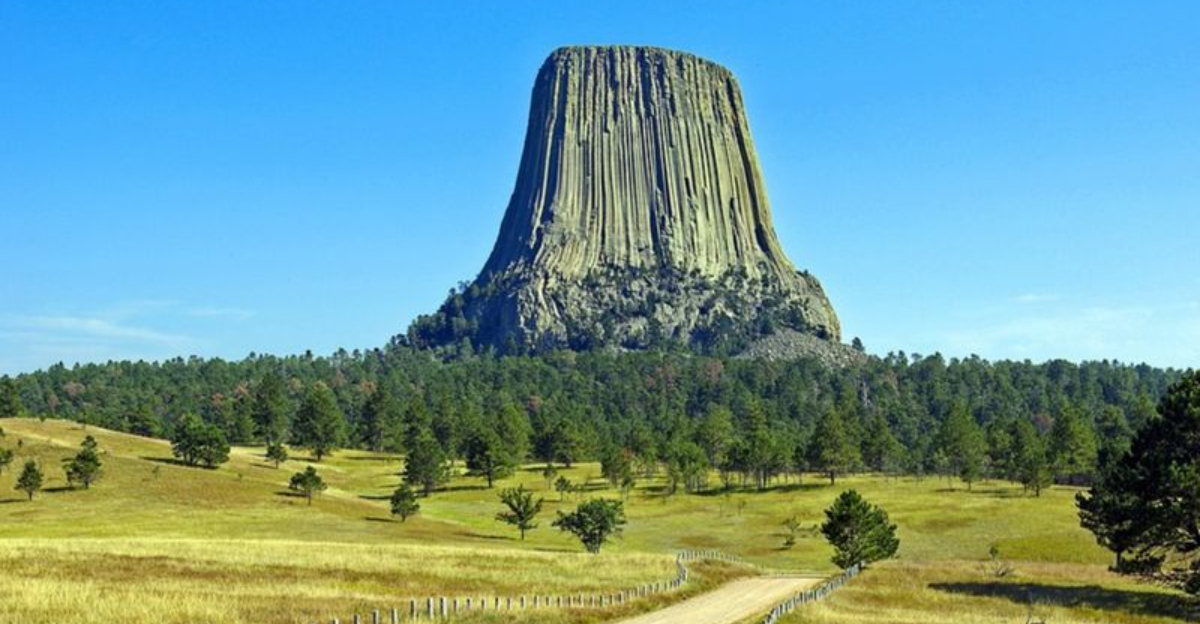
Wyoming’s stunning landscapes attract drone enthusiasts from around the world, eager to capture aerial footage of Yellowstone’s geysers, Grand Teton’s peaks, and vast prairie lands.
However, many travelers arrive without understanding the strict regulations governing drone use in this state, leading to frequent violations that can result in hefty fines and confiscated equipment.
The combination of protected national parks, wildlife habitats, and private ranch land creates a complex web of rules that even experienced pilots sometimes struggle to navigate.
Understanding these common mistakes can help you enjoy Wyoming’s beauty responsibly while staying on the right side of the law.
1. Flying Over Yellowstone and Grand Teton National Parks
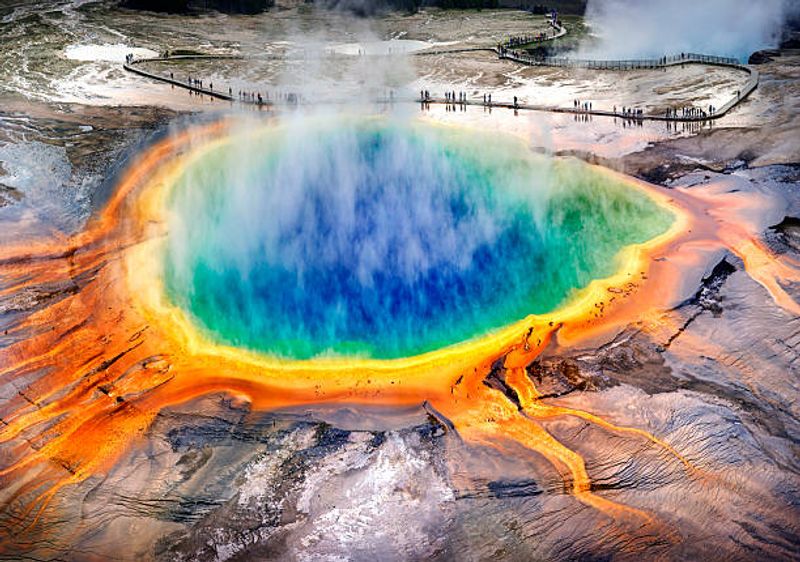
National parks across America banned drone use back in 2014, yet Yellowstone and Grand Teton continue to see regular violations from travelers who either don’t know the rules or choose to ignore them.
Park rangers confiscate dozens of drones each year from visitors attempting to film wildlife, geothermal features, or mountain vistas.
The temptation is understandable because these parks offer some of the most photogenic landscapes on Earth, but the ban exists for solid reasons.
Drones disturb wildlife in ways that can be genuinely dangerous, causing elk herds to stampede, disrupting nesting birds, and stressing animals already dealing with millions of human visitors annually.
The noise from drone rotors echoes through valleys and disrupts the natural soundscape that visitors travel thousands of miles to experience.
Beyond wildlife concerns, drones pose safety risks near geothermal features where a crash could damage delicate formations or injure tourists gathered at popular spots like Old Faithful.
Violators face federal charges that can include fines up to $5,000 and six months in jail, though most cases result in smaller penalties and equipment confiscation.
Some travelers mistakenly believe they can fly drones just outside park boundaries and drift into restricted airspace, but GPS tracking makes these violations easy to document.
Rangers have become increasingly sophisticated at detecting illegal drone activity using both visual spotting and electronic detection equipment.
The rule applies to all 2.2 million acres of Yellowstone and 310,000 acres of Grand Teton without exception, regardless of altitude or purpose.
Even commercial filmmakers with proper permits face strict limitations and must coordinate extensively with park officials before any flight operations.
2. Ignoring Wildlife Harassment Regulations
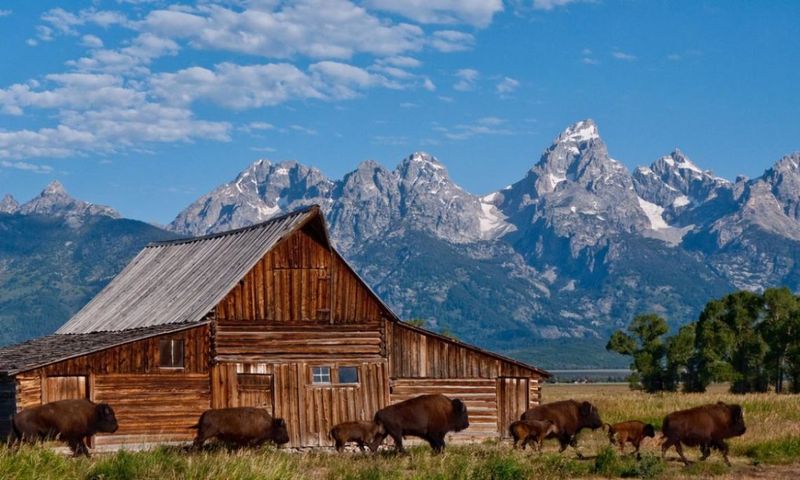
Wyoming law specifically prohibits using drones to harass, herd, or disturb wildlife, yet countless travelers use their aircraft to get closer shots of bison, elk, pronghorn, and other animals.
What seems like harmless photography from a distance can trigger stress responses in animals that lead to serious consequences for their health and survival.
Bison may appear calm and slow-moving, but drone presence can provoke sudden charges or cause herds to run in panic, potentially injuring calves or exhausting animals during critical winter months.
Birds are particularly vulnerable to drone disturbance, with raptors sometimes attacking drones they perceive as threats to nesting territories, resulting in injuries to protected species.
Ground-nesting birds may abandon nests if repeatedly disturbed by low-flying drones, causing entire clutches of eggs to fail.
Wyoming Game and Fish Department officers patrol popular wildlife viewing areas and can cite drone operators under harassment statutes even if no physical contact occurs.
The legal standard focuses on whether the aircraft caused animals to alter their behavior, not on the operator’s intent, meaning accidental disturbance still violates the law.
Penalties include fines starting at $435 for basic violations, with more serious cases involving threatened or endangered species carrying much steeper consequences.
Many travelers don’t realize that what looks like mild curiosity from an animal often represents significant stress that compromises their ability to feed, rest, or care for young.
Repeated disturbances can cause animals to abandon otherwise suitable habitat, compressing populations into smaller areas and increasing competition for resources.
Professional wildlife photographers in Wyoming maintain strict distance protocols and never use drones near animals, relying instead on telephoto lenses and patient observation.
3. Operating Without Proper Federal Aviation Administration Registration
Federal law requires all drones weighing between 0.55 and 55 pounds to be registered with the FAA, displaying registration numbers on the aircraft, but many travelers fly unregistered drones throughout Wyoming.
The registration process costs just five dollars and takes minutes online, yet law enforcement regularly encounters tourists who never completed this basic requirement.
Registration exists to create accountability and help authorities track drones involved in incidents, from wildlife harassment to near-misses with manned aircraft.
Wyoming’s open spaces and remote locations give some travelers a false sense that rules don’t apply far from major cities, but enforcement occurs statewide.
County sheriffs, park rangers, and game wardens all have authority to check drone registrations and can issue citations for non-compliance.
The FAA registration number must be visible on the outside of the aircraft or accessible in the battery compartment, meeting specific formatting requirements that many travelers overlook.
Simply having a registration isn’t enough if the number isn’t properly displayed according to federal guidelines.
Recreational pilots must carry proof of registration while flying, either digitally or in paper form, ready to present if questioned by authorities.
Commercial drone operators face additional requirements including Part 107 certification, which involves passing an aeronautical knowledge test and recurrent training every two years.
Some travelers attempt to avoid commercial rules by claiming recreational use while actually filming content for social media channels that generate revenue, a distinction the FAA takes seriously.
Penalties for flying unregistered drones include civil fines up to $27,500 and potential criminal penalties for more egregious violations, though most first-time offenders receive warnings or smaller fines.
4. Violating Airspace Restrictions Near Airports and Helipads
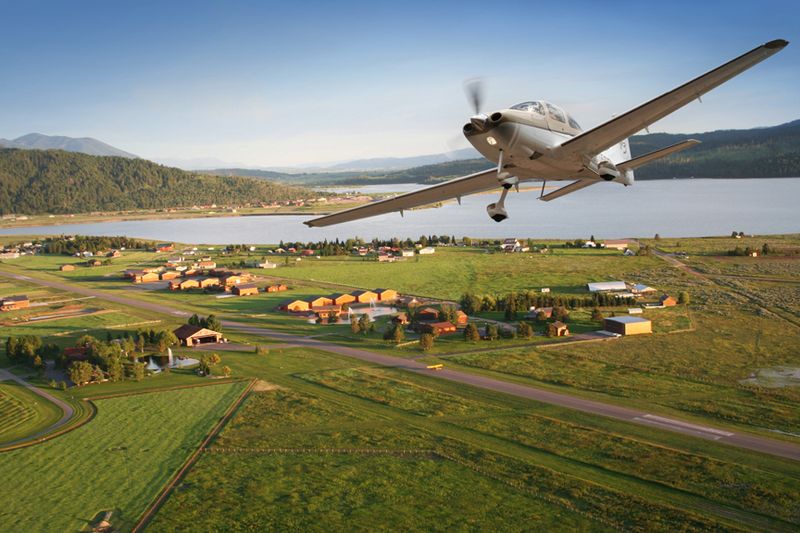
Wyoming contains numerous small airports, helipads for medical evacuation and tourism, and backcountry landing strips that create complex airspace restrictions many drone pilots never research before flying.
Jackson Hole Airport sits inside Grand Teton National Park boundaries, creating overlapping restrictions that confuse travelers unfamiliar with the area’s unique aviation environment.
Regional airports in Casper, Cheyenne, Cody, and other communities maintain controlled airspace extending several miles from runways, requiring drone pilots to obtain authorization before flights.
The FAA’s LAANC system provides near-instant authorization for flights in controlled airspace when conditions allow, but many recreational pilots don’t know this system exists or how to access it.
Medical helicopter operations throughout Wyoming create temporary flight restrictions that drone pilots must avoid, with air ambulance services flying low-altitude routes that intersect popular drone flying areas.
Ranch and backcountry airstrips often lack clear markings on standard aviation charts, making it easy for drone operators to unknowingly fly in areas where small planes regularly take off and land.
Agricultural aviation during summer months adds another layer of complexity, with crop-dusting aircraft operating at low altitudes across vast areas of Wyoming farmland.
Pilots of manned aircraft have reported multiple close calls with drones near Wyoming airports, incidents that trigger FAA investigations and increased enforcement efforts.
Even small drones pose catastrophic risks if ingested into aircraft engines or striking windscreens during critical phases of flight like takeoff and landing.
Travelers often underestimate how far five miles extends from an airport, assuming they’re safely outside controlled airspace when they’re actually within restricted zones.
Using apps like B4UFLY or AirMap before every flight helps identify airspace restrictions, but these tools require internet connectivity that may be unavailable in remote Wyoming locations.
5. Flying Over Private Property Without Permission
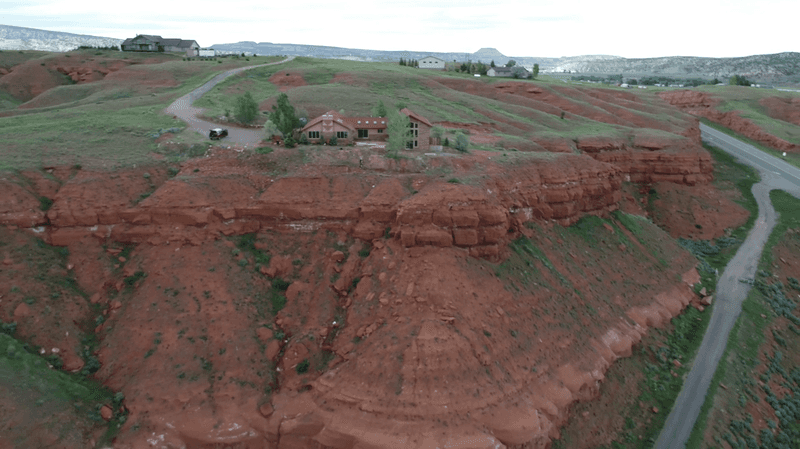
Wyoming’s culture of property rights runs deep, with ranchers and landowners taking trespass seriously whether it occurs on the ground or from the air above their property.
While federal airspace regulations technically govern the space above private land, Wyoming property owners have successfully pursued harassment and invasion of privacy claims against drone operators.
Ranchers worry about drones spooking cattle during calving season, disrupting operations during roundups, or revealing proprietary information about herd sizes and grazing patterns.
Many Wyoming ranches span thousands of acres with boundaries that aren’t obvious from the air, making it easy to inadvertently cross from public to private land during drone flights.
State law protects landowners against surveillance and harassment, giving them legal recourse even when drones remain in navigable airspace above their property.
Some property owners have taken matters into their own hands by attempting to shoot down drones, creating dangerous situations and legal complications for all parties involved.
Smart travelers contact landowners before flying anywhere near private property, establishing goodwill and often gaining permission that would otherwise be denied.
This courtesy becomes especially important near ranch headquarters, homes, and working areas where privacy expectations are highest.
Conservation easements and private wildlife reserves add another layer of restrictions, with landowners specifically prohibiting drone use as part of habitat protection agreements.
Trophy hunting operations on private land maintain strict rules against drones that might disturb game animals, with violations potentially voiding expensive hunting leases.
Real estate photography and commercial operations require explicit written permission from property owners, with verbal agreements often proving insufficient if disputes arise.
Understanding property boundaries before flight prevents conflicts and helps maintain the positive relationships between visitors and residents that Wyoming communities value.
6. Exceeding Altitude and Line-of-Sight Limitations

FAA regulations limit recreational drone flights to 400 feet above ground level, yet Wyoming’s dramatic topography tempts pilots to fly much higher to capture expansive landscape shots.
The altitude limit exists because airspace above 400 feet is reserved for manned aircraft, with violations creating collision risks that could cause catastrophic accidents.
Mountain flying complicates altitude calculations because the 400-foot limit measures from the ground directly below the drone, not from the pilot’s takeoff location.
Flying from a valley floor toward a mountain ridge can quickly violate altitude limits as terrain rises, even if the drone maintains constant height above sea level.
Wyoming’s thin air at high elevations affects drone performance and battery life, causing some aircraft to lose altitude control or experience flyaway situations that compound rule violations.
The requirement to maintain visual line of sight means pilots must keep their drones visible with unaided eyes throughout the flight, not relying solely on cameras or screens.
Wyoming’s vast open spaces and clear air allow drones to fly far beyond visual range while still transmitting video signals, creating temptation to push distance limits.
Wind conditions at altitude intensify significantly, with drones caught in upper-level winds sometimes unable to return to their operators before batteries die.
Beyond-visual-line-of-sight operations require special FAA waivers that recreational pilots rarely obtain, though commercial operators can apply through detailed waiver processes.
First-person view goggles that provide immersive flight experiences don’t satisfy line-of-sight requirements unless a second observer maintains visual contact with the aircraft.
Enforcement of altitude and line-of-sight violations proves challenging in remote areas, but complaints from other airspace users and video evidence posted online have led to successful prosecutions.
Responsible pilots use altitude alerts and geofencing features built into modern drones to prevent accidental violations while focusing on capturing footage.
7. Disrupting Local Events
Imagine attending a serene local festival, only to have the tranquility shattered by buzzing drones overhead.
Many travelers unintentionally disrupt events like outdoor concerts or county fairs.
Flying drones during these gatherings can infringe on privacy and disturb the community vibe.
Enthusiasts often overlook event-specific drone restrictions, eager to capture unique aerial shots.
Yet, this oversight can lead to fines and frustrated locals.
Travelers should check with event organizers and respect any no-fly zones to ensure a harmonious experience for all attendees.
8. Inadvertently Trespassing on Tribal Lands

Did you know? Wyoming is home to significant tribal lands, rich in cultural heritage.
Some travelers, unaware of the boundaries, fly their drones over these sacred areas.
This intrusion can be deeply disrespectful, violating the privacy and sanctity of tribal communities.
Ignorance of tribal sovereignty often leads to unintended trespassing.
Drone pilots must research local regulations and respect the cultural significance of these lands.
Communicating with tribal authorities before flying can prevent misunderstandings and foster a respectful interaction with Wyoming’s indigenous heritage.
Dear Reader: This page may contain affiliate links which may earn a commission if you click through and make a purchase. Our independent journalism is not influenced by any advertiser or commercial initiative unless it is clearly marked as sponsored content. As travel products change, please be sure to reconfirm all details and stay up to date with current events to ensure a safe and successful trip.
