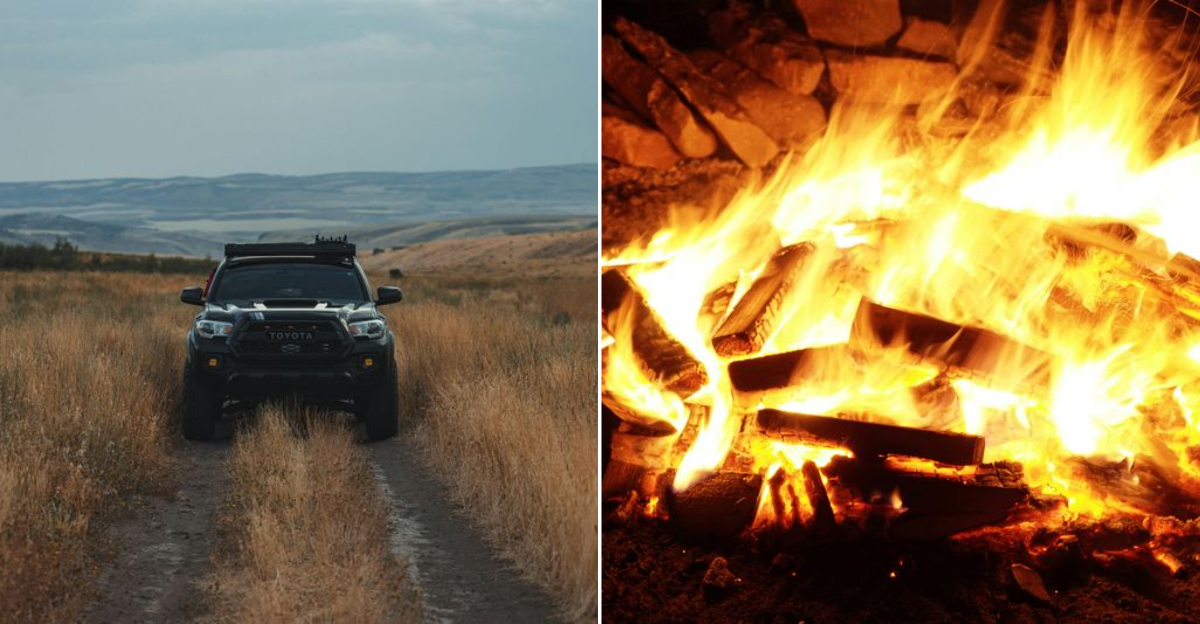
Have you ever wondered if the way people explore Montana’s wilderness is actually hurting it? The truth is, while visitors come for the mountains, lakes, and wide-open beauty, some of the habits they bring along are leaving a mark, and not in a good way.
From litter on trails to careless campfires, these small actions add up and chip away at the very landscapes everyone came to enjoy.
What makes it tricky is that most folks don’t mean to cause harm. They’re excited to hike, fish, or snap photos, but sometimes that excitement leads to shortcuts or oversights that damage fragile ecosystems.
I’ve seen spots where a single season of heavy foot traffic left trails eroded and wildlife pushed further back. It’s frustrating because Montana’s wilderness is one of those rare places that feels untouched, and keeping it that way takes effort from everyone.
Montana deserves better than careless mistakes. So let’s talk about 11 ways visitors are damaging its wilderness, and how we can all do better.
1. Straying Off Marked Trails
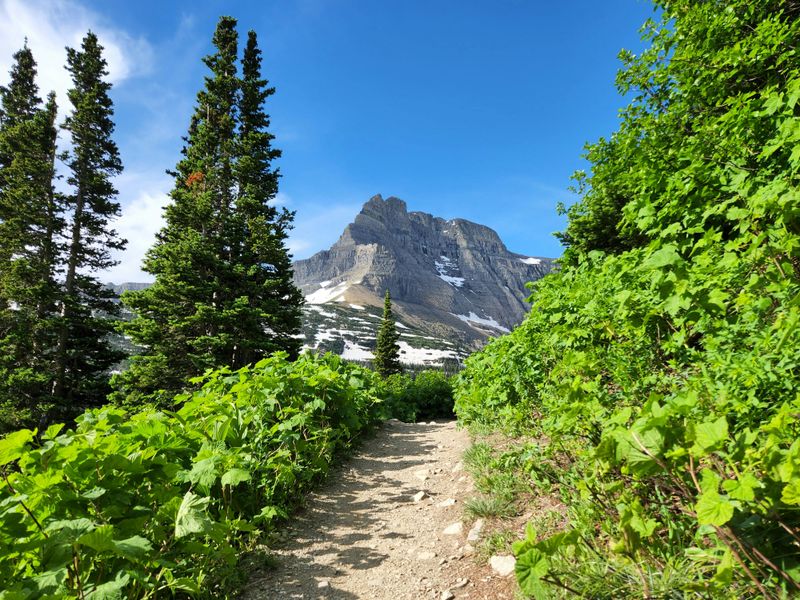
Here is the big one you keep hearing about, and it is true. Leaving the trail in Montana’s high country chews up thin soils and bruises alpine plants that grow painfully slow.
One shortcut becomes a side path, and soon the neat singletrack widens into a dusty trench that sheds water and rips downhill.
Those tiny cushion plants and lichens are not just scenery. When feet trample them, recovery can drag on for decades, sometimes longer than we will be visiting these ranges.
Land managers call it one of the most common impacts because they see the braided scars and the bare, sliding slopes every season.
If a trail feels muddy, rock hop inside the corridor instead of skirting the edge. Step on durable surfaces like stone and packed ground, not the soft mats that look like green pillows.
When you reach a switchback, stay with it, even if the straight shot looks inviting.
You will still get the views, and your photos will look the same, but the mountain will breathe easier.
In places like the high passes near Logan Pass in Glacier National Park, those little steps matter more than you think. Let the trail do its job, and the next hiker will see plants, not ruts.
2. Getting Too Close To Wildlife
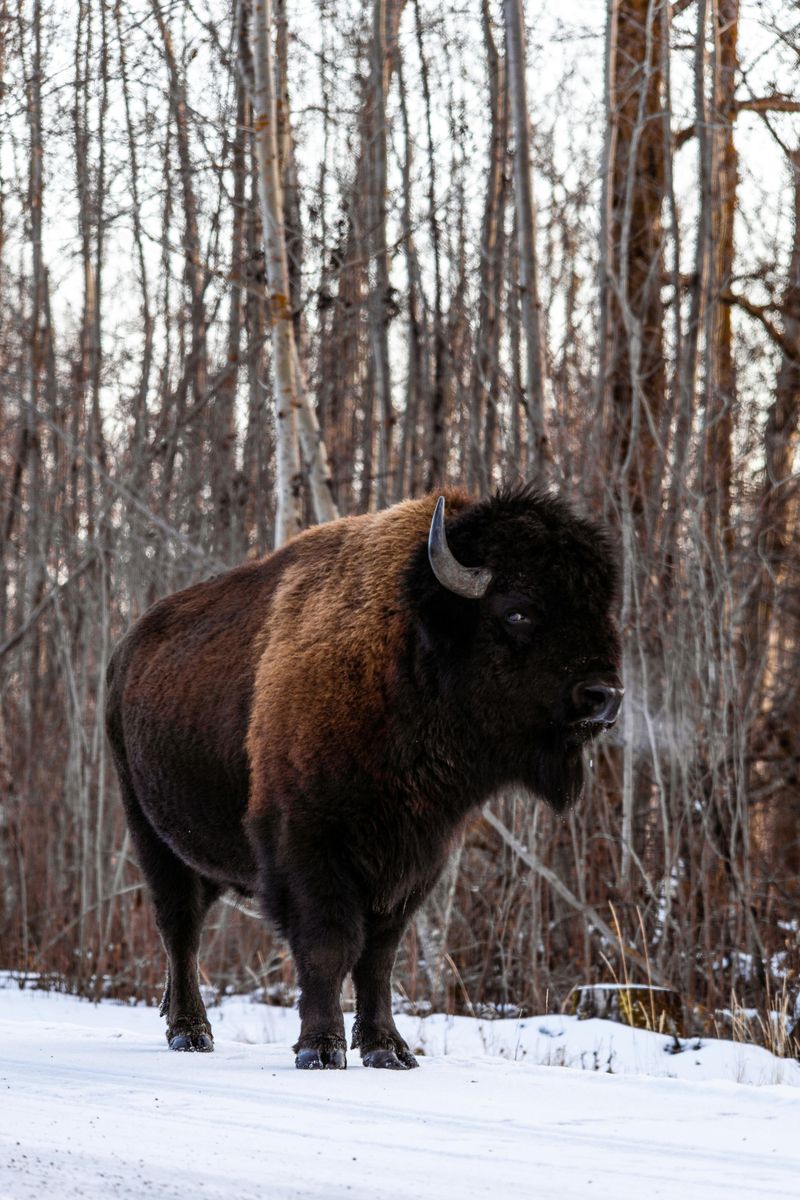
It is tempting, I get it. You spot a bull elk in soft light or a bison right by the road and the photo itch kicks in.
But pushing closer stresses animals and flips their natural behavior into uncertainty.
When wildlife gets used to people, rangers end up relocating them, and sometimes worse outcomes follow. That is not a story anyone wants on a road trip.
Montana parks and refuges set distance rules for a reason, and ignoring them puts both sides in a bad spot.
Use a zoom lens and stay inside your car when it makes sense.
If an animal looks at you, changes direction, or stops feeding, you are too close. Give bears extra space and learn the cues that say back off now.
In places like Lamar Valley across the border and the plains rolling toward the Missouri, you can watch from pullouts and still feel the wild hum around you.
The memory is better when the animals keep doing their thing. Let your respect be the quiet part of the experience, and the landscape will thank you.
3. Improper Food Storage In Bear Country
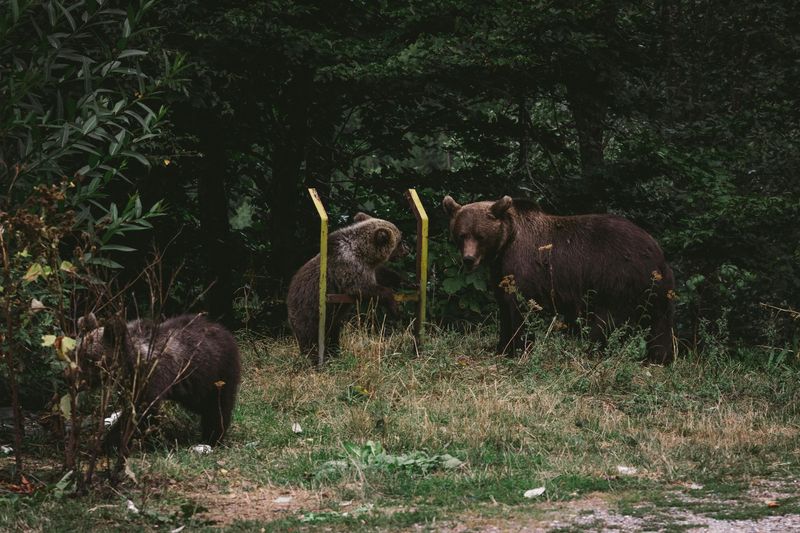
Food left out is basically an invitation. Bears learn fast, and one easy meal can set a pattern that keeps them circling camps and trailheads.
That puts people on edge and pushes bears toward management actions no one wants to see.
In Montana, agencies track incidents that start with a cooler left open or a snack in a tent. Bear resistant containers and lockers exist because they work, not because someone loves rules.
Skipping them brings real consequences, and it can ripple across an entire valley.
Make sure to keep a clean camp. Cook and store food away from your sleeping spot, stash trash, and lock scented items like toothpaste and wipes.
If a campground has lockers, use them without fuss, and if not, carry a container rated for bears and use it every single time.
On backpack trips, hang your bag where allowed or set the canister on level ground away from camp. You will sleep easier, and wildlife stays wild instead of curious.
It is a small routine that protects your trip and protects Montana’s bears at the same time.
4. Littering In Remote Areas
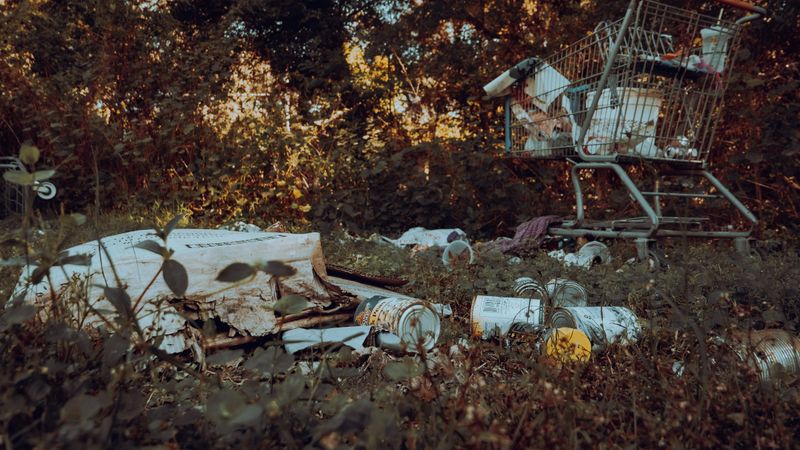
Trash does not sit still in the backcountry. Wind lifts wrappers, water carries lines and caps, and ravens scatter whatever they can grab.
What you leave behind almost never stays where you dropped it.
Even food scraps change animal behavior and pull critters toward camps and trails. Biodegradable does not mean harmless in sensitive places.
Once litter spreads, picking it up in steep or wet terrain can be painfully hard or flat out not possible.
I always pack small zip bags for micro trash, tear off packaging at home and rebag what I actually need for the trip.
If you see someone’s leftover mess, pick up what you safely can, because the next storm will move it deeper into Montana’s wild pockets.
It only takes a few minutes after a break to sweep the ground and look under logs and rocks where things roll. You will walk away lighter, and the meadow will look like you never sat there.
That is the kind of trace worth leaving, the kind no one notices.
5. Overcrowding Sensitive Locations
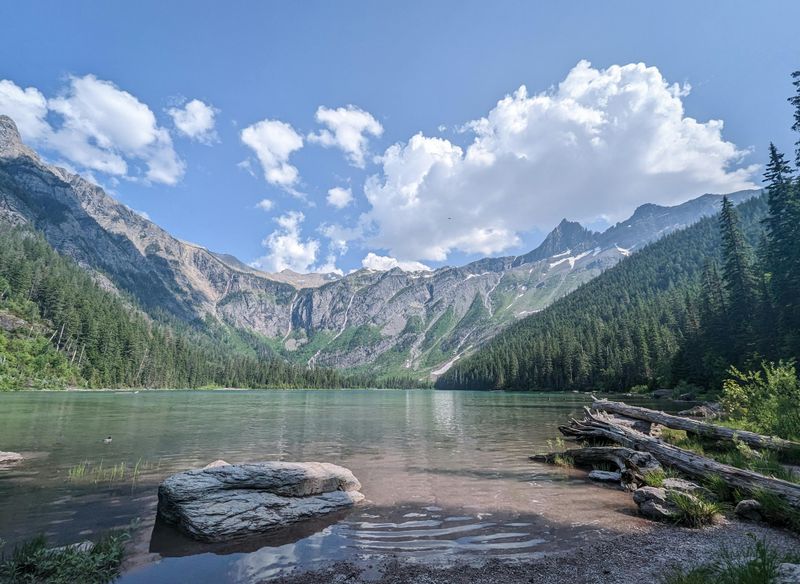
Some spots blow up online, and the crowds show up tomorrow. Thin shorelines and small overlooks get pounded, and trails built for light travel buckle under the load.
Soil compacts, plants disappear, and the vibe turns from quiet to stressed.
Managers are juggling access with preservation, and it is not an easy job. When too many boots land in the same place, damage ripples out past the photo point.
You can feel it in the eroded steps and the braided paths around puddles.
We can help by going early, going late, or picking a less famous trail nearby. Spread out the love and the ground has time to recover.
If there are permits or timed entries, that is a clue the area needs breathing room.
This state has more lakes and ridgelines than we will ever finish. Choose a quieter basin and you might find the same light with fewer footprints.
It is still your adventure, just with a bit more respect built in.
6. Driving Off Established Roads
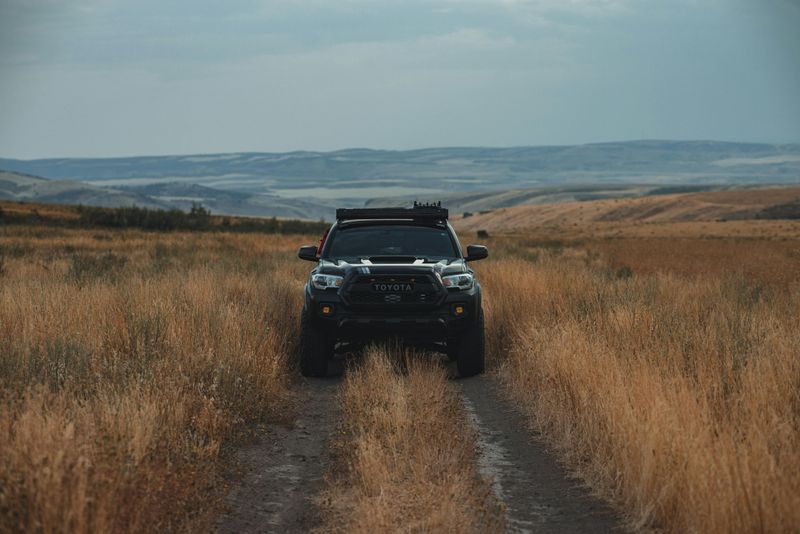
Cutting across open ground looks easy from the driver’s seat. Out there, every tire leaves a mark that outlasts the trip by a long stretch.
In dry country, those tracks can hang around like scars and lead others to follow.
Grasslands, wetlands, and even desert flats in Montana are not built for heavy wheels. Ruts break soil crusts, channel water, and slice through nests and burrows.
Most public lands draw a hard line on this, and violations keep popping up anyway.
Make sure to stick to signed roads and pullouts. If a shoulder is soft or muddy, find a better spot instead of chewing a new one.
The road is there to focus travel and keep the living parts of the landscape intact.
When in doubt, park and walk. You will see more and leave less, and the quiet will sneak up on you in the best way.
I feel like that is the simple trade that keeps Montana’s open spaces feeling open.
7. Collecting Rocks, Antlers, Or Artifacts

It is easy to think one rock or shed is no big deal. Multiply that by a season of visitors, and suddenly shelves are stripped and stories get lost.
In protected areas, removing natural or cultural items is often illegal, and it chips away at the whole picture.
Antlers feed small animals as they gnaw minerals. Artifacts hold history that belongs to everyone, not a living room shelf.
What seems harmless turns into a permanent gap when thousands of hands do the same thing.
Snap a photo and put it back. If it looks like an archaeological find, do not touch it, and note the spot for staff if needed.
The right choice keeps Montana’s heritage and habitats in place for the next wanderer.
Think of the landscape as a museum without walls, with natural cycles running in the background. Leaving things where they lay is part of the ticket.
You still bring home something real, a memory that grows instead of a trinket that fades.
8. Improper Campfire Use
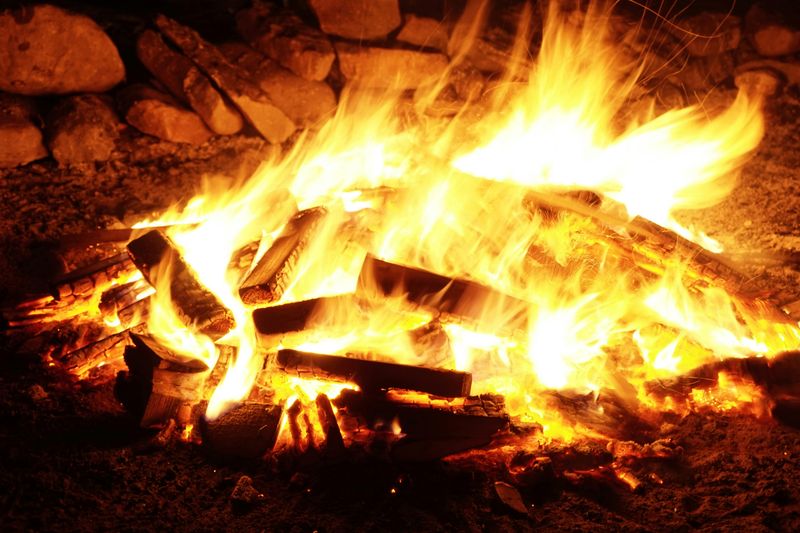
A fire that gets away can turn a mellow night into a bad story fast. Even a small ring in the wrong spot bakes soil and leaves a black scar that lingers for ages.
Too many of those and a meadow starts to look tired.
Here, a lot of wildfires come from people, which means we can prevent them with boring habits that really work.
Use established rings, keep fires small, and drown the coals until they are cold to the touch. If there are restrictions, that is your cue to skip it and enjoy the stars.
Pack a shovel and water or a container that can carry it. Build on bare mineral soil if a ring does not exist and fires are allowed, then scatter the cold ashes later.
Better yet, lean on a stove for heat and let the night stay dark and quiet.
Before you leave, do the back of the hand test and stir the pit again. No smoke, no heat, no problem.
It is a simple checklist that keeps Montana’s forests and grasslands breathing easy.
9. Polluting Rivers And Streams

Water looks like it washes everything away, but it holds onto more than you think.
Sunscreen, soap, and even tiny bits from wipes can hitch a ride downstream and nudge water quality the wrong way.
Sensitive fish and the communities that depend on these rivers feel that shift.
“Leave No Trace” has it nailed for this exact problem. Wash hands and dishes well away from the stream and scatter the grey water in the soil.
Use unscented products and let the land do the filtering before anything moves toward the channel.
For bathroom breaks, follow the local rules and pack out when required. A little planning with a kit makes it easy and quick.
The goal is a river that looks untouched and stays that way past the next bend.
Montana’s waterways carry a cold, clean flow that draws people from all over. Keep the suds and scraps out, and the clarity sticks around.
That is how a quiet crossing stays more than a photo, it stays alive.
10. Flying Drones In Restricted Areas
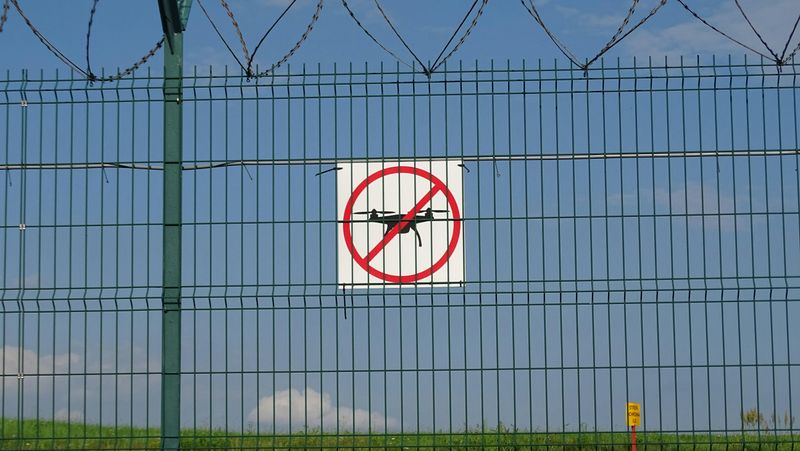
That buzzing sound flips the mood of a valley in seconds. Drones slice up the quiet and they can push wildlife off nests or feeding areas without anyone noticing from the ground.
In national parks they are banned, and lots of other public lands put tight rules around them.
Enforcement is tough, which means it is on us to do better. Check the site rules before you pack the controller.
If there is any doubt, leave it in the car and enjoy the silence that makes the place feel big.
When you do fly where it is allowed, steer clear of animals and people and keep it short. Think about sound carrying over water and rock walls.
Give the landscape room to breathe, because that hush is part of the draw in Montana.
There are plenty of ways to capture the moment that do not fill the air with noise. A still shot, a sketchy little tripod, a bit of patience.
Your memories will sound like wind in the grass instead of a buzz.
11. Creating New Campsites
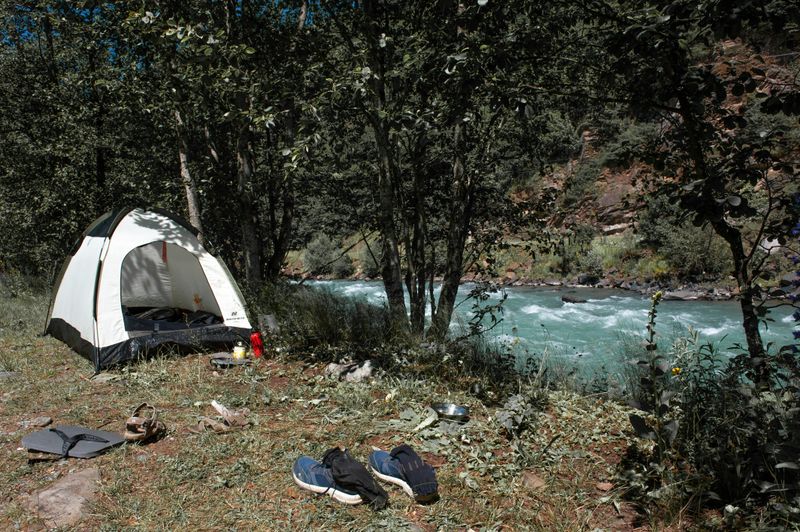
See a flat spot and feel the urge to claim it? That is how new campsites pop up and start spreading like freckles across a valley.
Each one clears ground, tramples plants, and anchors another ring of ash and nails.
Established sites are there to hold the impact in one durable place. When people skip those and scratch out a fresh pad, habitat gets chopped into bits and the damage lasts.
It also invites the next group to do the same thing, because it looks like a signal.
Pick the site that already exists, even if it is not perfect. Keep tents on the beaten ground, use the ring that is there, and store gear in the tough spots.
If everything is full, consider moving on instead of punching a new circle into the green.
The state has space, but the good kind comes with restraint. Cluster where it is designed, and the rest of the forest stays unmarked.
That is how a busy weekend still leaves quiet corners untouched.
