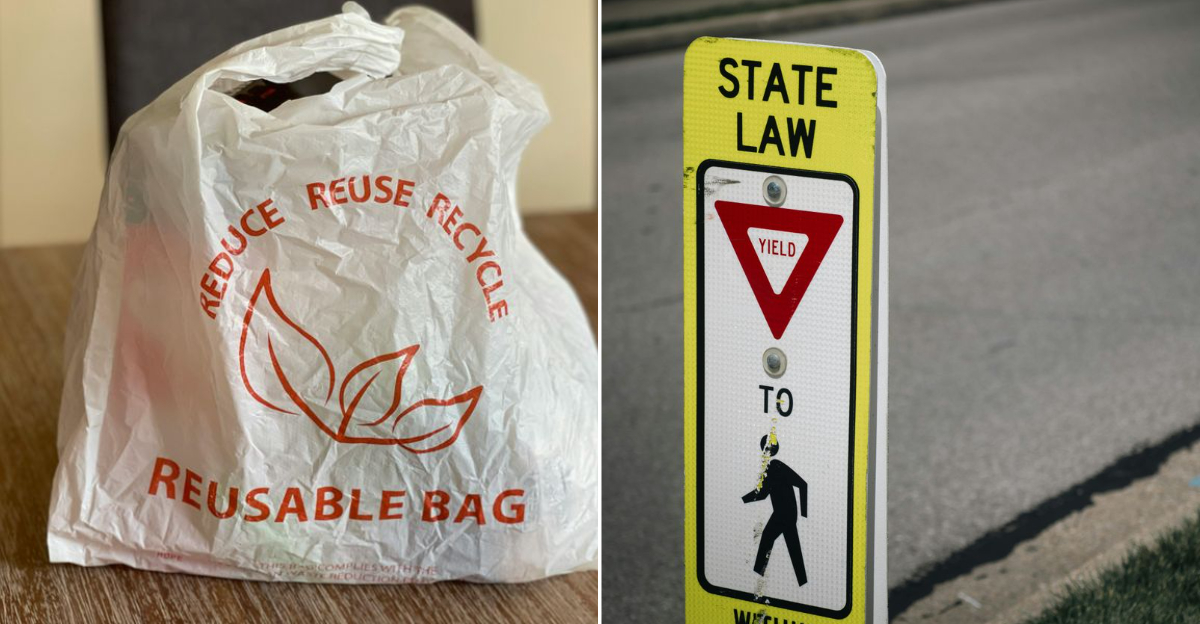
Ever been on a trip and suddenly thought, “Wait…that’s actually a law?” Illinois has a handful of quirky regulations that catch visitors off guard, and most people never see them coming. These aren’t your typical travel tips. They’re the kind of odd rules that make you laugh, scratch your head, or wonder how they ever ended up on the books.
Some of these laws feel like relics from another time, while others are just plain strange. They’re rarely enforced, but they still exist, shaping the state’s personality in ways you wouldn’t expect. It’s like stumbling across a hidden piece of local history that tells you more about how people used to live and what mattered back then.
So while you’re busy planning your Chicago skyline photos or mapping out the best spots for deep-dish pizza, keep in mind that Illinois has a few surprises tucked away. Who knows, you might break one of these weird rules without even realizing it. Ready to see which ones could trip you up?
1. Fireworks Are Mostly Illegal

You would think summer road trips end with loud skies, but not in much of Illinois. The state bans most consumer fireworks, including bottle rockets, Roman candles, and firecrackers.
Small novelty items like sparklers and smoke bombs slip through, which catches visitors off guard if they just crossed a border with looser rules.
Here is the part that trips people up. Stores might still sell festive party supplies, but the big boom items are not legal for private use.
If you are driving in from a nearby state and a trunk stash seems clever, it is better to leave it sealed or skip it entirely.
Police do enforce this during busy holiday periods, and neighborhoods tend to watch out for it. It is not about being a buzzkill, it is about safety and state policy.
If you crave a show, look for permitted municipal displays instead of tossing something in a backyard.
Want a simple plan? Keep sparklers for quick photos and put everything else back on the shelf.
Your ears and your itinerary will thank you when nothing flashes red and blue behind you.
2. Everyone Must Consent To Being Recorded

This one surprises people fast. Illinois is an all party consent state for recording private conversations, meaning everyone involved needs to agree before audio is recorded.
If you are used to one party consent back home, that habit can land you in an awkward spot here.
Think about quick voice memos, interviews, or even capturing a chat for notes. Ask first and get a clear yes.
It feels formal, but it keeps you on the right side of the law and helps avoid conflicts when someone notices a phone sitting face down on record.
Public spaces can be tricky because privacy expectations shift by context. A crowded train platform feels public, but a private chat is still private if the group intends it that way.
When in doubt, step back, say a friendly heads up, and wait for a response.
Do you plan to vlog your trip? Great, just be thoughtful when voices are involved.
A quick consent check makes Illinois smoother and keeps your footage stress free.
3. You Can’t Pump Gas For Charity Events
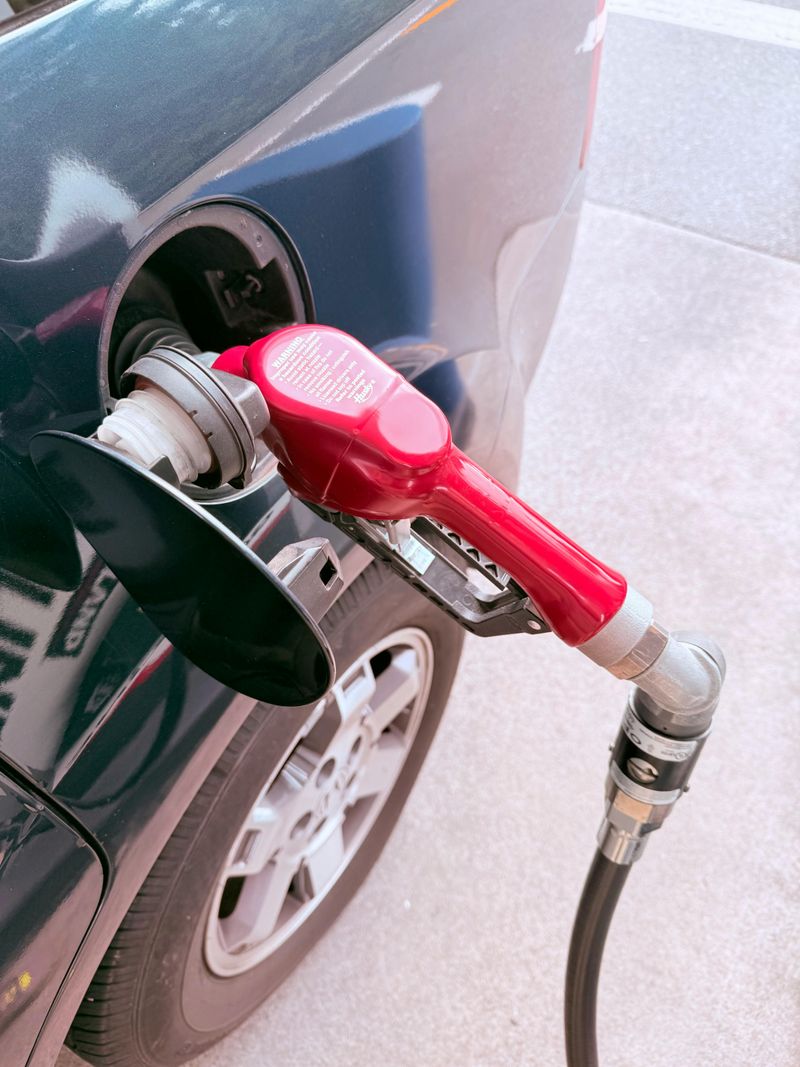
Here is a curveball. Fundraising events where volunteers pump gas are not allowed in Illinois because of safety and liability concerns.
It is a surprise if you come from places where community car washes and gas pump fundraisers pop up every weekend.
The rule is not anti-charity. It is about trained staff, insurance coverage, and handling fuel safely.
Stations may still host donation drives, but the hands-on pumping part is not part of the program.
If you spot a cause you want to support, ask how they are collecting funds instead. There might be a donation jar inside or a digital link.
You still get to help without stepping into a role the state flags as risky.
Road trips love good deeds and quick stops, so keep your wallet handy, but let the pros handle the pump. You will roll out clean, legal, and still doing some good along the way.
4. Plastic Bag Fees Aren’t Optional
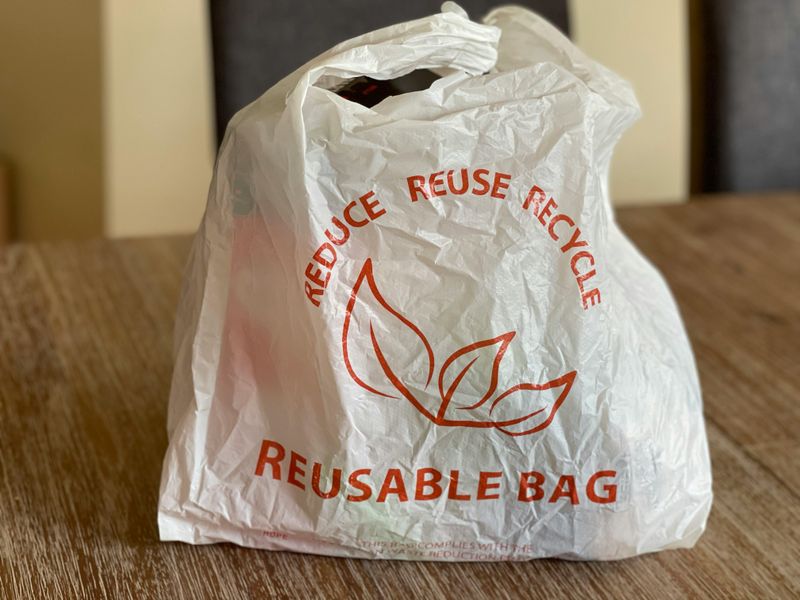
Heads up at the register: many Illinois cities charge for plastic shopping bags, and Chicago applies a bag tax at grocery stores, convenience stores, and pharmacies.
The fee shows up on the receipt, and it is easy to miss until the total looks a little higher.
The goal is to cut waste and nudge people toward reusable bags. If you keep a tote in the trunk, you will save small charges and skip that crinkly stack at home.
Tourists often forget on the first run, then adapt by the second stop.
This is not a scam or a random surcharge, it is policy. Signs are usually posted near the entrance or at checkout.
If you do not see one, ask the cashier so you are not surprised later.
Make sure to fold a lightweight bag into your daypack and you are set for snacks, sunscreen, and whatever you grab. This state makes it simple if you plan the tiniest bit ahead.
5. Most Beaches Ban More Than You Expect
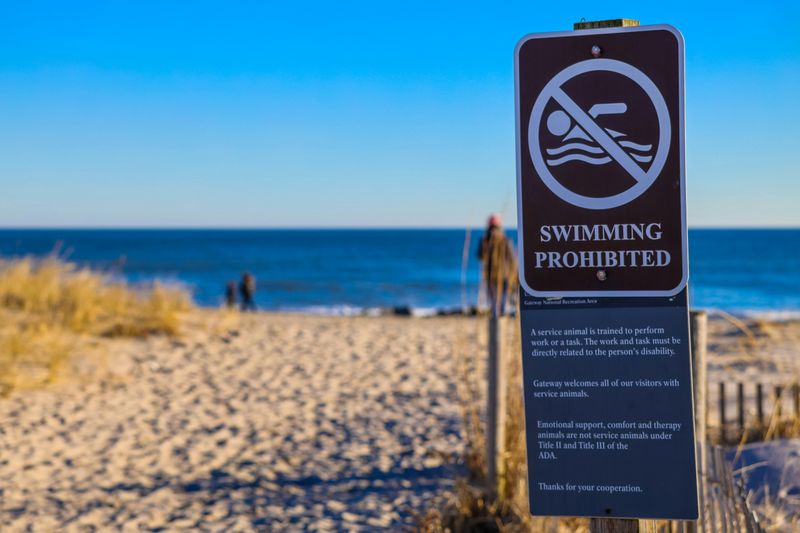
Lake day plans can hit a rules wall. Illinois public beaches often restrict more than after hours swimming, and certain items, activities, and big setups are banned outright.
Visitors assume beach rules are chill, but Illinois keeps things tight to protect the shoreline and crowds.
Think tents, big speakers, drones, and oversized structures. Many spots limit them or require permits.
It keeps sightlines open and avoids clutter that can turn a sunny stretch into a maze.
Know that lifeguard schedules also matter. When the staff clocks out, some areas close the water or the entire beach, and ignoring that can get you escorted out.
The signs are not just decoration, so give them a quick read before you drop your bag.
Want to relax without hassle? Pack light, skip the elaborate setup, and enjoy the lake breeze.
Illinois beaches are lovely when you play by the local script.
6. Billboards Are Heavily Controlled
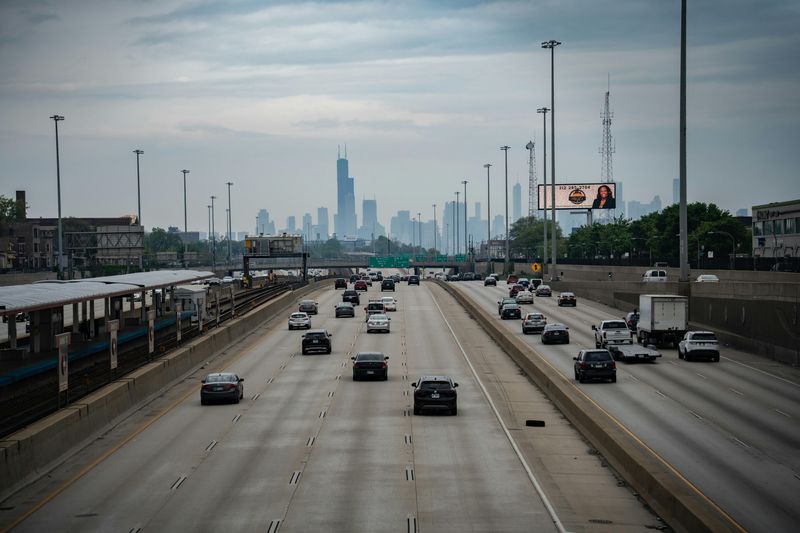
You will notice long stretches of highway that feel strangely open. This state tightly controls billboard placement along highways to preserve views and cut visual clutter.
Road trippers often comment on how empty the horizon looks compared to neighboring states.
This is by design, not neglect: zoning, spacing, and size rules keep big signs from stacking up every few seconds.
For drivers, it can mean calmer sightlines and fewer last second distractions.
If you rely on billboards for navigation like me, plan a backup. Save maps offline, mark exits, and jot down the next rest area ahead of time.
You will miss fewer turns and do less abrupt lane dancing.
The quiet scenery grows on you after a while. Fields, sky, and tidy signage make the miles feel less noisy.
Illinois goes for less clutter, and honestly, it works on a long day behind the wheel.
7. City Parks Have Enforced Curfews

Late night strolls sound romantic until the park gates close. Many Illinois parks shut down at night, often around a posted curfew, and staying inside can count as trespassing.
Photographers and walkers get tripped up by this more than they expect.
The signs are usually near entrances, but they blend in with trail maps and hours.
A quick glance saves a ticket and an awkward chat with security. If you are planning star photos, find a spot that actually allows after dark access.
Different towns enforce differently, but do not count on a pass. Once the hour hits, staff sweep through, and it is time to wrap it up.
You can bring a headlamp for the walk out so you are not fumbling on the path.
Simple plan: check the posted times when you arrive and set a quiet alarm. This state keeps parks tidy by sleeping them on schedule, and that rhythm makes mornings nicer too.
8. Food Trucks Can’t Park Just Anywhere
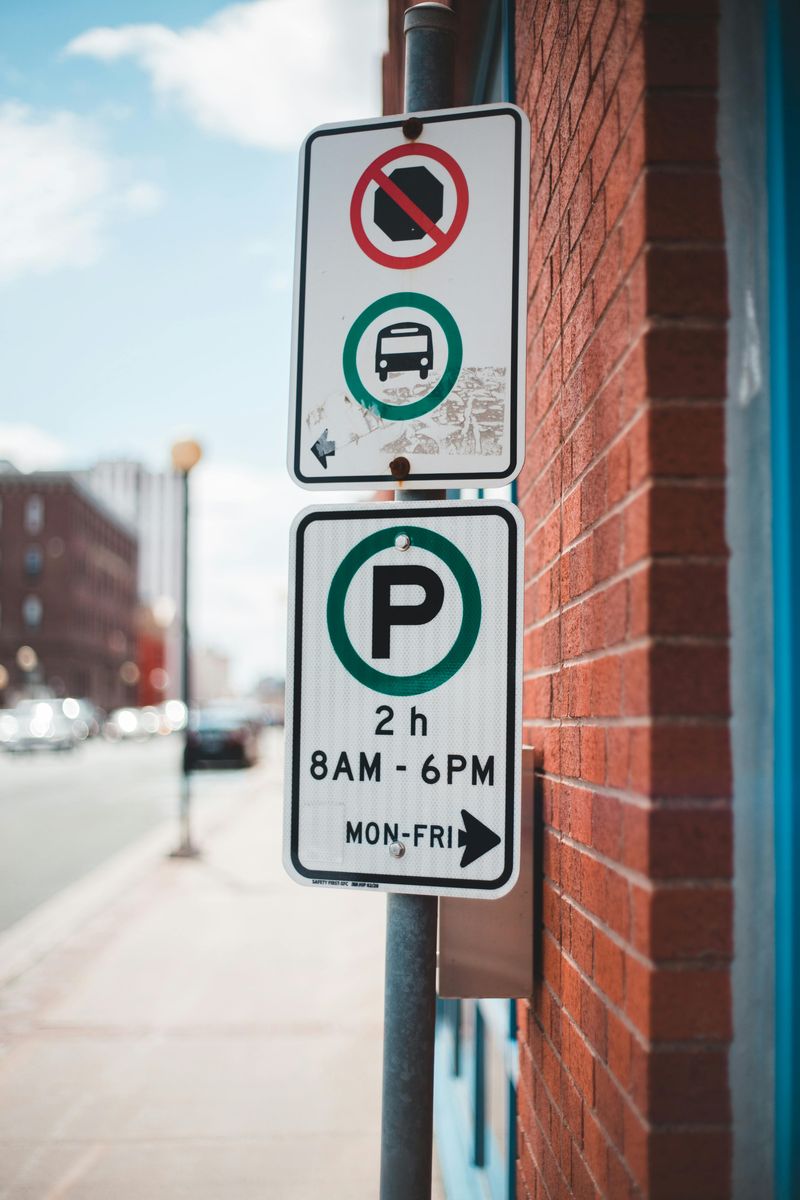
If you picture a free roaming food truck safari, Illinois might slow your roll. Cities enforce strict zoning, and Chicago limits how close trucks can park to brick and mortar restaurants.
That means your favorite truck may orbit a block or two instead of landing right outside a busy storefront.
Rules also define where trucks can stage, how long they can stay, and which zones are fair game. I know it sounds fussy, but it keeps sidewalks flowing and neighbors calm.
Apps and truck social feeds are your friend because locations shift with permits.
Do not treat a random curb like a sure bet, look for marked stands or common gathering spots late morning and midday. If a truck moves, it is playing by the rules, not ghosting you.
Chase the schedule, not the smell, and you will eat faster, walk less, and skip the ticket drama that sometimes follows.
Cities in this state keep the scene moving with a lot of behind the scenes choreography.
9. License Plates Are Watched Closely
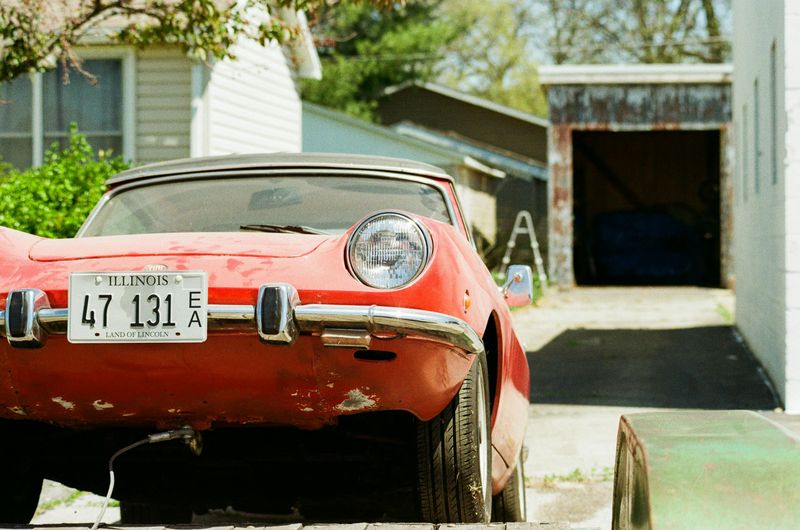
This one is not glamorous but it matters. Illinois enforces license plate issues hard, including expired tags, covered plates, or unreadable frames.
Out of state drivers sometimes assume tiny problems will slide, and then the lights flip on behind them.
Clean the plate, ditch any tinted covers, and check that the frame does not block numbers or state names.
If your registration sticker style is different back home, still make sure everything looks clear. A couple minutes at a rest stop can save a very boring detour.
Know that rental cars are not immune either. Do a quick walk around before you pull out, because road grime builds up fast on long interstate runs.
Snap a photo so you can prove it looked fine if you need to.
Short version: visible, current, and tidy wins the day. Illinois traffic stops are not the souvenir you want, and this is easy to fix.
10. Jaywalking Laws Actually Get Enforced
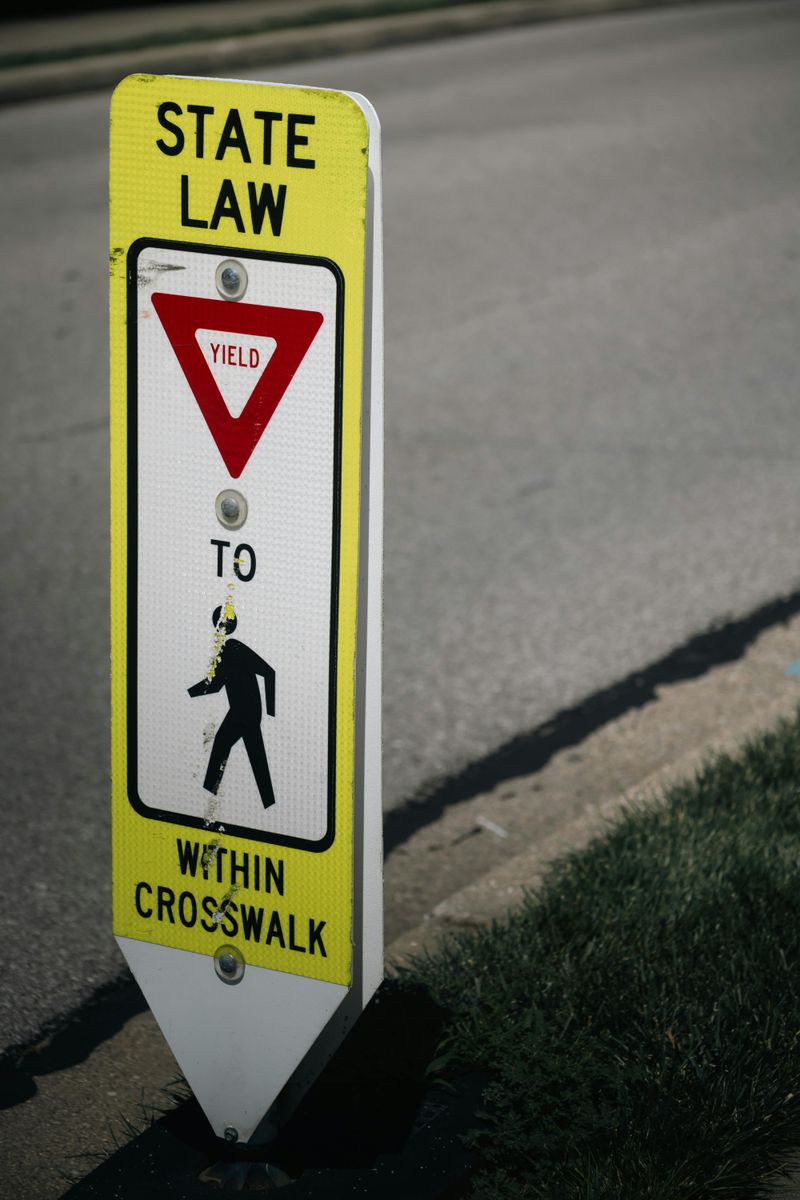
Crossing mid block feels normal until a whistle blows. This state allows cities to ticket unsafe crossings, and in busy areas enforcement really happens.
Tourists step out when the gap looks good, then realize local rules do not love that move.
Signals matter here, so wait for the walk, use marked crosswalks, and do not sprint diagonally through traffic like it is a movie scene.
You will move just as fast by catching the next green and keeping it calm.
Downtown cores pay attention near transit hubs and stadiums. It is less about being picky and more about keeping traffic from turning into chaos.
Follow the paint and the little glowing person, and you are golden.
If you are unsure, hang back a beat. Watch what locals do at that exact corner, then mirror it.
Illinois crowds tend to know which lights run long and which ones turn fast.
11. Tinted Windows Can Get You Pulled Over
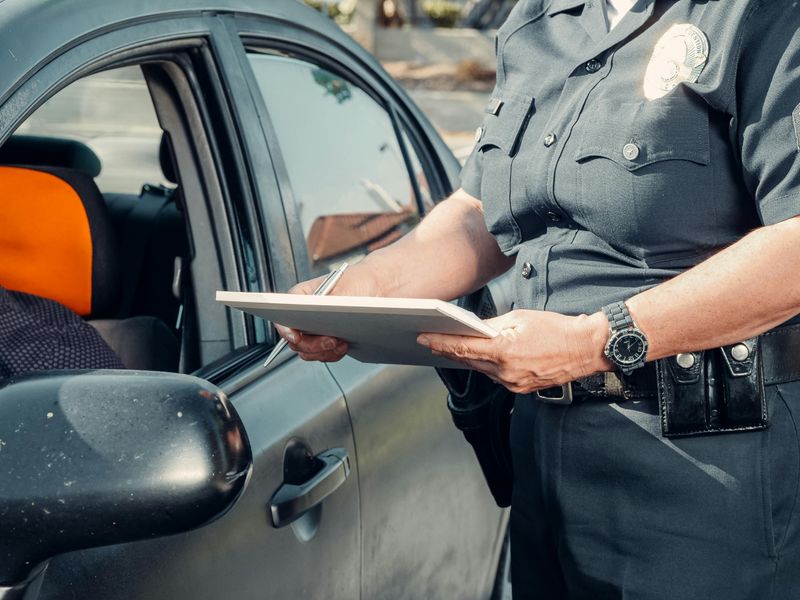
Window tint is a sleeper issue on road trips. The state sets specific limits on how dark your tint can be, and cars that are legal in another state may not pass here.
Plenty of drivers learn this at a traffic stop instead of a garage.
If you are borrowing a friend’s car or driving a rental, check the windows in daylight. If the interior looks like a black mirror, it might be too dark.
Some vehicles have different rules by body style, so general assumptions can mislead you.
Police check fronts more than rears, and reflective films draw extra attention.
Make sure to keep a copy of your home state paperwork if you think it helps, but remember Illinois enforces local standards on its roads. Playing it safe beats debating pavement side.
I think a good road habit is cracking the windows at night when you pull up to a booth or checkpoint so everyone feels at ease.
It is small, respectful, and makes the whole interaction smoother.
12. Certain Items Can’t Be Sold On Sundays
This one feels old fashioned but it still pops up. Some Illinois towns keep local ordinances that restrict the sale of specific goods on Sunday mornings.
The list changes by community, which makes it confusing when you are just passing through.
You might walk in ready to buy and hit a polite no from the clerk. They are not being difficult, they are following local code, and the register will not allow it.
If you need something particular, call ahead so you are not sprinting across town.
These rules fade in some places and hold in others. They are a patchwork, like speed bumps that come and go as you cross city lines.
The safest play is to stock up the day before if your plan includes a quiet Sunday start.
Keep expectations loose that morning, enjoy the slow roll, and circle back later. Illinois will open up as the day moves on, and you will be right back on track.
Dear Reader: This page may contain affiliate links which may earn a commission if you click through and make a purchase. Our independent journalism is not influenced by any advertiser or commercial initiative unless it is clearly marked as sponsored content. As travel products change, please be sure to reconfirm all details and stay up to date with current events to ensure a safe and successful trip.
