Nevada is full of legal oddities that make road trips feel like time travel, yet Las Vegas often writes its own playbook.
Step beyond the Strip and you will discover rules that linger from mining booms, frontier experiments, and small town priorities.
Understanding where they do and do not apply can smooth your travels and spark memorable detours.
Come along as I unpack nine head-scratching laws across the Silver State, then show why the neon capital operates by different norms.
1. Camel Riding on Highways Is Technically Illegal
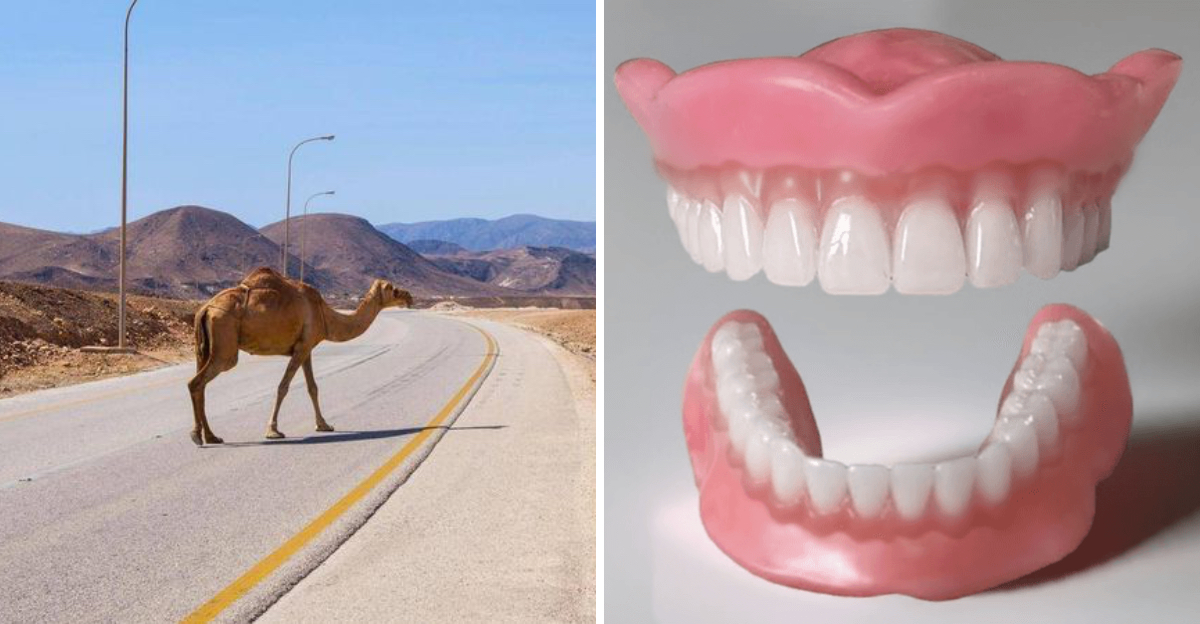
Camel lore runs deep in Nevada, a relic of the military experiment that tested desert caravans long before interstates. An old statute still outlaws riding a camel on public highways, a protective measure that once aimed to reduce spooks and accidents around horse teams and wagons. The rule survives in scattered municipal codes and state references, an echo from the age of pack trains and dust tracks.
Las Vegas does not enforce this highway quirk, and you will not meet camels on the Beltway. On the Strip, any camel sightings arrive as themed photo backdrops or controlled entertainment settings, far from traffic lanes. Travelers can safely assume modern transport rules prevail inside Clark County.
If you crave the desert vibe, keep the adventure to scenic drives like Valley of Fire or Red Rock Canyon and leave ungulates to ranchlands and sanctuaries. The broader state remains proud of its camel chapter, but the law is a museum piece in practice. In the city, transport rules focus on ride shares, designated pickup zones, and clear flow. It is a split personality, classic Nevada outside, streamlined Las Vegas within.
2. Men with Mustaches Can’t Kiss Women in Eureka
Local lore in Eureka tells of an ordinance that supposedly bars men with mustaches from kissing women, a classic barbershop anecdote repeated by guides and small town histories. Whether once enforced or not, it surfaces as a humorous reminder of Victorian era morality and public decency codes. You will hear it cited with a wink, a playful artifact of a mining camp that matured into a courthouse town.
Las Vegas has no interest in facial hair romance rules. Public conduct ordinances focus on safety and nuisance behavior, not grooming choices or consensual affection. On Fremont Street, the real boundaries involve performer zones, crowd management, and pedestrian flow, not mustache etiquette.
Travelers who love roadside stories will find this tidbit a perfect stopover icebreaker. Visit the Eureka County Courthouse and browse local displays to place the tale in context. Across Nevada, small municipalities often retain colorful history even when provisions fade from the books. In the big city, the atmosphere stays pragmatic and crowd oriented. It is a neat contrast, the whisper of Victorian decorum in one place, the hum of modern entertainment planning in another.
3. No Bench-Sitting in Elko After Dark
Elko’s mining era produced strict loitering provisions, including past rules that discouraged lingering on benches or sidewalks after sunset. The idea was to keep saloons and boarding houses from spilling into all-night street gatherings. Over time, the ordinance softened and enforcement faded, but the legend persists among local stories of frontier social order.
Las Vegas operates differently. Nightlife is an engine for tourism, and benches are standard along Fremont Street and in downtown plazas. The city manages activity with performance circles, clear-path rules, and public safety patrols rather than blanket bans on simply sitting.
If you stop in Elko today, you will discover galleries, the Western Folklife Center, and a mellow downtown rhythm that prizes courtesy over curfew. In the metro south, the lights stay bright and the pedestrian scene rolls on into the morning. The distinction captures Nevada’s split personality, wide open and traditional in one region, choreographed and visitor focused in another. For travelers, it is a reminder to read local signage, respect posted hours, and embrace the shift in tone as you cross the state’s high desert corridors.
4. Don’t Drive Camels or Goats Through Reno’s Streets
Reno’s early codes discouraged driving herds through town, a practical response to clogged wagon routes and startled teams. Livestock belongs on ranch roads and designated corridors, not outside storefronts or theaters, so the rule kept commerce moving. Today it reads like a frontier postcard, yet it reflected very real traffic control needs.
In Las Vegas, you will not encounter animals in traffic except for permitted parades and specialty events with strict barricades. The city calibrates its streets for buses, rideshares, and cab stands, especially near resorts and arenas. Herding through Las Vegas is a nonstarter, and animal handling falls under event permits and welfare policies.
Road trippers crossing Nevada will still see ranch gates and cattle guards, a reminder that the state remains agricultural beyond its urban hubs. Reno’s downtown has art walks and university energy, not cloven-hoof congestion. Down south, transport priorities revolve around visitor circulation and convention schedules. The moral for travelers is simple, read the local code before staging any novelty ride. What began as a rancher’s rule now stands as a quirky time capsule.
5. It’s Illegal to Pawn Your Dentures in Mesquite
Mesquite’s municipal code has barred pawn shops from accepting medical devices such as dentures, a targeted response to theft and hygiene concerns. The restriction kept sensitive items out of secondary markets while protecting vulnerable residents. It is a practical rule with an odd headline, and it still pops up in law trivia lists.
Las Vegas runs an expansive pawn scene but does not mirror this exact limitation. Local shops follow state regulations, plus store policies that set intake standards for identification, proof of ownership, and sanitation. False teeth do not feature in display cases, yet the formal prohibition belongs to Mesquite’s book, not the metro’s.
Travelers often recognize Mesquite for golf courses and easy interstate access, but the code reveals how small cities tailor rules to community needs. In the valley to the southwest, businesses operate under a larger compliance framework shaped by county and city offices. The contrast highlights Nevada’s patchwork approach, with each municipality solving different problems. If you love odd law hunts, this one makes a tidy stop on a loop between the Virgin River corridor and the Strip.
6. No Hula Hoops on the Sidewalk in Reno
Reno placed limits on sidewalk performances that once included hula hoops, unicycles, and similar acts in congested areas without permits. The goal was pedestrian safety and predictable crowd flow during events and busy weekends. Over time the city refined permitting, keeping active street art while protecting walkway access.
Las Vegas takes a more codified approach for its busiest pedestrian zone. On Fremont Street, performers use marked circles and comply with time slots, letting the spectacle unfold without blocking emergency routes. The city encourages creativity inside a clear framework, which is a different flavor from blanket restrictions.
If you are touring Nevada with a camera, compare Reno’s Riverwalk ambience to the neon canopies downtown in the south. You will notice how each place balances spontaneity and order in a distinct way. For travelers who dabble in busking, check the current municipal pages before setting up. The rules shift from town to town, and Las Vegas offers signage that simplifies compliance for visiting artists.
7. Exploding Targets Are a No-Go Outside Clark County
Many Nevada counties restrict explosive targets on public lands due to wildfire danger and noise complaints. Dry seasons and gusty basins heighten risk, so sheriff offices and land managers publish clear advisories. Those guidelines protect rangeland, wildlife habitat, and nearby communities that live with summer red flag days.
In the Las Vegas area, ranges and training facilities operate under separate safety rules and controlled environments. Organized venues emphasize backstops, supervision, and fire protocols, a different setting from dispersed desert spots. The effect is a practical divide, public land caution in much of the state, managed options near the metro.
Check current notices from county websites and the local BLM district before any outing. Burn restrictions and seasonal closures update frequently, and penalties can be steep after a flare up. For visitors, the takeaway is simple. Keep recreation at sanctioned locations in Clark County, and respect broader Nevada’s heightened fire posture when you venture beyond the valley.
8. No Burros in Hotel Rooms, Tonopah’s Throwback Rule
Tonopah remembers its boomtown days with stories of prospectors who treated burros like family and pack trucks. Early hotel rules barred those animals from climbing stairs or staying in rooms, a simple sanitation and quiet-hours fix. The line became local folklore, an amiusing snapshot of life between claims and assay offices.
Las Vegas hotels operate on modern pet policies that focus on service animals and designated accommodations. Even during promotional events that feature animals outdoors, equine guests remain outside, under handlers and barriers. Inside the towers, cleanliness codes and liability policies set a firm standard.
Travelers fascinated by Nevada mining history should tour the Central Nevada Museum and the old Mizpah Hotel public spaces in Tonopah. Architecture and exhibits explain why such rules existed and how towns adapted as they grew. When you return to Las Vegas, the contrast is immediate, from lobby marble to security teams and elevator banks. The state’s past and present meet at the county line, one side practical ranch logic, the other high capacity hospitality.
9. It’s Illegal to Lie Down on the Sidewalk in Boulder City
Boulder City restricts lying on public sidewalks and sleeping outdoors in commercial districts, a policy tied to its carefully planned civic identity. The town was built for the Hoover Dam project and still favors tidy streets and clear pedestrian corridors. Ordinances focus on access, safety, and a quiet residential feel.
Las Vegas handles public space differently, with targeted regulations on camping and obstruction rather than a simple lying-down ban. The details depend on location, time, and posted notices, and enforcement prioritizes high-traffic areas. Visitors should read signs and understand that rules change block by block across the valley.
For a day trip, Boulder City offers tree lined avenues, public art, and a walkable core near the historic district. It is a gentle counterpoint to the constant motion of downtown Las Vegas. The comparison shows how Nevada supports varied local choices under one state umbrella. As you move between towns, adjust your habits to match local expectations, and you will navigate comfortably.
Dear Reader: This page may contain affiliate links which may earn a commission if you click through and make a purchase. Our independent journalism is not influenced by any advertiser or commercial initiative unless it is clearly marked as sponsored content. As travel products change, please be sure to reconfirm all details and stay up to date with current events to ensure a safe and successful trip.
