
Oregon looks carefree from the highway, yet small rules can trip you the minute you pull off for a view.
Visitors hear wild stories, then learn the truth the hard way when a local ordinance meets a confused rental car.
This guide sorts myths from enforceable realities, so you can enjoy the state without accidental tickets.
Read on for clear explanations, real addresses, and practical fixes that keep your trip smooth.
1. Discarding Human Waste in Cars
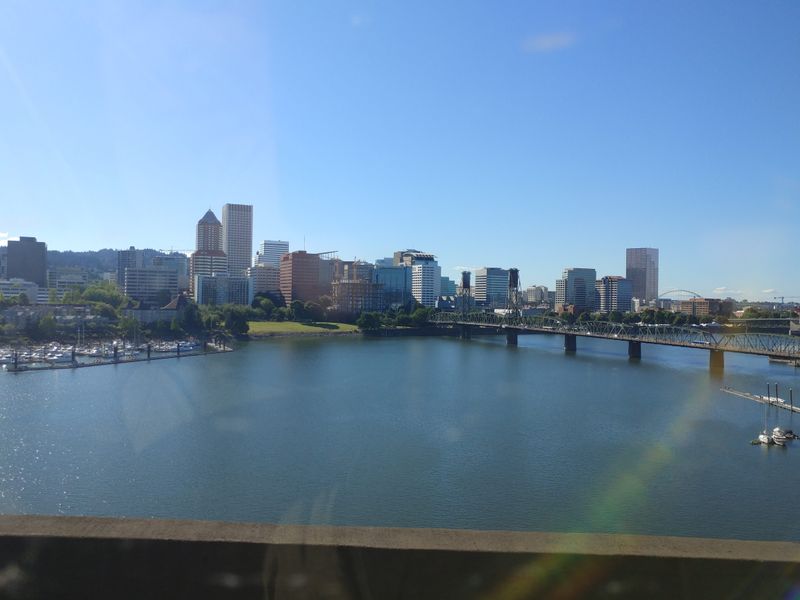
Road trips through Oregon invite long stretches between stops, but tossing any container of bodily waste out the window is both unsafe and illegal.
State litter laws and public health rules apply on highways and in towns, and enforcement can happen anywhere officers witness the act.
If you need facilities near Portland, use the I 5 Rest Area Northbound, 12200 SW 68th Pkwy, Tigard, OR 97223.
Tourists sometimes rely on improvised bottles, then panic about smell, and fling the container, assuming rural space means no one will see.
Cameras, patrols, and other drivers report these incidents, and citations can follow with cleanup costs.
Oregon takes roadside sanitation seriously because storm drains and waterways connect quickly to salmon habitat.
Plan realistic bathroom stops and keep sealed trash inside the vehicle until you reach a proper bin.
Highway rest areas, grocery store bathrooms, and trailhead vault toilets offer safe options along popular routes.
In the Columbia River Gorge, look for facilities at Multnomah Falls Lodge, 53000 E Historic Columbia River Hwy, Bridal Veil, OR 97010.
On the coast, many day use parks post hours and provide restrooms you can count on outside peak weekends.
When unsure, call an Oregon State Parks office or check the site’s page before you set out.
The simplest habit is packing resealable bags, paper towels, and sanitizer, then stopping as soon as a restroom appears.
Do not stash waste under seats and forget, since summer heat will make the ride miserable.
Keep it clean, respect the roads, and Oregon will feel welcoming from the first mile.
2. Littering Across the State
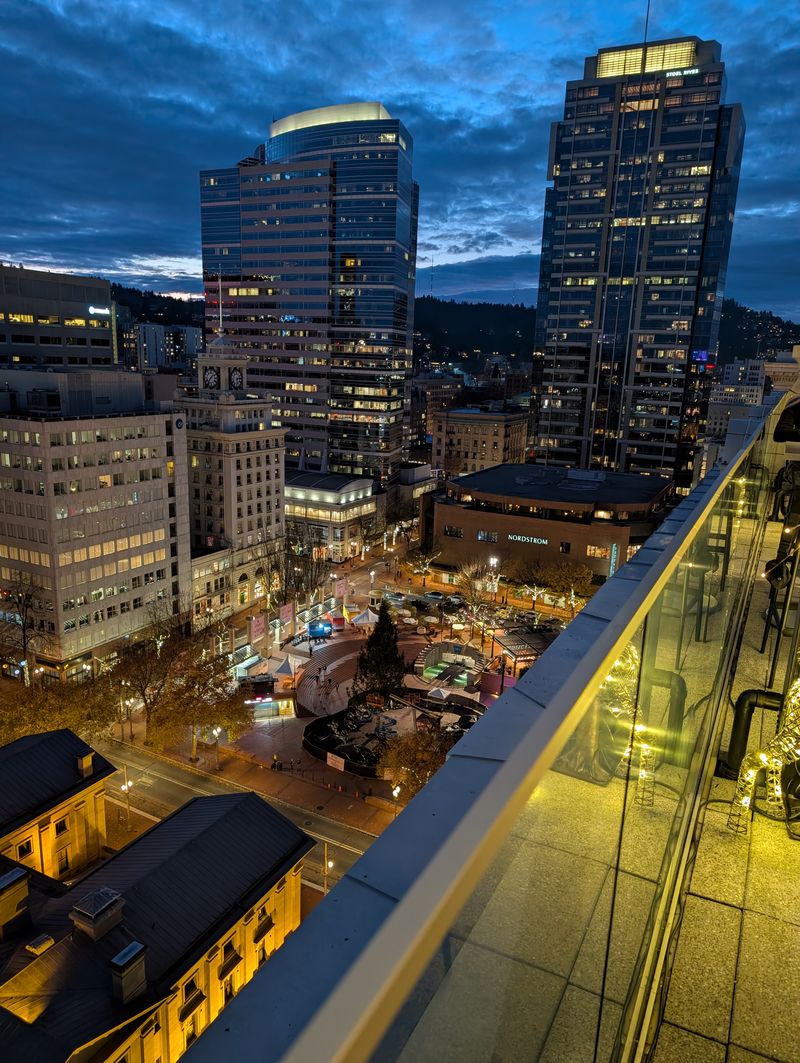
Visitors often underestimate how strictly Oregon enforces litter rules, especially around scenic corridors and city centers.
Anything tossed outside a bin, from snack wrappers to napkins, can trigger fines if an officer or ranger observes it.
In downtown Portland, you will find ample bins near Pioneer Courthouse Square, 701 SW 6th Ave, Portland, OR 97205.
Oregon communities work hard to keep storm drains free of debris that would otherwise flow into rivers and wetlands.
This environmental ethic shows up in tidy sidewalks, park signs, and frequent volunteer cleanups you might see on weekends.
Respecting the system keeps neighborhoods friendly and helps wildlife avoid harmful plastics.
Carry a small bag for personal trash so you can hold items until the next available can.
On hikes, pack out everything, including fruit peels that do not belong in local ecosystems.
Trailheads along Forest Park, 2960 NW Upshur St, Portland, OR 97210, have bins at major access points but not deep inside.
Car interiors stay neater if you assign one compartment for recyclables and another for general waste.
At beaches, wind can scatter lightweight pieces far down the shore before you notice.
Weigh napkins or receipts under a wallet while you gather yourself after a picnic.
When you treat public spaces like your porch, locals share recommendations more readily.
The habit also saves time because you will not need to backtrack for a lost receipt drifting into traffic.
3. Whistling Underwater In Portland Myth
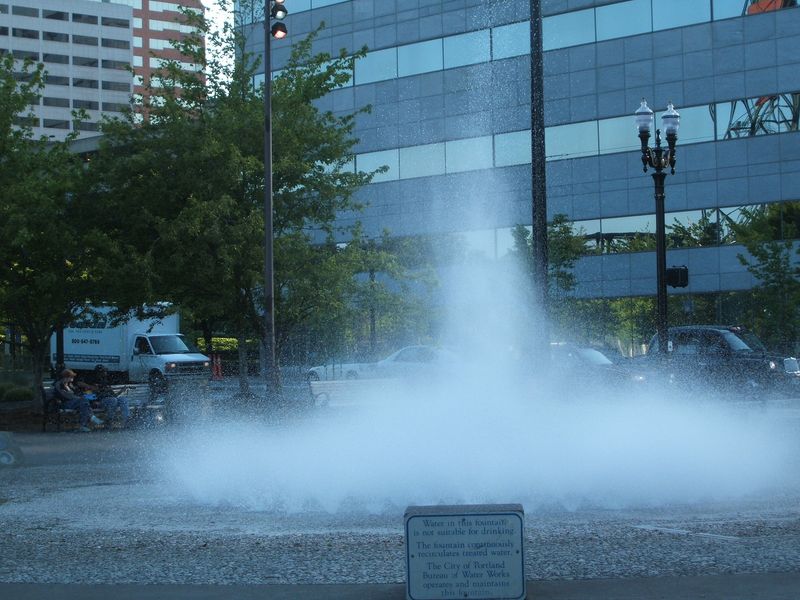
You might hear that Portland bans whistling underwater, a quirky claim that surfaces in listicles and trivia tours.
In reality, this is folklore, not an active citywide law enforced by lifeguards or police.
If you plan a swim day, the Portland Parks and Recreation headquarters sits at 1001 SW 5th Ave, Portland, OR 97204 for program details.
Public pools do post whistle rules for lifeguards, but those target safety signals, not submerged humming.
The confusion usually blends pool etiquette with urban legend, then travels by word of mouth.
Front desk staff will point you to posted rules that focus on running, diving zones, and appropriate swimwear.
While the myth is fun, focusing on real regulations saves you from friction during family visits.
Respect lane designations, rinse before entry, and follow capacity limits during busy open swim sessions.
For orientation, visit the Dishman Community Center and Pool, 77 NE Knott St, Portland, OR 97212.
Signs there are straightforward, and lifeguards respond to visual cues rather than imaginary underwater melodies.
Oregon pool facilities emphasize clear communication, so staff will explain any policy you find confusing.
Ask early, since expectations can vary between lap sessions and recreation hours.
This local legend makes a fun conversation starter, yet it should not guide your packing list.
Bring goggles, a towel, and courtesy for shared spaces, and you will be fine.
4. Driving Without Shoes Myth
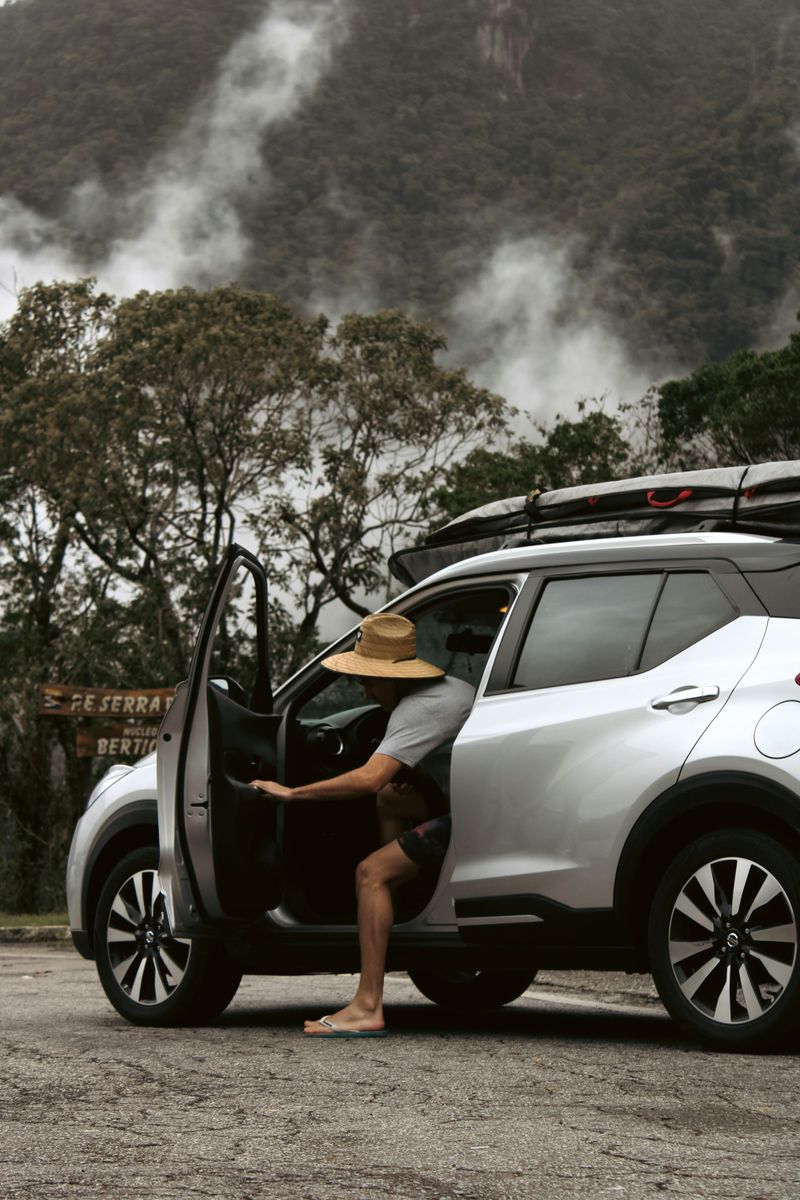
Another rumor says Oregon bans barefoot driving, which sounds specific and dramatic.
No statewide statute forbids operating a vehicle without shoes, though unsafe driving can still draw attention.
If you need licensing details, the Oregon DMV Headquarters is at 1905 Lana Ave NE, Salem, OR 97314.
Footwear choice matters for control, so flimsy sandals or muddy boots can become a practical hazard.
Police focus on behaviors that show a driver lacks full command, such as swerving or delayed braking.
If footwear contributes, the citation will reflect the unsafe operation, not a shoe rule.
When touring the coast, keep sturdy shoes handy for wet boardwalks, then switch for comfort in the car.
Pedal feel changes between vehicles, so test the layout in a parking lot before hitting traffic.
Rental agencies often list safety tips in the glove box that help you adjust quickly.
In Oregon’s hilly towns, rolling stops and quick climbs demand precise footwork on narrow streets.
If your shoes slip, pull over, adjust laces, and wipe soles rather than pushing through discomfort.
A small floor mat cleanup kit prevents grit from compromising traction under the pedals.
Keep the myth in perspective, drive smoothly, and choose footwear that supports your plans.
You will enjoy the state more when the car feels like an extension of your judgment.
5. Public Decency And Park Rules
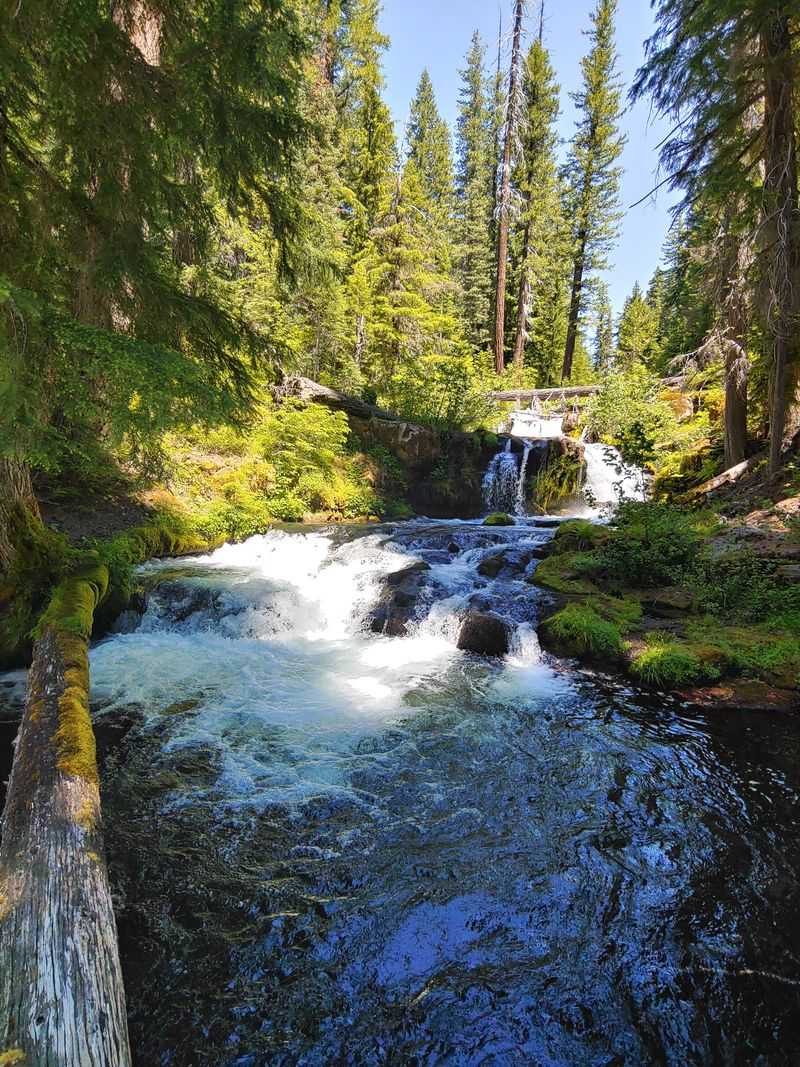
Park visits feel casual, yet Oregon closely manages behavior to keep shared spaces welcoming for families.
Public decency laws prohibit exposure and disruptive conduct, and some parks ban certain activities outright.
For official guidance, head to Oregon State Parks, 725 Summer St NE Suite C, Salem, OR 97301.
Tourists sometimes assume beach gatherings allow anything, then meet rangers who explain limits posted at trailheads.
Pay attention to quiet hours, amplified sound restrictions, and closures that protect sensitive habitat.
Restroom availability may shift with season, so plan before sunset to avoid awkward choices.
Oregon’s coastline is public by law, yet rules vary by site, and city ordinances layer on top.
Check municipal pages when visiting beachfront parks that sit inside town boundaries.
Cannon Beach City Hall, 163 E Gower Ave, Cannon Beach, OR 97110, posts local notices that are easy to scan.
Rangers prefer education over penalties, but they will cite behavior that endangers others or damages resources.
Keep music low, store gear neatly, and leave wildlife alone, including tidepool creatures.
If you are unsure, ask at kiosks or call ahead, since staff appreciate proactive visitors.
Following the signs makes evenings calmer, and you will avoid awkward talks that stall your trip.
Oregon rewards respect with golden sunsets, quiet trails, and friendly waves from fellow travelers.
6. No Poop Left Behind
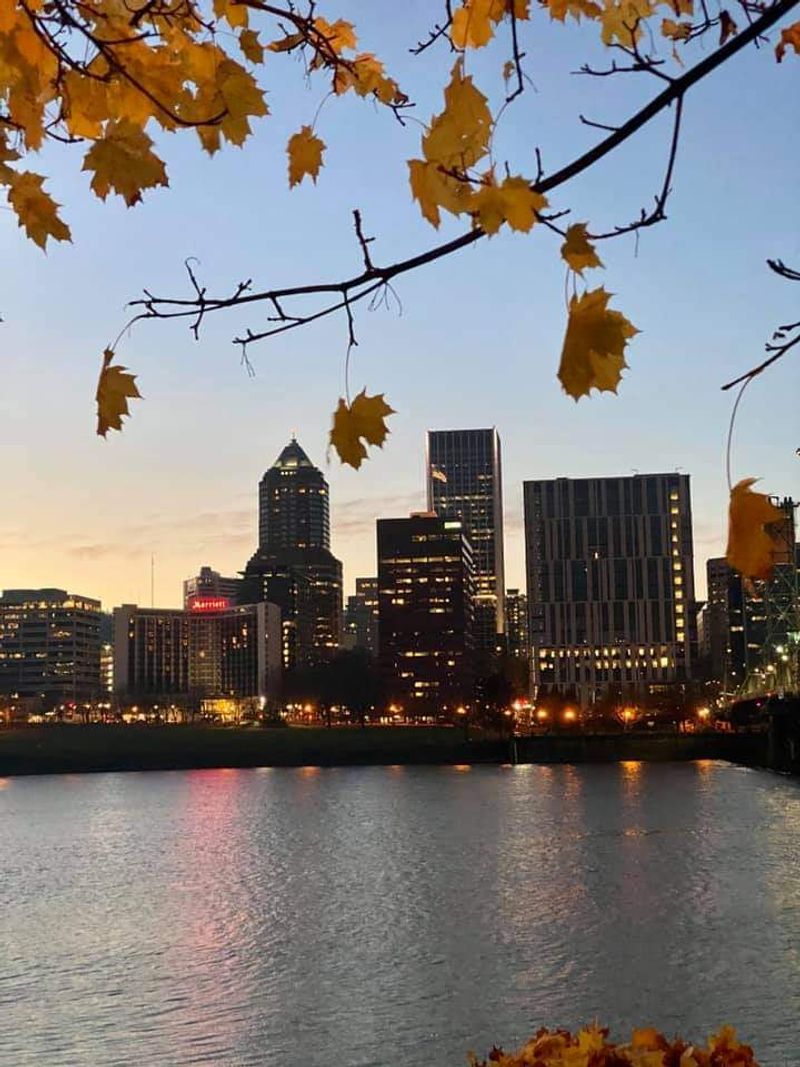
The so called no poop law confuses visitors because signs appear everywhere, from trailheads to residential blocks.
Statewide, litter and sanitation rules require proper disposal of animal waste, and cities reinforce those expectations.
In Portland, you can confirm local standards at the Bureau of Planning and Sustainability, 1900 SW 4th Ave, Portland, OR 97201.
Dog owners must bag and bin droppings, and leaving piles on lawns can lead to complaints and citations.
This protects waterways during rain, when runoff carries waste toward drains and creeks.
Oregon neighborhoods rely on simple stations stocked with bags, yet they still run empty on busy weekends.
Carry a spare roll and a small sealable pouch for the walk back to the nearest trash can.
On trails, step aside to tie the knot and keep traffic flowing around you.
Leaving bags beside the path counts as litter, even if you plan to grab them later.
For downtown strolls, Tom McCall Waterfront Park, 98 SW Naito Pkwy, Portland, OR 97204, has bins at intervals.
Tourists who model good cleanup earn smiles from residents and avoid tense conversations.
If you encounter a full bin, take the bag to the next can rather than balancing it on top.
The habit becomes automatic after a couple walks, and your itinerary stays pleasant.
Oregon appreciates travelers who treat sidewalks and parks like shared living rooms.
7. Car Alarms And Noise Limits

Repeated car alarms can trigger noise complaints in Oregon cities, particularly in dense Portland neighborhoods.
Local ordinances set quiet hours and prohibit prolonged alarms that disturb nearby homes.
For references on neighborhood rules, visit the City of Portland, 1221 SW 4th Ave, Portland, OR 97204.
Tourists sometimes leave rental car sensitivity set too high, then wind gusts or trucks set it off all night.
Residents will call non emergency lines when patterns continue, and an officer may contact you.
Keep fobs accessible, and learn the manual alarm shutoff before parking for the evening.
Choose well lit spaces, avoid tight spots near delivery bays, and fold mirrors to reduce incidental bumps.
Hotel garages often publish quiet rules that help you set expectations for entering and exiting late.
If you stay in a short term rental, ask your host about block specific concerns and preferred parking zones.
Northwest Portland’s Alphabet District, centered near 231 NW 11th Ave, Portland, OR 97209, posts residential notices clearly.
Remember that noise carries farther on cool nights and in hilly streets.
Short test cycles confirm whether your alarm reacts to passing streetcars or bikes.
Calm nights help everyone sleep, and you will wake up ready for Oregon’s trails and museums.
Respecting quiet hours earns neighborly goodwill faster than any travel tip can promise.
8. Seaweed At Night Coastal Myth
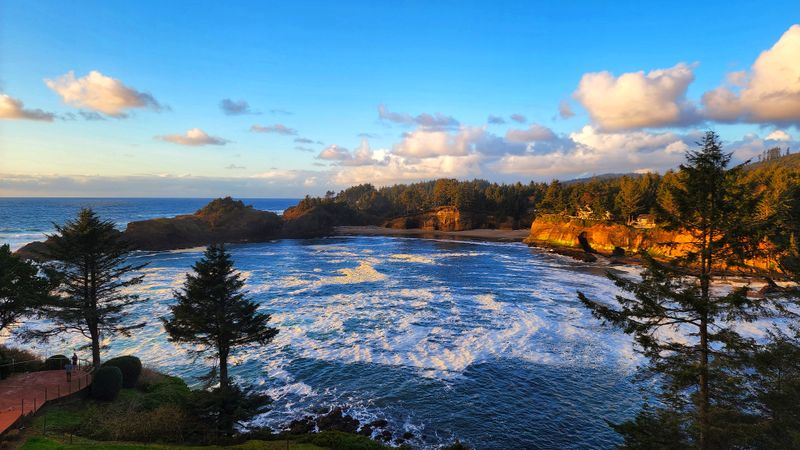
Stories claim it is illegal to collect seaweed at night on Oregon beaches, a rule borrowed from another region.
Oregon manages shoreline use through state parks and city codes, but this specific ban is not a standard statewide law.
Check details with the Cannon Beach Information Center, 207 N Spruce St, Cannon Beach, OR 97110.
Some areas do limit harvesting of marine resources, and protected zones may prohibit removal entirely.
Night restrictions often reflect safety concerns, such as sneaker waves and unstable logs, not seaweed alone.
Rangers prefer visitors leave natural debris in place to support shorebirds and dune health.
When in doubt, take photos, not souvenirs, and keep hands off wrack lines that shelter insects and crabs.
Use headlamps responsibly and avoid blinding others on dark pathways.
Beach access signs list closures and habitat protections that vary by season and nesting periods.
In Lincoln City, stop by the Lincoln City Visitor Center, 540 NE Hwy 101, Lincoln City, OR 97367, for current advisories.
Holding to posted guidance keeps beach patrols friendly and walks peaceful.
Oregon’s coast rewards patience with quiet stars, driftwood silhouettes, and the thrum of waves.
Take the myth as a reminder to check the local page before collecting anything, then enjoy the shoreline lightly.
You will leave fewer traces and earn wide open horizons in return.
9. Jaywalking In Busy Districts

Crossing mid block feels efficient until a quick whistle reminds you that Oregon enforces pedestrian rules in busy zones.
Citations can follow if you ignore signals or step outside marked crosswalks near transit corridors.
For clarity on urban design and safety, the Portland Bureau of Transportation sits at 1120 SW 5th Ave, Portland, OR 97204.
Downtown blocks bunch traffic, streetcars, and bikes together, so predictable walking patterns matter.
Signals include countdowns that help you gauge whether to wait or hustle.
Rangers and officers focus on intersections with crash histories during awareness campaigns.
Tourists find it easiest to stand at corners, make eye contact with drivers, and cross only on the walk icon.
Look for high visibility stripes, curb extensions, and islands that cue safer movement.
The Pearl District around 122 NW 10th Ave, Portland, OR 97209, features many timed signals in quick succession.
Nighttime wanderers should avoid chasing gaps in traffic because speeds can be deceiving on wide avenues.
Use the next intersection rather than weaving between stopped cars at mid block.
Oregon’s cities design for walkers, but the network works best when everyone follows the rhythm.
Staying patient keeps your day smooth and frees attention for public art and river views.
Let the signals guide you, and the city will feel easy to navigate.
10. Parking Signs That Shift Block To Block
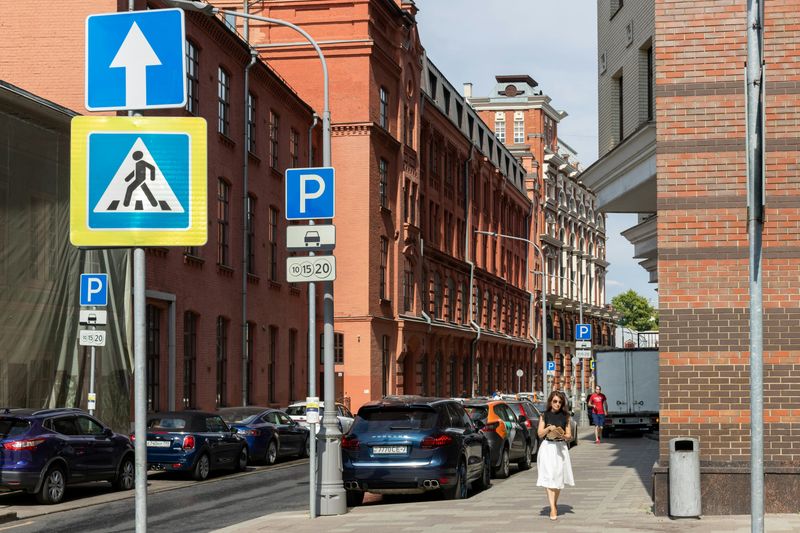
Portland’s parking matrix changes quickly, which surprises travelers who expect uniform rules along a single street.
Time limits, permits, and pay to park signs can flip between blocks, and enforcement is routine.
For maps and zone details, visit Portland Parking Services, 1120 SW 5th Ave, Portland, OR 97204.
Always read the entire sign stack, since event days or street sweeping create exceptions.
Meters may require a plate number entry, and some zones demand a printed receipt on the dash.
Use the official app if available, and set a reminder so you can extend within limits.
In neighborhoods near attractions, combine transit or walking to avoid circling for scarce curb spaces.
Garage rates vary by location, and they often publish closing hours that affect late returns.
The Pearl District garage at 122 NW 10th Ave, Portland, OR 97209, lists hours at the entry kiosk.
Watch curb paint, especially near corners, driveways, and bus zones where no stopping applies.
Towing is rare but possible when safety or access gets blocked.
If a sign confuses you, snap a photo and ask an attendant or call the listed number.
Oregon rewards patient readers of fine print with fewer tickets and calmer schedules.
Five seconds of attention can save an afternoon of appeals.
11. Highway Container Rules For Liquids
Travelers sometimes carry improvised liquid containers for long drives, which becomes a problem when disposal turns careless.
Oregon highway rules fold such containers into general litter and safety laws that forbid tossing anything from vehicles.
For official guidance on roadway conduct, contact the Oregon State Police, 3565 Trelstad Ave SE, Salem, OR 97317.
Keep containers sealed until you find a trash bin, and never drain contents onto shoulders or rest area landscaping.
Crews maintain pullouts to protect drainage, and spills can attract pests or create odors.
If a container leaks, double bag it and stop at the next station for proper disposal.
Rest areas list rules at kiosks that make expectations clear for travelers moving between regions of the state.
Truck stops also provide cleaning supplies and outdoor bins that handle road trip messes.
In Southern Oregon, Medford’s travel plaza near 2350 Biddle Rd, Medford, OR 97504, posts disposal stations.
Plan hydration and breaks so urgency does not lead to bad choices that affect others.
Rangers and officers treat these issues as public health matters, not just aesthetics.
When everyone holds waste until a bin appears, roads stay pleasant and wildlife stays safer.
Treat the shoulder like a living space that belongs to many users across seasons.
Oregon thanks you with cleaner views, clearer air, and relaxed drives between trailheads.
Dear Reader: This page may contain affiliate links which may earn a commission if you click through and make a purchase. Our independent journalism is not influenced by any advertiser or commercial initiative unless it is clearly marked as sponsored content. As travel products change, please be sure to reconfirm all details and stay up to date with current events to ensure a safe and successful trip.
