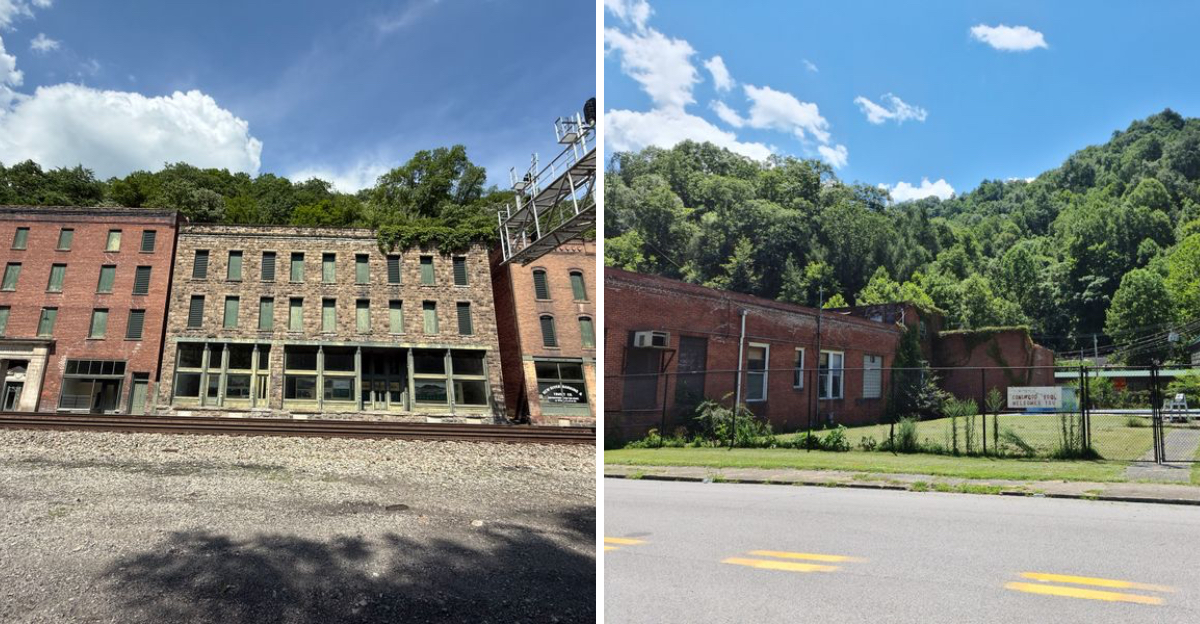
West Virginia hides some of its most charming communities in places where the pavement ends and gravel begins.
These hollow towns rest at the conclusion of twisting mountain roads, far from interstate exits and chain stores.
Travelers who make the journey discover a slower pace of life, where front porches serve as gathering spots and local history lives in every weathered building.
1. Helvetia: Swiss Heritage in Mountain Isolation

Mountain roads twist through dense forest before opening into Helvetia, where Swiss settlers established roots in 1869.
The village maintains traditions brought across the Atlantic generations ago, with Swiss heritage still visible in local foodways, music, and community gatherings.
White clapboard buildings line the main road, their architecture reflecting Alpine influences adapted to Appalachian conditions.
The Helvetia Community Fair happens each September, drawing visitors who come for traditional music and Swiss-inspired foods.
Local artisans practice crafts passed down through family lines, creating handwoven textiles and carved wooden items in small workshops.
The Culture Center occupies a restored cheese house, displaying photographs and artifacts that tell the settlement story.
Surrounding hills provide hiking trails that lead to overlooks where the entire valley spreads below.
Winter transforms the hollow into a snow-covered landscape that could pass for a European postcard.
The Hutte Restaurant serves meals based on recipes Swiss ancestors brought to these mountains.
Visitors find no cell service here, making the experience feel genuinely disconnected from modern distractions.
Spring wildflowers carpet the meadows surrounding the village, attracting photographers and nature enthusiasts.
The journey requires careful navigation of unmarked turns and narrow bridges, but the destination rewards those who persist.
Local families still farm the hillsides, maintaining agricultural practices that shaped the community character.
Evening brings quiet broken only by creek water and wildlife, a stark contrast to urban environments.
The settlement represents living history, where past and present coexist without pretense or commercial polish.
2. Thurmond: Ghost Town Along the New River
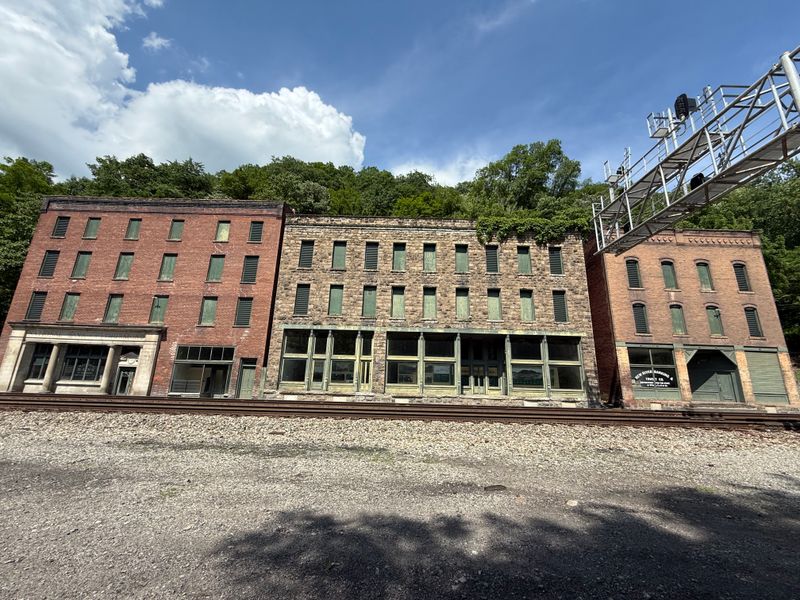
Railroad tracks run through Thurmond, a town that once thrived as a coal shipping hub but now stands mostly empty.
The depot remains as a National Park Service visitor center, interpreting the boom years when trains never stopped rolling.
Most structures date to the early 1900s, their weathered facades telling stories of prosperity followed by abandonment.
Only a handful of residents call Thurmond home today, down from roughly 300 to 500 people during its coal era peak.
The New River flows beside the town, its banks accessible by trails that connect to the larger gorge system.
Visitors walk streets where grass grows through cracked pavement, past buildings frozen in time.
The Dun Glen Hotel still stands, though its rooms no longer welcome guests as they did for traveling salesmen and engineers.
Railroad enthusiasts come to photograph the historic infrastructure and imagine the bustling activity that once filled this hollow.
Access requires a drive down into the gorge on a narrow approach road, where the historic depot area sits beside the tracks and river.
No commercial businesses operate here, making Thurmond purely a historical destination without modern amenities.
Autumn colors reflect in the river, creating scenes that attract painters and photographers seeking unspoiled landscapes.
The National Park Service maintains the site, preserving buildings against the elements and time.
Stories circulate about the town’s wild past, when gambling and drinking made Thurmond notorious throughout West Virginia.
Walking the empty streets feels like stepping into a sepia photograph, where echoes of the past seem almost audible.
The hollow setting amplifies the sense of isolation, making the ghost town experience complete.
3. Pickens: Farming Community in Randolph County
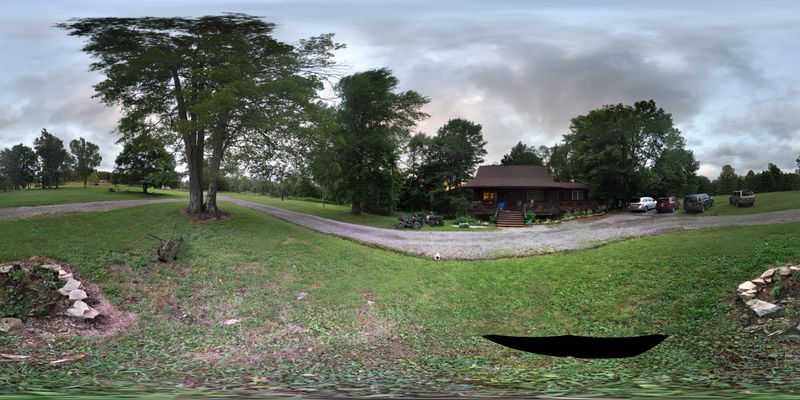
Pastures stretch between hillsides in Pickens, where cattle graze and farming remains the primary occupation.
The community spreads along a valley floor, with homes and barns positioned on level ground while forests climb the surrounding slopes.
Local families have worked this land for multiple generations, adapting to changing agricultural markets while maintaining traditional methods.
A country store serves as the social center, where residents gather for supplies and conversation.
The surrounding mountains create a bowl effect, trapping morning fog that slowly burns away as sunlight reaches the valley.
Spring brings lambing season, when fields fill with newborns and farmers work around the clock.
Gravel roads branch off the main route, leading to homesteads tucked into side hollows and creek bottoms.
The pace here moves with the seasons rather than clocks, with planting and harvest dictating community rhythms.
Visitors who arrive during haying season witness entire families working together to bring in crops before weather changes.
Evening brings spectacular sunsets as light filters through mountain gaps, painting the valley in orange and purple hues.
The community maintains a volunteer fire department and small church, institutions that anchor social life.
Deer and turkey populations thrive in the surrounding forests, making the area popular with hunters during fall months.
Winter can isolate Pickens when snow closes the roads, sometimes for days until plows reach this remote location.
The hollow provides excellent stargazing, with minimal light pollution revealing constellations and meteor showers.
This farming community represents a way of life that continues despite pressures to modernize or relocate.
4. Droop Mountain: Village Near Civil War Battlefield
History saturates the area around Droop Mountain, where Confederate and Union forces clashed in 1863.
The village sits adjacent to the battlefield, now a state park that preserves the site of the Battle of Droop Mountain, widely described as the last major Civil War battle fought in West Virginia.
A few homes and a church comprise the modern settlement, much smaller than the community that existed during wartime.
The battlefield park includes hiking trails that follow troop movements and interpretive signs explaining the battle sequence.
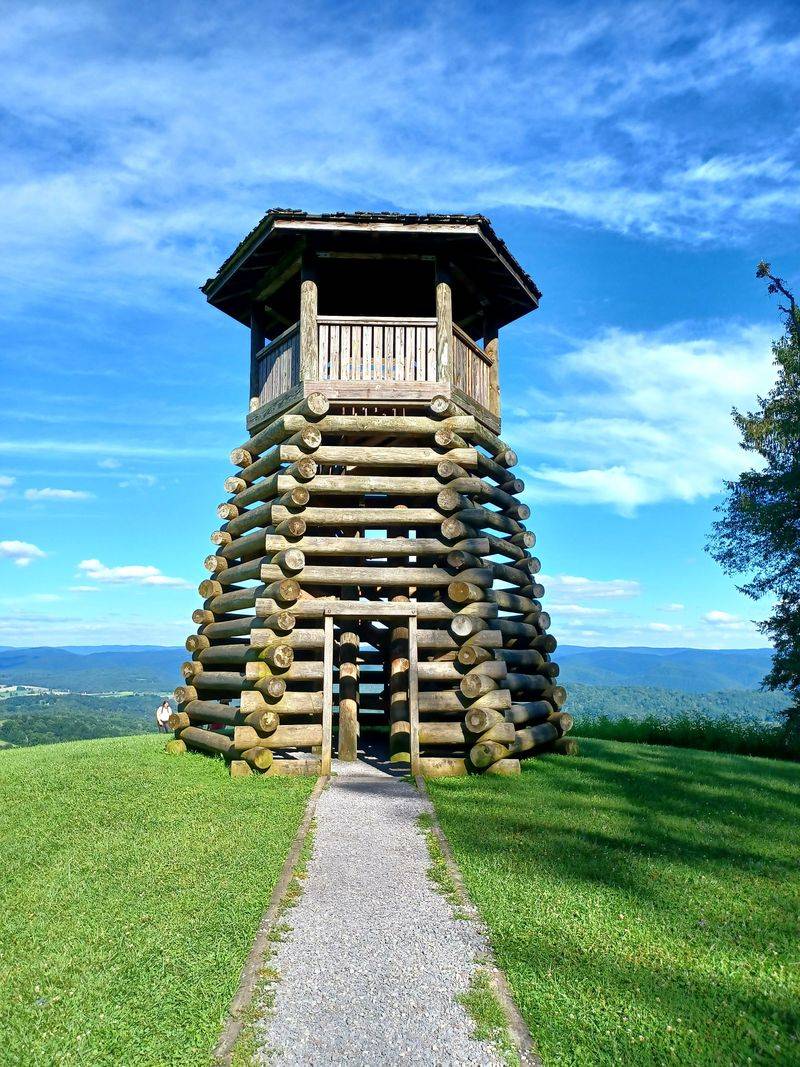
A lookout tower offers panoramic views across the mountains, showing the strategic importance of this high ground.
Reenactments happen annually, bringing the past to life with period uniforms and authentic tactics demonstrations.
The surrounding forest has reclaimed much of the battlefield, with second-growth trees now covering areas that were cleared during combat.
Local residents take pride in their connection to this historical event, maintaining the site and sharing stories with visitors.
The winding road to Droop Mountain climbs steadily, gaining elevation until the plateau appears.
Autumn transforms the landscape into a tapestry of reds and golds, making the battlefield especially photogenic.
A small museum houses artifacts recovered from the site, including bullets, uniform buttons, and personal items soldiers left behind.
The village itself offers no commercial services, existing primarily as a residential area for those who work elsewhere.
Winter snows blanket the battlefield, creating a solemn atmosphere that emphasizes the sacrifice made here.
The park hosts educational programs for school groups, teaching Civil War history through direct connection to the landscape.
This hollow town serves as a gateway to understanding a pivotal moment in state formation and national conflict.
5. Harman: Gateway to Wilderness Areas
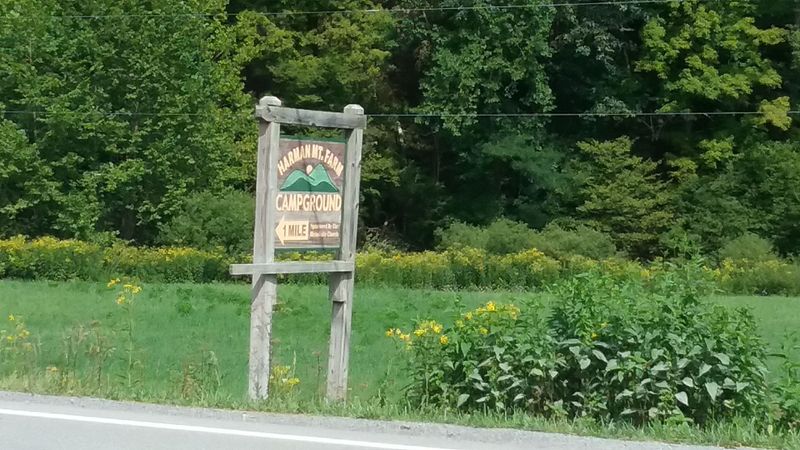
Harman functions as a last-chance supply point before wilderness areas swallow the roads entirely.
The town clusters around the intersection of two mountain highways, serving hikers and anglers heading into backcountry.
A general store stocks essentials for outdoor adventures, from fishing tackle to camping supplies.
The Dry Fork River runs nearby, its cold waters holding native brook trout that attract fly fishing enthusiasts.
Logging history shapes the community identity, with families connected to timber operations that once dominated the local economy.
Old railroad grades now serve as trails, leading deep into the Monongahela National Forest.
The town sits at an elevation where weather can shift dramatically, with summer thunderstorms rolling through mountain gaps without warning.
Local guides offer their services to visitors unfamiliar with the terrain, sharing knowledge of fishing holes and hiking routes.
A small church and community center provide gathering spaces for the few dozen full-time residents.
The surrounding mountains contain some of West Virginia’s most remote terrain, with areas where cell phones become useless and maps become essential.
Spring runoff swells the creeks, creating conditions that challenge even experienced kayakers.
The town celebrates its logging heritage with occasional events featuring chainsaw carving and timber sports.
Wildlife sightings happen regularly, with black bears, deer, and wild turkeys moving through the area.
Winter brings serious snow accumulation, transforming the landscape and making some roads impassable until spring thaw.
Harman represents the transition point between civilization and wilderness, where preparation becomes crucial for safe exploration.
6. Seneca Rocks: Climbing Community Beneath Fins
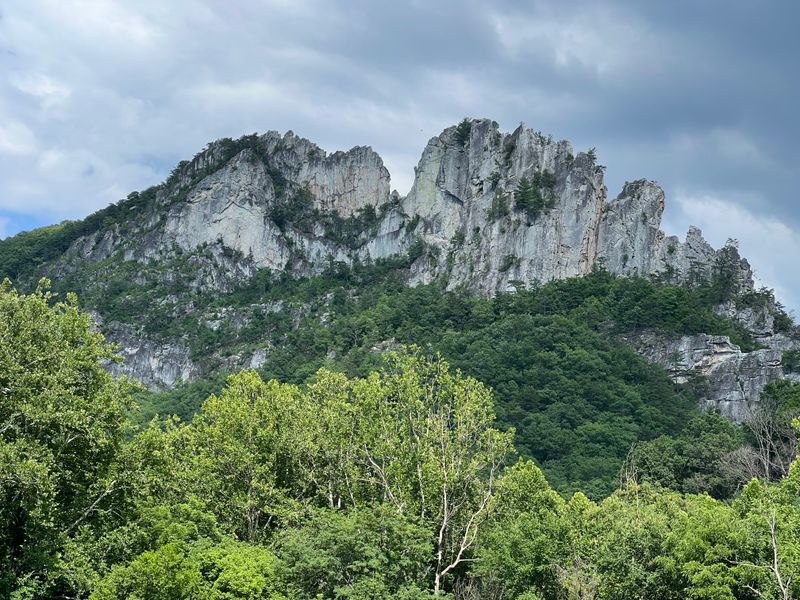
Towering rock fins dominate the skyline above Seneca Rocks, creating one of the most distinctive landmarks in eastern mountains.
The small community exists primarily to support climbers who come from across the country to scale the Tuscarora sandstone formations.
A visitors center operated by the Forest Service provides information about climbing routes and area geology.
The rocks rise nearly 900 feet above the valley floor, their sheer faces offering challenges for climbers of all skill levels.
Local outfitters rent equipment and provide guide services, helping newcomers safely experience vertical terrain.
The town includes a few restaurants and lodging options, all geared toward outdoor recreation visitors.
Hiking trails lead to observation platforms where non-climbers can watch others ascending the rock faces.
The North Fork South Branch Potomac River flows through the valley, adding water recreation to the area attractions.
Geology enthusiasts study the formations, which represent ancient seabeds lifted and tilted by tectonic forces.
The community maintains a laid-back atmosphere, where conversation often centers on routes completed and weather conditions.
Sunset illuminates the rock fins in golden light, creating photography opportunities that draw camera enthusiasts.
The area includes campgrounds where climbers gather around evening fires to share stories and plan next-day ascents.
Native Americans used this landmark for navigation and ceremonial purposes long before rock climbing became recreational.
Winter climbing attracts hardy individuals who tackle frozen routes, though most visitors come during warmer months.
Seneca Rocks represents a unique hollow town where vertical terrain shapes community character and economic life.
7. Coalwood: Homer Hickam’s Rocket Boys Hometown
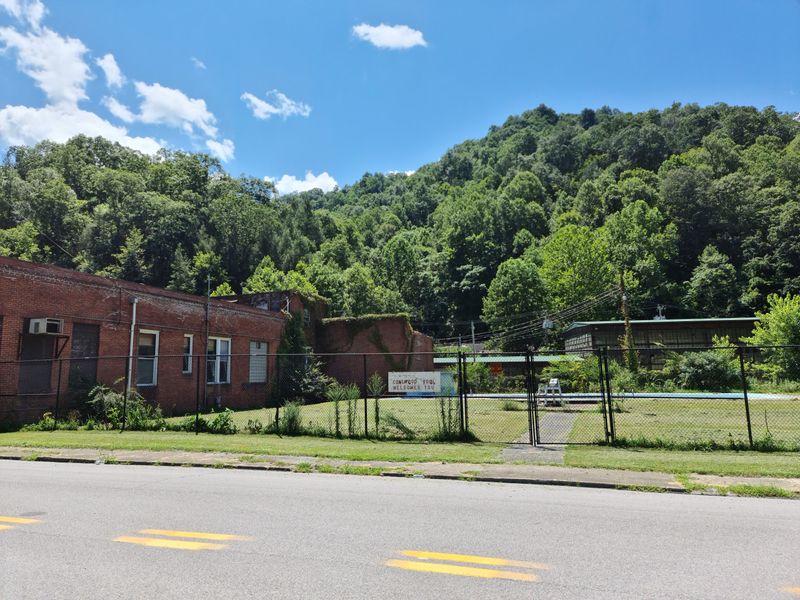
Fame came to Coalwood through Homer Hickam’s memoir about growing up in this coal camp and dreaming of rockets.
The town sits deep in McDowell County, reached by roads that wind through valleys shaped by mining operations.
Most of the original structures have disappeared, leaving only foundations and memories of the company town that once thrived here.
A small monument marks the spot where Hickam and his friends launched their rockets, defying expectations and community skepticism.
The surrounding mountains still bear scars from mining, with exposed rock faces and altered drainage patterns.
Only a few residents remain in Coalwood today, down from the hundreds who lived here during peak coal production.
The story of the Rocket Boys resonates because it represents triumph over circumstance and the power of education.
Visitors who make the journey find a quiet place where imagination once launched dreams skyward.
The community church still stands, serving the remaining families who call this hollow home.
Local history includes both the hardships of mining life and the pride of producing someone who worked for NASA.
The journey to Coalwood requires commitment, as the roads narrow and wind through increasingly remote terrain.
Autumn brings color to the mountains, softening the industrial landscape with natural beauty.
The town represents both the rise and decline of coal culture in Appalachia, a story repeated throughout West Virginia.
Homer Hickam occasionally returns, maintaining connection to the place that shaped his early years and inspired his writing.
This hollow town reminds visitors that extraordinary stories can emerge from the most ordinary places.
8. Barrackville: Covered Bridge and Mill Town
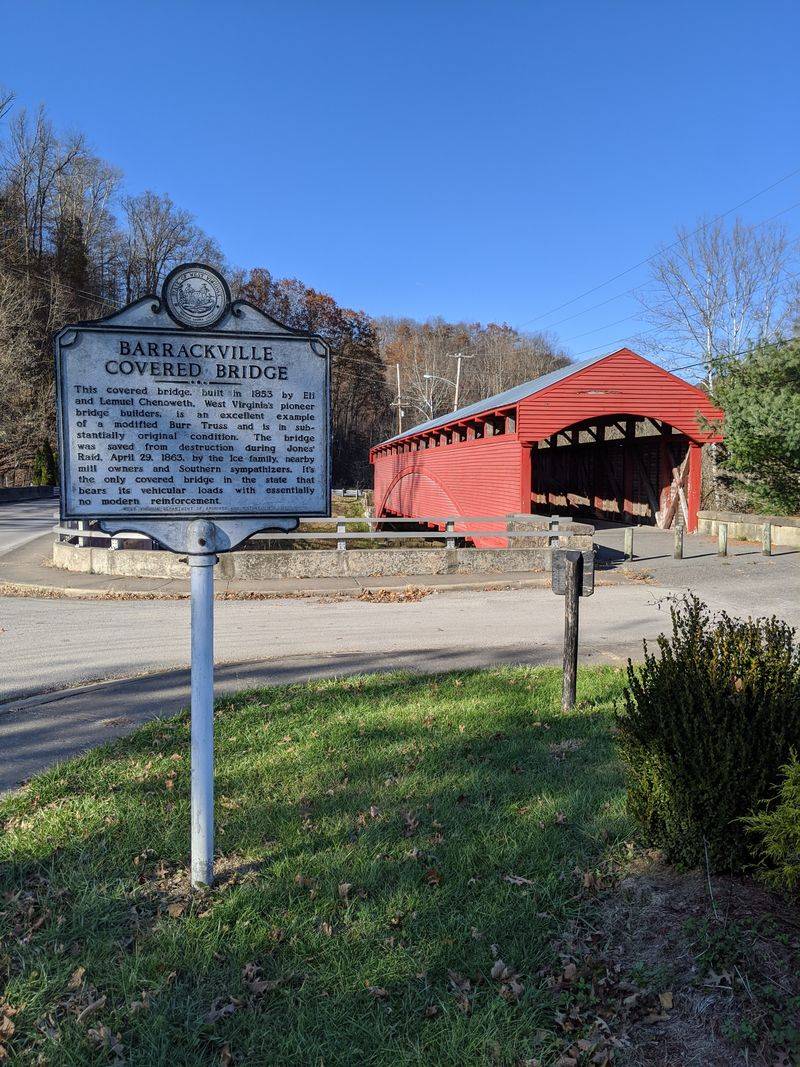
A covered bridge spans Buffalo Creek in Barrackville, one of the few remaining examples of this architectural tradition in the region.
The town developed around mill operations that processed timber from surrounding mountains.
Historic structures line the main street, their brick and stone construction reflecting late 19th-century building practices.
The covered bridge attracts photographers and history enthusiasts who appreciate these increasingly rare structures.
Local families maintain pride in their community despite economic changes that reduced the population from peak years.
The creek provides fishing opportunities, with bass and catfish inhabiting the slower pools below the bridge.
A small park beside the water offers picnic facilities and a place to appreciate the bridge from different angles.
The town hosts an annual bridge festival, celebrating the structure and bringing together current and former residents.
Old mill foundations remain visible along the creek, reminders of the industrial activity that once defined this hollow.
Surrounding hills contain hiking trails that offer views down into the valley and across to neighboring ridges.
The bridge underwent restoration to preserve it for future generations, with careful attention to original construction methods.
Evening light filtering through the bridge creates dramatic shadows and highlights the timber framework.
Winter brings ice formations along the creek, adding another dimension to the already picturesque setting.
The community maintains a volunteer fire department and library, institutions that serve as gathering points for residents.
Barrackville represents small-town persistence, where residents work to maintain community identity despite economic pressures.
9. Bramwell: Millionaire Town in Coal Country
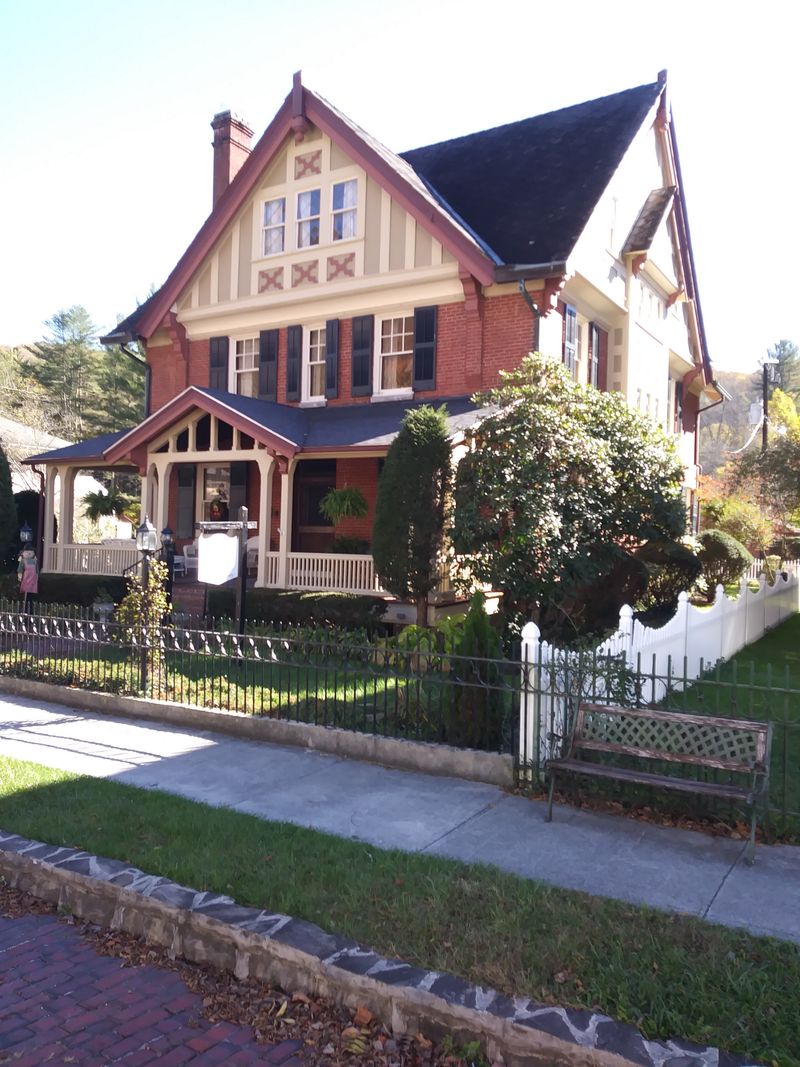
Prosperity once filled Bramwell, where coal operators built mansions that rivaled anything found in larger cities.
The town claims to have had more millionaires per capita than any other community in America during the early 1900s.
Victorian homes line the streets, their ornate details and substantial construction reflecting the wealth generated by nearby mines.
Many structures have been restored, transforming former private residences into bed and breakfast establishments.
The Bramwell Millionaire Tour happens annually, opening historic homes to visitors curious about Gilded Age opulence in Appalachia.
The Bluestone River flows past the town, providing a scenic backdrop to the architectural treasures.
Local historians work to preserve stories of the families who built these homes and the miners who generated the wealth.
The contrast between worker housing in nearby hollows and these grand homes illustrates the extreme inequality of the coal era.
Walking tours reveal details like stained glass windows, carved woodwork, and imported materials that showcase craftsmanship.
The town sits in a narrow valley, with mountains rising steeply on both sides and limiting expansion.
Modern Bramwell has a fraction of its former population, but maintains pride in its unique history.
Gardens surrounding the mansions bloom in spring, adding color and fragrance to the historic streetscape.
The community works to balance preservation with the practical needs of current residents.
Photographers find endless subjects in the architectural details and the juxtaposition of elegance and mountain setting.
Bramwell demonstrates how natural resources can create temporary wealth and lasting architectural legacy.
10. Peterstown: Border Town with Dual Identity
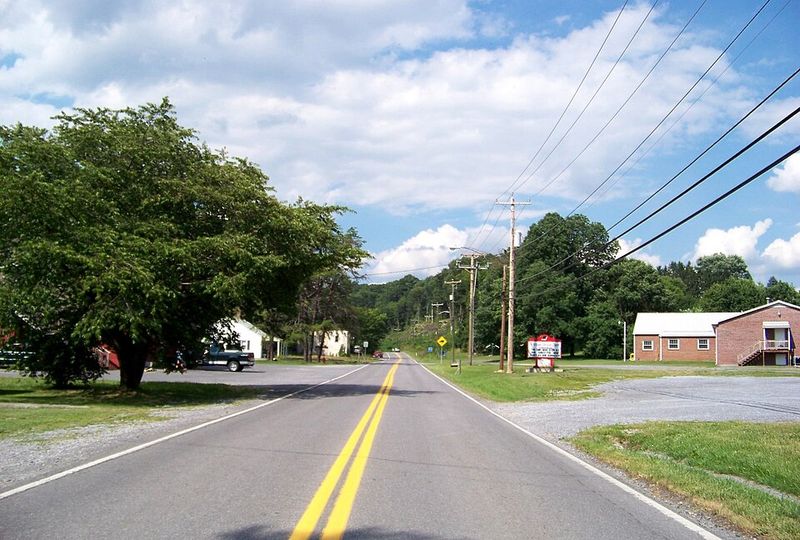
Peterstown sits so close to the Virginia border that residents shop and work in both states interchangeably.
The town developed as an agricultural center, with fertile bottomland supporting crops and livestock operations.
A main street features businesses serving local needs, from hardware stores to small restaurants.
The surrounding area includes the Peters Mountain range, offering hiking and hunting opportunities.
Local festivals celebrate the agricultural heritage, with events featuring livestock shows and produce competitions.
The community maintains a strong sense of identity despite its location on the state edge.
Historic buildings downtown reflect early 20th-century commercial architecture, with some structures dating to the late 1800s.
The New River flows nearby, providing water recreation and fishing access.
Residents often have family connections spanning multiple generations, creating a tight-knit community atmosphere.
The town serves as a gateway to the Mountain Lake area, where visitors head for scenic drives and outdoor activities.
Local high school sports draw community support, with football and basketball games serving as social events.
The area includes several churches representing different denominations, each with dedicated congregations.
Autumn brings harvest season, when farm stands sell fresh produce and the community celebrates agricultural abundance.
The border location creates unique situations, with emergency services coordinating across state lines.
Peterstown represents small-town Appalachia, where agriculture remains important and community bonds stay strong despite economic changes that have affected the broader region over recent decades.
Dear Reader: This page may contain affiliate links which may earn a commission if you click through and make a purchase. Our independent journalism is not influenced by any advertiser or commercial initiative unless it is clearly marked as sponsored content. As travel products change, please be sure to reconfirm all details and stay up to date with current events to ensure a safe and successful trip.
