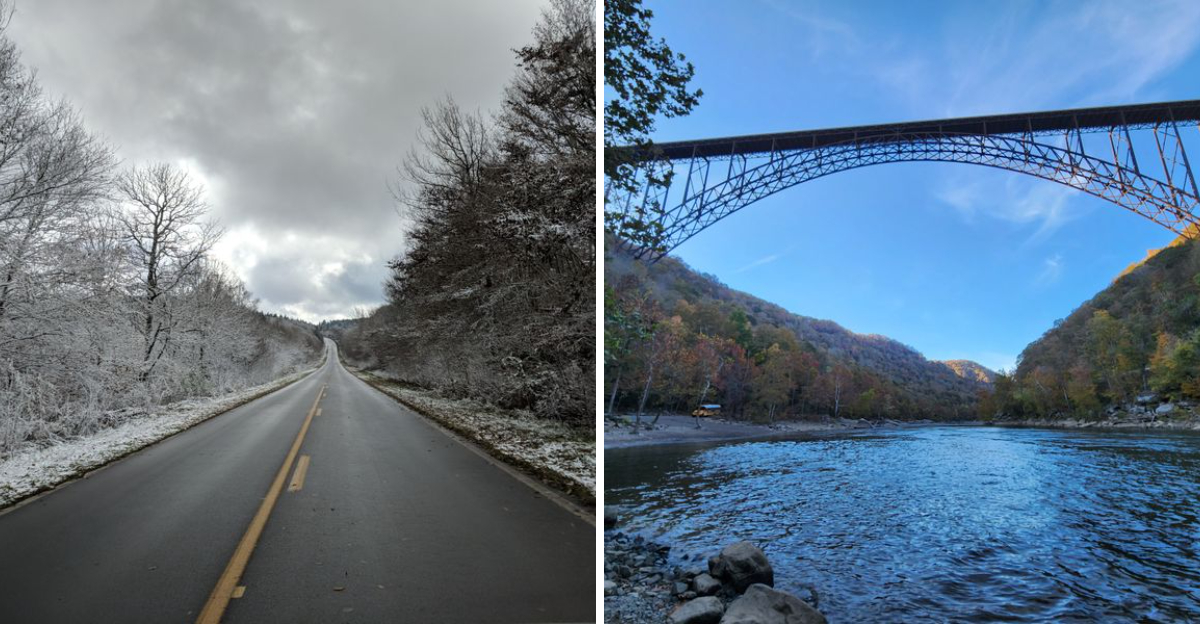
West Virginia is a paradise for anyone who loves a good road trip.
The state’s rolling mountains and lush valleys create some of the most beautiful drives in America.
Every curve in the road brings something new to admire, from rushing rivers to misty overlooks.
Whether you’re planning a weekend getaway or just want to explore your own backyard, these scenic routes will make the journey just as exciting as the destination.
Pack some snacks, roll down the windows, and get ready to discover roads that truly reward every single turn.
1. Highland Scenic Highway
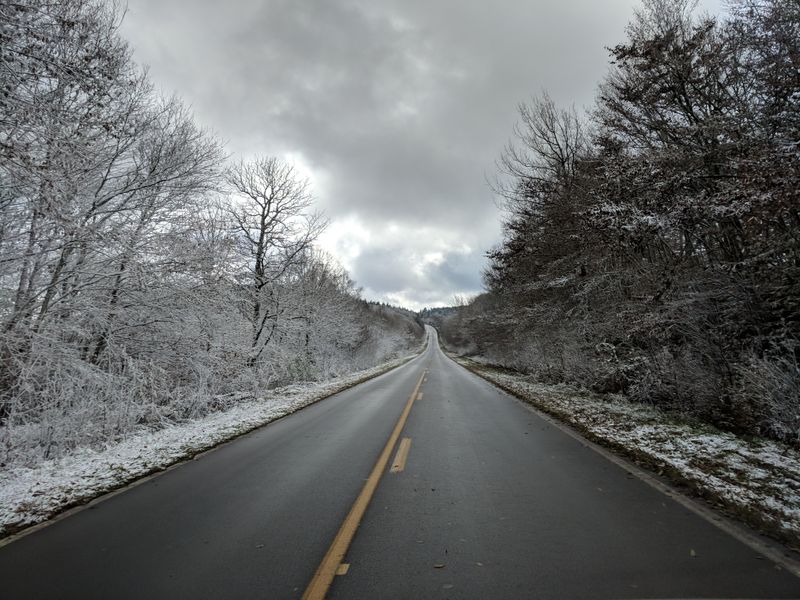
Mountains tower above you as this incredible highway winds through wilderness that feels untouched by time.
Highland Scenic Highway stretches for 43 miles through the heart of Monongahela National Forest.
The route climbs to elevations exceeding 4,500 feet, where the air turns crisp and the views become breathtaking.
Four developed overlooks provide perfect spots to pull over and soak in panoramic vistas of valleys and peaks.
Each viewpoint offers a different perspective on the surrounding landscape.
The highway combines Routes 39 and 150, creating a journey that many consider the most beautiful in the entire Eastern United States.
Fall brings an explosion of color as hardwood forests transform into brilliant reds, oranges, and yellows.
Spring wildflowers carpet the roadside meadows with purple and white blooms.
Wildlife sightings are common along this route, so keep your camera ready.
The road itself is well-maintained and accessible during warmer months.
Winter closures protect travelers from dangerous conditions at high elevations.
Plan your visit between late spring and early fall for the best experience.
This highway truly captures everything special about West Virginia’s mountain country.
Address: Highland Scenic Highway, Marlinton, WV 24954
2. Midland Trail
Stretching 180 miles across West Virginia, this National Scenic Byway tells stories of both nature and history.
US Route 60 transforms into the Midland Trail as it crosses the state from east to west.
River views accompany much of the journey, with the water sparkling between tree-lined banks.
Historic towns dot the route, each offering glimpses into Appalachian heritage and culture.
Natural wonders appear around nearly every bend in the road.
Cathedral Falls cascades down a rock face in a stunning display of nature’s power.
Hawks Nest State Park provides one of the most photographed overlooks in the region.
The view from Hawks Nest captures the New River Gorge in all its glory.
Small communities welcome travelers with local shops and friendly faces.
The route passes through different ecosystems, from river valleys to mountain ridges.
Each season paints the landscape in new colors and moods.
Summer greenery gives way to autumn brilliance, then winter’s stark beauty.
Spring brings rushing waterfalls and blooming rhododendrons.
This byway rewards patient drivers who take time to explore its many attractions.
Address: US Route 60 (Midland Trail), various access points across West Virginia
3. New River Gorge Scenic Drive
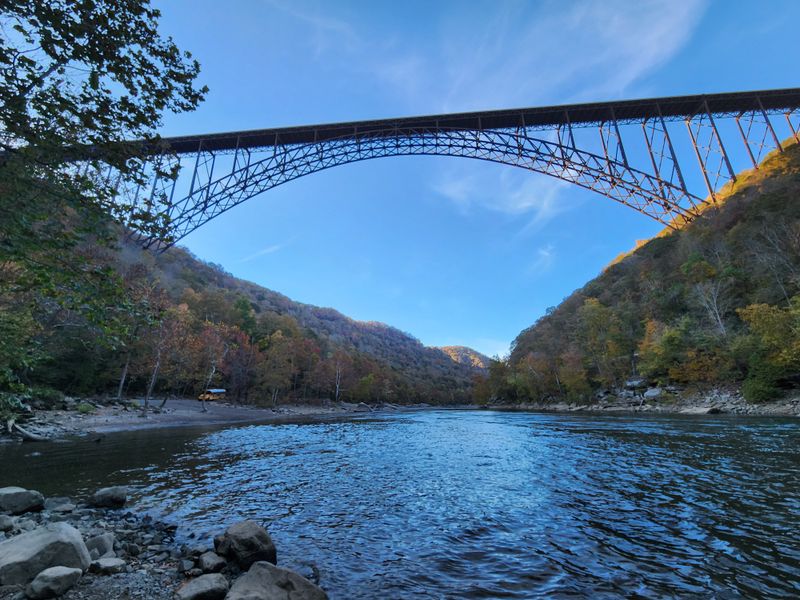
Few drives in America can match the drama of descending into one of the continent’s oldest river gorges.
Starting near the Canyon Rim Visitor Center, Fayetteville Station Road Tour takes you on an unforgettable journey.
This one-way route winds downward toward the base of the famous New River Gorge Bridge.
Curves reveal new perspectives on the iconic steel arch structure towering overhead.
The bridge stands as one of the longest single-span arch bridges in the Western Hemisphere.
Looking up from below gives you a completely different appreciation for its engineering marvel.
Trailheads along the route provide access to hiking paths that explore the gorge floor.
Rock climbers often dot the cliff faces, adding human scale to the massive stone walls.
The New River itself flows with surprising power, carving deeper into ancient rock.
Pull into designated viewpoints to safely capture photos of this spectacular landscape.
The descent offers continuous visual rewards as the gorge walls rise higher around you.
Native plants cling to rocky outcrops, demonstrating nature’s persistence.
This drive puts you right in the heart of West Virginia’s newest national park.
Address: Fayetteville Station Road, Fayetteville, WV 25840
4. Appalachian Waters Scenic Byway
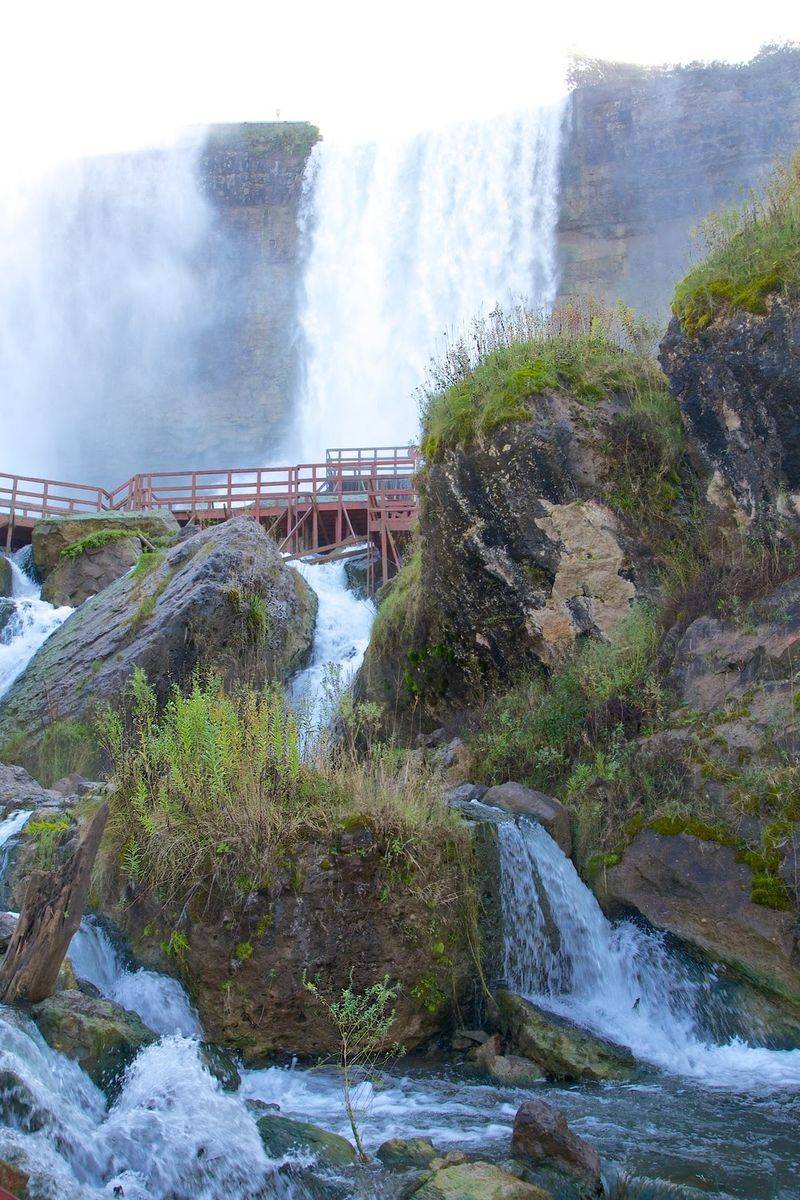
Water defines this journey through three of West Virginia’s most pristine counties.
Route 39 becomes the Appalachian Waters Scenic Byway as it travels through Greenbrier, Nicholas, and Pocahontas counties.
Cranberry Glades Botanical Area presents a unique ecosystem rarely seen at this latitude.
These wetlands resemble northern bogs, hosting plants typically found much farther north.
A boardwalk allows visitors to explore without damaging the fragile environment.
Cranberry Mountain Nature Center serves as an excellent starting point for understanding the region.
Interactive exhibits explain the area’s geology, wildlife, and ecological importance.
The byway continues through dense forests where streams cascade over moss-covered rocks.
Fishing opportunities abound in clear mountain streams teeming with native brook trout.
Hiking trails branch off from various pull-offs along the route.
Outdoor enthusiasts find endless opportunities for photography, birdwatching, and nature study.
The road climbs and descends through changing elevations, each offering distinct plant communities.
Rhododendron thickets create tunnels of green along certain stretches.
This byway showcases the incredible biodiversity that makes Appalachia so special.
Address: Route 39 (Appalachian Waters Scenic Byway), Richwood, WV 26261
5. Coal Heritage Trail
History lives along every mile of this route through Southern West Virginia’s coal mining heartland.
The Coal Heritage Trail connects communities that powered America’s industrial revolution.
Mountains rise steeply on both sides as the road follows valleys carved by ancient geological forces.
Small towns preserve the memory of mining operations that once employed thousands.
Historic markers tell stories of the people who worked deep underground extracting black diamonds.
Company towns, once bustling with activity, now stand as quiet reminders of a different era.
The natural beauty remains stunning despite the region’s industrial past.
Forests have reclaimed many former mining sites, showing nature’s remarkable resilience.
Rivers run clear again after decades of environmental restoration efforts.
Local museums along the route display mining equipment and share personal stories from miners and their families.
The landscape tells two stories simultaneously: one of natural splendor and another of human determination.
Winding roads follow creek beds through narrow valleys called hollows by locals.
Each community maintains its own character and traditions rooted in mining heritage.
This trail offers perspectives on both scenic beauty and American industrial history.
Address: Coal Heritage Trail, various routes through Southern West Virginia counties
6. Staunton-Parkersburg Turnpike
Time seems to slow down along this National Scenic Byway connecting Virginia to the Ohio River.
The Staunton-Parkersburg Turnpike carries travelers through landscapes that have changed little over centuries.
Historic towns appear like jewels set among the mountains, each preserving architectural treasures.
Main streets feature buildings that have stood for generations, housing local businesses and community gathering spots.
Mountain vistas unfold in every direction as the road climbs ridges and descends into valleys.
The route follows paths used by Native Americans long before European settlement.
Later, pioneers used these same corridors to move westward into the frontier.
Today’s paved road makes the journey comfortable while maintaining connections to the past.
Covered bridges span creeks in a few locations, offering perfect photo opportunities.
Farm fields spread across valley floors where families have worked the land for generations.
Churches with white steeples anchor small communities scattered along the route.
The scenery shifts from pastoral valleys to rugged mountain terrain and back again.
Each section reveals another facet of West Virginia’s diverse landscape.
This turnpike provides a genuine journey through both space and time.
Address: Staunton-Parkersburg Turnpike (US Route 250/33), various access points across West Virginia
7. Route 32 Through Canaan Valley
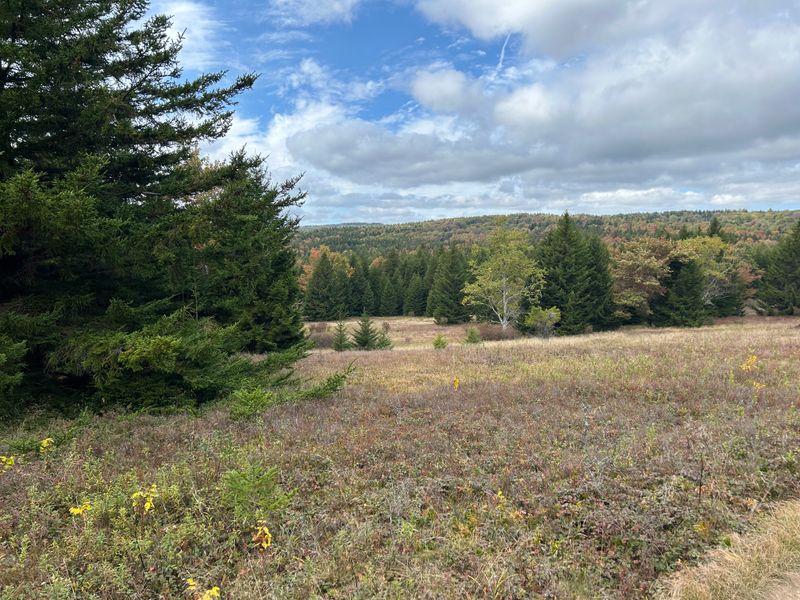
Elevation changes create an exciting driving experience as Route 32 winds through spectacular Canaan Valley.
This route connects visitors to the charming mountain towns of Davis and Thomas.
Twisty sections demand attention while rewarding drivers with constantly changing views.
The valley itself sits at high elevation, creating a unique environment often called the highest valley east of the Mississippi.
Canaan Valley National Wildlife Refuge protects wetlands that support diverse bird populations.
Birdwatchers often spot species rarely seen elsewhere in the state.
Blackwater Falls State Park lies nearby, where amber-colored water plunges over a dramatic cliff.
The falls get their distinctive color from tannic acid in fallen hemlock and red spruce needles.
Mountain laurel and rhododendron create natural gardens along the roadside.
The towns of Davis and Thomas offer artistic communities with galleries, shops, and welcoming atmospheres.
Local creativity thrives in these mountain settlements where natural beauty inspires residents and visitors alike.
Winter transforms the area into a snowy wonderland popular with skiers and snowboarders.
Summer brings wildflower displays and comfortable temperatures even on the hottest days.
Route 32 through this region captures mountain driving at its finest.
Address: Route 32, Davis, WV 26260
8. US Route 33
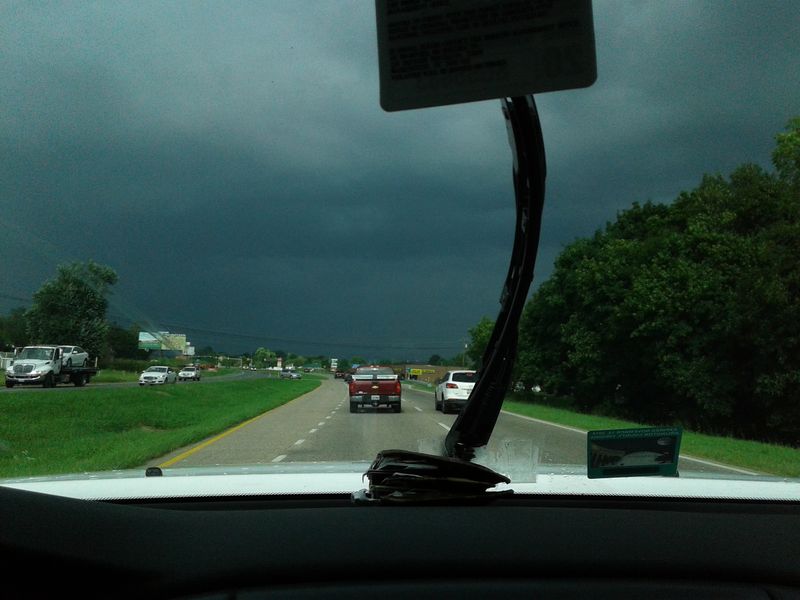
Nearly 250 miles of diverse terrain await travelers along this major cross-state route.
US Route 33 showcases an impressive variety of landscapes as it traverses West Virginia.
Seneca Rocks stands as the route’s most dramatic landmark, with sheer rock faces rising nearly 900 feet.
Rock climbers from around the world come to test their skills on these ancient formations.
Even non-climbers appreciate the stunning geology visible from the roadside.
The highway passes through multiple forest types as elevation changes throughout the journey.
Lower elevations feature mixed hardwood forests with oak, maple, and hickory.
Higher sections transition to spruce and hemlock, creating darker, cooler environments.
Small communities appear at intervals, each serving as a gateway to surrounding wilderness areas.
The route provides access to countless hiking trails, fishing streams, and camping areas.
Scenic pull-offs allow safe stops for taking in the views and capturing memories.
Traffic remains light on most sections, making for a relaxed driving experience.
The road surface is generally excellent, well-maintained by state transportation crews.
This route efficiently moves travelers across the state while providing continuous natural beauty.
Address: US Route 33, various access points across West Virginia
9. Washington Heritage Trail
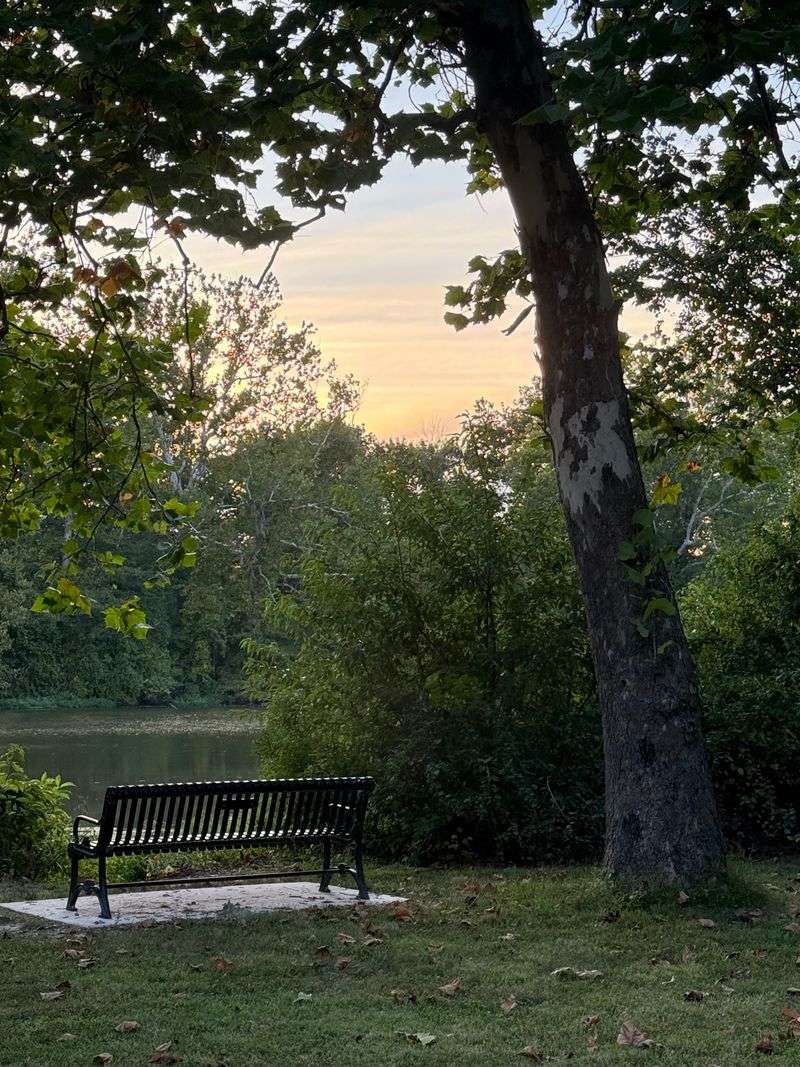
Following in the footsteps of America’s first president, this 136-mile National Scenic Byway blends history with natural splendor.
The eastern panhandle’s Washington Heritage Trail traces routes once traveled by young George Washington.
River views dominate much of the journey as the road parallels the Potomac and Shenandoah rivers.
These waterways carved their paths through ancient mountains, creating dramatic gaps and valleys.
Harpers Ferry sits at the confluence of both rivers, a town steeped in American history.
Steep streets climb hillsides where Civil War battles once raged.
Shepherdstown charms visitors with its historic district and vibrant cultural scene.
The town claims to be the oldest in West Virginia, with buildings dating back centuries.
Between towns, the byway winds through farmland and forest, offering peaceful rural scenery.
Apple orchards bloom in spring, creating clouds of white and pink blossoms.
Fall harvest brings roadside stands selling fresh apples, cider, and seasonal produce.
The Appalachian Trail crosses this region, and hikers sometimes appear near road crossings.
Mountain ridges frame distant horizons throughout the journey.
This trail successfully combines Revolutionary War history with outstanding natural beauty.
Address: Washington Heritage Trail, various routes through Eastern Panhandle, WV
10. Williams River Road
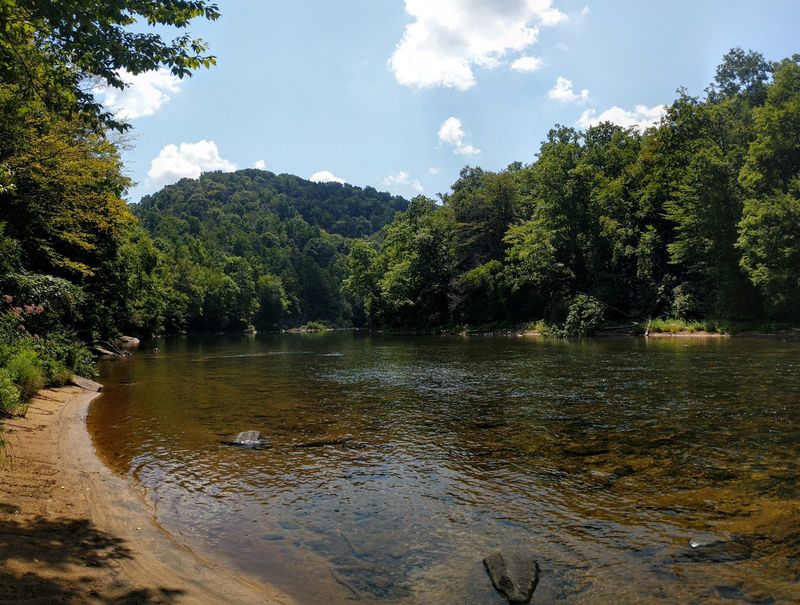
Wilderness surrounds you completely along this quiet, narrow road through Monongahela National Forest.
Williams River Road offers a genuine escape into one of West Virginia’s wildest areas.
The one-lane route follows the Williams River closely, with water visible through the trees.
Crystal-clear water flows over smooth river stones, creating peaceful sounds that accompany the entire drive.
Development is nearly nonexistent here, preserving a sense of stepping back into earlier times.
Tall trees form a canopy overhead, filtering sunlight into dappled patterns on the road.
The river itself provides excellent fishing opportunities for those who bring their gear.
Native brook trout hide in deeper pools, waiting for the right fly or lure.
Wildlife encounters happen frequently on this secluded route.
Deer often browse near the roadside, barely glancing up as vehicles pass slowly.
Black bears occasionally cross the road, reminding visitors they’re in true wilderness.
The narrow road demands careful driving, but the pace allows full appreciation of surroundings.
Few places in the state offer such complete immersion in undisturbed nature.
This road represents West Virginia at its most wild and authentic.
Address: Williams River Road (Forest Road 86), Monongahela National Forest, Richwood, WV 26261
Dear Reader: This page may contain affiliate links which may earn a commission if you click through and make a purchase. Our independent journalism is not influenced by any advertiser or commercial initiative unless it is clearly marked as sponsored content. As travel products change, please be sure to reconfirm all details and stay up to date with current events to ensure a safe and successful trip.
