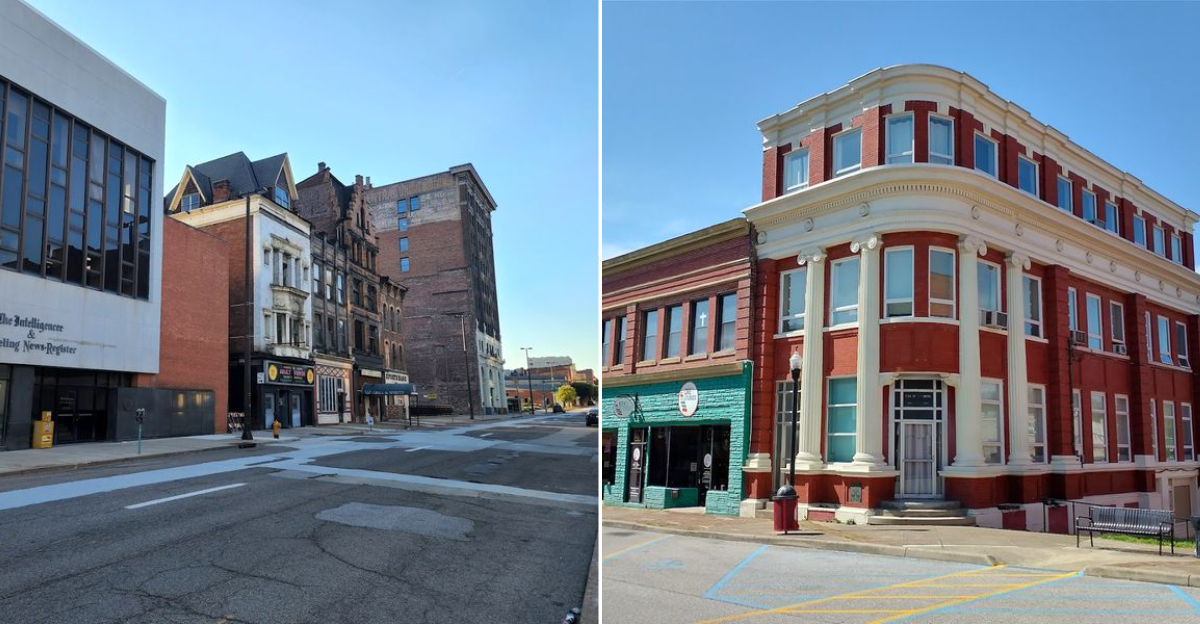
It does not take long for a town to start feeling different when the cost of everyday life keeps creeping higher and more people decide they can no longer make it work. That is the pressure hanging over parts of West Virginia right now, where rising living costs are making it harder for some residents to stay rooted in the places they have long called home.
These changes do not always arrive with one dramatic moment. More often, they show up slowly through smaller populations, changing neighborhoods, and the quiet sense that the numbers are just not stretching the way they used to. That is what makes this story hit a little harder.
It is not just about population decline on paper. It is about real towns feeling the strain as higher costs reshape daily life, future plans, and the communities left trying to adjust.
Some places are holding on, while others are feeling the shift more sharply with every passing year. This list takes a closer look at West Virginia towns where that pressure is becoming harder to ignore.
1. Charleston
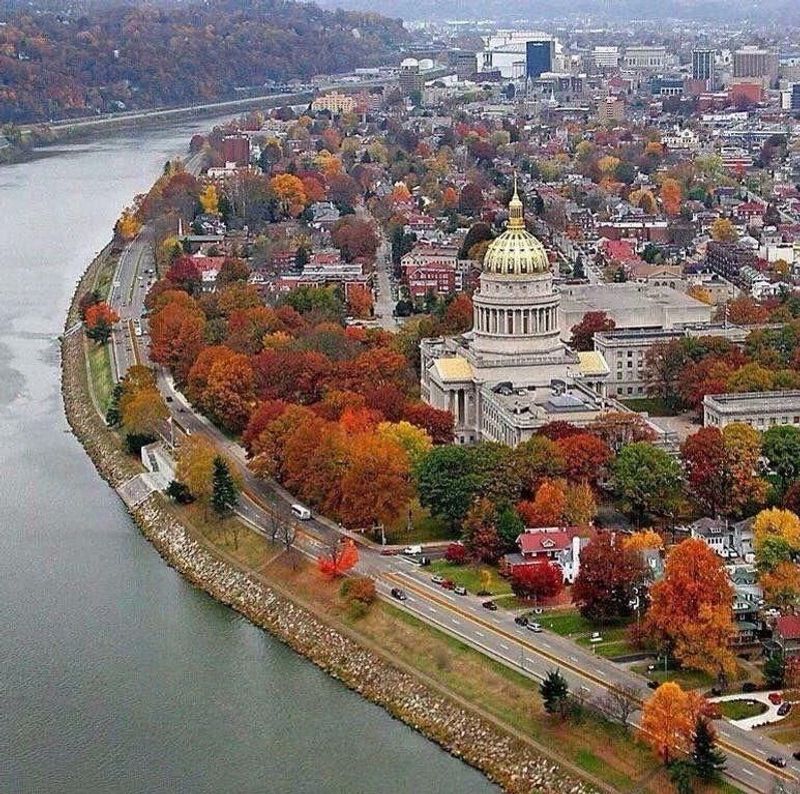
You feel it the minute you cruise past the river and see more porch lights flipped off than you remember. Charleston still carries that steady Capitol energy, yet conversations keep circling back to rent renewals, utility jumps, and homes that no longer pencil out for first timers.
People are not in a panic, but they are doing the math, and that math has a way of reshaping a block before you even notice.
Walk a few streets downtown, and you spot tidy buildings that look ready for a second act, if financing would just relax and wages could keep pace. That mismatch nudges younger folks toward other states, while longtime neighbors downsize or move closer to family.
The parks, the riverfront, the familiar skyline all remain, and yet the soundtrack has thinned, like a station drifting out of range.
What keeps me hopeful are the small fixes that stack up slowly, like refreshed storefronts and better sidewalks, plus a few community spaces that stay lively even on colder evenings. Still, talk to anyone packing boxes, and they will mention monthly costs that crept up while paychecks idled.
West Virginia pride runs deep here, and it shows in the way people wave, but holding that line gets harder when essentials refuse to stay put.
So if you drive through, look closely at the upper windows and the quiet stoops. Those tiny clues tell you why friends are debating their next move.
It is not dramatic, but it is steady, and steady adds up.
2. Huntington
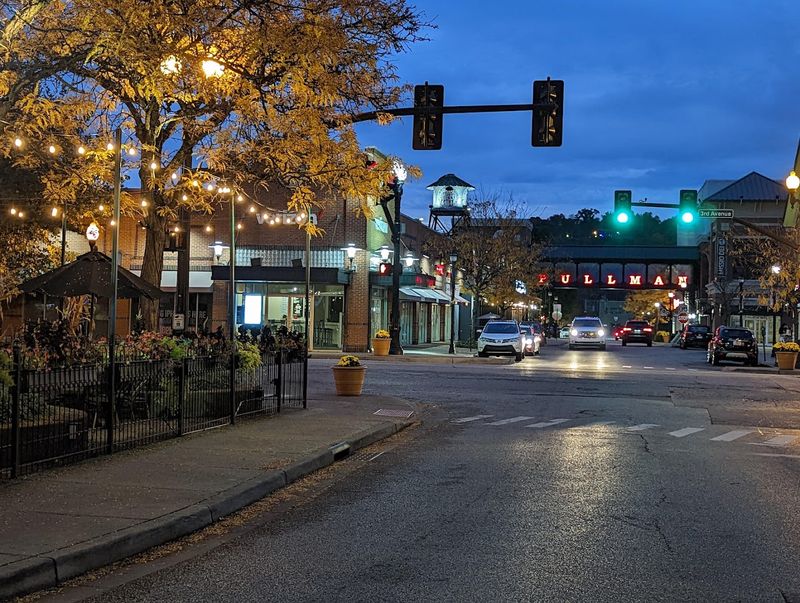
There is a certain stillness on a weekday that did not used to be there, almost like the town is taking a breath between chapters. Huntington’s neighborhoods look cared for, but you hear about leases resetting higher and small places getting squeezed by higher insurance and maintenance.
It is a slow squeeze, which is somehow tougher, because you rarely see the moment when a neighbor decides it is time to go.
On a clear afternoon, the old brick corners glow, and you cannot help picturing new studios or small offices clicking along if costs would level. Friends mention they love the walkable blocks and green spaces, yet they are also sharing listings from other states where a similar paycheck stretches farther.
That is the quiet undertow behind the move-out trucks that roll out before sunrise.
West Virginia has weathered tougher cycles, and Huntington reflects that grit in patient storefronts and volunteer days that bring folks together. The trouble is the basic bills, the ones you cannot trim with a potluck or a cleanup day.
When those climb, it shuffles the deck for teachers, nurses, and warehouse crews who anchor a town’s rhythm.
If you want to see the story, stand by the train tracks at dusk and watch how the streetlights come on in clusters. Some blocks glow, others stay dim, and you can almost map the monthly budget pressures by the light.
It is not about giving up, it is about finding room to breathe.
3. Fairmont
The hills around Fairmont carry sound in a way that makes neighborhoods feel closer than they are, so you notice when fewer backyards are buzzing on weekends. Folks here are practical, and the talk centers on the basics, like higher mortgages after a refi fell through or a rental that no longer fits a single paycheck.
None of it feels glamorous, but it is honest, and honesty is what keeps people packing thoughtfully rather than angrily.
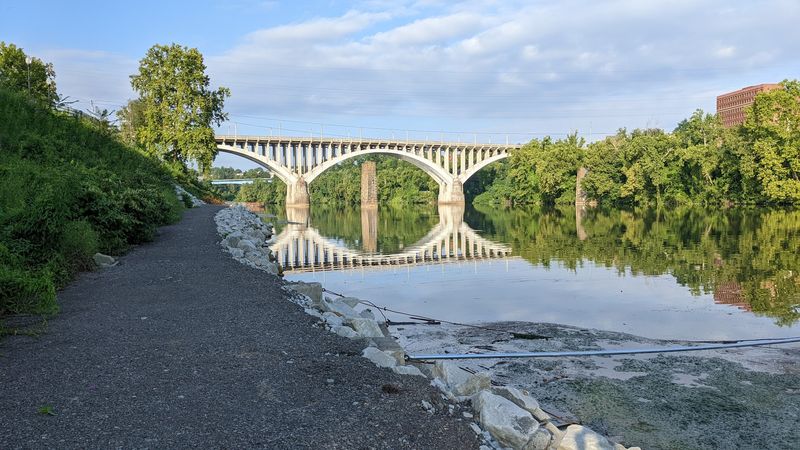
I like walking the ridge lines and looking down at the river bends, where older houses flash real character that would be pricey elsewhere. Those same places need roofs and wiring, and the cost of doing right by an old home stacks up fast if paychecks stay flat.
That is often the breaking point, not a lack of love for the house or the town.
West Virginia roots run deep in Fairmont, and you see it in school events, ball fields, and porch chats that go long into the evening. Even so, a few key services feel stretched, and when commute options wobble, people start browsing maps and making calls.
The downtown blocks look ready for more life if the monthly numbers stop climbing quite so fast.
If you swing through, notice the upper stories above the shops, some dark, some newly painted, all waiting for the right moment. The quieter corners are not giving up, they are catching their breath.
It is a pause you can hear if you stand still long enough.
4. Beckley
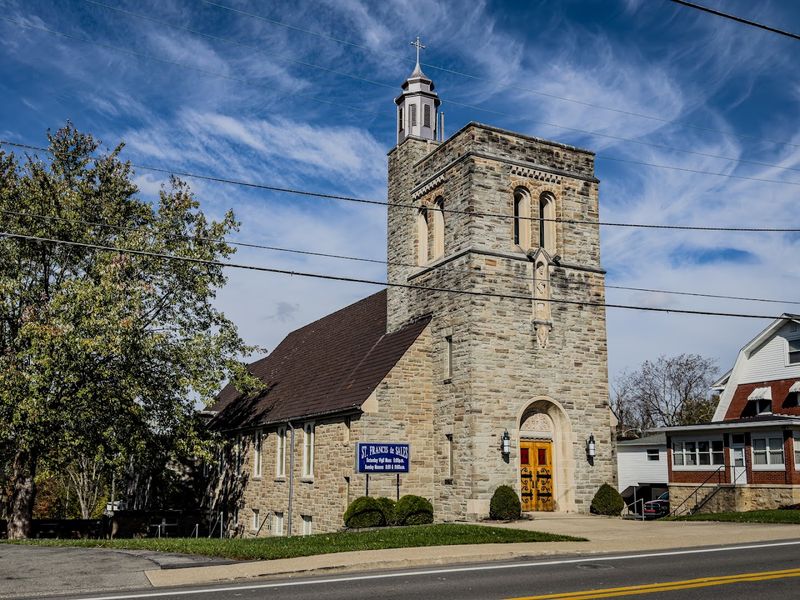
Every time I roll into Beckley, I notice a few more windows with paper taped inside, the kind that says a space is between stories. People still chat across parking lots, but plenty of them are comparing notes on rising utility bills, contractor quotes, and rents that changed more than expected.
That is the hum beneath the day to day, and it colors decisions you would not think twice about during easier seasons.
The town has steady bones, with neighborhoods that catch evening light in a way that makes you slow down. Still, keeping an older place warm through winter or cool through summer costs more than it used to, and that shows up in moving plans.
When a new job does not match those bills, folks start calling cousins in other states and double checking options.
West Virginia pride stays loud in Beckley, from school halls to weekend markets that still pull a crowd. The tricky part is that pride does not cancel an increased mortgage or a pricier lease.
You hear kind words at church or the post office, and then you see a For Sale sign sprout up on a lawn that felt stable.
If you are passing through, look at the mix of fresh paint and dusty blinds on main routes. It is a map of who is hanging on and who already left.
The story is not dramatic, but it is persistent, and that persistence is why people keep weighing their options.
5. Clarksburg
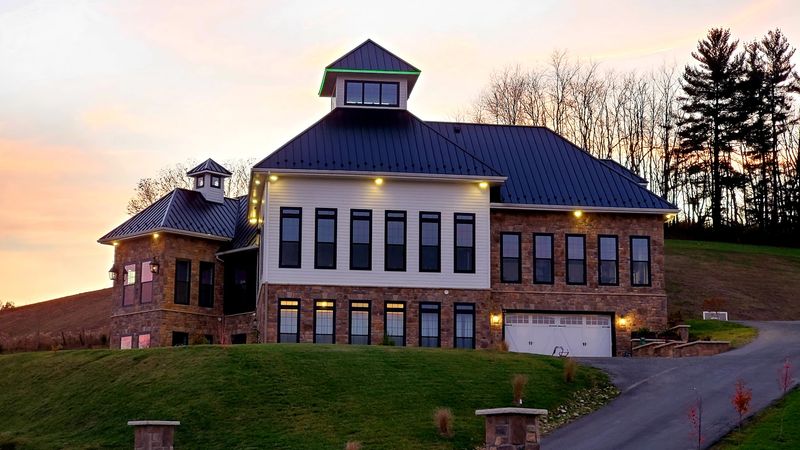
What gets you in Clarksburg is the way the old brick faces catch sunlight like they are ready for a comeback. The bones are strong, the streets are compact, and you can picture studios and workshops humming if dollars stretched a bit farther.
Instead, you hear about rents inching up, homeowner costs that keep surprising, and the careful math that families do at the kitchen table.
A friend walked me past a row of buildings that could be great live work spaces, and we both did the same silent calculation. It is not just the lease, it is insurance, maintenance, and transportation when a job jumps across town.
If income wobbles, the whole plan wobbles too, and that is when people consider packing a truck.
West Virginia spirit is stubborn in the best way, and Clarksburg wears that stubbornness with pride. Community groups keep at it, fixing sidewalks, polishing facades, and hosting events that make the place feel anchored.
The question is whether the basic monthly nut will give people breathing room to stay anchored with it.
Stand on a corner near dusk and notice which windows glow, which stay dark, and which show a ladder leaning against fresh paint. That is the rhythm right now, a mix of momentum and pause.
You can love a place and still step away when the arithmetic insists, and that is what plenty of locals are wrestling with.
6. Parkersburg
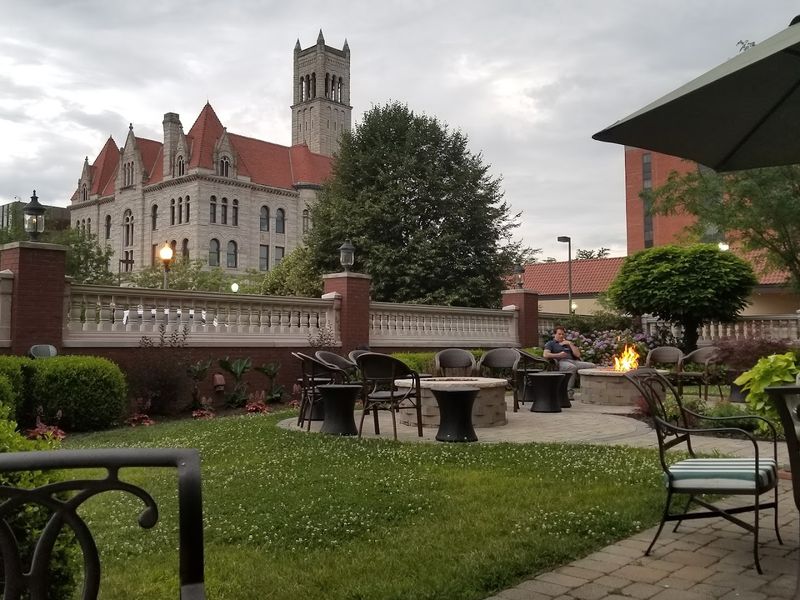
Parkersburg always feels like a river story, and lately the current has a slower pull. People mention utility spikes, repair quotes that ballooned, and rents that no longer match the paycheck that once felt fine.
It is not for lack of love, because the town still looks good in evening light, but love is getting tested by monthly math.
You can see the tension in the mix of tidy planters, fresh signage, and upper floors that stay dim. A few shops look poised for a solid run if neighborhood budgets stop tightening.
When that does not happen, the decisions get simple in a hard way, and moving becomes the one lever that brings relief.
West Virginia loyalty shows in small gestures, like neighbors who mow a vacant lawn so it does not look unloved. Those same neighbors quietly admit they are tracking options elsewhere if their next lease jumps again.
The river keeps its pace, and life goes on, but there is a noticeable thinning on some blocks.
If you stroll near the water close to sunset, you notice birds, soft reflections, and a silence that lands heavier than it used to. Not sad, not bleak, just thinner.
That thinness is what out migration feels like up close, and once you notice it, you cannot unsee it.
7. Wheeling
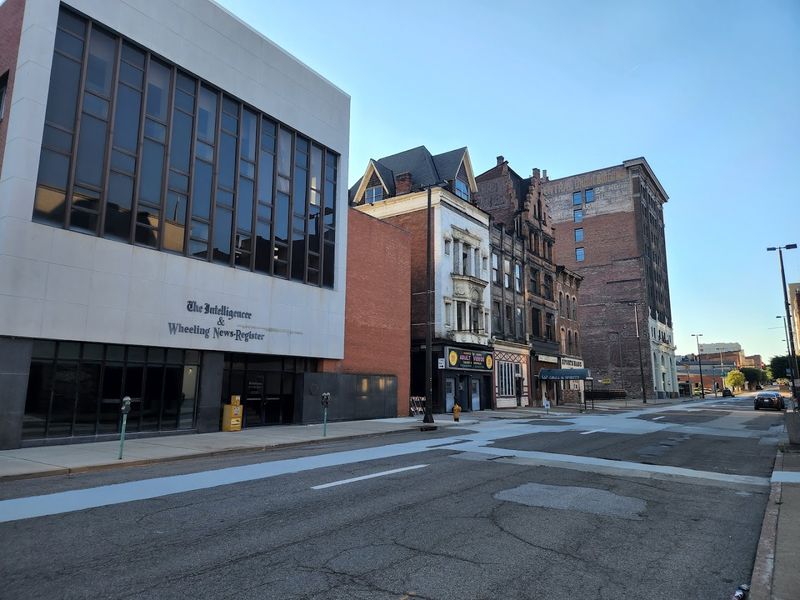
The first thing that hits you in Wheeling is how handsome the old architecture still looks, like it is waiting on a second wind. Then you start hearing about condo fees, higher taxes, and utility bills that unsettle the plans of people who thought they had things lined up.
That friction shows up as empty windows on corners that deserve a little bustle.
Friends point to small wins, like restored trim and fresh awnings, and those details do help morale. The harder part is the spreadsheet, where wages have not kept pace with costs that move in quiet increments.
When that gap yawns, people look at maps and ask how far the same paycheck can go in a neighboring state.
West Virginia roots are sturdy in Wheeling, and the city still has a community backbone that feels unshakable. Events fill the calendar, and neighbors show up, which tells you the social fabric is strong.
The question is whether that fabric can keep folks stitched in place while bills push from the edges.
Stand by a restored storefront near dusk and watch the mix of lit and unlit windows above. You can sense both hope and hesitation in that pattern.
It is a town that wants to grow into its bones again, and it will, if the monthly numbers give people just a bit more room to stay.
8. Bluefield
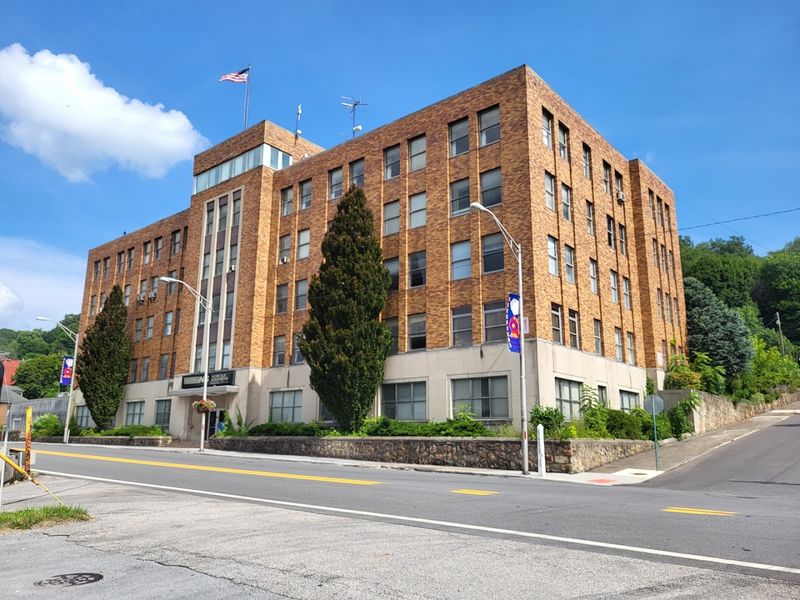
Some towns whisper their changes, and Bluefield is one of them. The mountains are still here, the streets still curve the same way, yet you notice fresh listings and lease talks that get tense before they settle.
People want to stay, but the cost column keeps adding lines that did not used to be there.
Drive slowly through the blocks and you will see proud buildings that could hum if more residents stuck around. That is the catch, since higher homeowner costs and rising rents make it harder for new arrivals to plant roots while longtime locals weigh their options.
The result is a soft thinning, not dramatic, but steady enough to change how evenings feel.
West Virginia resilience is part of the daily rhythm here, and neighbors still show up with tools and time when a project needs hands. Those gestures matter, and they keep spirits up, but they do not rewrite a monthly budget that climbed faster than pay.
So people keep one eye on opportunity while they care for what is right in front of them.
If you stop for a few minutes on a quiet corner, listen to the way sound carries across the blocks. You hear trucks, birds, and the small echo of a place between chapters.
That is Bluefield right now, patient but practical, waiting for costs to calm down so the story can thicken again.
9. Moundsville
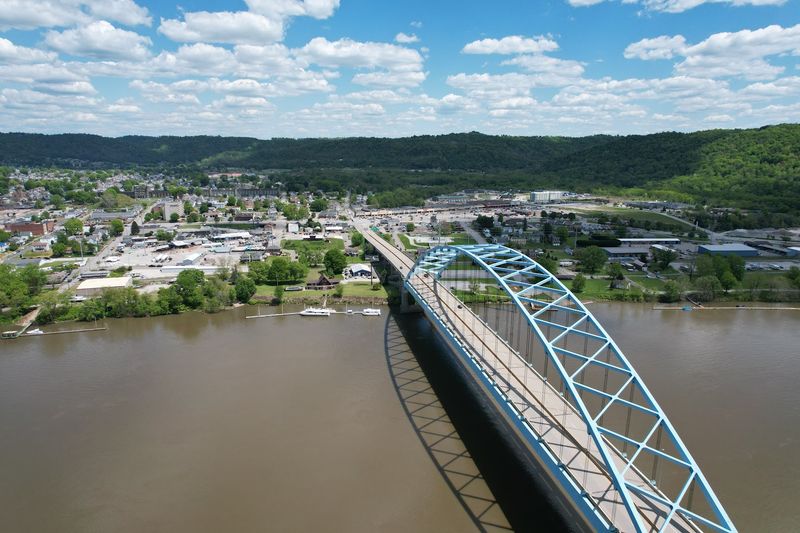
You know those towns where every hello feels familiar, even if you have never met? Moundsville has that quality, which makes the recent trickle of move outs land with extra weight.
The math is simple but stubborn, with living costs that nudge higher while income rises slowly, if at all.
Walking past the courthouse and up a block or two, the view is a mix of cared for facades and windows waiting for the next plan. Folks talk about stretching dollars, deferring repairs, and hoping the next lease renewal is gentler.
When it is not, the conversation shifts to other West Virginia towns or places just over the line.
Community grit is obvious here, and it shows in volunteer days and steady attendance at local events that hold a year together. Those traditions anchor people, but anchors can drag if monthly bills get too heavy.
That is when even loyal neighbors start browsing maps after dinner.
Stand still near sunset and count the lit windows among the upper floors. You will see a pattern that explains the whole situation, a patchwork of staying, leaving, and pausing.
Nothing about it is loud, yet the quiet is exactly what tells you the story.
10. St. Albans
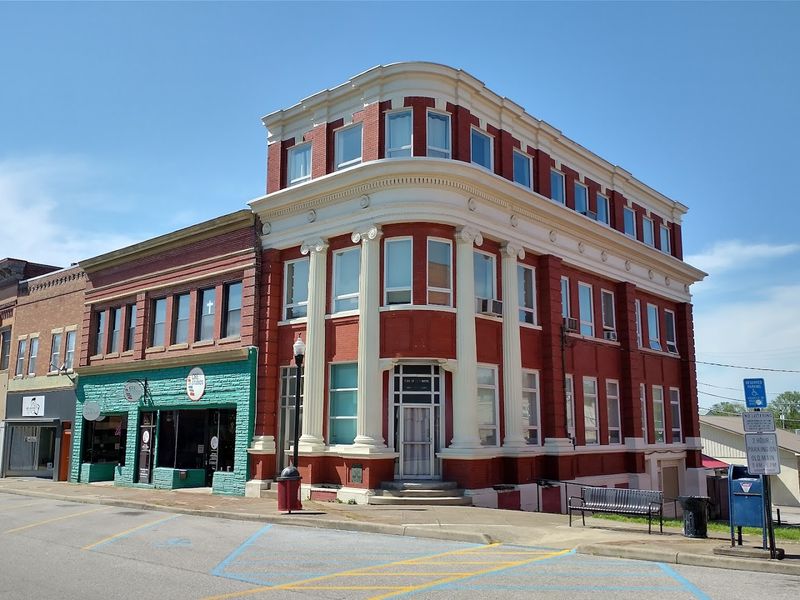
There is a gentle rhythm in St. Albans that makes a walk feel like a conversation. Lately that conversation circles back to monthly bills, the kind you cannot dodge, and how they changed the math on staying put.
People who love their porches and parks are quietly weighing whether the numbers still work.
You can see both signs of care and signs of pause on the same block, fresh trim next to a dark upstairs window. It is not neglect, it is a holding pattern until finances catch up or a new job makes the balance tilt back.
When that does not happen, a moving truck shows up at dawn and a window goes dark.
West Virginia towns carry a toughness that does not shout, and St. Albans wears it well. Neighbors still check on each other, mow a little extra, and keep the sidewalks swept.
The challenge is that good intentions do not fix a budget that keeps stretching past the edge.
If you want to feel the moment, stand near the river and listen as the streetlights click on behind you. Some blocks brighten, others do not, and the spaces between say as much as any headline.
It is a chapter break, not an ending, and people are hoping the next page brings calmer costs.
11. Elkins
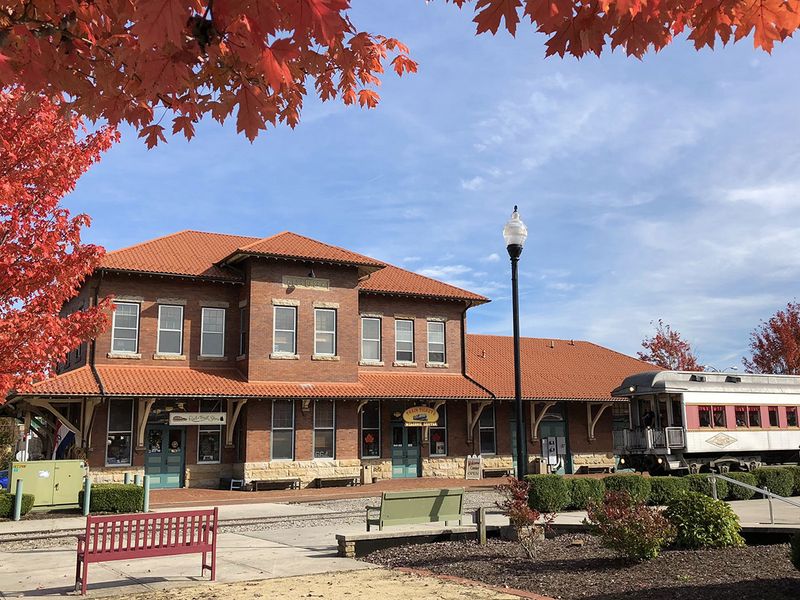
Elkins wears the mountains like a comfortable jacket, which makes the recent thinning feel extra noticeable. Friends still wave from trucks, but more of them are talking about leases that jumped, repair bills that grew, and monthly costs that got harder to balance.
It is not dramatic, more like a steady drumbeat in the background of daily life.
The downtown blocks look ready for creative energy, with spaces that could hum if enough people could afford to stay and build. That is the crux, since wages have not chased the bills as quickly as the bills chased us.
When the gap widens, even the most loyal neighbors begin to wonder about the next valley over.
West Virginia steadiness shows up here in ways you can see, from clean sidewalks to carefully tended facades that make an evening stroll feel welcoming. The support is real, and it helps, but the spreadsheet still rules the final call for many households.
So you get quieter side streets and more listings than a few seasons ago.
If you have a minute, stand by a storefront window and look at the reflection of the hills on the glass. Beautiful, steady, familiar, and slightly emptier than before.
That is Elkins right now, holding onto its shape while waiting for costs to ease and paychecks to gain an inch.
Dear Reader: This page may contain affiliate links which may earn a commission if you click through and make a purchase. Our independent journalism is not influenced by any advertiser or commercial initiative unless it is clearly marked as sponsored content. As travel products change, please be sure to reconfirm all details and stay up to date with current events to ensure a safe and successful trip.
