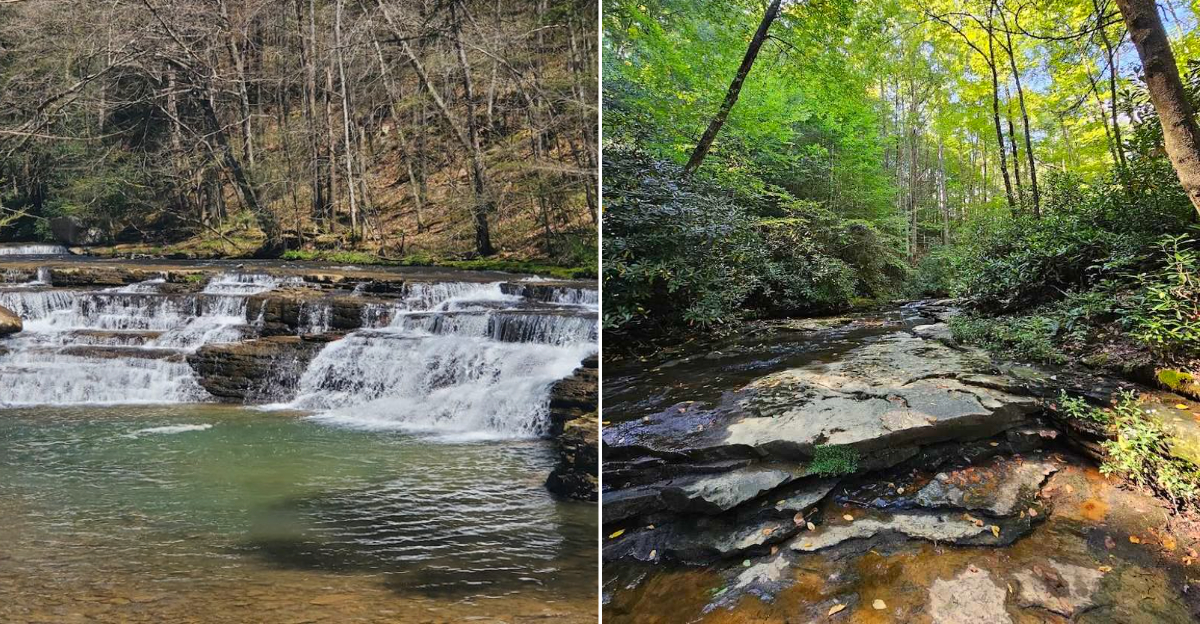
Shortcut erosion is the fastest way to turn a pretty waterfall trail into a muddy mess. West Virginia waterfall hikes should feel like a reward, with shaded paths, cool air near the water, and that satisfying moment when you hear the falls before you see them.
Then tourists start cutting corners. One little quick shortcut around a switchback turns into a new dirt track, the soil loosens, and the next rainstorm turns it into a slick slide that eats the hillside.
That is how trails get wider, deeper, and uglier, even when the waterfall itself is still stunning. It also makes the hike less safe.
Loose mud means more slips, more trampled plants, and more damage that crews have to fix over and over instead of improving the trail. The frustrating part is that the real trail is built the way it is for a reason.
Switchbacks protect the slope, keep footing stable, and help the path survive heavy use without collapsing.
This is why locals get protective about their waterfall spots. They want you to get the view and the vibe, then leave without turning the trail into a scar that the next storm will happily deepen.
The Waterfall Hype That Makes People Forget Their Feet
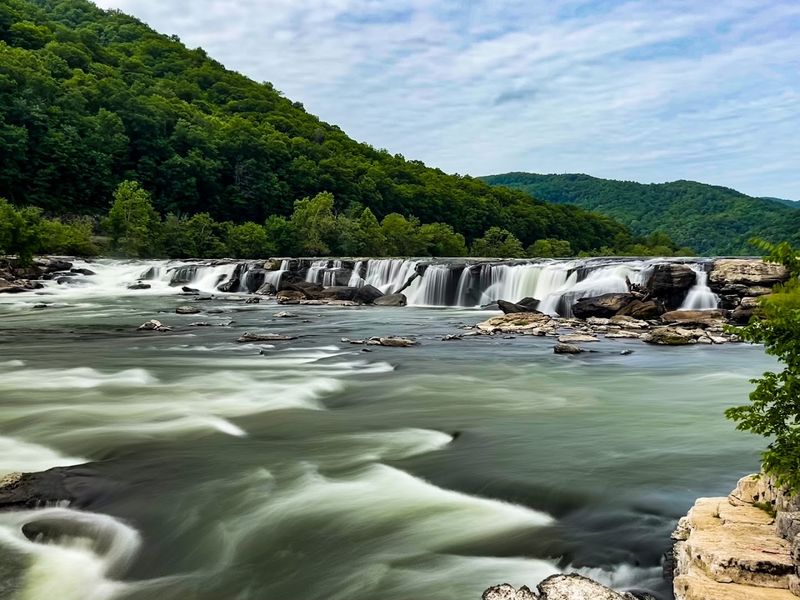
The buzz kicks in the second you hear the roar at Kanawha State Forest or along the Kaymoor area in New River Gorge, and your brain basically forgets physics. That hype slides people onto roots, off stone steps, and into the ooze that widens every bend.
I have done it too, chasing the angle that looks like a screen saver and treating my feet like afterthoughts.
West Virginia’s soils are friendly until you step on them a few thousand times, then they act like wet cake that never quite sets. That is why a little skid near the falls multiplies into a chute by the weekend.
The fix is not heroic. Slow down ten paces before the roar, and land each foot where the tread is firm.
At Sandstone Falls, that means staying on the boardwalk until the signed spur, even when someone darts off to the spray line. You get the same sound, the same cool lift of mist, and the trail survives for the next kid who wants that moment.
Think of it like borrowing a view. You return it by placing your steps where the trail tells you to.
How One “Faster Way” Turns Into A Widening Dirt Scar
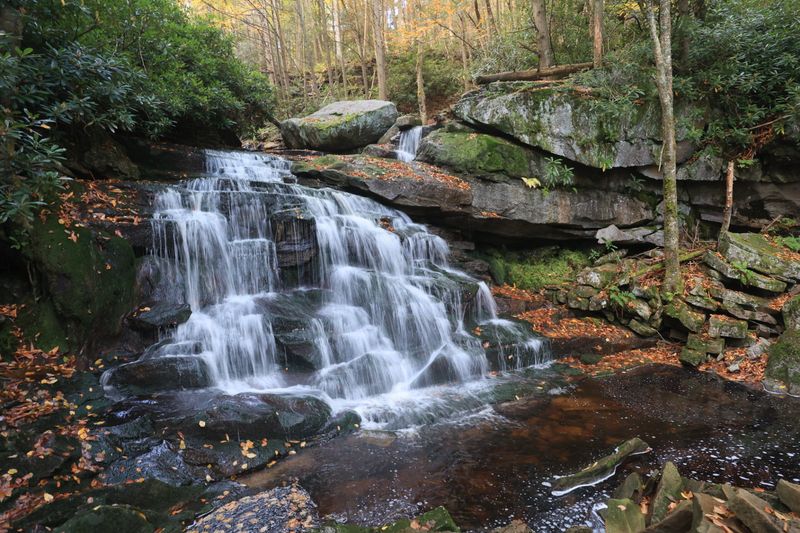
You see that skinny cut slicing straight up the hill at Blackwater Falls and think, hey, two minutes saved. Then rain finds that groove, rips it deeper, and the hill starts feeding it like a funnel.
The official switchback is not a suggestion. It is an engineering choice to slow water and feet at the same time.
Shortcuts collect grit, then pebbles, then whole clods as each boot scrapes a little more off the slope. By the next storm, the line looks like a mini creek bed with roots poking out like ribs.
I get the temptation when the overlook is right there. But the long way is actually the fast way to keeping the hillside alive.
On the Highland Scenic Highway pull-offs, you can spot the good tread by drains, gravel, and a slight out-slope that sheds water. The cut lines are raw, crumbly, and usually pointed straight at trouble.
If your calves ask for mercy, take a breather on the turn. Do not carve a new street through the hill’s belly.
Shortcut Erosion: The Quiet Damage That Gets Loud After Rain
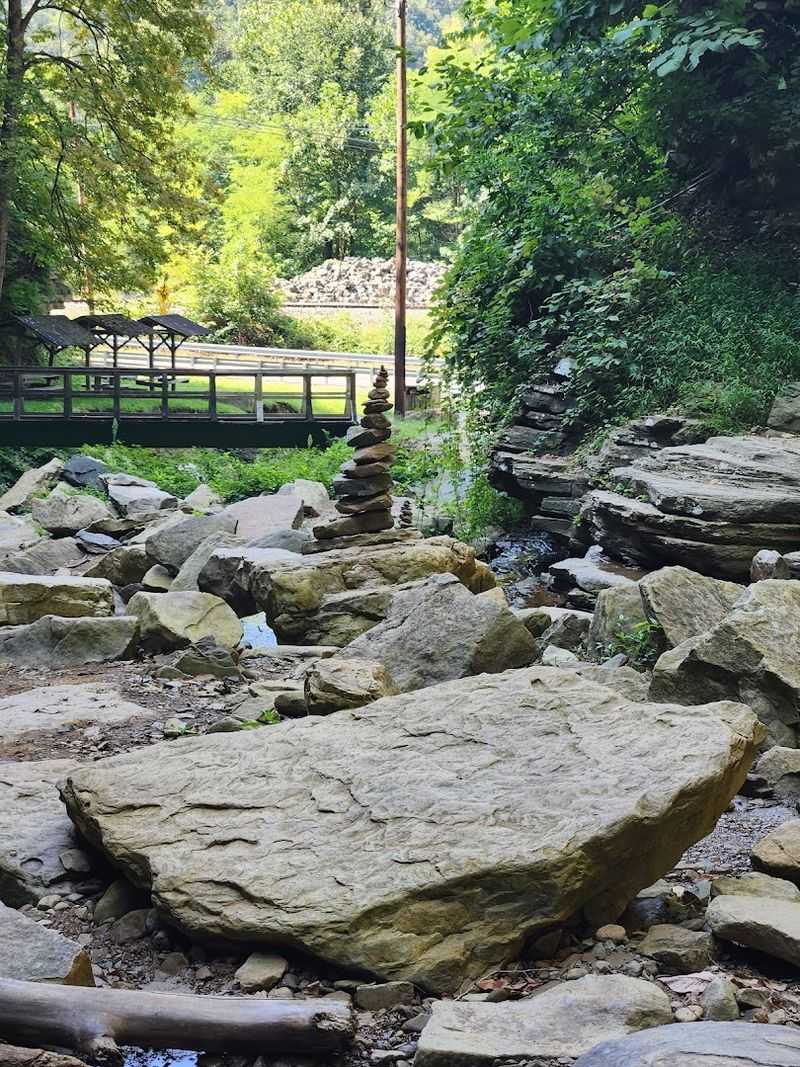
On dry days near Cathedral Falls, you barely notice that faint side path slicing through ferns. After a storm, it practically sings, because the water has chosen it as the easiest way down.
That is when rills appear, those tiny channels that braid into gullies, and the shortcut becomes a drainage ditch.
Silt clouds the water where the ditch meets the creek, and the banks slump into the flow. A handful of boots started it, but runoff does the heavy lifting every time the clouds open.
You can hear the crunch of loose grains underfoot. That is the trail asking for time out.
In West Virginia, that quiet damage jumps to loud fast because hills are steep and soils hold a lot of moisture. If you can read where water wants to go, you can avoid stepping into the line it will steal.
Pick rock, roots that are already armored, or the built tread with texture. Do not give water a smoother lane than the trail crew built.
Mud Slides On Steep Banks And Why They Keep Getting Worse
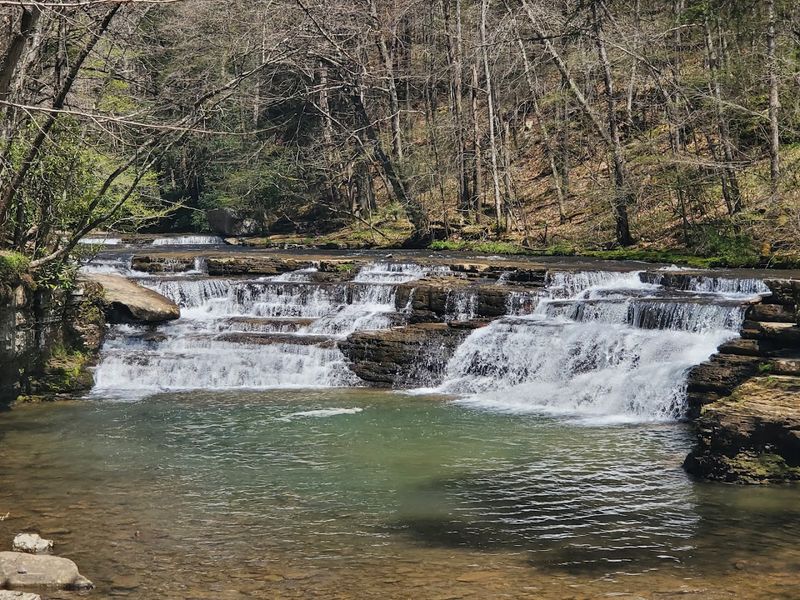
Those slumps you see along the Meadow River or near Glade Creek are not random tantrums. They are the slope answering a thousand tiny slips with one big shrug.
When boots shear off the thin mat of duff, the bank loses its grip and the next storm turns that patch into pudding.
Slides keep growing because the edge stays raw and slick for days, inviting more detours that peel back even more cover. It is like a zipper that never stops once the first tooth breaks.
I know the urge to tiptoe along the side to keep boots clean. That move just sands the bank into a chute.
West Virginia’s waterfalls sit in gullies that learned the hard way how to move earth, and they will take our hints. If a slope looks greasy, backtrack to the stable line or wait it out.
Your shoes can handle rinsing in the creek later. The hillside cannot grow skin back that fast.
Trail Braiding: When One Side Path Becomes Five
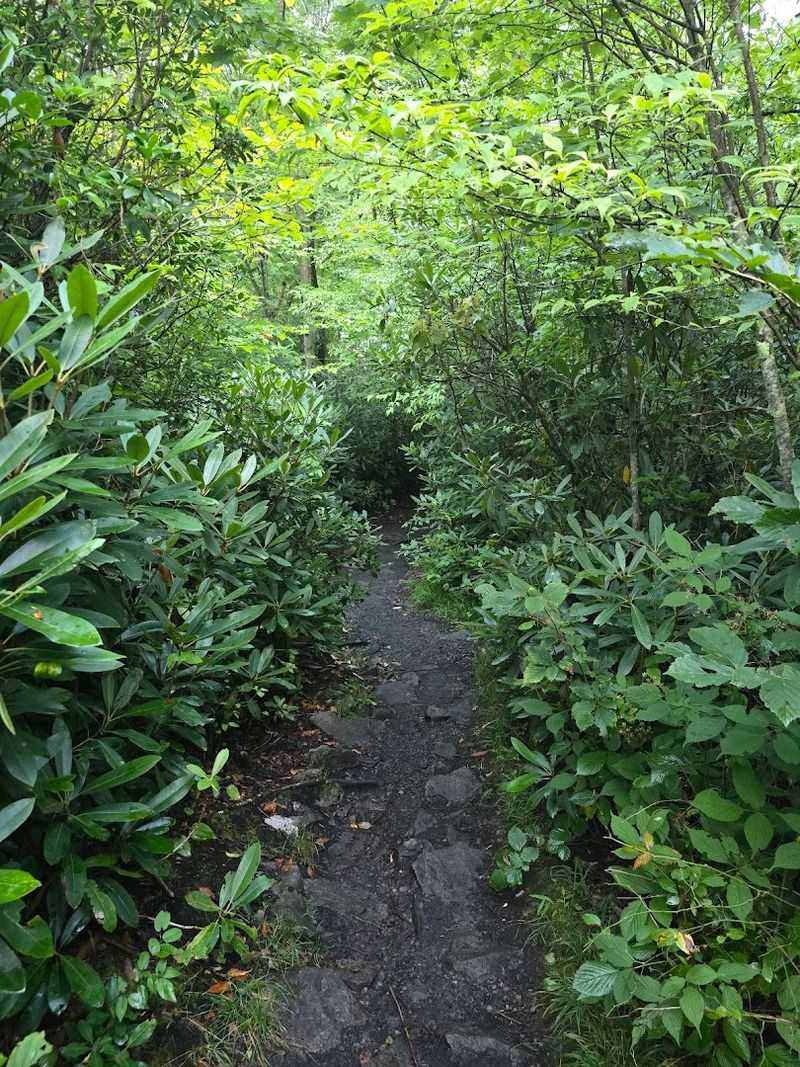
Look down from Lindy Point or along the Elakala area and you will spot it right away, a main line with thin cousins peeling off like spaghetti. That is trail braiding, and it spreads because nobody wants to step in the last person’s mess.
Each detour feels polite, but together they multiply the damage and trample roots the trail builders tried to protect.
Once a braid takes hold, plants retreat and the whole scene looks tired around the edges. The kicker is that photos still crop it out, so the damage hides in plain sight.
Want to help without giving a speech to strangers? Plant your feet on the firmest, narrowest tread and keep walking.
At West Virginia’s busy overlooks, rangers sometimes line trails with deadfall to guide flow. Follow that gentle nudge, because it is the crew trying to stitch the cut back together.
And if you are with friends, make it a game to stay single file. You will leave one clean line instead of five tired ones.
Photo Spots Without The Slide: Safe Angles That Still Look Epic
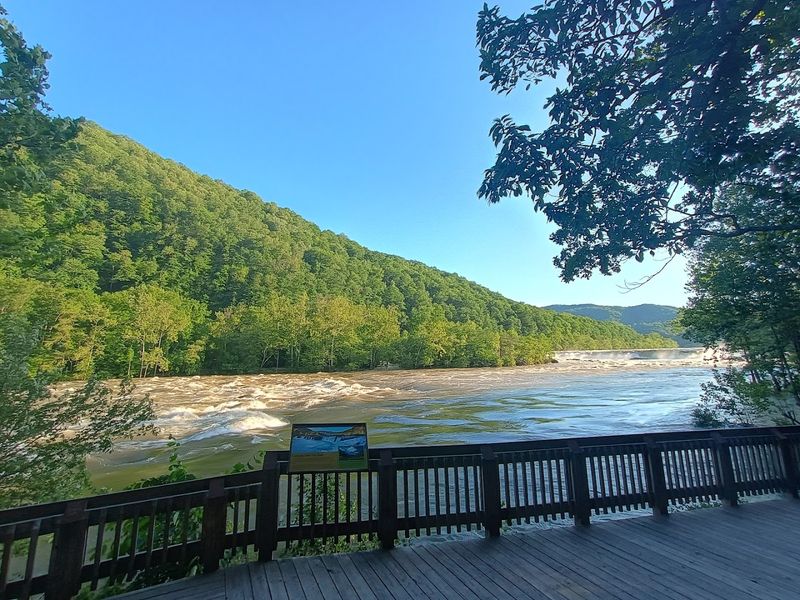
You can get that silky water shot at Blackwater Falls without moonwalking into muck. Set up on the established overlook or a flat rock pad with your toes behind a seam in the stone.
Angles change more with a small crouch or a side step than with a risky hop over the rail.
At Sandstone Falls, the boardwalk frames the cascades better than the mushy bank ever will. Let the lines lead the eye and you will forget you stayed tidy.
I like using a tree trunk as my horizon check. If it looks plumb, my feet are usually planted where they should be.
West Virginia’s foggy mornings gift soft light that forgives almost any composition from a safe spot. You do not need to chase the spray line to sell the drama.
Tripod feet go on rock or the deck, not on crumbly dirt. The best photographs are the ones that did not cost the trail a chunk of itself.
Passing Crowds Without Stepping Off Trail Like A Domino Effect
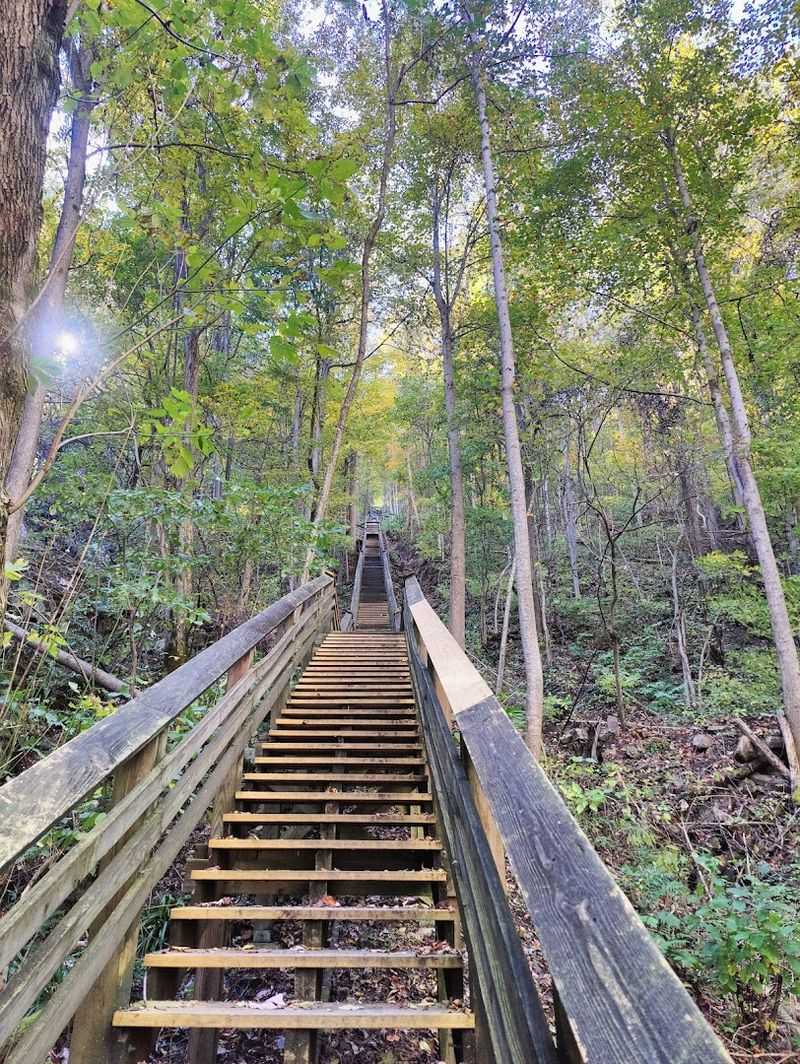
Bottlenecks happen on the Kaymoor Miners Trail stairs and near popular falls, and that is where the off-trail shuffle starts. One person steps wide to be nice, and suddenly six boots have carved a fresh shoulder.
Instead, call it out kindly and go single file, shoulder to rock or log, not into the duff.
If a group is pausing for pictures, just say you will wait a beat. That patience costs less time than fixing a new rut with every pass.
Look for built pull-outs, those flat spots with packed tread or stone. They exist because crews know choke points stack up.
In West Virginia’s gorge trails, echo carries, so a quick heads-up travels down the line. A simple “two passing behind you” keeps everyone steady and the edges intact.
None of this needs to feel bossy. It is more like traffic flow with boots and a view at the end.
Kids, Dogs, And The Drift Problem That Starts Innocent
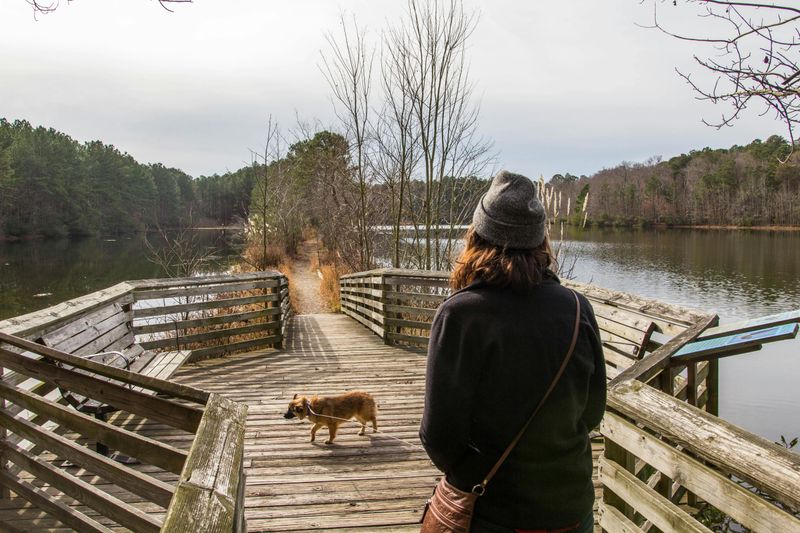
Little legs zigzag and noses follow smells, and that is how a cute detour becomes the new normal. I have watched it at Babcock State Park when a pup finds a cooler patch off to the side and four more paws follow.
Leashes and a quick “heels on rock” rule keep the drift from starting in the first place.
Give kids the job of finding blazes or the next step with texture. It turns staying on trail into a hunt, not a scold.
When the ground is soup, shorten the loop or reverse sooner than planned. West Virginia will still be here tomorrow, and the trail will thank you for the bailout.
Pack a small towel and make mud part of the day instead of something to dodge. The more we avoid mess by stepping off, the bigger the mess gets.
Dogs read our energy anyway. Calm stride, clear line, and they tuck in right with you.
What To Do When You See A Shortcut Forming In Real Time
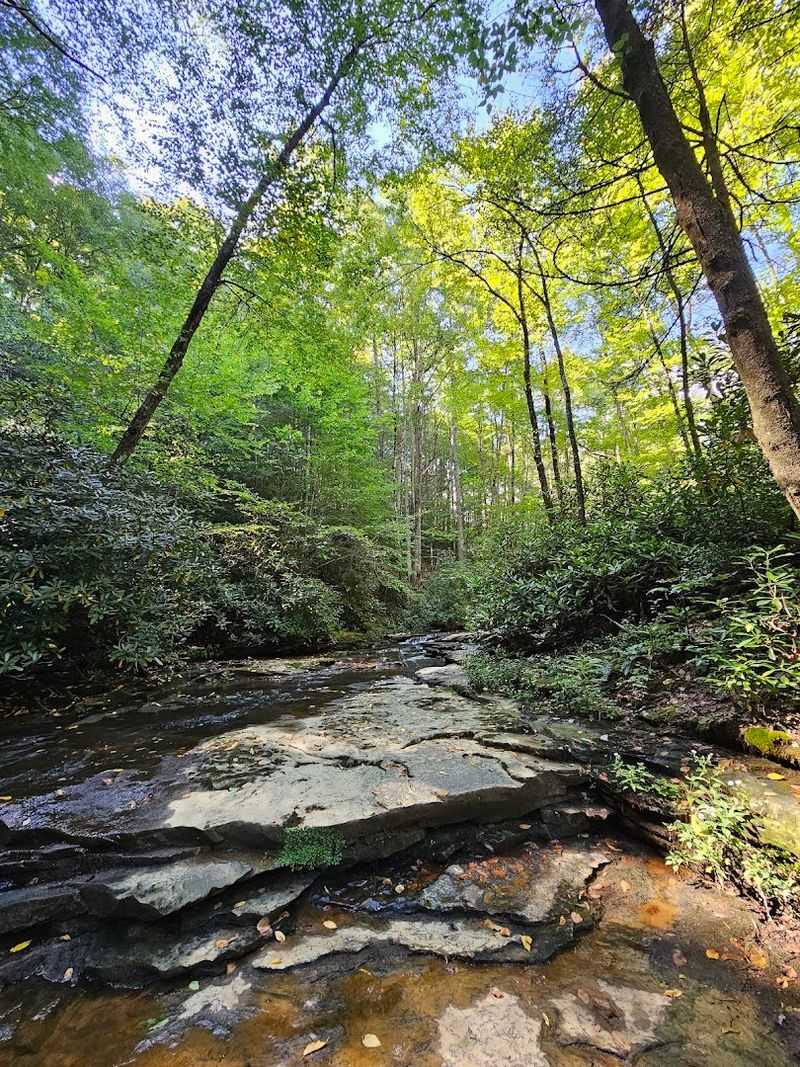
There is that moment on the Twin Falls trails when a faint line turns shiny and you know it is about to become a thing. You do not need a hard hat to help.
First, stop your own boots from using it and point your friends to the main line with a casual nod.
If there is loose brush nearby, lay a couple of sticks across the cut to make it less inviting. Do not yank plants, just reuse what is down.
Sometimes a quick word to a ranger or a volunteer table at the trailhead goes a long way. They can drop a sign or some duff before the next rush.
In West Virginia, crews are small and miles are long, so tiny nudges by hikers matter. It is not policing, it is neighborly trail care.
And if you are shy, at least model the line you hope others take. A few confident steps on the real tread can steer half the crowd.
Simple Habits That Keep West Virginia Falls Trails From Falling Apart
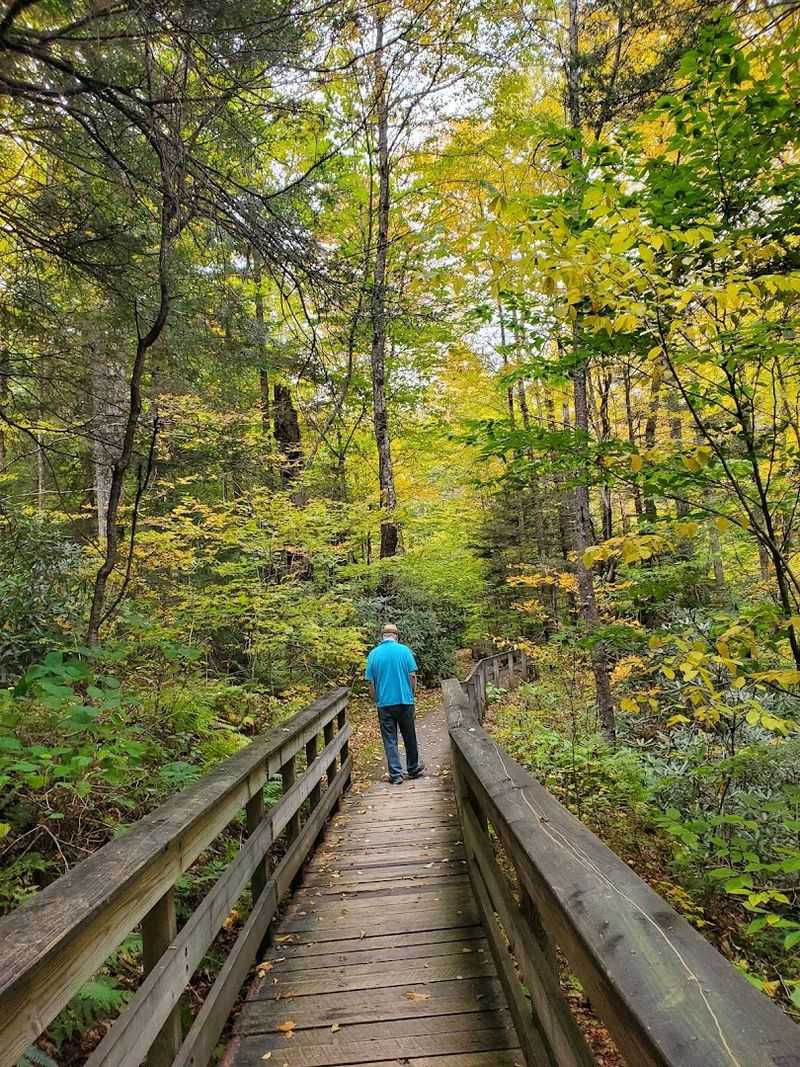
Here is the cheat sheet I wish someone handed me at the first overlook. Step on rock when you can, choose the center of the tread, and pause before puddles instead of skirting them.
If the water is shallow, go right through, because the trail is armored there and the edges are not.
Poles help if you plant them on stone or packed soil and keep your stride narrow. That keeps your balance without poking new holes in soft ground.
Plan exits for rainy days so you can bail before the hill turns to frosting. West Virginia’s weather flips fast and trails repay caution with a longer life.
Read the first sign you see, even if you think you know the spot. Crews often post the exact places to avoid after storms.
And thank a volunteer when you meet one. Those drains and steps did not grow there by themselves.
Dear Reader: This page may contain affiliate links which may earn a commission if you click through and make a purchase. Our independent journalism is not influenced by any advertiser or commercial initiative unless it is clearly marked as sponsored content. As travel products change, please be sure to reconfirm all details and stay up to date with current events to ensure a safe and successful trip.
