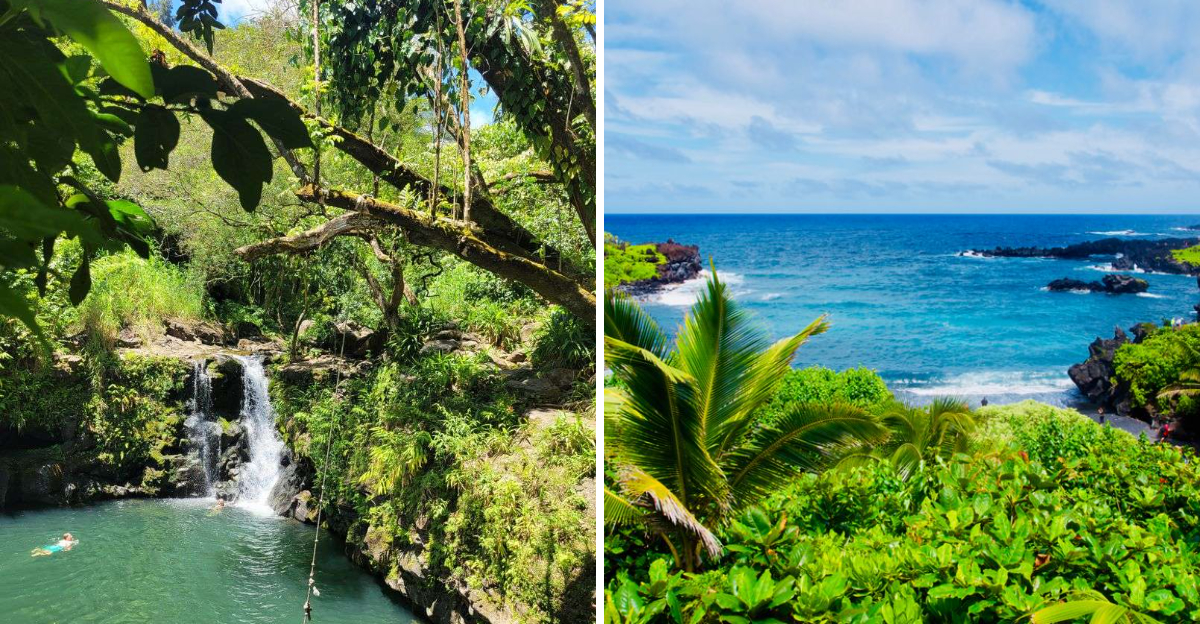
Nestled at the eastern edge of Maui, Hana stands apart as one of Hawaii’s most enchanting and isolated communities, a place where lush rainforests meet dramatic coastlines and time seems to slow to the rhythm of the waves.
Unlike the bustling resort towns that dominate much of the Hawaiian Islands, this remote mountain town offers travelers an authentic glimpse into old Hawaii, where natural beauty reigns supreme and modern development takes a backseat to preservation and tradition.
Reaching Hana requires a commitment, as the winding Road to Hana tests even the most adventurous drivers, but those who make the journey discover a landscape so pristine and captivating that it feels like stepping into another world entirely.
From cascading waterfalls hidden in emerald valleys to black sand beaches carved by ancient volcanic forces, Hana rewards visitors with experiences that cannot be replicated anywhere else in the island chain.
The Legendary Road to Hana Journey
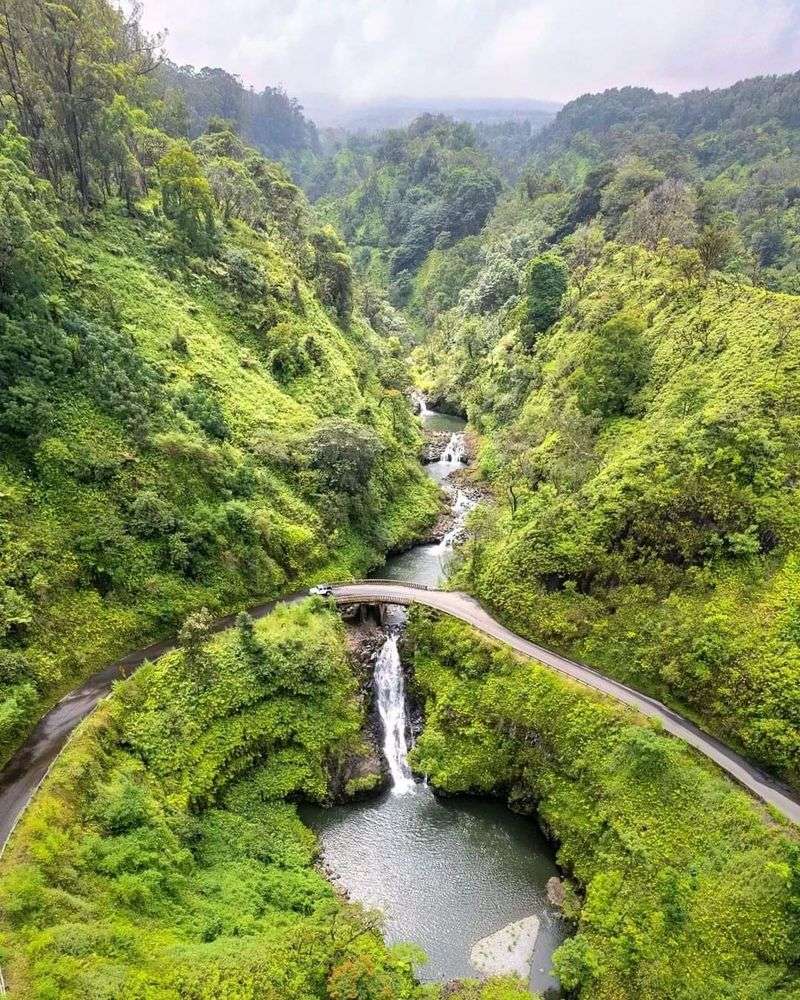
Getting to Hana is an adventure that becomes just as memorable as the destination itself.
The famous Road to Hana stretches approximately 64 miles along Maui’s northeastern coast, twisting through more than 600 curves and crossing over 50 bridges, many of them single-lane structures that require careful navigation.
Thick rainforest canopies arch overhead while the Pacific Ocean crashes against volcanic cliffs below, creating a driving experience unlike any other highway in America.
Travelers encounter roadside fruit stands selling fresh banana bread, hidden waterfalls accessible only by short hikes, and scenic overlooks that demand frequent stops for photographs.
The journey typically takes between two to four hours depending on how many stops you make, though rushing through would mean missing the entire point of this scenic route.
Bamboo forests rustle in the trade winds while wild ginger and plumeria perfume the air, engaging all your senses throughout the drive.
Local residents have learned to navigate these roads with ease, but visitors should prepare for narrow passages, occasional rockslides, and the need for patient driving.
This road serves as a natural filter, keeping Hana protected from mass tourism and ensuring that only those truly committed to the experience make it to this special corner of Maui.
The isolation created by this challenging route has preserved Hana’s character in ways that easier access would have destroyed decades ago.
Untouched Natural Landscapes and Rainforest Ecosystems
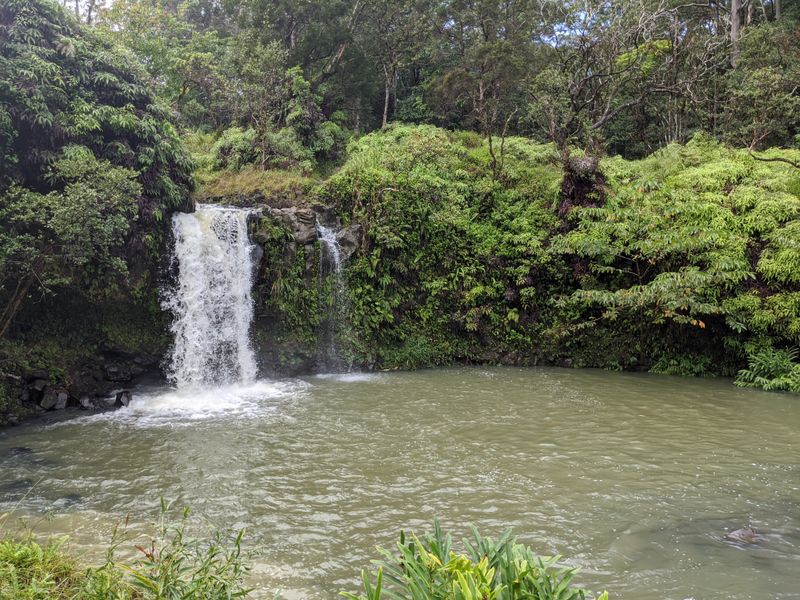
Hana receives more rainfall than almost any other part of Maui, transforming the landscape into a verdant paradise where vegetation grows with astonishing abundance.
Ancient ohia trees tower above thick understories of ferns, while native Hawaiian plants thrive in conditions that mirror what the islands looked like before human settlement.
The constant moisture creates microclimates where rare species find refuge, making Hana a living laboratory for botanists and nature enthusiasts.
Morning mists roll down from the slopes of Haleakala, wrapping the valleys in ethereal clouds that burn off slowly as the sun climbs higher.
Waterfalls appear after every rain, some permanent fixtures and others temporary cascades that emerge from hidden springs in the mountains.
The ecosystem here functions much as it did centuries ago, with native birds like the apapane flitting through the canopy and streams running clear over volcanic rock.
Walking through these forests feels like entering a prehistoric world where nature dominates completely and human influence remains minimal.
Conservation efforts have protected large tracts of land from development, ensuring that future generations can experience this remarkable biodiversity.
The air itself feels different here, heavy with humidity and rich with the scent of decomposing leaves and blooming flowers creating a complex natural perfume.
Black Sand Beaches and Volcanic Coastline
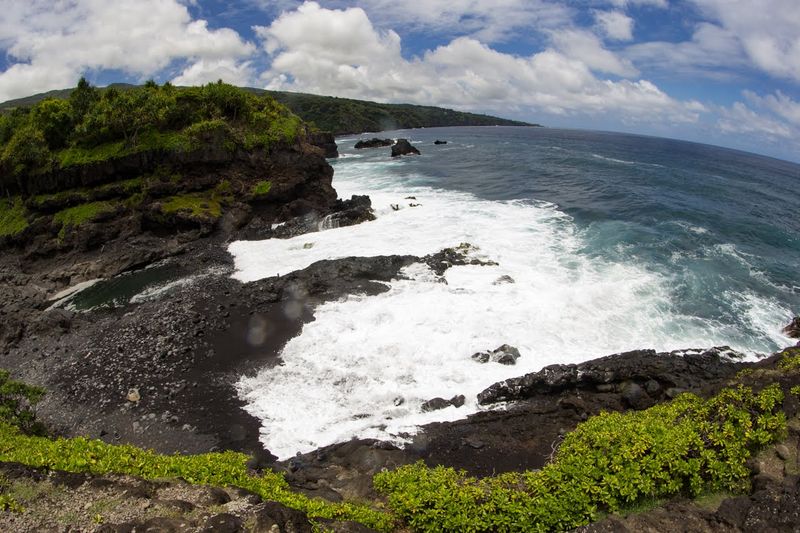
Waianapanapa State Park showcases one of Hawaii’s most striking black sand beaches, where jet-black volcanic pebbles contrast dramatically with the turquoise and white foam of crashing waves.
This beach formed from lava flows that reached the ocean and shattered into fragments, then were ground down over millennia by the relentless action of surf and tide.
The coastline here reveals Hawaii’s volcanic origins in stunning detail, with lava tubes, sea caves, and blow holes demonstrating the powerful geological forces that created these islands.
Visitors can explore tide pools teeming with marine life during low tide, discovering colorful fish, sea urchins, and tiny crabs adapted to the harsh intertidal zone.
The black sand absorbs heat from the sun, making the beach warmer underfoot than typical golden sand beaches found elsewhere in Hawaii.
Ancient Hawaiian legends speak of this coastline as a place of spiritual significance, where chiefs and commoners alike came to connect with the powerful mana of the land and sea.
Swimming here requires caution as strong currents and waves can be dangerous, but the visual spectacle alone justifies the visit.
The park also features coastal hiking trails that wind along the cliffs, offering panoramic views of the rugged shoreline stretching into the distance.
This volcanic landscape creates an atmosphere of raw natural power that feels fundamentally different from the groomed resort beaches on Maui’s western shores.
Traditional Hawaiian Culture and Community Spirit
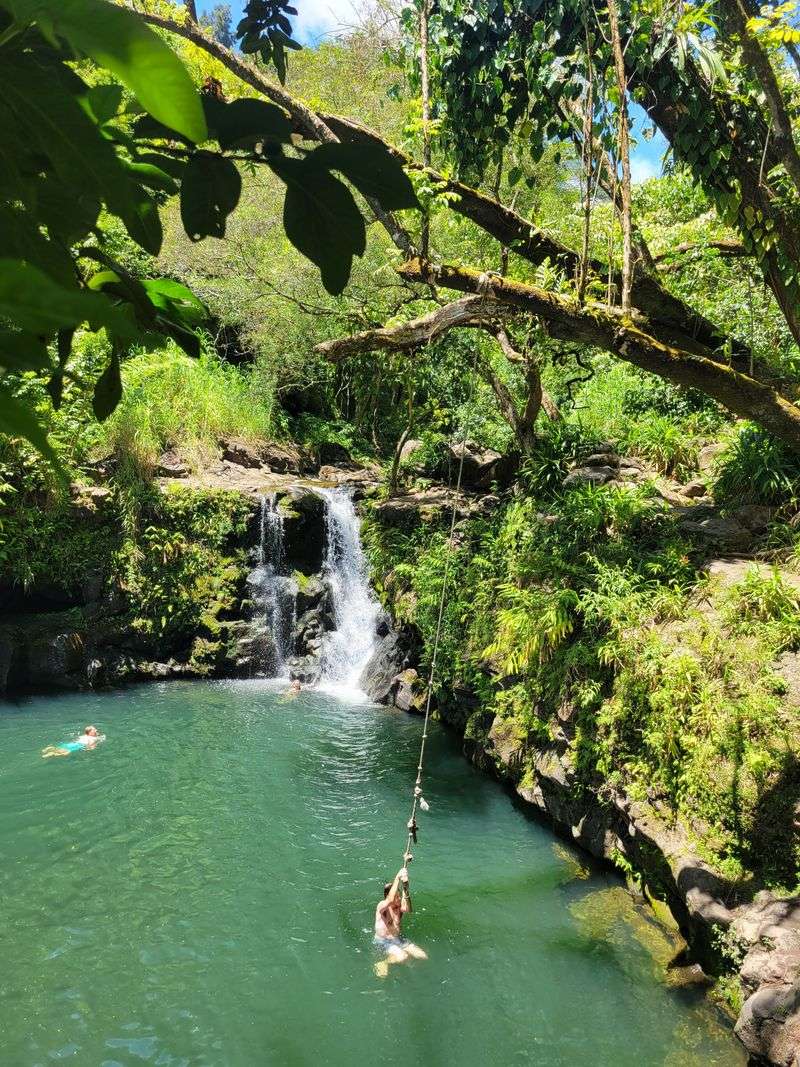
Hana’s population of approximately 1,500 residents maintains a strong connection to traditional Hawaiian values and lifestyle practices that have faded in more developed parts of the islands.
The community operates on what locals call island time, where relationships and respect matter more than rushing through daily tasks.
Many families here can trace their ancestry back generations, creating a deep sense of place and stewardship for the land that visitors can feel immediately upon arrival.
Local residents practice traditional arts like hula, lei making, and Hawaiian language preservation, keeping cultural knowledge alive for younger generations.
The town hosts cultural events throughout the year where visitors can witness authentic celebrations rather than performances staged solely for tourists.
Subsistence fishing and small-scale farming remain important activities, with families maintaining taro patches and raising livestock much as their ancestors did.
This commitment to tradition creates a living culture rather than a museum exhibit, allowing travelers to experience Hawaiian life as it continues to be lived rather than as it once was.
Residents welcome respectful visitors but also maintain clear boundaries, expecting guests to honor local customs and treat the land with appropriate reverence.
The sense of ohana, or extended family, extends throughout the community, creating a social fabric that feels rare in modern America.
Hana Ranch and Agricultural Heritage
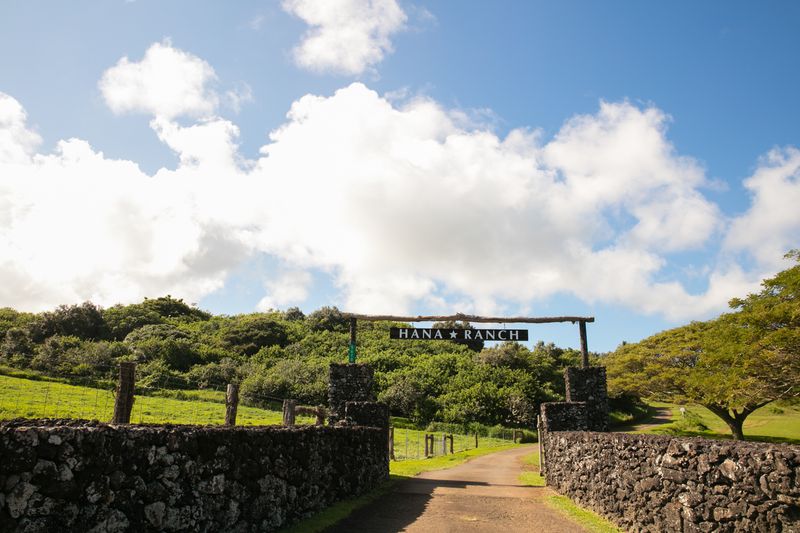
Sprawling across thousands of acres, Hana Ranch represents a significant part of the town’s identity and economic foundation, with cattle grazing on hillsides that roll down toward the ocean.
The ranch was established in the late 1800s and has operated continuously since then, adapting to changing times while maintaining its commitment to sustainable land management.
Grass-fed beef raised here supplies local restaurants and markets, creating a farm-to-table connection that most mainland communities can only dream about achieving.
Horseback riding through ranch lands offers visitors a unique way to experience Hana’s interior landscapes, traveling through pastures where Hawaiian cowboys, known as paniolos, once worked.
The agricultural character of Hana stands in stark contrast to the resort development that dominates other parts of Maui, proving that tourism and working landscapes can coexist.
Small farms surrounding the main ranch grow tropical fruits, taro, and vegetables, supplying the local community with fresh produce that rarely needs to travel more than a few miles.
This agricultural tradition connects directly to ancient Hawaiian land use patterns, where ahupuaa systems managed resources from mountain to sea in sustainable cycles.
The ranch also protects important watershed areas, ensuring that streams and aquifers remain healthy and unpolluted.
Watching cattle graze against a backdrop of rainforest-covered mountains creates a pastoral scene that feels timeless and deeply connected to the land’s natural rhythms.
Hamoa Beach and Secluded Coastal Gems
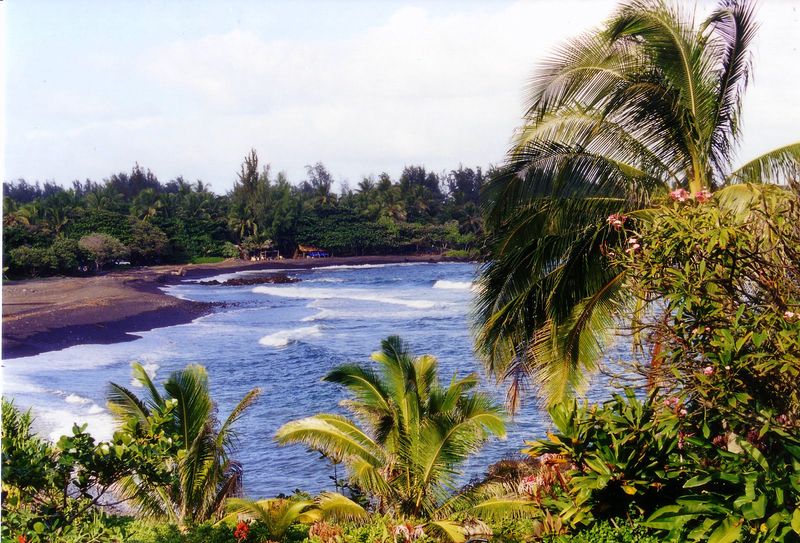
Hamoa Beach curves in a perfect crescent along Hana’s southeastern coast, its gray sand and powerful shore break creating conditions that surfers and bodyboarders cherish.
Author James Michener once described this beach as one of the most beautiful in the entire Pacific, praise that still rings true for anyone who descends the stairs to reach this coastal treasure.
Unlike the crowded beaches near Maui’s resort areas, Hamoa typically hosts only a handful of visitors, allowing for a peaceful beach experience that feels increasingly rare in Hawaii.
The beach sits in a natural amphitheater formed by lava cliffs draped in tropical vegetation, creating a sense of enclosure and intimacy with the landscape.
Strong waves make swimming challenging on most days, but experienced water enthusiasts find the conditions perfect for riding the powerful swells that roll in from the open Pacific.
Ironwood trees provide patches of shade along the backshore, though visitors should come prepared with their own beach equipment as facilities remain minimal.
The beach’s remote location means that you might share the sand with only a few other people even during peak tourist season, a luxury almost impossible to find elsewhere in Hawaii.
Local residents treat this beach as a neighborhood gathering spot, where families come to swim, fish, and enjoy weekend barbecues.
The combination of natural beauty, powerful surf, and relative solitude makes Hamoa Beach emblematic of Hana’s overall character as a place that rewards those who make the journey.
Wailua Falls and Hidden Waterfall Adventures
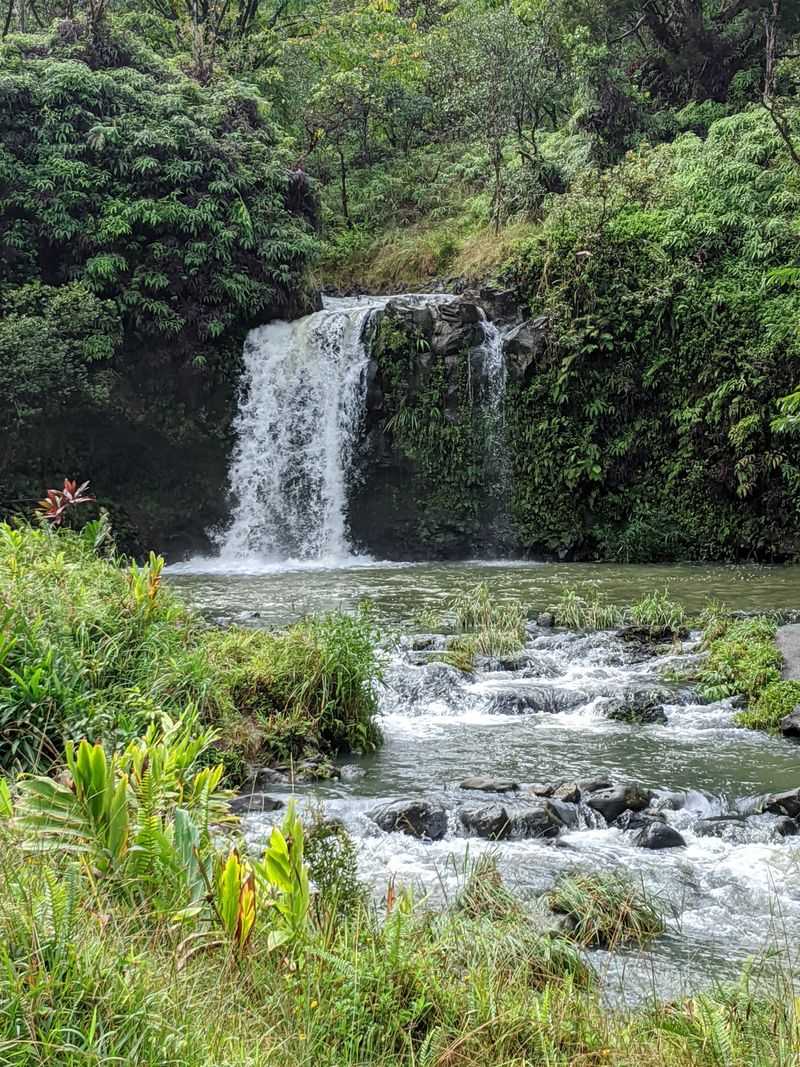
Countless waterfalls tumble down Hana’s mountainsides, with Wailua Falls standing out as one of the most accessible and photogenic cascades in the region.
The falls plunge approximately 80 feet into a large pool below, where brave swimmers can take a refreshing dip surrounded by ferns and tropical flowers.
Reaching the pool requires a short but steep and often muddy hike down from the roadside parking area, adding a small adventure element to the experience.
The constant spray from the falling water creates rainbows on sunny days, adding magical light effects to an already spectacular natural feature.
Beyond Wailua, dozens of other waterfalls hide in the valleys and gulches surrounding Hana, some accessible only to those willing to hike off the beaten path.
The abundance of falling water results from Hana’s position on the windward side of Haleakala, where trade winds dump moisture as they rise over the mountain slopes.
Local guides offer waterfall tours that take visitors to lesser-known cascades, sharing knowledge about native plants and Hawaiian legends associated with these sacred places.
Swimming beneath a waterfall in Hana provides a sensory experience that engages your whole body, from the cool fresh water to the thunderous sound of falling liquid to the mist on your face.
These waterfalls represent the life force of the land, feeding streams that eventually reach the ocean and completing the water cycle in visible, beautiful ways.
Kahanu Garden and Ancient Hawaiian History
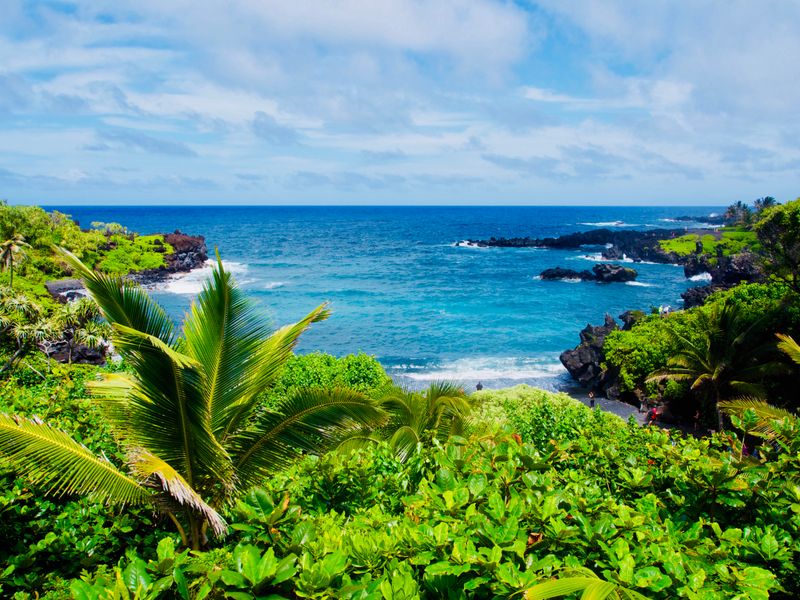
Within Kahanu Garden stands Piilani Hale Heiau, one of the largest ancient Hawaiian temple platforms in all of Hawaii, its massive lava rock walls speaking to the engineering skills of pre-contact Hawaiians.
The garden itself, located at 650 Ulaino Road, preserves one of the world’s largest collections of breadfruit varieties, a crop that sustained Hawaiian populations for centuries.
Archaeologists believe the heiau was constructed around 1200 AD, making it older than many European cathedrals and demonstrating the sophistication of ancient Polynesian civilization.
Walking through the garden connects visitors to the deep history of Hawaiian agriculture, with plants that voyaging canoes carried across thousands of miles of open ocean.
The site holds profound spiritual significance for Native Hawaiians, serving as a place where ancestors communicated with gods and conducted ceremonies that maintained the balance between human and natural worlds.
Interpretive signs throughout the garden explain traditional uses for various plants, from medicine to food to materials for building and crafting.
The garden’s location near the coast reflects ancient settlement patterns, where communities established themselves at the interface between marine and terrestrial resources.
Visiting Kahanu Garden requires reservations and respectful behavior, as this remains a sacred site where cultural protocols must be observed.
The experience offers depth and context that helps visitors understand Hawaii as a place with rich human history extending back nearly a thousand years before Western contact.
Kaihalulu Red Sand Beach
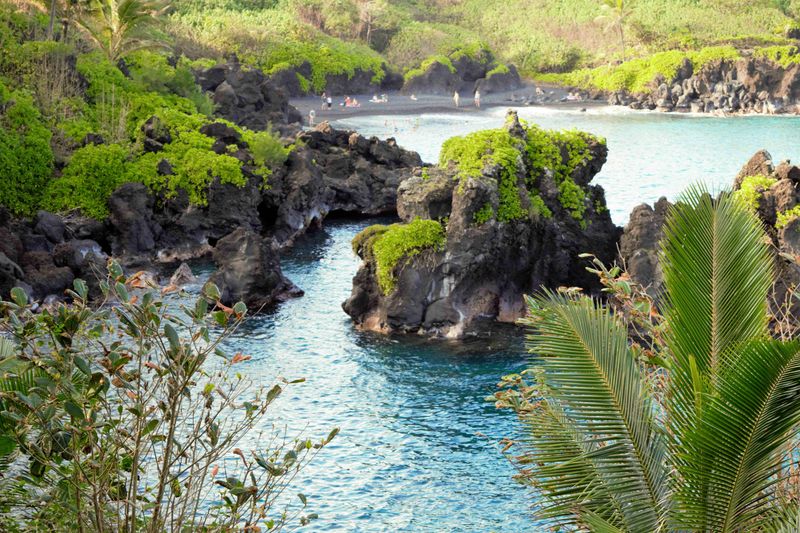
Kaihalulu Beach earns its nickname as Red Sand Beach from the rust-colored volcanic cinder cone that eroded to create its distinctive crimson shoreline.
The beach hides in a small cove protected by a partially collapsed cinder cone, creating a natural barrier that shelters the beach from the strongest ocean swells.
Access requires navigating a narrow and sometimes treacherous trail along the cliff edge, making this beach suitable only for sure-footed visitors comfortable with exposure.
The dramatic color contrast between the red sand, black lava rocks, turquoise water, and green vegetation creates a visual spectacle that photographers find irresistible.
Local residents have mixed feelings about visitors to this beach, as increased traffic has led to erosion and safety concerns along the access trail.
The beach remains clothing-optional, a tradition that continues from its history as a secluded spot far from the eyes of mainstream tourism.
Swimming conditions vary depending on ocean swells, with the protective cove creating calm water on some days while allowing dangerous currents on others.
The red color comes from iron-rich minerals in the volcanic rock, the same processes that create the red dirt found throughout Hawaii’s older volcanic landscapes.
Visiting this beach requires respect for the fragile environment and awareness that this is not a developed tourist attraction but rather a natural feature that demands careful stewardship from all who visit.
Slow-Paced Lifestyle and Escape from Modern Stress
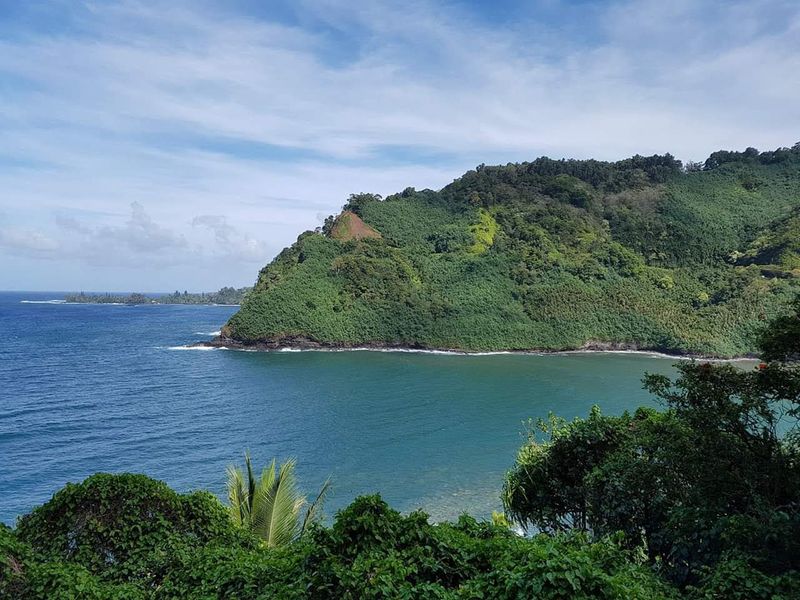
Perhaps Hana’s greatest distinction lies not in any single feature but in the overall atmosphere of tranquility and disconnection from the frantic pace of modern life.
Cell phone service remains spotty throughout much of the area, forcing visitors to disconnect from constant digital stimulation and reconnect with immediate sensory experiences.
The town lacks the shopping centers, chain restaurants, and entertainment complexes that characterize other Hawaiian destinations, offering instead a chance to experience boredom as a gateway to presence.
Evenings grow dark and quiet, with stars blazing overhead in numbers rarely visible from more developed areas where light pollution obscures the night sky.
Visitors often report that time feels different in Hana, with hours stretching out luxuriously and the usual pressure to maximize every moment gradually dissolving.
The isolation that makes reaching Hana challenging becomes the very quality that makes staying there restorative, creating space for reflection and genuine rest.
Local businesses close early, meals take longer to prepare and serve, and nobody seems particularly concerned about efficiency or productivity.
This slower rhythm allows travelers to notice details they would normally overlook, from the patterns of light through leaves to the songs of birds to the feeling of trade winds on skin.
Hana offers a reminder that Hawaii was never meant to be consumed rapidly but rather experienced slowly, with attention and respect for the land’s quiet power.
Dear Reader: This page may contain affiliate links which may earn a commission if you click through and make a purchase. Our independent journalism is not influenced by any advertiser or commercial initiative unless it is clearly marked as sponsored content. As travel products change, please be sure to reconfirm all details and stay up to date with current events to ensure a safe and successful trip.
