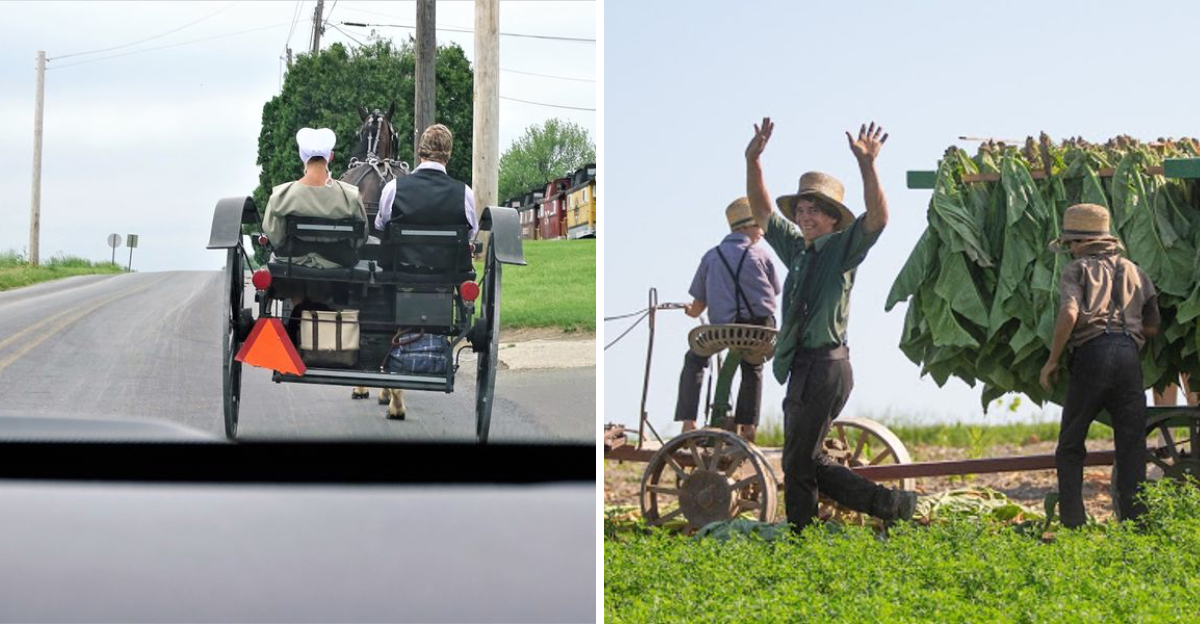
Oklahoma locals know that Amish communities around Hydro and Corn aren’t tourist attractions, but do first-time visitors understand what that really means? Respectful travel here requires more than good intentions, it demands awareness of boundaries that are rarely spoken aloud.
Many outsiders arrive with Oklahoma locals know that Amish communities around Hydro and Corn aren’t tourist attractions, but do first-time visitors understand what that really means? Respectful travel here requires more than good intentions, it demands awareness of boundaries that are rarely spoken aloud.
Many outsiders arrive with expectations shaped by curiosity or media stereotypes, only to realize too late that their assumptions clash with deeply held values.
Understanding Amish etiquette isn’t about memorizing rules; it’s about recognizing the difference between access and invitation, between politeness and intrusion, and between curiosity and respect.
These communities prioritize routine, privacy, and continuity over explanation or accommodation. Silence or brief responses are not dismissive, but intentional.
Visitors who slow down and observe often notice cues that are easy to miss when rushing. Arrival time, body language, and when you choose to leave all communicate respect more than words do.
The experience rewards restraint far more than engagement.
Mistaking Quiet for Unfriendliness
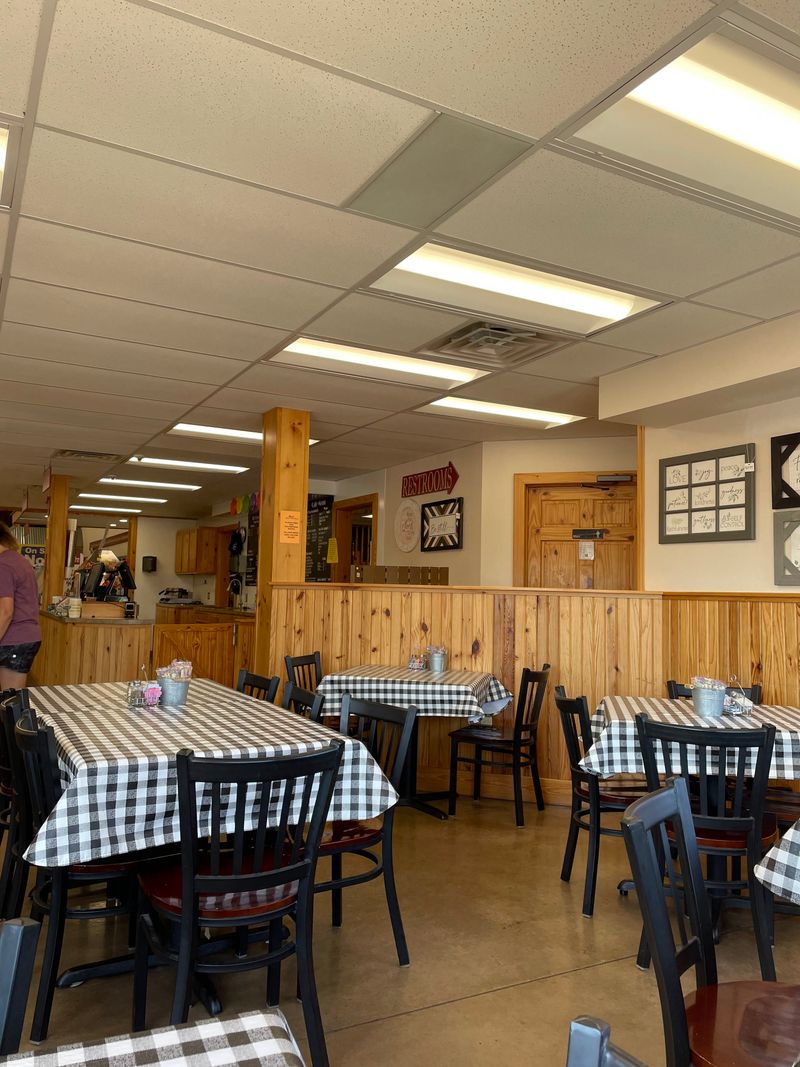
Reserve shouldn’t be confused with coldness. In Amish communities near Hydro or Corn, silence carries weight and meaning, serving as a form of respect rather than a barrier.
Conversation flows with purpose, not performance. Words are chosen carefully, shared when necessary, and never wasted on small talk meant to fill space or ease discomfort.
Familiarity builds slowly through repeated interactions, not instant introductions or forced friendliness. Trust develops over time, earned through consistency and respectful behavior rather than charm or charisma.
First-time visitors often misread this measured approach as standoffishness or rejection. They expect warmth to be immediate and vocal, missing the subtle gestures that signal acceptance.
Body language speaks volumes here. A nod, a slight smile, or steady eye contact can communicate openness without breaking the community’s preference for restraint.
Patience pays off. Those who return regularly and respect the pace of relationship-building often find themselves welcomed in ways outsiders never experience.
Pushing for conversation or attempting to break through reserve with humor or persistence usually backfires. What feels friendly to a visitor may come across as intrusive or disrespectful to someone who values quiet dignity.
Treating Daily Life as a Photo Opportunity
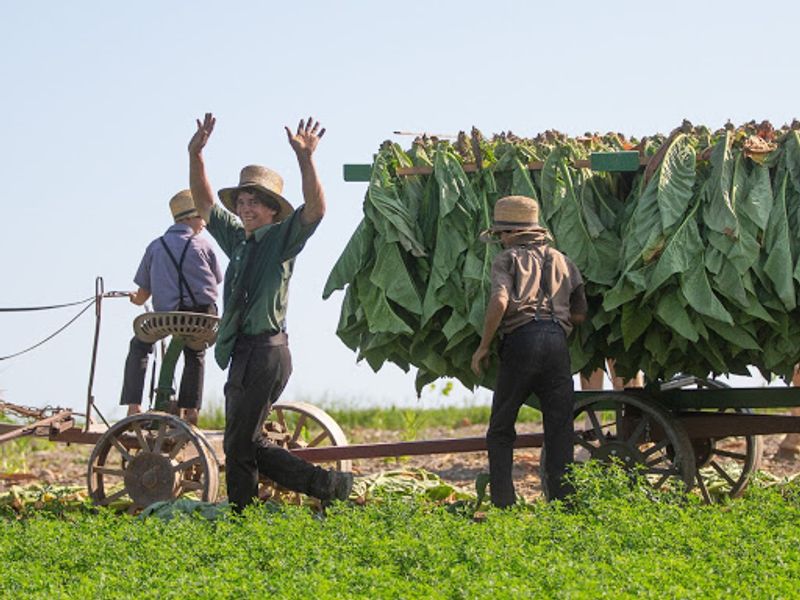
Cameras change everything. What feels like innocent documentation to a visitor can feel like violation to someone whose faith discourages vanity and public display.
Homes, barns, children, and workspaces aren’t set pieces waiting to be captured. They’re private spaces where real people live, work, and worship without wanting to be observed or recorded.
Photography without explicit permission crosses a line that many first-time visitors don’t even realize exists. Even when intentions are benign or admiring, the act itself disrespects boundaries central to Amish identity.
Pointing a lens at someone signals that you see them as different, exotic, or worth documenting, not as an equal. That distinction, however subtle, undermines the respect you may be trying to show.
Some visitors justify their behavior by claiming they’re not taking photos of faces or that they’re staying on public roads. Neither excuse changes the fact that the subjects didn’t consent.
If you want to remember your visit, buy a handmade item or write down your impressions. Those keepsakes honor the experience without reducing real people to images.
Oklahoma’s Amish settlements aren’t open-air museums. Treating them that way ensures you’ll be remembered, but not fondly.
Expecting Businesses to Operate Like Tourist Stops
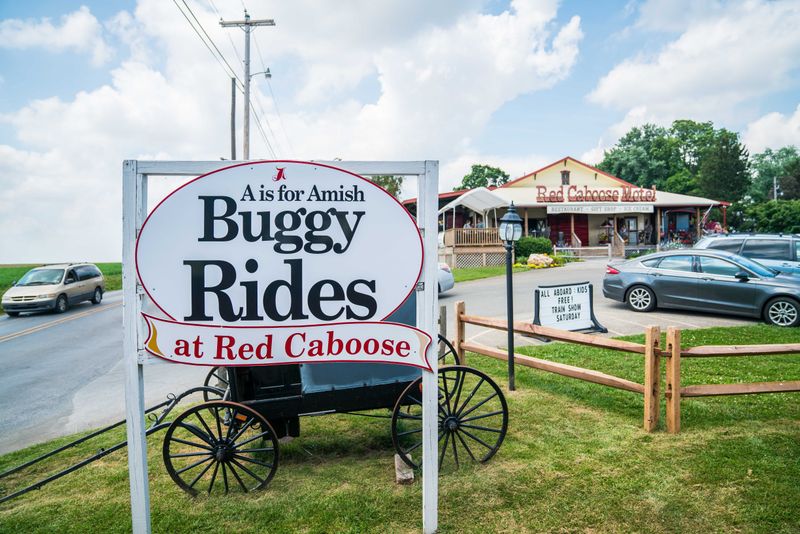
Amish-run bakeries, stores, and markets follow routine, not demand. Hours are set around family schedules, farm duties, and worship, not customer convenience or profit maximization.
There are no extended hours for latecomers, no emergency restocks for sold-out items, and no bending of structure to accommodate crowds or special requests. What’s available is what’s available.
Visitors often misread this adherence to structure as inflexibility or poor customer service. In reality, it reflects a worldview where commerce serves life, not the other way around.
Showing up at closing time and expecting accommodation won’t work. Neither will requesting custom orders on the spot or asking for exceptions because you drove a long way.
These businesses exist to support the community first and serve outsiders second. That priority shapes every decision, from what gets stocked to when the doors open.
Respecting those boundaries means planning ahead, arriving early, and accepting what’s offered without complaint. If the bread is gone by noon, come earlier next time.
Oklahoma’s Amish settlements aren’t trying to compete with commercial tourism. They’re simply living according to values that prioritize sustainability, simplicity, and balance over convenience or growth.
Assuming Technology Rules Are Inconsistent
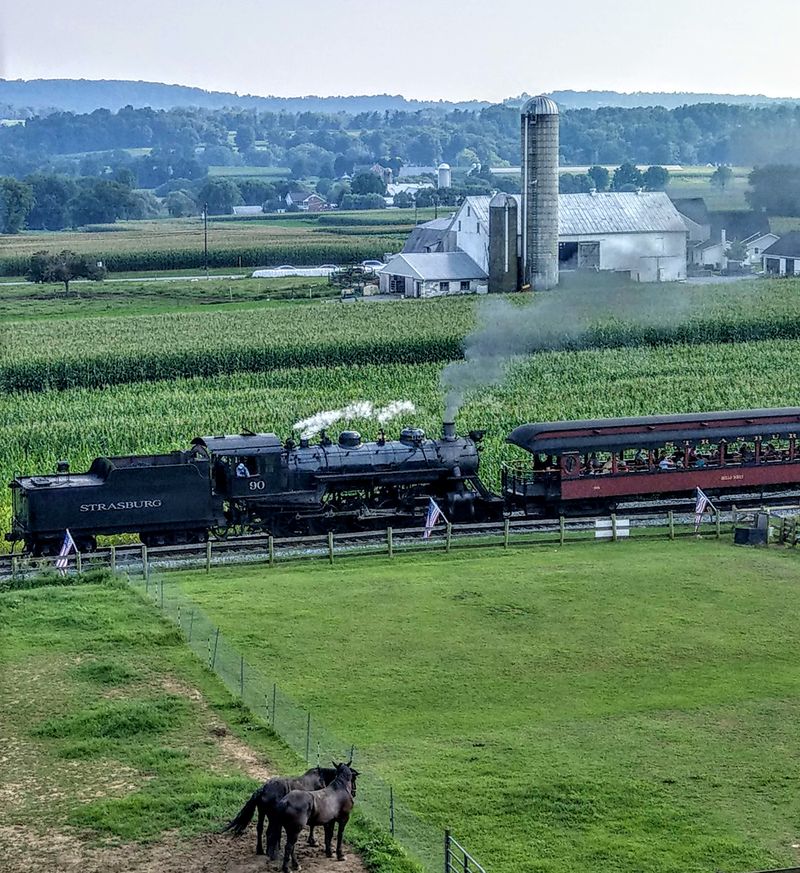
Outsiders sometimes notice limited use of phones, cash registers, or lighting and assume the rules are arbitrary or hypocritical. In reality, decisions about technology are community-based, deliberate, and internally consistent.
Each settlement determines what tools serve their values and which ones threaten them. A calculator might be acceptable while a smartphone isn’t, not because of inconsistency but because of careful discernment.
Technology is evaluated based on whether it fosters self-sufficiency, strengthens community bonds, and aligns with humility. Tools that isolate, distract, or encourage dependence on the outside world are generally rejected.
What looks contradictory to an outsider often reflects nuanced reasoning that has been debated, prayed over, and agreed upon collectively. These aren’t snap judgments or personal preferences.
Questioning those choices directly, especially with skepticism or condescension, is considered impolite. It signals that you think your way of life is more logical or advanced.
Different settlements may reach different conclusions, but that doesn’t mean the system is flawed. It means each community has autonomy to interpret their faith in ways that work for them.
Visitors who approach these differences with curiosity rather than judgment earn far more respect than those who challenge or critique what they don’t understand.
Overstaying Conversations
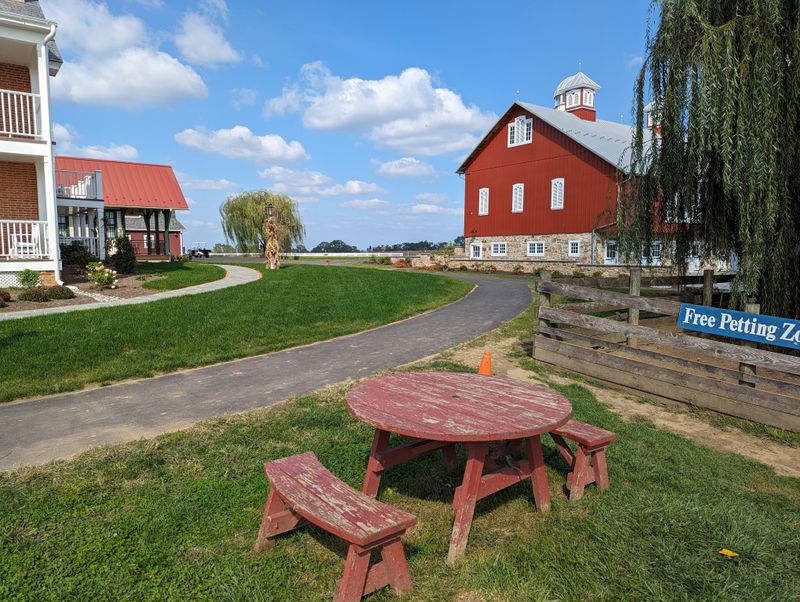
Politeness does not equal availability. Amish interactions are efficient by design, shaped around work schedules, family responsibilities, and community obligations that don’t pause for visitors.
Lingering unnecessarily or pushing for personal details crosses an unspoken boundary. What feels like friendly interest to you may feel like intrusion to someone with chores waiting and daylight fading.
Conversations are functional, not recreational. Questions are answered, transactions are completed, and farewells are brief.
There’s no expectation of extended chitchat or bonding over shared stories.
First-time visitors often mistake brevity for rudeness, not realizing that time is managed with precision and purpose. Every minute spent talking is a minute not spent working, and work comes first.
Asking follow-up questions, sharing lengthy anecdotes, or attempting to turn a quick exchange into a social visit will likely be met with polite but firm disengagement. Body language will shift, eye contact will decrease, and responses will shorten.
Respect the rhythm. If someone is wrapping up the conversation, let it end.
Thank them, leave, and don’t take it personally.
Oklahoma’s Amish communities appreciate genuine interest, but they value efficiency even more. Show respect by being mindful of their time.
Misreading Dress as Costume

Clothing signals humility and belonging, not nostalgia or performance. Every stitch, color, and hem length reflects faith-based commitments that have nothing to do with aesthetics or historical reenactment.
Commenting on attire as if it were theatrical or quaint reduces something functional and meaningful to novelty. It’s quietly resented, even when the speaker thinks they’re being complimentary.
Phrases like “I love your outfit” or “You look like you stepped out of the past” may seem harmless, but they betray a fundamental misunderstanding. This isn’t fashion; it’s identity.
Amish dress codes are determined by community standards, not individual preference. They’re designed to minimize vanity, maintain modesty, and visually reinforce unity and separation from mainstream culture.
Asking why someone dresses “that way” implies that modern clothing is the default and theirs is the deviation. It frames their choices as backward rather than intentional.
Children wear the same styles as adults, not because they’re forced to but because the values those clothes represent are taught from birth. It’s part of how identity and faith are passed down.
Visitors who treat Amish clothing with curiosity rather than respect miss the point entirely. These garments aren’t costumes waiting to be admired, they’re expressions of a worldview that prioritizes humility over individuality.
Assuming Sunday Is Flexible
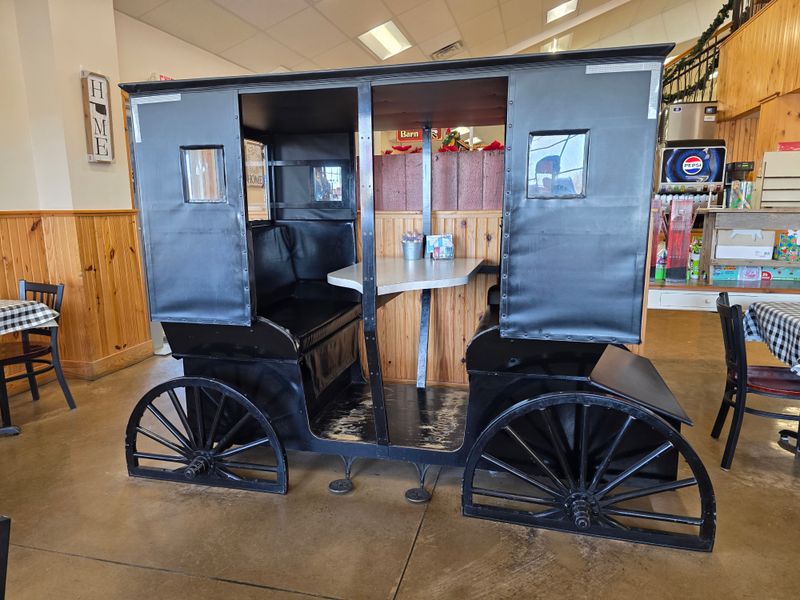
Sunday is reserved for worship and rest, without exception. Attempting to shop, schedule visits, or expect responses on that day signals unfamiliarity with core values and disrespects the rhythm of Amish life.
Many first-time visitors learn this only after arriving to closed doors and empty storefronts. Signs aren’t always posted, because the expectation is that outsiders will know, or ask ahead.
Worship services are private, held in homes rather than churches, and visitors are not invited unless they have an established relationship with the family. Showing up uninvited is a serious breach of etiquette.
Rest doesn’t mean relaxation in the modern sense. It means stepping away from commerce, labor, and worldly concerns to focus entirely on faith, family, and spiritual renewal.
Even emergency situations are handled with care on Sundays. Non-urgent matters wait until Monday, and visitors who press for exceptions are seen as disrespectful.
Planning a trip to Oklahoma’s Amish communities means checking the calendar and avoiding Sundays entirely. If you arrive on Saturday, don’t expect anyone to accommodate a Sunday visit.
This boundary isn’t negotiable, and it’s one of the easiest ways to show respect. Honor the Sabbath by staying away, and you’ll be remembered as someone who understood the rules without needing to be told.
Expecting Direct Explanations
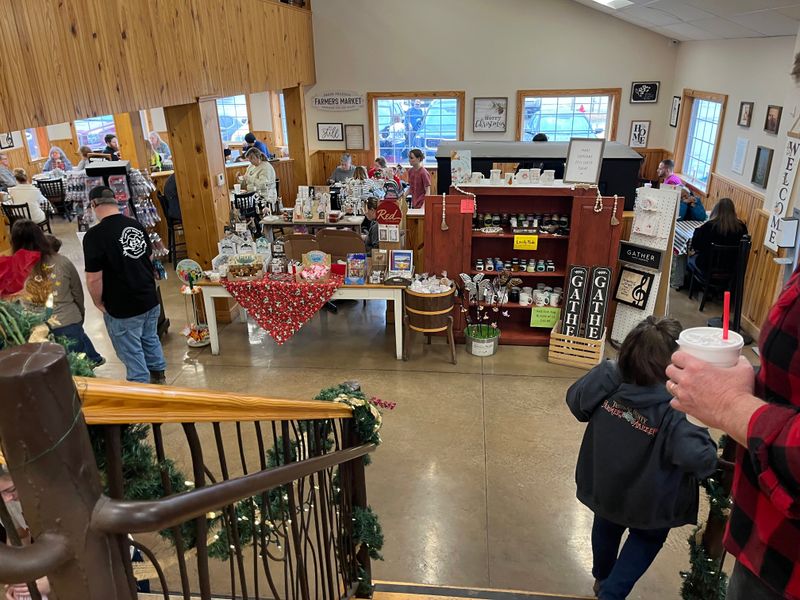
Amish communities rarely explain boundaries out loud. Correct behavior is modeled, not taught, and visitors waiting for verbal guidance often miss cues that are already being given through tone, timing, and restraint.
If you’re not sure whether something is appropriate, watch how locals behave. Do they linger?
Do they ask personal questions? Do they take photos?
Probably not, and neither should you.
Silence often serves as an answer. If your question isn’t addressed, it’s likely because the answer is no, and stating it outright would feel unnecessarily confrontational.
Asking “Why?” about rules or customs puts people in an uncomfortable position. They didn’t create these norms to justify them to outsiders; they follow them because of shared faith and communal agreement.
Body language communicates volumes. A turned shoulder, a shortened response, or a polite redirection are all signals that you’ve crossed a line or overstayed your welcome.
Visitors who expect everything to be spelled out will struggle. Those who observe, adapt, and respect unspoken boundaries will have far smoother experiences.
Oklahoma’s Amish settlements operate on trust and mutual understanding. They assume good faith from visitors, but they also expect those visitors to be observant and self-aware enough to adjust behavior without needing explicit instruction.
Confusing Accessibility With Invitation
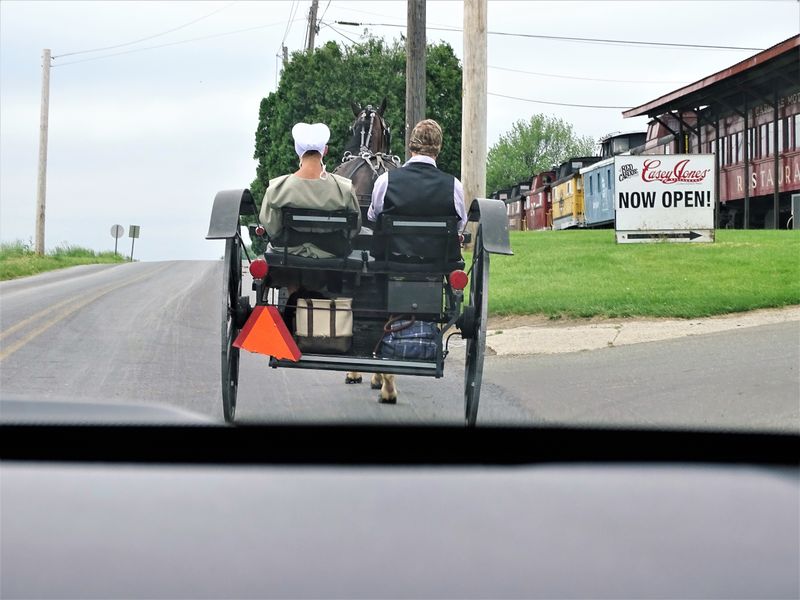
Roadside signs and open storefronts do not mean unrestricted access. Being able to stop does not automatically mean being welcome to wander, explore, or ask questions beyond the transaction at hand.
Amish businesses serve the public, but they’re not public spaces. There’s a difference between being allowed to purchase goods and being invited to tour the property or engage in lengthy conversations.
Visitors who treat these spaces like attractions, wandering into barns, peeking into windows, or exploring beyond the designated sales area, violate trust and privacy. Just because a door is open doesn’t mean you’re invited through it.
Boundaries aren’t always marked with signs or ropes. They’re assumed, and crossing them signals either ignorance or disrespect.
Neither leaves a good impression.
Transactions should be straightforward. Enter, browse what’s available, make your purchase, and leave.
If conversation happens naturally, that’s fine, but don’t force it or use shopping as an excuse to satisfy curiosity.
Children and animals are not props for interaction. Don’t approach them, pet them, or try to engage them without explicit permission from an adult.
Oklahoma’s Amish communities are generous with what they offer, but that generosity has limits. Respect those limits by recognizing the difference between what’s accessible and what’s truly open.
Dear Reader: This page may contain affiliate links which may earn a commission if you click through and make a purchase. Our independent journalism is not influenced by any advertiser or commercial initiative unless it is clearly marked as sponsored content. As travel products change, please be sure to reconfirm all details and stay up to date with current events to ensure a safe and successful trip.
