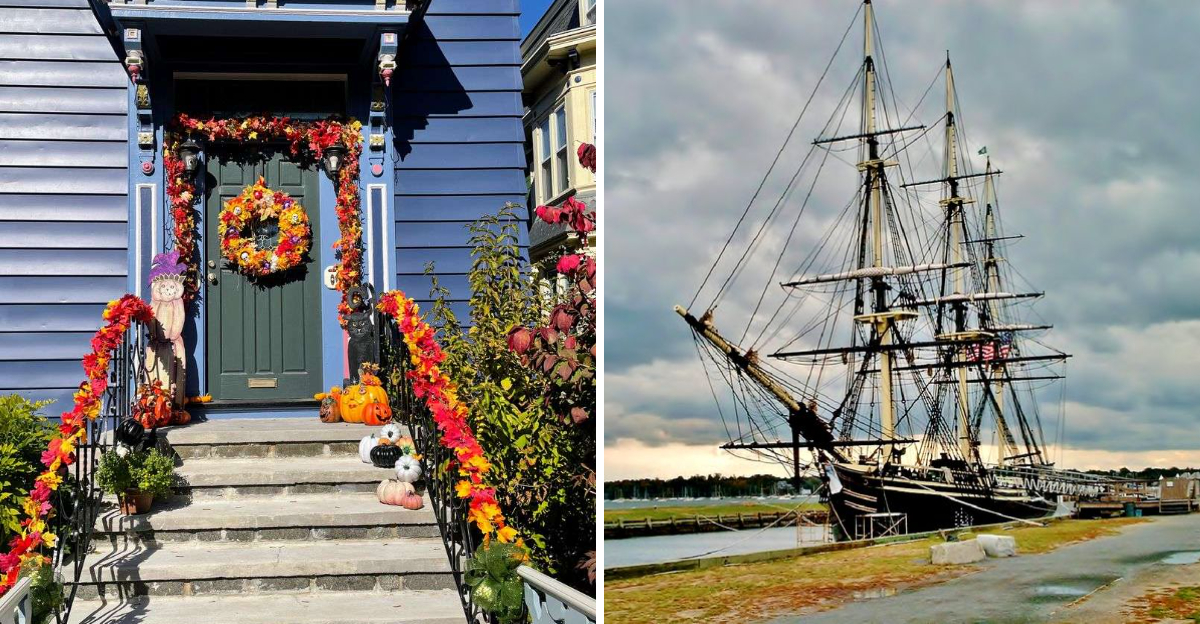
Salem, Massachusetts sits along the rocky north shore about sixteen miles from Boston, a coastal city where colonial architecture meets ocean breezes and centuries of American history echo through narrow streets.
Most travelers know this place for one dark chapter: the witch trials of 1692, when fear and hysteria led to the execution of twenty people accused of witchcraft.
What began as tragedy has transformed into the town’s defining identity, drawing millions of visitors each year who come seeking spooky stories, historic sites, and October festivals.
Salem never asked to be remembered this way, yet the witch trial legacy has shaped everything from its museums to its economy, creating a unique destination where somber history blends with modern tourism in unexpected ways.
The Witch Trials Changed Everything Forever
Between February 1692 and May 1693, Salem became the site of one of America’s darkest episodes when accusations of witchcraft tore through the community like wildfire.
Twenty people lost their lives, and more than two hundred faced accusations during months of fear-driven madness.
The trials began when a group of young girls claimed to be possessed, pointing fingers at neighbors, friends, and even respected community members.
Courts accepted spectral evidence, which meant accusers could claim they saw the spirit of the accused tormenting them, making defense nearly impossible.
Most executions happened at Gallows Hill, where men and women were hanged after rushed trials that ignored basic justice.
One man, Giles Corey, was pressed to death with heavy stones when he refused to enter a plea.
By the time authorities realized their terrible mistake, families were destroyed and the community was fractured.
The Massachusetts government eventually apologized, and in 1711, the colony reversed the convictions and provided financial compensation to survivors and families.
Today, memorials throughout Salem honor those who died, including the Witch Trials Memorial on Liberty Street, where stone benches bear the names of each victim.
Walking through these quiet spaces, visitors can reflect on how quickly fear can override reason and how important it remains to protect the accused from mob justice.
The trials serve as a permanent reminder that communities must guard against hysteria and protect individual rights even during frightening times.
Tourism Built on Tragedy Became the Economy
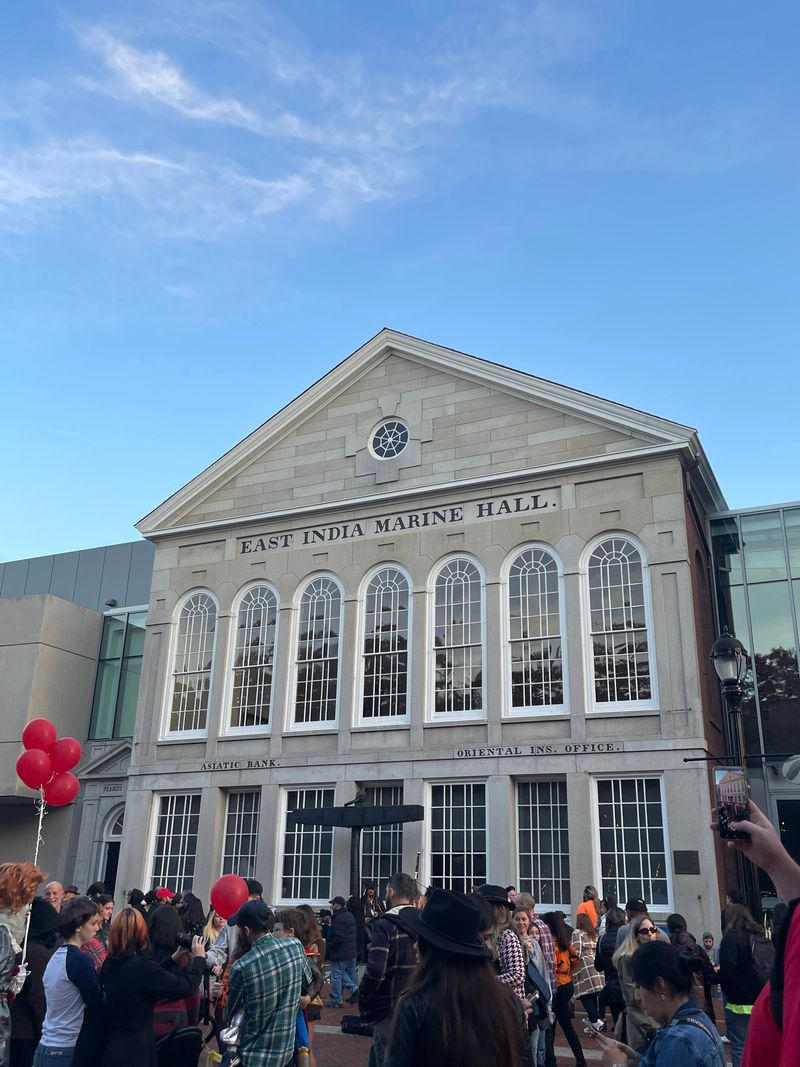
Salem’s economy depends heavily on visitors who arrive year-round to explore witch trial history, but October brings the biggest crowds and revenue.
Haunted Happenings, the month-long October festival, attracts over half a million people who fill hotels, restaurants, shops, and tour buses.
Local businesses prepare all year for this crucial season, which can generate up to forty percent of annual income for some shops and attractions.
Witch-themed stores line Essex Street, selling everything from spell books to crystal jewelry, tarot cards to black cat figurines.
Museums dedicated to witch history, wax figures, and dungeon experiences compete for tourist dollars alongside legitimate historic sites.
The city has embraced this identity despite its tragic roots, recognizing that visitors provide essential economic support for schools, infrastructure, and community programs.
Some residents appreciate the financial stability tourism brings, while others feel uncomfortable profiting from executions and suffering.
This tension creates ongoing debates about how Salem should present its past and whether spooky entertainment dishonors those who died.
Beyond October, Salem works to highlight other aspects of its heritage, including its importance as a maritime trading center and its role in early American commerce.
Still, the witch connection dominates marketing materials, city logos, and visitor expectations.
The economic reality is clear: Salem’s fame for something terrible has become the foundation of its modern prosperity, creating a complicated relationship between memory and money.
Museums Tell Different Versions of the Story
Several museums in Salem interpret the witch trials, but they take dramatically different approaches to presenting history.
The Witch House at 310 Essex Street stands as the only structure still standing with direct ties to the trials, having been home to Judge Jonathan Corwin who examined accused witches.
This authentic colonial home offers a glimpse into seventeenth-century life, showing how people lived during that fearful time.
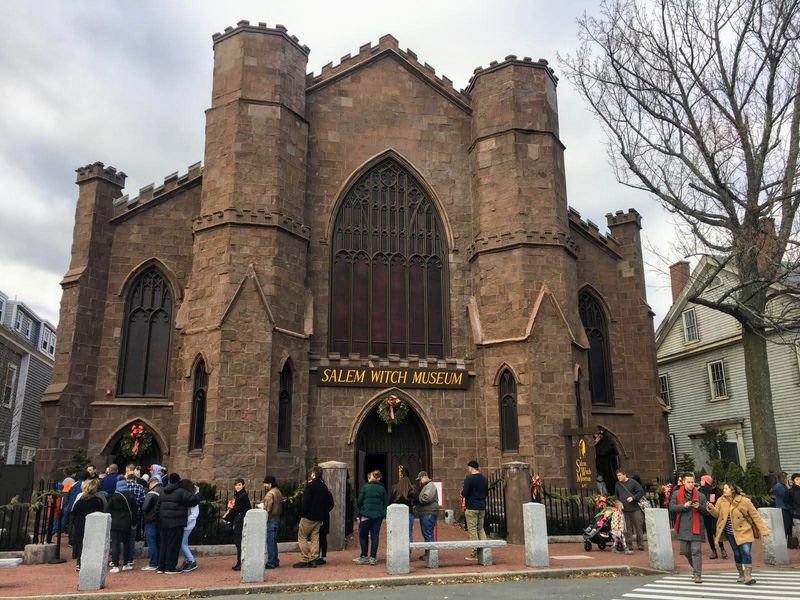
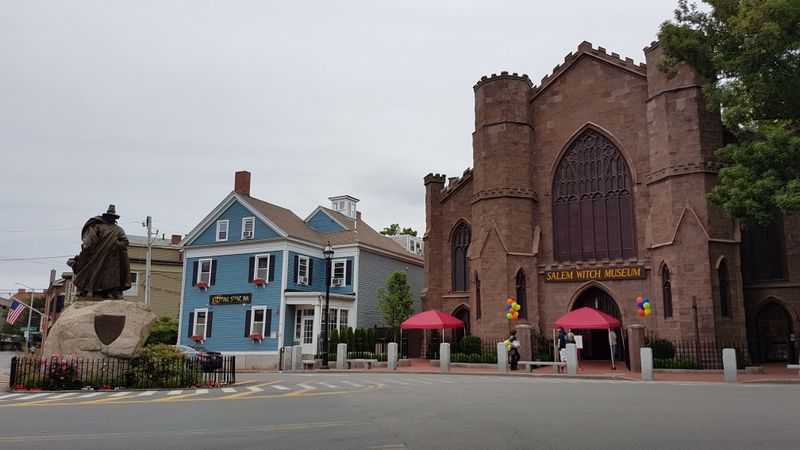
The Salem Witch Museum on Washington Square presents a dramatic retelling using life-size stage sets and lighting effects, making history accessible but somewhat theatrical.
Critics argue this approach sensationalizes tragedy, while supporters say it helps younger visitors understand the events.
The Peabody Essex Museum takes a more scholarly approach, housing extensive collections that explore Salem’s global maritime history alongside exhibits examining the social conditions that enabled the trials.
This institution emphasizes education over entertainment, helping visitors understand the broader context of Puritan society, gender roles, and community tensions.
Meanwhile, attractions like the Witch Dungeon Museum recreate trial scenes with live performances, blending education with drama.
Each venue serves different audiences, from serious history students to families seeking spooky fun.
The variety of presentations shows how difficult it remains to balance respect for victims with public interest in supernatural elements.
Visitors who explore multiple sites gain the most complete understanding, seeing how interpretation shapes memory and how the same events can be told in vastly different ways.
The City Struggles with Its Supernatural Image
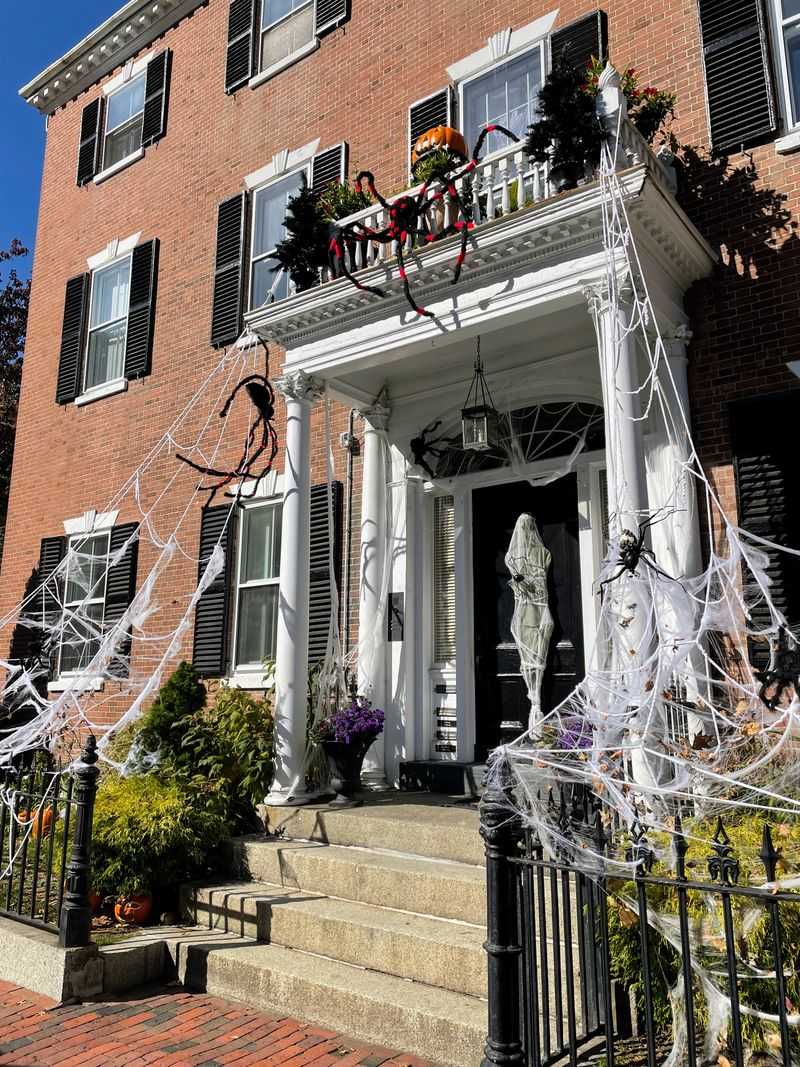
Salem’s official logo features a witch on a broomstick, and the high school sports teams are called the Witches, showing how deeply this identity has penetrated local culture.
City officials face constant pressure to balance historical accuracy with the playful witch imagery that draws tourists and generates revenue.
Many residents feel proud of their unique hometown and embrace the quirky reputation, decorating homes with witch figures and participating enthusiastically in October festivities.
Others find the commercialization deeply troubling, arguing that turning executions into entertainment disrespects the memory of innocent people who suffered.
This debate intensifies each year as Halloween approaches and the city transforms into a carnival atmosphere with costume parades, psychic fairs, and ghost tours.
Some descendants of trial victims have spoken publicly about their discomfort with witch kitsch, requesting more dignified remembrance.
The city has responded by creating educational programs, supporting serious historical research, and maintaining solemn memorial spaces.
Yet the economic benefits of supernatural tourism prove difficult to resist, especially for small businesses that depend on October income.
Modern practitioners of Wicca and other pagan traditions have also settled in Salem, drawn by its witch associations and creating a genuine spiritual community.
Their presence adds another layer of complexity, as they reclaim the word witch as positive while living alongside reminders of historical persecution.
Salem continues navigating these tensions, trying to honor the past while supporting present-day residents and businesses.
Maritime History Gets Overshadowed by Witch Fame
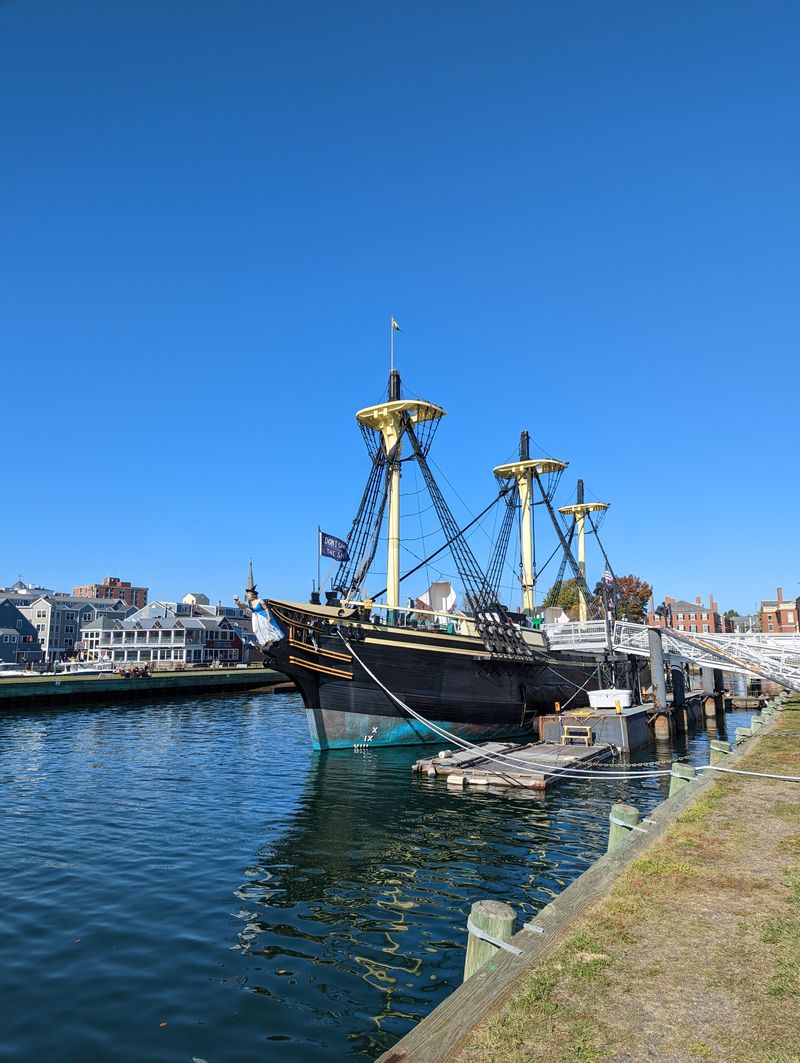
Before 1692, Salem was already an important place, serving as one of America’s most prosperous seaports with ships traveling to China, India, Africa, and beyond.
Wealthy merchant families built grand homes that still stand today, and the city played a crucial role in early American trade and commerce.
Salem’s Custom House, made famous by Nathaniel Hawthorne who worked there before writing The Scarlet Letter, represents this rich maritime heritage.
The waterfront once bustled with sailors, shipbuilders, and traders exchanging goods from around the world, making Salem residents some of the wealthiest in the young nation.
The Peabody Essex Museum houses extraordinary collections gathered by Salem sea captains, including furniture, art, textiles, and objects from Asia, Africa, and the Pacific Islands.
One gallery features an entire Chinese house that was disassembled, shipped, and rebuilt inside the museum, demonstrating the global connections Salem merchants maintained.
Despite this fascinating history, most visitors arrive knowing nothing about Salem’s maritime past, focusing entirely on witch trials instead.
Local historians work hard to educate tourists about the full scope of Salem’s story, but supernatural themes dominate guidebooks and travel articles.
The Derby Wharf neighborhood preserves some waterfront character, with historic buildings and interpretive signs explaining the shipping industry’s importance.
Walking these quieter areas, travelers discover a more complete picture of Salem as a cosmopolitan trading center that shaped American commerce.
The city deserves recognition for contributions beyond one terrible year, but fame for tragedy has eclipsed centuries of other achievements.
October Transforms the Town Completely
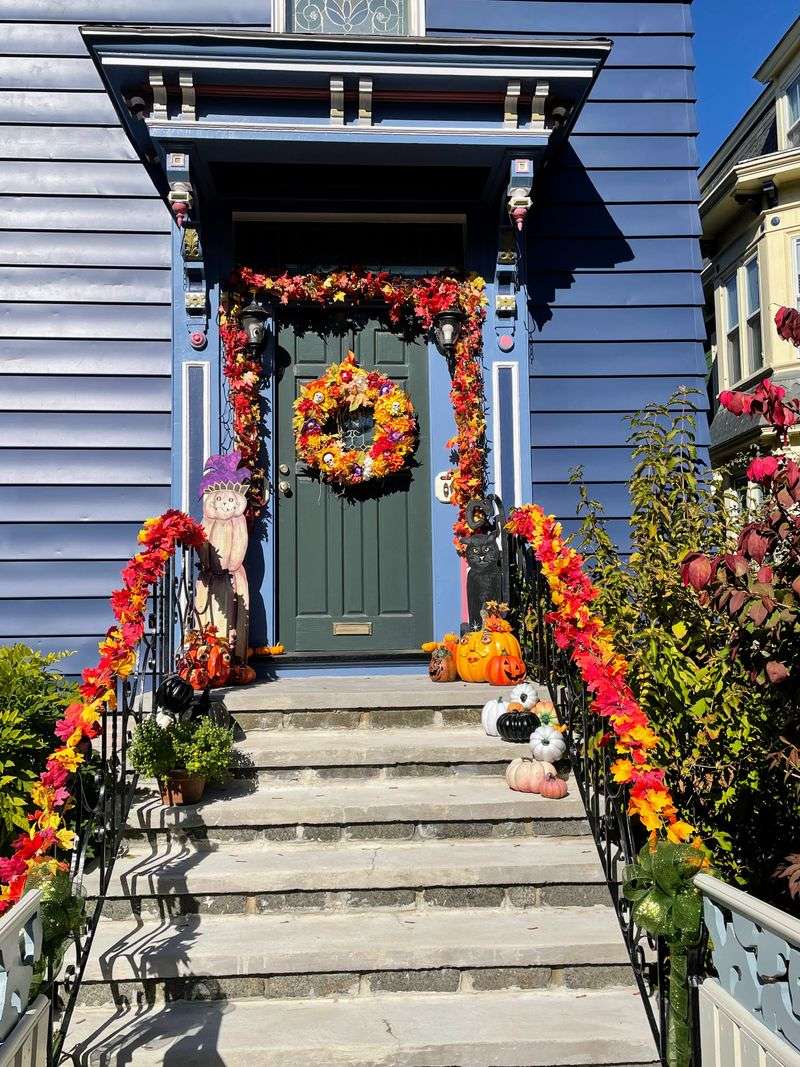
As September ends, Salem undergoes a remarkable transformation that turns ordinary streets into elaborate Halloween celebrations.
Orange and purple lights appear on buildings, giant inflatable decorations fill front yards, and businesses drape their storefronts with cobwebs and skeletons.
Parking becomes nearly impossible on weekends, and the population swells from about 43,000 residents to hundreds of thousands of daily visitors.
Traffic jams clog the narrow colonial streets, and lines form outside popular attractions, restaurants, and even coffee shops.
The city organizes special events including a grand parade, psychic fairs, costume balls, film festivals, and historical reenactments.
Street performers appear on corners, musicians play in public squares, and vendors sell food, drinks, and souvenirs from temporary booths.
Many residents rent their homes to tourists, sometimes earning enough to cover several months of mortgage payments.
Others leave town entirely, escaping the chaos for quieter destinations until November arrives.
Local schools remain open, but students navigate crowds to reach classes, and everyday errands become challenging adventures.
The atmosphere feels electric, with excitement and celebration filling the air despite the somber historical foundation.
For visitors, October in Salem offers an unforgettable experience combining history, entertainment, and community celebration.
For residents, it represents either the best or worst time of year depending on personal tolerance for crowds and perspective on commercializing tragedy.
The Waterfront Offers Peaceful Escape from Crowds
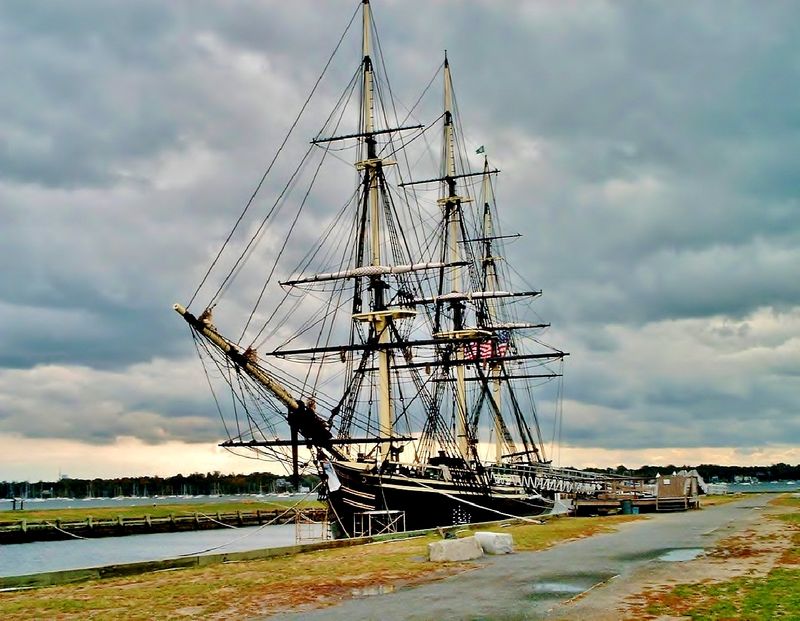
When tourist-packed streets become overwhelming, Salem’s waterfront provides a welcome respite with ocean breezes and quieter paths.
The Salem Maritime National Historic Site preserves buildings and wharves from the city’s shipping era, offering free admission and ranger-led programs.
Walking along Derby Wharf, a long wooden pier extending into Salem Harbor, visitors find peaceful water views and chances to spot seabirds.
The Friendship of Salem, a full-scale replica of a 1797 merchant vessel, is docked here when not sailing, showing how these ships carried goods across oceans.
Benches along the waterfront invite travelers to sit and watch boats, read historical markers, or simply enjoy the maritime atmosphere.
The harbor area feels worlds away from the witch-themed chaos just blocks inland, representing Salem’s other identity as a coastal New England community.
Winter Preserve, a small park near the water, offers green space and picnic areas where families can relax away from commercial districts.
Several seafood restaurants cluster near the waterfront, including spots where locals actually eat rather than just tourist traps.
Artists often set up easels here, capturing harbor scenes in paint or sketches.
Sunrise and sunset bring especially beautiful light across the water, with golden reflections and dramatic skies.
The waterfront reminds visitors that Salem remains a working coastal city with fishing boats, yacht clubs, and residents who live by the rhythms of the sea.
This area deserves more attention from travelers seeking authentic experiences beyond the supernatural attractions.
Year-Round Residents Navigate Complicated Feelings
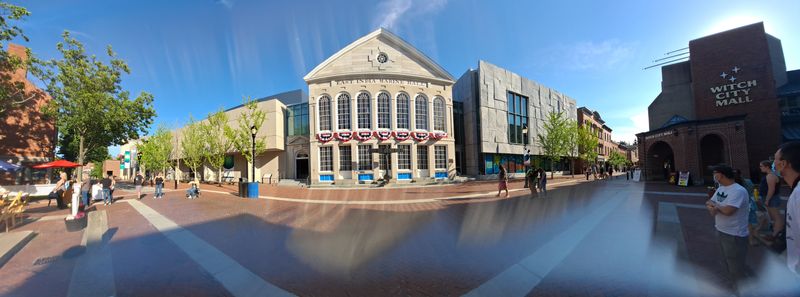
Living in Salem means constantly explaining your hometown to outsiders who only know about witch trials and Halloween.
Residents develop complex relationships with their city’s fame, feeling pride, frustration, amusement, and sometimes embarrassment depending on circumstances.
Many families have lived here for generations, remembering when Salem was simply a working-class city before mass tourism transformed daily life.
Older residents recall quieter times when October was just another month, not an economic juggernaut requiring special planning.
Young people growing up here develop thick skin about witch jokes and learn to distinguish serious historical interest from mockery.
The city’s schools teach local history thoroughly, ensuring students understand the real trials and their meaning beyond spooky stereotypes.
Some residents work in tourism, becoming expert guides who balance entertainment with education, helping visitors understand nuance.
Others avoid the tourist areas entirely, shopping at grocery stores on the city’s edges and timing errands to avoid peak crowds.
Community debates about development, preservation, and appropriate memorialization continue at city council meetings and neighborhood gatherings.
Despite challenges, many Salem residents express genuine love for their hometown’s character, history, and tight-knit community.
They appreciate living in a place people find fascinating, even if the reasons are complicated.
Salem’s identity as a city famous for tragedy it didn’t choose creates unique bonds among residents who navigate this unusual reality together.
The Legacy Teaches Important Lessons About Justice
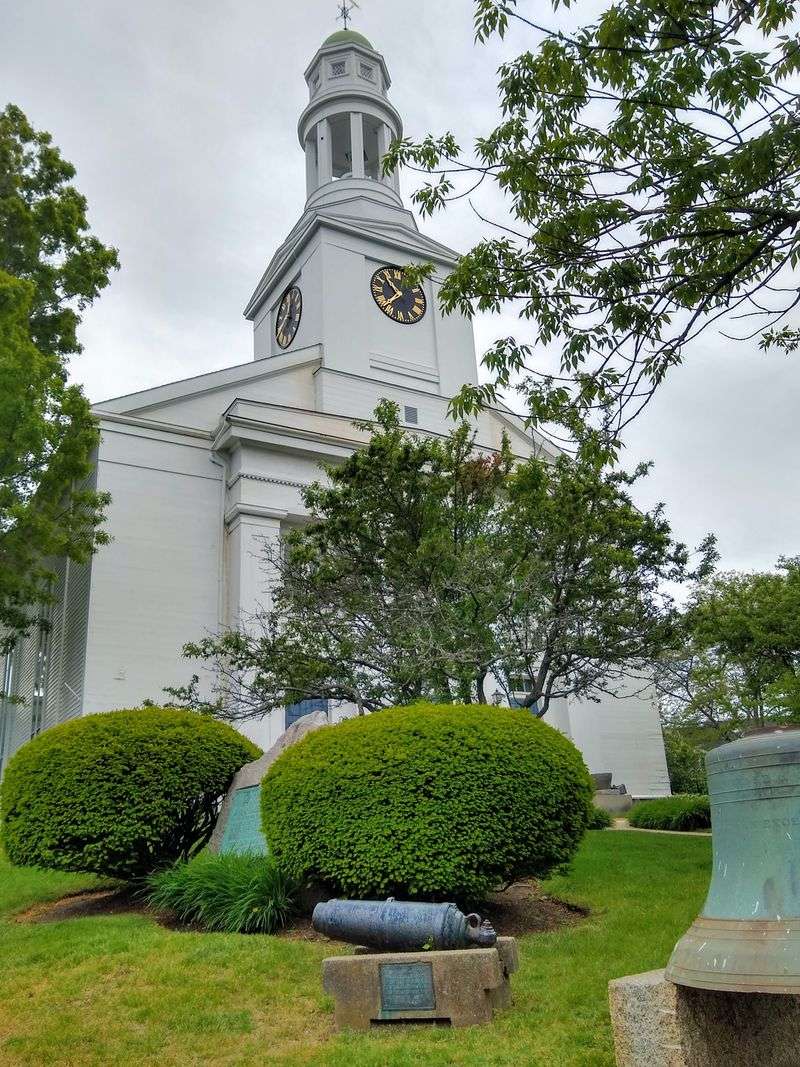
Beyond tourism and entertainment, Salem’s witch trials offer crucial lessons about justice, evidence, and the dangers of mass hysteria.
Legal scholars study these events as examples of how courts can fail when proper procedures are abandoned and emotion replaces reason.
The trials demonstrate how quickly communities can turn against members when fear takes hold and accusations replace proof.
Modern visitors can connect these seventeenth-century events to contemporary issues including false accusations, social media mob justice, and scapegoating.
Educational programs in Salem help students understand that witch hunts weren’t really about witchcraft but about power, gender, property disputes, and social control.
Women who were too independent, too poor, too wealthy, or simply disliked became targets, showing how marginalized people suffer most during moral panics.
The trials also reveal how religious extremism and rigid thinking create dangerous environments where questioning authority becomes impossible.
Salem has become a symbol reminding societies to protect due process, demand real evidence, and resist the temptation to sacrifice individuals for community comfort.
Organizations fighting wrongful convictions and supporting the falsely accused often reference Salem as a cautionary tale.
Teachers bring students here to discuss critical thinking, the importance of defending unpopular people, and standing up against group pressure.
While the city’s witch-themed tourism can seem trivial, the underlying history carries profound meaning about human nature and the fragility of justice.
Salem’s unwanted fame ultimately serves a valuable purpose if visitors leave understanding these lessons.
Dear Reader: This page may contain affiliate links which may earn a commission if you click through and make a purchase. Our independent journalism is not influenced by any advertiser or commercial initiative unless it is clearly marked as sponsored content. As travel products change, please be sure to reconfirm all details and stay up to date with current events to ensure a safe and successful trip.
