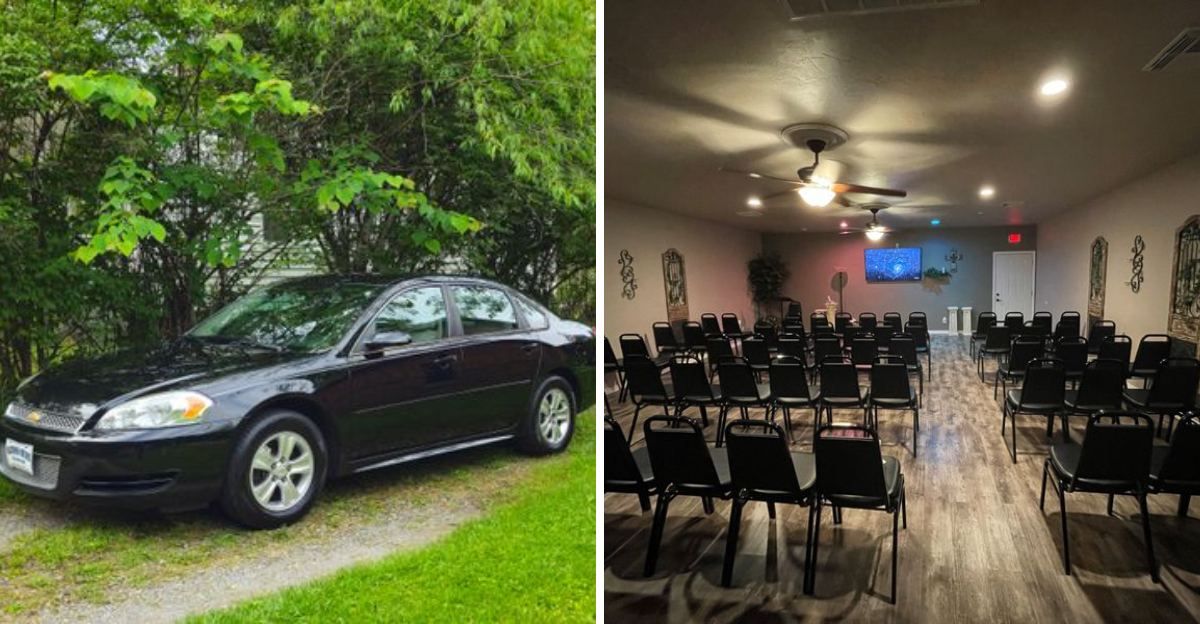
Oklahoma locals have an unspoken rule that stops traffic, silences conversations, and commands respect without a single law enforcing it. When a funeral procession rolls through town, everything pauses.
Outsiders from faster-paced states often find themselves confused, frustrated, or even honking before they realize what’s happening. But for Oklahomans, this isn’t just tradition, it’s a reflection of values that run deeper than efficiency or convenience.
It is one of the clearest examples of how community expectations can carry more weight than written rules. The behavior is learned early, often before someone ever gets a driver’s license.
Children watch adults pull over and absorb the message without explanation. By the time they are driving, the response is automatic.
It is not debated or questioned, only practiced.
You Pull Over for Funeral Processions, No Matter What
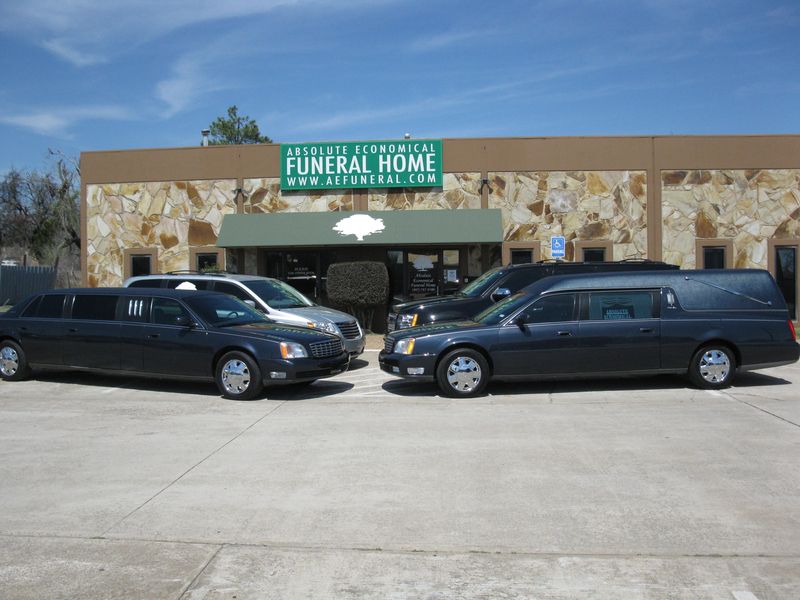
When a funeral procession passes through Oklahoma, traffic doesn’t just slow down, it stops. Drivers pull to the side of the road, remove their hats if they’re standing outside, and wait in silence.
It doesn’t matter if you’re running late to work, if the road is packed, or if you never knew the person being honored.
To visitors from other states, this can feel jarring or overly dramatic. Many places treat funeral processions like minor inconveniences, barely slowing down or weaving around the line of cars.
In Oklahoma, failing to yield isn’t just rude, it’s something people remember, talk about, and quietly judge.
This practice isn’t rooted in law or religious obligation. It grew out of small-town life, where deaths were communal events rather than private ones.
Everyone knew the family. Everyone felt the loss.
Stopping traffic wasn’t symbolic, it was practical, giving space, dignity, and time.
Even as towns grew into bustling cities, the habit stayed. The rule outlived the circumstances that created it, which is why it feels invisible to locals and startling to visitors.
That moment of stillness matters more than efficiency. It creates a shared pause that cuts through the noise of daily life.
For a brief time, no one is rushing or competing. The road becomes neutral ground rather than a battleground.
The silence itself becomes part of the ritual. In that stillness, respect is expressed without words.
It Is About Respect, Not Religion
Pulling over for a funeral procession in Oklahoma has nothing to do with church attendance or personal beliefs. People who never step foot in a house of worship still honor the tradition.
The gesture is about acknowledging grief publicly, even briefly, rather than pretending it’s invisible.
This distinction surprises outsiders who assume the practice is tied to Christianity or rural religiosity. In reality, it’s a cultural norm that transcends faith.
Whether you’re Baptist, Buddhist, or entirely secular, the expectation remains the same. The road pauses for the dead, and everyone participates.
That moment of stillness serves a purpose beyond religious ceremony. It creates a collective acknowledgment that someone’s life mattered, that their family is grieving, and that the world can wait a few minutes.
It’s not about praying or preaching, it’s about presence.
Outsiders often miss this nuance. They see the stopped cars and assume it’s old-fashioned or overly sentimental.
But for Oklahomans, the rule reflects a deeper value: life is shared, loss is shared, and time can wait when respect is required. It reinforces the idea that grief is not a private inconvenience.
It reminds people that death touches entire communities, not just families. The pause is brief, but the message is lasting.
Respect is shown through action, not explanation. That distinction is central to why the tradition endures.
Why Outsiders Get It Wrong
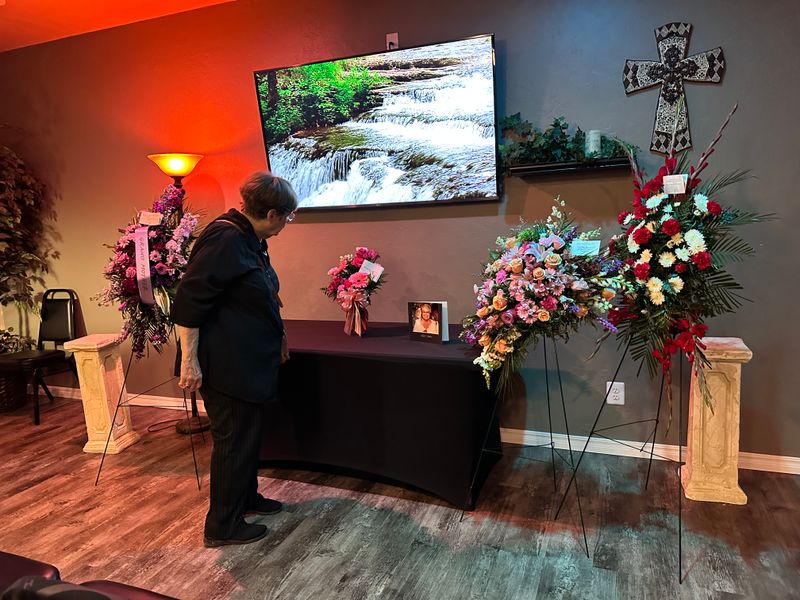
Visitors to Oklahoma often assume the funeral procession rule is optional, ceremonial, or outdated. Some try to drive through the line of cars, thinking they can squeeze by without consequence.
Others honk, frustrated that traffic has stalled for what seems like no reason. Those reactions stand out immediately.
In Oklahoma, the road belongs to the living, but it pauses for the dead. This isn’t written in driver’s manuals or posted on signs.
It’s an unspoken agreement that locals absorb through observation and experience. Outsiders, accustomed to faster-paced environments where efficiency trumps ceremony, miss the memo entirely.
The confusion isn’t entirely their fault. In many states, funeral processions are barely acknowledged.
Drivers might yield at intersections but rarely pull over completely. The Oklahoma version feels extreme by comparison, like an overreaction to a routine event.
But locals don’t see it as routine. They see it as sacred, not in a religious sense but in a communal one.
The shock outsiders feel isn’t about traffic, it’s about encountering a place where some things still come before getting where you’re going. It disrupts expectations about how public space should function.
Visitors assume roads exist only for movement. Oklahoma treats them as shared civic space.
That difference creates friction when values collide. The misunderstanding is cultural, not personal.
But it is noticed all the same.
What Locals Notice
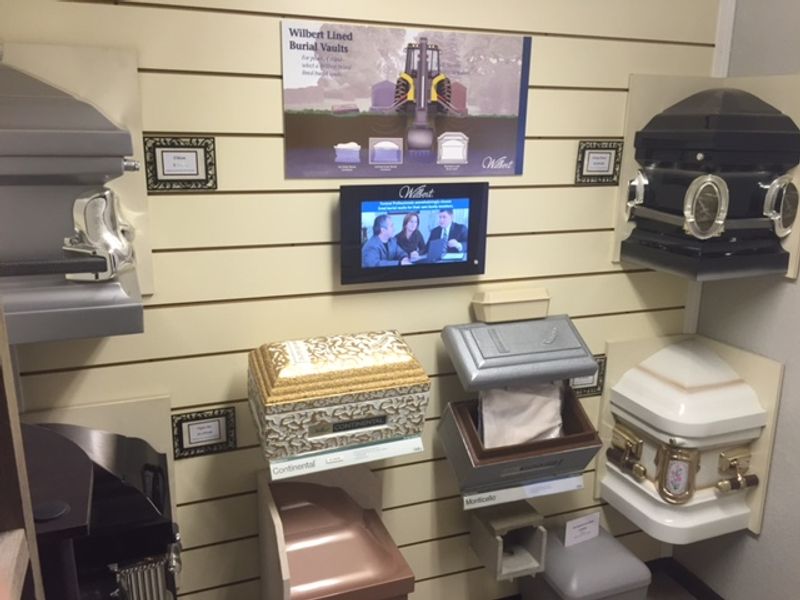
Oklahomans pay attention to who stops and who doesn’t. Not in an aggressive way, not loudly, but permanently.
It becomes part of how someone is understood in a community. The person who blew through a funeral procession last summer?
People remember.
This isn’t about holding grudges or public shaming. It’s about recognizing patterns of behavior.
In small towns especially, reputations are built on dozens of tiny interactions, how you treat waitstaff, whether you wave at neighbors, and yes, whether you pull over when someone dies.
Locals don’t explain the rule much because they expect it to be felt, not taught. The logic is intuitive: if you can’t pause for a few minutes to honor someone’s final journey, what does that say about your priorities?
It’s a test of character that happens on the roadside.
Outsiders might find this scrutiny uncomfortable or invasive. But in Oklahoma, community bonds are reinforced through shared rituals.
Pulling over isn’t just about the deceased, it’s about signaling that you understand the values that hold the place together. It shows alignment rather than compliance.
Locals read it as awareness, not obedience. The act communicates belonging without introduction.
Over time, these moments accumulate into trust. That trust is how communities function.
What the Rule Reveals
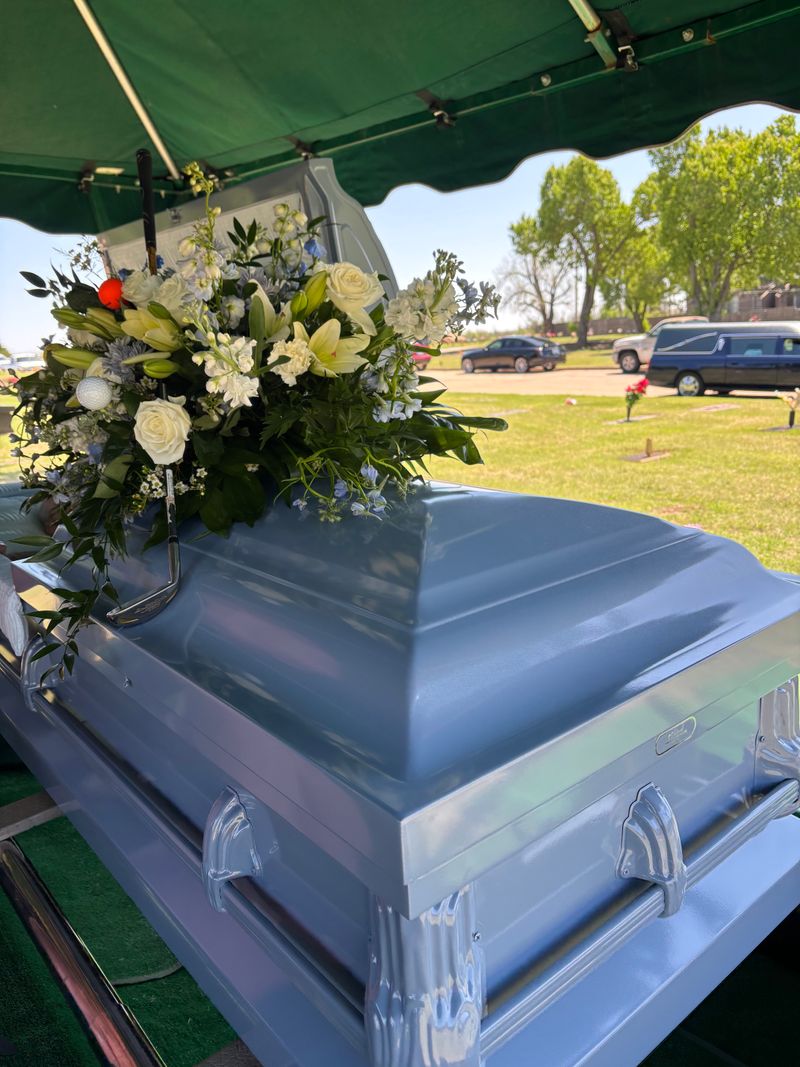
The funeral procession rule reflects a deeper Oklahoma value system where life is shared, loss is shared, and time can wait. Progress pauses when respect is required.
This principle extends beyond traffic etiquette into daily interactions, business dealings, and social expectations.
Oklahomans prioritize relationships over efficiency. They’ll spend an extra ten minutes chatting at the grocery store checkout, even if it slows the line.
They’ll help a stranger change a tire, even if it makes them late. The funeral procession rule is just the most visible manifestation of this mindset.
To outsiders, it feels inefficient, even backward. Why stop everything for a procession that will pass in minutes?
Why let emotion dictate traffic patterns? The answers aren’t logical, they’re cultural.
Oklahoma operates on a different set of priorities, one where dignity outweighs momentum.
This clash of values is why the rule shocks visitors so profoundly. It’s not just about stopping the car, it’s about encountering a worldview where some things still matter more than speed, convenience, or individual schedules.
The rule exposes what a place values when no one is watching. It shows how respect is practiced rather than spoken.
It demonstrates that progress is not always linear. Sometimes, stopping is the point.
And sometimes, stopping says more than moving ever could.
Why It Still Matters
In a world built around speed and optimization, Oklahoma quietly maintains a rule that prioritizes dignity over momentum. The shock outsiders feel isn’t about traffic, it’s about encountering a place where some things still come before getting where you’re going.
That pause is the point.
Modern life encourages constant motion. We measure productivity in hours, calculate commutes to the minute, and resent delays of any kind.
The funeral procession rule interrupts that rhythm, forcing a moment of stillness in a culture that rarely stops.
For Oklahomans, this interruption isn’t a burden, it’s a reminder. It reinforces the idea that people matter more than schedules, that grief deserves acknowledgment, and that community requires participation.
The rule survives because it serves a purpose beyond tradition.
Outsiders who stick around long enough often come to appreciate the practice. They realize the pause isn’t about inconvenience, it’s about humanity.
It’s a small act of collective mourning that costs nothing but a few minutes and offers something increasingly rare: a shared moment of respect in an isolated world. It reminds people they are not alone.
It interrupts autopilot. It restores a sense of proportion.
It anchors the present moment. And it continues precisely because it still works.
The Unspoken Code of the Road
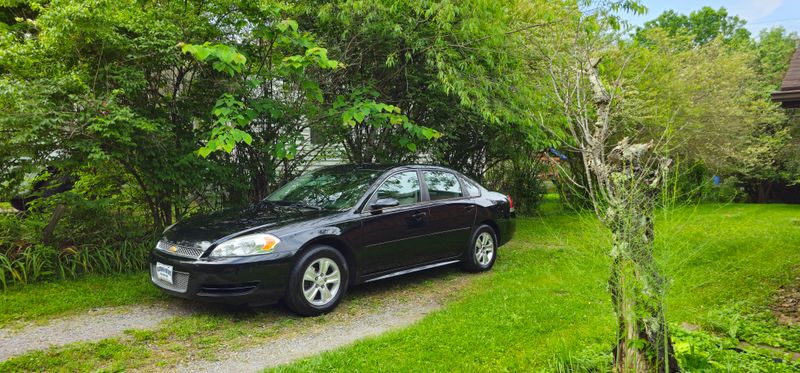
Beyond the funeral procession itself, Oklahoma drivers follow an unspoken code that extends to how they treat each other on the road. The funeral rule is just one piece of a larger pattern of courteous driving that surprises transplants.
People wave to thank you for letting them merge. They flash their hazards to acknowledge your patience.
This culture of road courtesy stems from the same values that created the funeral procession rule: mutual respect and community accountability. On Oklahoma roads, you’re not an anonymous driver in a sea of traffic, you’re a neighbor, a fellow human, someone who might be recognized at the gas station or grocery store.
Visitors often notice this difference immediately. Drivers are less aggressive, more forgiving, and genuinely apologetic when they make mistakes.
The funeral procession rule is the most dramatic example, but the underlying principle applies to everyday driving. The road is a shared space, and everyone has a responsibility to treat it that way.
That’s why breaking the funeral procession rule feels so egregious to locals. It’s not just one mistake, it’s a rejection of the entire system of mutual respect that makes Oklahoma roads feel different from anywhere else.
It signals disregard rather than ignorance. It disrupts an understood balance.
And in a place built on quiet cooperation, that disruption is impossible to ignore.
Dear Reader: This page may contain affiliate links which may earn a commission if you click through and make a purchase. Our independent journalism is not influenced by any advertiser or commercial initiative unless it is clearly marked as sponsored content. As travel products change, please be sure to reconfirm all details and stay up to date with current events to ensure a safe and successful trip.
