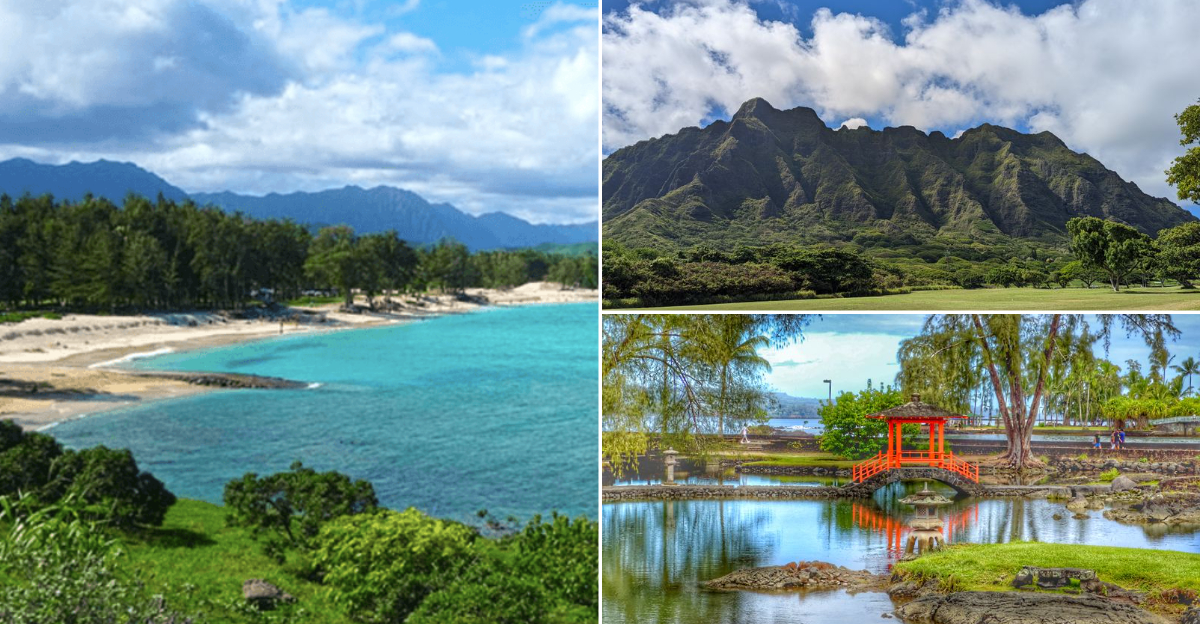
You know how people land in Hawaii and say paradise like it explains everything? I get why, with the water shining and the mountains looking unreal, but I want to talk about what locals actually hear when that word gets tossed around.
It sounds sweet, sure, but it can also flatten the whole story of a place that is lived in, not staged for a postcard. Stick with me while we plan this drive and I’ll show you how the word hits different when you listen from the islands’ side.
You start to notice how daily life runs alongside beauty, not because of it. Roads, schools, workdays, and family ties carry just as much weight as the view.
Once you see that balance, the trip feels more grounded and a lot more honest.
The Nickname “Paradise” Feels Like The Obvious Choice
Let’s start with the easy part, because you and I have seen the same shots a thousand times.
Blue water, green ridges, and that soft evening light make the word paradise practically jump out of your mouth.
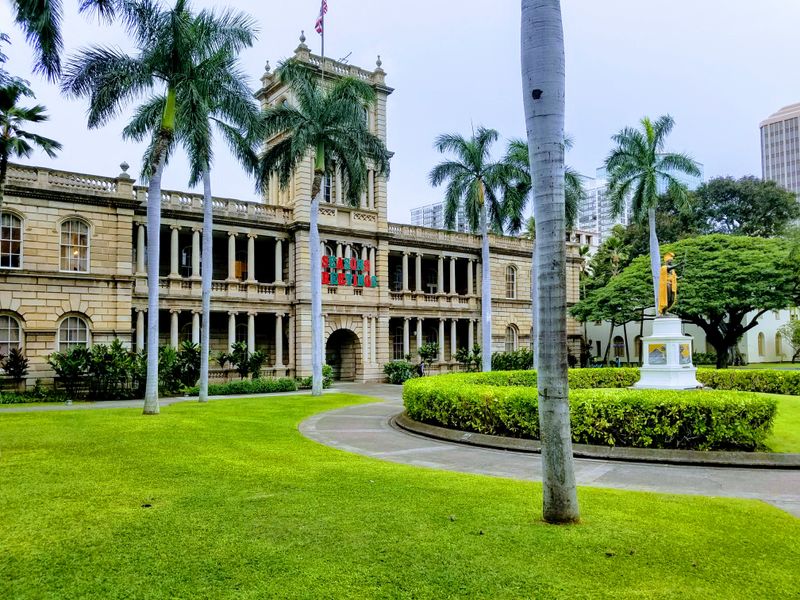
But when we roll up to ?Iolani Palace, 364 S King St, Honolulu, the story widens fast.
The building’s quiet corridors and open lanais carry voices that never made it onto postcards.
Paradise does not mention a palace where a kingdom once tried to steady itself. It skips the decisions and the people who lived with them.
The images trained us to see a backdrop, not a place layered with memory. That training is strong and sticky.
So yeah, the gardens look tender and cared for, and they are. But the word paradise edits out the caretakers as if the scene styled itself.
Standing on the lawn, you can feel how language sets expectations. It shapes what gets noticed and what gets ignored.
Paradise keeps the horizon tidy. Life in Hawaii refuses tidy.
That’s why the label shows up so easily on the drive from town to mountains.
Movies, marketing, and memory have been rehearsing the line for years.
You can still love the view. Just let your words leave room for the people in it.
Locals Hear It Differently When Visitors Say It
Here’s the thing you might not catch at first. When someone says paradise to a local, it can land like you only see the screen saver, not the desktop.
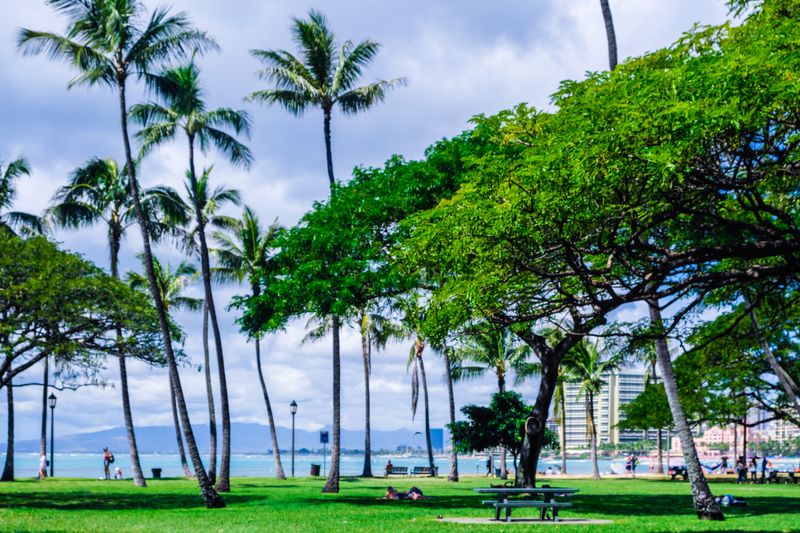
Walk with me through Kapi?olani Park, 3840 Paki Ave, Honolulu, and listen to the joggers, the aunties at practice, the guy fixing the sprinklers.
Real lives are moving alongside your snapshots.
Paradise can sound like a compliment that packs a shrug. It forgets that people pay rent and raise kids here.
The word is not wrong about the trade winds or the ironwood shade. It is just incomplete.
When locals hear it, they often hear you are lucky I am visiting. They hear you should be grateful all the time.
That tone wears people out. Gratitude is healthy, but it is not a schedule.
Hawaii is part vacation for you and full life for someone else. Those are different speeds.
If the word came with questions, it might open doors.
Ask what the park means to this neighborhood and the park starts talking back.
Say it with care, and it lands softer. Say it like a period, and conversations end.
A Place Can Be Beautiful And Still Be Complicated
You can hold both, right? Beauty in one palm, complications in the other, and still keep your balance.
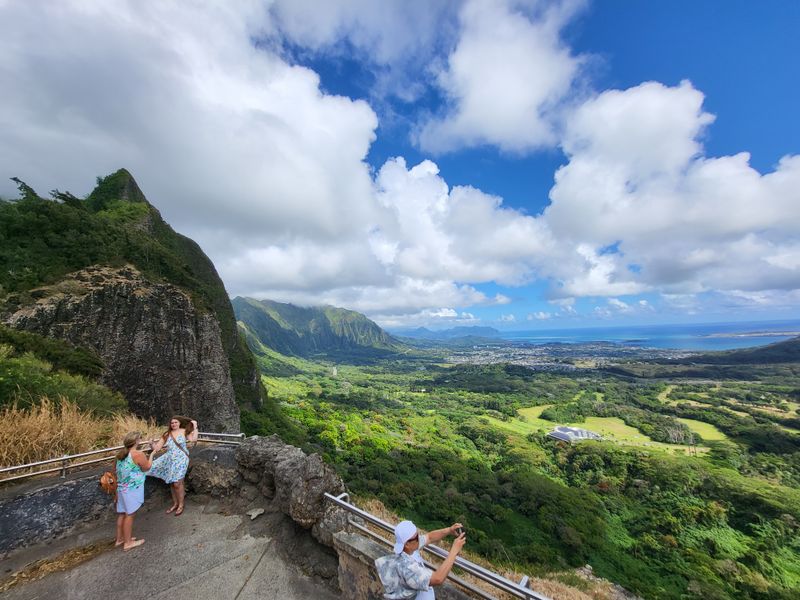
Up at Nu?uanu Pali Lookout, Nuuanu Pali Dr, Honolulu, the wind feels like a living thing tugging at your shirt.
The valley opens and every ridge line looks etched by hand.
Paradise would freeze this in time. Real life makes you drive back down and answer messages.
Locals carry family, work, obligations, and whatever the weather throws in. They also carry joy that is not staged for anyone.
The view does not cancel traffic or bills. It does not cancel grief either.
This lookout holds histories of travel and struggle. That is part of why the wind feels serious.
When you say paradise here, say it like you are whispering, not stamping a label.
Let the word leave room for what you do not know.
That is how appreciation grows legs. It stands up and walks back down the hill with you.
The Nickname Flattens Real Life
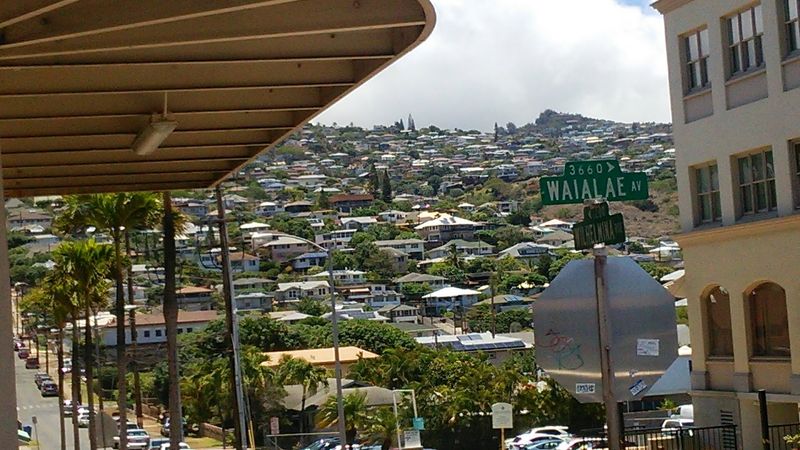
You want to see what gets erased by paradise? Try a morning near Kaimuk? Neighborhood Park, 3521 Waialae Ave, Honolulu where drop-offs, pickups, and quick conversations make a rhythm.
The word smooths out the texture, like ironing a shirt until the fabric turns thin.
You stop noticing how many moving parts keep a neighborhood steady.
It erases mixed schedules and second shifts. It erases people you never meet because you arrived on a long weekend.
Hawaii, the state, is not a backdrop for your highlight reel. It is a home with chores and obligations.
When you flatten a place, you flatten its consent.
You act like everything is staged for your use.
I know you do not mean it that way. Still, language has a way of steering behavior.
Stand by the courts and listen to the bounce and squeak. That sound is routine, not spectacle.
Keep the curves and wrinkles in your words. They match the ones you see on people’s faces.
“Paradise” Often Feels Like A Visitor’s Word
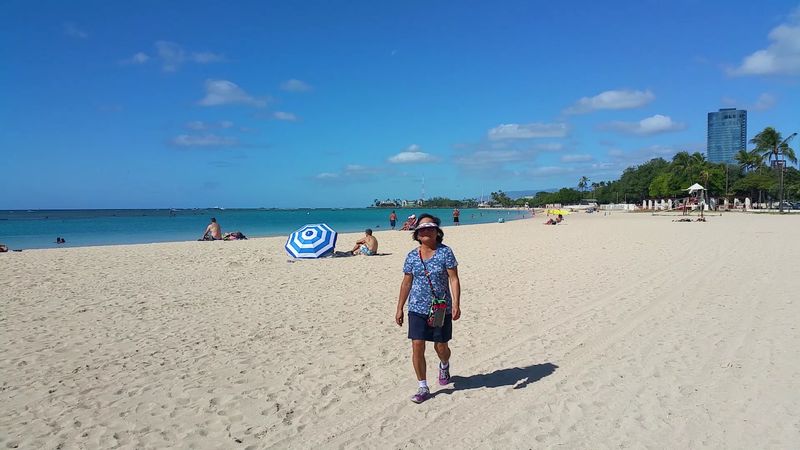
Be honest, the word usually comes from the rental car. Windows down, playlist on, and everything feels lighter because you can leave soon.
Drive past Ala Moana Beach Park, 1201 Ala Moana Blvd, Honolulu and you will see the split.
Vacation eyes catch the sparkle while local eyes clock parking, tides, and time.
Paradise is portable for visitors. Locals cannot pack it up when the day turns heavy.
The state shows up in paperwork, in school runs, in community meetings. That is where the word rarely goes.
It is not rude to be on vacation. It is just different from living here.
If you call it paradise, own that it is your temporary lens.
Say the quiet part out loud and it lands better.
Watch how your choices shift when you remember the clock will reset for someone else tomorrow. It makes small acts feel weighty in a good way.
The beach still looks unreal. The responsibility looks real too.
The Difference Between Vacation And Living There
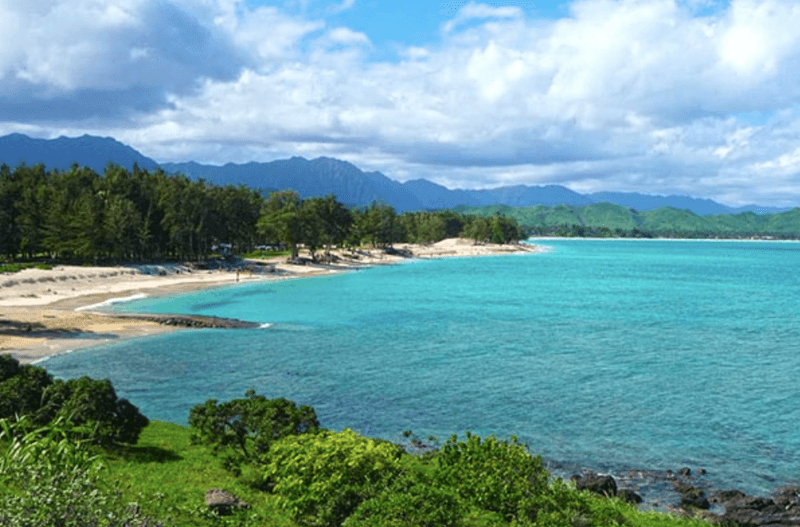
This is the pocket where misunderstandings hide. Vacation you and living here you are two different people wearing the same shoes.
At Kailua Beach Park, 526 Kawailoa Rd, Kailua, the sand feels like a suggestion to slow down.
Meanwhile, residents are timing errands around traffic and wind shifts.
Living here means trade offs that do not show on brochures. You pick what to grow, what to fix, what to let wait.
Vacation compresses the timeline into highlights. Living stretches it into routines.
Paradise collapses that gap. It acts like highlights and routines are the same thing.
You can love a place without pretending you carry the same load.
When visitors acknowledge that, the vibe softens. People feel seen instead of managed.
Hawaii stays beautiful. It also stays honest.
The Label Affects Behavior
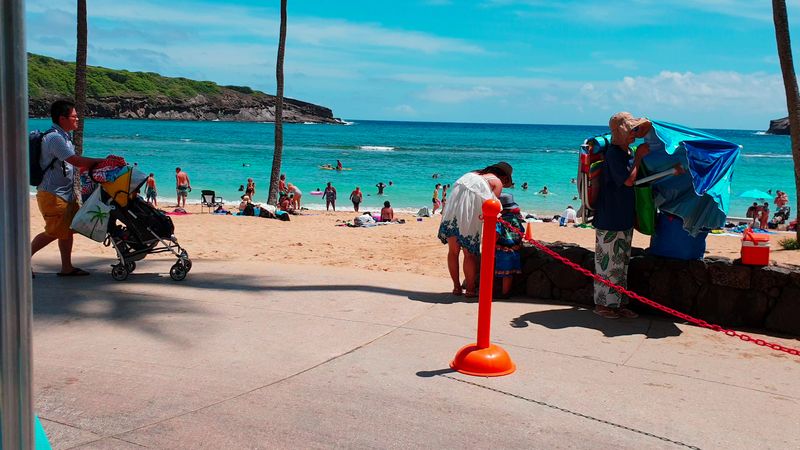
Words nudge choices, simple as that. Call it paradise, and folks start acting like nothing can be harmed here.
Head to Hanauma Bay Nature Preserve, 100 Hanauma Bay Rd, Honolulu, before the rush and just watch.
The place looks delicate even from the overlook.
When the label says paradise, people assume forgiving. They forget that fragile lives are busy under the surface.
Locals notice when rules sound optional to visitors. They notice who cleans up and who shrugs.
Paradise should not mean unlimited. It should mean generous but finite.
Say the word like it has a boundary line you can see. Then your choices start fitting the shoreline.
Little things count here. Hands off the reef, eyes on your feet, voice kept low.
Language can set the volume before you arrive.
Choose a setting that respects the room you are entering.
Locals Wish Visitors Noticed This Instead
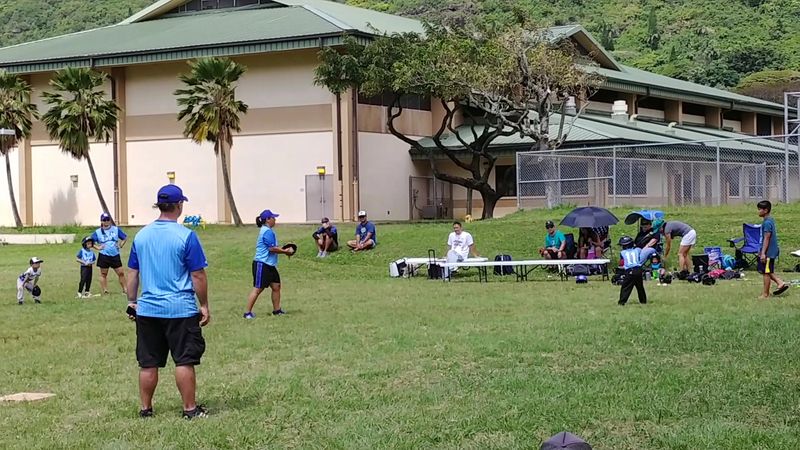
Want to tune your attention better? Think people first, view second.
At M?noa Valley District Park, 2721 Kaaipu Ave, Honolulu, you can feel the cadence of classes, leagues, and walks. The landscape holds that rhythm like a drum.
Notice effort, not just scenery. Notice how shared spaces stay usable because someone shows up.
When you pick up on that, conversations open faster.
Locals can tell when your eyes land on work, not only waves.
Ask small, kind questions and follow the lead you are given. That is community in action.
Paradise is a picture. Community is the frame that keeps it on the wall.
Hawaii as a state runs on that frame.
You can help hold it level for a minute.
Take the slower lane through the park and match the pace. You will see more by aiming smaller.
When Appreciation Turns Into Oversimplification
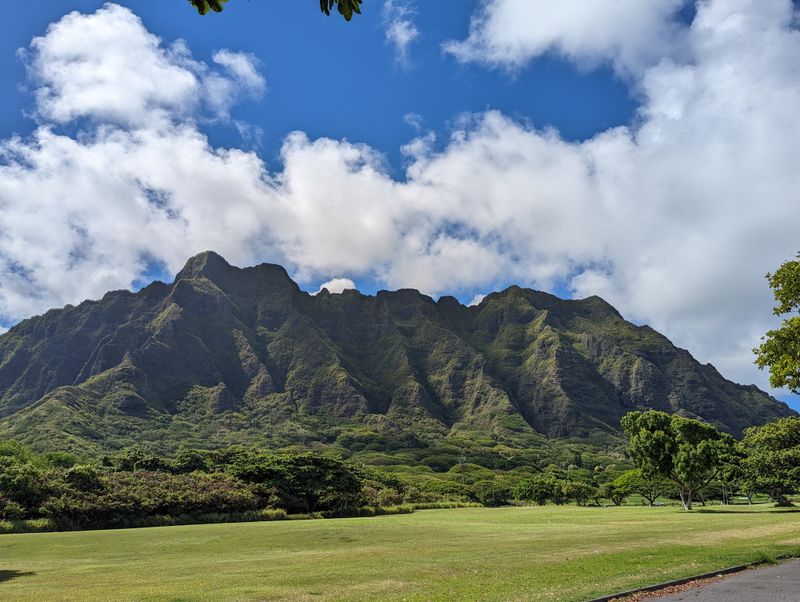
I love a good wow as much as anyone. The trick is keeping it honest without sanding off everything complicated.
Stop by Kualoa Regional Park, 49-479 Kamehameha Hwy, Kaneohe, and watch how the mountains steal the show. Then look again at the caretaking that keeps this shoreline steady.
Oversimplification sneaks in with small shortcuts.
You say paradise and skip the follow up.
The follow up is where respect lives. It sounds like how can I move through here with care.
That question is a habit you can pack home. It works in every state you visit next.
Hold the admiration, just widen it.
Make room for labor, limits, and context.
The park will still glow at sunset. Your words will glow a little truer.
Language Shapes The Respect
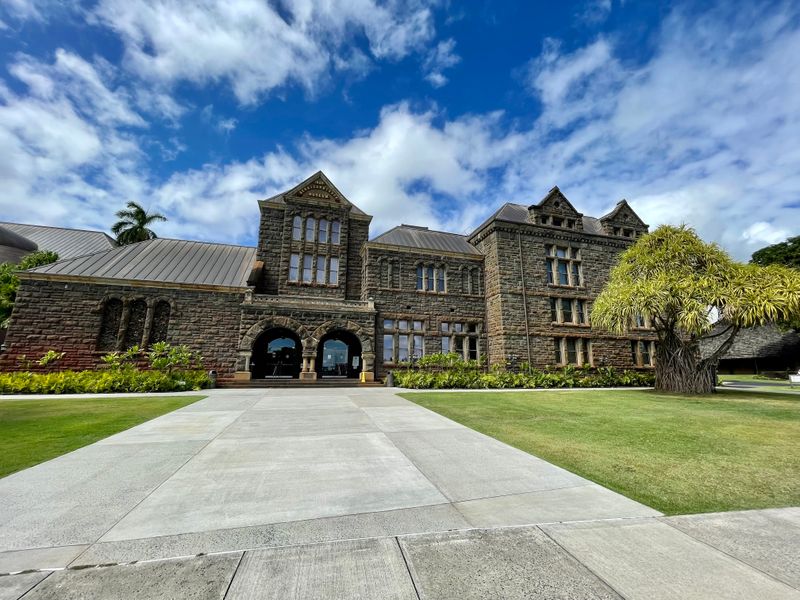
Language is not decoration here. It is a set of doors that either open or stay stuck.
At Bishop Museum, 1525 Bernice St, Honolulu, the galleries line up stories with names attached.
Names are anchors, and they keep ideas from drifting into vague praise.
Paradise floats. Specific words stand on their feet.
When you name a place carefully, you signal care.
You also remind yourself that you are a guest.
The state of Hawaii carries languages older than the map you are holding. Learn a few and your mouth slows down in a good way.
That slowing is respect in motion. It changes how long you stand in front of something.
A label can shrink a room. The right words can widen it again.
Try it and watch how people respond. Doors that were stuck start moving.
Everything Changes When Visitors See Hawaii As Home, Not Escape
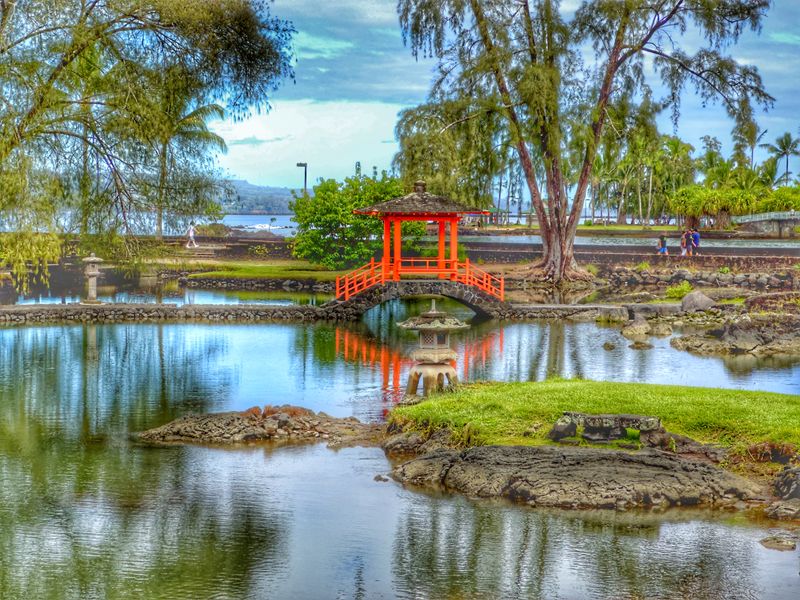
Here is the shift I keep hoping for. Treat Hawaii like someone’s living room and you will move differently without being told.
Walk the paths at Lili?uokalani Gardens, 189 Lihiwai St, Hilo, and let the calm teach you tempo.
The bridges and trees make a quiet kind of map.
Home means asking before you rearrange the furniture. It means leaving the place ready for whoever comes next.
When you carry that mindset, paradise becomes gratitude with depth. It does not need a caption anymore.
You start noticing small repairs and soft boundaries.
You keep your voice low because the garden is speaking.
That way of visiting travels back with you. It fits in any neighborhood you land in later.
Call it paradise if you want, just add care to the sentence. The two belong together.
Hawaii is not an escape hatch. It is a home with an open door and a memory.
Dear Reader: This page may contain affiliate links which may earn a commission if you click through and make a purchase. Our independent journalism is not influenced by any advertiser or commercial initiative unless it is clearly marked as sponsored content. As travel products change, please be sure to reconfirm all details and stay up to date with current events to ensure a safe and successful trip.
