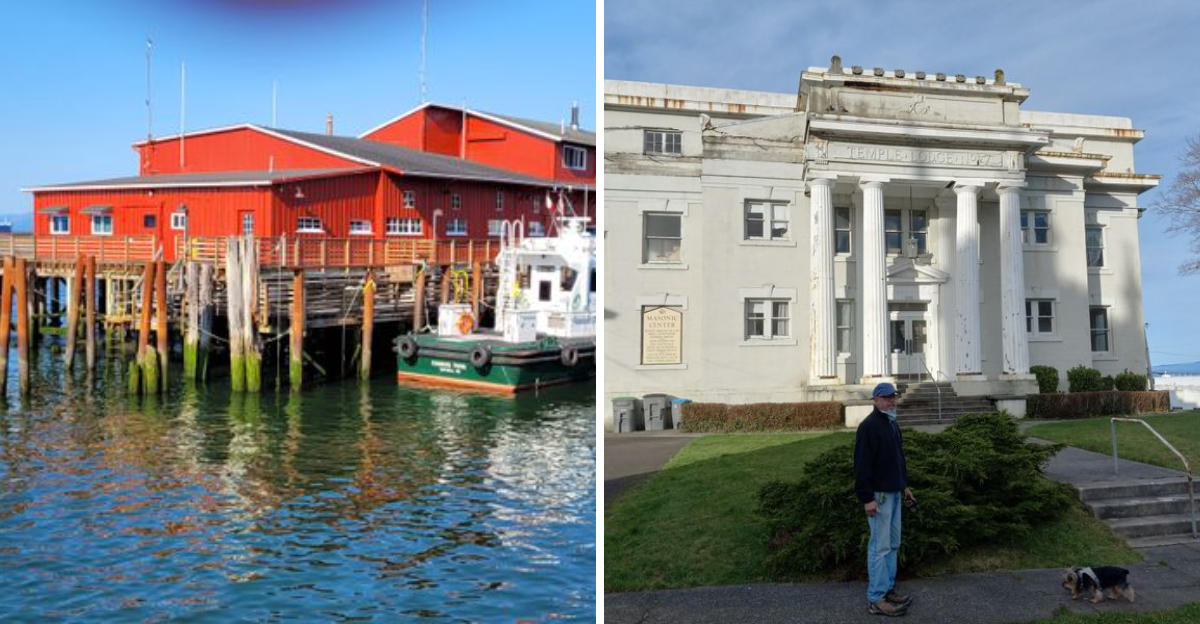
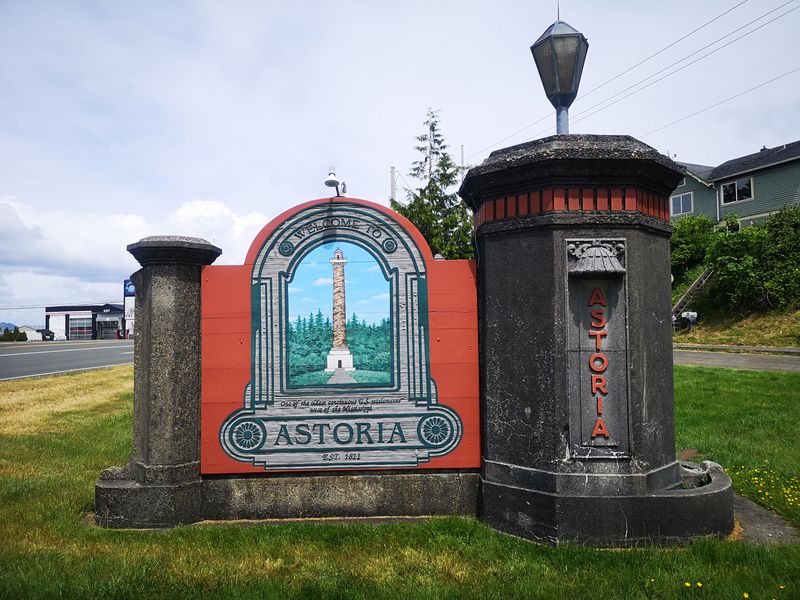
Astoria sits at the very edge of Oregon where the mighty Columbia River meets the Pacific Ocean, creating a dramatic landscape of rolling hills, Victorian homes, and misty waterfront views.
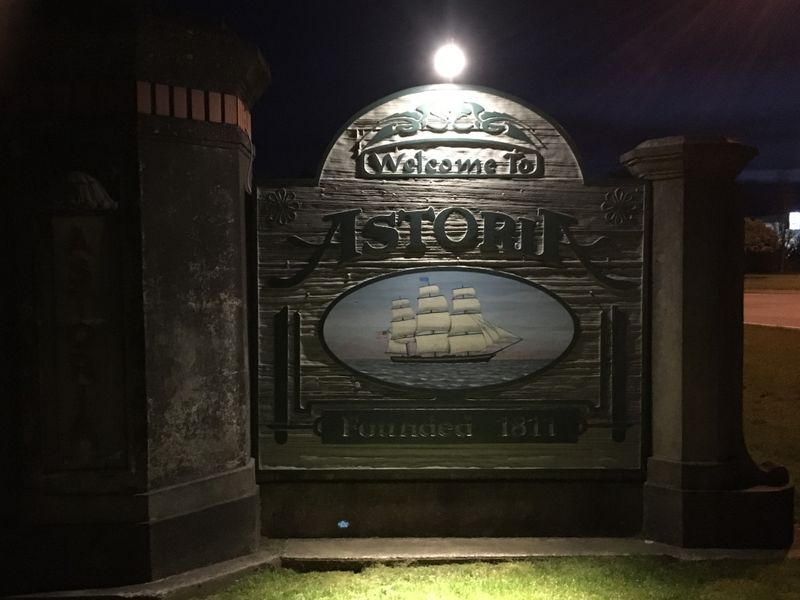
This historic port town, founded in 1811, has long been a quiet gem known for its maritime heritage, charming downtown streets, and appearances in beloved films like The Goonies.
However, something has shifted in recent years as more and more travelers discover Astoria’s scenic beauty and small-town appeal.
The surge in visitor traffic is reshaping the town’s historic core in ways both exciting and challenging, affecting everything from local businesses to neighborhood character.
Downtown Parking Has Become a Daily Challenge
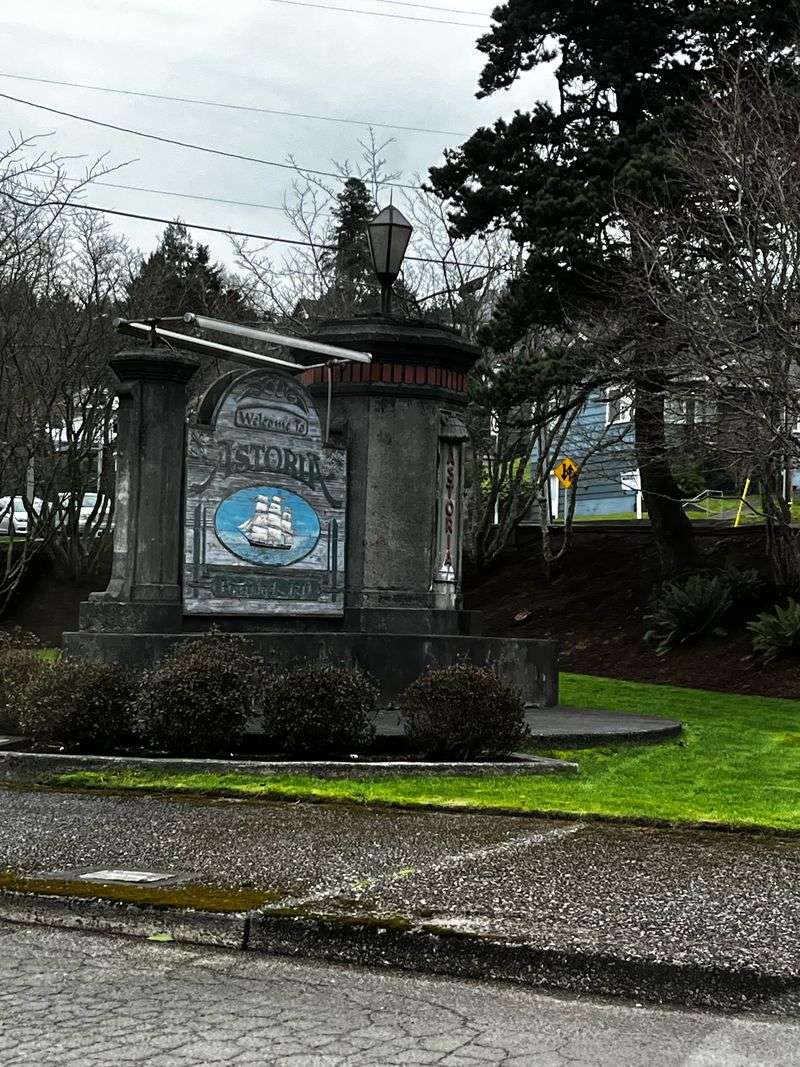
Finding a parking spot along Commercial Street used to be as easy as pulling up and claiming your space.
Now, locals circle the blocks multiple times during peak season, competing with out-of-town visitors who park for hours while exploring shops and restaurants.
The historic downtown area, with its narrow streets designed in the 1800s, simply wasn’t built to handle the volume of vehicles that now arrive daily.
Business owners have mixed feelings about the situation.
While they appreciate the increased foot traffic and sales, they worry that regular customers might choose to shop elsewhere rather than deal with parking frustrations.
Some residents who live in the historic core have started renting their driveways to tourists, turning a problem into a small income source.
The city has explored various solutions, including adding metered parking and creating designated lots on the outskirts with shuttle service.
However, implementing changes in a historic district comes with preservation restrictions and community debates about maintaining the town’s character.
Weekend afternoons during summer months present the biggest challenges, when visitors combine museum tours, waterfront walks, and dining experiences all in the same trip.
Local advice now includes visiting on weekday mornings or exploring neighborhoods beyond the immediate downtown core.
The parking crunch has become a symbol of Astoria’s growing pains as it transitions from sleepy river town to popular tourist destination.
City planners continue working on solutions that balance accessibility with historic preservation and neighborhood livability.
Local Restaurants Face Longer Wait Times and Staffing Pressures
Walk into any popular eatery along the waterfront on a Saturday afternoon and you’ll likely encounter a wait list that stretches an hour or more.
Restaurants that once served primarily local fishermen and longtime residents now find themselves packed with tourists eager to taste fresh seafood and regional specialties.
The Columbian Cafe at 1114 Marine Drive, a tiny breakfast spot beloved by locals, sometimes has lines stretching down the block before opening.
Restaurant owners face a difficult balancing act.
The increased business brings welcome revenue, but finding enough staff to handle the crowds has proven challenging in a small town with limited workforce.
Many establishments have reduced their operating hours or closed certain days just to give their teams a break from the relentless pace.
Some longtime servers have left the industry altogether, exhausted by the constant rush and decreased interaction time with familiar faces.
The character of dining out has changed too.
Meals that once included leisurely conversations with owners who knew your name have become faster, more transactional experiences focused on turning tables efficiently.
A few restaurants have implemented reservation systems or locals-only hours during off-peak times to maintain connections with their original customer base.
Kitchen staff work longer shifts during tourist season, and ingredient costs have risen as demand increases.
Despite these pressures, most restaurant owners remain optimistic, viewing the challenges as growing pains rather than insurmountable problems.
They’re adapting by training new staff, streamlining menus, and finding creative ways to serve both visitors and neighbors.
Historic Home Prices Have Climbed Beyond Local Reach
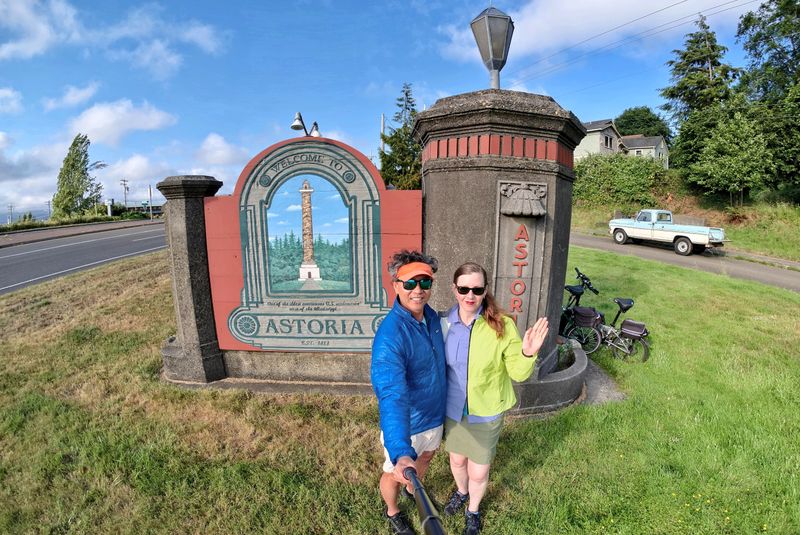
Victorian houses that once sold for modest prices now command figures that leave longtime Astorians shaking their heads in disbelief.
The very homes that young families could once afford on fishing industry wages have become investment properties and vacation rentals for buyers from Portland and beyond.
Real estate agents report that properties in the historic core often receive multiple offers within days of listing, frequently from out-of-state buyers who’ve fallen in love with Astoria during visits.
This shift has created a housing crisis for people who actually work in town.
Teachers, healthcare workers, and service industry employees find themselves priced out of the community they serve, forced to commute from surrounding areas or leave altogether.
The character of neighborhoods has changed as year-round residents are replaced by part-time occupants who arrive for weekends and summer months.
Front porches that once hosted evening conversations between neighbors now sit empty most of the year.
Some historic homes have been converted into boutique bed and breakfasts or vacation rentals, further reducing available housing stock for locals.
While these conversions bring tourism dollars, they also alter the residential fabric of streets that have housed working families for generations.
Community organizations have started advocating for affordable housing initiatives and restrictions on short-term rentals in certain zones.
The debate grows heated at city council meetings, with property rights advocates facing off against those concerned about community sustainability.
Young people who grew up in Astoria increasingly find themselves unable to afford returning after college, breaking generational ties to the town.
The housing pressure represents perhaps the most significant long-term impact of increased tourism on Astoria’s historic core.
Retail Shops Have Shifted From Practical to Tourist-Focused
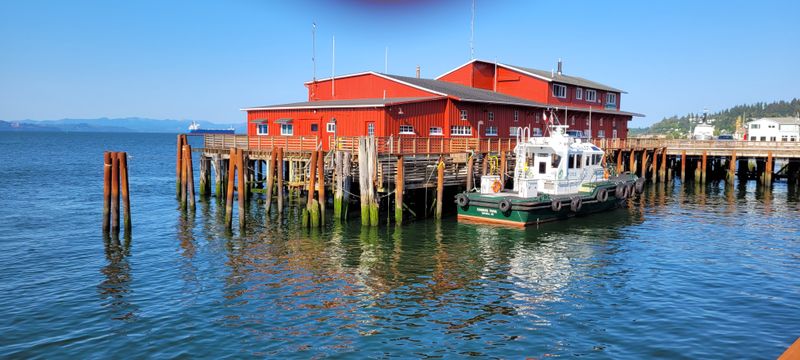
The storefronts along Commercial Street tell a story of changing priorities and customer bases.
Hardware stores and fabric shops that once served practical daily needs have been replaced by galleries selling coastal art, boutiques offering specialty gifts, and shops dedicated entirely to Goonies memorabilia.
This retail transformation reflects economic reality.
Tourist dollars spend differently than local paychecks, favoring unique experiences and souvenirs over everyday necessities.
Shop owners have responded by stocking items that appeal to visitors seeking reminders of their Astoria adventure rather than residents needing work boots or sewing supplies.
Longtime residents now drive to larger towns for basic shopping needs they once fulfilled downtown.
The convenience of walking to pick up supplies has been replaced by the need for special trips, changing how people interact with their historic core.
Some view this shift as inevitable progress, while others mourn the loss of downtown as a functional neighborhood center.
A few businesses have tried to balance both markets, dedicating sections to tourist items while maintaining practical inventory for locals.
These hybrid shops often struggle with the economics of carrying slower-moving everyday goods when premium souvenir space generates better returns per square foot.
The visual character of downtown has changed too, with window displays now designed to catch the eye of passing tourists rather than advertise familiar products to regular customers.
Bright colors, playful themes, and Instagram-worthy setups have replaced more subdued, utilitarian presentations.
This evolution raises questions about what happens when a town’s commercial district serves visitors more than residents.
Can a historic downtown maintain authentic character while catering primarily to people just passing through?
Traffic Congestion Has Altered Daily Life Patterns
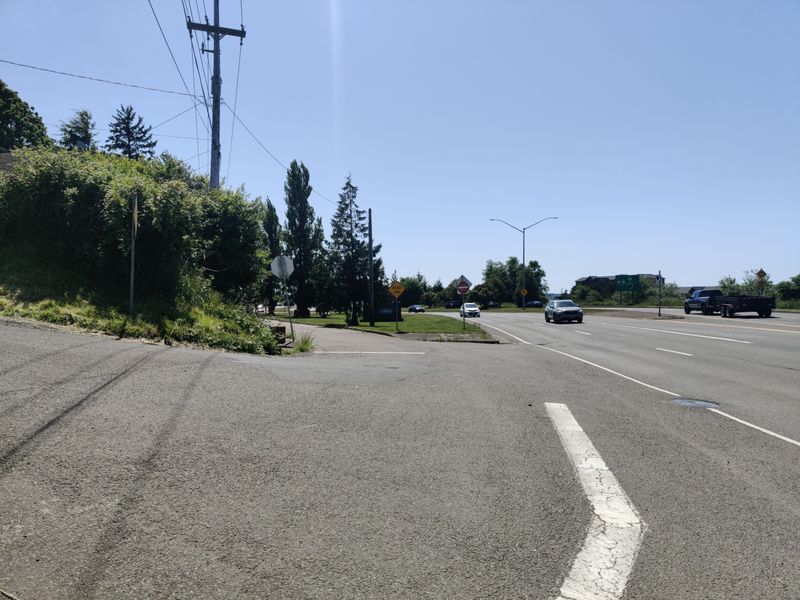
Residents who once zipped across town in minutes now budget extra time for even short trips during peak visitor seasons.
The intersection near the Astoria Column sees constant streams of vehicles heading up the hill for panoramic views, creating backups that ripple through connecting streets.
Highway 101, which runs through town connecting the coast, experiences heavy congestion on summer weekends as beachgoers and sightseers pass through or stop to explore.
Locals have learned to avoid certain routes and times entirely.
The waterfront drive that offers stunning river views becomes a slow crawl of tourist traffic, making it impractical for anyone actually trying to get somewhere.
Residents heading to work or appointments now take less scenic back routes to avoid delays.
School drop-offs and pickups have become more complicated as visitor vehicles unfamiliar with local patterns create unexpected bottlenecks.
Parents arrive earlier to secure spots and avoid the confusion of tourists stopping mid-street to check GPS directions.
Emergency services have expressed concerns about response times when main routes are clogged with sightseers.
Fire trucks and ambulances sometimes struggle to navigate streets packed with parked and moving vehicles.
The city has worked with emergency services to identify alternative routes and educate visitors about pulling over for emergency vehicles.
Delivery trucks supplying downtown businesses face similar challenges, often forced to double-park because designated loading zones are occupied by tourist vehicles.
The rhythm of daily life has fundamentally changed, with locals timing grocery runs and errands around anticipated tourist patterns rather than personal convenience.
This constant accommodation of visitor traffic has become a source of frustration for many longtime residents who feel their hometown has become less livable.
Waterfront Access Points Experience Overcrowding
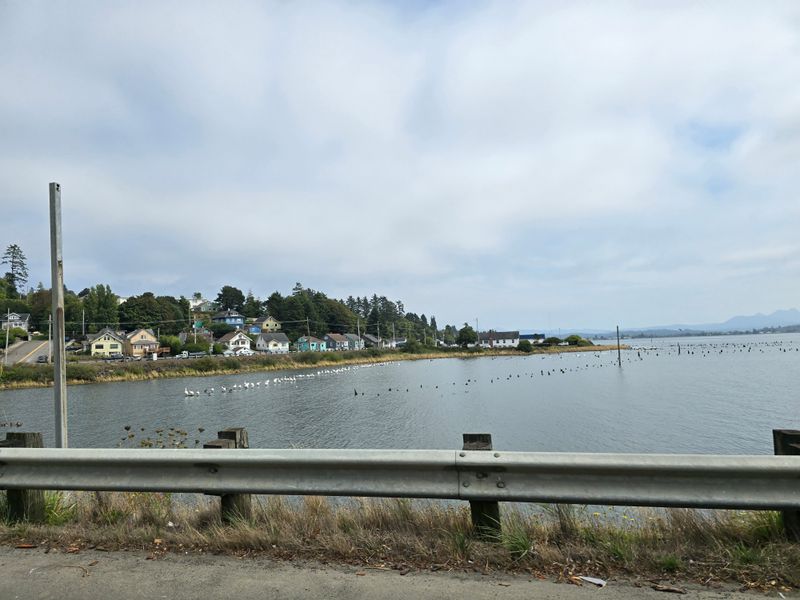
The riverfront trail and viewing areas that once provided peaceful spots for contemplation now buzz with constant activity during warmer months.
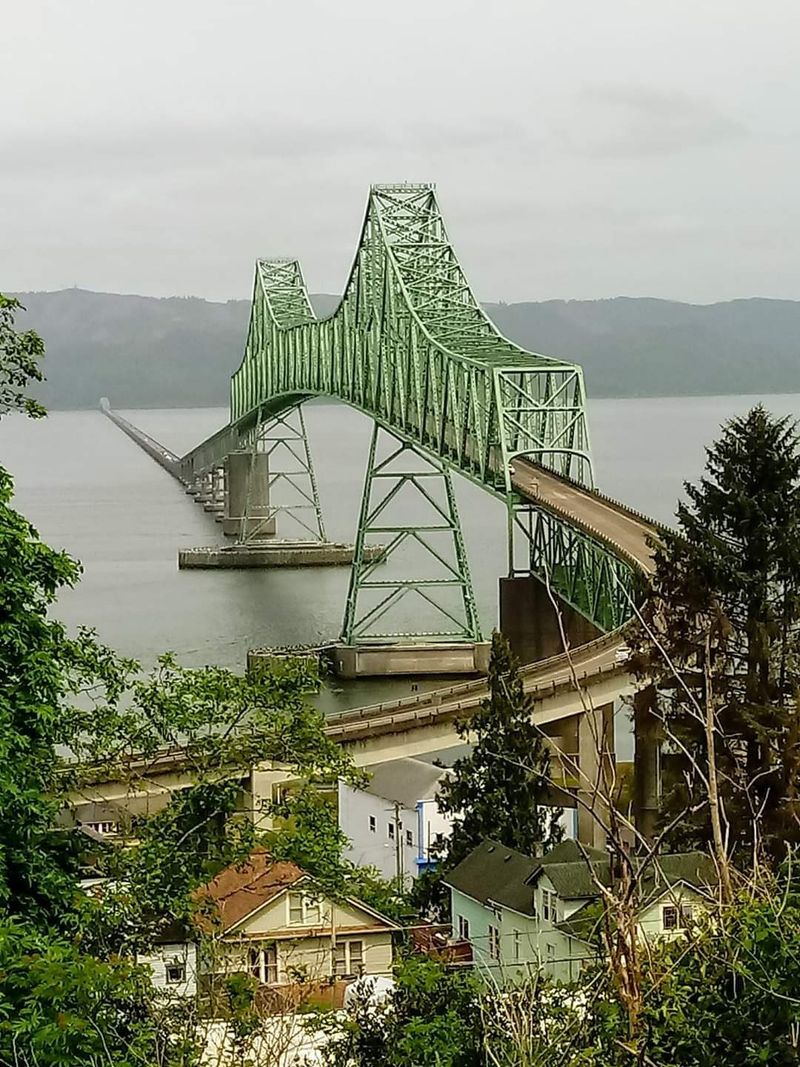
Families spread out along the Riverwalk, tour groups gather at interpretive signs, and photographers jostle for position at prime viewpoints overlooking the Columbia River and Astoria-Megler Bridge.
Early morning, traditionally the quietest time for locals to enjoy waterfront walks, now sees visitors already claiming benches and pier access points.
Fishermen who’ve cast lines from certain spots for decades find themselves competing for space with tourists taking selfies and families feeding seagulls despite posted signs.
The maritime atmosphere that once defined these spaces has shifted toward recreational tourism.
The Columbia River Maritime Museum at 1792 Marine Drive draws steady crowds, with overflow parking affecting nearby residential streets.
Visitors park in neighborhoods and walk to waterfront attractions, bringing foot traffic through areas that were previously quiet residential blocks.
Beach access points near the historic core show signs of overuse, with erosion increasing and litter becoming more prevalent despite additional trash receptacles.
Volunteer groups now organize regular cleanups that weren’t necessary when visitor numbers were lower.
Wildlife viewing has been impacted too.
Sea lions that once hauled out on docks now face constant noise and crowds, sometimes abandoning traditional resting spots.
Bird populations along the waterfront have shifted as human activity increases throughout the day.
Local environmental groups monitor these changes and work with the city to establish guidelines that protect sensitive areas while still allowing visitor access.
The challenge lies in balancing Astoria’s identity as a working waterfront with its growing role as a scenic destination.
Longtime residents wonder if the peaceful river connection that drew them to Astoria can coexist with heavy tourism.
Preservation Efforts Face Funding and Priority Debates
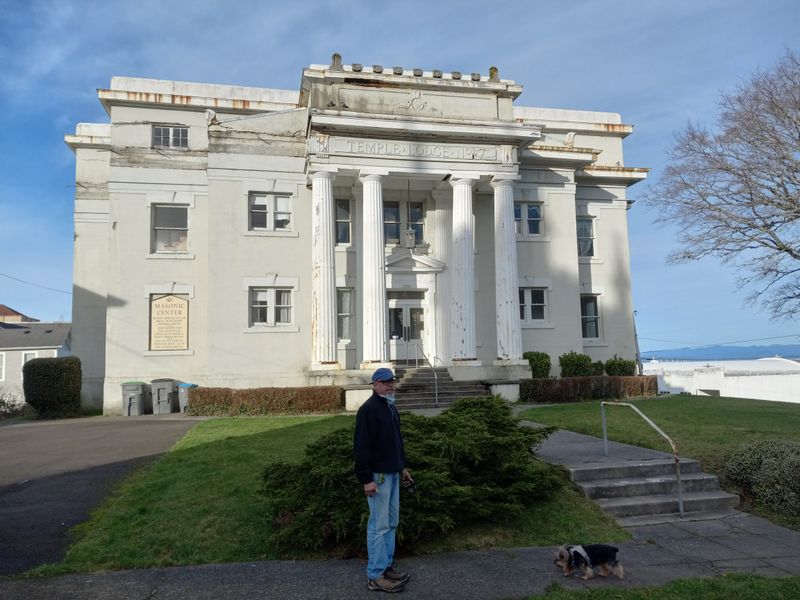
Increased tourism has brought both resources and complications to Astoria’s historic preservation efforts.
The town’s remarkable collection of Victorian architecture and maritime heritage sites attracts visitors specifically interested in history, generating admission fees and donations that support conservation work.
However, the wear and tear from thousands of additional visitors annually accelerates deterioration of historic structures and sites.
The Flavel House Museum, a beautifully preserved Queen Anne mansion, now sees visitor numbers that strain its delicate interior finishes and period furnishings.
Increased foot traffic means more frequent maintenance and conservation treatments, creating an ongoing cycle of preservation needs.
Historic building owners in the downtown core face pressure to modernize for tourist-serving businesses while maintaining architectural integrity.
The debate over installing modern amenities like updated plumbing, climate control, and accessibility features while preserving historic character has intensified as more properties convert to commercial tourist use.
City planners and preservation boards find themselves mediating between property owners seeking profitable adaptations and historians advocating for strict preservation standards.
Tourism revenue has enabled some restoration projects that might not have been financially viable otherwise.
Buildings that were deteriorating have been renovated into boutique hotels and restaurants, saving structures that might have been lost.
Critics argue, however, that these renovations sometimes prioritize tourist appeal over historical accuracy, creating sanitized versions of the past rather than authentic preservation.
The question of whose history gets preserved and presented has also emerged.
Tourism marketing tends to emphasize picturesque Victorian homes and maritime romance while sometimes glossing over the diverse working-class and indigenous histories that are equally important to understanding Astoria’s past.
Finding balance between tourism-driven preservation and authentic historical representation remains an ongoing challenge for this historic Oregon town.
Community Events Have Changed in Scale and Character
Annual celebrations and festivals that once brought together local families now attract regional crowds that transform these gatherings into major tourist events.
The Astoria Regatta, a tradition dating back over a century, has grown from a community celebration into a destination event drawing thousands of visitors.
This growth brings economic benefits but also changes the intimate, neighborhood feel that longtime residents cherished.
Families who once spread blankets anywhere along the parade route now arrive hours early to secure viewing spots among the crowds.
The spontaneous, relaxed atmosphere has given way to more structured, managed experiences designed to accommodate and safely handle larger numbers.
Local performers and community groups that once formed the heart of these events now share billing with professional entertainment brought in to appeal to broader audiences.
Some residents feel their traditions have been commercialized, transformed into products for tourist consumption rather than authentic community expressions.
Event organizers face difficult decisions about maintaining local character while meeting visitor expectations and generating revenue to cover increased costs.
Security needs, liability insurance, and infrastructure requirements have grown exponentially with crowd sizes.
Street fairs that once operated on volunteer coordination now require professional event management and significant city resources.
Permit fees and vendor costs have increased, sometimes pricing out local artisans and small businesses in favor of commercial vendors with bigger budgets.
The calendar has filled with new events specifically designed to attract tourists during shoulder seasons, extending the busy period that once had clear boundaries.
While year-round economic activity helps local businesses, it also means residents have fewer quiet periods to enjoy their town without crowds.
Some community members have started organizing smaller, unlisted gatherings to reclaim the intimate social connections that large public events no longer provide.
The evolution of community events reflects broader questions about identity and belonging as Astoria navigates its transformation.
Infrastructure Strain Requires Expensive Upgrades
Astoria’s water, sewer, and utility systems were designed for a town of roughly 10,000 permanent residents, not the seasonal surges that now stress these networks.
Summer months bring peak demand that pushes aging infrastructure to its limits, requiring emergency repairs and accelerating the need for costly upgrades.
Public restrooms, once adequate for local needs, now face constant use that leads to maintenance challenges and occasional closures for repairs.
The city has added facilities near popular tourist areas, but each new bathroom requires connection to already-strained sewer lines and adds to maintenance budgets.
Street maintenance has become a growing concern as increased traffic, including tour buses and RVs, takes its toll on roads built for lighter use.
Potholes appear more frequently, and the historic brick streets that add charm to downtown require specialized, expensive repair work.
City budgets must now balance routine maintenance with major infrastructure investments needed to handle tourism impacts.
The tax base hasn’t grown proportionally to infrastructure needs since many new property owners are part-time residents who don’t contribute to local sales tax revenue year-round.
This creates a funding gap where permanent residents effectively subsidize infrastructure improvements driven by visitor demand.
Sidewalk improvements, lighting upgrades, and accessibility enhancements that benefit tourists require local taxpayer support through bonds and levies.
Some residents question whether they should bear these costs when much of the wear comes from outside visitors.
The city has explored tourism taxes and increased parking fees to generate revenue specifically for visitor-related infrastructure needs.
These measures face resistance from business owners who worry about pricing out tourists and from visitors who feel unfairly targeted.
Finding equitable ways to fund necessary improvements while maintaining Astoria’s appeal and affordability remains a complex challenge.
Infrastructure decisions made now will shape the town’s ability to handle tourism sustainably for decades to come.
Dear Reader: This page may contain affiliate links which may earn a commission if you click through and make a purchase. Our independent journalism is not influenced by any advertiser or commercial initiative unless it is clearly marked as sponsored content. As travel products change, please be sure to reconfirm all details and stay up to date with current events to ensure a safe and successful trip.
