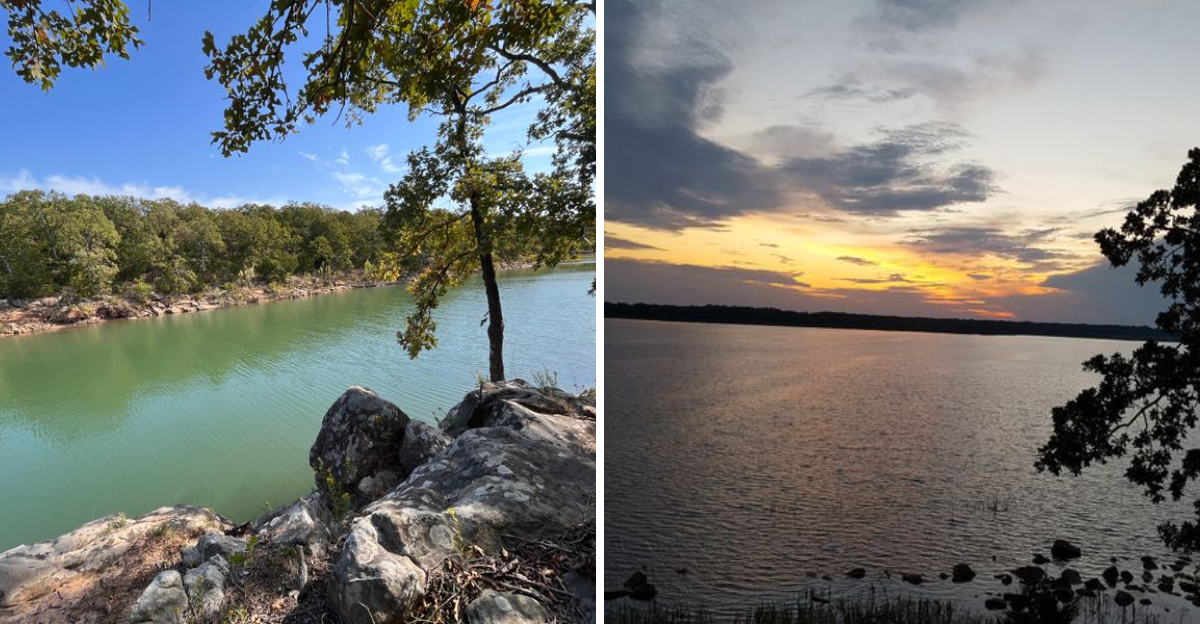
Lake Murray State Park sprawls across 12,500 acres in southern Oklahoma and stands as the state’s largest and oldest state park.
When warm weather arrives and holidays approach, thousands of visitors pour into this outdoor paradise to enjoy boating, hiking, golfing, and camping adventures.
While tourism brings economic benefits and energy to the area, the sudden influx of heavy visitors creates a unique set of challenges and changes for local residents who call the communities around Lake Murray home year-round.
From packed roads and crowded grocery stores to noise levels and wildlife disruptions, life shifts dramatically when peak season hits.
Understanding these impacts offers valuable insight into the balancing act between preserving small-town charm and welcoming the economic boost that tourism provides.
Local families, business owners, and park neighbors experience both the rewards and the pressures that come with living near one of Oklahoma’s most beloved recreational destinations.
This article explores seven distinct ways residents feel the effects when Lake Murray State Park sees its busiest visitor days.
Traffic Congestion Transforms Quiet Roads Into Busy Highways
Small-town roads around Lake Murray State Park usually offer peaceful drives with little traffic and plenty of open space.
When visitor numbers spike during summer weekends, spring break, and holiday periods, these same roads become congested with out-of-state vehicles, RVs, boat trailers, and families unfamiliar with local routes.
Residents who normally enjoy a quick five-minute drive to the grocery store or post office suddenly face twenty-minute waits and bumper-to-bumper conditions.
Highway 77 South and the roads leading to the park entrance at 3323 Lodge Rd, Ardmore, OK 73401, experience the heaviest backup, especially on Friday afternoons and Sunday evenings.
Local drivers know the shortcuts and back roads, but even these alternatives fill up as GPS apps redirect visitors seeking faster routes.
Patience wears thin when residents need to run errands or get to work on time, only to be stuck behind slow-moving trailers or tourists stopping unexpectedly to check directions.
Parents picking up kids from school or heading to medical appointments must plan extra travel time into their schedules.
The increased traffic also raises safety concerns, as inexperienced drivers towing boats or navigating unfamiliar curves create hazards.
Speeding and impatient passing maneuvers become more common as frustration builds.
Emergency vehicles sometimes struggle to navigate through the congestion, which worries residents who depend on quick response times.
While locals appreciate the economic benefits tourism brings, the trade-off includes sacrificing the quiet, easy commutes they enjoy during off-peak months.
Many residents adjust by scheduling errands early in the morning or late in the evening to avoid the worst traffic hours.
Some even choose to stay home on the busiest weekends rather than deal with the hassle.
The transformation from tranquil country roads to bustling thoroughfares represents one of the most noticeable changes residents experience during peak visitor season.
Local Businesses Experience Both Blessings and Stress
Restaurants, gas stations, convenience stores, and bait shops near Lake Murray State Park rely heavily on tourist dollars to stay profitable throughout the year.
When heavy visitor numbers arrive, cash registers ring constantly, and sales figures soar, providing a financial windfall that helps these small businesses survive slower winter months.
However, the sudden surge also creates operational challenges that test staff, inventory, and patience.
Small diners that normally serve a dozen locals for breakfast suddenly face lines out the door with fifty hungry campers waiting for tables.
Kitchen staff work overtime, supplies run low, and wait times stretch from minutes to over an hour.
Grocery stores in Ardmore and nearby towns see shelves emptied of popular items like ice, charcoal, bottled water, and snack foods.
Restocking becomes a daily challenge, and employees work extended shifts to keep up with demand.
Gas stations experience long lines at the pumps, especially those closest to the park entrance, and restrooms require constant cleaning and monitoring.
Local business owners hire seasonal workers to manage the rush, but training new staff quickly while maintaining service quality proves difficult.
Some establishments raise prices during peak season, which frustrates year-round residents who feel penalized for tourist traffic.
Noise levels inside stores and restaurants increase dramatically, making it harder for employees to communicate and for regular customers to enjoy their usual peaceful experience.
Despite the stress, most business owners recognize that summer and holiday crowds provide the bulk of their annual income.
Without tourist spending, many shops would struggle to keep their doors open.
The challenge lies in balancing exceptional customer service for visitors while still caring for the loyal local customers who support them year-round.
Finding that balance requires flexibility, stamina, and a sense of humor when things get hectic.
Noise Levels Rise and Peaceful Evenings Become Rare
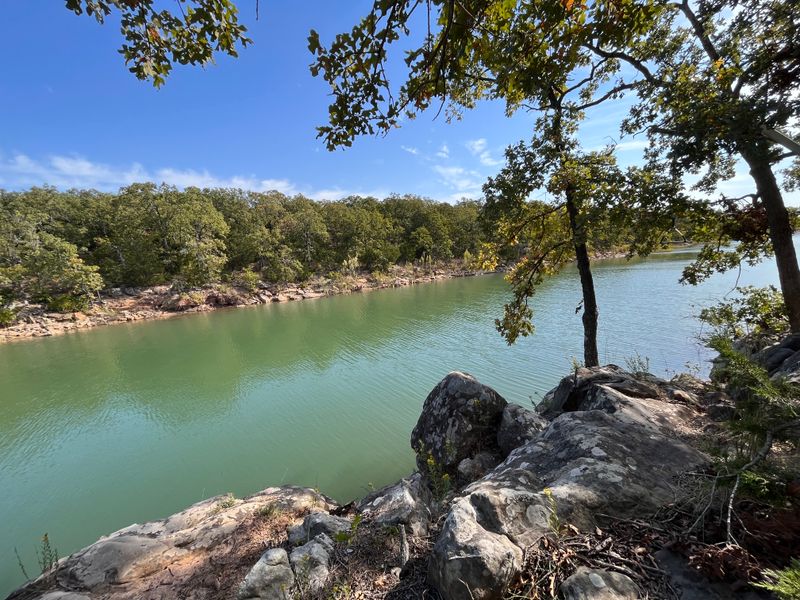
One of the greatest appeals of living near Lake Murray State Park is the natural quiet that residents enjoy most of the year.
Birds singing, gentle breezes rustling through trees, and the soft lapping of lake water create a serene soundtrack to daily life.
When thousands of visitors descend on the park, that tranquility disappears, replaced by the constant hum of boat motors, jet skis, ATVs, and loud music from campsites.
Families living within a mile or two of the park notice the change immediately.
Evenings that once offered peaceful porch-sitting and stargazing now feature the roar of engines and the shouts of partiers enjoying late-night campfires.
Sleep becomes difficult for residents, especially those with young children or early work schedules.
The park offers 12,500 acres for outdoor recreation, including designated areas for ATV driving, which generates significant noise that carries across the water and through the woods.
Boaters rev engines early in the morning, eager to get out on the water, waking nearby homeowners before sunrise.
Campground parties sometimes continue past midnight, with laughter, music, and fireworks disturbing the peace.
While park rangers enforce quiet hours, monitoring every campsite across such a vast area proves nearly impossible.
Residents who value their quiet lifestyle find themselves closing windows, running fans for white noise, or even investing in earplugs to cope with the increased sound pollution.
Some locals avoid their own backyards and porches during peak weekends, retreating indoors to escape the commotion.
The contrast between the peaceful off-season and the noisy visitor months feels jarring.
While residents understand that recreation and celebration are part of the park experience, the loss of their peaceful environment takes a toll on quality of life.
Many count down the days until Labor Day when visitor numbers drop and quiet returns to the neighborhood.
Wildlife Behavior Changes and Natural Habitats Face Pressure
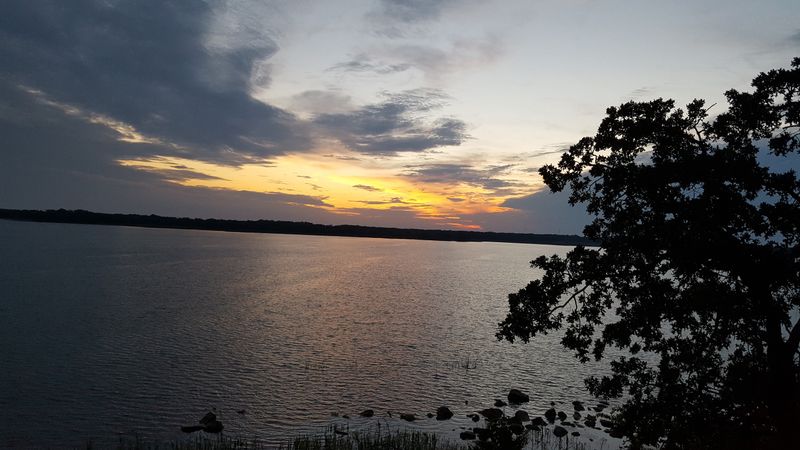
Lake Murray State Park serves as home to diverse wildlife including deer, wild turkeys, armadillos, raccoons, various bird species, and aquatic life in the lake itself.
During quiet months, animals move freely through their natural habitats, and residents enjoy frequent wildlife sightings in their yards and along trails.
When heavy visitor traffic arrives, animal behavior shifts dramatically as creatures adapt to increased human presence, noise, and habitat disruption.
Deer that normally graze peacefully near residential areas become skittish and retreat deeper into the woods to avoid crowds.
Nesting birds abandon sites too close to high-traffic areas, and some species experience reduced breeding success due to disturbances.
Campers leave food out or improperly store garbage, attracting raccoons, skunks, and even bears to campsites and nearby neighborhoods.
Once wildlife becomes accustomed to human food sources, they lose their natural wariness and can become nuisances or even dangers to both visitors and residents.
Trash left behind by careless tourists litters trails and shorelines, posing ingestion hazards to animals and polluting natural water sources.
Boat traffic and jet ski activity disrupt fish spawning patterns and disturb waterfowl that nest along the shoreline.
The noise and commotion cause stress to animals trying to raise young during spring and summer months.
Residents who appreciate the natural beauty and wildlife around their homes feel frustrated watching animals struggle to adapt to the seasonal chaos.
Some locals report increased roadkill as disoriented animals cross busy roads more frequently while fleeing crowded areas.
Trail erosion increases with heavy foot and ATV traffic, damaging plant life and altering habitats.
While the park staff works to educate visitors about wildlife protection and Leave No Trace principles, enforcement remains challenging.
Residents often take it upon themselves to clean up litter and report wildlife concerns, acting as unofficial stewards of the land they love.
Water Quality and Lake Conditions Become Concerns
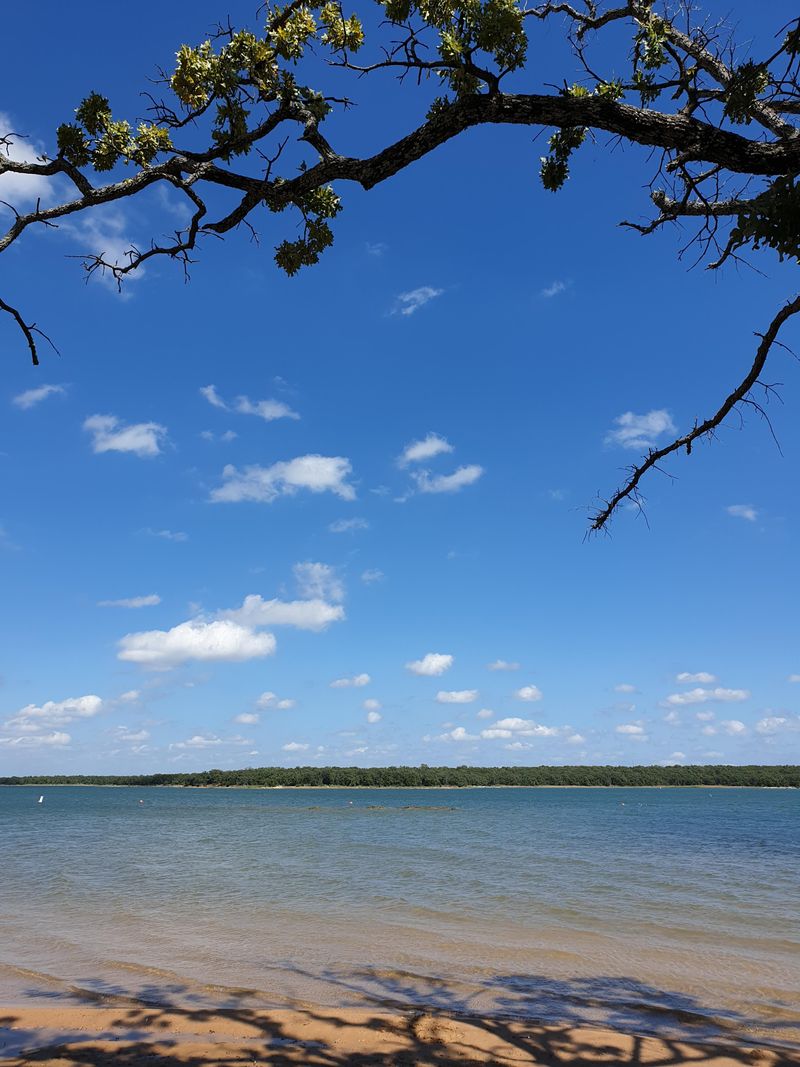
Lake Murray’s clear waters attract boaters, swimmers, and anglers throughout the warm months, making it the centerpiece of the park’s appeal.
Residents who live on or near the lake value its beauty and recreational opportunities, often enjoying quiet morning fishing trips or evening kayak paddles.
When visitor numbers surge, the lake experiences increased stress from boat traffic, fuel spills, sunscreen runoff, and improper waste disposal.
Water quality can decline noticeably during peak periods as hundreds of boats churn through the water, stirring up sediment and releasing small amounts of oil and gasoline.
Swimmers apply sunscreen and insect repellent that washes into the water, introducing chemicals that affect aquatic ecosystems.
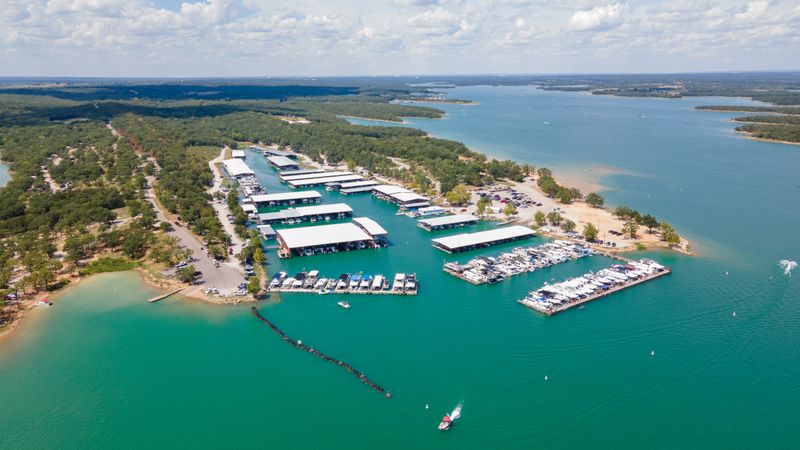
Shoreline erosion accelerates as boat wakes pound the banks repeatedly, especially in popular coves and near the marina.
Residents notice the water appearing murkier and less inviting during busy weekends compared to the crystal clarity of off-season months.
Algae blooms can develop more quickly when nutrient levels rise from increased human activity and waste.
Some locals who draw well water from aquifers connected to the lake worry about contamination risks.
Fishing success rates often drop during peak visitor times as noise and activity drive fish to deeper, quieter waters.
Residents who depend on fishing for food or recreation find themselves competing with hundreds of visiting anglers for prime spots.
Trash floating in the water or washed up on beaches creates eyesores and environmental hazards.
Plastic bottles, food wrappers, and lost fishing gear accumulate along the shoreline, requiring volunteer cleanup efforts.
The Oklahoma Water Resources Board and park officials monitor water quality, but rapid changes during peak seasons can occur before testing catches problems.
Residents who cherish the lake as a natural resource feel protective and frustrated when they see it stressed by overuse.
Many participate in conservation efforts and advocate for stricter regulations to protect water quality for future generations.
Parking Shortages Force Residents to Compete for Space
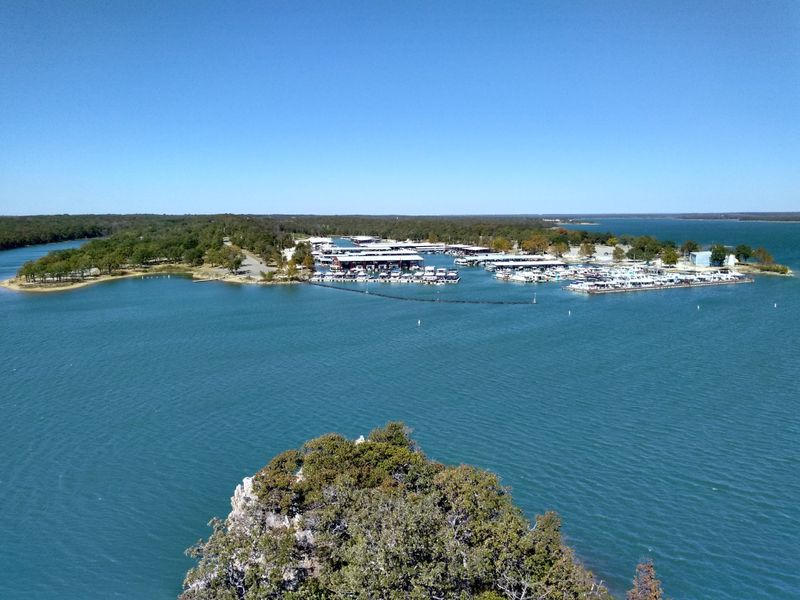
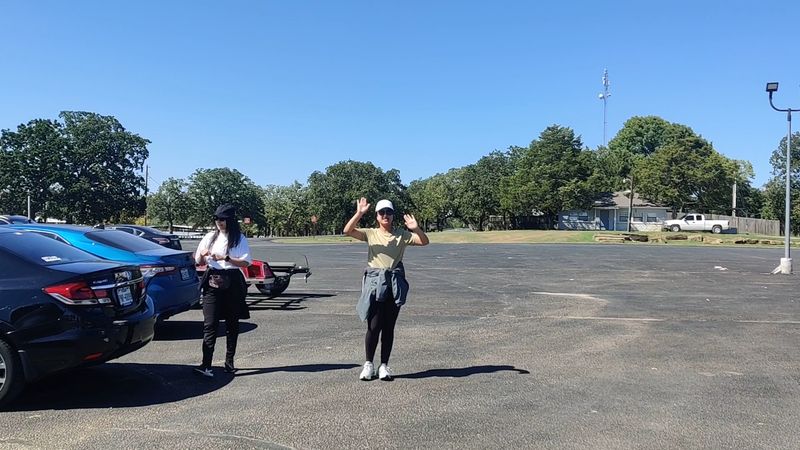
Parking areas at Lake Murray State Park fill quickly during peak visitor periods, with boat ramps, trailheads, and lodge parking lots reaching capacity by mid-morning on popular weekends.
Visitors who arrive after spaces fill often park along roadsides, in residential driveways, or on private property without permission.
Residents living near park entrances or popular access points find their streets lined with unfamiliar vehicles, blocking mailboxes, driveways, and even fire hydrants.
Some visitors assume that any open space is fair game for parking, leading to trespassing issues and confrontations between property owners and tourists.
Homeowners have reported returning from errands to find their driveways blocked by trailers or RVs, trapping them outside their own homes.
The lack of adequate parking infrastructure for peak visitor loads creates frustration for everyone involved.
Tourists who traveled hours to reach the park feel disappointed when they cannot find legal parking, while residents feel their property rights are being violated.
Emergency access becomes a concern when vehicles park too close to intersections or along narrow roads, preventing fire trucks and ambulances from passing.
Park officials post no-parking signs and issue tickets, but enforcement struggles to keep pace with the volume of violations.
Some residents have installed gates, chains, or posted private property signs to protect their land from unauthorized parking.
Others have called towing companies to remove vehicles blocking their access, leading to angry confrontations when visitors return to find their cars gone.
The parking shortage also affects residents who want to use park facilities themselves.
Locals who pay property taxes supporting the park find themselves unable to access trails, boat ramps, or picnic areas because visitors have claimed all available spaces.
This creates resentment and a feeling of being excluded from resources in their own community.
Expanding parking facilities would help, but funding and space limitations make quick solutions difficult.
Community Identity Shifts Toward Tourist Accommodation
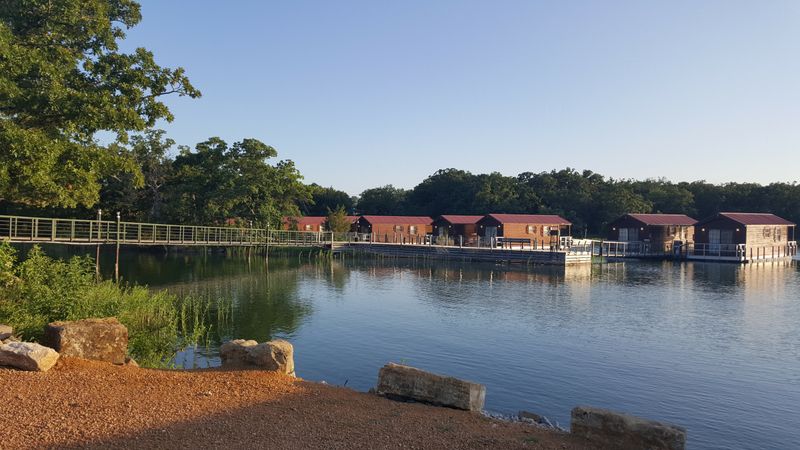
Small communities surrounding Lake Murray State Park historically developed around agriculture, ranching, and close-knit family networks.
Residents knew their neighbors, supported local schools and churches, and maintained a distinct regional culture rooted in Oklahoma heritage.
As tourism has grown over the decades, the character of these communities has gradually shifted toward accommodating visitors rather than prioritizing local needs.
New businesses cater primarily to tourists, with souvenir shops, chain restaurants, and vacation rental properties replacing family-owned stores and long-standing community gathering places.
Property values and rental costs have increased, making it harder for young families and long-time residents to afford homes in areas near the park.
Some locals have sold their property to developers who build vacation cabins and short-term rental units, changing the neighborhood dynamics.
Year-round residents find themselves living next to properties that cycle through different visitors every weekend, eliminating the stability of knowing who lives nearby.
Community events and traditions sometimes get overshadowed or rescheduled to avoid conflicting with peak tourist weekends.
Local government meetings increasingly focus on tourism infrastructure, visitor services, and park-related issues rather than addressing resident concerns about schools, healthcare, or senior services.
The cultural identity of the area gradually becomes more generic and tourist-focused, losing some of the unique character that made it special to long-time residents.
Young people growing up in the area often take jobs in the tourism industry rather than pursuing traditional occupations, changing career paths and economic patterns.
While economic growth brings opportunities, it also creates a sense of loss for those who remember quieter, simpler times.
Residents struggle with mixed feelings, appreciating the prosperity tourism brings while mourning the disappearance of the tight-knit community they once knew.
Balancing growth with preservation of local culture remains an ongoing challenge that affects daily life and long-term planning.
Dear Reader: This page may contain affiliate links which may earn a commission if you click through and make a purchase. Our independent journalism is not influenced by any advertiser or commercial initiative unless it is clearly marked as sponsored content. As travel products change, please be sure to reconfirm all details and stay up to date with current events to ensure a safe and successful trip.
