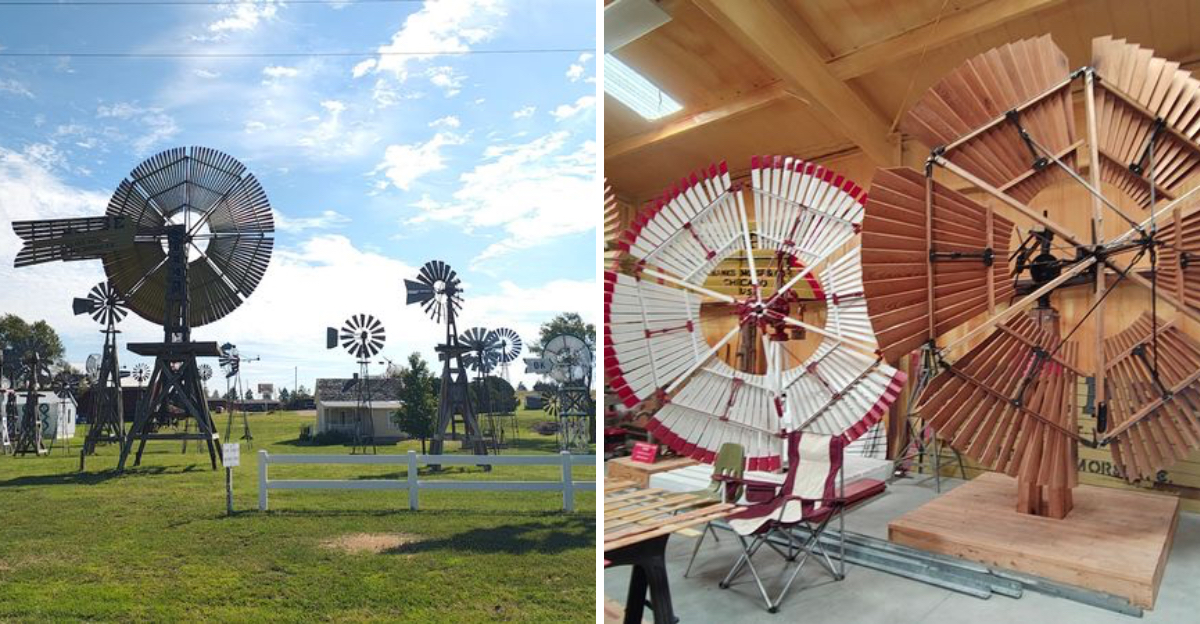
Standing along South Main Street in Shattuck, Oklahoma, a field full of spinning metal towers rises up against the wide open sky. At first glance, you might think you took a wrong turn into some kind of mechanical dream.
This outdoor collection of vintage windmills, water pumps, a sod house, and pioneer artifacts tells the real story of how the American Great Plains came to life.
Open every single day of the year, this free-to-visit spot is one of those rare roadside discoveries that completely changes your afternoon plans in the best possible way.
A Field Full of Spinning History
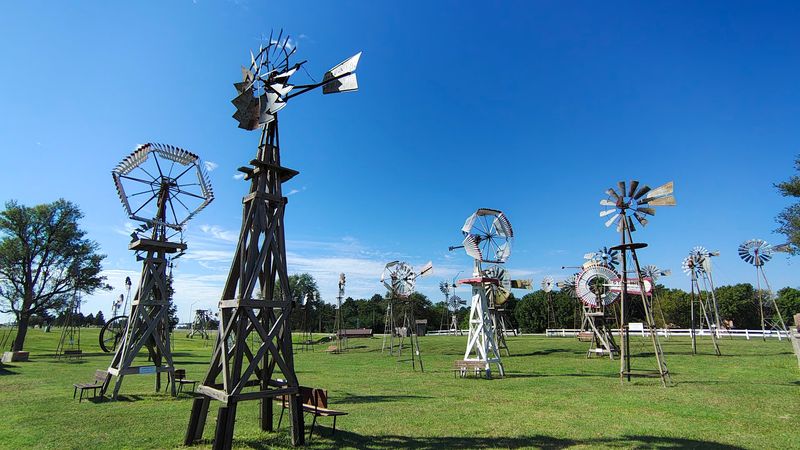
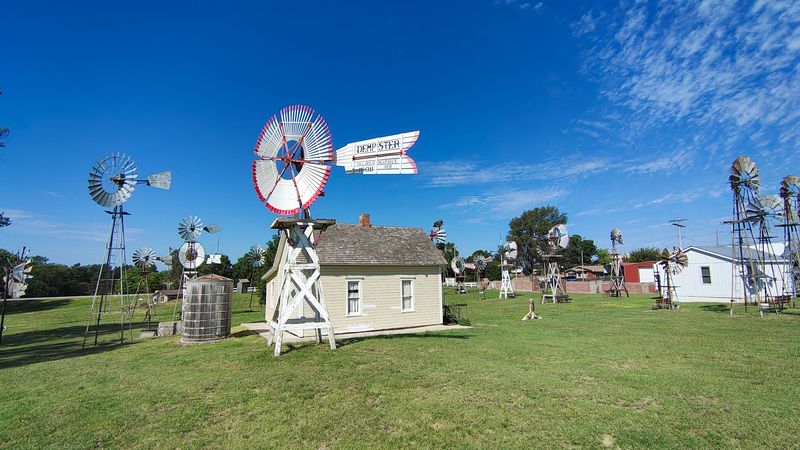
Before you even park the car, the windmills start pulling your eyes upward. There are dozens of them, standing at different heights, spinning at different speeds, and built in completely different styles.
The Shattuck Windmill Museum, located at 1201-1299 S Main St, Shattuck, OK 73858, holds one of the most remarkable collections of functional windmills in the entire country.
Each machine represents a chapter in the history of the American frontier. These were not decorative objects.
They were lifelines that pumped water from deep underground so that families, livestock, and crops could survive on the dry Oklahoma plains.
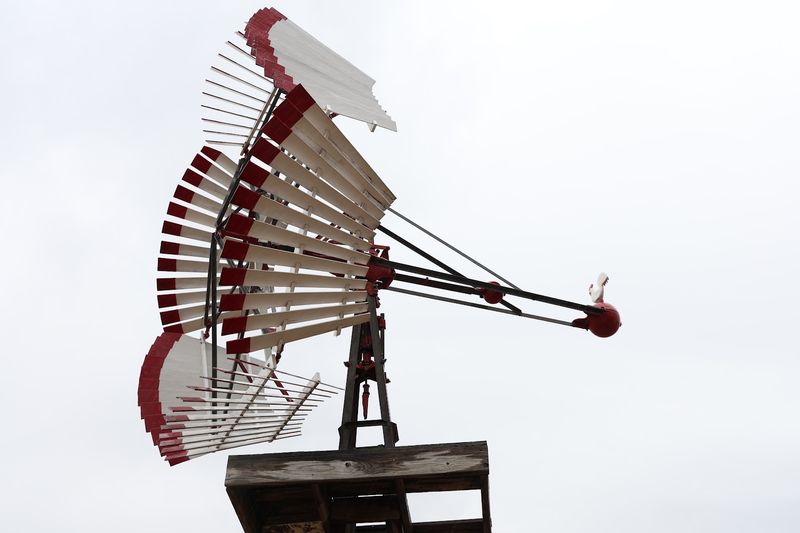
Walking among them feels like stepping into a working mechanical timeline. Some windmills are compact and simple, while others tower overhead with complex gear systems that still operate today.
The outdoor grounds are typically accessible daily, while buildings operate on limited hours. The grounds are well maintained and easy to walk around.
You can reach the museum by phone at +1 580-938-5291 or explore more at shattuckok.com/WindmillPark.html.
Why Windmills Mattered So Much on the Plains
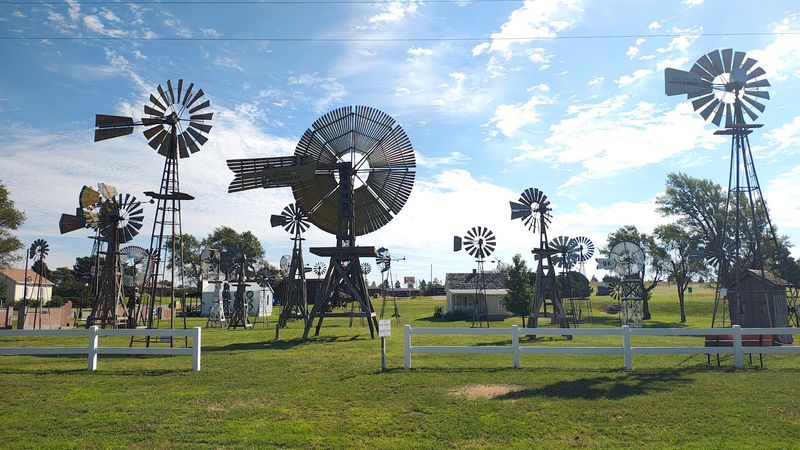
Water was everything on the Oklahoma frontier. Without it, there were no crops, no animals, and no future for the families who staked their lives on this land.
Windmills solved that problem in a brilliant and elegant way by harnessing the one resource the Great Plains always had in abundance: wind.
A working windmill could pull water from hundreds of feet underground without any fuel, electricity, or human effort beyond the initial setup. That made them invaluable to homesteaders who had very little money and even less time to spare.
The museum does a wonderful job of showing how these machines evolved over the decades. Early designs were made almost entirely from wood, while later models used steel and more refined gear systems.
Each generation of windmill reflects the growing understanding of mechanics and materials available at the time. Tuning your car radio to 90.3 FM while on the grounds gives you a short but genuinely informative audio history lesson that ties all of this together in a satisfying way.
The wind does not just power the mills here; it also powers the whole story.
The Sod House That Puts Everything in Perspective
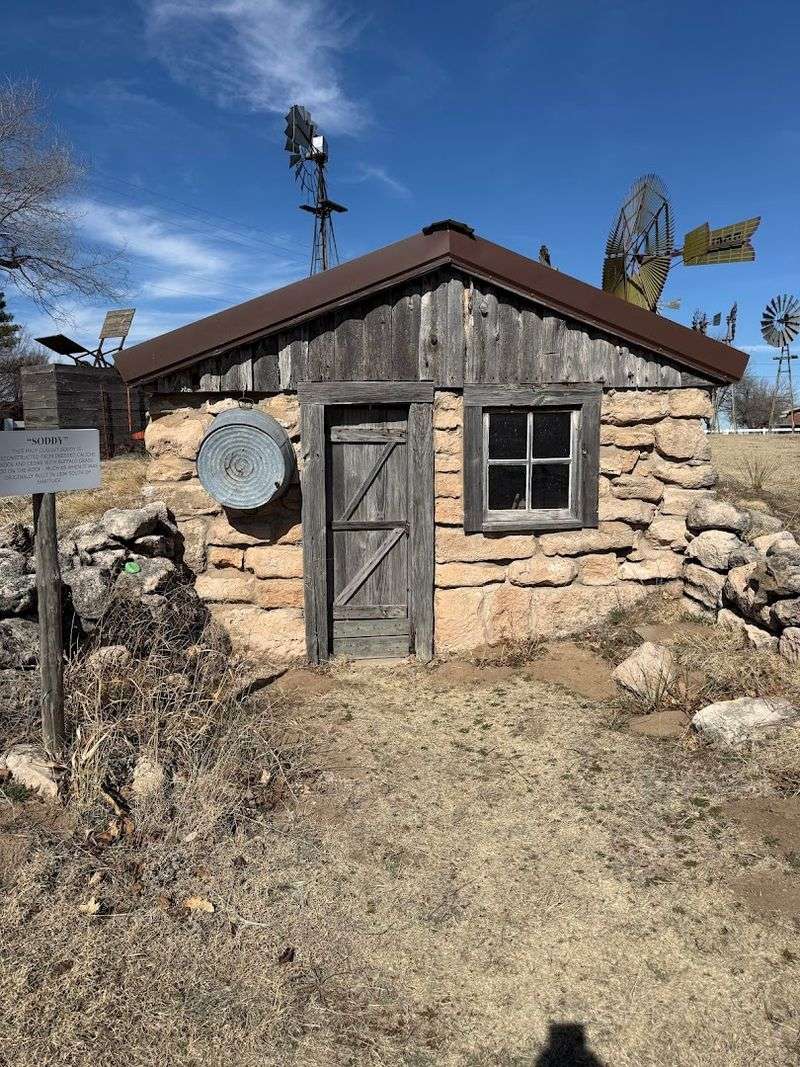
One of the most quietly powerful parts of the museum is the small sod house, also called a soddy, that sits among the windmill displays. Stepping inside it reframes everything you just saw outside.
These machines were not background features of pioneer life; they were central to it.
A soddy was built from blocks of dense prairie grass and earth, stacked like bricks. It was cheap, it was insulating, and it was what most families had when they first arrived on the Oklahoma plains with nothing but determination and a land claim.
Imagining a family raising children inside a structure like this, depending on a nearby windmill for every drop of water, makes the whole collection feel deeply personal. The sod house at Shattuck is small enough to feel intimate and honest enough to feel real.
It does not romanticize frontier life; it simply shows it as it was. Standing in the doorway and looking back out at the spinning windmills creates one of those rare moments where history stops being abstract and starts feeling genuinely close.
Inside the Exhibit Shed: Where the Rarest Pieces Live
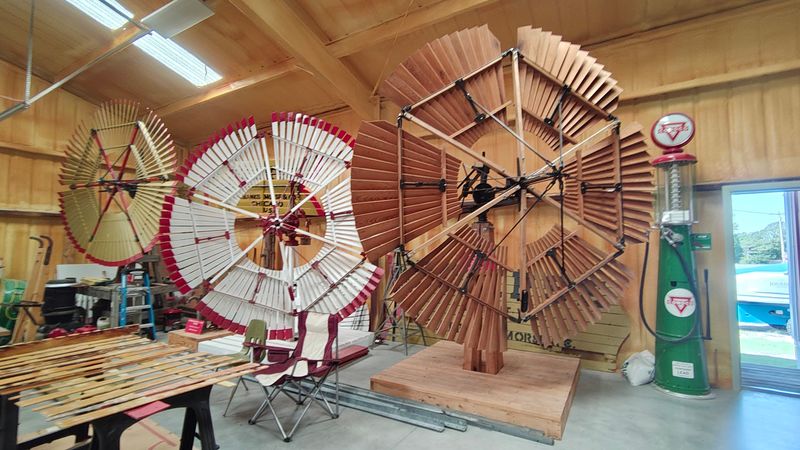
Not everything at this museum stands outdoors. A large covered shed on the property houses an impressive collection of additional water pumps, windmill components, and mechanical equipment that would not survive well in the Oklahoma elements.
Stepping inside feels like entering a working archive of iron and ingenuity. The pieces in here tend to be rarer, older, or more fragile than what stands outside.
Some are one-of-a-kind examples that you genuinely cannot find anywhere else in the country.
The shed also gives you a closer look at the inner workings of these machines. Outdoors, a windmill is a beautiful silhouette against the sky.
Inside the shed, you can get close enough to study the gears, bearings, and linkages that made the whole system work. For anyone who enjoys mechanical history, engineering curiosity, or just the satisfying logic of how things fit together, this section of the museum delivers something special.
It rewards slow, careful attention rather than a quick walk-through, and the details get more interesting the longer you stay.
The Radio Broadcast That Brings the Collection to Life
One of the most clever features of the Shattuck Windmill Museum is completely free and requires almost no effort. Tune your car radio to 90.3 FM while you are on the grounds, and a short recorded broadcast plays the full history and context of the windmill collection.
It runs for just a few minutes, but those few minutes pack in a surprising amount of useful information. You learn about the different types of windmills, where they came from, and what role they played in shaping the settlement of the Oklahoma panhandle region.
The broadcast works whether you are sitting in your car or just have the windows rolled down while you walk the grounds. It adds a layer of understanding that makes every windmill you look at afterward feel more meaningful.
Without it, you might appreciate the collection for its visual drama. With it, you start to see each machine as a specific solution to a specific problem faced by real people in a real landscape.
That shift from admiration to understanding is what makes this little radio trick genuinely worth knowing about before you arrive.
The Grounds Themselves Are Worth the Stop
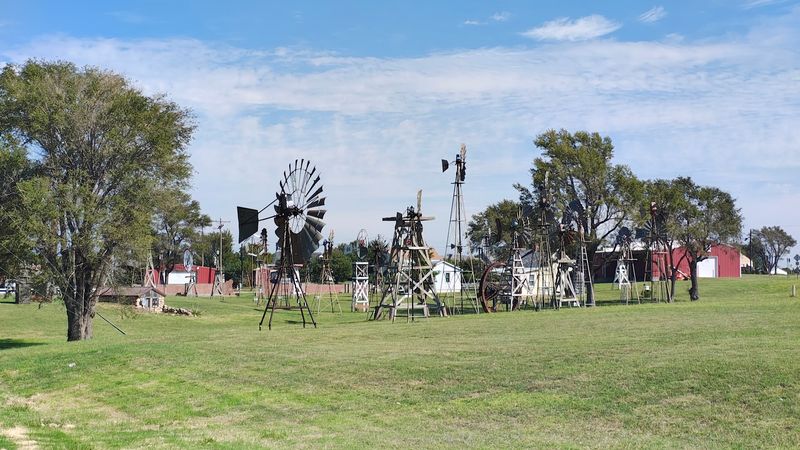
Even setting aside the history and the mechanics, the grounds of the Shattuck Windmill Museum are simply a pleasant place to spend an hour. There are benches and picnic tables scattered across the property, and the grass is kept tidy and easy to walk through.
The layout feels relaxed rather than rigid. You are not following a roped-off path or moving through a strict sequence of exhibits.
Instead, you wander freely among the windmills, stopping wherever something catches your attention.
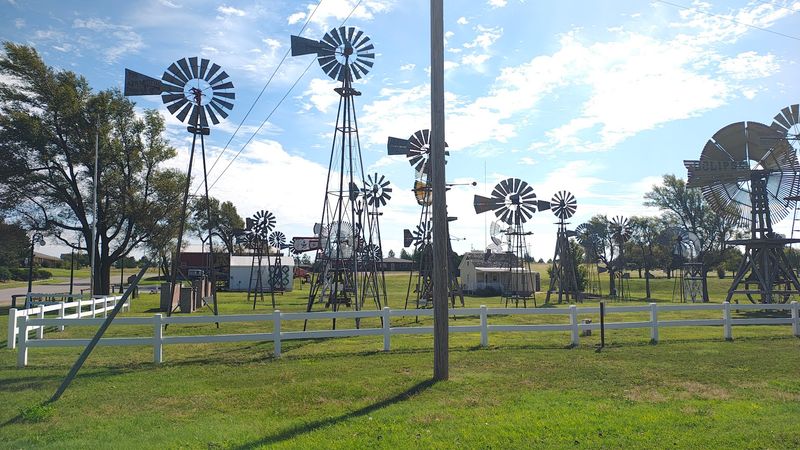
On a breezy Oklahoma day, the sound the windmills make together is genuinely striking. Each one spins at its own pace and produces its own rhythm, and when the wind picks up, the combined effect is something between music and machinery.
It is the kind of ambient experience that is hard to describe but easy to remember. Picnicking here while a dozen windmills turn overhead is an oddly satisfying way to spend a lunch break on a road trip.
The museum also keeps a guest book inside where you can record where you traveled from, which adds a small but charming communal element to the visit.
Getting There Without Getting Lost
Shattuck sits in Ellis County in the northwestern part of Oklahoma, and getting there from a major highway takes a bit of intentional routing.
The most common approach is to exit Interstate 40 and head north on Highway 283, which cuts through some genuinely beautiful and underappreciated Oklahoma countryside.
The drive north gives you a preview of the landscape that made windmills so essential here. Wide, flat fields stretch in every direction, and the sky feels enormous compared to what you get near a city.
The museum itself appears along South Main Street in Shattuck almost before you expect it, which is part of its charm as a roadside discovery. Because it is open around the clock every day of the year, you do not need to plan around business hours or worry about arriving too late.
That kind of accessibility is rare for any museum, let alone one with this much to offer. Road-trippers cutting through the Oklahoma panhandle region should absolutely pencil Shattuck into the route, even if it means a short detour.
The payoff is reliable and the drive itself is worth the scenic time.
What to Wear and What to Bring
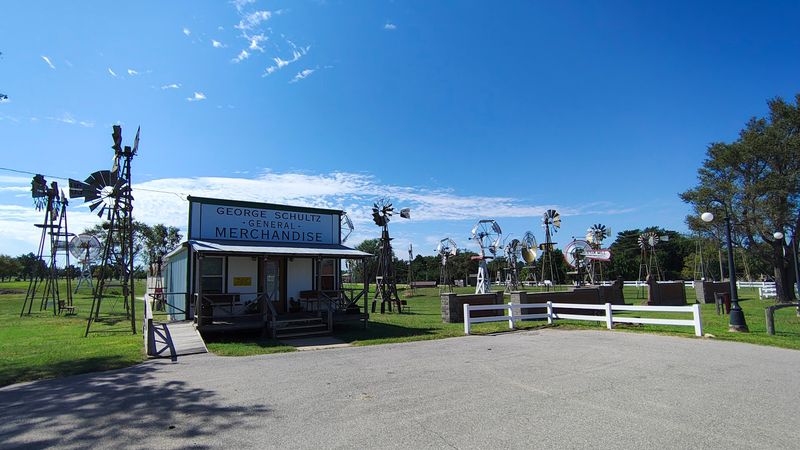
A few practical details can make your visit significantly more comfortable, and they are worth knowing before you leave the car. The grounds at the Shattuck Windmill Museum are grassy and open, which means sticker burrs can be a real issue, especially in warmer months.
Closed-toe shoes are strongly recommended. Sandals or open footwear will pick up burrs quickly, and they are genuinely uncomfortable to deal with mid-visit.
Shaking them off before getting back into the car is also smart advice.
Beyond footwear, the site is outdoors and largely unsheltered, so sunscreen and a hat are good ideas on sunny days. The Oklahoma sun in summer is not subtle.
Bringing a bottle of water is also a good call since the grounds do not have a drinking fountain in the traditional sense. The gift shop near the visitor center does have a restroom, which is useful to know if you are arriving after a long stretch of highway driving.
A small donation is encouraged and genuinely appreciated, since the museum operates without a paid admission fee. A few dollars left in the donation box goes a long way toward keeping this place running for future road-trippers.
The Gift Shop and the Visitor Center
Attached to the museum grounds is a small visitor center and gift shop that carries windmill-themed souvenirs, books, and merchandise. It is the kind of shop that feels genuinely connected to the place rather than generic or mass-produced.
You can pick up a T-shirt, a postcard, or a small keepsake that actually means something because you earned it with a real road trip stop rather than an online order. The staff at the visitor center are knowledgeable and genuinely enthusiastic about the collection.
If you have questions about a specific windmill on the grounds or want to understand more about how a particular mechanism works, the staff are a great resource.
The visitor center also has a restroom, which is one of those practical details that matters more than it sounds after a long stretch of Oklahoma highway.
The whole setup feels like it was designed by people who actually care about the experience of visiting, rather than people who are simply running a transaction. That warmth comes through from the moment you walk in, and it makes leaving the donation box empty feel like the wrong thing to do.
Why This Museum Deserves a Spot on Your Road Trip Map
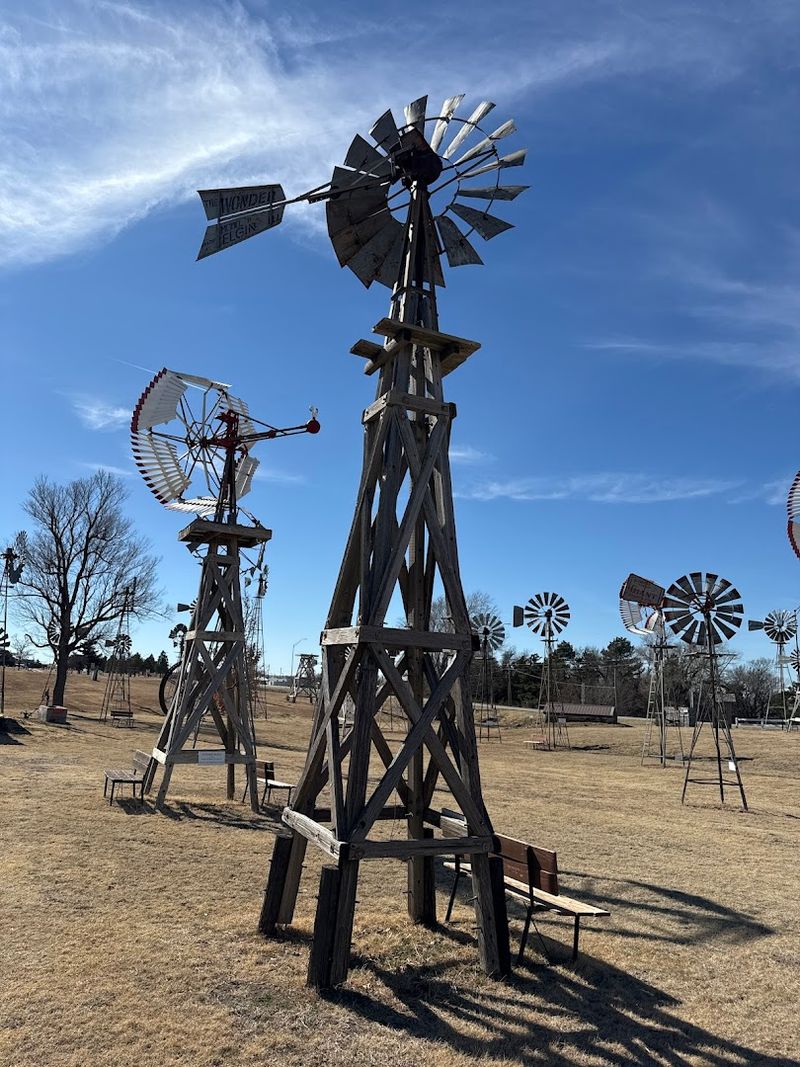
Road trips through the American heartland are full of signs promising something worth stopping for, and most of them disappoint. The Shattuck Windmill Museum is the rare exception that actually delivers more than its roadside presence suggests.
It is a free outdoor museum open every hour of every day, packed with genuine historical artifacts, a working audio guide on the radio, a sod house you can step inside, and a landscape that makes the whole experience feel cinematic in a quiet and unforced way.
Oklahoma has a lot of wide open space, and most people drive through it without stopping. That is understandable, but it means missing places like this one, where the history of the land is literally standing right in front of you, spinning in the wind, waiting to be noticed.
The Shattuck Windmill Museum is not a detour you will regret. It is the kind of stop that ends up being the story you tell when someone asks what was the most surprising thing you found on your last road trip through Oklahoma.
Plan for an hour and bring a picnic; the windmills will take care of the rest.
Dear Reader: This page may contain affiliate links which may earn a commission if you click through and make a purchase. Our independent journalism is not influenced by any advertiser or commercial initiative unless it is clearly marked as sponsored content. As travel products change, please be sure to reconfirm all details and stay up to date with current events to ensure a safe and successful trip.
