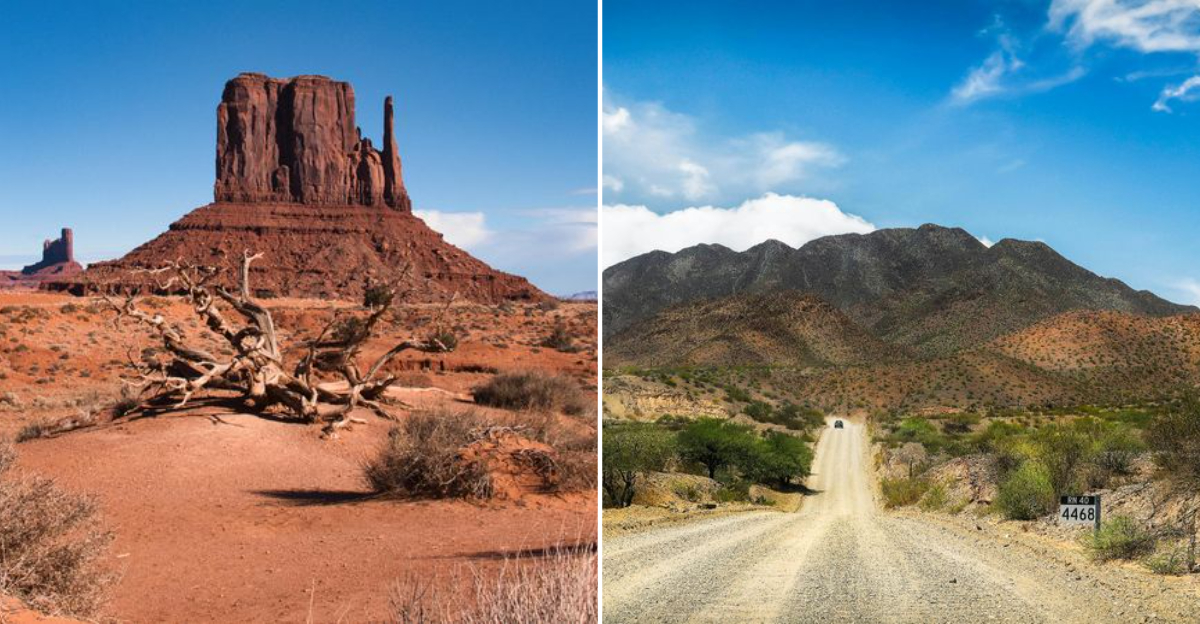
Most people think off-road driving in Arizona’s deserts is all about freedom, the wide-open trails, the rugged scenery, and the thrill of taking a vehicle where regular roads don’t go.
But the reality is, those same deserts can turn risky fast. What looks like a smooth ride can hide soft sand, sudden drop-offs, or rocky terrain that’s tougher than it seems.
I’ve heard plenty of stories from drivers who thought they were prepared, only to get stuck in the heat with no cell service and miles from help.
The desert doesn’t forgive mistakes easily, and even experienced off-roaders admit it can catch them off guard.
Add in the extreme temperatures and the isolation, and you start to see why it’s not just a casual weekend adventure.
That doesn’t mean it isn’t worth doing, it just means you need to respect the environment and plan ahead.
So let’s break down what really makes off-road driving in Arizona’s deserts risky, and why preparation is everything.
1. Extreme Heat Pushes Vehicles To Their Limits
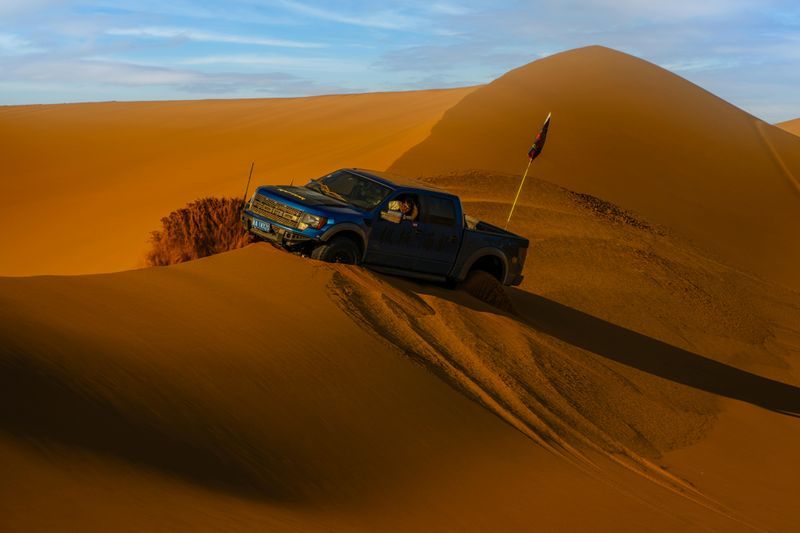
Let’s talk about the heat first, because it hits you the moment you roll off the pavement.
Arizona desert temperatures regularly exceed safe operating ranges for engines, and even a well loved rig starts to feel cranky after a long climb.
Cooling systems, tires, and batteries fail faster under sustained heat, which turns a casual day into a scramble.
The weird part for me is how quickly it compounds. A soft tire runs hotter, then the tread starts to separate, then your spare suddenly feels like a thin promise.
Breakdowns become dangerous when shade and help are far away, so every mile without a plan feels longer than it should.
What helps is boring prep: fresh coolant, clean radiators, and a fan that actually does its job.
I carry extra water for the truck and for me, and I stop more often than feels necessary just to check temps. If that sounds fussy, it is, but the heat in this state is not polite.
2. Flash Floods Appear Without Warning
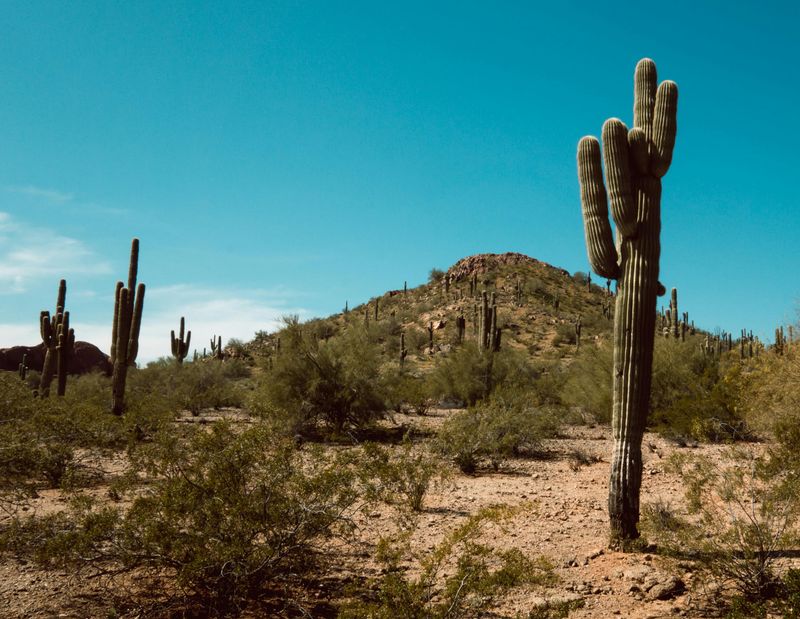
Here’s the sneaky one that catches confident drivers. Desert washes can flood even when skies are clear overhead, and that mismatch messes with instincts.
Rain miles away funnels quickly into low crossings, so a dry track can become a river before you count your breaths.
The flow hits hard and awkward. Vehicles can be swept away in seconds, and wheels lose traction long before the water looks deep.
I have turned around with a blue sky above me because the ground told a different story, and that choice always felt right later.
The best move is to read the land like a book. Check weather for distant ranges, ask locals, and look for debris lodged in branches, which marks water lines.
If a crossing makes you pause, wait and watch from high ground. Storms here move fast, but patience moves faster than regret.
I’ve seen tracks vanish under water that wasn’t there ten minutes before. Out here, the desert writes its own schedule, not yours.
Respect that script, and you’ll keep your rig dry and your story worth telling.
3. Cell Service Disappears Fast
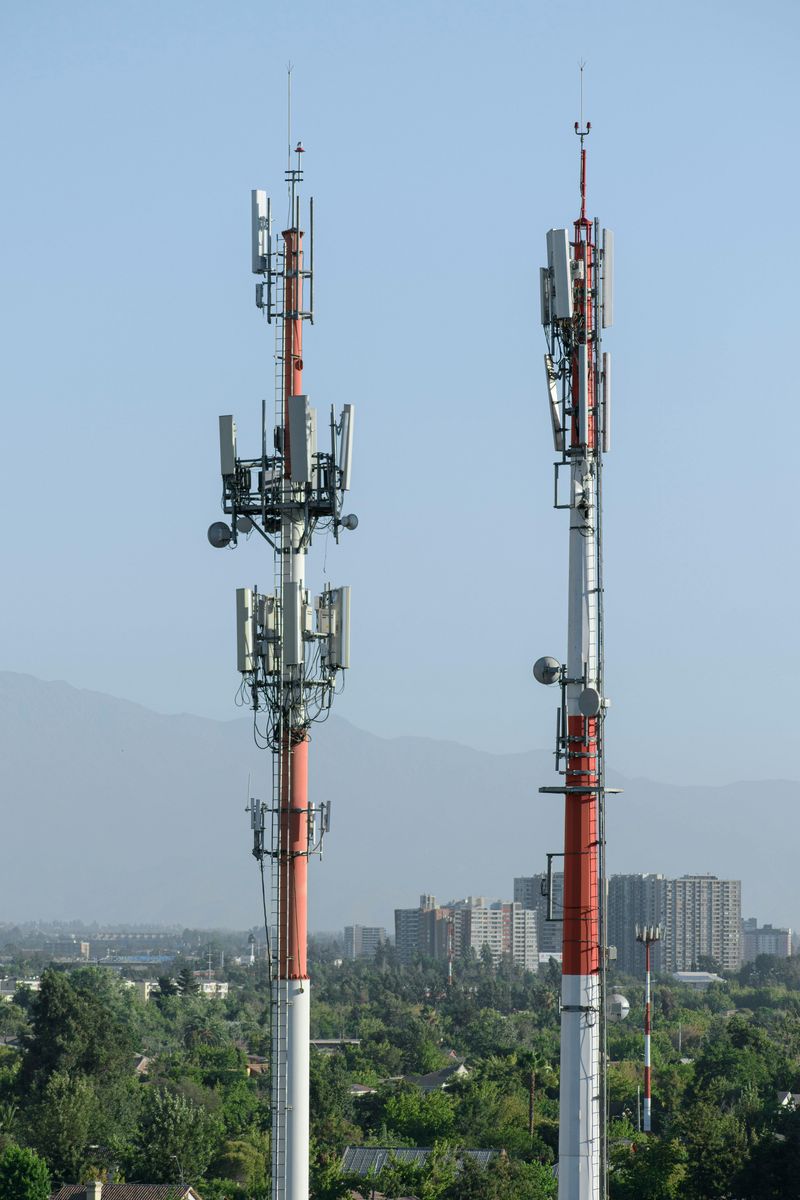
You know that feeling when the last signal bar blinks out? Many desert routes have no reliable signal, and the map you trusted a minute ago suddenly looks like a suggestion.
Navigation apps and emergency calls may fail completely, which changes every decision you make. Drivers often underestimate how isolated these areas are.
A wrong turn becomes a longer day, and a breakdown becomes an overnight problem.
I keep paper maps and a satellite communicator because Arizona does not care how fancy your phone is. It is not about fear, just honesty.
Download offline maps, tell someone your plan, and leave a simple route note on your dash for your future self.
The desert rewards calm choices. When the screen stays blank, your early prep is the only voice left.
I’ve seen travelers burn daylight chasing phantom signals. Out here, false confidence drains faster than batteries.
Know that real security comes from preparation, not reception.
4. Distances Are Deceptively Large
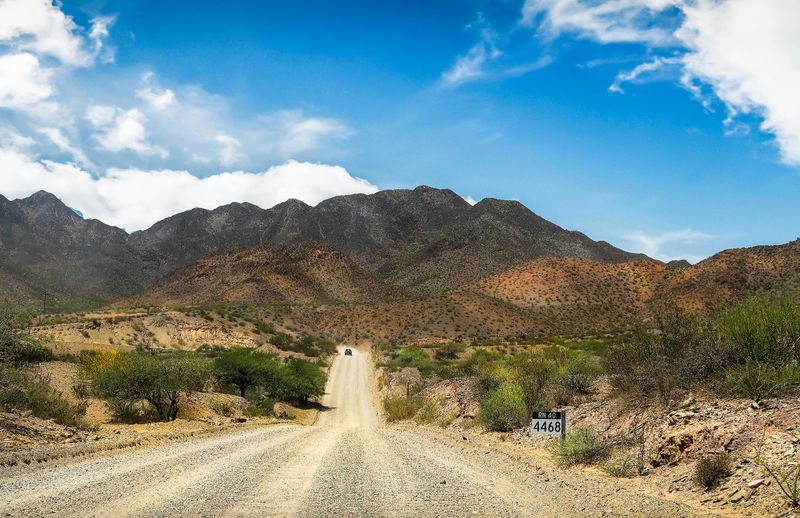
This one humbles everyone. Landmarks look close but take much longer to reach, and the hour you thought you had becomes three.
Fuel and water run out faster than expected, especially when the trail throws in slow, rocky miles.
Misjudging distance is a common mistake, and it sneaks up gently. I have chased a mesa that felt around the corner only to realize it was a patient horizon.
Arizona looks flat until the washboards, dry washes, and climbs knock minutes off the clock.
The fix is simple math. Start earlier, add a wide buffer, and top off fuel whenever you can.
Double the water and cut the itinerary. The desert is big, and if you give it time, it gives you a safer ride back.
I’ve seen daylight vanish while drivers still chased a ridge they swore was close. Out here, distance stretches patience as much as fuel.
Make sure to respect the scale, and the desert will let you leave with both stories and supplies intact.
5. Unmarked Trails Create Navigation Confusion
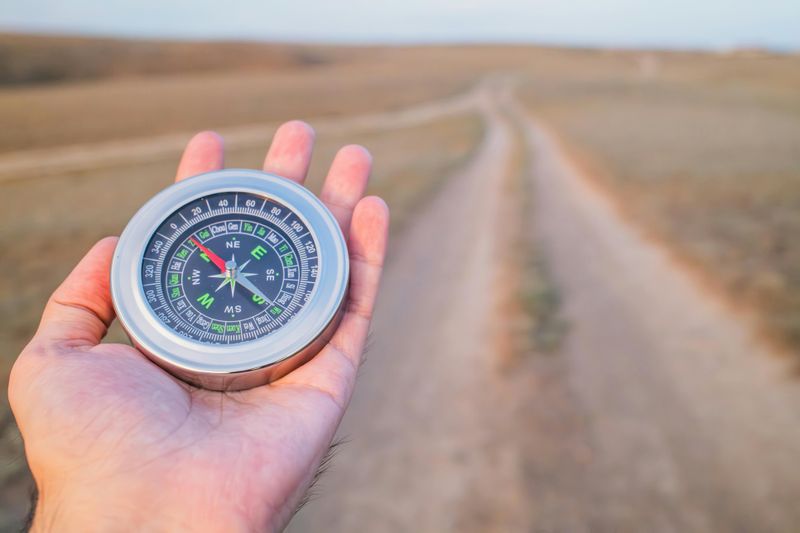
You roll up to a fork and everything looks the same. Many off road routes are unsigned or poorly defined, and the map pins never quite match the dirt under your tires.
Old mining tracks and wildlife paths can look identical, which makes a confident plan wobble.
Getting lost is easier than people expect, especially when a faint shortcut steals your attention. I have followed the most obvious line only to realize it fades into brush after a mile.
Arizona trails age quickly in wind and rain, and yesterday’s track might be gone today.
Staying found beats getting found. Load multiple GPS sources, carry a compass, and mark key junctions on the way in so the route home feels familiar.
If your gut says something is off, make sure to stop and reset before the miles stack up.
6. Sharp Rocks Destroy Tires Quickly
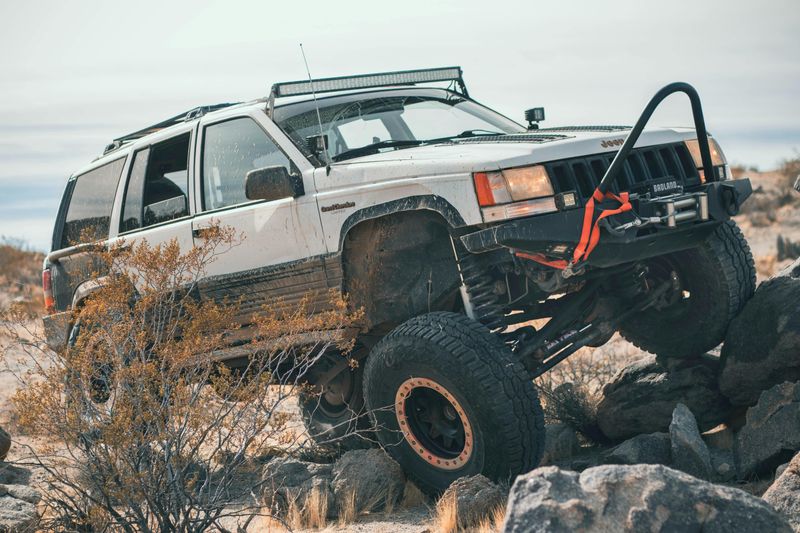
Hear that hiss? Volcanic rock and jagged terrain cut sidewalls easily, and the edges hide in innocent looking gravel.
Standard spare tires are often not enough, because one flat turns into two when you least want it.
Multiple flats can end a trip immediately, and changing rubber in blazing heat drains your energy fast.
I run tougher sidewalls and carry plugs, patches, and a compressor, because Arizona rocks do not negotiate. Picking a smarter line is free and saves tread.
Look far ahead and stay light on the wheel. Ease over obstacles and keep momentum smooth, not jerky.
Before the trip, check torque, inspect sidewalls, and set pressure for the terrain. Good tires are quiet insurance, and in the desert, quiet is everything.
And when the sun drops, that silence is the only company you’ll have. Preparation turns chaos into confidence, and confidence keeps you moving when the trail wants you stopped.
Out here, every choice echoes louder than the hiss of a flat.
7. Soft Sand Traps Vehicles
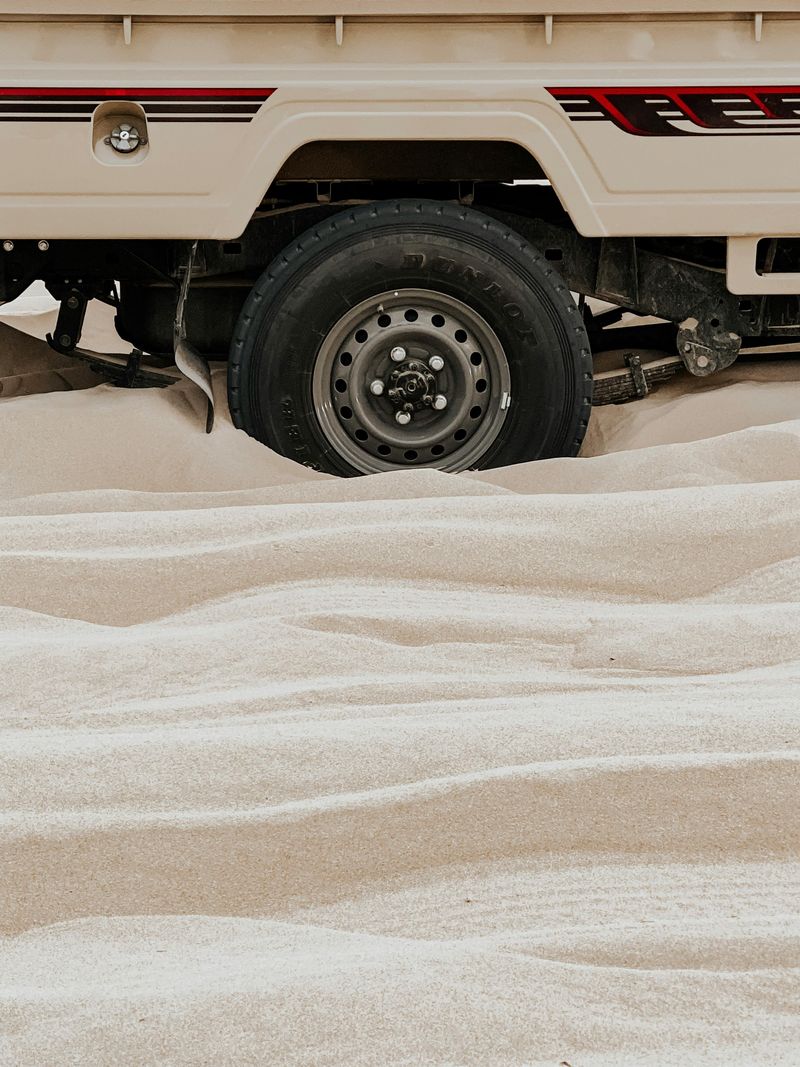
Ever feel the truck sink an inch and your stomach drop with it? Dry washes and dunes hide deep, loose sand, and the surface looks firm until it is not.
Momentum drops fast once tires sink, and spinning only digs the hole deeper.
Self recovery without equipment can be impossible, especially solo. I lower tire pressure before the sandy sections and carry boards, a shovel, and a gentle throttle foot.
Sand here rewards patience, not power, and a calm reset beats heroic throttle every time.
Read the texture and watch for lighter patches with a silky sheen. Keep speed steady, turns wide, and stops rare.
If you bog, stop early, air down more, and build a ramp with boards. Turning a stuck into a pause makes the rest of the day better.
8. Weather Shifts Faster Than Forecasts
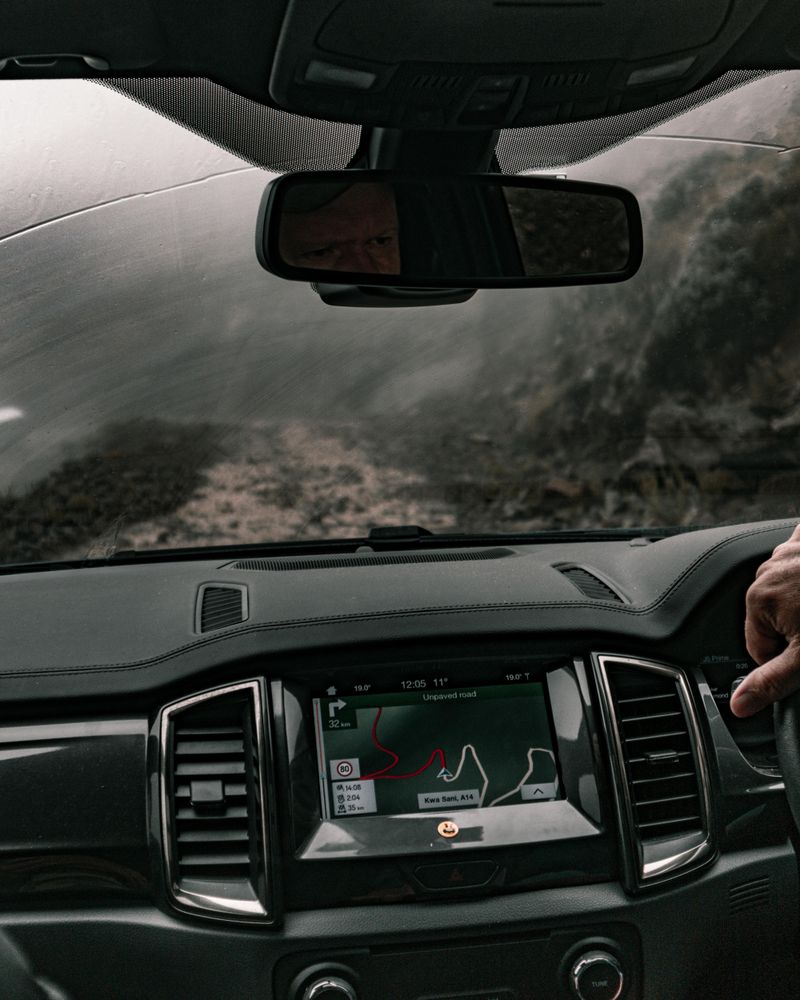
The forecast looked fine this morning, right? Monsoon storms change conditions in minutes, and the wind can flip the script faster than your app refreshes.
Heat, wind, and rain combine unpredictably, turning easy tracks into slick puzzles.
Trails can become impassable very quickly, and mud in Arizona sticks like glue. I have watched dust turn to river, then to slop, then to rutted glue, all in one afternoon.
Picking high ground and safe exits becomes the game.
Plan windows, not fixed times. Scout drainages, watch cloud build up over the ranges, and keep a clean windshield and wipers that actually swipe.
If the sky starts stacking dark anvils, turn sooner than your schedule wants. The desert rewards the early pivot.
I’ve seen rigs buried to the axles because someone waited too long. Out here, hesitation is heavier than mud.
Trust the signs, not the forecast, and you’ll keep rolling when others stall.
9. Wildlife And Livestock Appear Suddenly
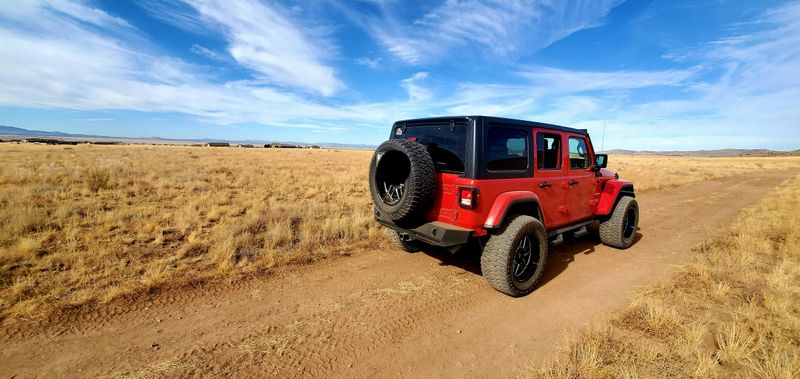
Out here, you share the road. Free range cattle, burros, and wildlife cross trails unexpectedly, and they do not read your brake lights.
Visibility drops at dawn, dusk, and night, which is when the animals move and your depth perception gets fuzzy.
Collisions are more common than people assume, and the surprise costs more than a cracked grill.
I slow earlier than feels necessary and keep the music low so I can hear hooves on rock. Arizona evenings are beautiful, but they ask for patience.
Scan wide with your eyes, not just the ruts ahead. Use low beams in dust, go slower in washes, and give every creature room to decide.
If you see one animal, expect more behind it. The desert runs on its own schedule, and you are the guest.
10. Rescue Response Times Are Long
It is easy to forget how big Arizona really is until you need help. Remote areas rely on limited search and rescue resources, and the map makes roads look closer than they are.
Help may take hours or longer to arrive, which forces you to be your own backup.
Preparation often matters more than skill. I pack extra water, a first aid kit, a real spare, and a basic recovery setup, because sitting in the sun beats walking across it.
A small shelter or tarp makes waiting much safer.
Leave an itinerary with someone you trust and set a turnaround time before you start. If the plan slips, stick to the time anyway.
Pride is loud and the desert is louder. Quiet planning keeps the day simple and the evening comfortable.
11. False Confidence From Online Trail Content

Those slick clips make everything look easy. Videos and social media downplay difficulty, trimming the slow parts and skipping the tough spots.
Conditions change daily based on weather and traffic, so yesterday’s line may not exist today.
What looks easy online may be risky in reality, and that mismatch stings when you are miles from pavement.
I have shown up to trails that looked simple on screen and found washouts that demanded a rethink. The state keeps it honest, and that is a good thing if you listen.
Bring humility and a flexible plan. Walk obstacles first, talk to people coming the other way, and be willing to turn around without drama.
A safe exit is a win, not a loss. Save the highlight reel for the driveway, not the desert.
The desert doesn’t care about your ego, only your preparation. Pride breaks axles faster than rocks do.
Out here, patience is the real skill that keeps you moving forward.
12. Environmental Damage Carries Real Penalties
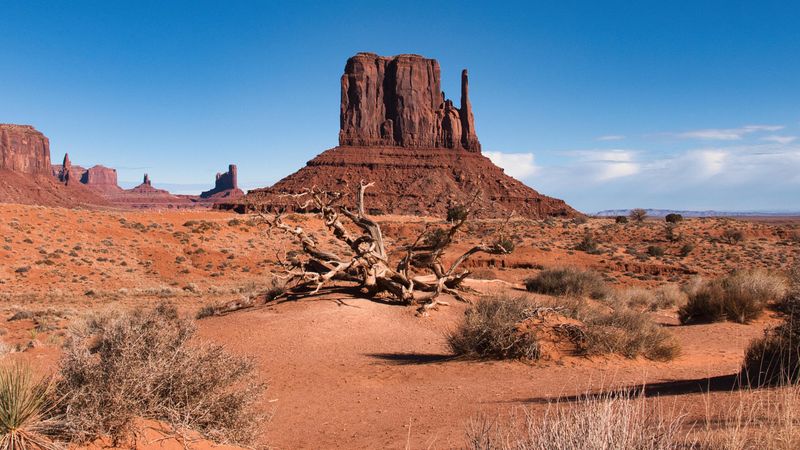
Here is the part we all share: driving off designated routes damages fragile desert ecosystems, and the scars last a long time.
Fines and vehicle impoundment are possible, and that is on top of the harm to the land.
Staying on legal trails protects both drivers and the land, and it keeps access open for everyone. I like to treat the desert like a friend’s living room.
Tread lightly, avoid soft crusty soil, and park where the ground is already disturbed.
Pack out trash, skip shortcuts, and resist wet trail ruts that will harden into messes. If a route looks closed, it probably is.
Arizona is stunning, and it stays that way when we drive like guests. Leave the place better than you found it, and the trails keep welcoming you back.
